
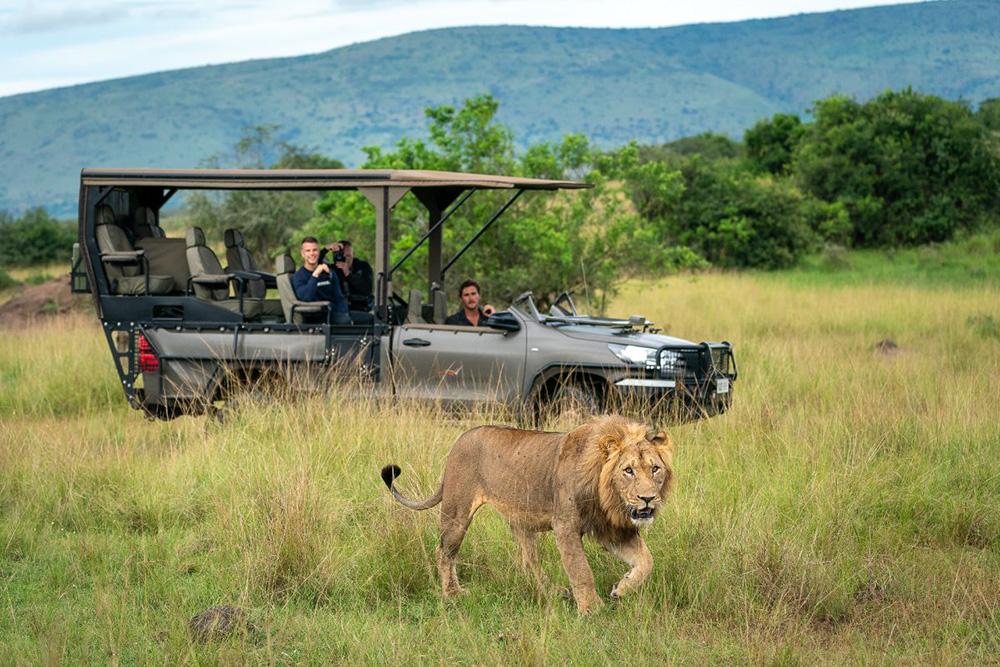
A two-hour drive east from Kigali takes you to a completely different side of Rwanda. In Akagera National Park, you’ll see lions resting under acacia trees and elephants moving through tall grass. This is Rwanda’s only savanna park, and it has made an incredible recovery from near destruction to become one of East Africa’s top safari spots. The park covers 1,122 square kilometers along the border with Tanzania.
Akagera stands out not only for its Big Five wildlife, but also for its peaceful, uncrowded safari experience. Unlike busier parks nearby, here you can watch elephants at watering holes, track rhinos in the woodlands, and see hippos from a boat without crowds. The park’s scenery includes open plains, woodlands, mountains, swamps, and a chain of sparkling lakes.
Akagera’s story is about resilience and hope. The park lost much of its land and wildlife during Rwanda’s 1990s conflict, but it has made a remarkable comeback. Since African Parks took over in 2010, animal numbers have grown, endangered species have returned, and local communities now help protect the park. Visiting Akagera means seeing successful conservation that benefits both wildlife and people.
Key Takeaways
• Akagera National Park is Rwanda’s only savanna park and the only place in the country where you can see the Big Five: lions, elephants, buffaloes, leopards, and black rhinos. Covering 1,122 square kilometers along the eastern border with Tanzania, it’s a must-visit for safari lovers exploring the Land of a Thousand Hills.
• Akagera National Park stands out as one of Africa’s top conservation success stories. Once badly damaged during the 1990s conflict, it has become a thriving wildlife sanctuary. Thanks to African Parks’ management since 2010, lions were reintroduced in 2015 and eastern black rhinos in 2017, bringing back the Big Five after years of absence.
• Akagera National Park is easy to reach—just 110 kilometers from Kigali—so you can enjoy a real African safari only 2-3 hours from Rwanda’s capital. Visitors can choose from budget self-drive trips to luxury tented camps, take boat safaris on Lake Ihema, and spot over 500 bird species.
• The best time to visit Akagera National Park is during the dry seasons, from June to September and December to February. Wildlife gathers around water sources, roads are easier to use, and game viewing is at its best. The wet season brings green scenery, great birdwatching with migratory species, and fewer visitors for a quieter safari.
Akagera’s History
Akagera National Park was established in 1934 and originally covered 2,500 square kilometers, supporting large populations of elephants, lions, leopards, buffalo, and black rhinos. The 1990s genocide against the Tutsi devastated the park. Its area was cut by more than half to make room for returning refugees, wildlife was hunted for food, and commercial poaching wiped out rhinos and large predators. By the early 2000s, Akagera was a “paper park,” protected in name only, as illegal cattle grazing, fishing settlements, and ongoing poaching pushed the remaining animals close to local extinction
In 2009, Rwanda’s government teamed up with African Parks, giving them a 20-year mandate to restore the park. Their first big step was building a 120-kilometer fence along the western edge, finished in 2013. This fence greatly reduced conflicts between people and wildlife by stopping crop-raiding, illegal grazing, and poaching. Although some people were unsure about the fence at first, it quickly helped wildlife populations recover and allowed for the careful management needed for future reintroduction programs.
The park reached two major milestones: seven lions from South Africa were reintroduced in 2015 and their numbers grew to over 40 by 2020. In 2017, eighteen critically endangered eastern black rhinos were brought in through a complex operation that needed special transport and strong security. These achievements rely on strict anti-poaching work. More than 50 rangers patrol the park using vehicles, drones, and tracker dogs, creating a safety net that has nearly stopped poaching and protects the reintroduced animals.
Tourism growth has shown that investing in conservation pays off, as more visitors prove that protected areas can support local economies. Ten percent of tourism income goes to community projects, and hundreds of jobs and education programs are helping change local views about wildlife. Despite this progress, challenges remain, such as population pressure, climate change, funding shortages, and the small size of lion and rhino populations. Still, Akagera shows that even badly damaged ecosystems can recover in a decade with good management, enough resources, and community support. Other African parks are now looking to follow this exampl
Wildlife in Akagera: The Big Five
African Lions
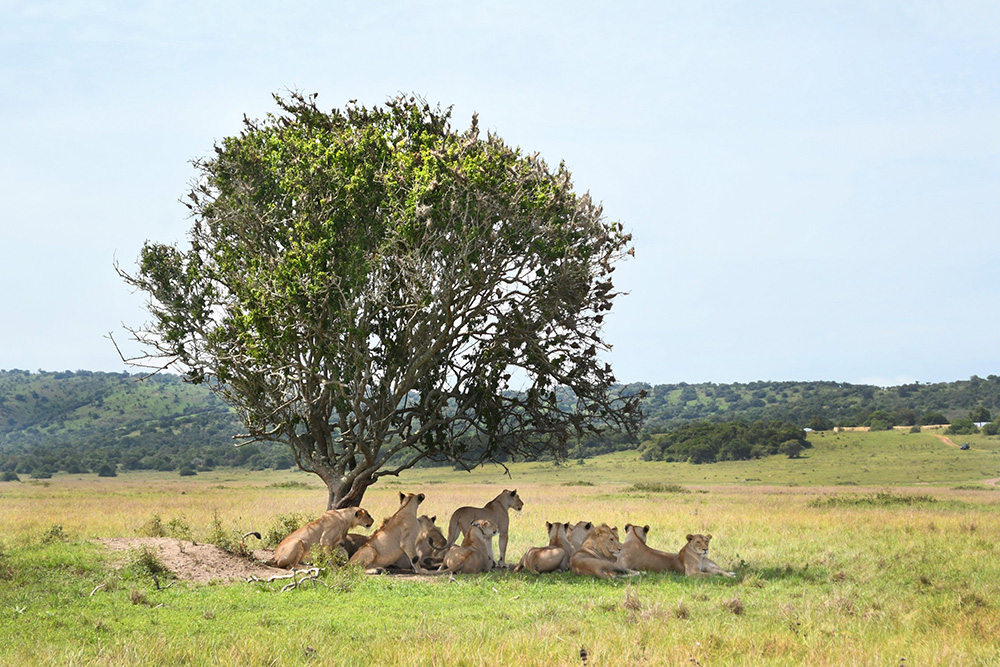
Few experiences compare to seeing your first lion in the wild. In Akagera, these impressive predators are a true conservation success story. For 15 years, lions were missing from the park, but in 2015, seven were brought in from South Africa. Now, the population has grown to over 50, showing how well the park supports these top predators. Watching a pride rest under acacia trees or move through tall grass gives you a sense of Africa’s deep and timeless nature.
Akagera’s lions have settled well into their new home, forming prides throughout the park. You’re most likely to see them in the savannas north of Lake Ihema, especially near the Mutumba Hills and along the main game drive routes in the north. Early morning is the best time to spot them, as they are most active when it’s cool. You might catch them coming back from a night hunt or patrolling their territory. Late afternoons are also good for sightings as they get ready for the evening.
Akagera’s lions have developed unique hunting methods that fit the park’s landscape. Instead of hunting on open plains like in the Serengeti, they use the edges of woodlands and rolling hills to surprise their prey. Buffalo are their main food, but they also hunt antelope, warthogs, and sometimes young elephants. Rangers keep a close watch on the lions, using radio collars to track some of them and help manage any conflicts with nearby communities. Seeing a lion here is special because it shows how the population has come back from zero.
African Elephants
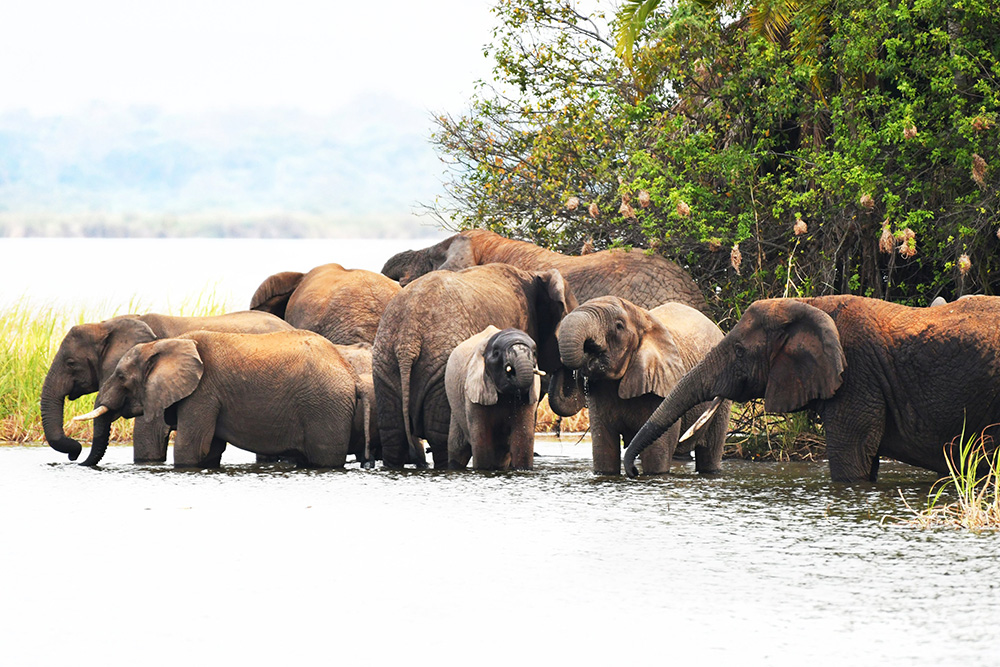
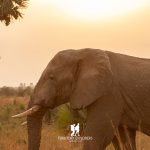
Elephants are a key part of any African safari, and Akagera is home to a strong and growing population. There are now more than 120 elephants in the park, living in several herds that travel along old routes and follow seasonal food and water. Watching a matriarch guide her family to water, with calves close by and older siblings playing, is a truly memorable sight.
You can find elephants all over Akagera, but some spots are better for sightings. Herds often gather along Lake Ihema, especially in the dry season when water is scarce. The swamps by the Akagera River and the woodlands in the north also attract elephants year-round. These elephants know the park boundaries well and usually stay inside during the day, but some herds wander into nearby farmland at night, which can be a challenge for park managers.
Akagera’s elephants show many interesting behaviors that make them so fascinating to watch. You might see whole families covering themselves in mud to protect against the sun and insects. Young elephants are fun to watch as they play in the water, chase birds, and cause mischief while their mothers look on patiently. Male elephants, or bulls, often travel alone and only join the herds when females are ready to mate. Watching these bachelor groups resting or feeding together gives you a glimpse into their social lives. Always keep a safe distance—these are wild, strong animals and deserve our respect.
African Buffalo
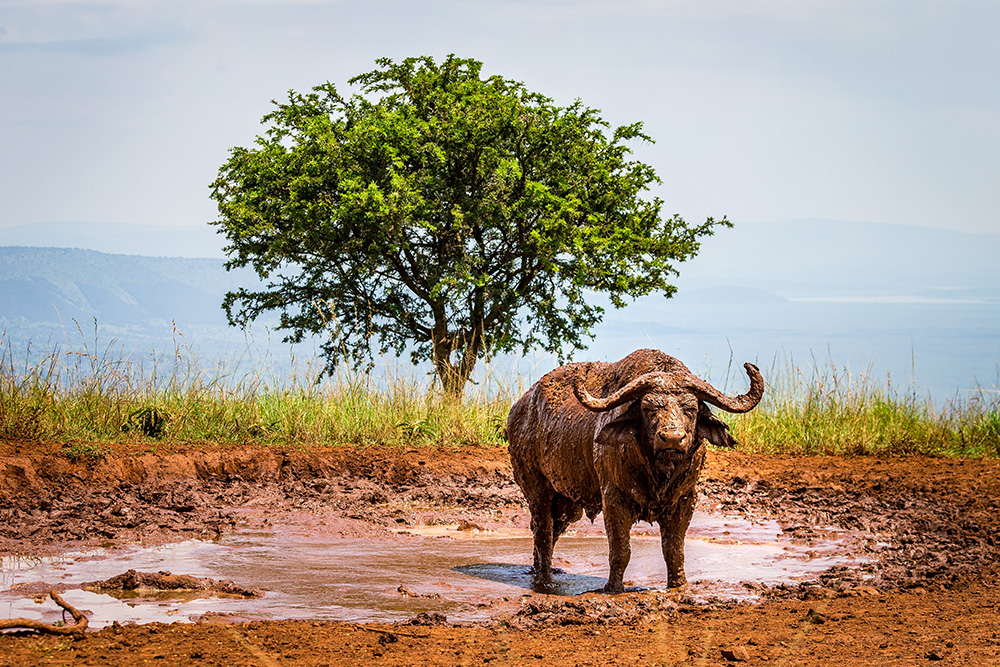
Buffalo may not be as eye-catching as lions or elephants, but they are among Africa’s most dangerous animals and deserve respect. Akagera is home to large herds, sometimes with hundreds of buffalo moving across the plains or gathering at waterholes. Their curved horns and strong gaze make them look as tough as they are—buffalo are responsible for more deaths in Africa than any other large animal and are known for being unpredictable.
Buffalo in Akagera tend to gather near lakes and swamps where water and grass are easy to find. You’ll often see big herds on the northern shores of Lake Ihema, especially in the dry season afternoons when they come to drink. For the best chance to see them, wait downwind near water points in the late afternoon. With patience, you might watch herds coming down the hills, calves calling to their mothers, and bulls showing their dominance. Sometimes, you may have to wait as hundreds of buffalo cross the road, paying no attention to your plans.
Buffalo are interesting not just because they are dangerous, but also because of their complex social lives and intelligence. Look out for ‘dagga boys,’ which are older bulls that leave the main herd to live alone or in small groups. These bulls can be especially dangerous. In the main herds, there is a strict order, with dominant bulls in charge of breeding while others stay on the edges. Buffalo have great memories and can remember water sources, migration paths, and dangers for years. They are also one of the few animals that will fight back against predators—a herd may chase and even kill lions that threaten their calves.
Leopards
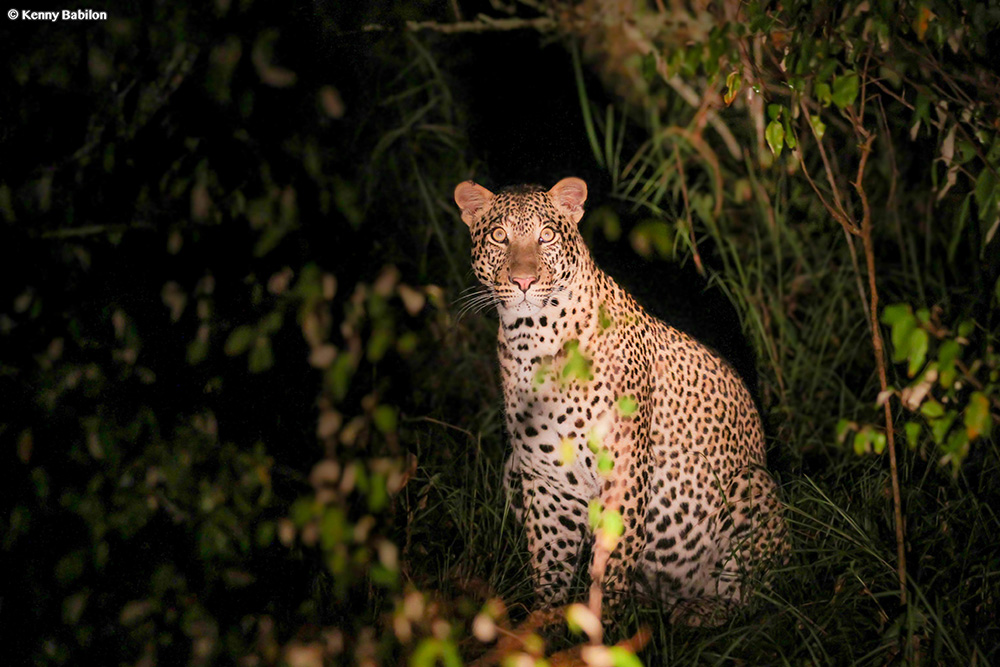
Leopards are the elusive cats of Akagera—found all over the park but very hard to see. These solitary, night-time hunters like woodlands and rocky spots where their spotted coats help them blend in. Spotting a leopard is one of the most exciting safari moments because it’s so rare and takes both luck and sharp eyes. Even guides with years of experience in Akagera treat every leopard sighting as something special.
You have the best chance of seeing leopards during early morning or late evening drives, when they are most active. Look closely at tree branches, as leopards often rest there during the day and their spots blend in with the sunlight and leaves. The woodlands north of Lake Ihema and the rocky outcrops throughout the park are the best places to look. Some people search for days without seeing one, while others get lucky right away—spotting a leopard is always unpredictable.
Leopards in Akagera hunt a wide range of animals, such as impala, bushbuck, warthog, and smaller mammals. They are very strong for their size and can carry prey twice their weight up into trees to keep it safe from lions and hyenas. Unlike lions, leopards live alone except when mating or when females are caring for cubs. Males have large territories that overlap with several females, marking their areas with scent and returning to their kills over several days. Because leopards are so secretive, it is hard to count them, but camera traps and tracks show that there is a healthy, stable population across the park.
Black Rhinos
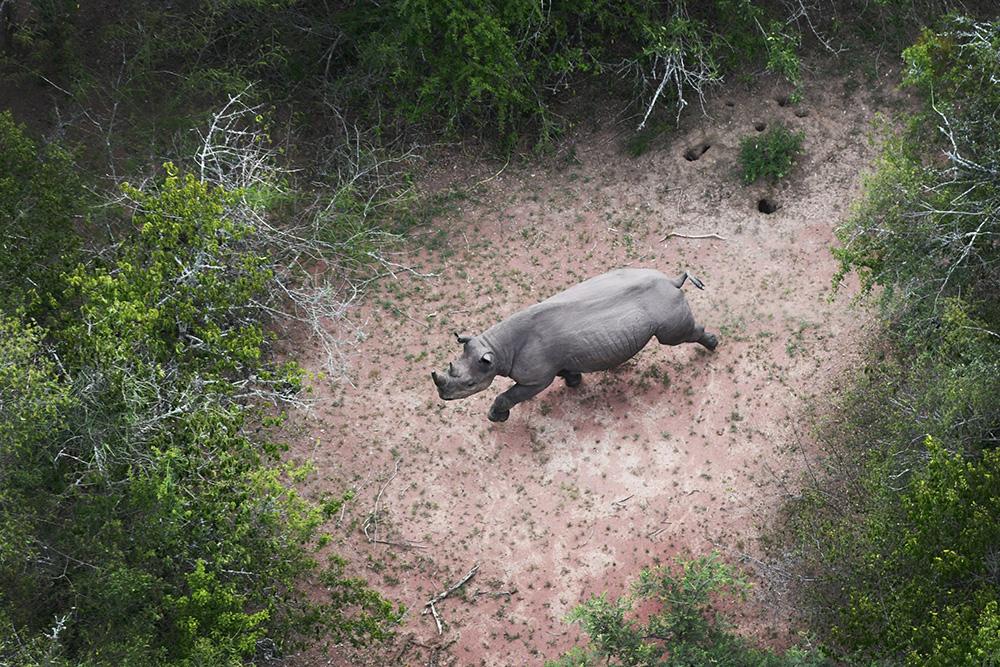
Akagera’s eastern black rhinos are one of the park’s biggest conservation successes. These critically endangered animals were extinct in Rwanda until 2017, when 18 were brought from South Africa after years of careful planning. Now, the population is slowly increasing, with new calves born regularly and each birth seen as a win for the species. Seeing one of these ancient-looking animals in the wild is a powerful reminder of why conservation matters.
Finding rhinos takes patience, luck, and often joining a special rhino tracking activity offered by the park. Most rhinos live in the southern part of Akagera, where thick woodlands give them food and safety. Dedicated rangers watch over them around the clock, tracking them on foot to protect them from poachers and to learn about their movements and behavior. These rangers know each rhino’s habits well, and booking a behind-the-scenes tracking experience lets you see this important conservation work up close.
Black rhinos are browsers, not grazers, and use their pointed lips to pick leaves, shoots, and branches from bushes and trees. They usually live alone, coming together only to mate, though females stay loosely connected to their latest calf for two to three years. Black rhinos are smaller and more aggressive than white rhinos and prefer thicker habitats. They are critically endangered because of heavy poaching for their horns, which are still sold illegally even though they have no real medicinal value. In Akagera, every rhino is protected by armed guards—a sad but necessary step that is helping to save the species.
Beyond the Big Five: Other Wildlife
Giraffes
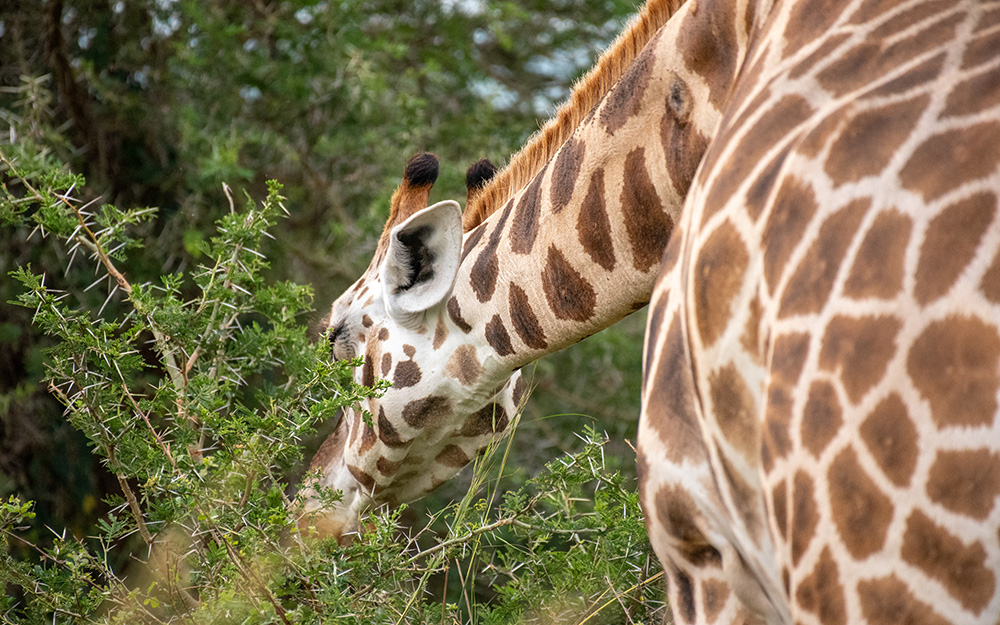
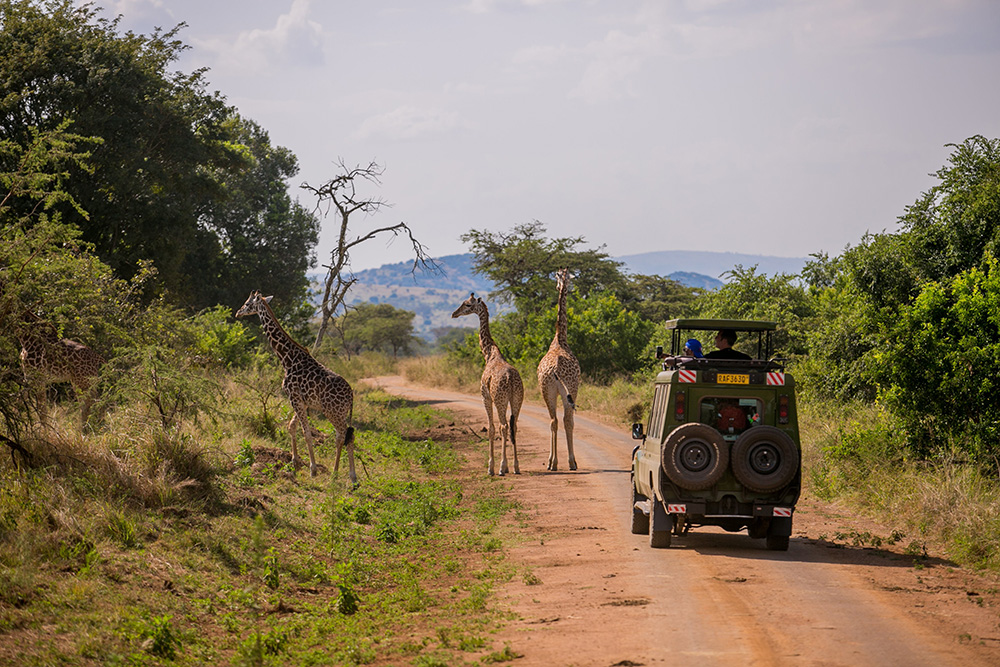
Masai giraffes roam Akagera’s woodlands, using their long necks to reach leaves that other animals can’t. The park has a healthy and growing giraffe population as the habitat improves. Watching these tall, graceful animals move with their unique walk is always a treat. They are also quite approachable, so you can often drive close for photos while they keep feeding, not bothered by visitors.
Zebras
Plains zebras bring their bold black-and-white stripes to Akagera’s grasslands, often grazing with antelope in mixed herds that help each other spot danger. Zebras are social and live in stable family groups led by a dominant male. Watching them groom, play, and sort out their pecking order shows how complex their social lives are. In the dry season, many zebras gather at water sources, making for great photos of striped herds along the shore.
Hippos and Crocodiles
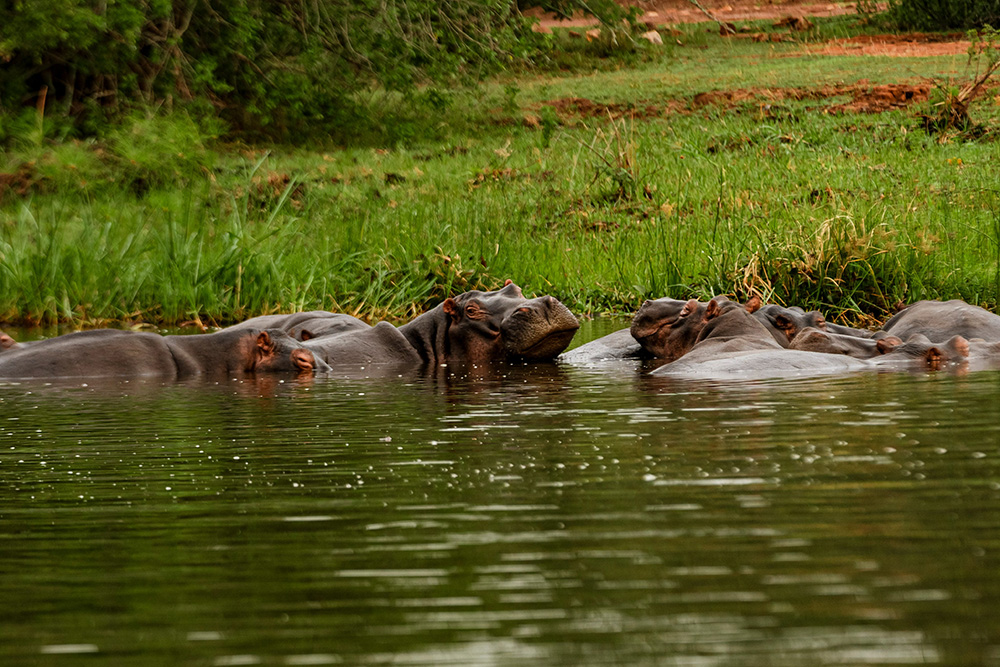
Lake Ihema is home to one of Africa’s largest hippo populations, with more than 1,000 hippos living in Akagera’s lakes and the Akagera River. During the day, hippos stay underwater, coming up now and then to breathe with loud snorts. In the evening, they leave the water to eat grass, consuming huge amounts each night. The best way to see hippos is by boat safari, where you can get close without bothering them. Always keep a safe distance—hippos are the most dangerous large animal in Africa and can be especially aggressive if you get between them and the water.
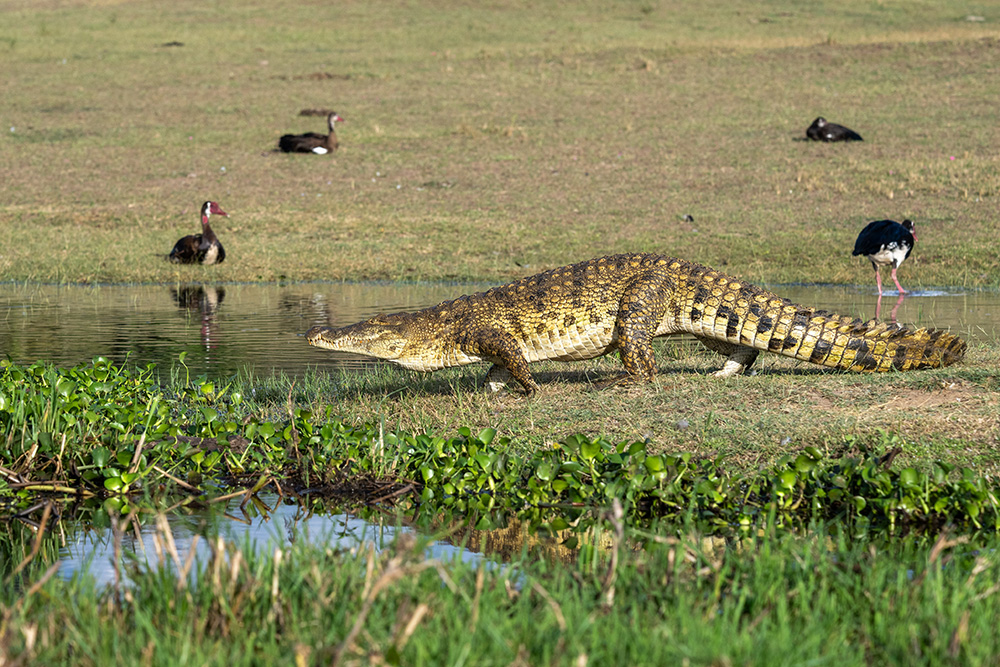
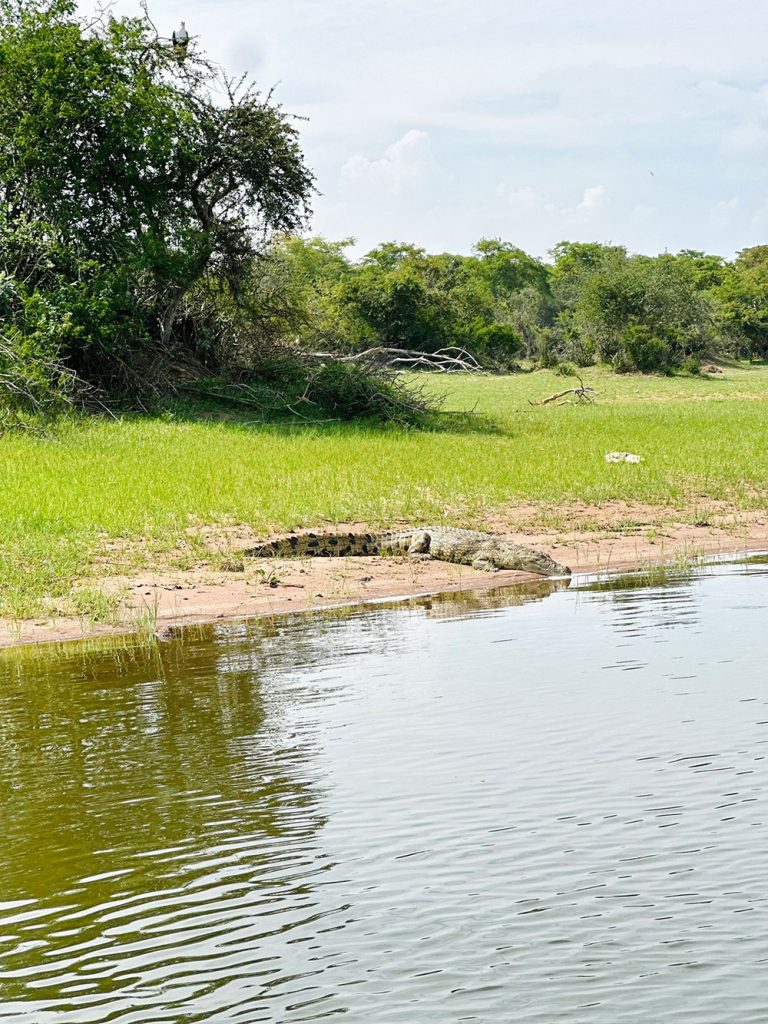
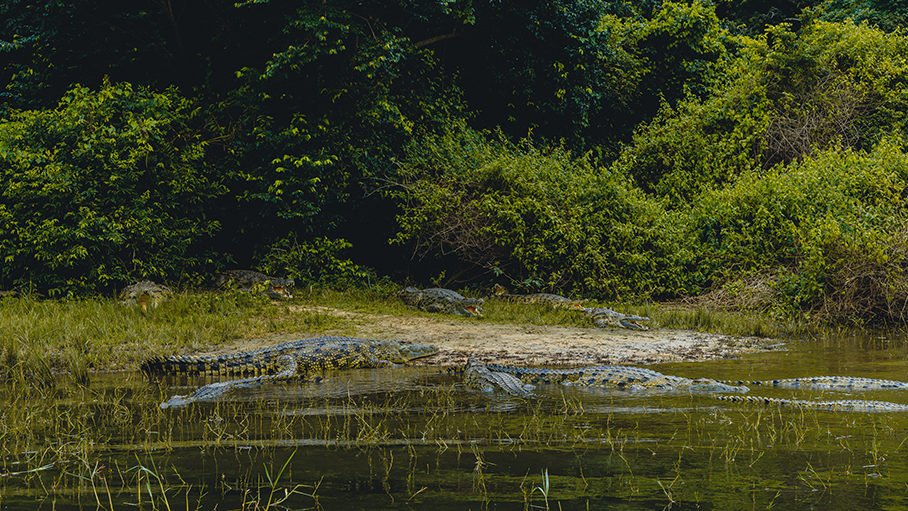
Nile crocodiles also live in the lakes with hippos, and Akagera has some very large ones, reaching 4 to 5 meters long. You might see them sunning themselves on the shore with their mouths open to cool off, or hiding just below the water’s surface. On boat safaris, guides can help you spot crocodiles you might otherwise miss, and sometimes you’ll see them catch birds or fish. These ancient predators have hardly changed in millions of years and are perfectly adapted to life as ambush hunters in the water.
Antelopes and Other Herbivores
Akagera is home to a wide variety of antelopes, with each species filling its own role in the ecosystem. Impalas are common and easy to spot thanks to their reddish-brown coats and lyre-shaped horns. Topis often stand on termite mounds to watch their surroundings, while oribis, the park’s smallest antelope, dart through the grasslands like tiny deer. Bushbucks stay near the edges of woodlands, waterbucks gather by the lakes with their distinctive white rump markings, and elands, Africa’s largest antelope, travel in small groups across open areas.
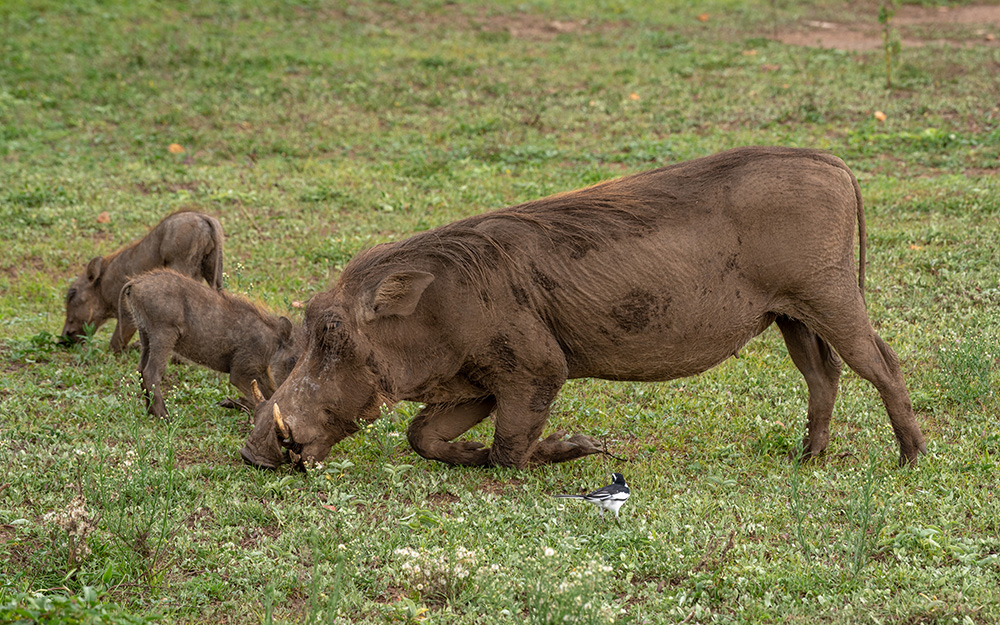
Warthogs are fun to watch as they trot around with their tails held high and kneel down to dig for food. Olive baboons move in large groups, showing off their social skills through grooming, displays by dominant males, and sometimes sneaking into picnic areas if food is left unattended. You might also spot vervet monkeys in the trees and bushbabies during night drives, their big eyes shining in the light as they jump between branches looking for insects.
The Birding Paradise
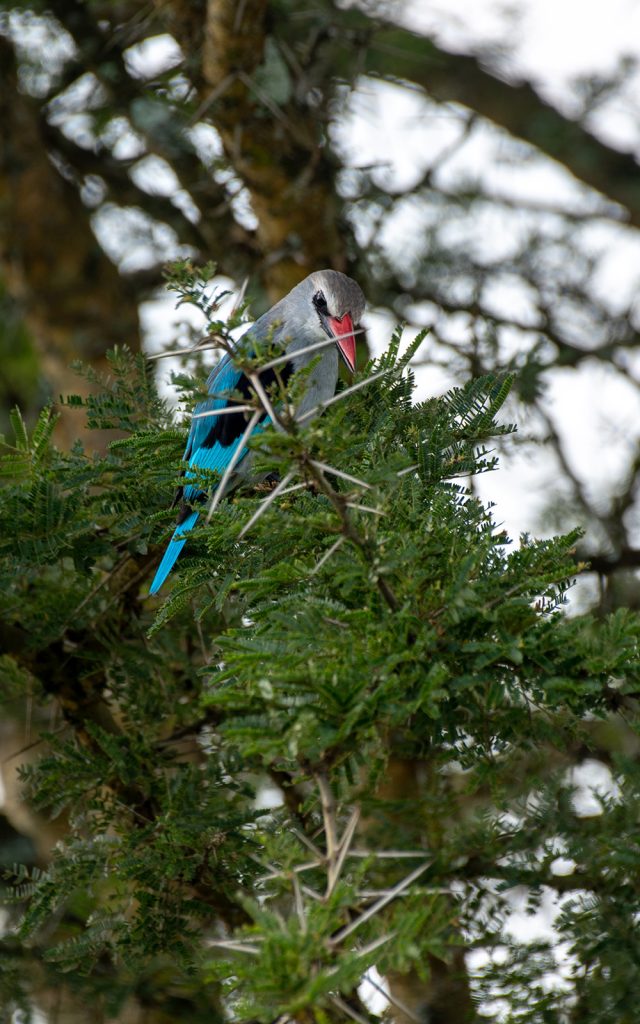
Akagera is a top spot for birdwatching, with over 500 species recorded. Its mix of savanna, woodland, swamps, and lakes supports a huge range of birds. Shoebills, some of Africa’s most sought-after birds, live in the northern swamps, but seeing these ancient-looking storks takes patience and luck. African fish eagles are easy to spot near water, and their call is often called “the voice of Africa.” You’ll also see different kingfishers along the water, sunbirds feeding on flowers, and many raptors like martial eagles and secretary birds searching for prey.
During the wet season, birds from Europe arrive in Akagera, including European bee-eaters, swallows, and many types of waders. If you’re a keen birder, focus on the shores of Lake Ihema, the papyrus swamps, and the edges of woodlands where different habitats meet. Even if you’re just a casual visitor, you’ll be amazed by the bright lilac-breasted rollers, shiny starlings, and the funny-looking hamerkop with its backward crest. Bring good binoculars and a field guide, or consider hiring a birding guide who can identify birds by their calls and knows where to find rare species.
Landscapes and Ecosystems
Savanna Grasslands
Akagera’s savanna grasslands offer the classic African scenery that many people imagine when planning a safari: wide golden plains with scattered acacia trees, herds of animals in the distance, and a huge sky overhead. These open areas cover much of the park’s center and north. The grasslands are home to most of the grazing animals and their predators, making them great places for game drives and wildlife watching.
The savanna in Akagera is far from boring. It’s made up of many types of grasses, each suited to different soils and moisture. In the wet season, the grass grows tall and green, making it harder to spot animals but creating beautiful scenery. As the dry season goes on, the grass turns yellow and gets shorter because of less rain and grazing. This change brings animals closer to the remaining water and food, making it easier to see them and watch how predators and prey interact.
Woodland Habitats
Large parts of Akagera, especially in the west and north, are covered by acacia and mixed woodlands. These areas are important for animals like giraffes and bushbucks that feed on leaves, and they offer nesting spots for many birds and shade during the hottest part of the day. Driving through the woodlands feels different from the open plains—it’s more close-up, sometimes even a bit enclosed, and you never know what animal might appear next.
The woodlands have their own unique wildlife, different from what you see in the grasslands. Birds live in the treetops, insects feed on bark, lizards climb trunks, antelopes eat leaves, and francolins search for food on the ground. All these animals share the space by using different parts of the habitat. Woodlands are also a great place to look for leopards—once you spot one resting in a tree, you’ll want to keep searching for more.
Lakes and Wetlands
Water is central to Akagera’s ecosystem. The park’s lakes and wetlands form lively corridors across the landscape. Lake Ihema, the biggest, covers much of the park’s east and stands out with its blue water next to the grasslands. Lake Rwanyakizinga in the north is just as beautiful and important for wildlife. Other smaller lakes, such as Mihindi, Hago, and Shakani, are scattered throughout the park and each draw their own groups of animals.
The wetlands around the lakes are filled with special plants, like thick papyrus beds that form floating islands. These swamps are home to water birds such as herons, storks, and the rare shoebill. They also help clean the water and give fish and amphibians places to breed. In the dry season, these permanent lakes become even more important as temporary pools dry up and animals gather at the remaining water. This makes for great wildlife viewing, but it also means more competition and more chances to see predators and prey interact.
The Akagera River
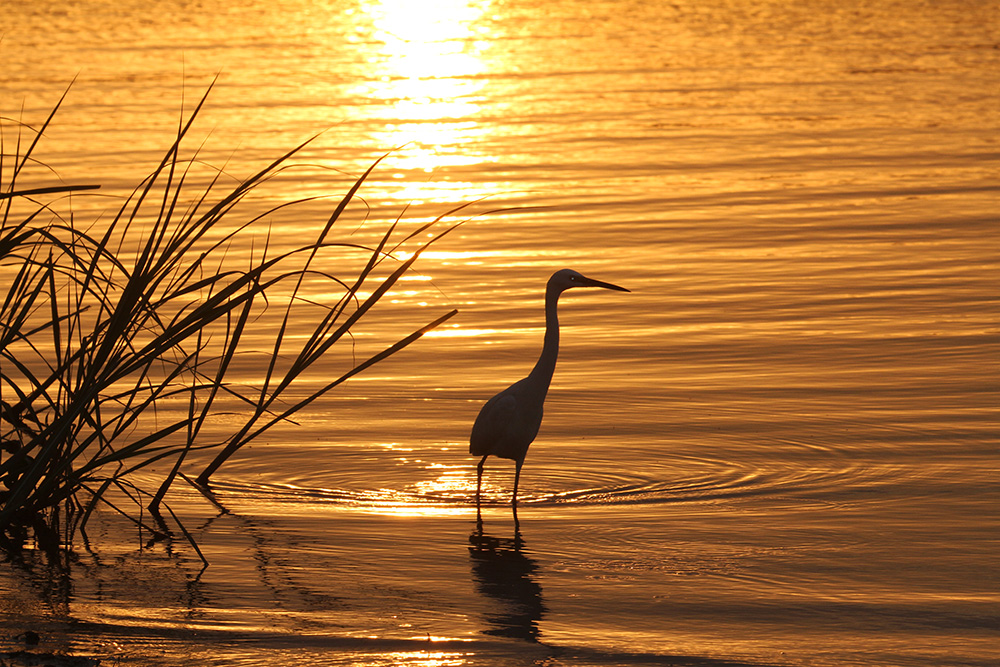
The Akagera River runs along the park’s eastern edge next to Tanzania, giving its name to both the park and the wider ecosystem. This major river acts as a natural border and a path for wildlife, with animals following its route. Because the river flows year-round, it provides water even during tough droughts, and the plants along its banks create important habitats that are different from the rest of the park.
Boat safaris on parts of the river and nearby lakes let you see things you can’t from land. You’ll pass crocodiles sunning themselves, get close to groups of hippos, and watch water birds fishing right at your eye level. The river is important beyond the park, too—it flows north and eventually joins the Nile, linking Akagera to one of Africa’s major river systems.
Mountains and Hills
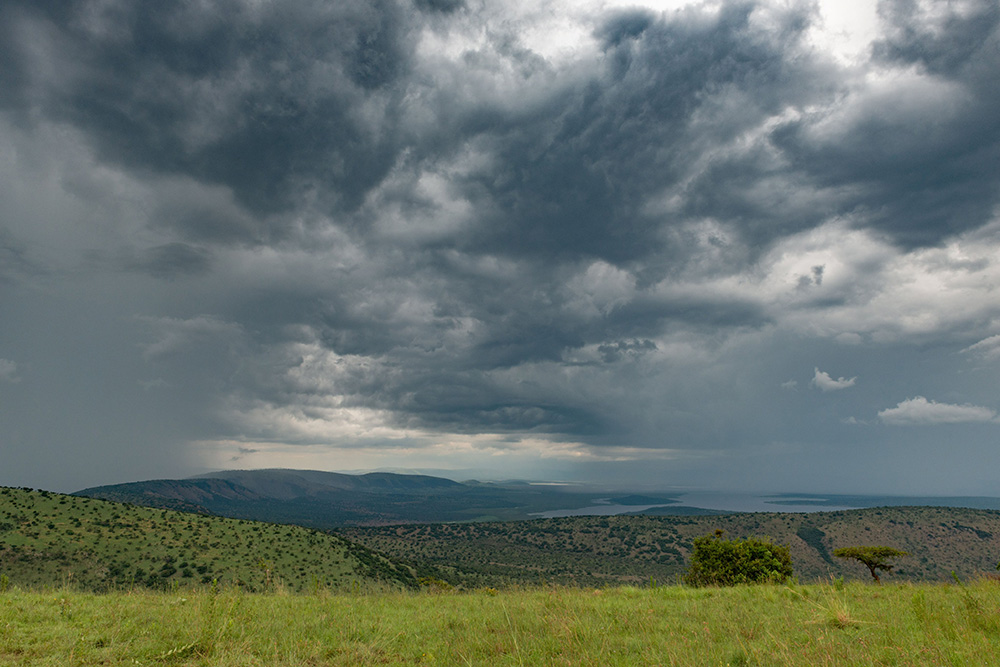
Akagera isn’t full of dramatic mountains, but it does have plenty of hills and ridges that offer great views and a mix of habitats. The Mutumba Hills in the middle of the park give you wide views of the landscape, where you can watch the weather change and spot animals far away. These higher spots are a bit cooler, sometimes have different plants, and give predators good places to watch for prey.
The hills shape the land, forming valleys, seasonal streams, and hidden habitats. This variety lets Akagera support more species than if it were flat. Rocky spots on the hillsides give predators places to den, lizards places to sun themselves, and birds of prey places to perch. Driving through the rolling landscape keeps game drives exciting, since you never know what you’ll find around the next corner.
Activities and Experiences
Game Drives
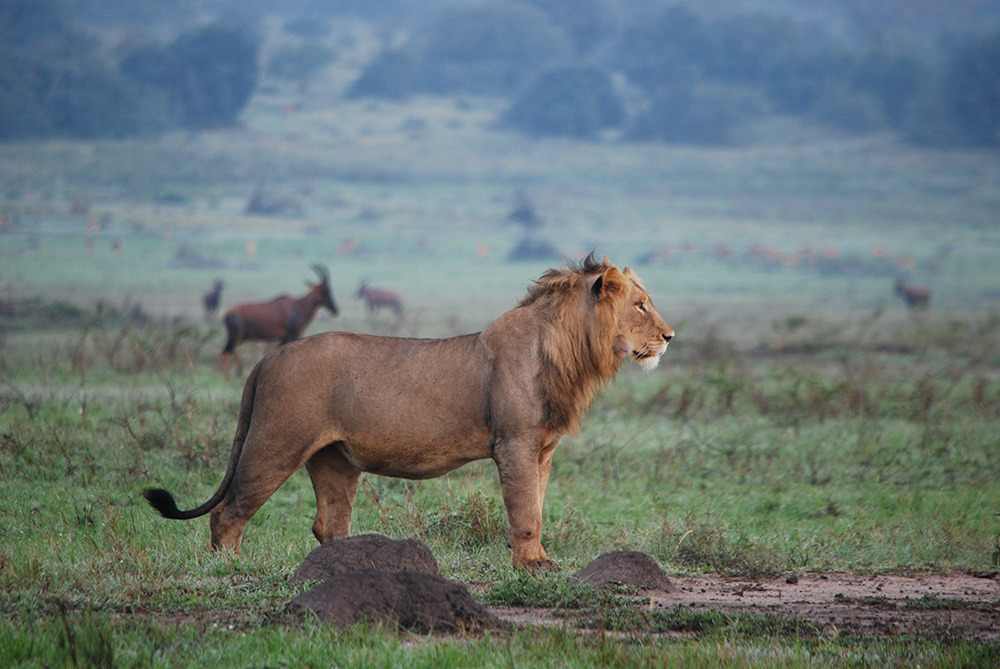
Game drives are the main activity in Akagera, and the park’s small size and good roads mean you can see a lot in one day. If you drive yourself, you can go at your own pace, stop when you see something interesting, and spend time at good sightings. The main routes take you through the best wildlife areas, and they’re well marked, though they can be tricky when it’s wet. With experience, you’ll get better at spotting animals—by reading the landscape, listening for alarm calls from birds and antelope, and noticing signs that predators might be nearby.
Guided game drives have benefits that self-driving can’t match, especially if it’s your first safari. Professional guides know how to read animal behavior, track hidden wildlife, and understand the ecosystem. They also talk to other guides and share information about sightings, which can help you see animals like lions or rhinos you might miss on your own. Best of all, guides let you focus on watching and taking photos instead of worrying about driving and looking for animals at the same time.
The best time to see wildlife is early in the morning, right at sunrise. Predators are still active after hunting at night, herbivores are out grazing in the cool air, and the golden light makes everything look beautiful. Plan to leave your lodge by 6:00 AM and bring warm clothes, since mornings can be cold. Late afternoon drives, starting around 3:30 or 4:00 PM, are also great because animals become active again. From about 10 AM to 3 PM, animals rest in the shade to avoid the heat, so that’s a good time for lunch, a break, or a boat safari.
Boat Safaris
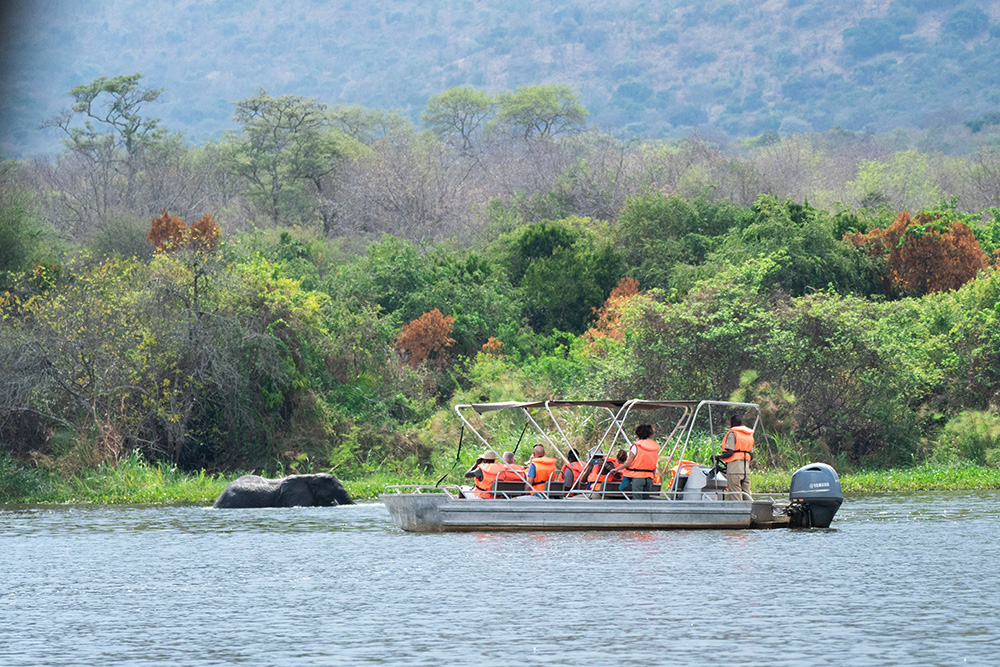
A boat safari on Lake Ihema is one of the highlights of Akagera, giving you a new way to see the park. The 90-minute trips leave from the south side of the lake and take you past groups of hippos, close to crocodiles, and offer great chances to photograph water birds and animals along the shore. Floating on the calm water is peaceful and lets you enjoy the sights and sounds of the bush, away from the dust and noise of driving.
Hippos are the main attraction on boat safaris, and you can see them up close in ways you can’t from land. You’ll watch them come up for air just a few meters away and see how they interact in their groups, from showing off to playing. Crocodiles rest on the muddy banks, looking like part of the land until they suddenly slip into the water. The birdlife is amazing—African fish eagles call from above, kingfishers dive for fish, herons walk through the shallows, and sometimes you might spot a shoebill standing still in the papyrus.
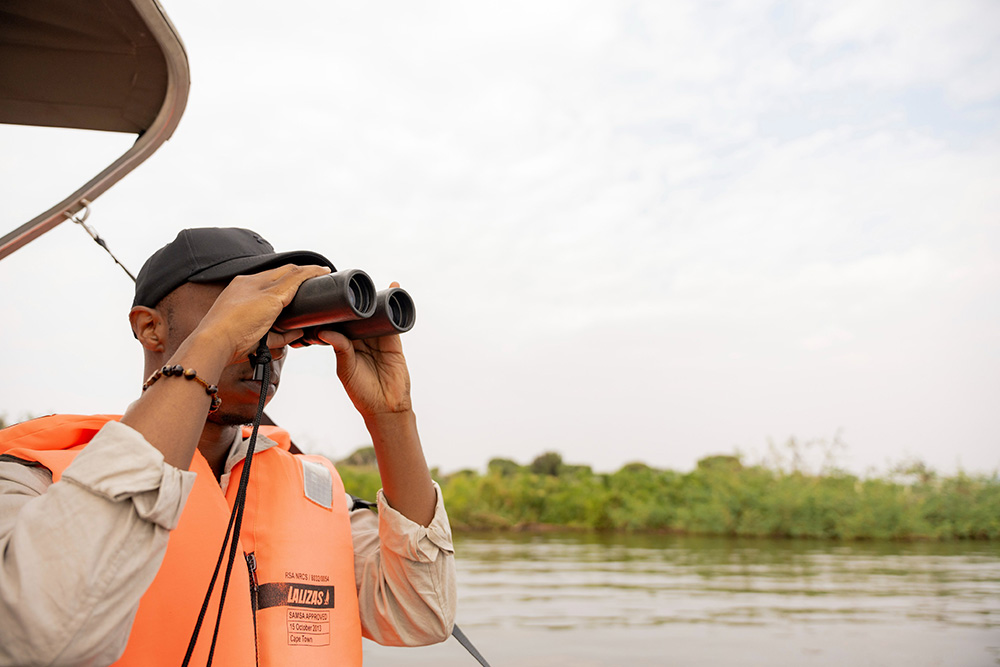
On a boat safari, you might also see elephants, buffalo, and antelope coming to drink, giving you great photo opportunities as they approach the water. In the dry season, even more animals gather at the shore. The boat guides know Lake Ihema well and will get you the best views while keeping a safe distance from hippos and crocodiles. Remember to bring your camera, binoculars, sunscreen, and a hat, since you’ll be out in the strong sun.
Night Game Drives
Night drives, offered only to guests staying inside the park, show you a whole new side of wildlife compared to daytime safaris. Guides use strong spotlights to search for the glowing eyes of nocturnal animals, making the experience feel exciting and a bit like you’re getting a glimpse into nature’s hidden nightlife. Leopards are easier to spot at night as they come out to hunt, and lions often become active after dark, their eyes shining green in the light.
At night, you’ll see animals that stay hidden during the day. Bushbabies jump through the trees, using their large eyes to hunt in the dark. Genets, civets, and African wildcats move quietly as they search for rodents and insects. Nightjars rest on the roads, blending in so well you might not notice them until they fly off. You might spot a spotted hyena, though there aren’t many in Akagera. Even animals you know act differently at night—prey animals seem more alert, while predators move with confidence.
Night drives usually start soon after dinner and last for 2 to 3 hours, depending on what’s happening and what guests want to see. Be sure to bring warm clothes, as African nights can get quite cold, especially in the dry or wet seasons. In the dark, every sound seems louder—each twig snapping could be a leopard, and distant calls might be lions talking to each other. The experience is both exciting and a little unsettling, reminding you that after dark, you’re in wild Africa where humans are no longer in charge.
Bird Watching
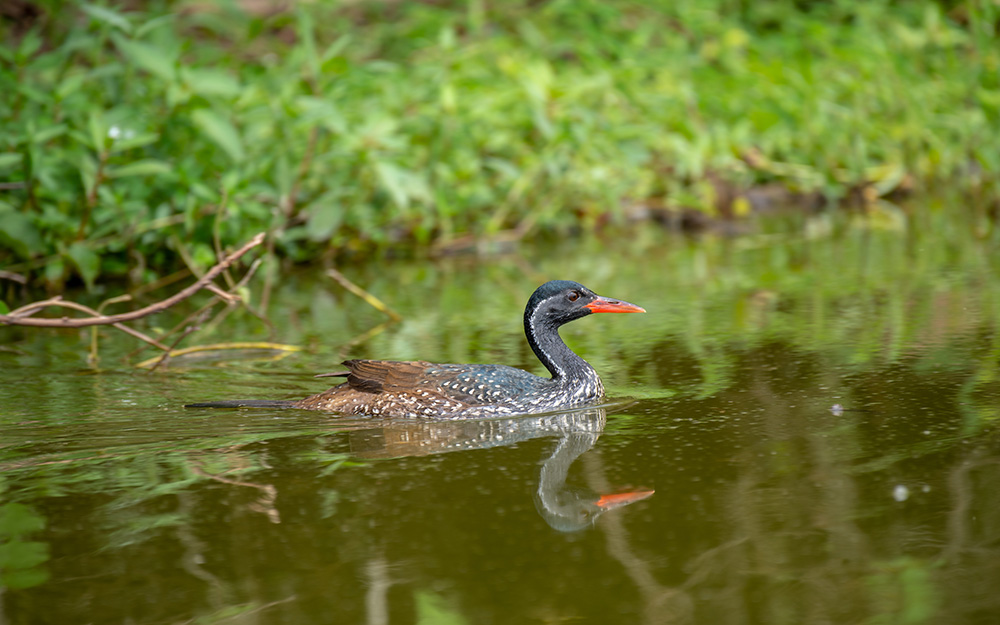
Bird enthusiasts could spend a whole week in Akagera and still have more to discover. The park’s variety of habitats means you’ll find many different bird species in each area. In the northern papyrus swamps, you might see papyrus gonolek, white-winged warbler, and even the famous shoebill—though spotting a shoebill takes patience, help from locals, and a bit of luck. Along the lake shores, you’ll find plenty of water birds like herons, egrets, storks, and ibises.
In the woodlands, you’ll find birds like woodland kingfishers, barbets, honeyguides, and many sunbirds with bright, shiny feathers. The open savanna is home to ground birds such as bustards, francolins, and the impressive secretary bird, which hunts snakes and small animals in the grass. Overhead, raptors like fish eagles and martial eagles soar, and during migration, you can see many palearctic species. Even if you’re not a birdwatcher, you’ll enjoy spotting colorful birds like lilac-breasted rollers, carmine bee-eaters, and the playful red-and-yellow barbets.
Going with a birding guide turns birdwatching into a much richer experience. Guides can help you understand bird behaviors, calls, and their roles in the ecosystem. They know how to identify birds by their songs, where to find rare species, and when different birds are most active. Early mornings are best for birding, as birds are most vocal and busy then, but you’ll see different species at other times of day too. Bring good binoculars, a field guide or birding app, and plenty of patience—watching birds takes quiet and careful observation.
Behind-the-Scenes Conservation Experiences
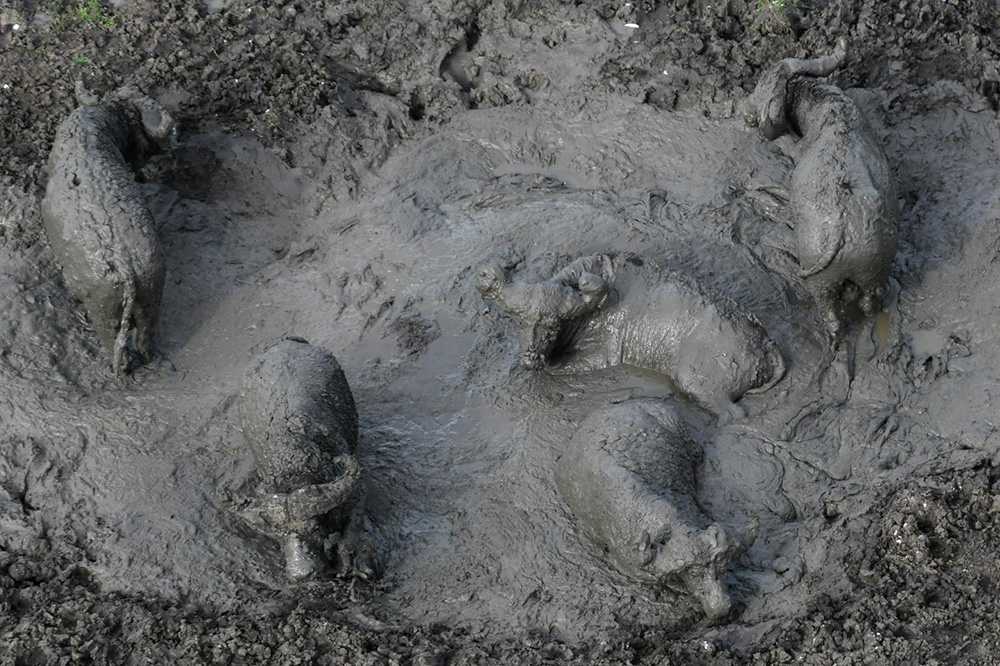
Akagera gives you the chance to get involved in conservation through special activities. Rhino tracking lets you join rangers as they watch over these endangered animals every day. You’ll learn about each rhino’s personality, behavior, and the hard work needed to protect them. On foot, you’ll follow tracks, use radio signals, and might even get within a few dozen meters of these ancient animals—a truly special experience.
You can also spend time with the park’s anti-poaching dog team and see how these dogs help protect wildlife. Other options include visiting the veterinary center, watching how animals are monitored, or meeting people who work with local communities to support conservation. These activities cost more than regular tours but give you a better understanding of the challenges of conservation. They also help fund this important work, making them a great choice if you want your visit to make a real difference.
Fishing
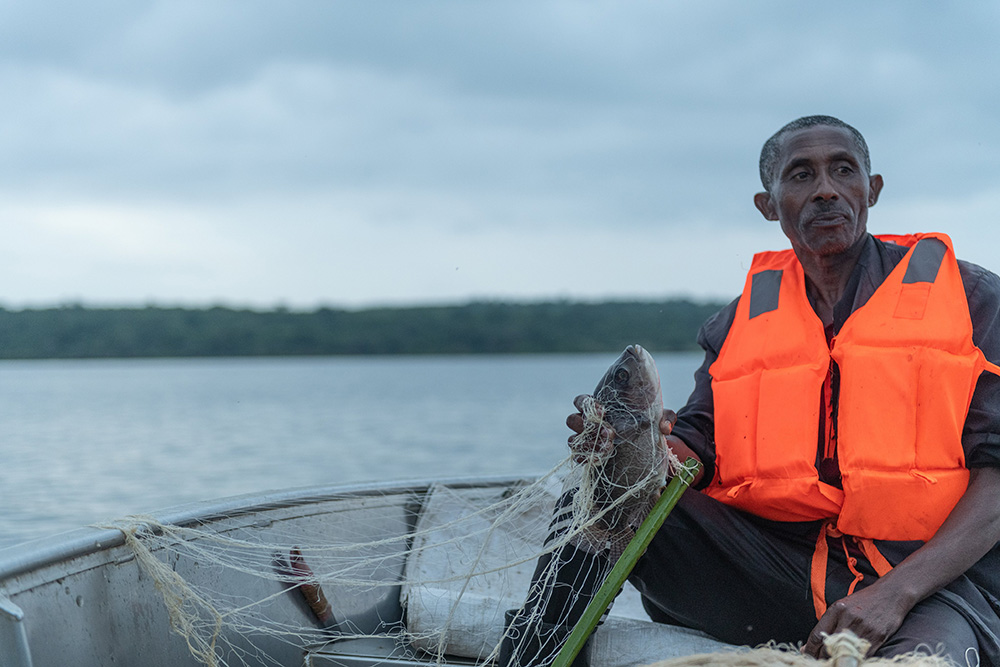
Lake Shakani is a great spot for sport fishing, especially for tilapia and catfish, giving anglers a new kind of adventure. You’ll need a fishing permit from park headquarters, and catch-and-release is encouraged to protect fish numbers. Fishing here means enjoying beautiful views—casting your line with hippos, water birds, and sometimes elephants or buffalo nearby. It’s a relaxing way to spend a few hours and still be part of the park’s natural world.
Nature Walks
Most tourism in Akagera is done by vehicle for safety, but there are some guided walking safaris in certain areas. Walking in the African bush lets you connect with nature in a way you can’t from a car—you notice the smells, feel more exposed, and use all your senses. Armed rangers lead these walks, teaching you how to track animals, spot signs, and find smaller creatures and plants that are easy to miss from a vehicle. You’ll also learn more about how the whole ecosystem works.
These walks focus less on covering ground or spotting the Big Five and more on slowing down, observing closely, and learning how the landscape works. You might study termite mounds to see their role in the ecosystem, follow animal tracks to figure out what passed by, watch dung beetles at work, and possibly spot smaller antelope or other animals that are more comfortable with people on foot than with vehicles.
Photography in Akagera
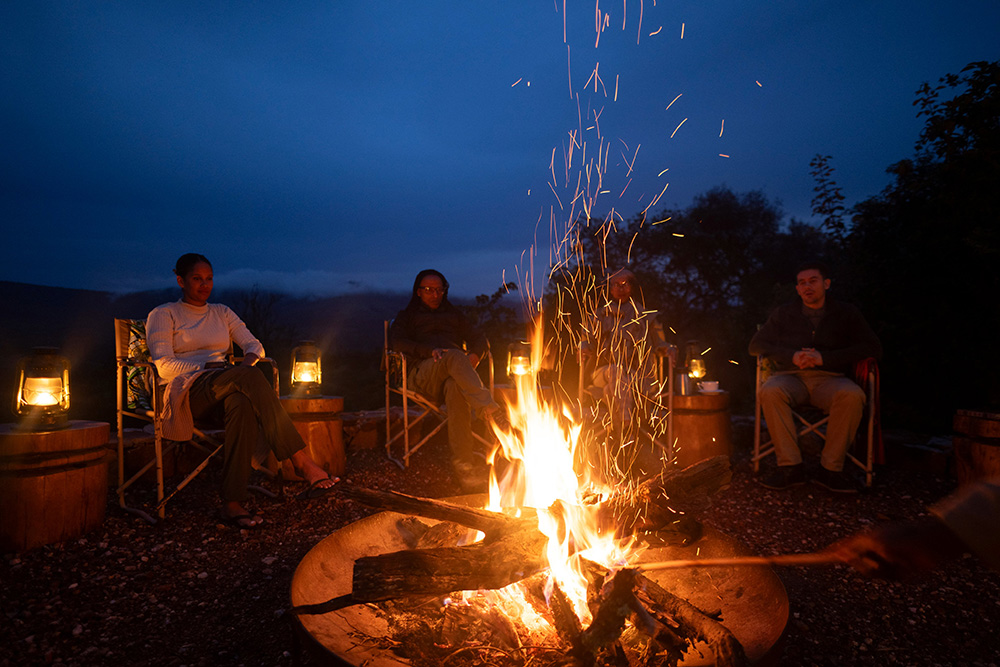
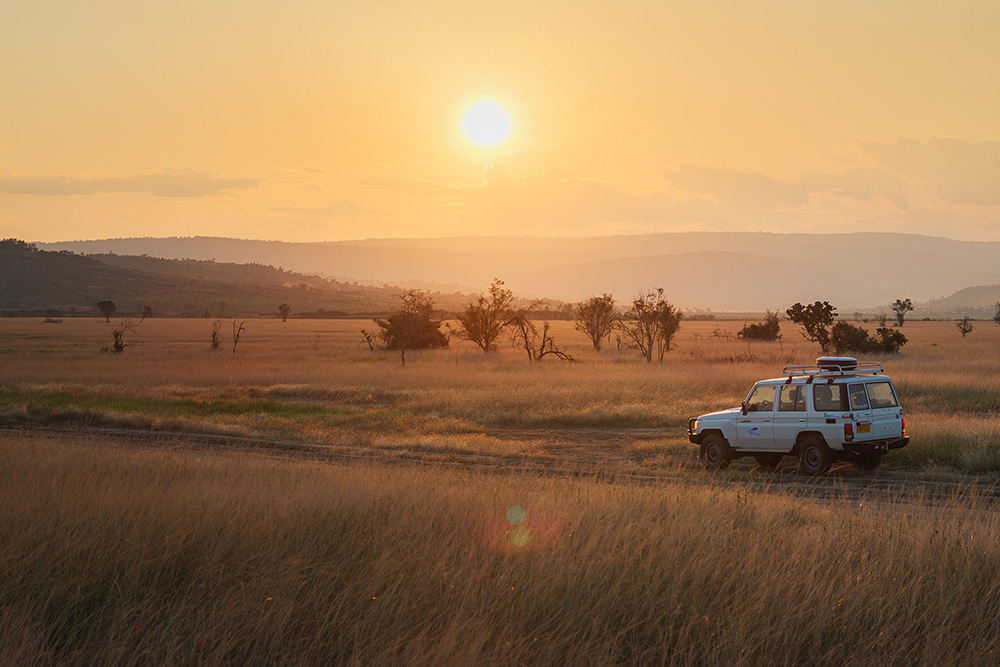
Akagera is a fantastic place for photographers, offering everything from wide landscape views to close-up wildlife portraits. The light here is famous, especially during the golden hours that turn everyday scenes into stunning photos. Early mornings bring warm colors, long shadows, and rim-lighting that gives depth to your subjects.
Late afternoons offer the same golden light, sometimes with dramatic clouds that make the sky more interesting. Midday light can be harsh and less flattering for most photos, but it’s good for capturing birds flying against a blue sky or for action shots when animals are active despite the heat.
Wildlife photography in Akagera is easier because many animals are used to vehicles and you can get close to elephants, giraffes, and antelope without scaring them. This means you can get great shots without needing the longest lenses. Still, if you’re serious about wildlife photography, bring at least a 300mm lens, or 400-600mm for distant or shy animals. A 70-200mm zoom is perfect for closer encounters and for photos that show animals in their surroundings.
A boat safari gives you photo opportunities you can’t get on land. Being at water level lets you capture hippos up close, crocodiles at eye level, and water birds with the lake behind them. Because the boat moves, use a fast shutter speed—at least 1/1000 second—to freeze the action. Image stabilization helps, and a monopod is more practical than a tripod in the boat’s limited space.
Landscape photography in Akagera highlights its varied ecosystems and striking views. Use a wide-angle lens (16-35mm) to capture big scenes, especially from high points, and try to include wildlife for a sense of scale. Lakes make great leading lines and offer reflections, while stormy skies in the wet season add drama. Also, pay attention to small details—close-ups of flowers, insects, bark patterns, or mud textures all help tell Akagera’s story.
Technical details are important in Africa’s tough conditions. Dust gets everywhere, so change lenses carefully and, if possible, do it inside your vehicle. Keep your camera and lenses shaded when not in use, as heat can affect them and make autofocus less reliable. You’ll take lots of photos on safari, so bring more memory cards than you expect to need. Batteries also drain faster in cold mornings, so carry extras and keep them warm in your pockets.
Ethics are very important in wildlife photography. Never ask guides to disturb animals or get too close just for a photo—the animal’s well-being always comes first. Avoid using flash, as it can startle wildlife and harm the night vision of nocturnal species. Follow park rules about staying in vehicles and keeping a safe distance. The best photos come from being patient and watching, not from forcing animals to react. Aim to capture natural behavior in wild settings, not staged scenes or stressed animals.
The Banyarwanda: The Indigenous Guardians of Akagera National Park
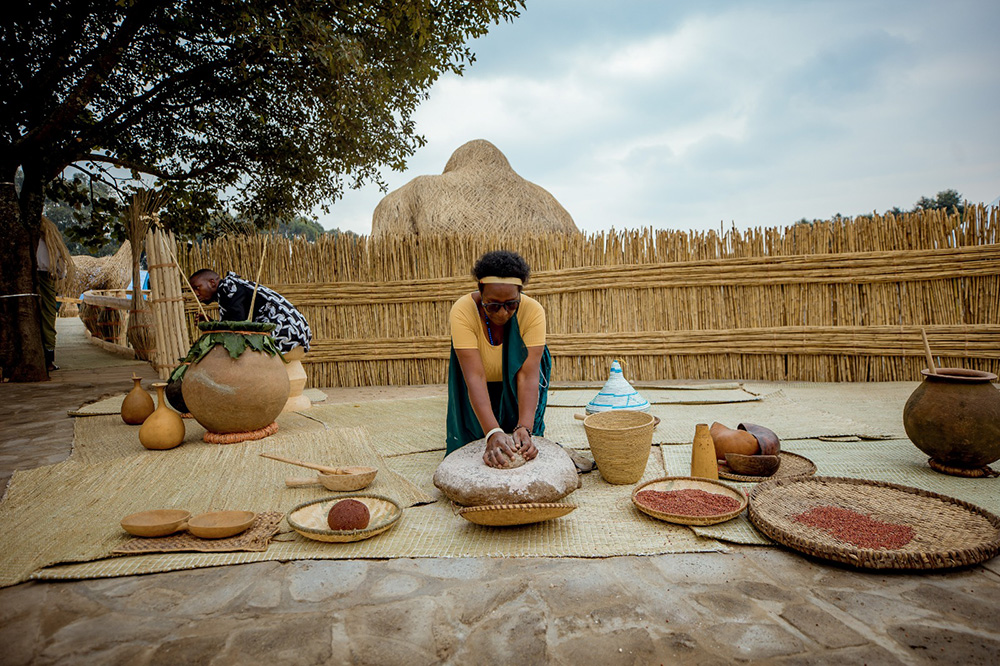
When you think about Akagera, it’s important to recognize the nearby community. The Banyarwanda, Rwanda’s people, share a language (Kinyarwanda), culture, and history, even after the ethnic divisions that shaped the country’s recent past. Learning about the Banyarwanda adds depth to your visit, helping you understand the landscape, conservation challenges, and the resilience seen in Rwanda today. The communities around Akagera have moved from conflict to cooperation with the park, offering hope for conservation efforts across Africa.
The Banyarwanda have long organized their society around cattle, farming, and clans. Cattle meant more than just wealth—they were important in marriage and social agreements. This tradition sometimes clashed with wildlife conservation, as protected areas limited grazing and wildlife could harm crops or livestock. To adapt to Rwanda’s hilly terrain, the Banyarwanda developed advanced farming methods, shaping the terraced hillsides you see on the way to Akagera.
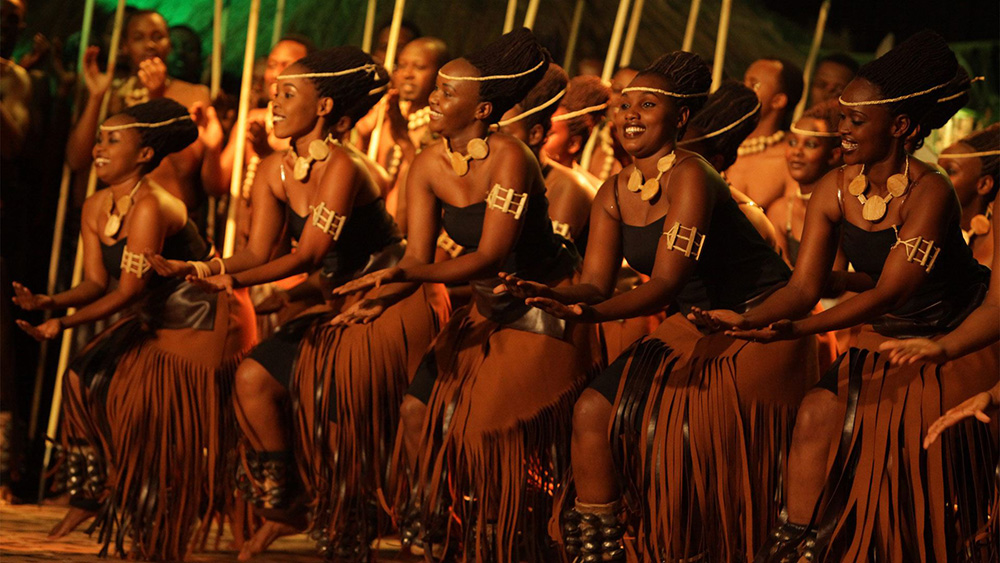
Family is central in Banyarwanda culture, with extended families offering support and shaping daily life. Respect for elders is strong, and values like community, dignity (agaciro), and resilience are important. These strengths helped Rwanda recover after the 1994 genocide against the Tutsi, showing a remarkable ability to rebuild. When you visit Rwanda, you’ll notice this determination in the clean streets, organized systems, and the country’s hopeful outlook.
The Banyarwanda have traditionally balanced using nature with showing it spiritual respect. Sacred groves, special trees, and water sources were important, and people believed in guardians of these places. Today, most Rwandans are Christian or Muslim, but many still respect the natural sites valued by their ancestors. This respect helps connect traditional values with modern conservation, even as customs change.
Today’s Banyarwanda culture mixes old and new. Kigali is a modern city with cafes, art, and technology, while rural areas keep traditional ways centered on farming and community. Many young Rwandans seek education and jobs in the digital economy but still value their family land and customs. This shift means younger people often understand the benefits of conservation better than older generations, who remember more conflict with wildlife.
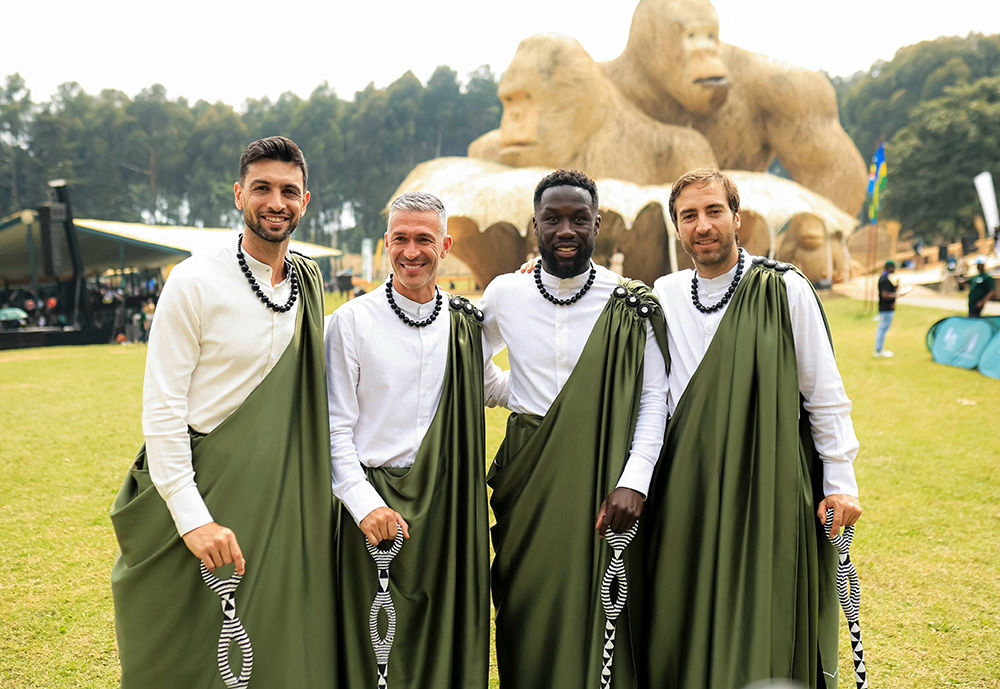
Kinyarwanda is spoken by almost everyone in Rwanda, no matter their background. English and French are also official languages, but Kinyarwanda is at the center of daily life and culture. Learning a few greetings like “Muraho” (hello), “Mwaramutse” (good morning), and “Urakoze” (thank you) can make a big difference when you travel. Most Rwandans appreciate it when visitors try to speak their language, even if the pronunciation isn’t perfect.
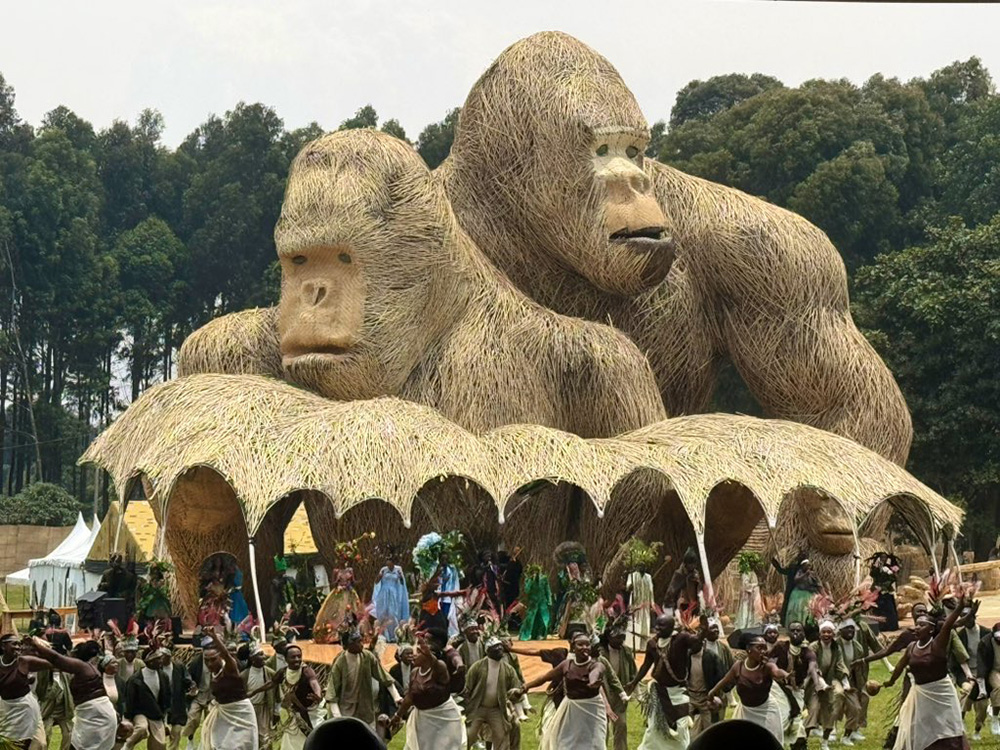
Banyarwanda culture shines through its performing arts. The traditional Intore dance, with dancers in eye-catching costumes and grass manes, tells stories by imitating warriors and cattle. Drumming is also important, with royal drum groups performing synchronized rhythms and acrobatics around large drums. Modern Rwandan music mixes old and new styles, and Kigali’s arts scene offers galleries, theaters, and cultural centers where you can enjoy both traditional and modern performances.
Rwandan food is based on staples like ugali (maize porridge), plantains, beans, and sweet potatoes. Meat is usually saved for special occasions. Brochettes, or grilled meat skewers, are a popular street food, and banana beer and local wines are common at gatherings. Sharing meals from the same dishes is an important tradition that brings people together. Coffee is now a key crop, and you can enjoy Rwanda’s excellent coffee in Kigali’s cafes and at lodges near Akagera.
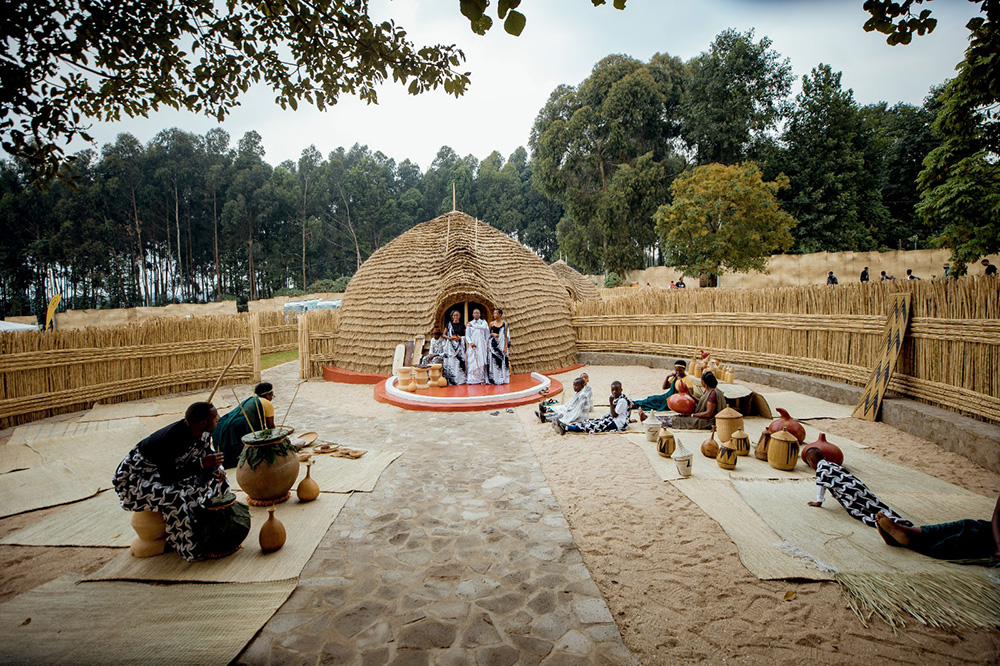
Near Akagera, people have long practiced mixed farming, growing crops and raising cattle and goats. When the park was created and especially after the fence was finished in 2013, their access to the land changed. Areas once open for grazing and hunting became off-limits, so communities had to adapt. Although the fence was controversial, it greatly reduced conflicts by keeping animals from crops and livestock and stopping illegal grazing and poaching. At first, many locals didn’t see these benefits.
Rwanda runs programs to make sure local people benefit from conservation, knowing that lasting protection needs community support. Some park income goes to projects like schools, health clinics, and water systems. New jobs have opened up at lodges, as guides, in anti-poaching teams, and in park management. Training in hospitality, guiding, and conservation gives young people career options that might keep them from moving to cities.
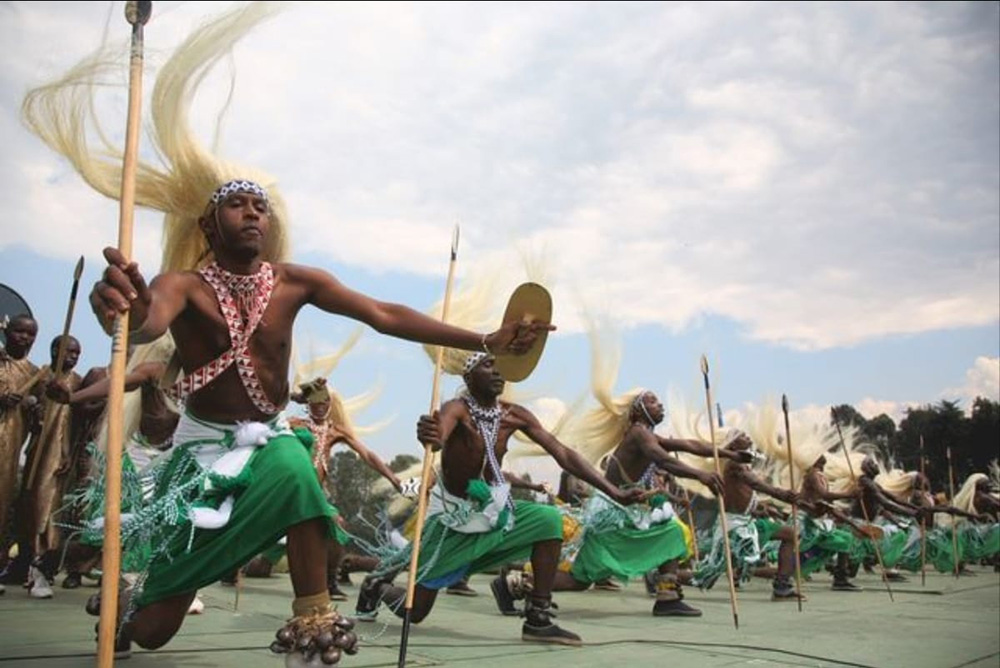
In the Gishwati area near Akagera, there are creative programs to help people and wildlife live together. Solar fences keep elephants out of crops but let people pass. Early warning systems let communities know when animals are near, so they can act in advance. Compensation helps when wildlife causes damage, easing frustration. Most importantly, regular meetings let locals help decide park policies instead of having outside decisions forced on them.
Women’s cooperatives near Akagera make crafts for tourists, earning money and keeping traditional skills alive. They weave baskets, make beadwork, and run businesses like paper-making and mushroom growing. Tourism gives them a market for these products, which supports conservation and helps women gain economic and social power. Many lodges sell these crafts, so visitors can support local communities by buying them.
Over the last 15 years, attitudes toward Akagera have changed a lot. Communities that once saw the park as land taken by the government now see the benefits of conservation, like jobs, better infrastructure, services, and pride in protecting Rwanda’s nature. Young people raised with conservation see new opportunities in ecotourism that their parents never thought possible. While some conflicts remain and not everyone benefits equally, the trend is toward living alongside wildlife, setting an example for other African parks.
To visit Akagera respectfully, remember you are a guest in the Banyarwanda’s traditional lands as well as the park. Support local businesses, buy crafts made by the community, treat staff and locals with respect, and learn about the area’s history and culture. This not only makes your visit richer but also helps conservation succeed. The Banyarwanda’s path from hardship to prosperity is much like Akagera’s recovery, showing how determination can bring hope and real change.
When to Visit Akagera National Park
Dry Season (June to September & December to February)
The dry season is the best time to see wildlife in Akagera. As the grass turns golden and temporary water sources dry up, animals gather around the lakes and rivers, making them much easier to find. Game drives during these months often bring amazing views of elephants, buffalo, and different antelope species at Lake Ihema and other watering holes. Watching the sun set over a lake filled with animals is a special experience, and it feels great to know you picked the right time to visit.
Predators are easier to spot during the dry months too. Lions and leopards wait near the places where animals gather, and with some luck, you might see a hunt or a recent kill. The thinner vegetation gives you better views across the plains, and the roads are in great shape, so self-drive safaris are easier. The downside is that the park is busier with more visitors, and accommodation prices are usually higher.
Wet Season (March to May & October to November)
The wet season has its own appeal. The rains turn the park into a green paradise, and there are special rewards for those who visit at this time. Wildflowers bloom everywhere, and the fresh grasslands are perfect for photographers, with bright greens and dramatic skies. Bird lovers will especially enjoy this season, as many migratory birds from Europe and North Africa join the local species, raising the total to over 500.
Seeing wildlife in the wet season takes more patience and planning. Animals spread out because water is everywhere, but when you do find them, the encounters can feel more personal. The park is much quieter, with fewer tourists and a real sense of adventure. Be ready for muddy roads that might need a 4WD and be flexible if afternoon storms appear. If you’re on a budget, you’ll like the lower accommodation prices and the chance to get better deals with tour operators.
Month-by-Month Breakdown
January and February are great months for safari, with clear skies and lots of wildlife in one place. Mornings start cool but warm up fast, making them perfect for early game drives.
In March, the long rains begin and the park slowly turns green, but you can still see plenty of animals early in the month.
April and May have the most rain, which can make some roads hard to use, but visitors who stick with it are rewarded with beautiful scenery and great birdwatching.
The park looks almost ancient during these months, with mist over the lakes and animals moving quietly through the thick plants. June starts the busy season as things dry out and wildlife viewing gets much better, though early June still has some of the wet season’s greenery.
July and August are the peak season, with great wildlife viewing and reliable weather. September is also good, especially for seeing lions as they gather near shrinking water sources.
October brings short rains that refresh the park but don’t make it hard to get around. November can be wetter but is a good time for travelers on a budget. December has nice weather and a festive feel, making it popular with families, so it’s best to book your accommodation early.
How to Get to Akagera National Park
From Kigali
Getting to Akagera from Rwanda’s capital, Kigali, is easy compared to many other African safari parks. The southern entrance, Akagera Gate, is about 110 kilometers from Kigali, which means a comfortable 2 to 2.5-hour drive on mostly paved roads. You can leave your hotel after breakfast and reach the park before lunch, showing just how accessible Akagera is.
The drive to Akagera gives you a good look at Rwanda’s countryside. You’ll head east through hills covered with crops and pass small towns and villages where life moves more slowly than in the city. The road goes through Rwamagana and Kayonza before you reach the park, and the scenery changes from farmland to more open land as you get closer. Most people find the drive both scenic and easy, though the last part on dirt roads reminds you that you’re entering wild Africa.
If you’re driving yourself, use the Kigali-Kayonza-Kagitumba road (RN3) going northeast from Kigali. At Kayonza, follow the signs to Akagera, turning off the main road onto smaller roads that take you to the park gates. You don’t need to worry about getting lost; the signs are clear, and local people are always willing to help with directions.
Transport Options
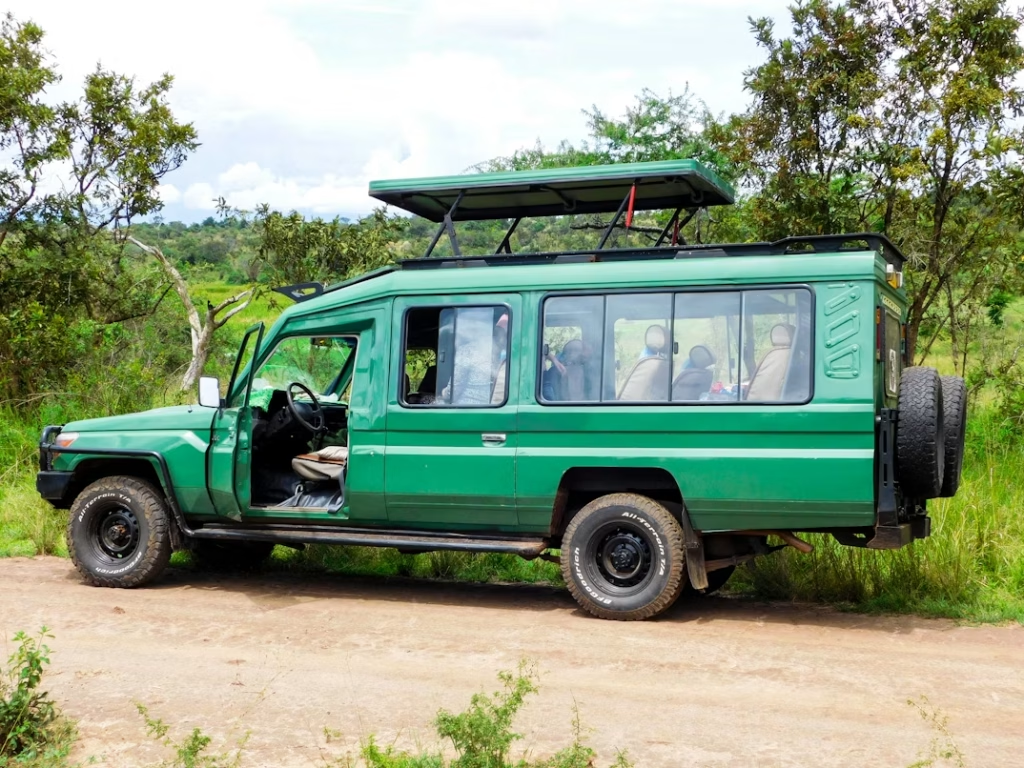
Self-Drive: Renting a car in Kigali and driving yourself gives you the most freedom, especially in the dry season. Many agencies in Kigali offer both 2WD and 4WD vehicles, but 4WD is best if you visit during or after the rains. Driving yourself means you can explore at your own pace, stop when something interests you, and maybe see wildlife that tour groups miss. Keep in mind that Rwanda drives on the right, park roads can be rough, and you’ll need to book accommodation and pay park fees ahead of time.
Organized Tours: Most people choose organized tours, which let you relax while someone else takes care of the details. Companies like Territory Explorers create trips based on your interests and budget. They arrange park fees, book your accommodation, and provide guides who know where to find wildlife. If you want to experience an Akagera safari, reach out to Territory Explorers. They’ll handle the logistics so you can enjoy your trip.
Private Transfers: If you’re staying at a lodge inside the park, many offer private transfers from Kigali. These cost more than arranging your own transport, but often include a guide and can make the drive feel like a mini safari, with stops at viewpoints and local markets. Some lodges also offer scenic flights from Kigali, which is a luxury option.
Nearest Airports and Connections
Kigali International Airport is the main entry point for Rwanda and Akagera. After you clear customs and get your bags, it’s a 2-3 hour drive to the park. Many visitors arrive in the morning, spend a night or two in Kigali to rest and see the city, then go to Akagera. Some travelers drive straight to the park on arrival, but this makes for a long first day.
Entrance Fees and Permits
Knowing Akagera’s fees helps you plan your budget and avoid surprises. The park uses a tiered pricing system: international visitors pay more than East African Community residents. As of 2025, international visitors pay $50 per person for a 24-hour pass, foreign residents in Rwanda pay $35, and EAC citizens pay $20. These fees may seem high compared to some other parks, but they support important conservation work.
There are also vehicle entrance fees: $30 for international visitors’ vehicles, $15 for foreign residents, and $5 for EAC residents. If you want a guided game drive, professional guides charge $25 for a day trip or $40 for overnight visitors. Many people find guides worth the cost for their knowledge and spotting skills. A useful tip: all fees must be paid in advance online or at the gate using mobile money or card. Cash is rarely accepted now in Rwanda’s digital economy.
If you want to do a boat safari on Lake Ihema, it costs an extra $35 per person. Night game drives, only for guests staying inside the park, are $40 per person and let you see nocturnal wildlife. Rhino tracking costs $75 per person and gives you a close look at these animals and the rangers who protect them. While the fees can add up, they go directly to conservation and community programs, so your visit helps support Akagera’s future.
Where to Stay: Accommodation Options
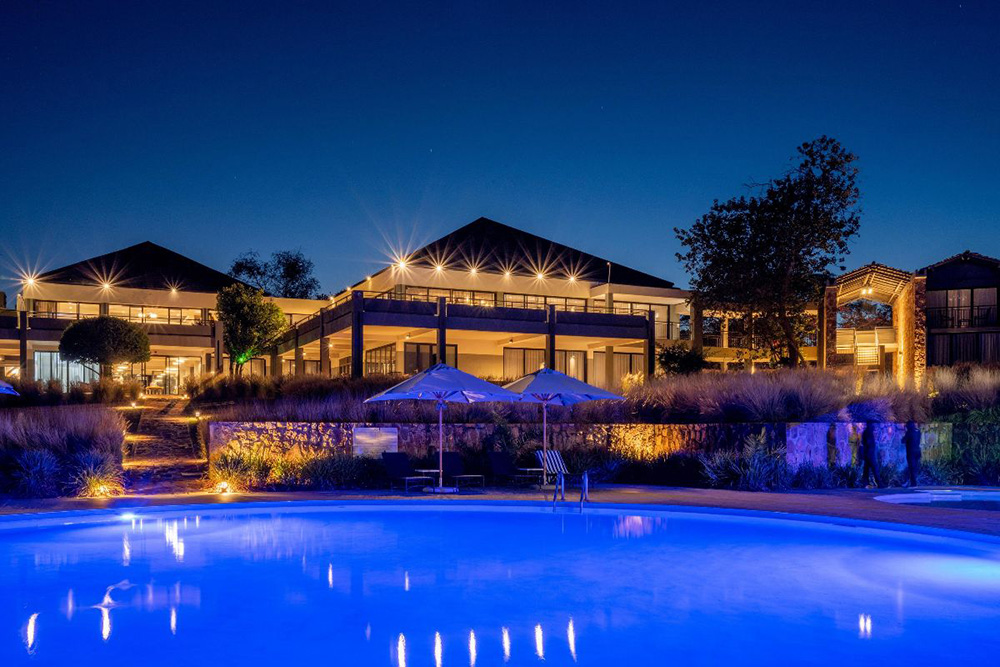
Luxury Accommodation
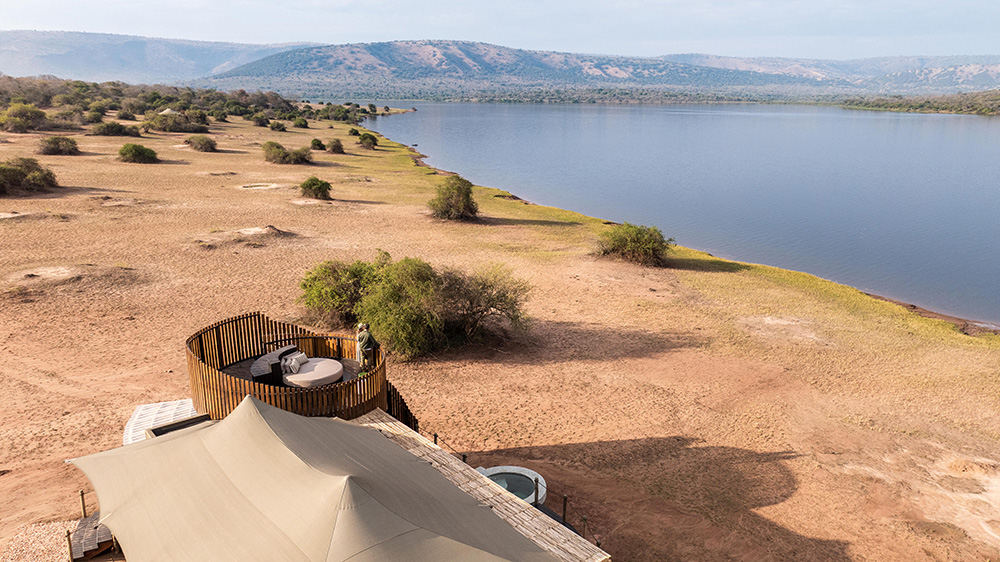
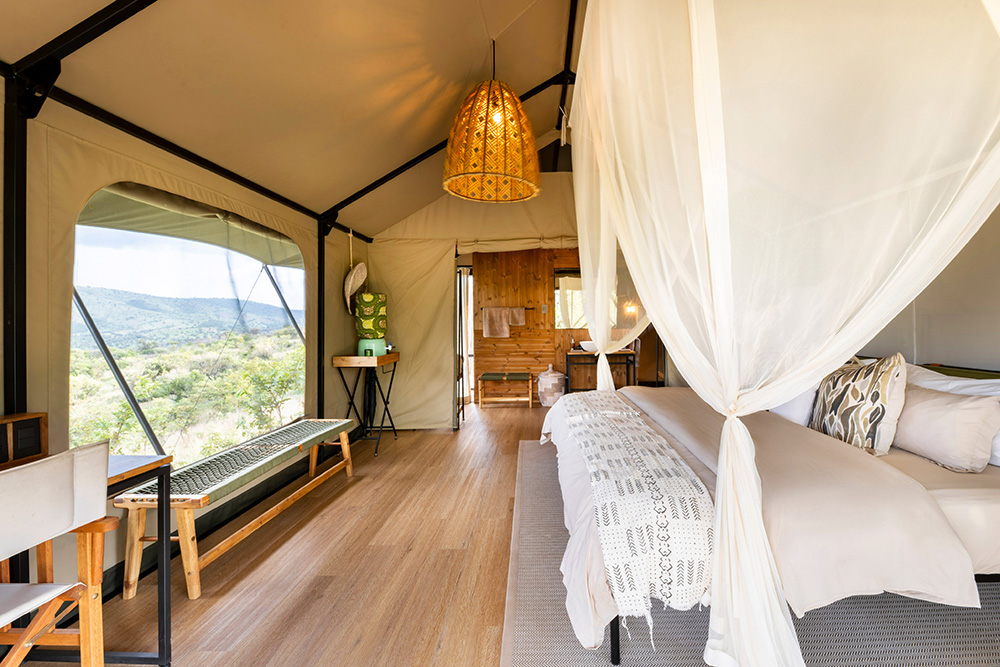
Magashi Camp is the top choice for a luxury safari in Akagera. Opened in 2019 on Lake Rwanyakizinga, this small camp has six suites with beautiful lakeside views and attentive service. Each suite has large windows overlooking the lake, private decks for watching hippos in the morning, and bathrooms that rival those in top hotels.
Staying here is more than just enjoying elegant rooms. You can have drinks on the deck while elephants come close, enjoy gourmet meals with Rwandan and international flavors, and feel truly connected to the wild without giving up comfort.
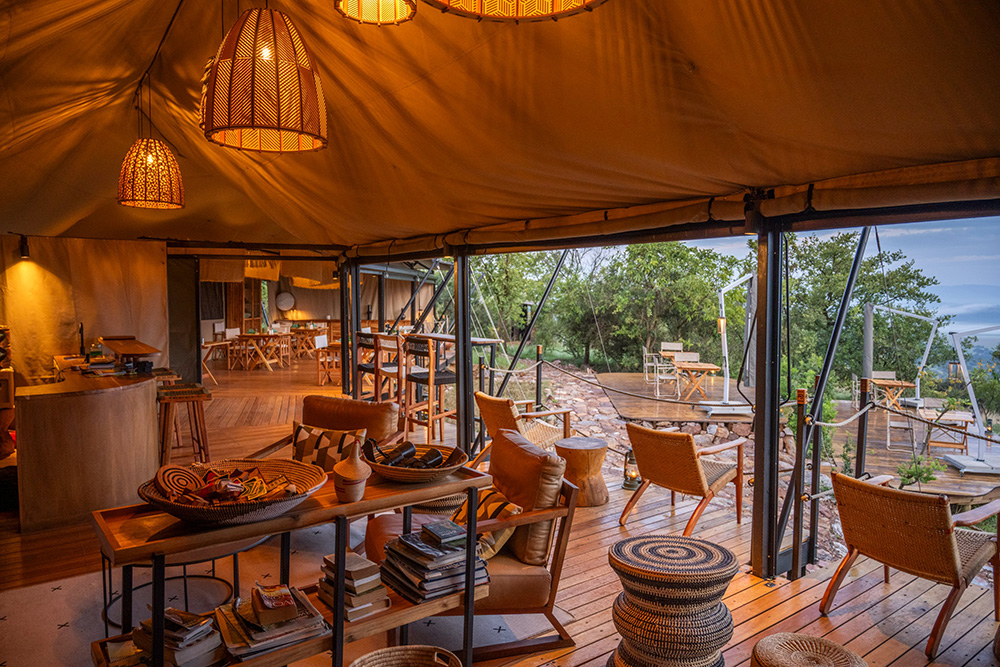
Ruzizi Tented Lodge sits on a ridge above Lake Ihema and offers a cozy, luxury safari experience. Its nine canvas tents have real beds with quality linens, private bathrooms with hot showers, and verandas where you might see crocodiles across the lake. Wildlife often passes through camp, and the sunset views are stunning. The lodge is all-inclusive, so meals, drinks, and game drives are covered, making it easy to relax and enjoy your stay.
Karenge Bush Camp is perfect if you want luxury with a sense of adventure. Set in the park’s remote northeast, you’ll be surrounded by pure wilderness and the sounds of nature. The six tents are comfortable and simple, helping you feel close to the environment. Sleeping to the sound of lions and waking up to buffalo nearby makes for unforgettable memories.
Mid-Range Accommodation
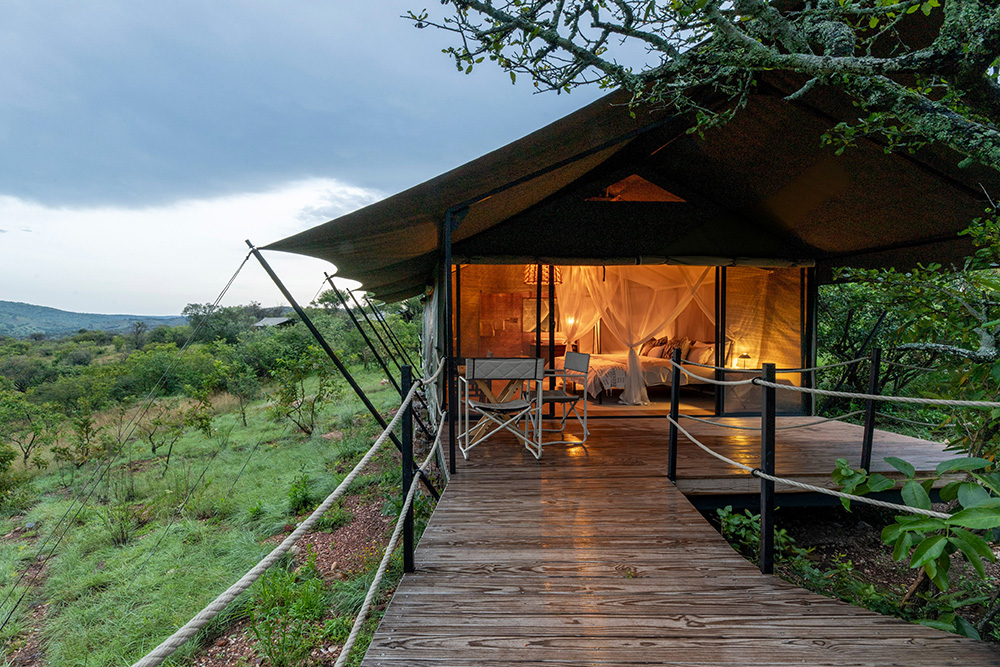
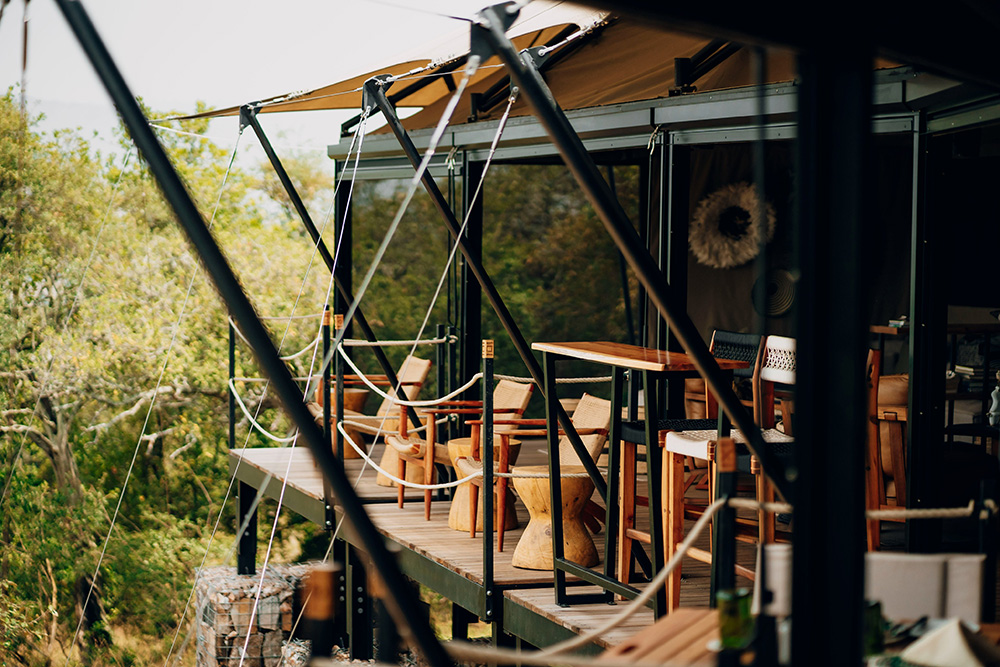
Akagera Game Lodge sits on a hilltop with wide views of the park’s northern plains. It has 60 clean and comfortable rooms, from standard to family options. The lodge offers great value, with good facilities, a restaurant, a swimming pool, and easy access to game drives. The feel is more like a hotel than a small safari camp, which many families and budget travelers find appealing.
Karenge Bush Camp also has standard tents for those on a mid-range budget. These tents are simpler but still clean and comfortable, set in a remote and beautiful spot. Some facilities are shared and amenities are basic, but you’ll still wake up surrounded by Akagera’s wilderness.
Dereva Hotel, located near Kayonza town just outside the park, is a good choice if you want to stay outside the park. The rooms are basic but have hot water, mosquito nets, and all the essentials. You’ll need to drive 30-40 minutes to the park each morning, but you’ll save money and have easy access to town. This option is popular with budget travelers, especially those planning day trips.
Budget Accommodation
If you’re adventurous and on a budget, Akagera has camping areas at Muyumbu and Shakani. Camping here means falling asleep to the sounds of hippos, night birds, and sometimes larger animals nearby. Facilities are simple but work well, with pit latrines, cold showers, and some covered cooking spots. Bring your own gear and food, and be ready for a rustic experience. Cooking over a fire while elephants trumpet in the distance is something you won’t get at a luxury lodge.
Akagera Rhino Lodge is at the park’s southern entrance and is a good budget option. It offers clean rooms, meals, and a handy location without the higher prices of staying inside the park. Rooms are basic with shared bathrooms, but everything is tidy and well-kept. The staff are welcoming, and you can book guides and game drives through the lodge. It’s a smart pick for budget travelers who still want to experience Akagera.
Kayonza town has several small guesthouses with very low prices for travelers on a tight budget. Rooms are basic, with shared bathrooms and few amenities, and cleanliness can vary. You’ll pay $15-30 per night instead of much more. These guesthouses are best for early risers who don’t mind driving before dawn to see wildlife, then heading back to town later. Remember, these are just places to sleep, not part of the safari experience.
Practical Safari Tips and What to Pack
Essential Items for Your Akagera Safari
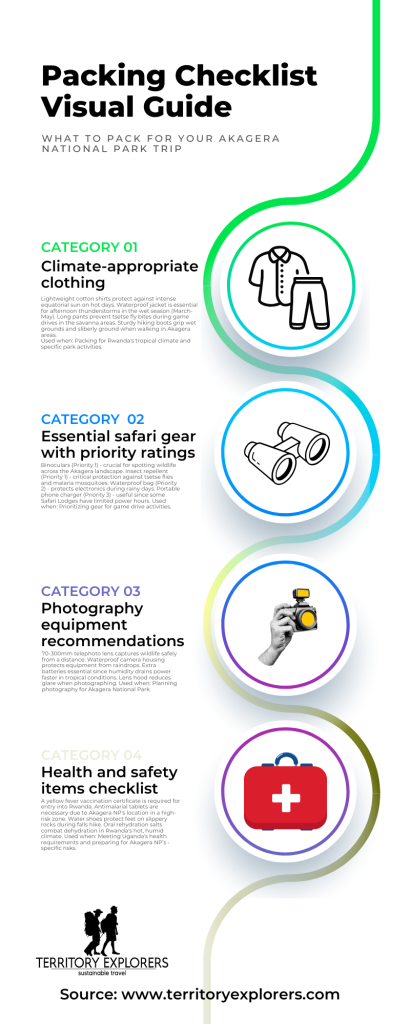
Packing well can mean the difference between a comfortable and a difficult safari. Choose neutral-colored clothes like khaki, olive, brown, or tan for better wildlife viewing and photos, since bright colors can scare animals and make you stand out. Bring extra clothes because laundry is limited and the dust gets everywhere. Long-sleeved shirts and pants protect you from the sun and insects, but shorts and t-shirts are good for the hottest part of the day. A warm fleece or jacket is important for early mornings and cool evenings, even though it gets hot during the day.
Sun protection is very important in equatorial Africa. Bring high-SPF sunscreen and reapply it often, as the sun is very strong and you’ll be outside for hours. A wide-brimmed hat covers your face and neck better than a baseball cap. Good sunglasses with UV protection help your eyes, especially on boat safaris when the water reflects the sun. Lip balm with SPF will keep your lips from getting chapped in the dry, sunny weather.
Think carefully about your footwear. Comfortable closed-toe shoes or hiking boots are best for most activities, giving you ankle support and protecting you from thorns. Sandals or flip-flops are fine for relaxing at camp but not for walking safaris or rough ground. Make sure to break in new shoes before your trip, since blisters can quickly ruin your safari. If you plan to walk a lot, gaiters can help keep seeds and insects out of your boots.
Use insect repellent with a high DEET content to help prevent mosquito bites, which is important for avoiding malaria. Apply it especially in the early morning, late afternoon, and evening when mosquitoes are most active. Some people also use clothing treated with permethrin for extra protection. If you do get bitten, antihistamine cream can help with itching and lower the risk of infection from scratching.
Camera Equipment and Photography Gear
The camera gear you bring depends on your photography goals and budget. Modern smartphones can take great photos, especially of landscapes and nearby subjects. If you’re serious about photography, bring a DSLR or mirrorless camera with a telephoto lens (at least 300mm, ideally 400-600mm) for wildlife. A zoom lens like 24-70mm is good for landscapes and close-up shots. Pack extra batteries and memory cards, since you’ll likely take more photos than planned and charging options may be limited.
A sturdy beanbag is great for supporting your camera in safari vehicles. Tripods don’t work well during game drives, but beanbags fit on doorframes or windows and help steady telephoto lenses for sharper photos. You can buy one or make your own and fill it with rice or beans when you arrive. Bring lens cleaning tools like a blower, microfiber cloths, and cleaning solution to keep your gear clean in the dusty conditions.
Health and Medical Supplies
A simple medical kit should cover most common safari health issues. Pack anti-diarrheal medicine, pain relievers, antihistamines for allergies, and any prescription drugs you need, plus some extra in case of delays. You’ll also need antimalarial medication, so talk to your doctor about what’s right for you before your trip. If you get carsick, bring motion sickness pills. Hand sanitizer and wet wipes are useful for staying clean when water isn’t available.
Documents and Money
Bring your passport (needed for park entry), vaccination certificates (yellow fever is required for Rwanda), travel insurance papers, and booking confirmations. Rwanda is becoming more digital, but it’s still smart to carry some cash—US dollars are widely accepted, and Rwandan francs are handy for small buys. Credit cards work at most lodges and sometimes at park gates, but don’t count on them everywhere.
Binoculars and Field Guides
Good binoculars can turn wildlife watching from just spotting animals to really seeing their behavior and identifying different species. Look for 8×42 or 10×42 models—they bring distant animals closer without too much shake. Field guides for East African mammals and birds help you identify what you see and learn about their habits. If you prefer digital options, apps like eBird or Merlin for birds and Kruger’s Wildlife for mammals are great alternatives to heavy books.
Other Useful Items
A small backpack or daypack is handy for carrying your essentials on game drives. Bring a reusable water bottle to cut down on plastic and stay hydrated—dehydration can happen quickly in Africa’s heat and altitude. A headlamp or flashlight helps you get around camp at night and find things in your bag. A power bank keeps your devices charged when you’re away from outlets. A safari journal and pen are great for jotting down sightings and memories before they fade.
What Not to Bring
Don’t bring army camouflage clothing—it’s not allowed in Rwanda because it’s linked to the military. Leave expensive jewelry at home so it doesn’t get lost or draw attention. Drones need permits and aren’t allowed in the park without special permission. Avoid single-use plastics, as Rwanda banned plastic bags years ago and takes environmental protection seriously.
Park Rules and Safety Guidelines
Wildlife Interaction Rules
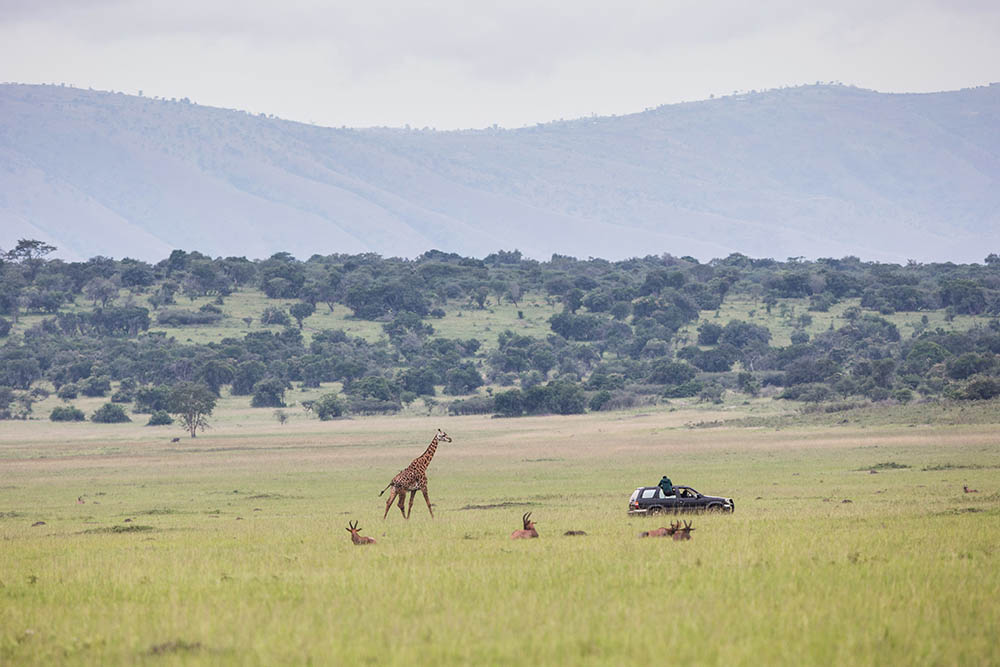
Akagera’s rules are there to keep you safe and protect the animals. Always stay in your vehicle during game drives unless you’re at a designated spot or with armed rangers. Animals might seem used to people, but they are still wild and unpredictable. Elephants can charge suddenly, buffalo are known to be aggressive, and even calm-looking herbivores can be dangerous. A rhino may look far away, but it can charge at 50 kilometers per hour if it feels threatened.
Never feed wildlife, as it can make animals dependent on people, change their diets, and lead to aggression. Keep noise down—shouting or loud music disturbs animals and other visitors. Don’t litter; Rwanda is very clean, and the park follows the same standard. Only smoke in designated areas. Follow good photography practices: don’t use calls or bait to attract animals, don’t bother wildlife for better photos, and avoid flash at night since it can harm animals’ eyes.
Driving Regulations
Speed limits in the park are strictly enforced: 40 km/h on main roads and 25 km/h on game-viewing routes. These limits help you spot wildlife, give animals time to move, and keep everyone safe. Always stay on marked roads and tracks—driving off-road harms plants, causes erosion, and disturbs animals. The park closes at sunset (times change by season), so make sure you leave or reach your accommodation before then. Gates won’t reopen for late arrivals, so plan ahead.
Health and Safety Precautions
Malaria is present in Akagera, so it’s important to take preventive medicine and avoid mosquito bites. The park’s low elevation means mosquitoes are common. Use insect repellent, wear long sleeves and pants at dawn and dusk, and sleep under mosquito nets provided at your lodge. If you get a fever after your trip, see a doctor right away and mention you visited Akagera.
The sun near the equator is very strong, so heat stroke and dehydration are real risks. Drink water often—more than you think you need. Always use sun protection. If you feel dizzy, get a headache, or stop sweating even though it’s hot, you might be dehydrated or have heat stress. Rest in the shade, drink water with electrolytes, and get medical help if you don’t feel better.
Security Considerations
Rwanda is very safe compared to many other African countries, and Akagera is no exception. Armed rangers patrol the park, and serious crime is rare. Still, use your street smarts: don’t leave valuables in plain sight in your car. If your vehicle breaks down, stay with it and call park headquarters instead of walking for help. If you face a dangerous situation, like aggressive elephants or lions near your vehicle, stay calm and follow the advice of guides or rangers.
Accessibility and Special Considerations
Akagera’s landscape and safari activities can be tough for visitors with mobility challenges. Most wildlife viewing is done from vehicles, which works for people who can get in and out on their own. However, safari vehicles often have high steps, and the park’s roads can be very bumpy, which may be hard for those with back or mobility problems. The boat safari also requires stepping down into boats from jetties, which can be tricky. If you have special accessibility needs, talk to your tour operator or accommodation provider ahead of time to see what’s possible.
Combining Akagera with Other Rwanda Attractions
Volcanoes National Park: Gorillas and Golden Monkeys
Rwanda’s top attraction, mountain gorilla trekking in Volcanoes National Park, pairs perfectly with Akagera for a full wildlife experience. The two parks are very different: Volcanoes has misty mountains and forests, while Akagera offers sunny savannas and open plains. Most people spend 2-3 days in each park, sometimes with a day or two in Kigali in between. It’s easy to fly into Kigali, visit one park, explore the capital, and then head to the other park before leaving.
Nyungwe Forest National Park: Primates and Rainforest
Visiting both Nyungwe and Akagera gives you a more complete Rwanda trip, but it takes more time since the parks are on opposite sides of the country. Nyungwe is also at a much higher elevation, so the climate and scenery are very different. A common plan is 2 days in Akagera, 2 days in Kigali, and 3 days in Nyungwe, though you can spend longer in each place. The drive between Akagera and Nyungwe takes a full day, so be sure to include travel time in your plans.
Lake Kivu: Beaches and Relaxation
After a safari, many people want some time to relax by the water. Lake Kivu, on Rwanda’s western border with the Democratic Republic of Congo, is perfect for this. Several lakeside towns offer places to stay, water sports, and beautiful sunset views. Gisenyi (Rubavu) in the north has the most developed tourist facilities, while Kibuye (Karongi) is quieter and more peaceful. The lake’s clear water, sandy beaches, and absence of dangerous animals make swimming safe and enjoyable.
Lake Kivu is a great place to relax between park visits or at the end of your trip before heading home. It’s a 3-4 hour drive from Kigali, and you can easily add a beach stay to trips to Volcanoes or Nyungwe. You can go kayaking, take boat trips to islands, cycle along the Congo Nile Trail, tour coffee plantations, or just relax on the beach after your safari. The calm atmosphere and lovely scenery make it a perfect way to end your Rwanda adventure.
Kigali City Exploration

Rwanda’s capital, Kigali, is worth spending at least a day or two exploring—not just as a stopover, but as a destination in its own right. The Kigali Genocide Memorial is an important place to learn about Rwanda’s history, honoring victims and helping visitors understand what happened in 1994 and how the country has recovered. It’s a moving experience, but a valuable one. The city is also known for its cleanliness, good organization, modern infrastructure, and a lively arts and dining scene that rivals other East African cities.
Kigali’s markets, especially Kimironko Market, give you a real taste of daily life in Rwanda. You’ll find colorful fabrics, heaps of fruits and vegetables, local crafts, and friendly vendors who enjoy bargaining and chatting. The city’s museums, like the Presidential Palace Museum and National Museum, also offer a look into Rwanda’s history.
Restaurants in Kigali offer everything from traditional Rwandan dishes to international food, and craft coffee shops highlight Rwanda’s great coffee beans. The city’s nightlife shows that Kigali knows how to have a good time. Many visitors start and end their safaris with a stay in Kigali, arriving tired and leaving refreshed and impressed by all they’ve seen.
Cost Breakdown Examples
A budget 3-day/2-night Akagera safari for two people might look like: Vehicle rental $150, fuel $80, park fees $160, camping $100, food $80, total approximately $900 or $450 per person. A mid-range equivalent: organized tour package $1,800 per person including all activities and decent accommodation, total $3,600. Luxury version: 2 nights at Magashi Camp approximately $2,900 per person all-inclusive, total $5,800.
Keep in mind that costs go up if you combine Akagera with other destinations, especially if you add gorilla trekking ($1,500 per permit) or stay at luxury lodges in several places. Still, Rwanda is competitive with famous safari spots like Tanzania’s Serengeti or Kenya’s Masai Mara, and it offers unique experiences you won’t find anywhere else.
Frequently Asked Questions
Akagera National Park now has over 50 lions, which is impressive since there were none in the park for 15 years before they were reintroduced in 2015. The population started with just seven lions from South Africa and has grown into several healthy prides. These lions have settled in well, forming territories and hunting local prey, showing that careful reintroduction efforts can really work.
Akagera National Park covers 1,122 square kilometers (433 square miles) in eastern Rwanda. Although it is smaller than parks like Serengeti or Kruger, its size makes it easy for visitors to see a variety of wildlife without long drives. Most main game viewing routes can be done in a day, but spending 2-3 days lets you explore at a relaxed pace and increases your chances of seeing all the major animals, including the Big Five.
The southern entrance to Akagera National Park is about 110 kilometers (68 miles) from Kigali, which usually takes 2 to 2.5 hours to drive, depending on traffic and where you start in the city. The route is mostly on good paved roads through Rwanda’s countryside. Because it’s so easy to reach, you can have breakfast in Kigali and be watching elephants by mid-morning, making Akagera a very convenient safari option for travelers with limited time.
Akagera National Park was established in 1934 by the Belgian colonial administration, making it one of Africa’s older protected areas with almost 90 years of history. The park’s current state is a story of recovery. It suffered greatly during and after the 1994 genocide against the Tutsi, losing more than half its original area to resettlement. In 2010, African Parks took over management and began a major transformation, turning Akagera into the conservation success it is today.
Akagera National Park is in eastern Rwanda, along the border with Tanzania, about 110 kilometers northeast of Kigali. The park runs through Rwanda’s eastern lowlands, with the Akagera River and several lakes on one side and a conservation fence on the other. This warm, low-lying area creates savanna conditions that support Rwanda’s only populations of animals like zebras, giraffes, and the Big Five.
Akagera National Park covers parts of several districts in Rwanda’s Eastern Province, mainly Kayonza and Gatsibo. Most visitors enter through the southern gate in Kayonza District, which is easy to reach from the town of Kayonza. The park is in a less crowded part of Rwanda, but nearby areas still have many people, so the park’s fences and work with local communities are important for its long-term protection.
The cost to visit Akagera National Park depends on where you live, what activities you choose, and your accommodation. International visitors pay $50 per person for a 24-hour entrance and $30 per vehicle, while foreign residents and EAC citizens get lower rates. Guided game drives cost $25-40 per guide, boat safaris on Lake Ihema are $35 per person, night drives are $40 per person (for overnight guests), and rhino tracking is $75 per person. Accommodation ranges from budget camping ($20-30), mid-range lodges ($150-300), to luxury camps ($500-1,200+ per person per night). So, your total daily cost can be under $100 or over $1,500, depending on your choices.
Akagera National Park is definitely worth visiting if you are in Rwanda or East Africa. It offers great value, especially compared to more famous safari spots. You can see the Big Five without the crowds found in places like Serengeti or Masai Mara, often watching wildlife with few other vehicles around. The park’s conservation story adds meaning to your visit, and its easy access from Kigali and range of activities, like boat safaris and night drives, make for a varied experience. If you are coming to Rwanda mainly for gorilla trekking, adding Akagera gives you a chance to see a different ecosystem. The only people who might be disappointed are those expecting huge numbers of animals like in Serengeti or those who cannot spend at least a full day in the park.
The Big Five in Akagera National Park are the African lion, African elephant, African buffalo, leopard, and eastern black rhinoceros. These animals are special here because of their conservation stories: lions were brought back in 2015 after 15 years, and eastern black rhinos returned in 2017 after an even longer absence. You might see all five in one day, though leopards are hard to spot and rhinos often need luck or a special tracking tour. Having all five species shows Akagera’s conservation success and puts it among Africa’s top parks for Big Five viewing.
Lake Ihema is the biggest lake in Akagera National Park, taking up much of the park’s eastern side and offering some of the best scenery and wildlife. The lake is home to over 1,000 hippos, Nile crocodiles, and many water birds. Its shores attract elephants, buffalo, and other animals, especially in the dry season when water is scarce. Taking a boat safari on Lake Ihema is one of the park’s highlights, giving you views of wildlife and habitats you can’t get from a vehicle.
How to Book Your Akagera Experience
To plan your Akagera safari, you need to book park entry, arrange accommodation, and possibly set up guided tours or activities. While you can do these things on your own, most people find it much easier and often cheaper to use a registered tour operator, since it saves time and avoids possible problems.
Working with Tour Operators
Registered tour operators like Territory Explorers create safari experiences that fit your interests, budget, and schedule. They take care of everything, including park permits, booking accommodation, arranging vehicles, guides, and activities. This lets you focus on enjoying Akagera instead of dealing with paperwork and planning. Their help is especially useful for first-time safari visitors who may not know what to expect or how to make the most of their time.
If you want to go on an Akagera safari, contact Territory Explorers. They will handle all the paperwork and planning so you can enjoy your trip. Their knowledge of the park, connections with lodges and guides, and experience with different types of travelers mean you’ll probably see more wildlife, feel less stressed, and maybe even save money compared to planning everything yourself. For many visitors, especially those also visiting other places in Rwanda, using a professional operator is well worth the cost.
Advance Planning Recommendations
Book early if you plan to visit during peak seasons (June-September, December-February), as accommodation fills up fast and popular activities like gorilla trekking in Volcanoes National Park can sell out months ahead. For Akagera, booking 2-3 months in advance helps you get your preferred place to stay and avoids disappointment. Last-minute bookings may work in the low season, but choices are limited and you might find lodges or activities unavailable.
Final Thoughts
Akagera National Park is more than just a safari spot. It shows that conservation can work, even after major setbacks. The park stands out because of its recovery story, close and uncrowded wildlife viewing, and easy access from Kigali. Here, you can see lions, elephants, and rhinos in their natural setting without the crowds found in more famous parks, and you’ll witness Rwanda’s strong commitment to protecting the environment.
Your visit does more than create memories and photo opportunities. It becomes part of the conservation story. Every safari drive, accommodation booking, and park fee helps protect this restored ecosystem, showing that wildlife can be more valuable than other land uses. At a time when environmental decline is common, Akagera offers real hope and proof that hard work and good management can bring back what once seemed lost.
Are you planning a trip to Akagera National Park? Get in touch with us at info@territoryexplorers.com . We’ll handle all the planning, logistics, paperwork, and on-the-ground arrangements so you can simply enjoy your time in the park.