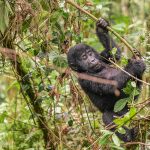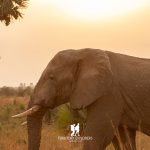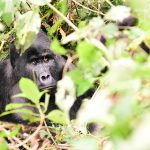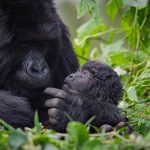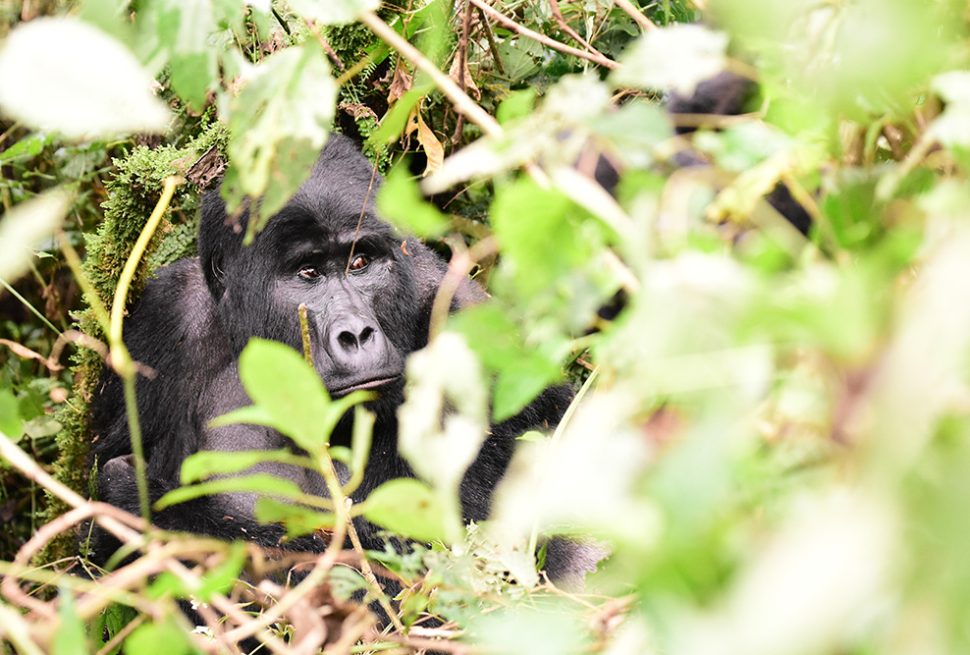

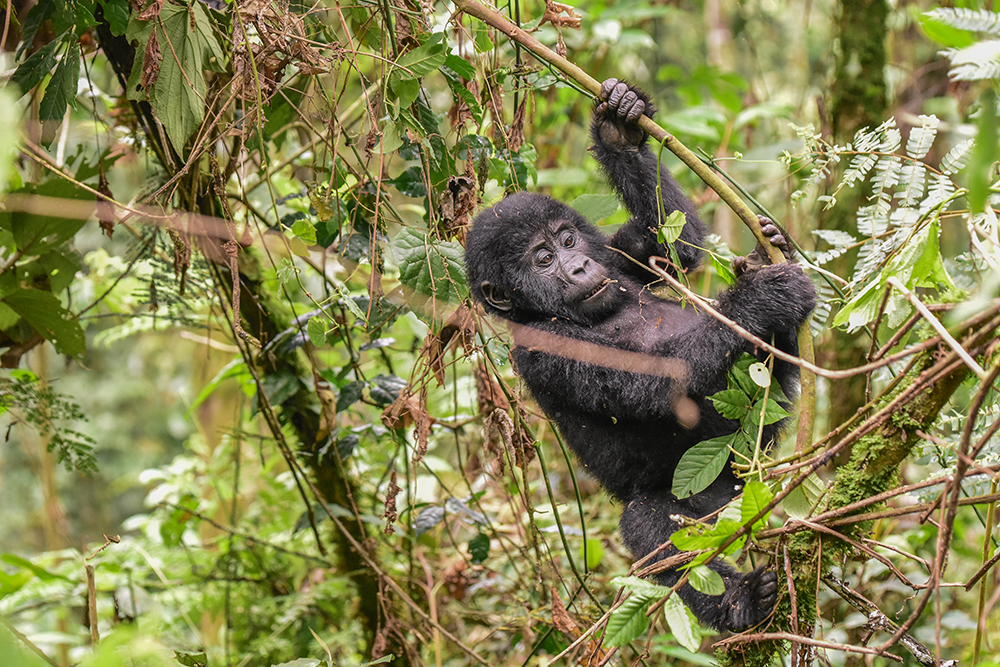
Buhoma Gorilla Sector is known as the birthplace of gorilla tourism in Uganda, having welcomed its first visitors in 1993. It sits in the northern part of Bwindi Impenetrable National Park in Kanungu district, southwestern Uganda. Buhoma stands out for its well-developed infrastructure and the widest range of accommodations in the park. With easier access, good trails, and experienced guides, Buhoma is a great choice for first-time gorilla trekkers who want both comfort and adventure.
Key Takeaways
- Buhoma is the original gorilla tourism site in Bwindi Impenetrable National Park. It offers easy access, well-kept trails, and experienced guides, making it a great choice for first-time trekkers.
- With seven habituated gorilla families, Buhoma offers 56 daily permits. This usually means better availability compared to other areas.
- Buhoma has the widest range of places to stay in Bwindi, including several luxury lodges that are just a short walk from the park headquarters.
- Buhoma sits at about 1,160 meters above sea level. The terrain is usually less challenging, and some gorilla families can be reached with a 1 to 3 hour hike.
- You can see gorillas in Buhoma all year. Success rates are over 95%. Trails are easier in the dry season, while the wet season has fewer visitors and better permit prices.
- The Uganda Wildlife Authority issues gorilla permits. The money from these permits helps fund conservation, anti-poaching efforts, and community programs.
- Booking with a licensed operator like Territory Explorers makes it easier to handle permits, logistics, and travel plans. This way, you can focus on enjoying your trip.
Why Choose Buhoma for Gorilla Trekking
Buhoma stands out for its history and the strong infrastructure built over more than 30 years. It has seven habituated gorilla families, which means there are 56 daily permits—more than most other sectors, so availability is usually good. Buhoma is at Bwindi’s lowest altitude (1,160 meters), so treks here are less strenuous. Many luxury lodges are within walking distance of the park headquarters, so you don’t need to drive early in the morning. With the highest number of upmarket lodges in Bwindi, Buhoma is a top choice for travelers who want comfort and premium service.
Gorilla Families in Buhoma Sector
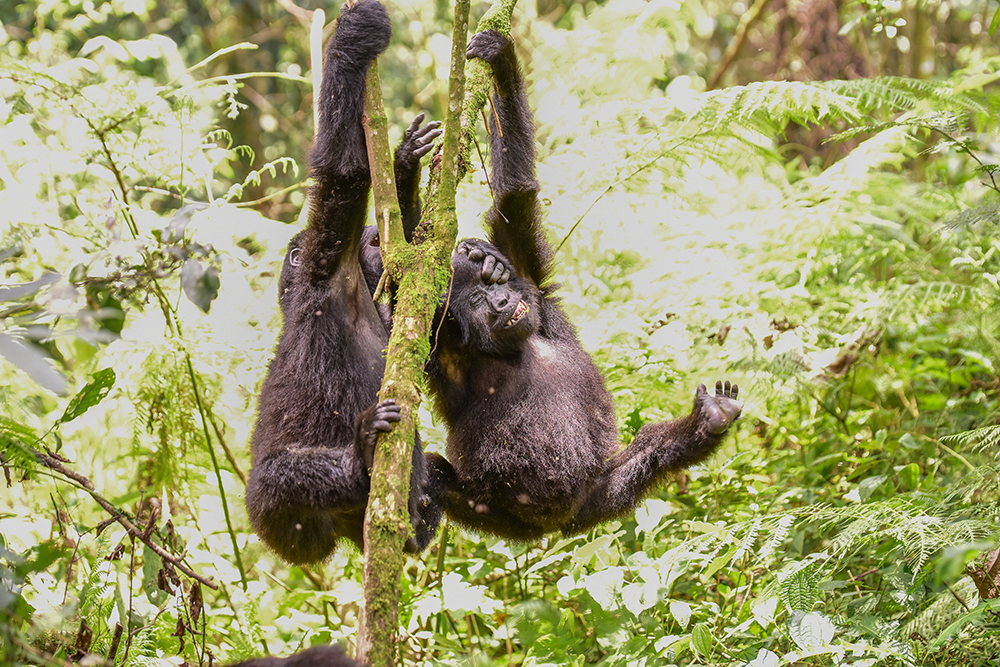
Buhoma has seven habituated gorilla families you can visit, and each one offers a different experience.
Mubare Gorilla Family
Mubare is Uganda’s first gorilla group to be habituated for tourism, opening in October 1993. The group was first led by the famous silverback Ruhondeza and had 18 members, but lost some members after conflicts with wild groups. Now, silverback Maraya leads about 7-9 members. Mubare is still very popular because of its history and the group’s calm, well-habituated nature, which makes for great viewing.
Habinyanja Gorilla Family
Habinyanja means “place with water” and was habituated between 1996 and 1999 with 25 members led by silverback Mugurusi. After leadership struggles between his sons Rwansigazi and Mwirima, the group split in 2002, creating the Rushegura family. Today, Habinyanja has 12-18 members, including silverback Makara. This group is known for lively and dramatic interactions during feeding, giving visitors a close look at gorilla social life.
Rushegura Gorilla Family
Rushegura, often called the “easy family,” was formed in 2002 when silverback Mwirima left Habinyanja with 7 members. The group has grown to 16-19 members and often forages near the park headquarters, sometimes even visiting lodge gardens. Rushegura is a good choice for first-time trekkers and older visitors, as they are usually found 1-2 hours from the trailhead. Their calm nature and natural behaviors make them great for photography.
Katwe Gorilla Family
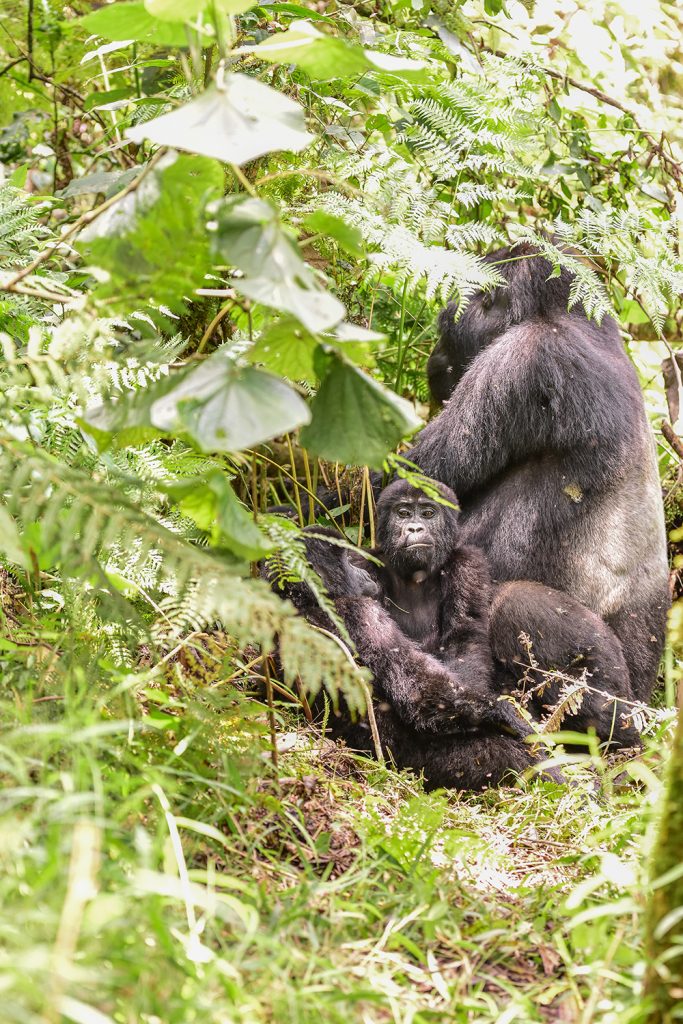
Katwe is a family made up of both habituated gorillas and wild individuals who came together to form a new group. Named after Katwe Hill, this family has 7-9 members led by silverback Mahaane. Some members joined from Mubare after changes in leadership. When you visit, you’ll see strong protective behavior from the silverback, close bonds between mothers and young, and curious younger gorillas getting used to people.
Muyambi Gorilla Family
Muyambi is Buhoma’s newest family, opened in 2019. It has 5-6 members led by silverback Muyambi, who left Mubare to start his own group. The small group size means you get a close, personal experience and can notice each gorilla’s personality. Watching this family gives you a unique look at how silverbacks attract females and set up their territory. It’s a great choice for visitors interested in gorilla social behavior.
Binyindo Gorilla Family
Binyindo is one of Buhoma’s seven gorilla families. It formed in 2015 and became available for trekking in 2018 after a three-year habituation process. The group has about 9 members and is led by silverback Binyindo, who is easy to spot because of his broad nose. Binyindo is one of the newer families you can visit in Buhoma.
Kanywani Gorilla Family
Kanywani is one of Buhoma’s newest habituated families for gorilla tourism. It has five members and is known for its close social bonds. The family has finished the habituation process but is not yet fully included in the Uganda Wildlife Authority’s official booking system for regular tourism.
The difficulty of your trek depends on which family you visit. Rushegura and Mubare usually take 1-3 hours of moderate hiking. Habinyanja, Katwe, Muyambi, Binyindo, and Kanywani can take 3-5 hours and involve steeper terrain.
Getting to Buhoma Sector
If you travel by road from Kampala or Entebbe, the trip takes 8-10 hours (about 550 km) and passes through Masaka, Mbarara, and Kabale, with plenty of scenic views along the way. You can break up the drive with an overnight stop in Mbarara or visit Lake Mburo National Park or Lake Bunyonyi. From the Ishasha sector of Queen Elizabeth National Park, Buhoma is only 4 hours away, so it’s easy to combine a safari with gorilla trekking.
You can also fly from Entebbe to Kihihi Airstrip, which takes 1.5-2 hours with Aerolink Uganda or Bar Aviation. From there, it’s a scenic 1-1.5 hour drive (about 40 km) to Buhoma. Flying saves you time and energy and gives you great views from the air.
Sample Trips to Buhoma
Follow the routes our top travelers have enjoyed with the itineraries below. They will guide you to the Buhoma sector and other exciting places you might not have discovered yet. Take a look and see which one best fits your adventure.
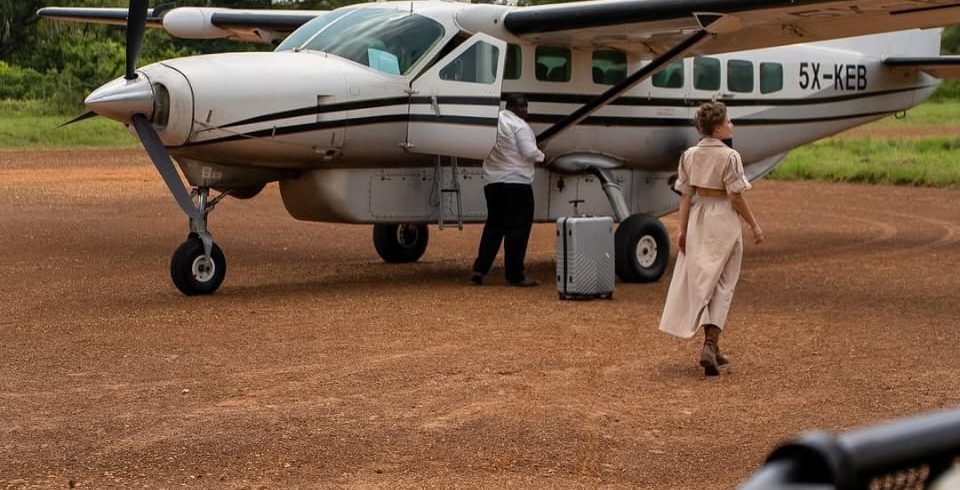
This 4-day fly-in safari is perfect for travelers who want to meet mountain gorillas in Bwindi Impenetrable National Park without…
- Jan
- Feb
- Mar
- Apr
- May
- Jun
- Jul
- Aug
- Sep
- Oct
- Nov
- Dec
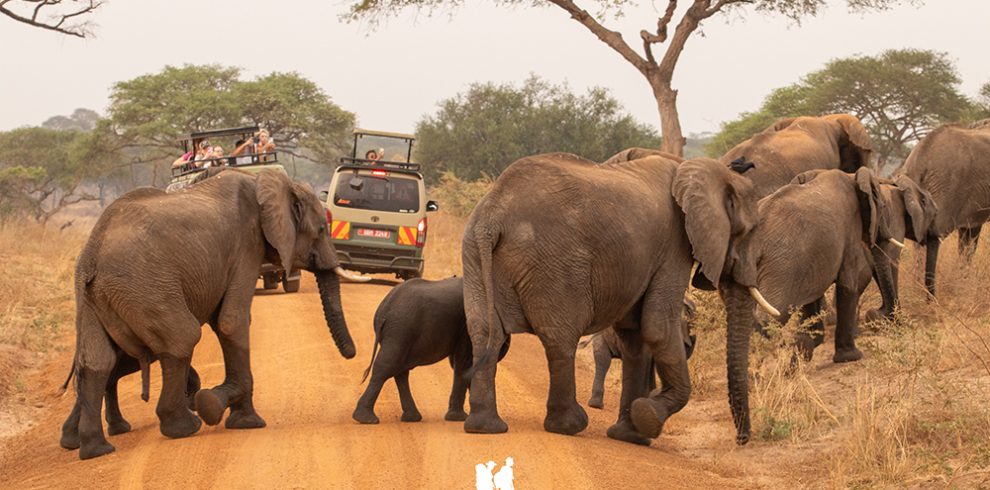
This 14-day safari explores some of Uganda's most stunning landscapes and wildlife spots, blending nature, culture, and adventure. Starting in…
- Jan
- Feb
- Mar
- Apr
- May
- Jun
- Jul
- Aug
- Sep
- Oct
- Nov
- Dec
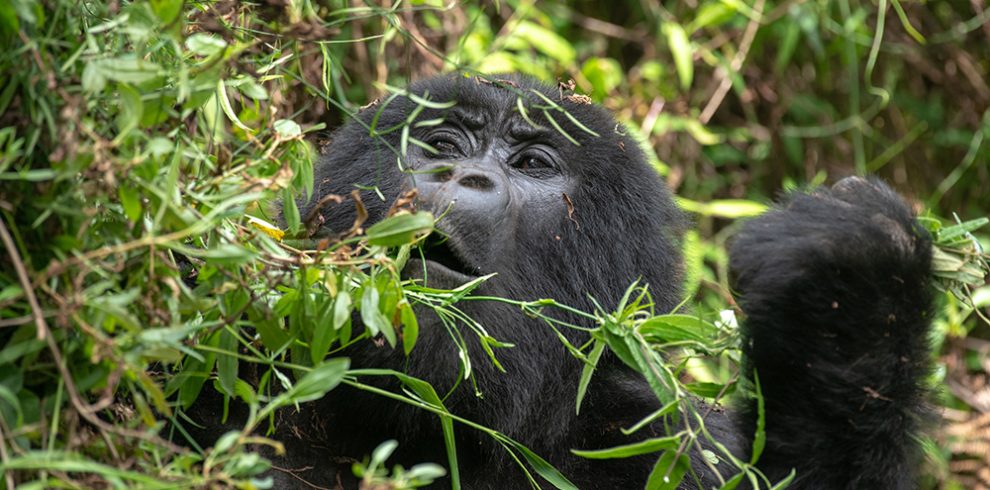
Join us for a 14-day Uganda-Kigali adventure that brings together East Africa’s top wildlife, culture, and exciting activities. You’ll visit…
- Jan
- Feb
- Mar
- Apr
- May
- Jun
- Jul
- Aug
- Sep
- Oct
- Nov
- Dec
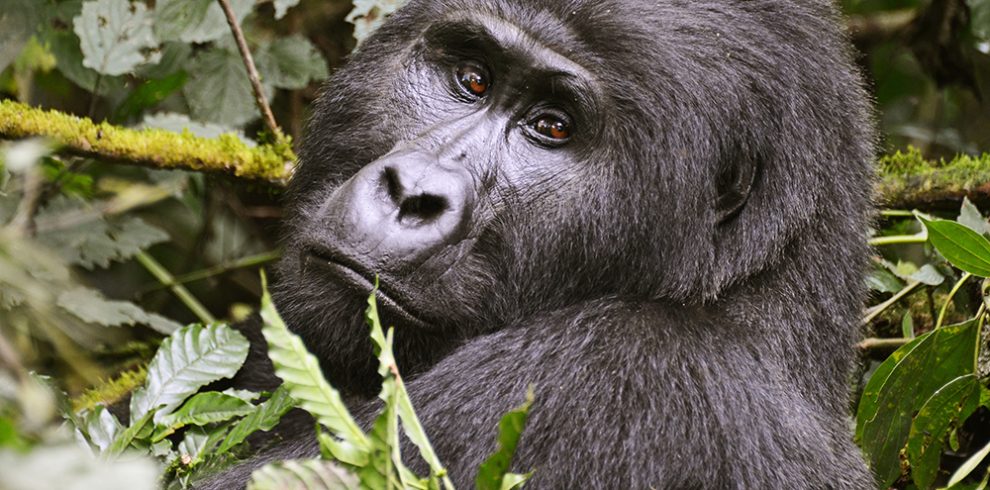
This 4-day Uganda safari starts in Kampala or Entebbe and takes you through the beautiful southwest for a memorable mountain…
- Jan
- Feb
- Mar
- Apr
- May
- Jun
- Jul
- Aug
- Sep
- Oct
- Nov
- Dec
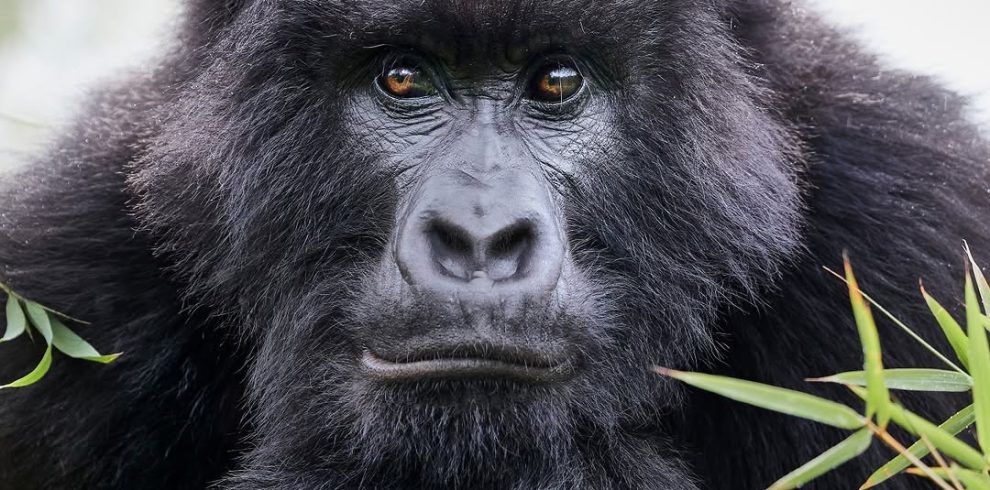
Let's take you on a 3-day gorilla safari in Uganda’s Bwindi Impenetrable Forest, where almost half of the world’s mountain…
- Jan
- Feb
- Mar
- Apr
- May
- Jun
- Jul
- Aug
- Sep
- Oct
- Nov
- Dec
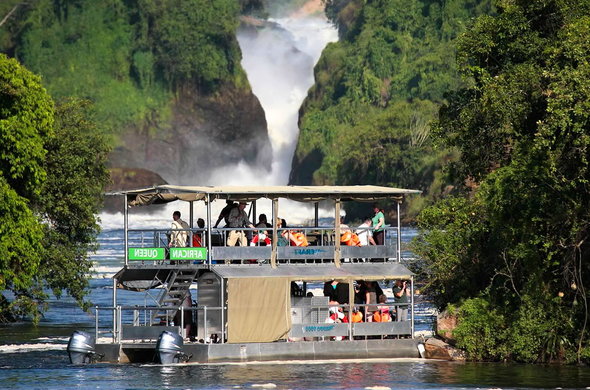
Set out on a 9-day journey across Uganda’s most famous wildlife spots, from the powerful Murchison Falls to the green…
- Jan
- Feb
- Mar
- Apr
- May
- Jun
- Jul
- Aug
- Sep
- Oct
- Nov
- Dec
Best Time to Visit Buhoma
The dry seasons (June-August and December-February) make trekking easier because there’s less mud, but you’ll find more crowds and higher prices. The wet seasons (March-May and October-November) offer better permit availability, lower prices (10-30% discounts), fewer crowds, and greener scenery. Gorillas can be seen all year with over 95% success rates—they don’t migrate and often stay at lower elevations during the rains, which can mean shorter treks. The shoulder months (May, June, September, November) offer a good balance of weather and value. No matter when you visit, bring waterproof gear.
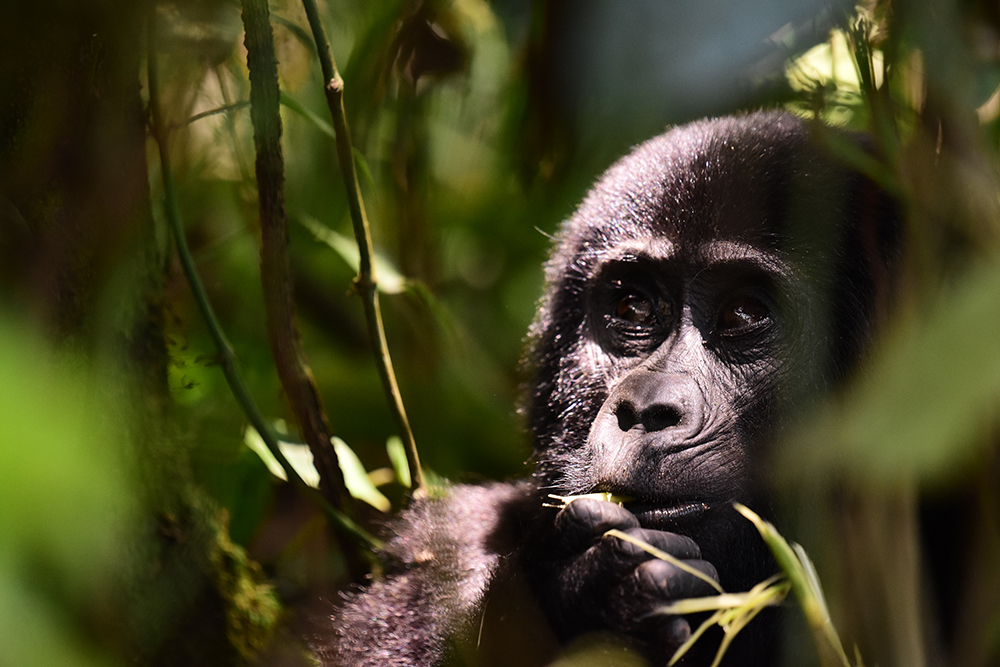
Gorilla Trekking Permits and Costs
As of 2026, Uganda gorilla permits cost $800 USD for non-resident foreigners, $700 USD for resident foreigners, $500 USD for other African citizens, and 300,000 UGX (~$80) for East African Community citizens. Permits must be purchased through the Uganda Wildlife Authority or a licensed tour operator such as Territory Explorers, who handles booking and availability checks.
Each permit is for a specific date and sector, and includes one hour with the gorillas, park fees, and experienced guides. The permit fee helps support gorilla conservation, anti-poaching, and local communities. For peak seasons (June-September and December-February), book 3-6 months in advance because Buhoma is very popular and permits sell out quickly.
What to Expect During Your Trek
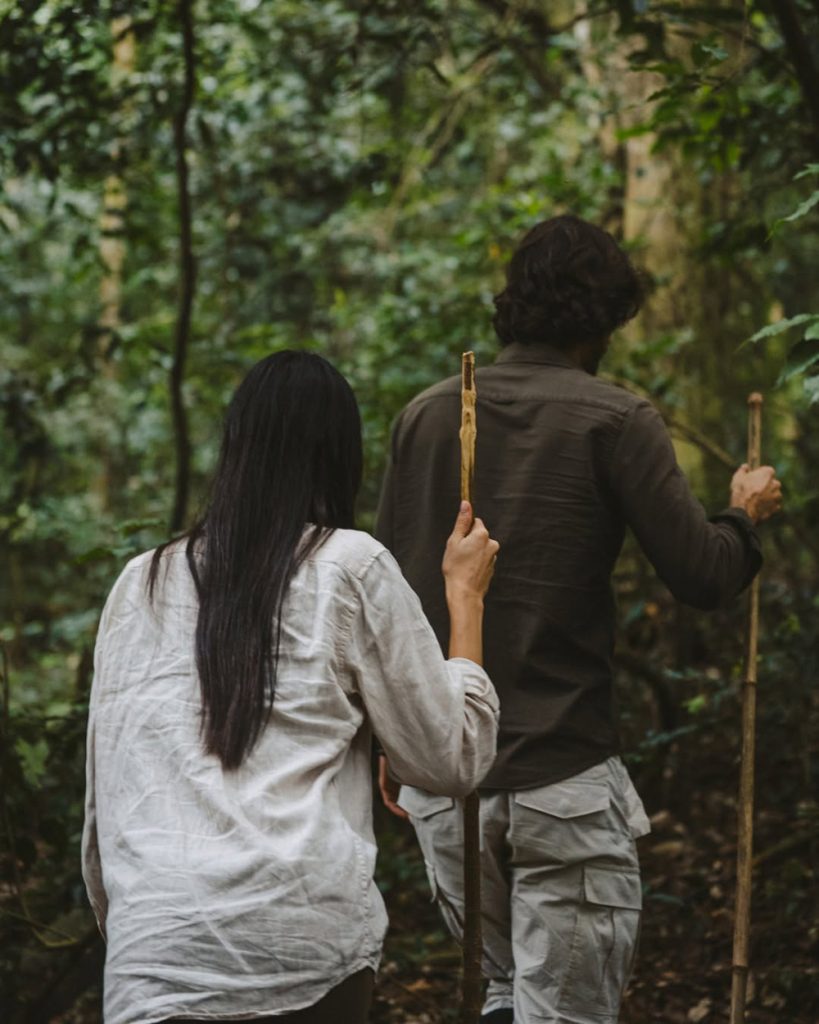
Your trek starts at 7:00-7:30 AM at Buhoma park headquarters, where UWA rangers give a briefing. Groups of eight trekkers are assigned to each gorilla family based on fitness levels.
Less fit groups are often given Rushegura or Mubare, which are closer to the headquarters. Each group is led by experienced guides and has armed rangers for safety from forest elephants and buffalo.
It’s highly recommended to hire a porter ($15-20). Porters carry your backpack and help on steep sections, while also earning income for the local community.
Treks can last from 30 minutes to 7 hours, depending on where the gorilla family is. Trackers find the gorillas before dawn and give real-time updates to your guides. Buhoma’s lower altitude makes trekking here less strenuous than in other sectors.
When you find the gorillas, you’ll spend one unforgettable hour watching them from seven meters away. You can see silverbacks show their strength, mothers care for their babies, and young gorillas play. It’s a special experience that creates a real connection with these amazing animals.
Accommodation Options in Buhoma
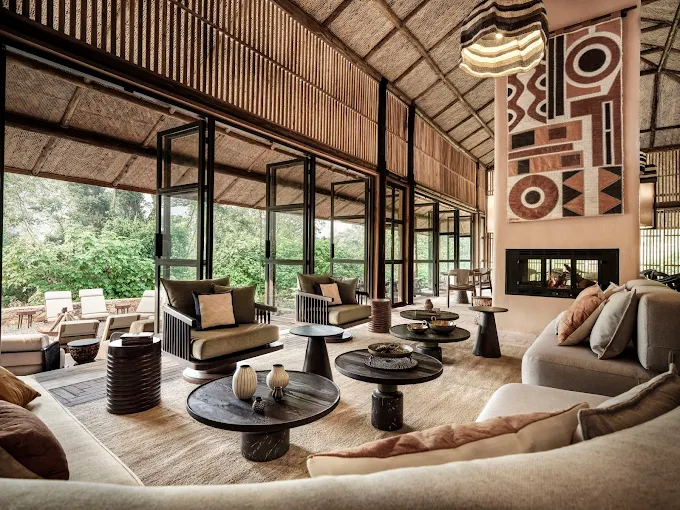
Buhoma has the widest range of accommodation in Bwindi, with options for every budget.
Luxury choices include Sanctuary Gorilla Forest Camp (inside the park with tented suites), Mahogany Springs Lodge (with an infinity pool, spa, and riverside setting), Buhoma Lodge (an eco-friendly lodge at the forest edge), and Volcanoes Bwindi Lodge.
These places offer five-star amenities, great food, and are within walking distance of the park headquarters.
For mid-range stays, you can choose Silverback Lodge, Engagi Lodge, Bwindi Forest Lodge, or Gorilla Mist Camp. They all offer comfortable rooms, hot water, good meals, and are close to the trailhead.
Budget options include Buhoma Community Rest Camp (run by the community), Ride 4 a Woman Guesthouse (which supports women’s empowerment), and CTPH Gorilla Conservation Camp, which also has camping facilities.
What to Pack for Gorilla Trekking
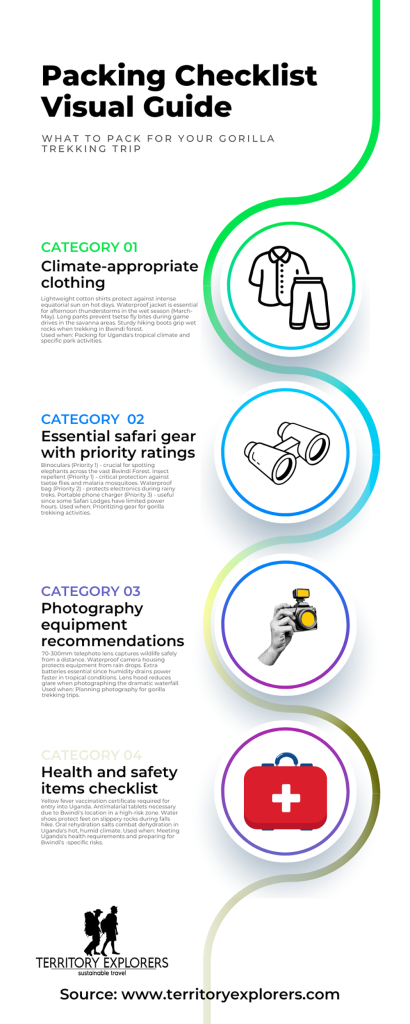
Essential items to pack include waterproof hiking boots with ankle support (the most important), a long-sleeved shirt and long trousers in neutral colors like khaki, green, or brown, a waterproof rain jacket or poncho, garden gloves for grabbing plants, knee-high socks, gaiters, a waterproof daypack, DEET insect repellent, sunscreen (SPF 30+), a hat, at least 2 liters of water, energy snacks, a camera with extra batteries, and a face mask.
Optional but helpful items include trekking poles, waterproof pants, dry bags for electronics, binoculars, and a small first-aid kit. Avoid wearing bright colors, camouflage, animal prints, or perfumes. It’s also a good idea to hire a porter ($15-20) to carry your pack and help on tough sections of the trail.
Other Activities in Buhoma Area
The Batwa Cultural Experience lets you learn about the indigenous pygmy people who were the original inhabitants of Bwindi.
You can see traditional hunting techniques, learn about medicinal plants, watch fire-making, and enjoy lively songs and dances. Taking part in this experience also helps support the Batwa community.
You can take nature walks on trails like the Munyaga River Waterfall Trail, where you can swim in mountain pools. The Rushura Hill Walk gives you wide views of the forest.
Along the way, you might see other primates like colobus and L’Hoest’s monkeys, as well as forest elephants and butterflies.
Birdwatching here is excellent, with over 350 species, including 23 that are unique to the Albertine Rift.
Some highlights are the African green broadbill, Shelley’s crimsonwing, and the bar-tailed trogon. You can also join community walks to nearby villages to experience local schools, meet artisans, and visit traditional homes.
Practical Tips and Rules
The minimum age for trekking is 15 years and this rule is strictly enforced. If you feel unwell, even with a minor cold, do not trek because human illnesses can be dangerous for gorillas (you can get a 50% permit refund). When you meet the gorillas, keep a 7-meter distance, never touch them, speak quietly, avoid direct eye contact with silverbacks, don’t use flash photography, and set your camera to silent mode.
It helps to prepare physically by hiking hills or climbing stairs for 30-45 minutes a few times a week before your trek. Stay hydrated, listen to your guide, and hire a porter no matter your fitness level. Porters are a big help on slippery trails and their work supports the local community.
Frequently Asked Questions (FAQs)
Each sector has its own strengths. Buhoma is best for first-time visitors, with the easiest access, the most luxury accommodation, shorter treks, and a rich history. Rushaga has the most permits (64 daily), offers the special Gorilla Habituation Experience (4 hours with gorillas), and is close to Rwanda. Ruhija is good for those who want fewer crowds and great birdwatching. Nkuringo is for adventure seekers but needs high fitness. For most people, Buhoma gives the best mix of convenience and quality.
Buhoma has seven habituated gorilla families: Mubare (Uganda’s first, opened in 1993), Rushegura (the “easy family”), Habinyanja (known for lively interactions), Katwe (a newer family), Muyambi (the newest, opened in 2019), Binyindo (opened in 2018), and Kanywani (recently habituated, not yet in the booking system). This means there are 56 daily permits (8 per family), second only to Rushaga’s 64 permits.
Trek difficulty ranges from moderate to strenuous. Some families are found within 1-2 hours, while others may take 4-6 hours through steep, muddy areas. Buhoma is usually less difficult than other sectors because it’s at a lower altitude. You should be able to walk for 2-3 hours with breaks. Porters ($15-20) are available and highly recommended. Most reasonably fit people can manage the trek, and seeing the gorillas makes it all worth it.
The dry seasons (June-August and December-February) make trekking easier because there’s less mud, but there are more crowds and higher prices. The wet seasons (March-May and October-November) offer better permit availability, lower prices (20-30% discounts), fewer crowds, and sometimes shorter treks since gorillas stay at lower elevations.
Gorillas can be seen all year with over 95% success rates. The shoulder months (May, June, September, early December) offer a good mix of weather and value.
Uganda is better value, with $800 permits compared to Rwanda’s $1,500, more gorilla families (19 vs. 12), the unique 4-hour Habituation Experience, and more options to combine with other wildlife safaris. Rwanda is easier to reach (2-3 hours from Kigali vs. 8-10 hours from Kampala), has easier terrain, better infrastructure, and more luxury lodges. The quality of gorilla encounters is similar. Choose Uganda for budget and adventure, or Rwanda for convenience and luxury.
There’s no absolute guarantee with wild animals, but success rates are over 95-98%. Trackers find the gorillas before dawn and give real-time updates to your guides. Gorillas have set territories and patterns that guides know well. There’s no time limit on searches—treks go on until the gorillas are found. If a trek is unsuccessful (usually because of bad weather or security), you can usually rebook or get a partial refund from the Uganda Wildlife Authority.
Worldwide, Uganda’s Bwindi Impenetrable National Park and Rwanda’s Volcanoes National Park are the top places for gorilla trekking. Bwindi is home to almost half the world’s mountain gorillas (459 individuals), has 19 habituated families, and offers the best value with $800 permits. In Uganda, Buhoma is best for first-timers who want convenience, while Rushaga has the most permits and offers the habituation experience. Rwanda is ideal for travelers with limited time who are willing to pay more for easier access and logistics.
Conclusion
Thank you for reading our guide. We appreciate you taking the time to learn what makes the Buhoma Gorilla Sector unique. If you’re thinking about visiting Buhoma, we highly recommend it. The experience is well worth your time and effort, and gorilla trekking here is always memorable. When you’re ready to plan your trip, reach out to us at Territory Explorers. We’ll help you with every step, from getting your gorilla permits to organizing all the details, so you can relax and enjoy your memorable encounter with Uganda’s mountain gorillas.