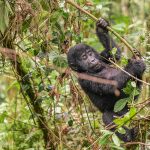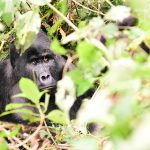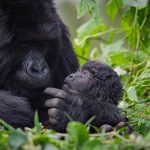

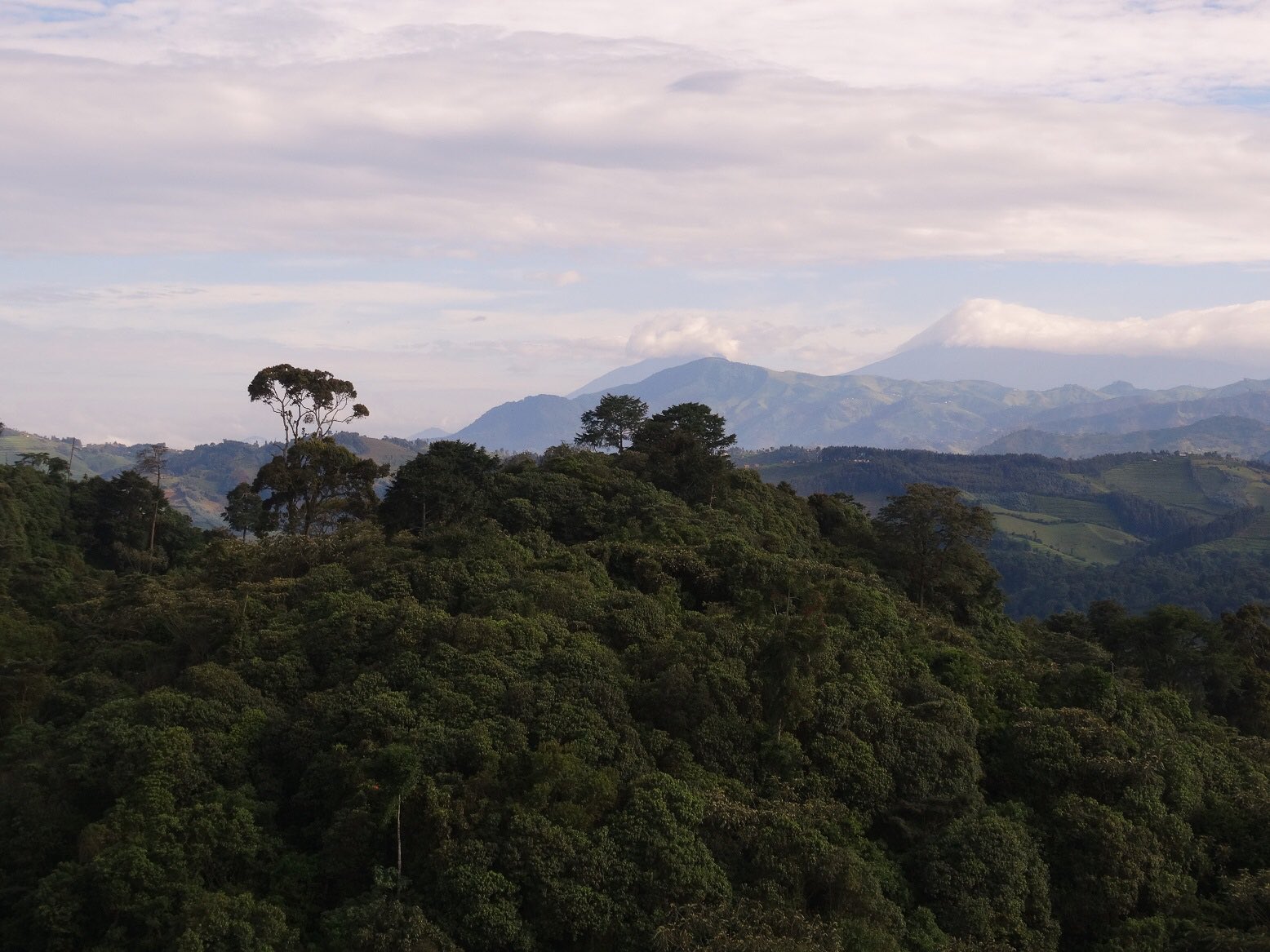
Gishwati-Mukura National Park is found in the misty highlands of western Rwanda and is known as one of Africa’s top conservation success stories. It proves how much determined reforestation can achieve in just over a decade. Gishwati-Mukura National Park may be Rwanda’s smallest and newest park, but it offers much more than its size suggests. Its conservation importance, wildlife encounters, and rich experiences stand out.
This is not just a place to check off species from a list. Here, you see nature’s resilience, with forests once destroyed by conflict now being restored through teamwork, and communities that once cleared the forest now protecting it as a source of income and pride.
Key Takeaways
• Gishwati-Mukura National Park is Rwanda’s newest national park, established in 2015 through the merger of Gishwati and Mukura forests, covering approximately 34 square kilometers in the Albertine Rift and serving as a vital corridor for primate populations while representing one of Africa’s most successful reforestation projects.
• Gishwati-Mukura National Park is home to habituated eastern chimpanzees, golden monkeys, and over 230 bird species, making it an exceptional destination for primate trekking and birdwatching, with the added distinction of being part of the UNESCO Gishwati-Mukura Biosphere Reserve, recognized for its conservation significance.
• Gishwati-Mukura National Park offers a more intimate and less crowded wildlife experience compared to Rwanda’s other parks, located just 2-3 hours from Kigali, with affordable chimpanzee trekking permits, stunning waterfalls, and community tourism initiatives that directly benefit local population
• Gishwati-Mukura National Park features diverse accommodation options ranging from budget-friendly guesthouses to luxury eco-lodges, with activities including chimpanzee tracking, golden monkey encounters, nature walks through regenerating forests, waterfall hikes, and immersive cultural experiences with the Banyarwanda communities.
History of Gishwati-Mukura National Park
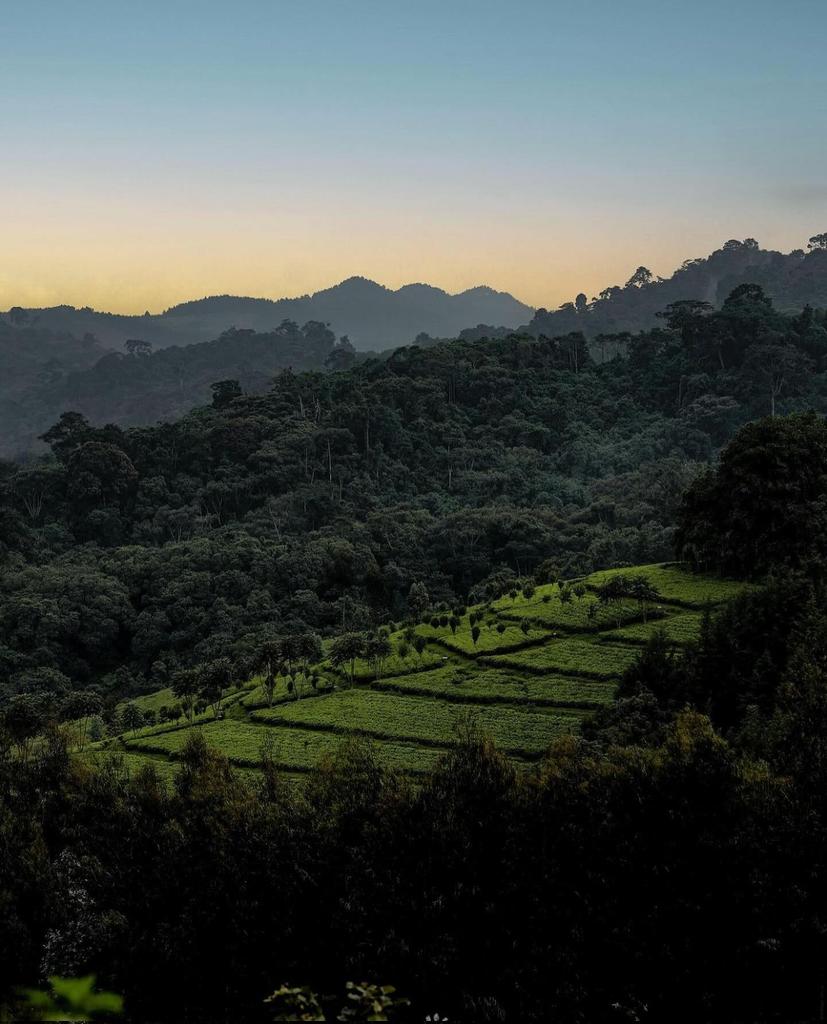
Gishwati-Mukura National Park became Rwanda’s fourth national park in 2015, formed by combining two forests: the larger Gishwati Forest (about 1,484 hectares) and the smaller Mukura Forest (around 557 hectares). The park stands out for its rich biodiversity and its remarkable recovery.
During the 1994 Rwandan genocide and the years that followed, these forests were heavily deforested, leaving only small patches of what once existed. Much of the land was cleared for farming, settlements, and cattle grazing, shrinking Gishwati from over 28,000 hectares to less than 600 by 2007. It seemed impossible to undo this damage, but that’s what happened.
Thanks to a major reforestation effort led by the Rwanda Development Board and conservation groups, millions of native trees were planted. These new trees connected forest patches and brought back important habitats for endangered animals. The change has been remarkable, with the forest now thriving and wildlife numbers rising.
In 2020, the park gained international attention when it became part of the UNESCO Gishwati-Mukura Biosphere Reserve. This honor highlights its value for protecting biodiversity, supporting sustainable development, and encouraging scientific research. It also shows how conservation and community well-being are linked.
The park sits in the Albertine Rift, one of Africa’s richest areas for wildlife and home to many unique species. Standing at the forest’s edge and hearing chimpanzees call through the mist is a clear sign that conservation works and forests can recover.
Location and Geography
Gishwati-Mukura National Park is in northwestern Rwanda, covering parts of the Rutsiro and Ngororero districts in the Western Province. It is about 70 kilometers from Kigali, making it one of the country’s most accessible parks. The drive takes 2-3 hours through Rwanda’s scenic “Land of a Thousand Hills.”
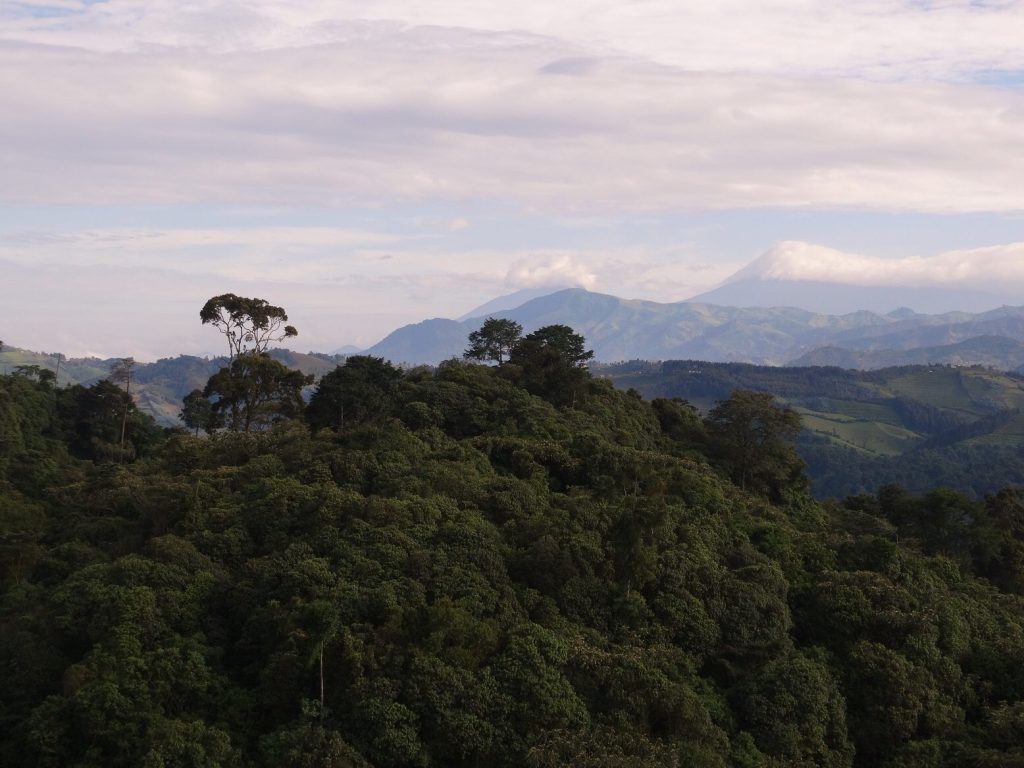
The park sits at elevations between 1,700 and 2,900 meters above sea level along the Congo-Nile Divide, a mountain ridge that separates the Congo and Nile river systems. On a clear day, standing on these ridges, you can feel the natural forces that shaped this landscape long ago.
The two forest sections are separated by 12 kilometers, with Gishwati forming the larger northern section and Mukura the smaller southern section. Between them lies a mosaic of smallholder farms, tea plantations, and reforestation zones where conservation corridors are gradually being established to allow wildlife movement between the fragments.
The terrain is characterized by steep hills, deep valleys, numerous streams, and seasonal waterfalls that cascade through the forest during the rainy seasons. The park’s volcanic soils, inherited from ancient geological activity in the region, support lush montane and bamboo forests that cling to the hillsides in dense, vibrant layers.
Climate-wise, the park experiences a moderate equatorial climate with temperatures ranging from 10°C to 20°C due to the high altitude. Rainfall is abundant, with annual precipitation exceeding 1,400mm, creating the perpetually moist conditions that support the rich biodiversity. The park receives rain throughout the year, though it’s heaviest during the two main wet seasons (March to May and October to November).
Wildlife and Biodiversity
Primates: The Park’s Main Attraction
Gishwati-Mukura’s primate populations are its crown jewels, offering visitors intimate encounters with some of Africa’s most charismatic species. The park harbors at least four distinct primate species, each with unique behaviors and ecological roles, making every trek a potential adventure.
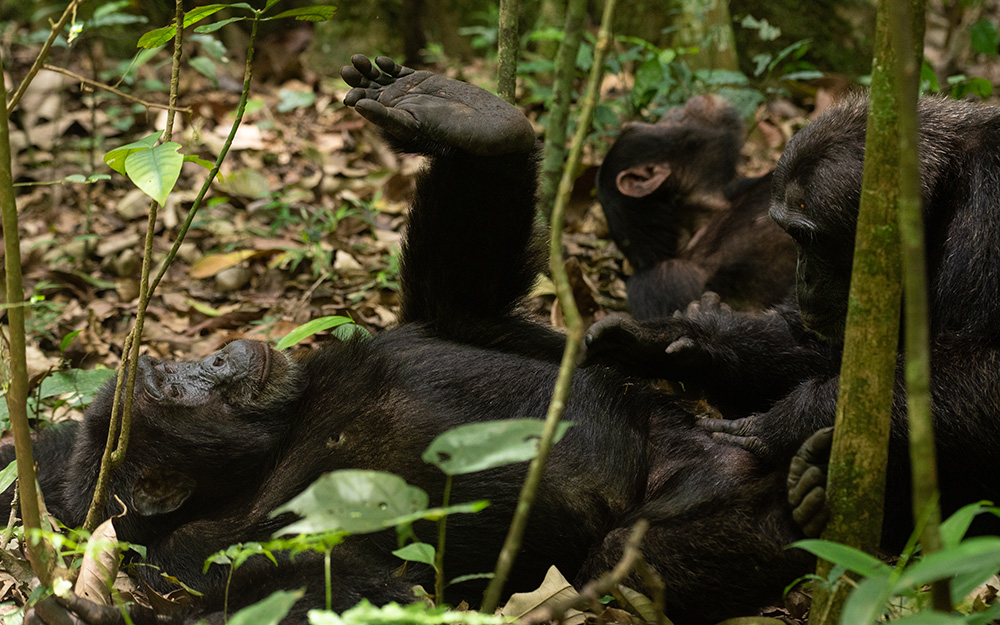
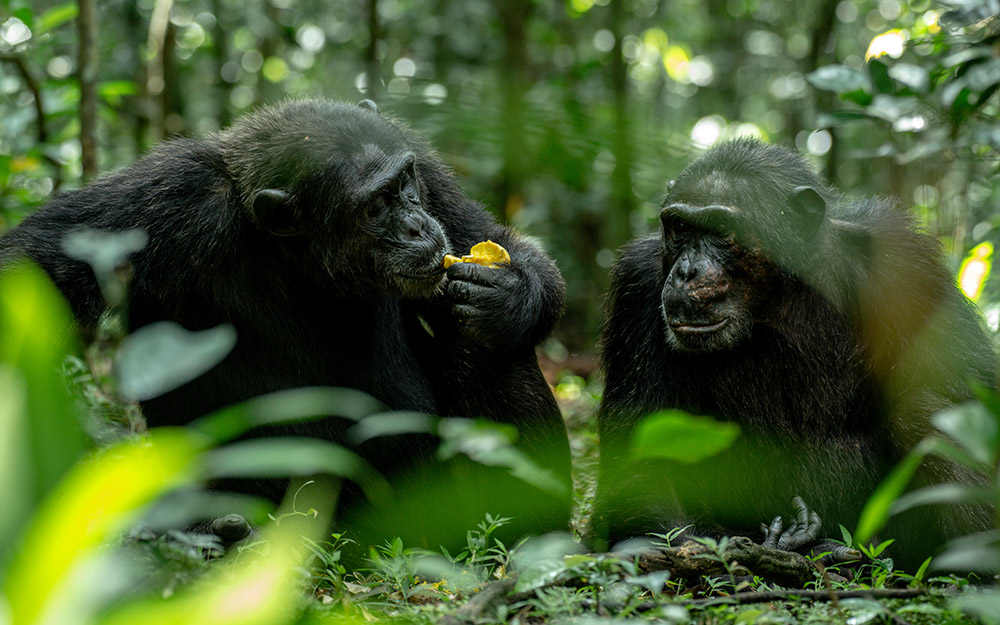
Eastern Chimpanzees are undoubtedly the stars of the show. The park is home to a habituated community of approximately 20-25 chimpanzees (population estimates as of 2025), offering visitors the rare opportunity to observe these intelligent great apes in their natural habitat. Watching chimps interact—grooming each other, foraging for fruits, or caring for their young—reminds you just how close we are to these remarkable creatures; we share approximately 98.7% of our DNA with them.
These chimpanzees were gradually habituated to human presence through a patient, multi-year process that allows researchers and tourists to approach within safe distances without disturbing their natural behaviors. Unlike their cousins in larger forests, the Gishwati chimps have adapted to living in smaller forest fragments, demonstrating remarkable resilience and behavioral flexibility.
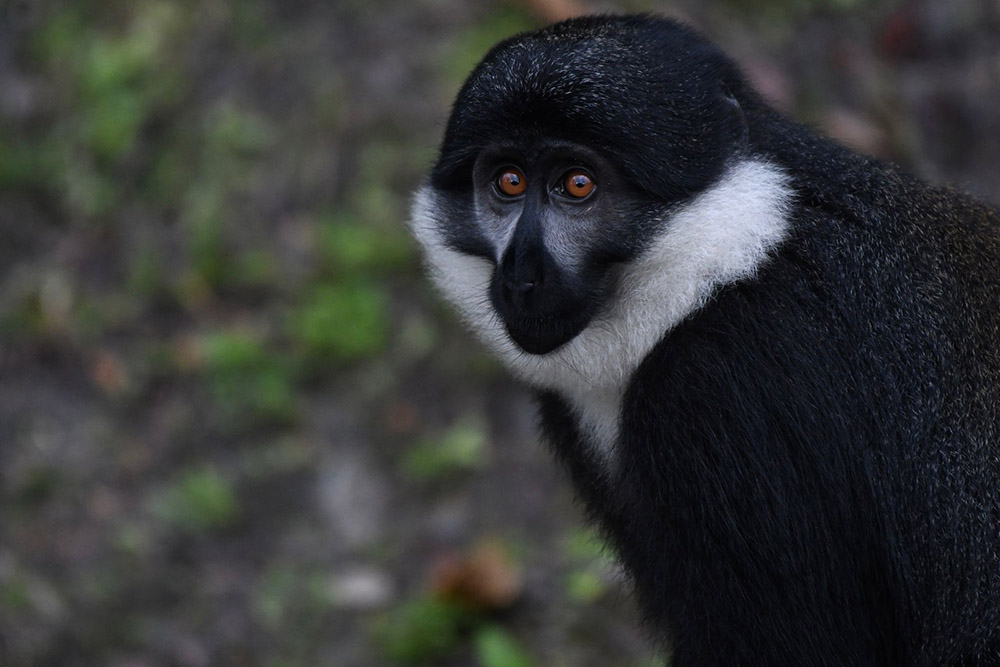
Golden Monkeys add a splash of color to the forest canopy with their distinctive orange-gold patches contrasting against black limbs and silver backs. These endangered primates are endemic to the Albertine Rift and are found in only a handful of locations across Central Africa. In Gishwati-Mukura, golden monkeys are frequently spotted in bamboo groves and in mixed forest zones, often traveling in large troops of 30-80 individuals.
Their acrobatic movements in the trees, as they leap from branch to branch with effortless grace, make them a favorite for photographers. You’ll need quick reflexes to catch them in action.
Blue Monkeys (also called diademed monkeys) are perhaps the most commonly encountered primates in the park. These medium-sized monkeys have a subtle blue-grey tinge to their fur and live in female-dominated social groups. They’re highly vocal, and their distinctive calls often serve as the forest’s morning alarm clock for trekkers entering the park at dawn.
L’Hoest’s Monkeys are shy and usually stay low in the understory, often feeding on the forest floor, which is unusual for tree-dwelling primates. Their white “beards” and chestnut backs make them stand out, but they are harder to spot than other species. Seeing one feels like a special reward for patient visitors.
Bird Paradise
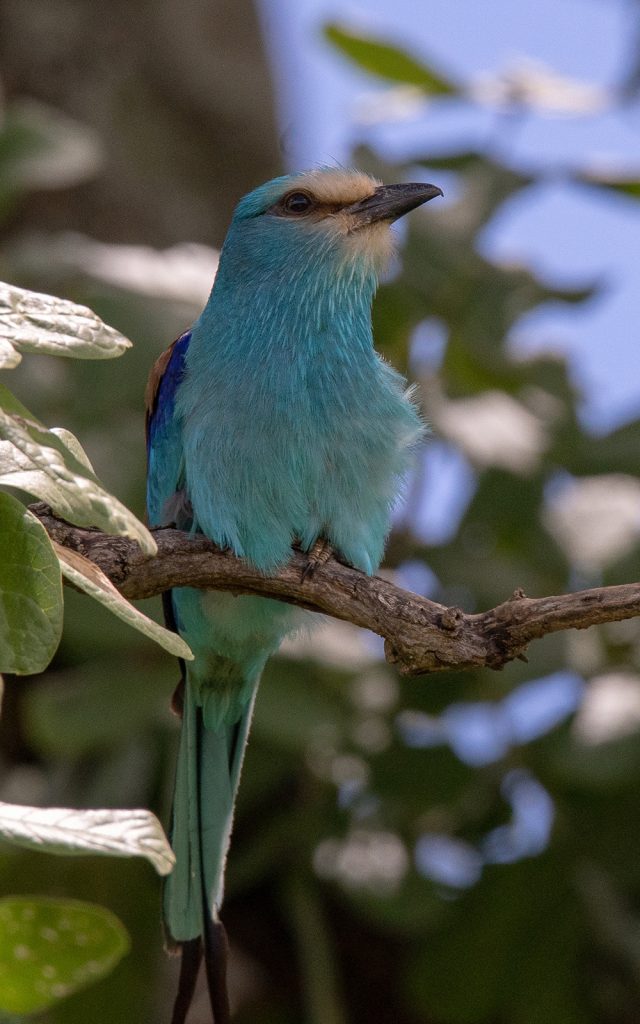
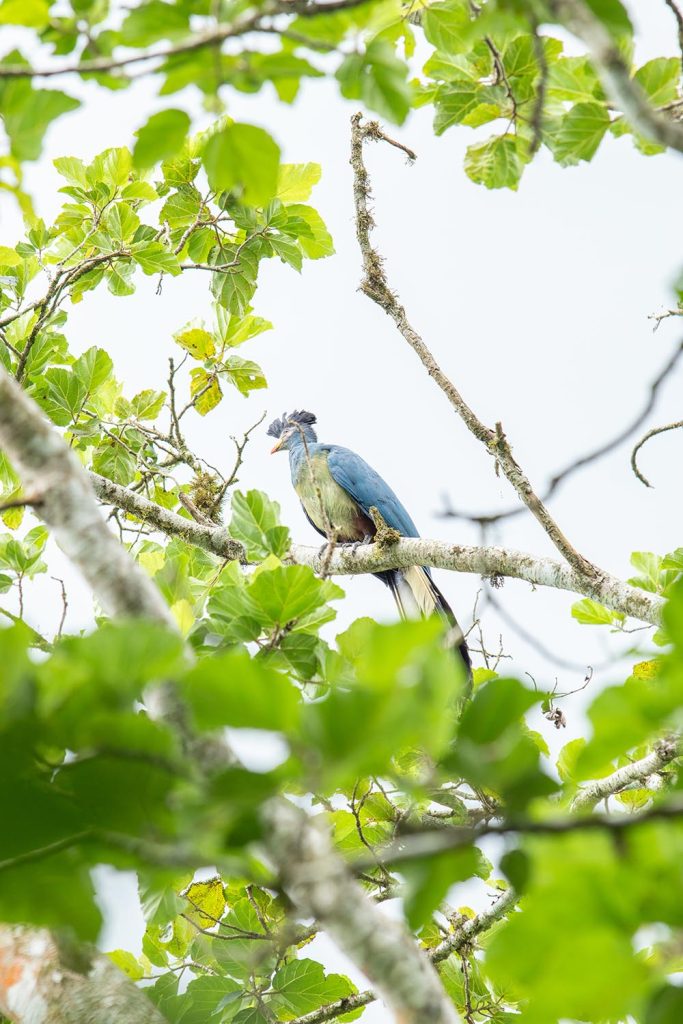
With over 230 recorded bird species, Gishwati-Mukura is an ornithological treasure, particularly for those seeking endemic and rare Albertine Rift species. The park’s varying altitudes and forest types create diverse microhabitats that support an impressive array of birdlife.
Notable species include the Rwenzori Turaco with its brilliant crimson flight feathers, the Mountain Yellow Warbler, the Regal Sunbird, and various species of greenbuls and tinkerbirds. Several species are threatened and found nowhere else in the world outside the Albertine Rift, making every bird sighting here significant for conservation records.
The park is particularly rewarding for birders during the early morning hours when mixed feeding flocks move through the canopy, bringing together multiple species in a flurry of activity. There’s something magical about standing in the forest at dawn, surrounded by a symphony of calls you can’t quite identify, camera ready for whatever appears next.
Other Wildlife
While primates and birds dominate wildlife encounters, the park harbors other fascinating creatures. Small mammals include servals (occasionally spotted in the grassland-forest ecotone), various species of forest squirrels, porcupines, and numerous bat species that play crucial roles in pollination and seed dispersal.
The forest floor and canopy are home to chameleons, forest lizards, and several frog species, including some that may be endemic to the Albertine Rift. After heavy rains, the forest comes alive with amphibian calls, and patient observers can spot these small yet important ecosystem members on night walks or early-morning treks.
Flora and Forest Characteristics
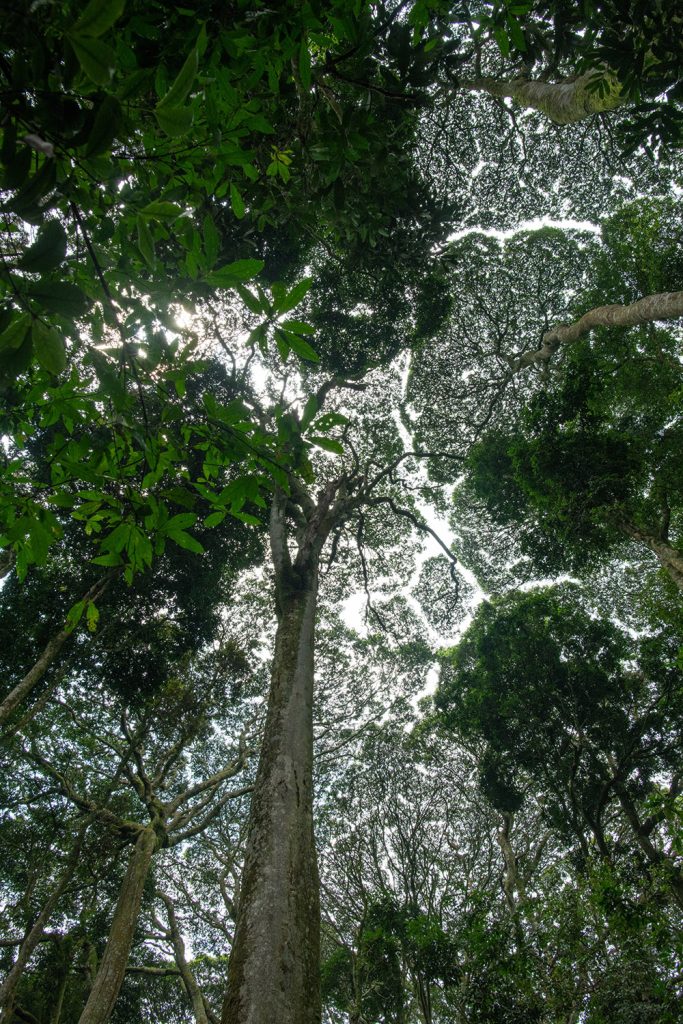
The park’s vegetation is as diverse as its fauna, comprising montane forest, bamboo groves, swamp, and secondary growth in areas recovering from past deforestation. The canopy is dominated by native tree species, including Newtonia buchananii, Carapa grandiflora, and various Macaranga and Polyscias species.
In the bamboo areas, especially where golden monkeys live, thick stands of Yushania alpina create a unique habitat. The endless green stalks reach up toward the sunlight, and the bamboo grows so densely that walking through it feels like moving through a natural maze.
The forest floor supports a rich understory of ferns, wild gingers, and forest herbs, creating multiple vertical layers of vegetation that provide habitat for different species. During the rainy seasons, wild orchids bloom in the canopy, adding delicate beauty to the robust forest structure.
The Banyarwanda People and Their Culture
The communities around Gishwati-Mukura National Park are mostly Banyarwanda, the indigenous people of Rwanda and one of Africa’s most culturally unified groups. Traditionally, the Banyarwanda include three groups: Hutu, Tutsi, and Twa. Since the genocide, the Rwandan government has focused on national unity instead of ethnic divisions, encouraging a single Rwandan identity.
These communities have lived with the land for centuries, developing farming methods suited to the steep hills and volcanic soils, and mainly growing tea, coffee, potatoes, beans, and bananas. Today, it’s inspiring to see how they have made conservation part of their cultural renewal, moving from a time when they had to clear forests to survive to now being active partners in protecting and restoring the forest.
The cultural richness of the Banyarwanda is expressed through vibrant traditions, including Intore dance (a powerful, energetic performance featuring drummers and dancers in grass headdresses), intricate basket weaving (imigongo art), traditional poetry, and oral storytelling that preserves historical memories and moral teachings.
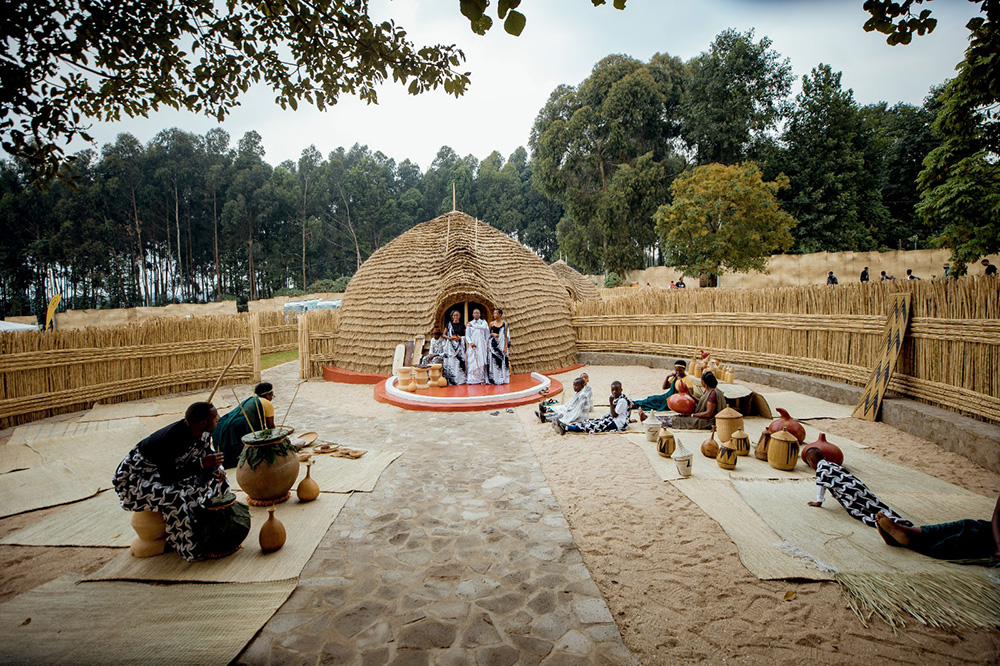
Visitors to Gishwati-Mukura can participate in cultural experiences where local communities share traditional practices, including banana beer brewing (urwagwa), the preparation of traditional medicine using forest plants, and agricultural techniques passed down through generations. Community-based tourism initiatives allow visitors to contribute directly to local livelihoods, with tourism revenue supporting schools, health centers, and sustainable development projects that reduce pressure on forest resources—creating a virtuous cycle in which both people and nature thrive together.
Things to Do: Activities and Experiences
Chimpanzee Trekking
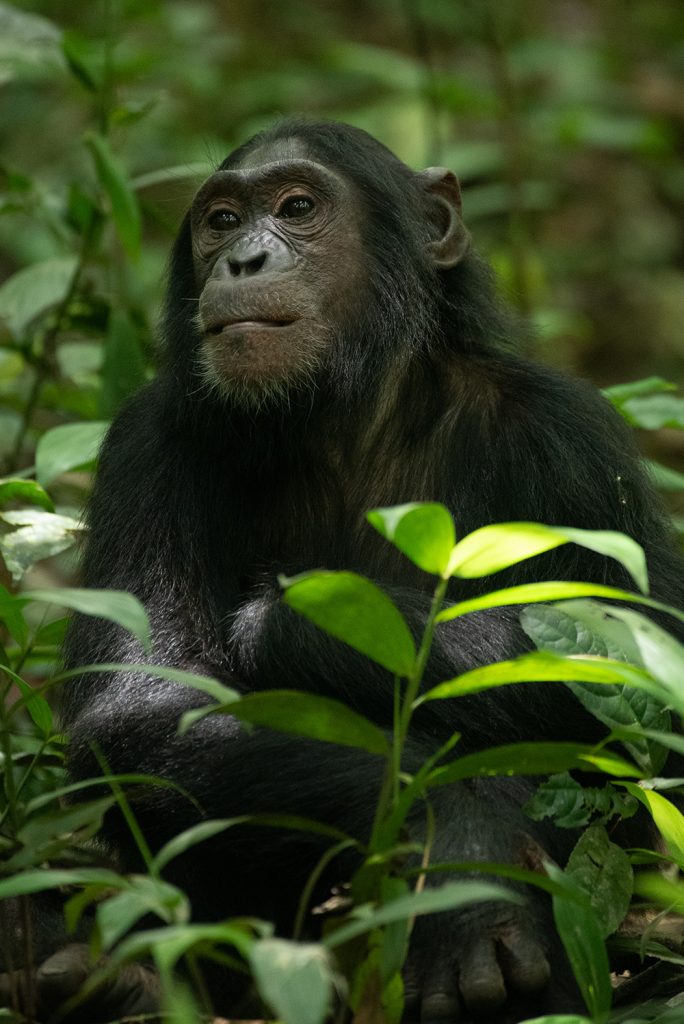
Chimpanzee trekking is the park’s flagship activity and an experience that ranks among Africa’s most thrilling wildlife encounters. Treks begin early in the morning, typically around 7:00 AM, when rangers lead small groups of up to eight visitors into the forest to locate the habituated chimp community.
The trek duration varies considerably depending on where the chimps spent the previous night and how far they’ve traveled since dawn—anywhere from 30 minutes to 3-4 hours of hiking through sometimes steep, muddy terrain. When you finally hear the distinctive pant-hooting calls echoing through the trees, your heart rate quickens, and suddenly, all the effort feels worth it.
Once located, visitors spend one precious hour observing the chimps as they feed, play, groom, and interact. Watching a mother chimp gently cradle her infant or witnessing adolescent chimps wrestling playfully in the canopy provides profound insights into complex social dynamics and intelligence.
The habituation level means chimps largely ignore human observers, going about their daily routines as if you’re merely another part of the forest.
Permit cost: As of 2025, chimpanzee trekking permits cost $150 per person, significantly less expensive than gorilla permits, making this an accessible option for budget-conscious travelers seeking an authentic great ape experience.
Golden Monkey Tracking
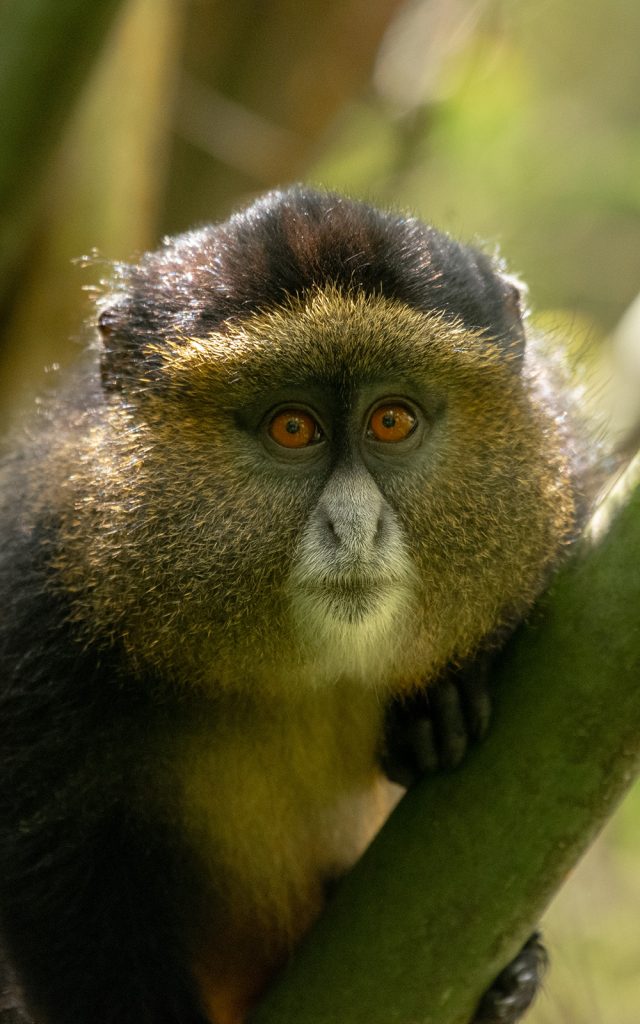
Golden monkey tracking offers a different but equally rewarding primate experience. These endangered monkeys are typically found in bamboo zones and mixed forests, where they feed on bamboo shoots, leaves, fruits, and occasionally insects.
Tracking usually involves 2-3 hours of hiking, and once located, visitors spend one hour observing the troop. Golden monkeys are incredibly energetic and acrobatic, making them challenging to photograph but fascinating to watch.
They’re also more tolerant of human presence than chimpanzees, sometimes approaching quite close out of curiosity—which makes for amazing photo opportunities if you’re ready with your camera.
Bird Watching Tours
Dedicated birdwatching excursions are available for ornithology enthusiasts, led by experienced guides who know the best spots for locating endemic and rare species. Early morning walks (starting at 6:00 AM) offer the best opportunities, when birds are most active and vocal.
The park’s network of trails passes through different habitat zones, increasing the diversity of species encountered in a single outing. Serious birders should plan for at least 2-3 days to properly explore the park’s avian diversity, and bringing a good field guide to Albertine Rift species is essential.
Nature Walks and Hiking Trails
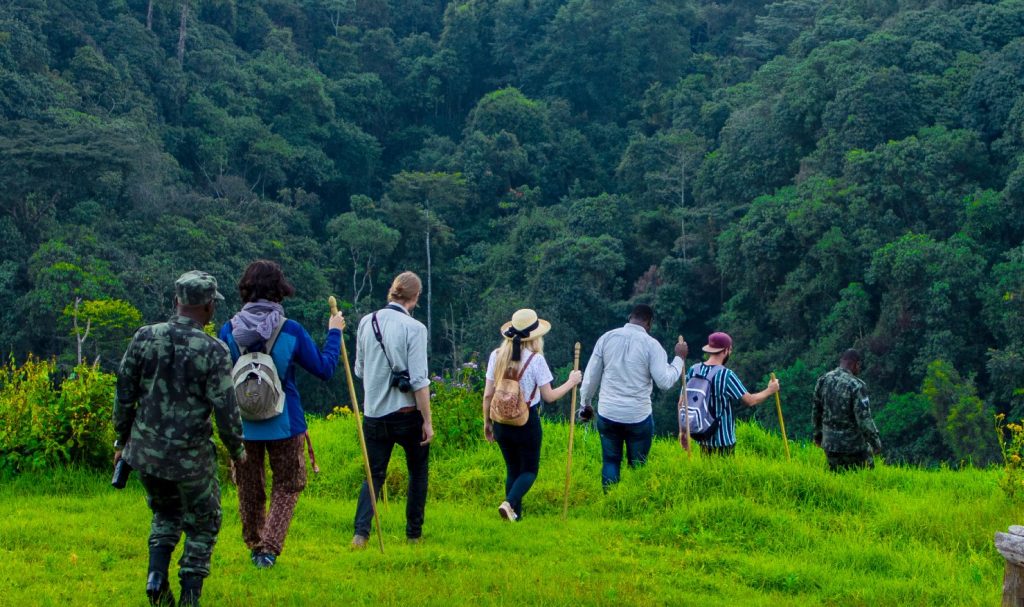
Several marked trails wind through the forest, offering varying levels of difficulty and duration options. The trails range from gentle 1-2 hour walks suitable for casual visitors to more challenging 4-5 hour hikes that traverse steep terrain and reward the effort with spectacular views.
Popular trails include the waterfall trail, which leads to one of the park’s seasonal waterfalls (best seen during or just after the rainy seasons), and ridge trails with wide views over the forest canopy toward the Congo-Nile Divide. Walking these paths feels like entering a living laboratory, where you can see forest recovery happening before your eyes. Young trees planted just ten years ago now tower overhead, creating new habitats that weren’t there in 2010.
Cultural Tours and Community Experiences
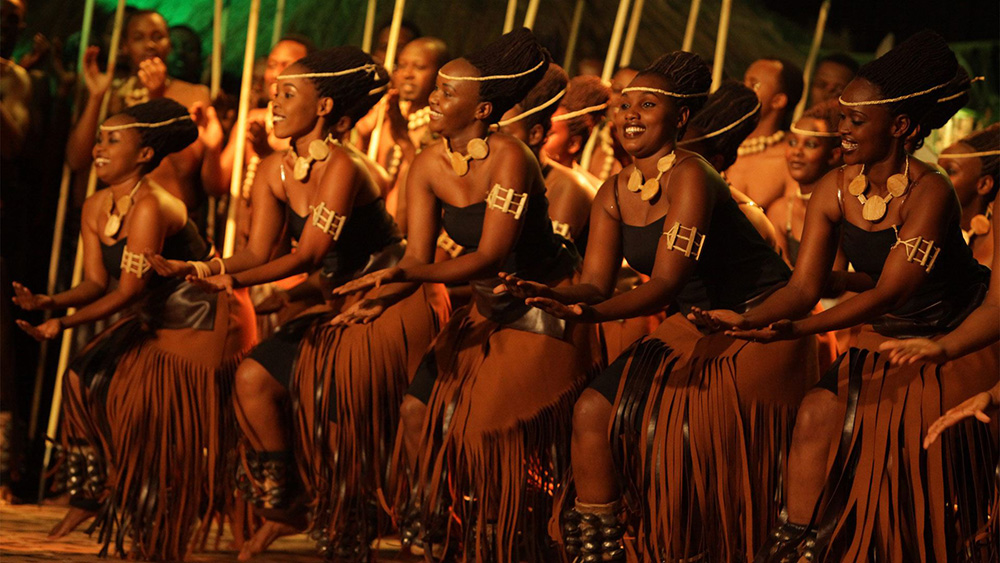
Community tourism initiatives around the park offer visitors chances to engage with local Banyarwanda communities and learn about traditional lifestyles, crafts, and sustainable practices. These experiences might include:
• Traditional dance performances featuring Intore dancers in traditional grass headdresses, accompanied by thundering drums
• Homestay experiences where visitors share meals with local families and participate in daily activities
• Craft workshops learning traditional basket weaving using natural fibers and dyes
• Tea plantation tours showing how Rwanda’s famous tea is grown, harvested, and processed
• Traditional healer consultations, learning about medicinal plants used in Rwandan traditional medicine
A portion of community tourism revenue directly supports local development projects, making these experiences both culturally enriching and impactful for sustainable livelihoods.
Photography Experience
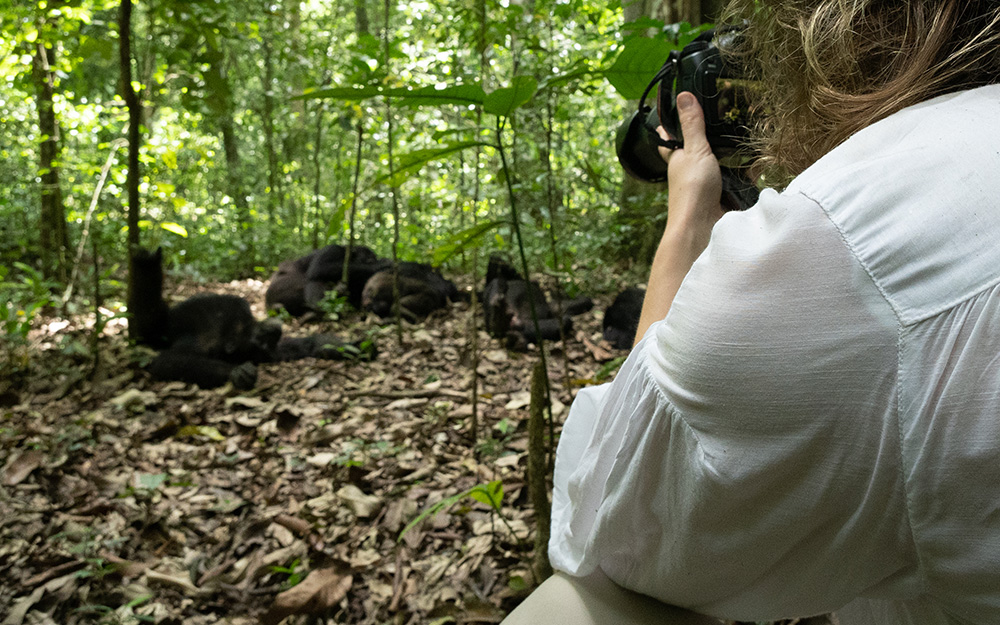
Gishwati-Mukura offers exceptional photography opportunities across wildlife, landscape, and cultural subjects, though the forest environment presents technical challenges that make success all the more rewarding.
Wildlife Photography: Photographing primates in dense forest requires specific techniques—fast shutter speeds (1/500s or faster) to freeze movement, wide apertures (f/2.8-f/5.6) for maximum light gathering, and high ISOs (often 1600-3200) due to low light under the canopy. A telephoto lens in the 70-200mm or 100-400mm range is ideal for maintaining respectful distances while capturing frame-filling portraits.
Chimpanzee photography presents particular challenges due to constant movement and the one-hour time limit—you need to work quickly and efficiently, anticipating behaviors rather than reacting to them. The reward is the potential to capture intimate moments that reveal the emotional depth and intelligence of our closest relatives.
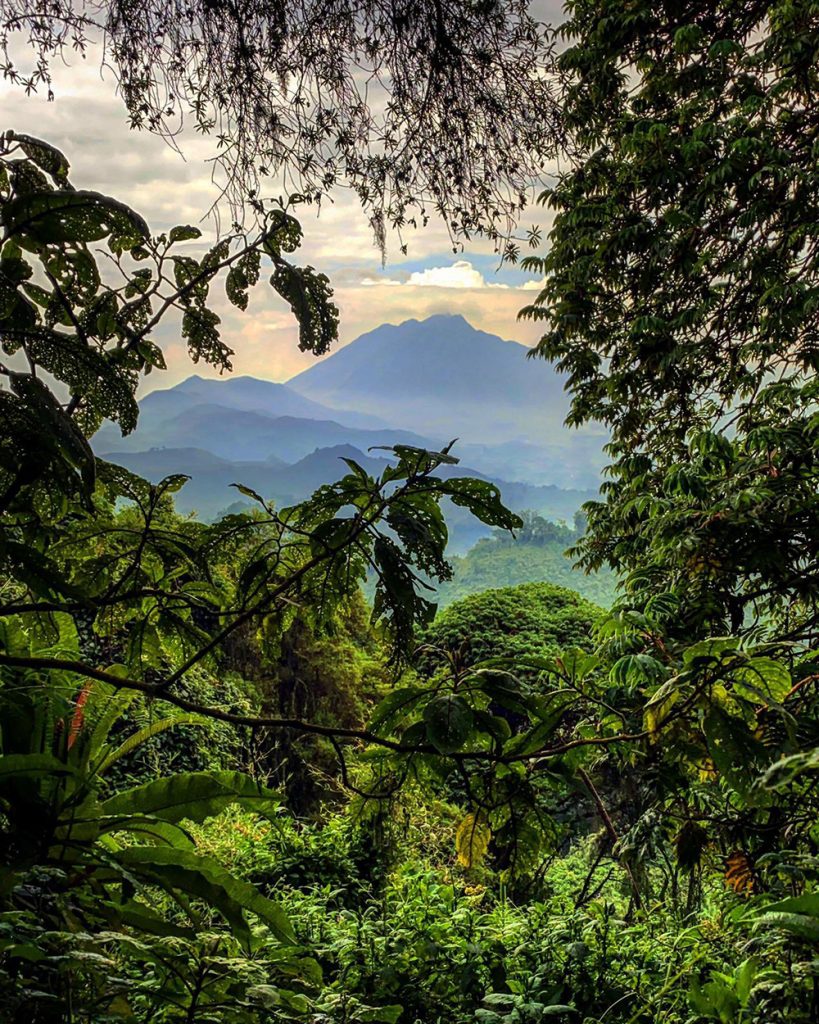
Landscape Photography: The misty mornings and dramatic topography create ethereal landscapes, particularly from ridge viewpoints where layers of forested hills fade into the blue distance. A wide-angle lens (16-35mm) is perfect for these scenes, and early morning or late afternoon light adds warmth and dimension to the green palette.
Cultural Photography: When photographing community members and cultural activities, always ask permission first and be respectful of people’s comfort levels. Many community members are happy to be photographed, especially during organized cultural performances, but building rapport first leads to more authentic, relaxed portraits.
Practical Tips: Bring rain protection for your camera gear (even a simple plastic bag works), carry extra batteries (cold, high-altitude conditions drain them quickly), and bring cleaning supplies for muddy lenses. Most importantly, don’t let photography obsession distract you from simply experiencing and observing—some moments are meant to be felt rather than captured.
When to Visit: Best Times for Gishwati-Mukura
Dry Seasons (June to September & December to February)
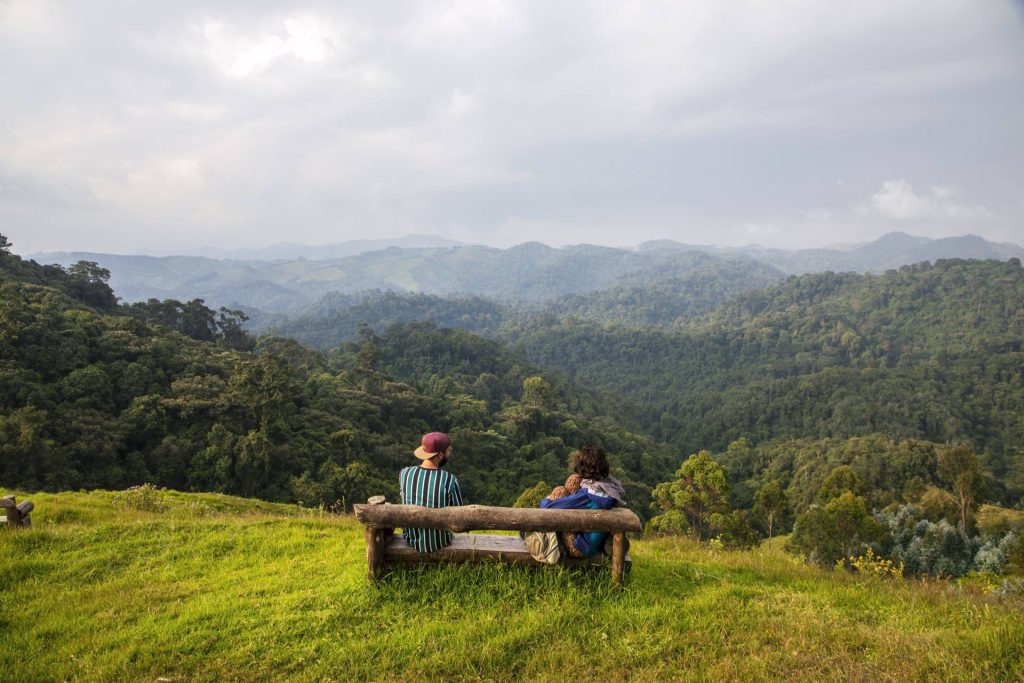
The dry seasons are generally considered optimal for visiting Gishwati-Mukura, though “dry” is relative in this mist-shrouded highland forest. During these months, rainfall is less frequent and intense, making trails more manageable and reducing the mud factor that can make trekking challenging.
June to September is the longer dry season and the busiest time for visitors. Trails are easier to walk, photography conditions are better, and cooler temperatures make hiking more pleasant. Still, afternoon showers can happen even in the dry months, so waterproof gear is a must. Experiencing a sudden downpour during a trek is part of what makes visiting African highland forests memorable.
December to February offers another excellent window, coinciding with the holiday season and Northern Hemisphere winter, when many international visitors travel to Rwanda. Temperatures are slightly warmer, and wildlife viewing remains excellent.
Wet Seasons (March to May & October to November)
The rainy seasons bring the forest to vibrant life, with lush vegetation, blooming flowers, and active wildlife feeding on abundant fruits and shoots. While trails become muddy and slippery, requiring good waterproof boots and physical fitness, these months have distinct advantages.
March to May sees the heaviest rainfall, bringing spectacular waterfalls to full flow, dramatic cloud formations over the forest, and excellent birdwatching, as many species breed during this period. Tourist numbers are decreasing, leading to more solitude and more intimate experiences with fewer groups in the forest.
October to November marks the short rainy season, offering a middle ground with moderate rainfall and fewer crowds than peak season.
Month-by-Month Breakdown
• January-February: Good weather, moderate crowds, cooler temperatures
• March-May: Heavy rains, lush vegetation, fewer tourists, challenging trekking conditions
• June-September: Peak season, best weather, busiest period, advance booking essential
• October-November: Short rains, moderate crowds, good value
• December: High season, excellent conditions, holiday crowds
My recommendation? If you’re reasonably fit and don’t mind mud, the shoulder seasons (October-November or March) offer the best balance of good wildlife viewing, manageable crowds, and lower accommodation rates.
How to Get There
From Kigali
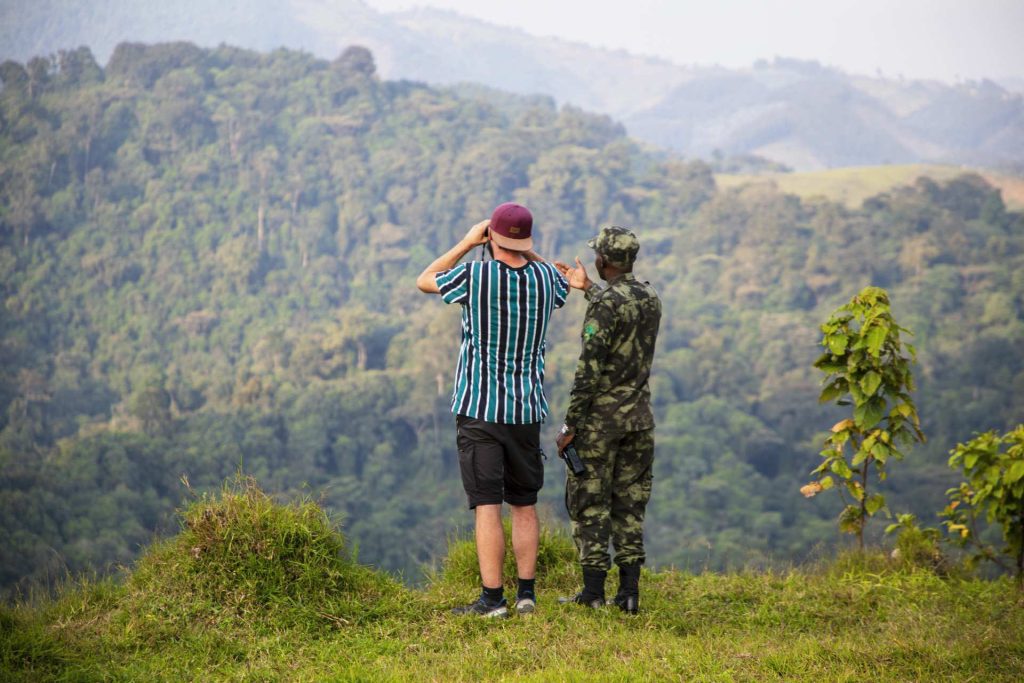
The most common route to Gishwati-Mukura starts from Kigali, Rwanda’s clean, organized capital city. The journey covers approximately 70-85 kilometers, depending on which entrance you use, taking 2-3 hours through some of Rwanda’s most scenic countryside.
The standard route follows the Kigali-Rubavu (formerly Gisenyi) road westward through Muhanga District, then turns north toward Rutsiro District, where the park is located. The roads are generally well-maintained tarmac for most of the journey, though the final approaches to park entrances involve murram (dirt) roads that can be rough, especially during rainy seasons.
Private Transfers and Tour Operators
The most convenient option for international visitors is to book through registered tour operators, which handle all logistics, permits, and transportation. Territory Explorers is one such operator that specializes in designing life-changing experiences in Rwanda’s national parks.
When you book with professional operators like Territory Explorers, they handle all the paperwork, permit procurement, accommodation arrangements, and transportation, allowing you to focus entirely on the experience and getting the most out of your trip. Their guides know the best routes, timing, and locations for wildlife encounters, transforming what could be a logistical headache into a seamless adventure—you simply show up ready to explore, and they handle everything else.
Public Transportation
Budget travelers can use public transportation, though it takes more time and requires more flexibility. Buses and minibuses (matatus) run regularly from Kigali to Rutsiro town, costing approximately 2,000-3,000 RWF ($2-3). From Rutsiro, you’ll need to arrange motorcycle taxis (motos) or local vehicles to reach park entrances, adding another 30-60 minutes and 5,000-10,000 RWF ($5-10).
This option saves money but lacks the convenience and expertise of organized tours, and you are responsible for coordinating permit bookings.
Road Conditions
Rwanda’s main roads are excellent by regional standards—smooth, well-maintained tarmac that makes for comfortable driving. However, the final approach to the park gates involves unpaved roads that can become challenging during heavy rain, with deep mud and ruts that require 4WD vehicles and experienced drivers.
Honestly, if you’re not familiar with driving in rural Africa, hiring a driver or booking a tour package is money well spent—you’ll enjoy the journey more and arrive unstressed and ready to explore.
Where to Stay: Accommodation Options
Budget Accommodation
Gishwati Community Guesthouse
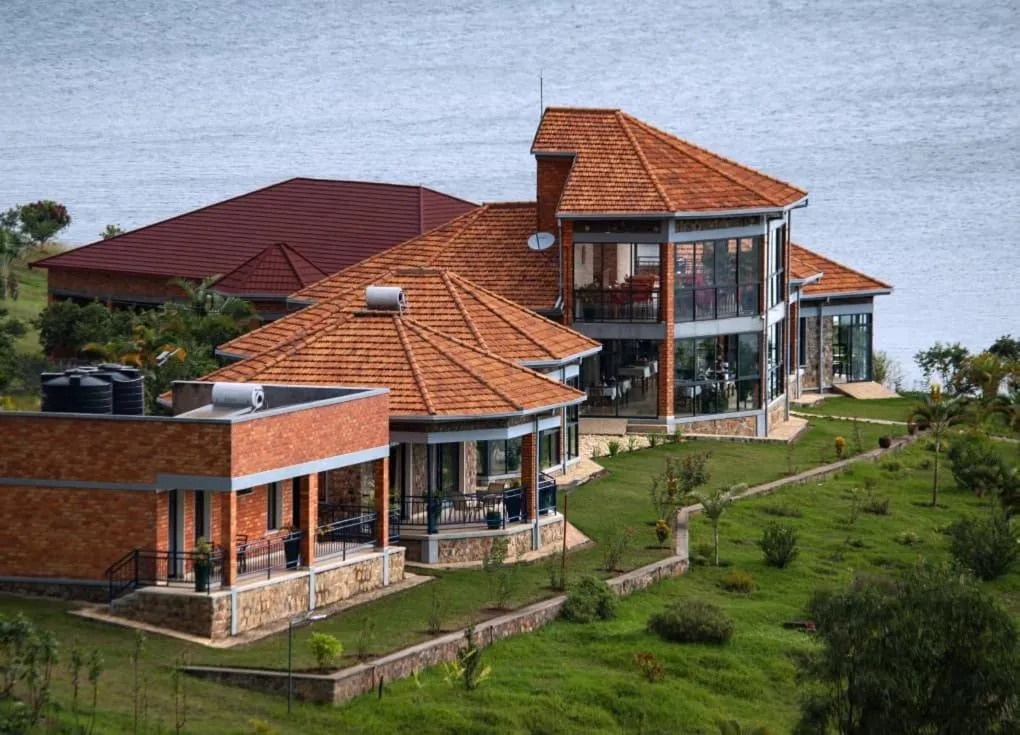
Located in nearby communities just outside the park, these basic but clean guesthouses offer authentic local experiences at affordable rates ($20-40 per night). Accommodations feature simple rooms with shared bathrooms, basic furnishings, and communal dining areas where meals showcase traditional Rwandan cuisine. The atmosphere is genuine and welcoming, and staying here directly supports local communities—you’re not just a tourist but a guest contributing to sustainable livelihoods. Amenities are minimal (don’t expect hot water showers or WiFi), but the warm hospitality and cultural immersion more than compensate.
Rutsiro District Guesthouses
Several small guesthouses in Rutsiro town (about 30-45 minutes from park entrances) provide budget-friendly bases for exploring Gishwati-Mukura ($25-50 per night). These establishments offer private rooms with basic amenities, simple breakfast options, and sometimes hot water—a step up in comfort from community guesthouses while remaining affordable. The location means evening drives back from the park after activities, but the savings allow budget-conscious travelers to extend their trips or allocate funds toward additional activities and permits.
Church-Run Guesthouses
Catholic and Protestant missions in the area operate clean, safe guesthouses that welcome travelers of all backgrounds ($30-50 per night). These facilities typically offer private rooms with shared or en-suite bathrooms, simple meals, and a peaceful atmosphere perfect for rest after long trekking days. The quiet, garden settings provide genuine relaxation, and the affordable rates make multi-night stays feasible for backpackers and budget travelers—you won’t find luxury, but you’ll sleep soundly knowing you’ve spent wisely.
Mid-Range Accommodation
Discover Rwanda Gisenyi (Alternative Base)
While not immediately adjacent to the park, this mid-range hotel in Gisenyi (Rubavu), on the shores of Lake Kivu, serves as a comfortable base for multi-day itineraries combining Gishwati-Mukura with lake experiences ($80-120 per night). The property features comfortable rooms with en-suite bathrooms, hot water, WiFi, restaurant service, and lake views that make evening relaxation genuinely enjoyable. After dusty forest treks, returning to comfortable beds, reliable showers, and sunset views over Lake Kivu feels like the perfect reward—you’re combining adventure with comfort in a way that enhances both.
Nkora Lodge (Nearest Mid-Range Option)
Located approximately 45 minutes from Gishwati entrances, this lodge offers comfortable accommodation in a rural setting with views toward the forest ($70-100 per night). Rooms feature private bathrooms, comfortable bedding, electricity, and simple but adequate furnishings. The on-site restaurant serves both local and international cuisine, and the staff can assist with arranging park activities and transportation, making logistics manageable without requiring luxury budgets.
Kivu Marina Bay Hotel
Another Lake Kivu option in Karongi (Kibuye), about 1.5 hours from the park, offering comfortable rooms with modern amenities, a lakefront location, a restaurant, bar, and tour desk services ($90-140 per night). This works well for travelers combining Gishwati-Mukura with broader Western Province exploration, providing a reliable, comfortable base with actual hot showers, WiFi, and quality meals—creature comforts that matter when you’re spending multiple days trekking through muddy forests.
Luxury Accommodation
Gishwati Lodge
The park’s premier accommodation, Gishwati Lodge, sits on the forest edge, offering immediate access to park activities with luxury amenities (approximately $250-350 per night, often sold as part of all-inclusive packages). The lodge features spacious cottages with en-suite bathrooms, hot water, comfortable furnishings, private verandas overlooking the forest, gourmet dining, full bar service, and attentive staff who anticipate your needs before you voice them. Waking up to chimp calls echoing from the nearby forest while enjoying fresh coffee on your private deck isn’t just luxury—it’s the kind of immersive experience that creates lasting memories, where comfort and wilderness exist in perfect harmony.
Lake Kivu Serena Hotel
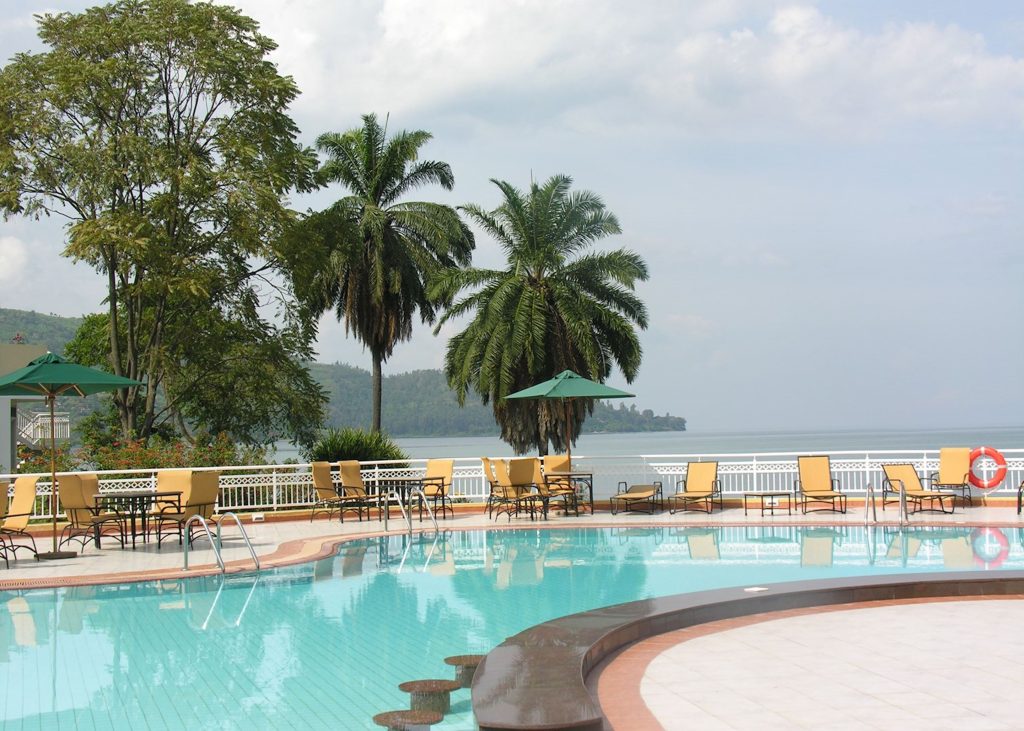
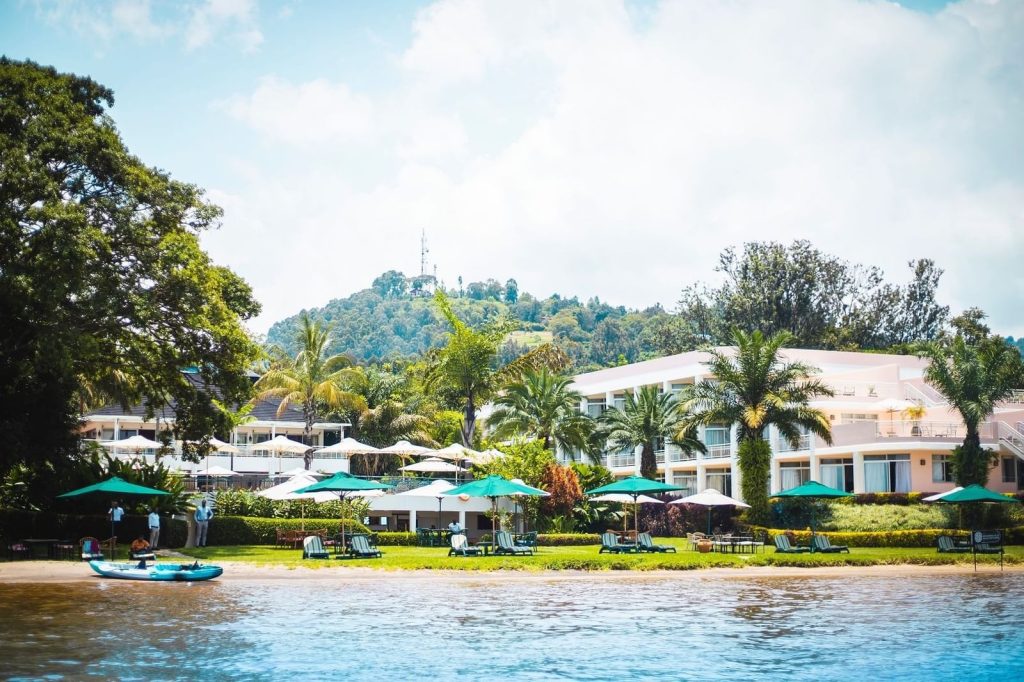
Located in Gisenyi (about 1.5 hours from the park), this upscale resort on Lake Kivu shores combines luxury accommodation with a stunning lakefront setting ($200-350 per night). The property features elegant rooms with full amenities, multiple restaurants, a swimming pool, spa services, water sports, beautiful gardens, and impeccable service. While not adjacent to the park, it serves excellently as a luxury base for multi-destination itineraries, letting you balance forest adventures with beach relaxation—after three days trekking chimps, lounging by an infinity pool overlooking Africa’s Great Lakes is exactly what your body craves.
Cleo Lake Kivu Hotel (Boutique Luxury)
A boutique luxury option in Kibuye offering personalized service, beautiful design, lake views, and high-end amenities ($180-280 per night). The intimate property features individually designed rooms, a gourmet restaurant, a bar with an extensive wine selection, and activities ranging from kayaking to boat tours. The boutique atmosphere means staff remember your preferences, dietary needs, and activity interests—you’re treated as an individual guest rather than a room number, which transforms a good trip into an exceptional one.
Chimpanzee Trekking: A Detailed Guide
How to Book Permits
Chimpanzee trekking permits must be booked in advance through the Rwanda Development Board (RDB) or authorized tour operators. As of 2025, permits cost $150 per person—a remarkable value compared to gorilla permits ($1,500) or even chimpanzee trekking in neighboring Uganda ($250).
Booking Process:
- Contact RDB directly or book through a registered tour operator.
- Provide passport details, preferred dates, and the number of permits needed.
- Pay permit fees (bank transfer or credit card, depending on booking method)
- Receive confirmation with trek date, reporting time, and location
Advance Booking Recommendation: While Gishwati-Mukura receives fewer visitors than Volcanoes or Nyungwe, booking 2-4 weeks in advance is prudent, especially during peak seasons (June-September, December-January). Last-minute permits are sometimes available, but why risk missing out on an experience you’ve traveled halfway around the world to have?
What to Expect During the Trek
Trekking begins with a briefing at park headquarters around 7:00 AM, where rangers explain rules, expectations, safety protocols, and the chimps’ current location based on tracker reports from earlier that morning. The briefing covers important guidelines, such as maintaining a 6-meter distance, not touching chimps, covering your mouth when coughing, and what to do if a chimp approaches you (stay calm, avoid direct eye contact, crouch down).
The actual trek duration varies enormously—anywhere from 30 minutes to 4 hours, depending on where the habituated group spent the night and how far they’ve moved since dawn. Chimps don’t adhere to schedules, so patience and flexibility are essential. The terrain involves steep hillsides, muddy trails, dense vegetation, and stream crossings that test your fitness and determination.
When you finally encounter the group, all the effort evaporates in an instant—there’s something profoundly moving about watching wild chimpanzees going about their lives just meters away from you. You’ll spend one hour observing them feed, groom, play, rest, and interact. Mothers cradle infants, juveniles wrestle playfully, alpha males assert dominance, and elders relax in leafy nests—the full spectrum of social behaviors on display.
Rules and Regulations
Strict rules protect both chimps and visitors:
• Minimum age: 12 years old
• Group size: Maximum 8 visitors per trek
• Distance: Stay at least 8 meters from chimps
• Duration: One hour maximum viewing time
• Health: Anyone with communicable illnesses (flu, cold, COVID-19) cannot trek
• No flash photography
• No eating or drinking near chimps
• No littering
• Quiet voices to avoid disturbing animals
These rules aren’t arbitrary bureaucracy—they’re evidence-based protocols developed to protect chimpanzees from human diseases (to which they’re highly susceptible) and to minimize stress on habituated groups.
Physical Fitness Requirements
While not as demanding as gorilla trekking at higher altitudes, chimp trekking requires moderate fitness. You should be comfortable:
• Hiking 2-4 hours over uneven terrain
• Navigating steep hillsides with assistance from walking sticks
• Walking through mud, crossing small streams
• Bending under vegetation, pushing through dense undergrowth
If you have knee problems, cardiovascular issues, or respiratory conditions, consult your doctor before booking. That said, rangers accommodate various fitness levels by adjusting pace and offering rest breaks—this isn’t a race, it’s an experience meant to be savored at whatever pace works for you.
What to Bring
Essential items for trekking:
• Waterproof hiking boots with good ankle support
• Long pants and long-sleeved shirt (protects from nettles and thorns)
• Rain jacket or poncho
• Lightweight daypack
• 2+ liters of water
• Energy snacks
• Camera with appropriate settings
• Binoculars (optional but useful)
• Sun hat and sunscreen
• Insect repellent
• Walking stick (usually provided by the park)
• Garden/work gloves (for grabbing vegetation)
Don’t bring valuables, lots of jewelry, or anything you’d be upset to lose in the mud. This is practical wilderness travel, not a fashion show.
Success Rates
Success rates for encountering the habituated chimpanzee group are very high, typically 85-95%, though not guaranteed. Chimps are mobile animals that can travel several kilometers daily, and occasionally they move far enough that encounters aren’t possible within a reasonable trekking time/distance.
Weather, chimp behavior, and chance all affect your chances of seeing chimpanzees. Some days everything works out, while other days the forest has its own plans. This unpredictability is part of the real experience; seeing wildlife here means meeting truly wild animals in their natural home, not in a zoo.
Practical Information
Park Entrance Fees and Permits
• Park entrance fee: Approximately $50-60 per person per day (sometimes included in activity permits)
• Chimpanzee trekking permit: $150 per person
• Golden monkey tracking: $100 per person
• Guided nature walks: $30-50 per person, depending on duration
• Birdwatching tours: $30-50 per person
Fees are subject to change, so always confirm current rates when booking.
Opening Hours
The park is open daily, with activities beginning at 7:00 AM and typically concluding by late afternoon (around 5:00 PM). Briefings for primate tracking activities usually start between 6:30 and 7:00 AM, requiring visitors to arrive at least 15-30 minutes early.
What to Pack
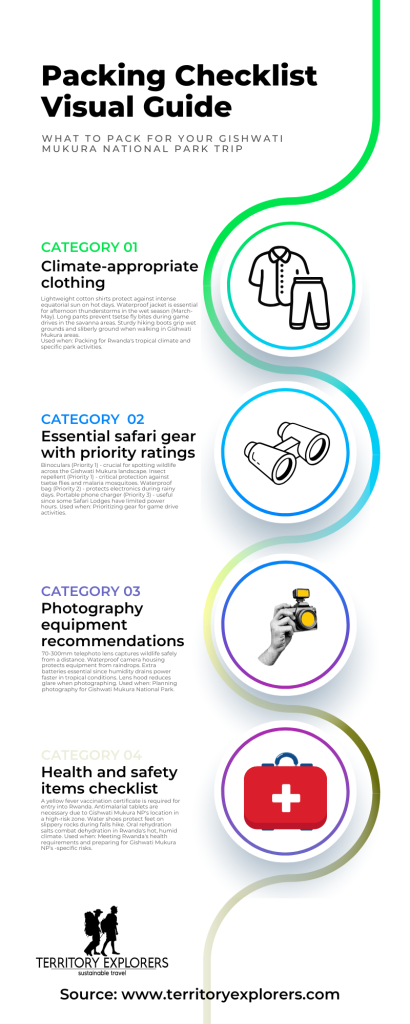
Beyond trekking-specific gear, general items for your Gishwati-Mukura visit should include:
Clothing:
• Multiple pairs of long pants (at least one pair will get muddy)
• Long-sleeved shirts (neutral colors—avoid bright blues, reds, or white)
• Fleece or light jacket (mornings are cold at altitude)
• Rain gear (non-negotiable year-round)
• Hat for sun protection
• Warm layer for evenings
Gear:
• Headlamp with extra batteries
• Reusable water bottle
• Small first aid kit (band-aids, pain relievers, anti-diarrheal medication)
• Toiletries (biodegradable soap if staying in basic accommodation)
• Ziplock bags for protecting electronics from moisture
• Power bank for charging devices (electricity can be unreliable)
• Universal power adapter (Rwanda uses 230V with European-style plugs)
Documents:
• Passport (required for permit verification)
• Permit confirmations
• Travel insurance documents
• Yellow fever vaccination certificate (required for entry to Rwanda)
• Cash in Rwandan francs for tips, small purchases
Health Requirements
Rwanda requires proof of yellow fever vaccination for all travelers entering from abroad. Additionally, consider vaccinations for:
• Hepatitis A and B
• Typhoid
• Tetanus
• Rabies (if planning extended wildlife exposure)
Malaria risk exists in Rwanda, though at lower levels at Gishwati-Mukura’s high altitude. Consult your doctor about antimalarial prophylaxis based on your specific itinerary and health status.
It’s strongly recommended to have travel insurance that covers medical evacuation and trip interruptions. Wilderness areas are remote, and the best medical facilities are in Kigali.
Safety Considerations
Gishwati-Mukura is generally safe for visitors, with low crime rates and professional ranger services. However, wilderness activities carry inherent risks:
• Wildlife encounters: Follow ranger instructions precisely; chimpanzees are strong and unpredictable
• Terrain hazards: Steep, slippery trails can cause falls and injuries
• Weather: Hypothermia risk exists if caught in rain without proper gear
• Getting lost: Always trek with park rangers; never wander independently
The park does not have dangerous large animals like elephants or buffalo, which are safety concerns in some other African parks. Still, it’s important to respect the wildlife and the terrain. In truth, the main risk for most visitors is twisting an ankle on slippery trails, so wearing good footwear is a must.
Mobile Network Coverage
Mobile network coverage around Gishwati-Mukura is limited and unreliable. Major operators like MTN Rwanda provide coverage in towns like Rutsiro, but signals weaken or disappear entirely within the park and in remote areas.
If connectivity is important, purchase a local SIM card in Kigali (available at the airport or in town) and inform family/colleagues that you’ll be out of contact during forest activities. Many lodges have WiFi, though speeds are typically slow—embrace the digital detox and immerse yourself fully in the forest experience.
Currency and Payments
Rwanda’s currency is the Rwandan Franc (RWF). As of 2026, exchange rates hover around 1 USD = 1,300 RWF, though rates fluctuate.
US dollars are widely accepted in tourist areas, particularly newer bills ($50 and $100 issued since 2013). However, carrying local currency for small purchases, tips, and transactions in rural areas is essential.
Credit cards are accepted at upscale lodges and some hotels, but rarely in rural areas or for park fees. ATMs are available in major towns but not near the park—withdraw sufficient cash in Kigali before departing.
Tipping guidelines:
• Park rangers and guides: $10-20 per group per activity
• Porters (if used): $10-15 per person
• Lodge staff: $5-10 per day
• Drivers: $10-15 per day
Tipping isn’t mandatory, but it’s deeply appreciated and provides significant income for tourism workers supporting families in rural communities.
Conservation and Community Tourism
Gishwati-Mukura is one of Africa’s most dramatic conservation success stories. This forest almost vanished but was saved through determined reforestation and community involvement. The story is not just about planting trees; it’s about changing how people and forests relate to each other.
Following the 1994 genocide, Gishwati Forest suffered catastrophic deforestation as refugees returned, land was reallocated, and desperate communities cleared forest for agriculture and settlement. By 2007, the forest had shrunk to less than 600 hectares—a fraction of its historical extent—and chimpanzees, golden monkeys, and other species teetered on the edge of local extinction.
The recovery started around 2007-2008 when the government, conservation groups (like the Great Apes Survival Partnership and ARCOS), and local communities began a major reforestation program. Millions of native tree seedlings were planted, connecting forest patches and restoring important water systems. Restoring a damaged forest while also meeting the needs of local communities was a huge challenge that took creative solutions and strong teamwork.
Community Involvement
What makes Gishwati-Mukura’s conservation success sustainable is the central role communities play. Rather than imposing top-down protection that excludes local people, the model here integrates conservation with livelihood development.
Revenue from tourism—including accommodation, guiding fees, community experiences, and craft sales—flows directly to local communities through cooperatives and development funds. These funds support:
• School construction and educational materials
• Health center equipment and services
• Clean water infrastructure
• Alternative livelihood training (beekeeping, craft production, sustainable agriculture)
• Microfinance for small businesses
People who once cleared the forest now work as park rangers, guides, porters, and lodge staff, earning steady incomes by protecting the same forest they once used for survival. This change takes time, but seeing former farmers proudly guiding tourists through the recovering forest shows that conservation can succeed when communities truly benefit.
Sustainable Tourism Practices
Visitors contribute to conservation simply by visiting, but you can maximize positive impact through conscious choices:
• Book with responsible operators who employ local guides and staff
• Purchase local crafts directly from artisans or cooperatives
• Participate in community experiences that provide direct income
• Respect park rules that protect wildlife and habitats
• Stay multiple nights to spread economic benefits
• Provide constructive feedback to lodges and operators about sustainability practices
The tourism approach here is not about taking from the wilderness and leaving communities out. Instead, it’s about building a system where healthy forests and strong communities support each other.
Combining Gishwati-Mukura with Other Rwanda Destinations
Nearby Attractions
Lake Kivu (1.5-2 hours away) is Rwanda’s largest lake and offers beautiful views, relaxing beaches, water sports like kayaking and paddleboarding, boat trips to islands, and lakeside towns such as Gisenyi, Kibuye, and Cyangugu. After trekking in the forest, relaxing on Lake Kivu’s beaches is a great way to unwind—you’ve earned a break.
Volcanoes National Park (3-4 hours away) is home to mountain gorillas, golden monkeys, and the famous Dian Fossey research center. Combining gorilla trekking in Volcanoes with chimpanzee trekking in Gishwati-Mukura gives you the chance to see both species in Rwanda’s different forest environments.
Nyungwe Forest National Park (4-5 hours south): Rwanda’s largest remaining rainforest features 13 primate species (including large chimpanzee troops), over 300 bird species, and the famous canopy walkway suspended 50 meters above the forest floor. The journey between Gishwati-Mukura and Nyungwe traverses spectacular tea plantation landscapes that photographers dream about.
Kibuye/Karongi Town: Charming lakeside town offering relaxed atmosphere, genocide memorials, boat trips, and beautiful hillside views. It’s not a major tourist hub, which is precisely its appeal—you experience authentic Rwandan lakeside life without tourist crowds.
Why Combine Destinations
Rwanda is small (about the size of Maryland or Wales), so it’s easy to visit several destinations without long travel times. Visiting Gishwati-Mukura along with other parks lets you enjoy a range of experiences, from seeing mountain gorillas in bamboo forests and chimpanzees in recovering highlands to walking on rainforest canopies and relaxing by the lake—all in one trip.
Each place offers its own unique experiences, ecosystems, and wildlife, so visiting several keeps your trip interesting and varied. Also, by traveling to different regions, you help support conservation and development across Rwanda. Your visit has a bigger impact when you explore multiple communities and parks.
Tips for Visitors
Booking in Advance
Permits: Book chimpanzee and golden monkey trekking permits at least 2-4 weeks in advance during peak seasons, though Gishwati-Mukura has better last-minute availability than Volcanoes or Nyungwe. If your dates are inflexible or you’re visiting during holidays, book even earlier—nothing ruins a trip faster than arriving without permits for the experiences you came for.
Accommodation: Popular lodges, especially Gishwati Lodge, fill up during peak seasons. Book 4-6 weeks in advance for your first-choice accommodations, or be flexible about where you stay.
Transportation: If renting vehicles or booking private transfers, arrange at least 2-3 weeks in advance to ensure availability and better rates.
Photography Tips
Wildlife Photography:
• Use fast shutter speeds (1/500s minimum) for primates
• Shoot in RAW format for maximum post-processing flexibility
• Increase ISO as needed (1600-3200 common under canopy)
• Use continuous/burst shooting mode for action
• Pre-focus on areas where subjects will appear
• Bring lens cleaning supplies—moisture and mud are constant threats
Composition Tips:
• Include environmental context, not just tight portraits
• Capture behaviors and interactions, not just static poses
• Wait for eye contact and emotional moments
• Use foreground vegetation for depth and framing
• Shoot during the best light (early morning, late afternoon)
Practical advice: Don’t let taking photos keep you from enjoying the moment. If you spend the whole time looking at chimpanzees through your camera, you’ll miss the full experience. Take a few pictures, then put the camera away and just watch, listen, and take it all in. My best memories from primate trekking come from times I simply observed rather than photographed.
Cultural Etiquette
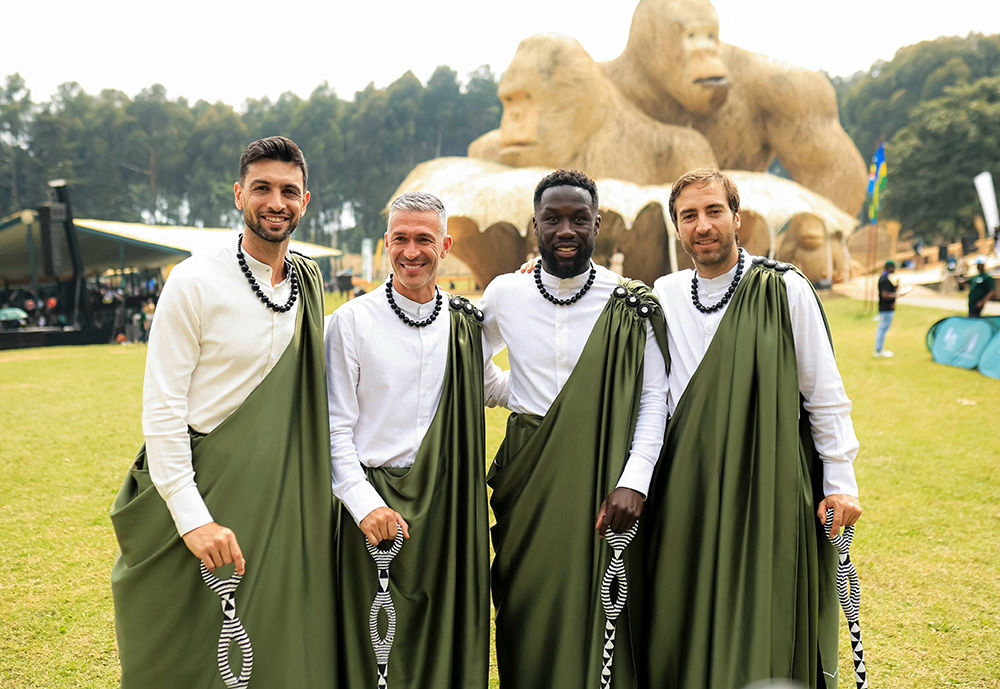
Respectful Interactions:
• Greet people warmly (“Muraho” in Kinyarwanda, “Bonjour” in French, “Hello” in English)
• Ask permission before photographing individuals
• Dress modestly (covering shoulders and knees, especially in rural areas)
• Remove shoes when entering homes
• Accept offered hospitality graciously (even small gifts of tea or snacks)
• Show respect for genocide memorials and survivors’ experiences
Things to Avoid:
• Discussing ethnicity (Hutu/Tutsi divisions) without invitation
• Making assumptions about individuals’ genocide experiences
• Littering (Rwanda is exceptionally clean; help keep it that way)
• Public displays of frustration or anger
• Overly casual or revealing clothing in villages
Rwandans are usually warm and welcoming, and they are understanding if you make cultural mistakes as long as your intentions are good. Showing real kindness and respect is more important than getting every detail right.
Language
Kinyarwanda is the national language spoken by nearly all Rwandans. French was historically the second language, but has been largely replaced by English as the official language of education and government since 2008. Most people in the tourism industry speak at least basic English, and educated Rwandans in cities often speak excellent English.
Useful Kinyarwanda phrases:
• Hello: Muraho
• How are you?: Amakuru?
• Good/fine: Ni meza
• Thank you: Murakoze
• Yes: Yego
• No: Oya
• Please: Nyamuneka
• Goodbye: Murabeho
Learning even a few phrases shows respect and often makes local people happy. You’ll notice people respond warmly when you try to speak Kinyarwanda, even if your pronunciation isn’t perfect.
Frequently Asked Questions
Gishwati-Mukura stands out for several reasons. First, it is one of Africa’s most successful reforestation stories. The forest nearly vanished in the 1990s and early 2000s, but community conservation efforts have brought it back. Second, it is Rwanda’s newest and smallest national park, established in 2015, which means visitors enjoy close wildlife encounters without large crowds.
Third, it is part of the UNESCO Gishwati-Mukura Biosphere Reserve, recognized for its global conservation value. The park is home to habituated eastern chimpanzees, golden monkeys, and more than 230 bird species. As the forest recovers, visitors can actually see conservation happening, not just visit a protected area that never changes.
The best time to visit Mukura Forest, which is the southern part of the park, is during the dry seasons from June to September and December to February. Trails are easier to walk and wildlife is easier to spot during these months. Mukura has fewer visitors and fewer organized activities than Gishwati Forest, so most tourists spend their time in the Gishwati section, where there are habituated chimpanzees and better facilities.
If you want to explore Mukura’s bamboo forests and see golden monkeys, the dry season is still best. However, if you are prepared for mud and rain, you can have a great experience at any time of year.
Gishwati Forest is mainly in Rutsiro District in Rwanda’s Western Province, with some parts stretching into Ngororero District. It is about 70 kilometers northwest of Kigali, in the Congo-Nile Divide highlands. Most visitors use Rutsiro town as a reference point because it is the closest town with basic services, but the park entrances are a few kilometers outside town on rural roads.
Gishwati Forest is home to a wide variety of wildlife, even though it is not very large. The primates include eastern chimpanzees (about 20-25 in the habituated group), golden monkeys, blue monkeys, and L’Hoest’s monkeys. Other mammals you might see are servals (sometimes spotted), forest squirrels, porcupines, bats, and small nocturnal animals.
The park is especially rich in birdlife, with over 230 species recorded, including many Albertine Rift endemics such as the Rwenzori Turaco, Mountain Yellow Warbler, and Regal Sunbird. There are also reptiles and amphibians like chameleons, forest lizards, and several types of frogs. You will not see large mammals like elephants, buffalo, or lions here, but the variety of primates and birds makes up for it. The park’s smaller size also means you can have closer wildlife encounters.
Yes, In 2020, Gishwati-Mukura was named a UNESCO Biosphere Reserve, showing its importance as a protected area that balances conservation, sustainable development, and research. This puts it among more than 700 biosphere reserves worldwide that help people learn about living sustainably with nature.
Unlike traditional conservation that keeps people out, the biosphere reserve model encourages ways for communities to benefit from and support conservation. In Gishwati-Mukura, strict conservation areas are surrounded by zones where people can farm, manage forests, and run tourism businesses in sustainable ways.
The UNESCO status does not change what visitors experience, but it does show the park’s global importance and the success of its community-based conservation. By visiting, you are supporting a model where conservation and development work together.
Yes, Gishwati-Mukura is worth visiting, depending on what you are looking for. If you want close primate encounters with fewer people, lower permit costs than gorilla trekking, and the chance to support a major conservation success, this park is a great choice.
Chimpanzee trekking here is exciting and much more affordable ($150 compared to $1,500 for gorilla trekking), and the habituated group is easy to observe. While the park is not as large as Nyungwe or as dramatic as Volcanoes, its smaller size and clear conservation results make it special.
It is especially appealing for wildlife lovers, birders looking for Albertine Rift species, or anyone who wants to see how tourism can help local communities. You will likely leave feeling you have experienced something unique that many visitors miss.
Most people spend 2-3 days in Gishwati-Mukura. This gives you time for chimpanzee trekking, golden monkey tracking, a nature walk or waterfall hike, and maybe a cultural experience. If you only want to trek for chimpanzees and have a tight schedule, one day is enough, but it can feel rushed. Birdwatchers may want 3-4 days to see more bird species in different areas and at different times. If you have more time, three days is ideal. It lets you enjoy several activities at a relaxed pace and really take in the forest atmosphere.
No, you cannot see mountain gorillas in Gishwati-Mukura National Park. In Rwanda, mountain gorillas only live in Volcanoes National Park, which is in the far northwest in the Virunga Mountains near Uganda and the Democratic Republic of Congo. Gishwati-Mukura does not have the right habitat or altitude for mountain gorillas, as they need high-altitude bamboo and montane forests found in the Virungas.
However, Gishwati-Mukura is a great place for chimpanzee trekking. If you want to see both mountain gorillas and chimpanzees in Rwanda, you will need to visit Volcanoes National Park for gorillas and either Gishwati-Mukura or Nyungwe Forest for chimps. Rwanda is small, so it is possible to visit more than one park on your trip.
Gishwati and Mukura are two separate forests that together make up Gishwati-Mukura National Park. Gishwati is the larger forest in the north, about 1,484 hectares, while Mukura is smaller in the south, about 557 hectares. They are separated by about 12 kilometers of farmland and reforested areas.
Most tourism happens in Gishwati Forest, where the habituated chimpanzees live and where there are more trails and visitor facilities. Mukura has less tourism development but is home to golden monkeys and many bird species. The long-term goal is to connect the two forests with reforestation corridors so wildlife can move between them, creating a stronger ecosystem. Usually, when people talk about visiting “Gishwati-Mukura,” they mean trekking for chimpanzees in Gishwati Forest, but you can visit both areas if you plan ahead.
Yes, you must have a guide for all activities in Gishwati-Mukura National Park. You cannot enter the park or go wildlife trekking without one. Guides are required for safety, to protect wildlife, and to improve your experience. They know the area, help keep visitors safe, and make sure everyone follows the rules to protect animals and prevent disease.
Guides are trained rangers and naturalists, often from local communities, and their knowledge turns a forest walk into a safe and educational adventure. Even if guides were not required, it would be very hard and risky to find chimpanzees in the dense forest without expert help.
Yes, children can visit Gishwati-Mukura National Park and join some activities, but there are age limits for primate trekking. The minimum age for chimpanzee trekking is 12, which is the same across East Africa for great ape encounters. This rule is in place because younger children may find trekking too hard, may not always follow safety instructions, and could more easily spread diseases to primates.
The same age limit applies for golden monkey tracking. Children under 12 can still enjoy guided nature walks, visit waterfalls, and take part in community cultural activities that do not have age restrictions. These options let families with younger kids enjoy the park while following rules that protect endangered primates. If you have children under 12, you might also consider Akagera National Park, where game drives are open to all ages.
The chance of seeing the habituated chimpanzee group is about 85-95%, which is high but not guaranteed. Success depends on several things: chimpanzees move around a lot each day, weather can make tracking harder, and sometimes the chimps go too far to reach safely. Trackers start looking for the group early each morning, so by the time visitors arrive, they usually know where the chimps are and how long it will take to find them.
Most groups see chimps within 1-3 hours of trekking, spend an hour watching them, and leave happy. Sometimes, if the chimps travel too far or if there is heavy rain, visitors may not see them. In these cases, the park may offer a partial refund or another chance to trek. The high success rate means most people have great encounters, but the small chance of missing out is a reminder that these are wild animals, not zoo exhibits. This unpredictability is part of what makes the experience real and exciting.
Both parks protect Rwanda’s rainforest ecosystems, but they offer very different experiences and conservation stories.
- Scale & Atmosphere
Nyungwe is large and well-known, attracting many visitors with its many trails. Gishwati–Mukura is smaller, quieter, and more personal, making it great for travelers who want a peaceful, less crowded experience. - Conservation Focus
Nyungwe focuses on long-term forest protection. Gishwati–Mukura highlights ongoing restoration and recovery, which may appeal to travelers interested in conservation. - Tourism Experience
At Gishwati–Mukura, you can track chimpanzees, join guided forest walks, and go birding in a place that feels natural and still developing, not crowded or overbuilt.
Contact Information and Booking Resources
Booking Permits: Contact the RDB reservations department directly for permit bookings, or work with registered tour operators who can handle bookings on your behalf.
Recommended Tour Operator
Territory Explorers
For hassle-free safari planning in Gishwati-Mukura and across Rwanda, Territory Explorers designs customized itineraries that handle all logistics—permits, accommodation, transportation, and experienced guides—so you focus entirely on experiencing Rwanda’s incredible wildlife and landscapes rather than worrying about paperwork and arrangements.
When you book with us – Territory Explorers, our team manages permit procurement, coordinates accommodation at properties matching your budget and preferences, arranges reliable transportation with knowledgeable driver-guides, and provides 24/7 support throughout your trip. They specialize in primate safaris combining gorilla trekking, chimpanzee tracking, and golden monkey encounters across Rwanda’s parks.
Final Thoughts
Trekking through mist-shrouded hillsides of Gishwati-Mukura to encounter wild chimpanzees, watching golden monkeys acrobatically navigate bamboo groves, listening to the dawn chorus of 230+ bird species, and engaging with communities as they rebuild their relationship with nature—these experiences connect you to Rwanda’s conservation journey in visceral, memorable ways.
The park isn’t perfect. Trails can be tough, the weather is unpredictable, and seeing wildlife takes patience and sometimes luck. But these challenges are part of real wilderness travel, reminding us that we are guests in wild places and must adapt to nature’s schedule, not our own.
No matter if you visit for two days or four, whether you’re a wildlife enthusiast or just curious, or if you combine it with gorilla trekking or visit on its own, Gishwati-Mukura offers something rare today: the chance to see conservation working, to watch endangered species recover, and to take part in tourism that truly helps both people and nature.
So pack your waterproof boots, charge your camera, get ready for mud, mist, and a bit of magic, and give Gishwati-Mukura the time it deserves. You’ll leave with muddy clothes, a camera full of photos, golden memories and the deep satisfaction of supporting one of Africa’s most inspiring conservation stories—a forest brought back to life, filled with hope and the calls of wild chimpanzees at dawn.