
If you’ve ever dreamed of discovering Africa’s last great wilderness secret, Kidepo Valley National Park is it. Tucked away in Uganda’s far northeastern Karamoja region, this park is a magical place where adventure meets authenticity. Established in 1962, the 1,442-square-kilometer sanctuary lies between South Sudan and Kenya, giving visitors a true African safari experience without the crowds.
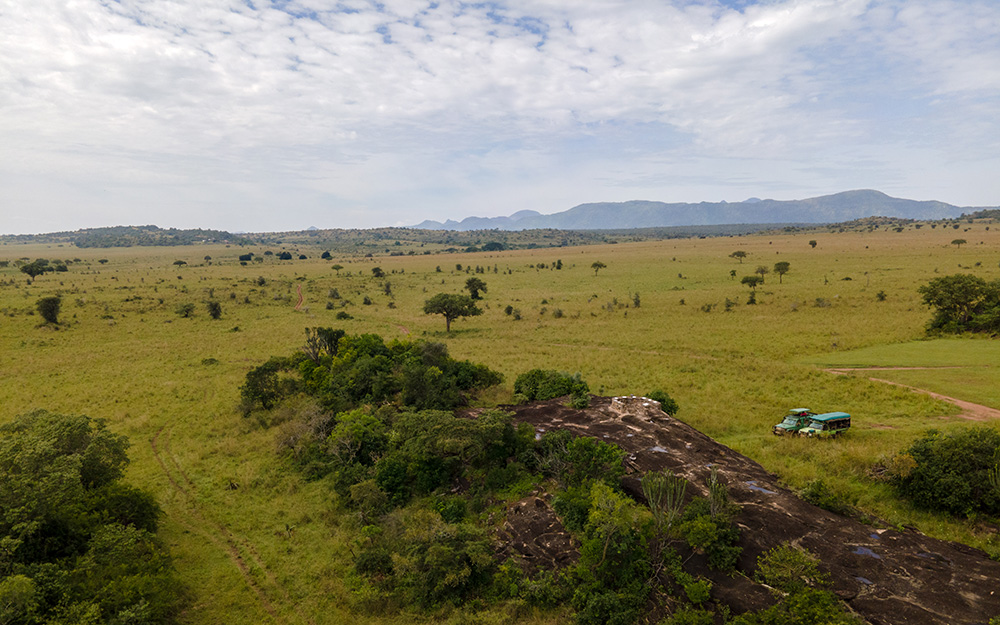
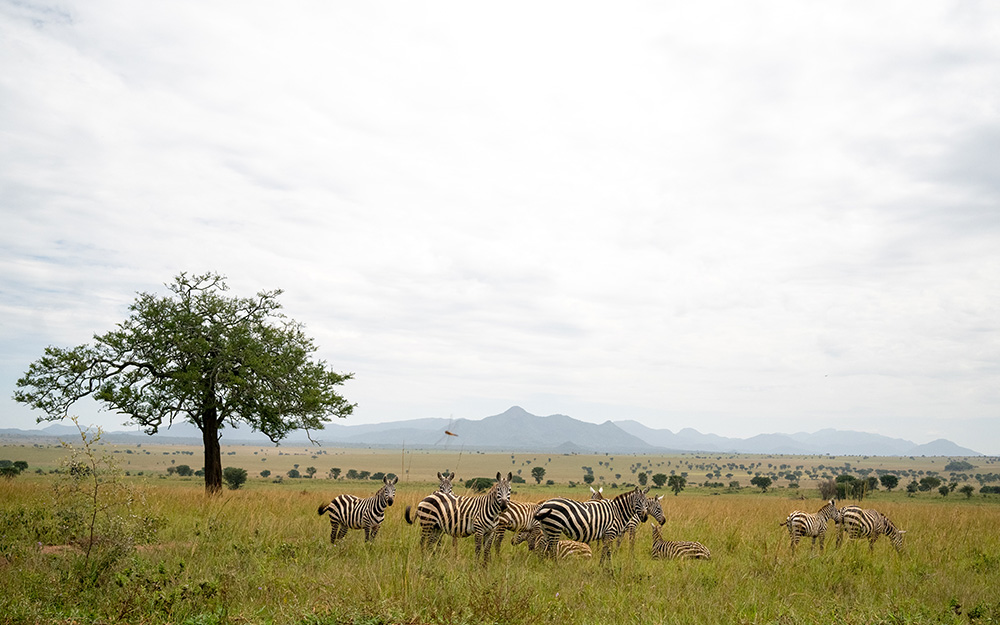
The park includes two main valley systems: Kidepo and Narus, each with its own unique landscapes and wildlife. Kidepo’s special location, where East and Central African ecosystems meet, makes it a biodiversity hotspot unlike anywhere else in Uganda. The scenery ranges from open savannah with sausage trees to rugged mountains, offering some of the continent’s most photogenic views.
Key Takeaways
- Location: Kidepo Valley National Park sits in the remote northeast of Uganda, in the Karamoja region. It borders both South Sudan and Kenya, offering a rare tri-border wilderness experience.
- Size: Kidepo Valley National Park covers 1,442 square kilometers, making it Uganda’s fourth-largest park. Its landscapes include golden savannahs and striking mountain ranges.
- Best Time To Visit: The best wildlife viewing in Kidepo Valley National Park is during the dry season, from June to September and December to early March. Animals gather at water sources, and the sparse vegetation makes them easy to spot.
- Unique Features: Kidepo Valley National Park is the only place in Uganda where you can see cheetahs, ostriches, and more than 28 species found nowhere else in the country.
- Getting There: You can reach Kidepo Valley National Park by taking a scenic 12-hour drive from Kampala through Gulu and Kitgum, or by charter flight, which takes about 2 hours to the park’s airstrip.
- Top Activities: Enjoy game drives, guided nature walks, cultural visits with the Karamojong people, and trips to natural hot springs for a full wilderness experience in Kidepo Valley National Park.
- Accommodation: Kidepo Valley National Park has a range of places to stay, from budget camping at $15 per night to luxury lodges costing over $400 per night, so there’s something for every budget.
- Wildlife Highlights: The park is home to lions, elephants, giraffes, zebras, and more than 475 bird species, all set in stunning natural scenery.
- Cultural Experience: Visitors can meet traditional Karamojong pastoralists and learn about one of Africa’s last traditional cattle-herding cultures.
- Photography: Kidepo Valley National Park offers amazing photo opportunities, with dramatic mountains, golden valleys, and a wide variety of wildlife set against beautiful backdrops.
Sectors and Areas of Kidepo Valley National Park
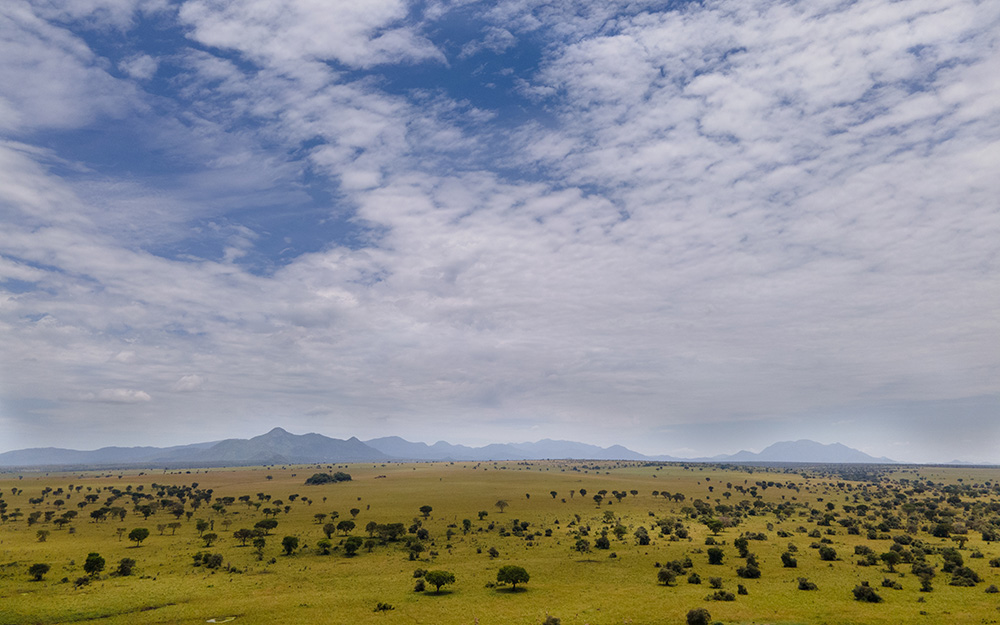
Knowing about Kidepo’s different sectors helps you plan your safari, as each area offers unique experiences and memories. The park is mainly divided into two main valley systems, each with its own character.
Narus Valley: This is the center of Kidepo’s wildlife activity and the main area for game drives. The valley has permanent water sources that attract many animals, especially in the dry season. Its open landscape makes it easy to spot large mammals and predators. Most accommodations are in or near this valley, and seeing elephants nearby is a memorable experience.
Kidepo Valley: This more remote and seasonal valley offers a wilder, untouched experience. It becomes lush and green during the wet season, while the dry season makes wildlife viewing harder but reveals stunning scenery. The valley reaches the South Sudan border and features some of the park’s most dramatic landscapes.
Lamoj Mountains: These ancient granite outcrops offer beautiful backdrops and hiking opportunities. The mountains have unique plants and provide panoramic views of both valleys. They are especially popular for sunrise and sunset photography, with the rocks glowing in the changing light.
Border Areas: The areas near the international borders provide opportunities to see cross-border wildlife movement, though access may be limited depending on security conditions.
Conservation and History
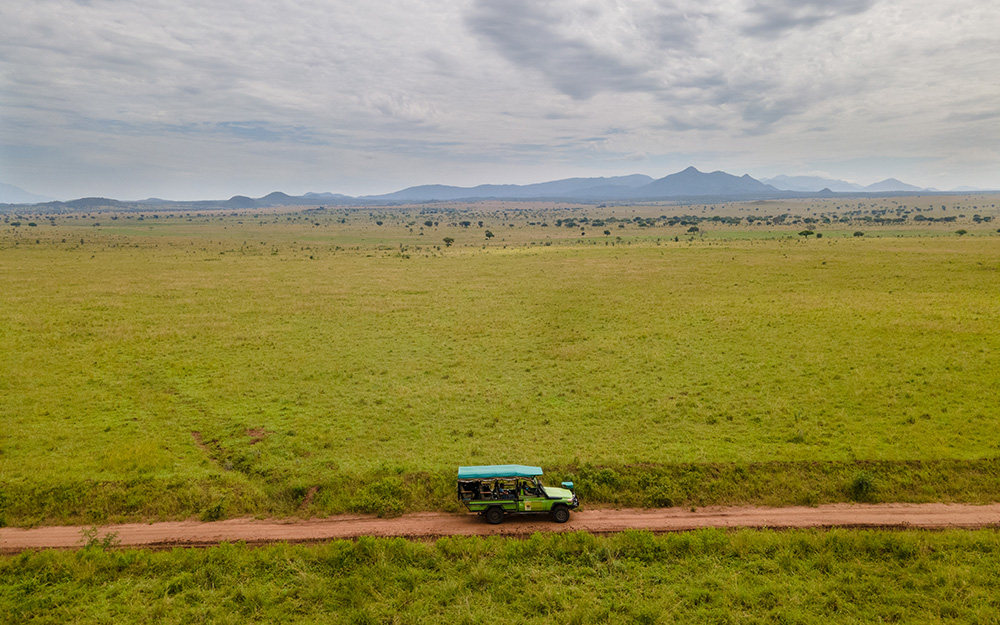
Kidepo’s history is one of wilderness preservation against great challenges. The park was established in 1962 during Uganda’s colonial period, mainly to protect the unique ecosystem where East and Central African wildlife meet.
The park originally covered 1,259 square kilometers, but was later expanded to 1,442 square kilometers to include important wildlife corridors and water sources. However, this expansion came at a high human cost, as it forced the indigenous Karamojong people, especially the Dodoth and Jie clans, from their ancestral lands, leading to long-lasting resentment.
Early park management used the colonial “fortress conservation” approach, which excluded local communities and saw them as threats to wildlife instead of partners. The name “Kidepo” comes from the Karamojong language and means “to pick up,” referring to the traditional seasonal gathering of wild fruits along the Kidepo River valley by the displaced communities.
Early Challenges:
The 1970s and 1980s were difficult times, as political instability in Uganda led to widespread poaching and the collapse of park infrastructure. During Idi Amin’s regime and later conflicts, the park was largely abandoned, and wildlife numbers dropped sharply. Automatic weapons from regional conflicts made poaching more destructive, and some species were nearly wiped out.
Recovery and Renaissance:
The park began to recover in the 1990s with better management and international support. Wildlife populations have grown thanks to anti-poaching efforts, community involvement, and tourism development. Today, Kidepo has some of Uganda’s healthiest wildlife and is a model for community-based conservation.
Current Conservation Efforts
Modern conservation in Kidepo relies on community involvement and benefit-sharing, with impressive results. The park employs over 200 local people as rangers, guides, and support staff, and tourism revenue supports community development. Cross-border projects with South Sudan and Kenya help protect migration corridors and reduce poaching. In June 2025, a cross-border elephant collaring project improved tracking of elephant movements along the Uganda-Kenya border, helping scientists better understand migration patterns. Research programs also monitor wildlife, study climate change impacts, and develop management strategies.
Community Integration
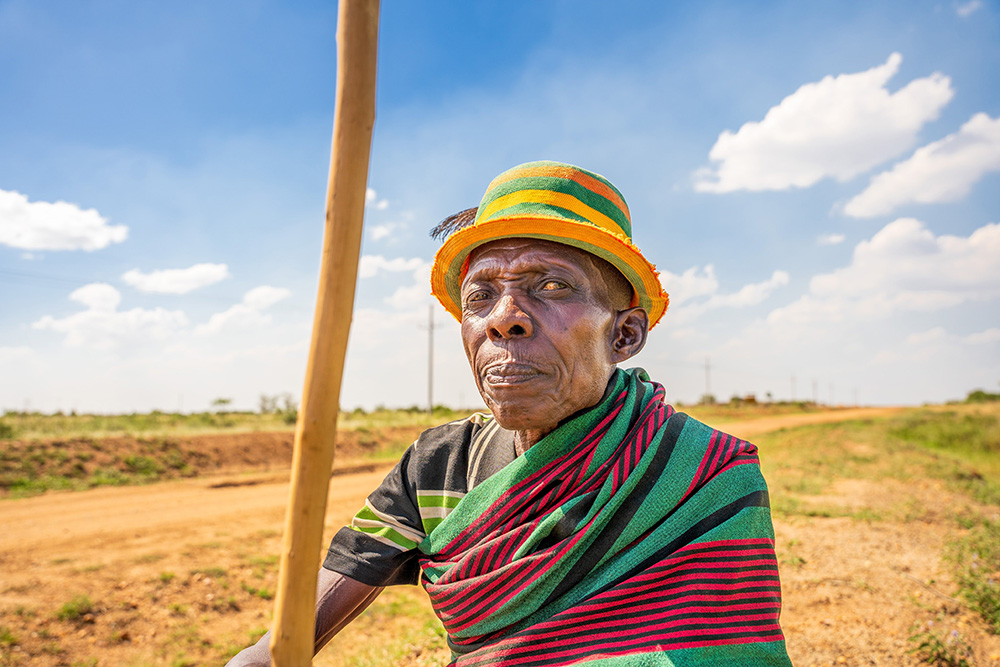
Most importantly, the park now partners with Karamojong communities, showing that conservation and local people can succeed together. Traditional grazing agreements allow controlled livestock access during droughts, and community conservancies on park boundaries provide more wildlife habitat and jobs. New developments are planned, including adding more land to the park and introducing rhinos to complete the Big Five for visitors. These projects show Uganda’s commitment to making Kidepo a top wildlife destination while keeping its authentic wilderness feel.
Getting to Kidepo Valley National Park
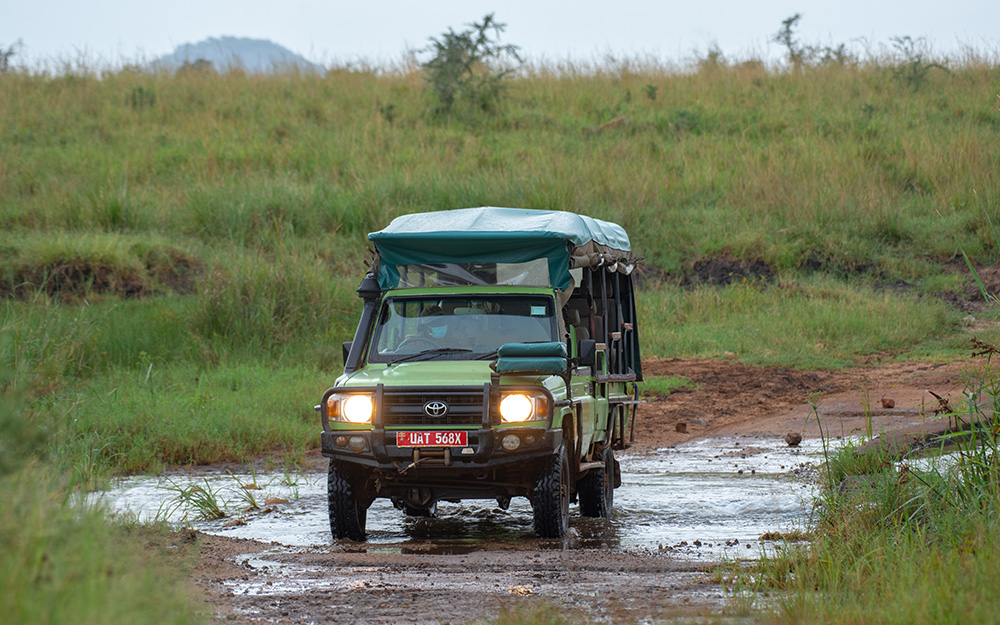
Getting to Kidepo is an adventure on its own, and that’s part of its charm. The park is about 700 kilometers from Kampala, Uganda’s capital, and there are several ways to reach this remote area depending on your budget and schedule.
By Road: The most common route goes through Gulu and Kitgum before reaching the park, taking about 10 to 12 hours on mostly good tarmac roads. The last 20 kilometers are on dirt roads, but they are usually well-maintained. Many visitors choose to stop overnight in Gulu or Kitgum to make the trip more comfortable, which can be a welcome break.
By Air: If you want to spend more time in the park and less on the road, charter flights are available from Entebbe International Airport or Kajjansi Airfield to Kidepo’s airstrip. The flight takes about two hours and offers impressive aerial views of Uganda’s landscapes. Several operators offer scheduled and charter services, though flights depend on weather. The views from above are truly memorable.
From Kenya/South Sudan: If you are already in the region, you can reach Kidepo through the Lokichoggio border in Kenya. This route requires special arrangements and permits, making it a unique way to access one of Africa’s hidden treasures.
Park Gates and Entry Points
Kidepo Valley National Park has several entry points, each leading to a different part of this remote wilderness. Every gate takes you to unique landscapes and wildlife, so you can enjoy the park’s rich variety of plants and animals.
Apoka Gate
Apoka Gate is the main entrance to Kidepo Valley National Park and is located near the park headquarters. Most visitors start here, where they register, pay entrance fees, and meet their guides. From this gate, you can quickly reach the well-known Narus Valley, which is home to many animals in its savannah landscape.
At Apoka Gate, you’ll find a visitor information center, restrooms, and a small shop with basic supplies and souvenirs. This is your last chance to pick up essentials before heading into the park. From here, main roads lead into both the Narus and Kidepo valleys, taking you to the best spots for seeing wildlife.
If you arrive by air, Kidepo Airstrip is only a few kilometers from Apoka Gate. Charter flights offer easy access and great views of the park as you land. The Apoka area is perfect for game drives, guided walks, and meeting the local Karamojong people. You can often see lions, buffalo, and elephants in the wide grasslands here.
Kalokudo Gate
Kalokudo Gate leads to the Kalokudo region, which is known for its many different animals. You can find plenty of lions, buffalo, and elephants here. The mix of landscapes makes it great for both game drives and bird-watching. It’s a good choice for visitors who want to explore on their own.
Lopie Gate
Lopie Gate is on the park’s western edge and leads to the wide-open Lopie region. Here, you’ll see large savannah grasslands that are home to giraffes, zebras, and many kinds of antelope. The open views make it easy to spot animals, especially in the early morning or late afternoon when they are most active.
Lotukei Gate
Lotukei Gate is another key entry, taking you into the Lotukei region, which is known for its rough terrain and beautiful scenery. This area is great for people who enjoy hiking and nature walks, not just game drives. You’ll see impressive hills and mountains, and animals like hyenas, jackals, and warthogs that live in these different environments.
Nataruk Gate
Nataruk Gate is in the north of the park and leads to an area famous for its many bird species. Kidepo Valley National Park has over 450 types of birds, and Nataruk is one of the best places to see them. You might spot ostriches, different vultures, and hornbills here. The mix of habitats means you can see both local and migrating birds all year round.
Best Time to Visit Kidepo Valley
Choosing when to visit Kidepo can turn a good safari into an unforgettable one. The park has a semi-arid climate with two distinct seasons, which greatly affect wildlife viewing and your overall experience. Picking the right time can make a big difference.
Dry Season (September to March): This is generally the best time to visit Kidepo. Wildlife gathers around permanent water sources, making game viewing easier and more rewarding. Sparse vegetation improves visibility for photography, and roads are in good condition. However, expect hot days with temperatures often above 35°C (95°F), showing Africa at its most intense.
Wet Season (April to August): Although many visitors skip this period, the wet season has its own appeal. The landscape becomes lush and green, migratory birds arrive in large numbers, and there are many opportunities for dramatic photography. However, wildlife spreads out across the park, and some roads can be difficult after heavy rains.
The peak months are December through February, when weather is best and wildlife viewing is excellent. It’s a good idea to book early, as Kidepo is becoming more popular.
Wildlife Viewing: A Comprehensive Overview
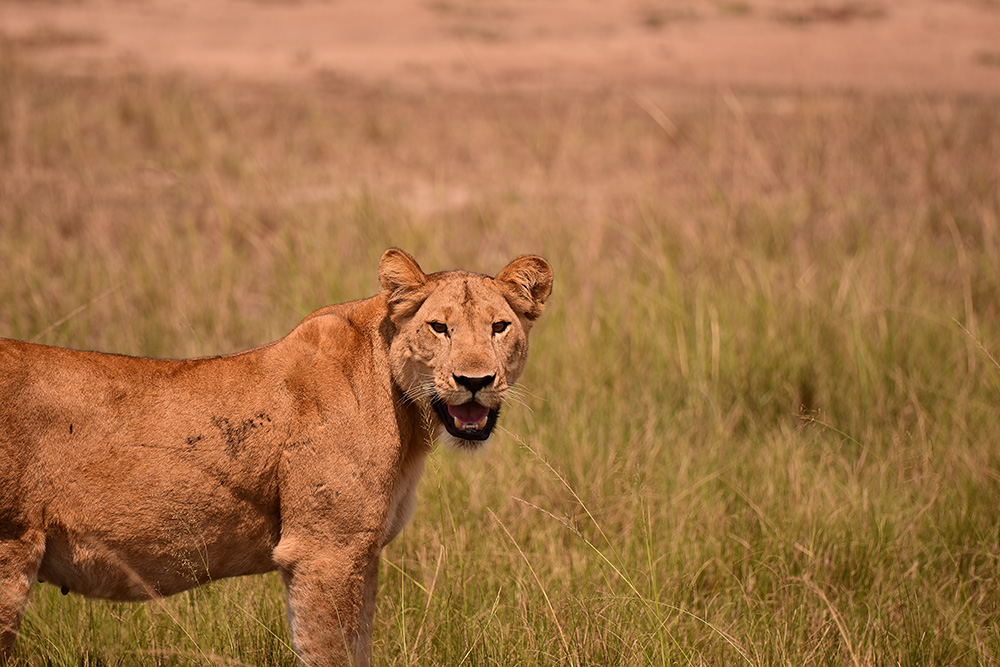
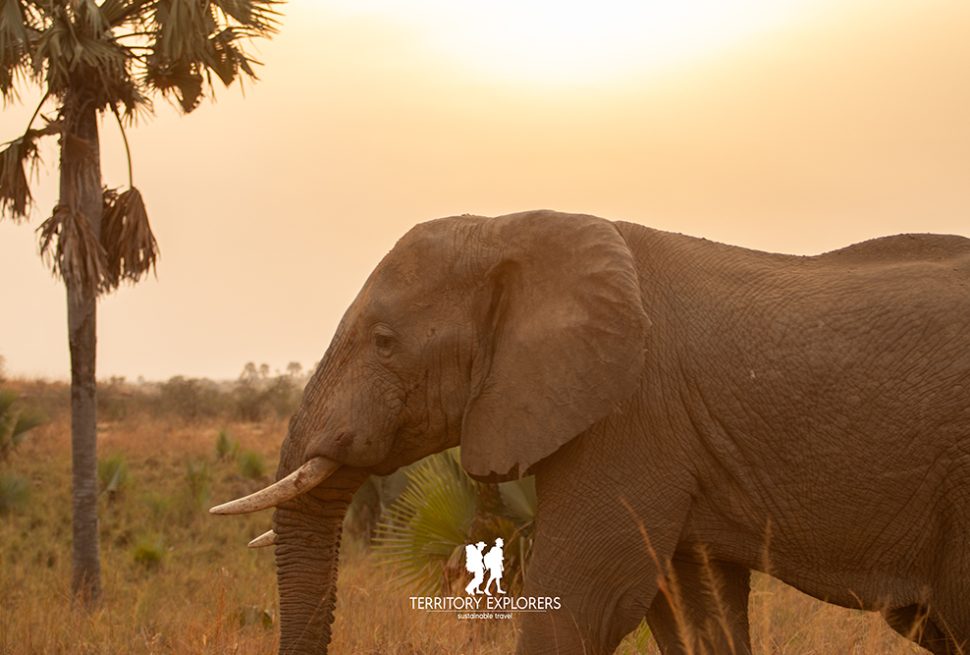
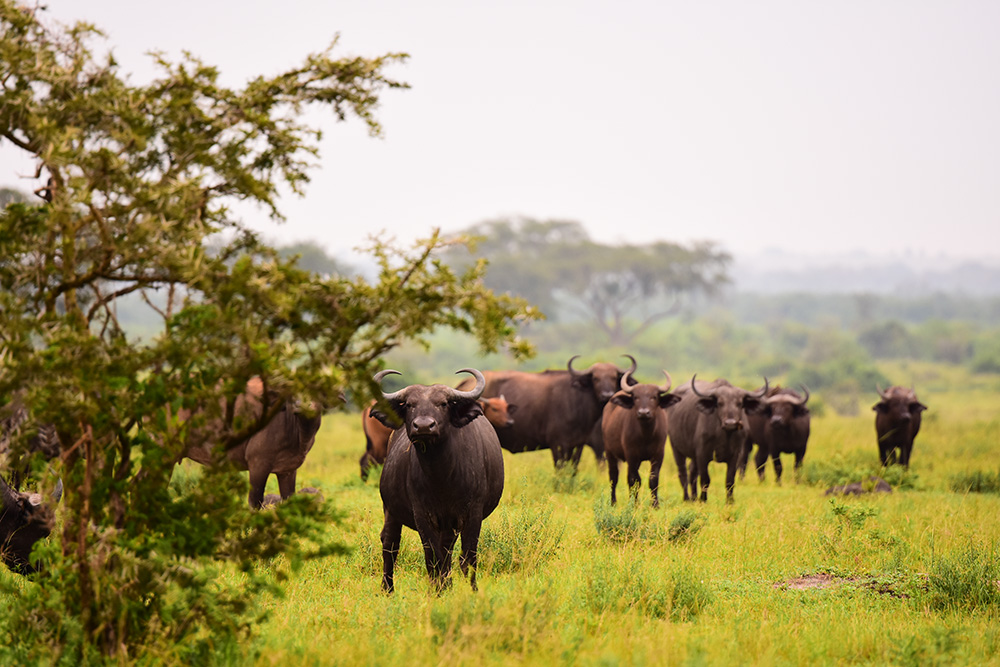
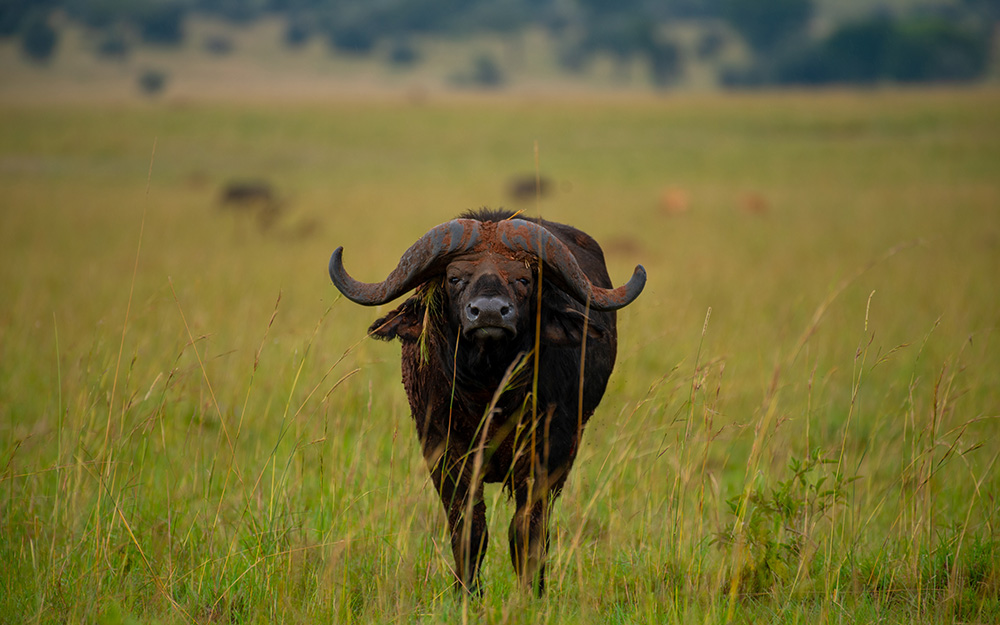
Large Mammals: While Kidepo does not have rhinos, it makes up for it with a wide variety of species. Elephants move in herds of 20 to 100, and buffalo gather in some of Uganda’s largest groups. Lions are often seen, especially in the Narus Valley, where they rest under acacia trees during the hottest part of the day.
Unique Species: Kidepo stands out from other Ugandan parks for its unique wildlife. Cheetahs are regularly seen here, which is rare elsewhere in Uganda. Ostriches, bat-eared foxes, and aardwolves add to the park’s diversity. You may also spot porcupines at night, honey badgers, and secretary birds during game drives or birding sessions.
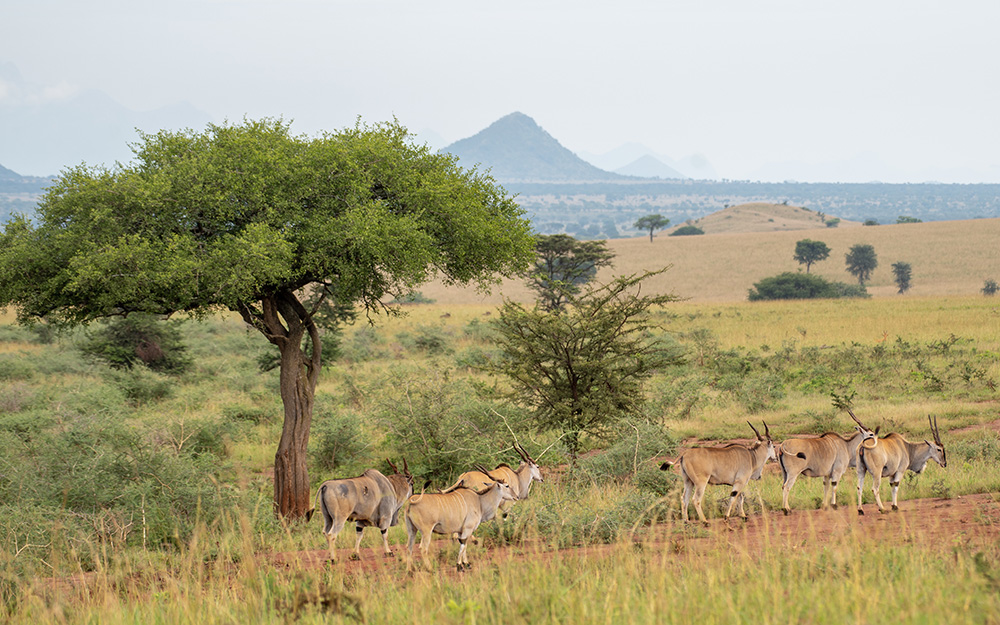
Antelope Diversity: The variety of antelope species is staggering, from the massive eland (Africa’s largest antelope) to tiny dik-diks. Topis, with their distinctive posture and coloring, are abundant, while the rare greater kudu, with their magnificent spiral horns, represent one of Kidepo’s most prized sightings. Each species has adapted uniquely to Kidepo’s challenging environment.
Giraffes and Zebras: Rothschild’s giraffes are often seen and can be approached closely for great photos. Burchell’s zebras, with their unique stripes, also make excellent photographic subjects against Kidepo’s dramatic scenery.
Primates in Kidepo: The Savannah Monkey
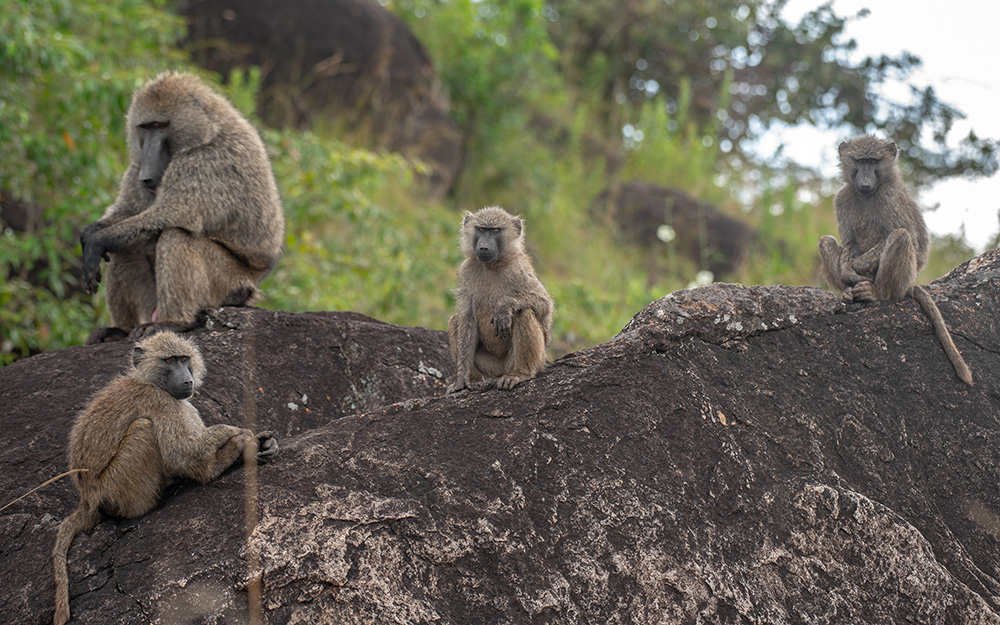
Although Kidepo is not mainly known for primates, it is home to the patas monkey, also called the savannah monkey. This species has adapted well to Kidepo’s semi-arid environment, and observing their survival strategies is fascinating.
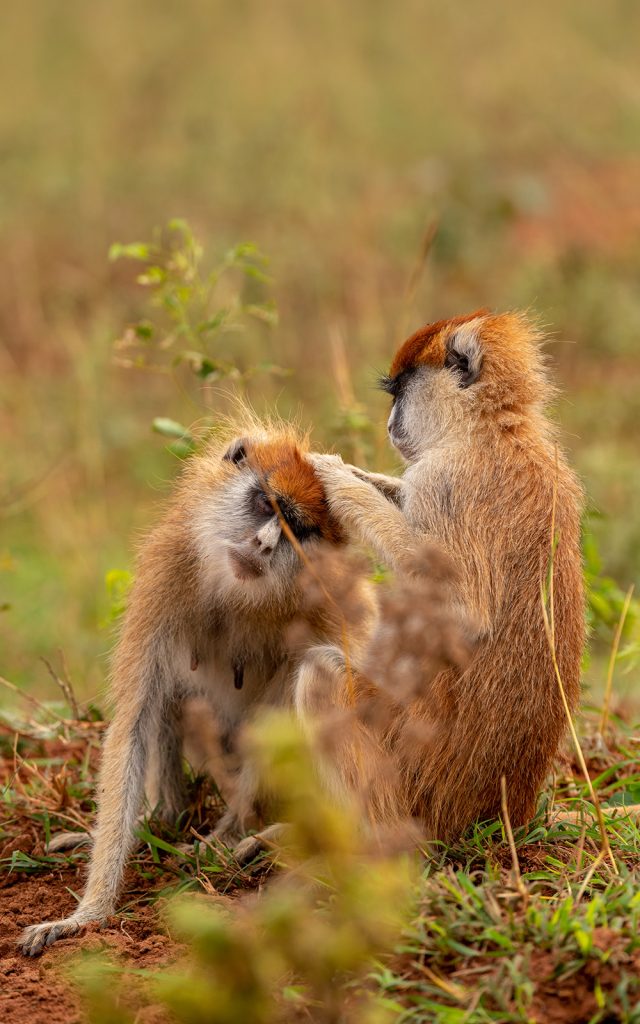
These intelligent primates have developed fascinating behavioral adaptations to survive in the harsh Karamoja climate. You’ll often spot them in troops of 20-30 individuals around the few permanent water sources, particularly near the Kidepo River and the park’s rest areas. Their diet has shifted to include more seeds, roots, and drought-resistant vegetation than that of monkeys in wetter climates.
Kidepo’s patas monkeys are known for their water-saving behaviors and for seeking shade during the hottest times of day. Photographers enjoy capturing these primates against the park’s dramatic landscape, where their grey-green fur stands out against the golden savannah grass.
The Enchanting Hot Springs of Kidepo
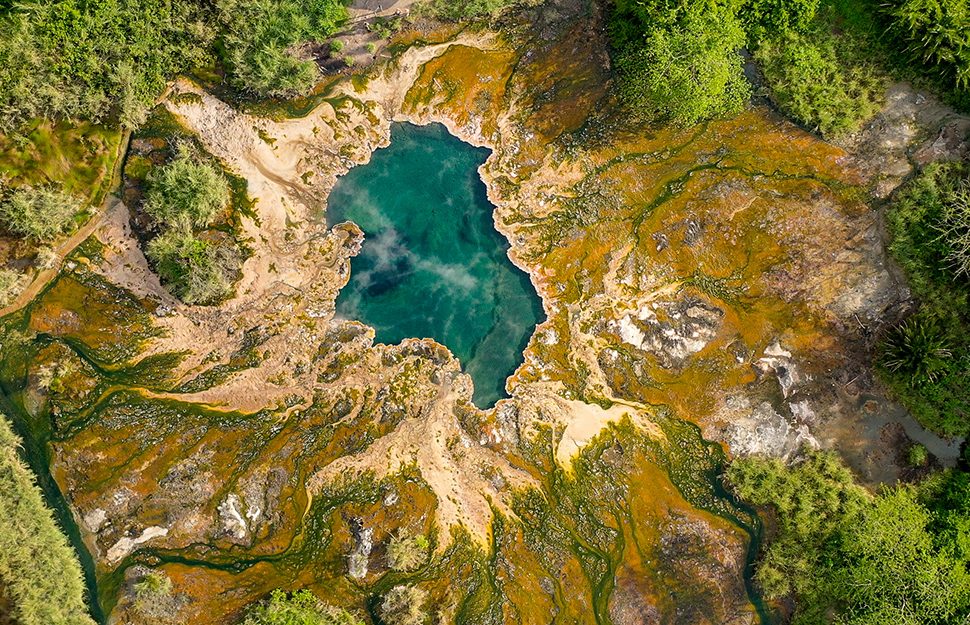
Discovering natural hot springs in the middle of the African wilderness is a unique experience. Kidepo Valley has several hot springs, with the most famous being Kanangorok Hot Springs near the South Sudan border, about 12 kilometers from the main park area.
These geothermal springs stay at about 50°C (122°F) all year, with steam rising against the dry landscape. The hot springs are also important to the local Karamojong people, who have used them for medicine and spiritual ceremonies. The mineral-rich waters are believed to have healing properties.
Visiting the hot springs is an adventure, taking you through some of Kidepo’s most remote and scenic areas. Many visitors combine a trip to the springs with cultural visits, as nearby Karamojong communities often welcome tourists interested in their traditional way of life. The contrast between the steaming waters and the semi-desert landscape offers unique photographic opportunities.
Bird Watching Paradise
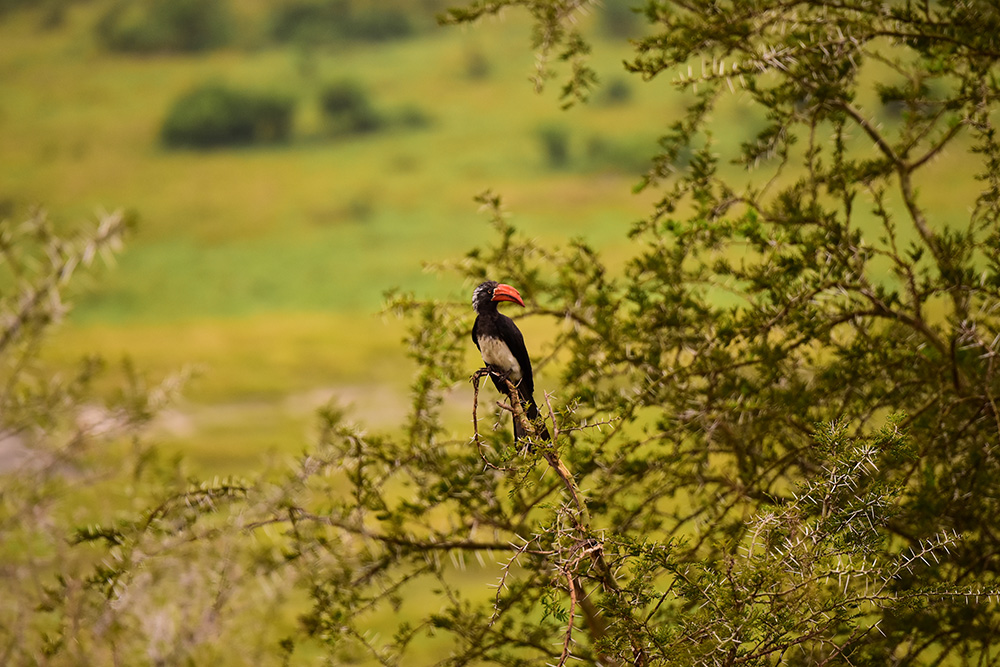
If you enjoy birdwatching, Kidepo is home to over 475 bird species, making it one of Uganda’s top birding destinations. The park’s location at the meeting point of different ecological zones supports species from various regions, including 60 found nowhere else in Uganda. Even those new to birding are often impressed by the diversity.
Endemic and Rare Species: Notable birds include the Karamoja apalis (unique to this region), the rose-ringed parakeet, the Abyssinian ground hornbill, and the carmine bee-eater. Secretary birds are also regularly seen walking across the grasslands.
Seasonal Highlights: In the wet season, many migratory species arrive. Top birding spots include the Narus River, seasonal swamps, and acacia woodlands. Early morning and late afternoon game drives often become excellent birding opportunities.
Birding Tips: The variety of birds means you can see everything from small sunbirds to large ostriches in one game drive. The open landscape is especially good for photographers who want to capture birds in striking settings.
Things to Do in Kidepo Valley
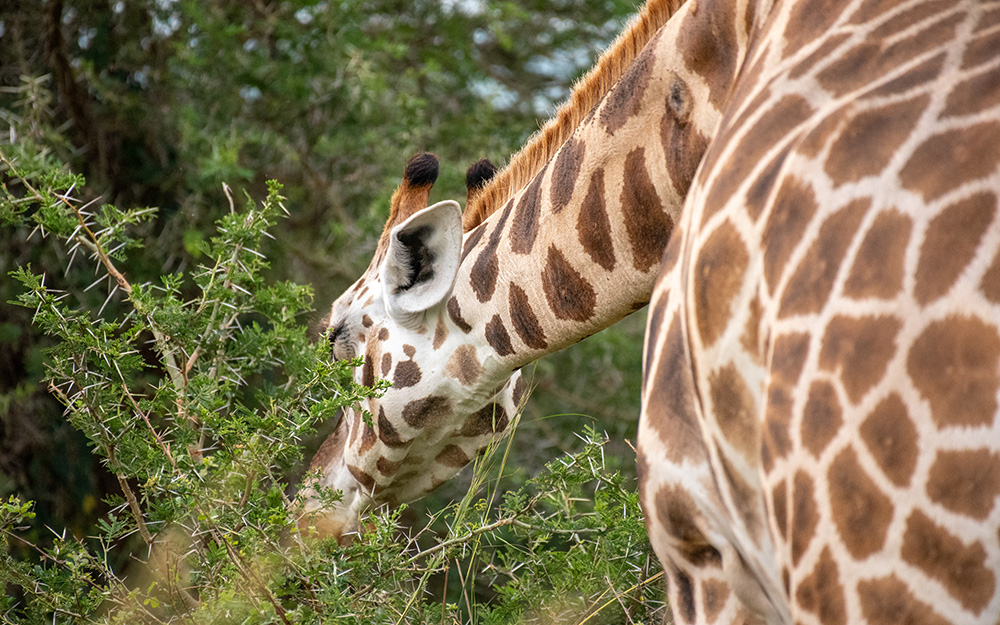
Game Drives: Game drives are a key part of the Kidepo experience, and each one is different. The park offers morning and afternoon drives, each with unique wildlife viewing opportunities. Morning drives (starting around 6:30 AM) are good for seeing predators and bird activity, while afternoon drives provide great lighting for photography and more animal sightings as the day cools.
Nature Walks: Guided nature walks offer a close-up experience of Kidepo’s ecosystem that you can’t get from a vehicle. Led by experienced rangers, these walks let you track animals on foot, learn about medicinal plants, and discover smaller details often missed on game drives. Walking safaris are especially rewarding near the Narus River area.
Cultural Encounters: Meeting the Karamojong people is a highlight of visiting Kidepo. These traditional pastoralists have lived alongside wildlife for centuries, and their cultural demonstrations include dances, cattle herding, and insights into their semi-nomadic lifestyle. Many visitors find these experiences as memorable as the wildlife sightings.
Hot Springs Excursions: Visiting the Kanangorok Hot Springs is both adventurous and relaxing. The trip goes through remote parts of the park, often with wildlife sightings, and ends with the unique experience of natural hot springs in the wilderness.
Night Game Drives: Some operators offer night drives for those seeking adventure, where you might see nocturnal animals like aardvarks, pangolins, and small carnivores. The sounds of the African night in Kidepo add to the experience and help explain why the park has fascinated visitors for years.
Photography Experience in Kidepo
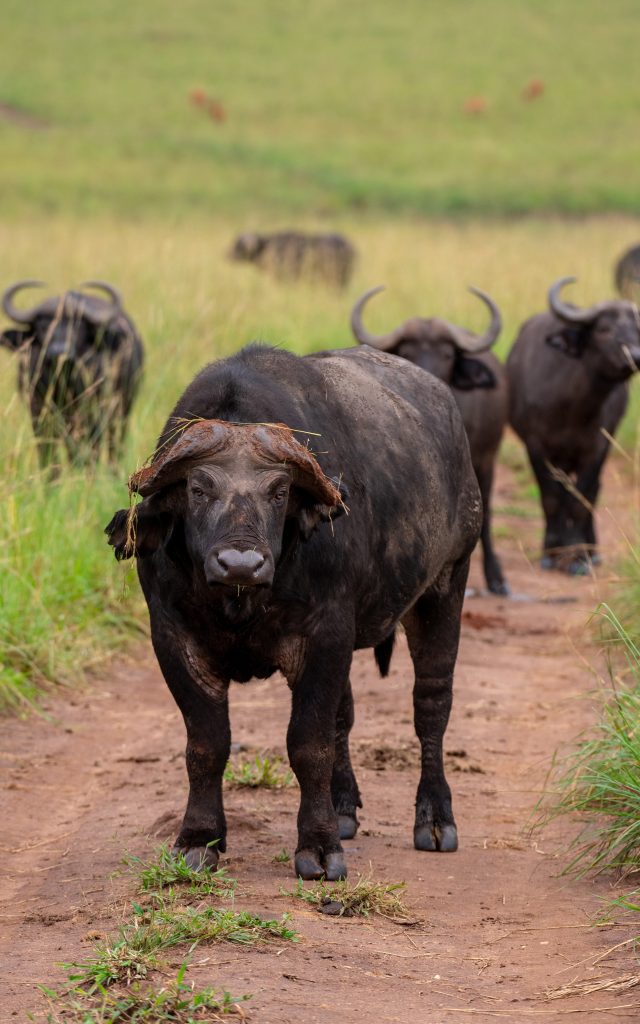
Kidepo Valley is an excellent destination for photographers, with dramatic landscapes and unique topography. The mountains and valleys provide great opportunities for both wildlife and landscape photography, offering context that is sometimes missing in other safari locations.
Landscape Photography: The lighting during sunrise and sunset in Kidepo is highly valued by photographers. Open savannahs, acacia trees, and distant mountains create beautiful compositions. The Narus Valley is known for sunrise shots, while Kidepo Valley is ideal for dramatic sunsets.
Wildlife Photography: Kidepo’s open terrain and accustomed wildlife make it great for photography. Large mammals are often visible from a distance, allowing for photos that show animals in their natural environment. Predators like lions and cheetahs can often be photographed as they hunt on the plains.
Cultural Photography: The Karamojong people’s traditional dress and way of life offer excellent opportunities for cultural photography. Always ask permission and consider hiring local guides to help ensure respectful interactions.
Pro Tips: Bring extra batteries, as charging options are limited. Pack dust protection for your equipment and consider a telephoto lens for wildlife photos. Lighting changes throughout the day, so be ready to adjust your camera settings.
Cultural Experiences Around Kidepo
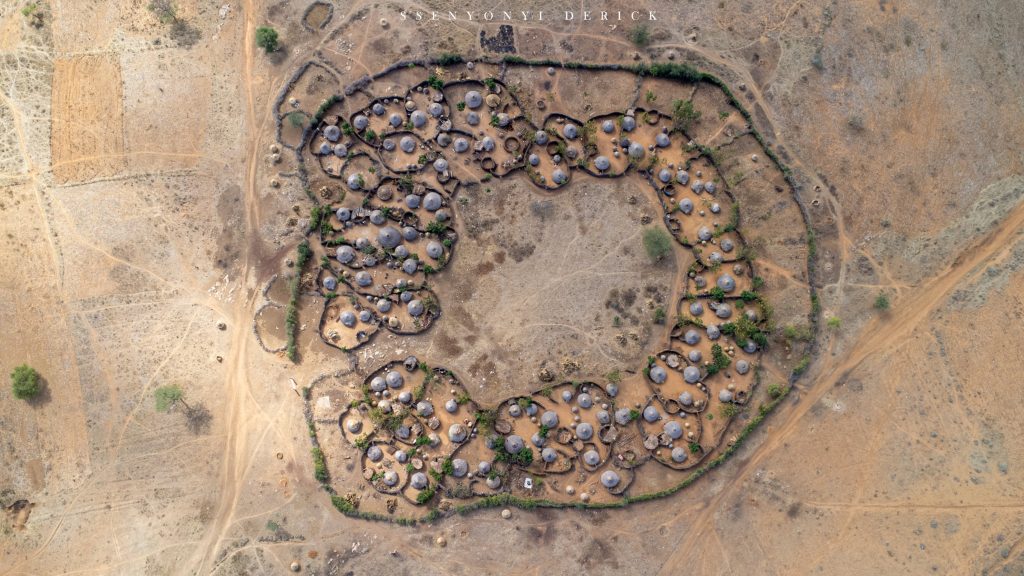
The Karamojong people are an important part of Kidepo, and meeting them gives insight into one of Africa’s last traditional pastoralist cultures. They have adapted to a harsh environment over centuries and have a deep understanding of the land that conservationists respect.
Traditional Manyattas: Visiting a Karamojong manyatta (traditional homestead) shows a way of life that has changed little over generations. The circular arrangement of huts, each with a specific purpose, reflects their social organization. Women often demonstrate crafts like beadwork and pottery, while men may show cattle management techniques that have supported their communities for centuries.
Cultural Performances: Traditional dances and music are important parts of Karamojong culture. The energetic dances, with drums and singing, often tell stories about cattle raids, hunts, or seasonal events. These performances are genuine expressions of their culture, not just for tourists.
Cattle Culture: For the Karamojong, cattle are part of a complex social and spiritual system, not just livestock. Observing a traditional cattle blessing or learning about the meanings of different cattle colors and patterns offers deep insight into their culture.
Where to Stay in Kidepo Valley
Budget Accommodation (Under $50 per night)
UWA Bandas: These simple but clean self-catering bandas, run by Uganda Wildlife Authority, are the most affordable option in the park. They offer basic amenities like beds with mosquito nets, shared bathrooms, and communal cooking facilities. While basic, they place you close to the wildlife, and you may even see elephants nearby in the morning.
Nga’Moru Wilderness Camp: This community-run camp offers simple tented accommodation with shared facilities. It provides an authentic bush experience, basic meals, and knowledgeable local guides. It is ideal for budget travelers who want to support community tourism and experience African hospitality.
Public Camping: Designated camping sites in the park offer a real bush experience for adventurous visitors. Facilities are minimal, but sleeping under Kidepo’s star-filled skies is memorable. You need to bring your own equipment and supplies, but the experience of sleeping in the African wilderness is unforgettable.
Mid-Range Accommodation ($50-200 per night)
Zebra Safari Lodge: This comfortable lodge has well-equipped rooms with private bathrooms, reliable solar power, and meals featuring local and international dishes. Its elevated position offers great valley views, and the service is both professional and friendly.
Kidepo Savannah Lodge: This lodge offers spacious safari tents with en-suite bathrooms and a restaurant serving hearty meals. It provides comfort while keeping an authentic safari feel. The lodge also arranges cultural visits and has a bar for evening relaxation after game drives.
Apoka Safari Lodge (Lower Season): During certain periods, this luxury lodge offers more accessible rates while maintaining high standards. The lodge features elegant accommodations, gourmet dining, and professional guide services that can transform your safari experience.
Luxury Accommodation ($200+ per night)
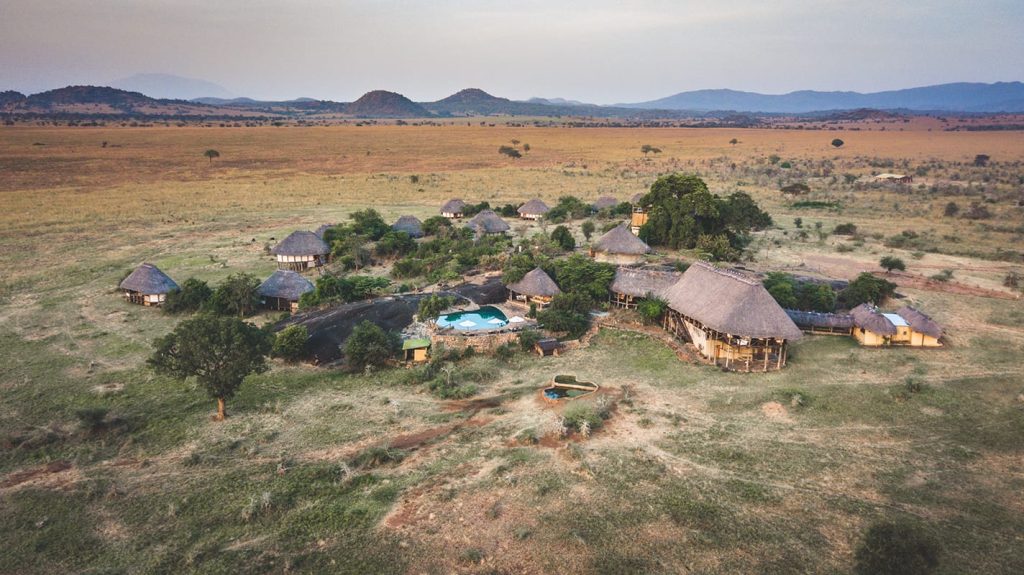
Apoka Safari Lodge: This is Kidepo’s top luxury accommodation, offering excellent service in a remote setting. The lodge has spacious rooms with valley views, gourmet food, an infinity pool, spa services, and expert guides. It provides luxury while keeping you connected to the African wilderness.
Kidepo Bush Lodge: An exclusive camp offering personalized service with private guides, customized itineraries, and luxury tented accommodations. The lodge specializes in photography safaris and offers specialized equipment and guidance for serious photographers. Their attention to detail and intimate setting create unforgettable experiences.
Nga’Moru Wilderness Camp (Luxury Section): The upscale section of this community lodge offers luxury tents with full amenities while maintaining strong community connections. Guests enjoy high-end accommodations while directly supporting local Karamojong communities through employment and revenue sharing.
Planning Your Kidepo Valley Safari
Recommended Duration: While you could spend weeks exploring Kidepo, most visitors find that 3 to 4 days is enough to see the park’s highlights without feeling rushed. This allows time for several game drives, a cultural visit, and possibly a trip to the hot springs.
What to Pack: The semi-arid climate means you need to prepare carefully. Bring high-SPF sunscreen, a wide-brimmed hat, lightweight long-sleeved clothes for sun protection, warm layers for mornings and evenings, sturdy walking shoes, and plenty of water. Also, bring a good camera with extra batteries and memory cards.
Health Considerations: Malaria prophylaxis is essential due to year-round transmission. Yellow fever vaccination is required for entry to Uganda. The nearest medical facilities are in Kitgum, several hours away, so comprehensive travel insurance is highly recommended.
Permits and Documentation: International visitors need a valid passport and a Uganda visa. Park entrance fees must be paid in US dollars, and it’s wise to carry extra cash as card facilities are extremely limited.
Kidepo Valley Safari Costs and Budgeting
Park Fees: Foreign non-residents pay $40 for 24-hour access, and foreign residents pay $30. East African citizens pay less. Vehicle entry fees are separate. The park offers good value for the price.
Accommodation Range: Budget options start at $15-30 per night for camping or basic bandas, mid-range lodges run $50-200 per night, while luxury accommodations can exceed $400 per person per night.
Transportation Costs: Self-drive rental vehicles cost $80-150 per day, depending on vehicle type. Charter flights range from $300 to $ 500 per person, one-way. Organized tour packages typically range from $200 to $ 800 per person per day, depending on the accommodation level.
Activity Costs:
Guided nature walks cost about $15 per person, cultural encounters range from $20 to $50 per group, and hot springs visits may cost $30 to $60 per person. These prices are reasonable for such a remote wilderness area.
Money-Saving Tips: To save money, visit during shoulder seasons, camp, self-cater, or join group tours. These options help reduce costs while still enjoying the Kidepo experience.
Frequently Asked Questions
Kidepo Valley National Park covers 1,442 square kilometers (557 square miles), making it Uganda’s fourth-largest national park. The park encompasses two major valley systems and extends to the borders of both South Sudan and Kenya.
You can reach Kidepo by road (10-12 hours from Kampala via Gulu and Kitgum) or by charter flight (2 hours from Entebbe). The road journey offers scenic views but requires careful planning, while flights provide quick access but cost more.
Kidepo is famous for being Uganda’s most remote and pristine national park, home to unique species like cheetahs and ostriches not found elsewhere in Uganda. It’s also renowned for its dramatic landscapes, cultural encounters with Karamojong people, and authentic wilderness experience.
The park is located in northeastern Uganda in the Karamoja region, specifically in Kaabong district. It sits at the intersection of Uganda, South Sudan, and Kenya.
Kidepo Valley National Park is located in Kaabong district, in the Karamoja sub-region of northeastern Uganda.
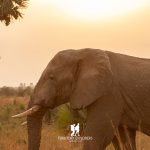
Yes, Kidepo hosts a healthy population of African elephants. They’re commonly seen throughout the park, particularly around water sources during the dry season, and often move in herds of 20-100 individuals.
Kidepo lacks permanent deep water bodies that hippos require for survival. The Kidepo and Narus rivers are seasonal and generally too shallow to support hippo populations, which need deep pools for protection from the sun and predators.
Kidepo’s water sources are usually too seasonal and shallow for large crocodile populations, but there are a few small crocodiles in the Narus River valley. They are rare and hard to spot, and are much smaller than the Nile crocodiles found in other Ugandan parks.
Conclusion
Kidepo Valley offers a unique experience: you might wake up to elephants against the backdrop of ancient mountains, spend your day tracking cheetahs on the grasslands, and end it by sharing stories with Karamojong elders around a traditional fire. This is more than just a safari destination; it is a chance to experience Africa as early explorers once did.
The Park is one of Africa’s last wild places, where tourism has helped preserve its authentic character through conservation and community partnerships. Every dollar spent supports wildlife conservation and benefits local communities that have protected this land for generations. Visitors here are part of Kidepo’s ongoing conservation efforts.
Kidepo’s remoteness, once seen as a disadvantage, is now its greatest strength. In Kidepo, there are no cell towers or traffic noise—just the natural rhythms of wild Africa and a sense of peace that comes from being close to nature. The experiences here can change your perspective.
Whether you are an experienced safari traveler or planning your first African trip, Kidepo offers a rare opportunity to see untamed wilderness where humans are only visitors. It is considered Uganda’s crown jewel and one of the most authentic safari experiences available.
An unforgettable adventure awaits you in the valleys of Kidepo. The only question is when you will go. If you feel ready, get in touch with us. We’ll help make your adventure a reality, just as we have for many other adventurers before you.