
Only three hours from busy Kampala, you’ll find zebras grazing in what could be Uganda’s best-kept secret. Lake Mburo National Park is the country’s smallest savanna park, but it stands out for being easy to reach and full of charm. This 370-square-kilometer park sits in Uganda’s cattle corridor, protecting a unique ecosystem and giving visitors a close-up wildlife experience that feels far from daily life.
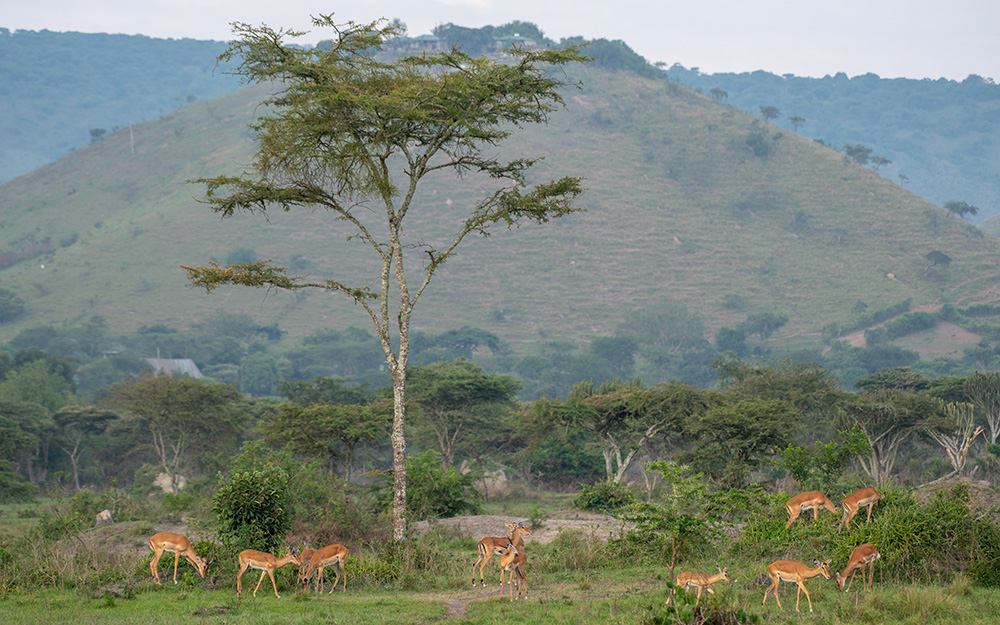
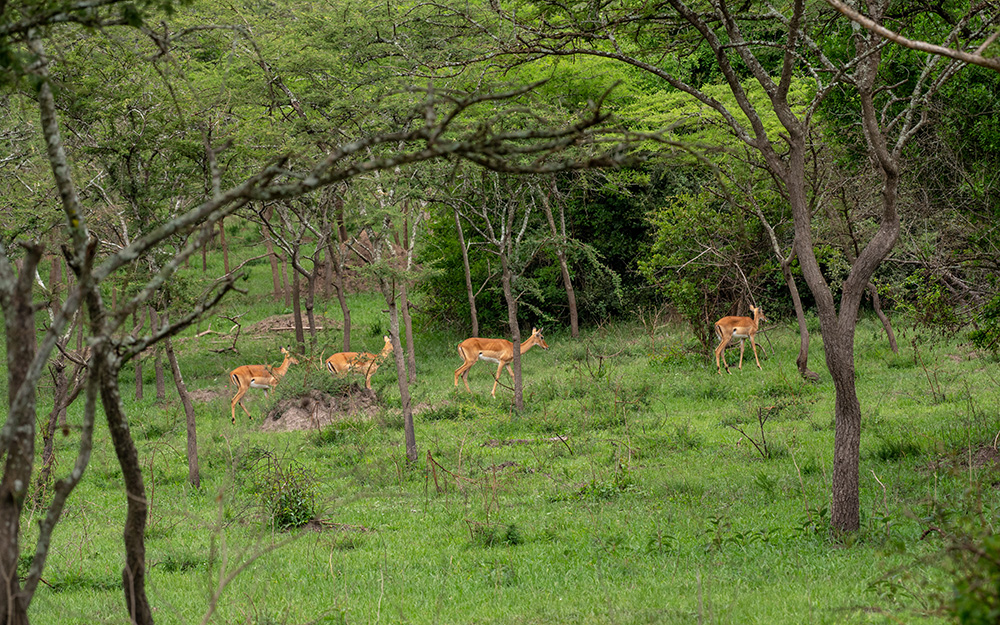
Lake Mburo is special not just because it’s close to Kampala, but also because it’s the only place in Uganda where you can see impalas in the wild. It’s also one of the few parks where you can safely go on walking safaris. The park’s rolling hills, acacia trees, and 14 lakes make it a favorite for photographers and nature lovers. Let’s explore what makes this small park so captivating.
Key Takeaways
- Location: Lake Mburo National Park sits in Kiruhura District, Western Uganda, about 240 kilometers from Kampala. Its location means you can reach it in just 3 to 4 hours by car, making it a great choice for anyone looking for a nearby savanna wildlife adventure.
- Size: Lake Mburo National Park covers 370 square kilometers (143 square miles), making it Uganda’s smallest savanna park. Even though it’s small, the park has a rich landscape with rolling hills, 14 lakes, and many habitats that support lots of wildlife.
- Established: Lake Mburo became a national park in 1983, making it one of Uganda’s newer parks. It has quickly become known for its special features and conservation achievements. The park combines natural beauty with cultural history, which is important for both local wildlife and nearby communities.
- Unique Features: Lake Mburo National Park is the closest savanna park to Kampala, Uganda’s capital, and it’s the only place in the country where you can see impalas in the wild. This makes the park important for protecting this species and a convenient spot for people living in the city to visit.
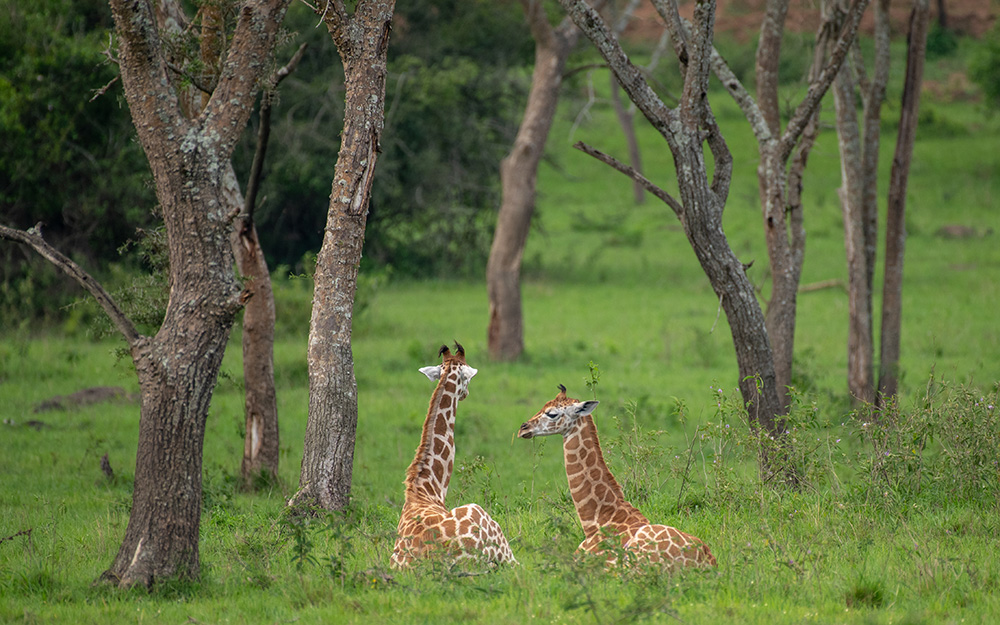
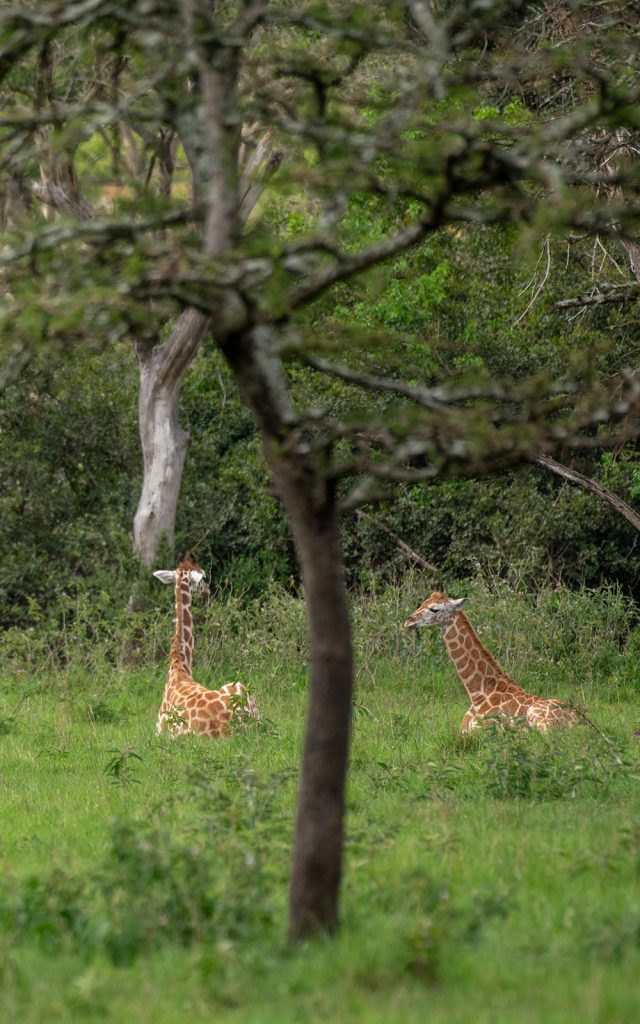
- Wildlife Highlights: The park is home to over 68 types of mammals, including zebras, buffalo, leopards, and the reintroduced Rothschild’s giraffes. With more than 350 bird species, it’s a true hotspot for biodiversity and offers great chances for both safaris and birdwatching.
- The best time to visit Lake Mburo National Park is during the dry seasons, from June to late August and December to February. These months make it easier to see wildlife and get around the park. While the wet seasons bring green scenery, animals gather more around water during the dry months.
- Popular activities in Lake Mburo National Park include game drives, boat safaris, walking safaris, horseback riding, and cycling. These options let you explore the park’s scenery and wildlife up close. Since there are no elephants or lions, walking safaris are safer and more unique here.
- Lake Mburo National Park offers a wide range of places to stay, from luxury lodges like Mihingo Lodge to budget camping and rest camps. This variety means there’s something comfortable and affordable for every type of traveler.
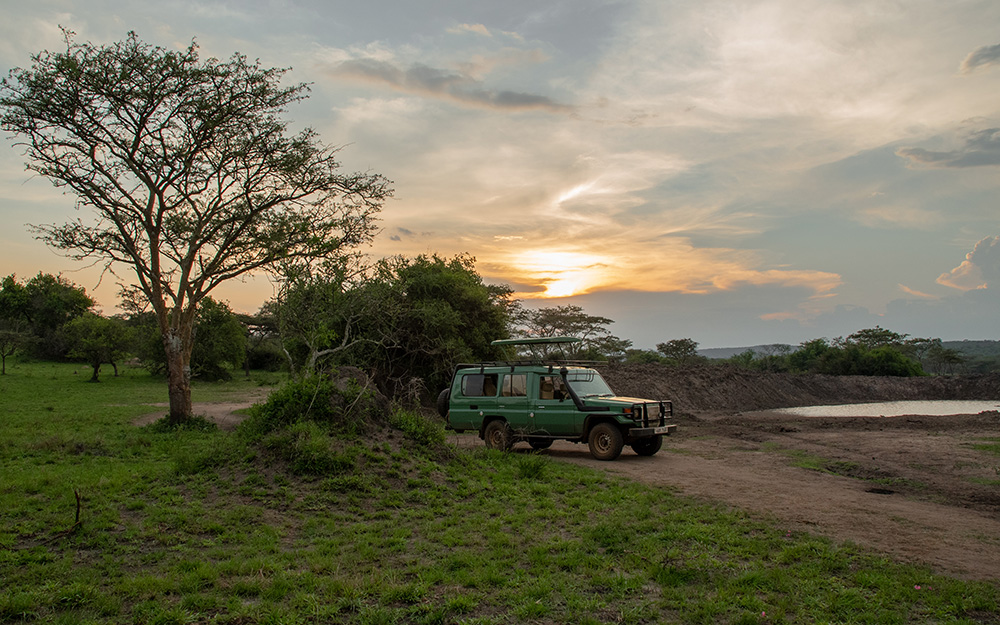
- You can reach Lake Mburo National Park in 3 to 4 hours by car from Kampala, using either the Masaka or Mbarara routes. The park has well-marked gates that most cars can use, but a 4WD vehicle is better for game viewing. Getting there is easy and adds to the overall safari experience.
- There are no elephants or lions in Lake Mburo, which makes it ideal for walking safaris. The park’s tagline is “Whispers in the Wild,” a phrase that truly sums up the experience. You’re sure to enjoy your visit.
Location and How to Get There
Lake Mburo National Park is located in Kiruhura District, about 240 kilometers southwest of Kampala in Uganda’s Western Region. The drive there takes you through beautiful countryside, with rolling hills and traditional homesteads showing a way of life that has stayed the same for generations.
From Kampala, you can take either the Masaka route through Nyendo and Lyantonde or the Mbarara route. The Masaka route is about 240 kilometers and usually takes 3 to 4 hours, making it the most direct. If you start from Entebbe International Airport, the drive is about 260 kilometers and follows the same scenic path through Uganda’s green highlands.
There are two main entry gates to the park: Nshara Gate, the main entrance, and Sanga Gate on the eastern side. Both are clearly marked and easy to reach with a regular car, but using a 4WD vehicle is best for game viewing inside the park.
Geography and Landscape
Lake Mburo National Park features rolling savanna grasslands, sparkling lakes, and ancient granite outcrops. The park sits at an elevation between 1,220 and 1,828 meters above sea level, giving it a pleasant and varied climate all year round.
The park is known for its 14 lakes, with Lake Mburo being the largest. These lakes are what remain of a much bigger water body that once covered the area, and now they are central to the park’s ecosystem. Most of the landscape is open savanna woodland, with acacia trees creating the classic African safari scenery.
The park covers 370 square kilometers and has a variety of terrain. There are open grasslands for game viewing, dense papyrus swamps that are home to many bird species, and rocky outcrops that offer great views. The west has more woodland, while the east has wide grasslands where buffalo and zebra gather.
History of Lake Mburo National Park
Lake Mburo’s history is complex. The area was first set aside as a controlled hunting area in 1933, when colonial administrators noticed its rich wildlife. Before that, the Banyankole people had lived there for centuries, keeping cattle and coexisting with the wildlife.
The park became a national park in 1983 under President Milton Obote’s government. In 1986, the new National Resistance Movement government reduced the park’s size from 650 to 260 square kilometers after community pressure, letting local people reclaim their ancestral land.
This change led to years of conflict between people and wildlife, as animals still moved between the park and nearby communities. Over time, conservation efforts increased, and the park grew to its current size of 370 square kilometers. Today, Lake Mburo is seen as a good example of balancing conservation with community needs, though this relationship is still changing.
Ecosystem and Biodiversity
Lake Mburo National Park is one of the last savanna ecosystems in southern Uganda, a type of landscape that used to cover much of the area. Because of this, the park is an important refuge for species that have vanished from nearby regions, making it a small but rich center of biodiversity.
The park’s ecosystem centers on its lakes and seasonal wetlands, which support an intricate web of life. Papyrus swamps line the lakes, offering nesting sites for numerous waterbirds and shelter for sitatunga antelope. The extensive acacia woodland provides ideal habitat for browsing animals such as impala and bushbuck, while the open grasslands are home to grazing species like buffalo and zebra.
This ecosystem is special because its predator-prey relationships are still intact. Leopards, the top predators here, help keep prey populations healthy, and spotted hyenas play an important role by cleaning up remains. Since elephants and lions have been absent, other species have thrived, creating a unique balance in Lake Mburo compared to other East African parks.
Wildlife in Lake Mburo National Park
Lake Mburo offers one of Uganda’s most underrated wildlife experiences. Although the park is small, it is full of surprises. With over 68 mammal species, visitors are almost certain to see wildlife, making it a great choice for first-time safari-goers or those with limited time.
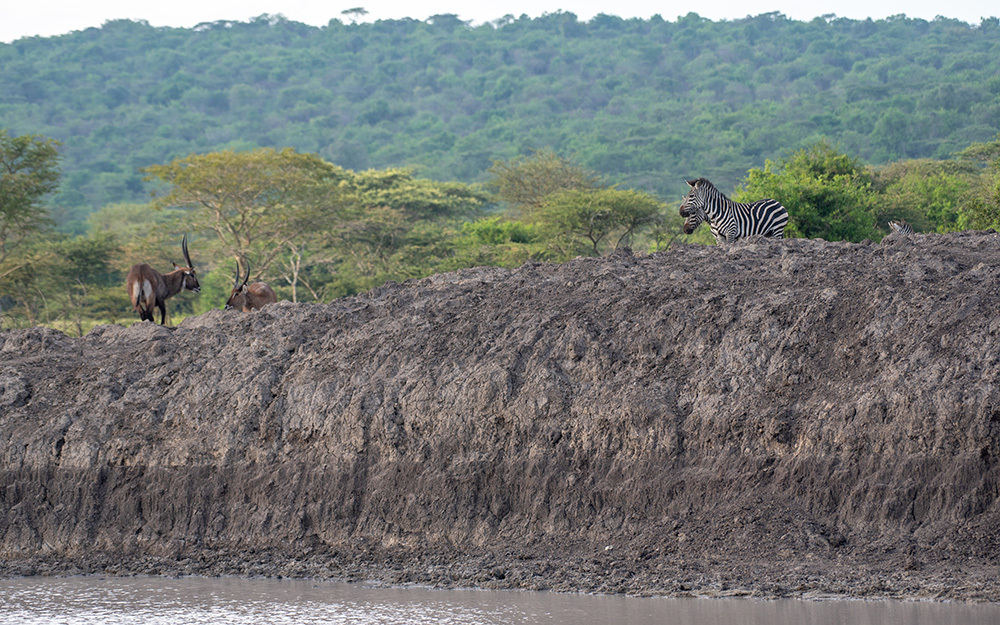
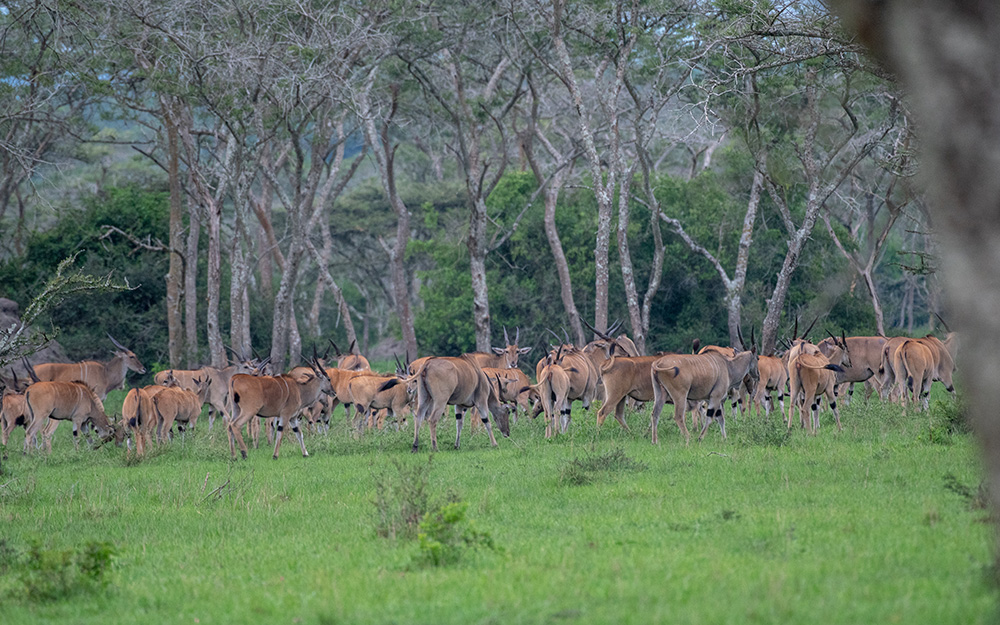
Zebras are the main attraction at Lake Mburo, which is the only park in Uganda where you can reliably see them. The park also has Uganda’s largest population of impala, graceful antelopes found nowhere else in the country.
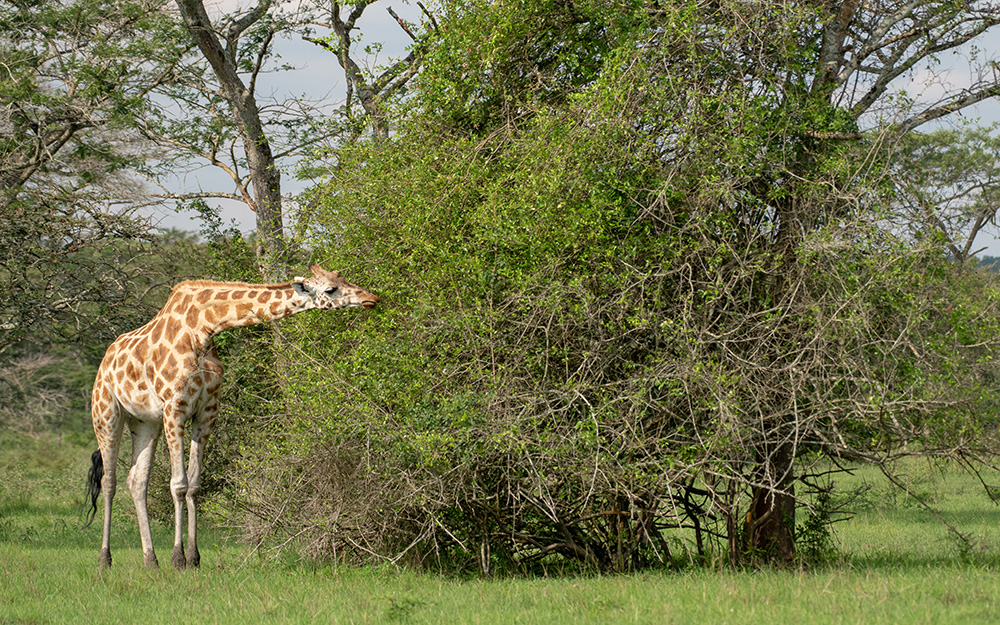
Buffalo move in large herds throughout the park, sometimes with more than 100 animals. They are best viewed from a vehicle, and their calm behavior around cars makes them easy to photograph. Rothschild’s giraffes have also been reintroduced, and seeing them among the acacia trees is a highlight for many visitors.
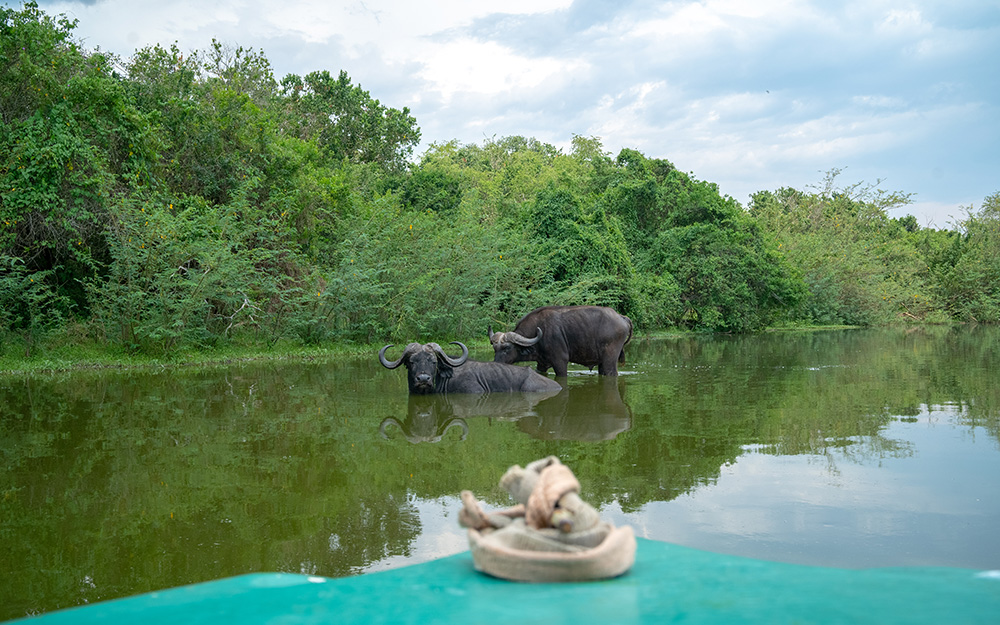
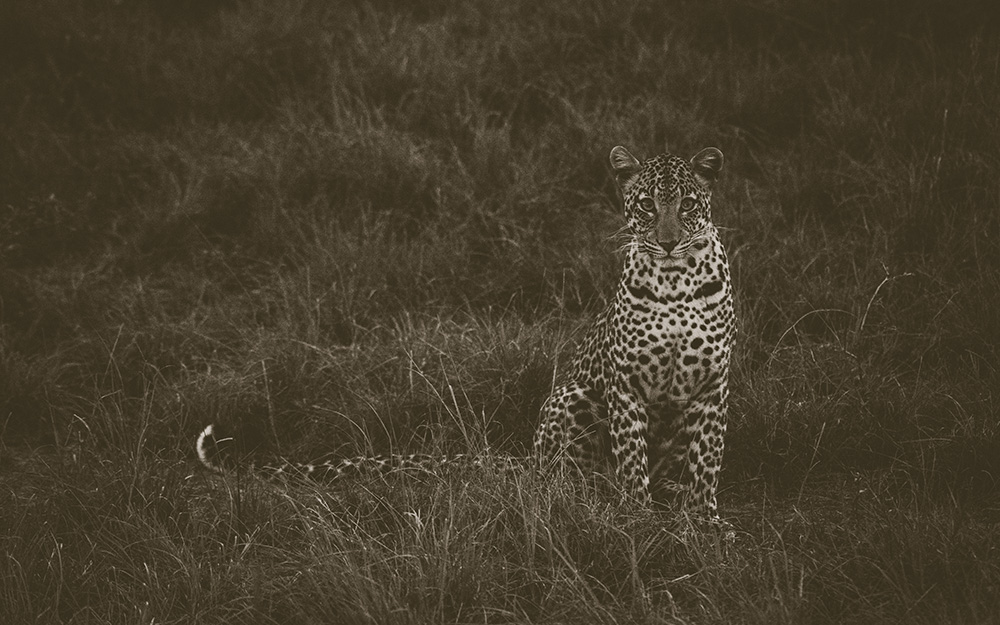
Hippos spend their days in the lakes and are easy to see during boat safaris. Crocodiles rest on the shores. Leopards are the park’s most elusive big cats, but Lake Mburo is known as one of Uganda’s best places to spot them. Patient visitors often get to see these spotted cats.
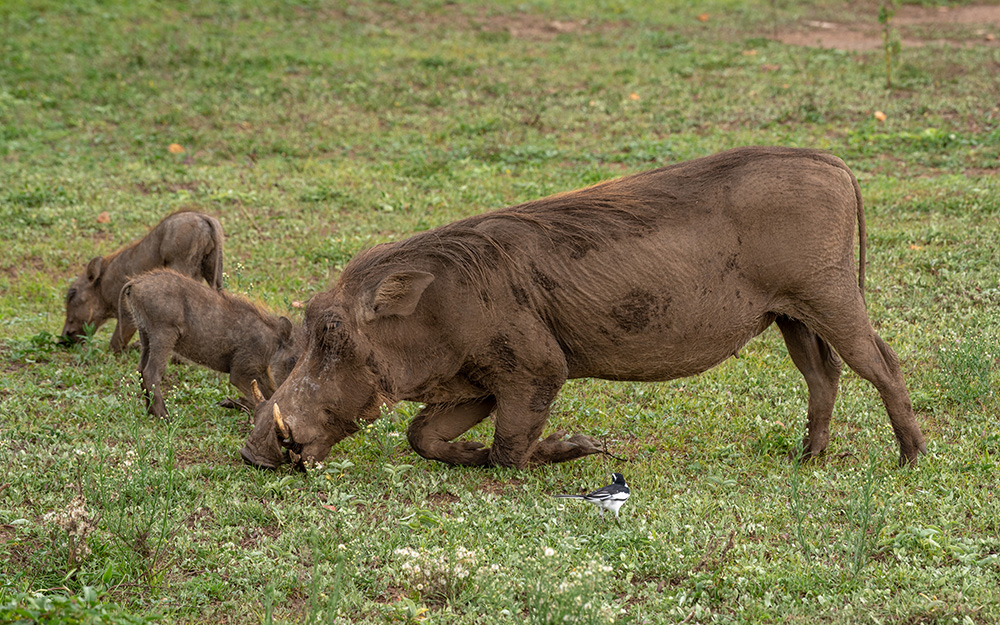
Primates in Lake Mburo National Park
Lake Mburo is not mainly known for primates, but it is home to two interesting species: vervet monkeys and olive baboons. These two diurnal primates add to the park’s ecological diversity.
Vervet monkeys are seen more often than olive baboons and are usually found in the acacia woodlands and near the lake shores. They are known for their blue and red coloring and complex social groups. You can often watch them foraging in the early morning or late afternoon, and their movements in the trees are entertaining to observe.
Olive baboons are the larger of the two primate species in the park. Groups of olive baboons often gather around the rock formations at Rwakobo, making them easy to observe. Watching their interactions, such as young baboons playing and adults keeping watch, gives visitors a look into their complex social lives.
Hot Springs Near Lake Mburo
There are natural hot springs in the Lake Mburo area that offer a relaxing addition to your wildlife trip. These geothermal springs, created by underground volcanic activity, reach temperatures suitable for bathing and act as natural spas in the wild.
The Kitagata hot springs are especially popular with local communities, who have used them for traditional healing for generations. These springs are only a few kilometers from the park, making them a convenient stop on your way.
Some lodges offer trips to the springs, where you can soak in naturally heated mineral water and enjoy the sounds of the African bush. The springs also help wildlife by providing water during dry seasons and supporting special plants.
You may need to arrange visits to the hot springs with your lodge or a local guide, as they are not always inside the main park. Visiting these springs adds a sense of exploration and relaxation to your trip, alongside the excitement of seeing wildlife.
Accommodation Options
Luxury Lodges
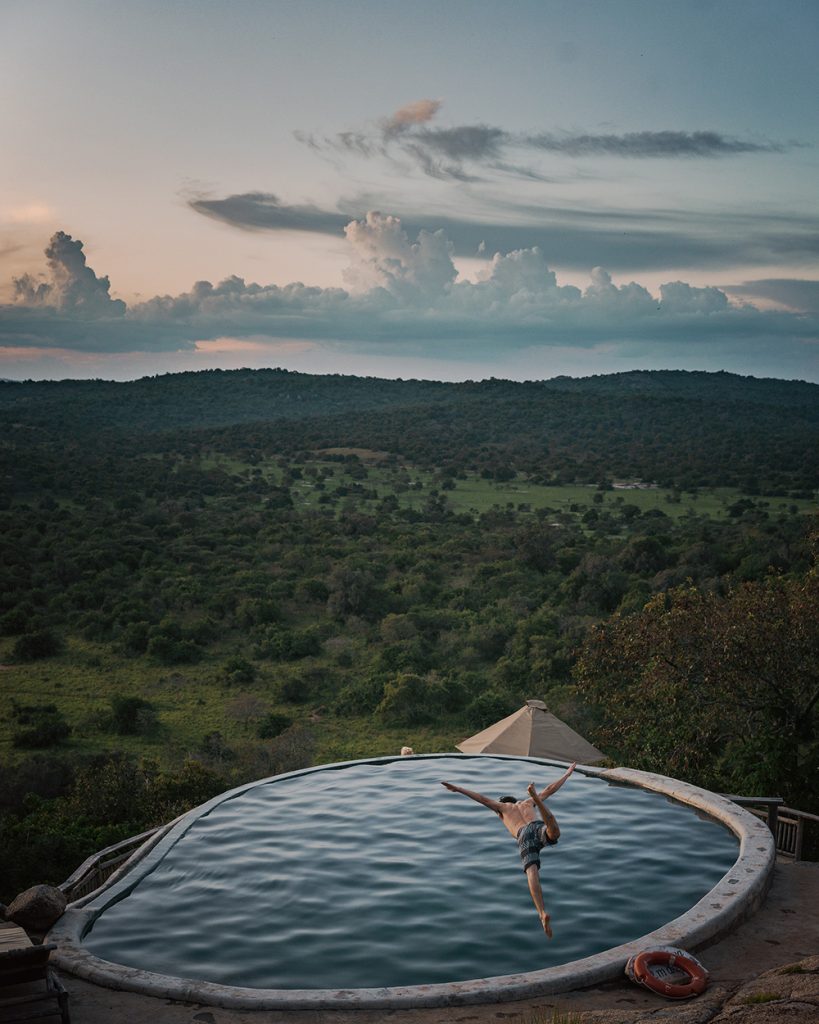
Mihingo Lodge is a top luxury option near Lake Mburo. Located in a private 97-hectare reserve next to the park, it has ten rooms built on wooden platforms with thatched roofs. Each room has views over the savanna, and the lodge is built into a rocky outcrop where leopards live, so you might see wildlife from your room. The lodge also has an infinity pool, spa services, and high-quality dining.
Kigambira Safari Lodge is a modern eco-luxury lodge in the southern part of the park, named after Lake Kigambira. It combines sustainable tourism with comfort, offering large tented suites with private decks, food made from local ingredients, and activities that help community conservation. Staying here means you can enjoy luxury while supporting local conservation efforts.
Kigarama Wilderness Lodge provides a luxury experience with personalized service. The lodge has well-designed rooms with wide views, a restaurant serving both international and local food, and a bar where you can relax and watch wildlife at a nearby waterhole. The peaceful setting and attention to detail make it a great place to unwind.
Mid-Range Options
Mburo Safari Lodge offers comfort at an affordable price for travelers who want quality without high costs. The lodge is home to bushbuck and vervet monkeys, making it a good spot for birdwatchers and those seeking a peaceful stay. It has comfortable cottages with private bathrooms, a restaurant with filling meals, and a bar overlooking the savanna. Since it is inside the park, you can start your game drives right from the lodge.
Rwakobo Rock Lodge is built into a granite outcrop, providing unique accommodation. The lodge has comfortable bandas (traditional huts) with modern features, each placed for privacy and good views. The rocky area is also a wildlife corridor, so you might see leopards, rock hyrax, and birds from your room.
Lake Mburo Safari Camp offers comfortable tented accommodation close to nature but with all the necessary comforts. The camp has large tents with real beds, private bathrooms, and a dining area serving both continental and local food. The camp’s authentic safari setting lets you hear hippos at night and birds in the morning, giving you a real sense of the African wilderness.
Budget Accommodation
Mburo Backpackers Lodge is a friendly, budget option with basic but clean accommodation. It has dormitory rooms and private bandas, shared cooking facilities, and a social atmosphere where travelers can meet and share advice. Located just outside the park, it is ideal for backpackers and families looking for an affordable way to visit Lake Mburo.
Eagles Nest Lodge is a budget lodge built on high ground, offering wide views similar to more expensive places. It has simple but comfortable rooms with shared facilities, a restaurant with local food, and guides who can help arrange affordable park activities. The high location also means you can enjoy sunsets over the park while keeping costs low.
UWA Rwonyo Rest Camp is the park’s official budget accommodation, with basic but clean bandas and camping facilities inside the park. This government-run camp is the cheapest way to stay in Lake Mburo, offering shared bathrooms, a simple restaurant, and camping areas for those with tents. The money you save on lodging can be used for activities, making it a good choice for wildlife fans on a budget.
Activities and Experiences
Game Drives
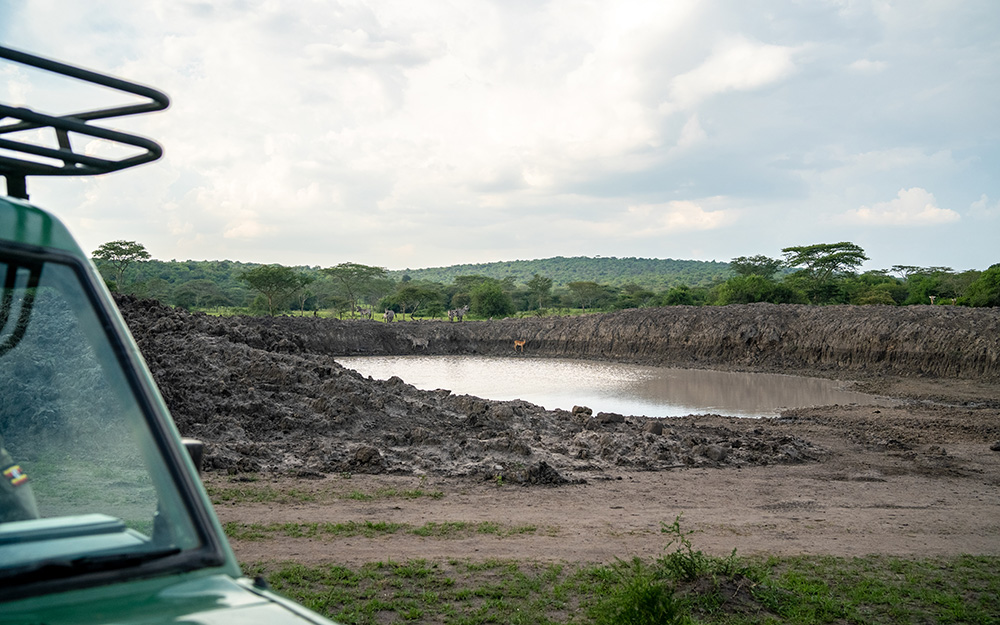
A game drive through Lake Mburo’s rolling savanna is a memorable experience. Both morning and evening drives offer great chances to see wildlife, and the early and late hours provide the best light for photography and the most animal activity.
Day drives usually begin at 6:00 AM, when animals are most active and the air is cool. You’ll travel through open grasslands with grazing zebras and acacia woodlands where giraffes feed. Because the park is small, you can see a lot in one drive and have a good chance of spotting many different animals.
Night drives let you discover Lake Mburo’s hidden wildlife and are some of the park’s most exciting activities. Using spotlights, you’ll look for leopards, spotted hyenas, and other animals that only come out after dark. The sounds of hyenas across the savanna make the experience both exciting and unforgettable.
Boat Safaris
Gliding across Lake Mburo’s calm waters gives you a new way to see the park’s wildlife, showing you things you can’t spot from land. Boat safaris on the main lake bring you close to hippos, crocodiles, and many kinds of waterbirds, making it a great spot for bird lovers.
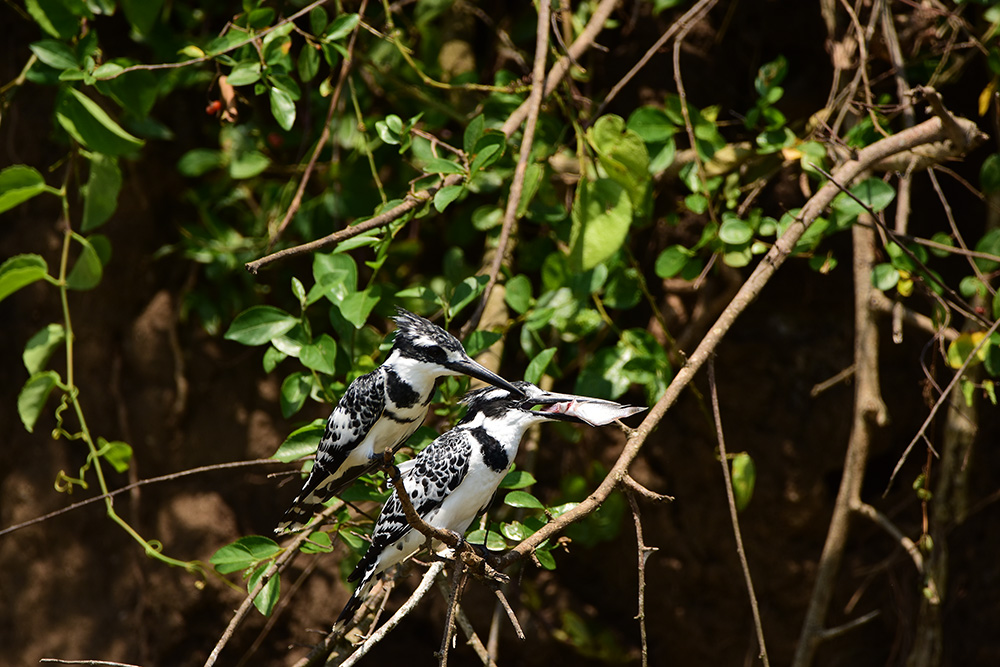
The two-hour boat trips usually begin at Rwonyo landing site and follow the lake’s papyrus-lined shores. Hippos often come up close to the boat, making waves in the water. You might see fish eagles on tree branches and kingfishers flying quickly between the reeds, showing off their bright colors.
These boat safaris are special because they are peaceful and let you enjoy the quiet of the wild as you float on ancient waters. With little engine noise, you can really listen to the sounds of nature all around you.
Walking Safaris
Lake Mburo is one of the few African parks where you can safely explore on foot because there are no elephants or lions. Walking safaris here let you see wildlife up close and connect with nature in a more personal way, moving at your own pace.
Led by armed park rangers, these walks usually last 2 to 4 hours and take you through different areas, from lakeshores to grasslands. You’ll learn how to spot animal tracks, see how plants and animals interact, and notice details you might miss from a vehicle. Meeting a buffalo or giraffe on foot, with just your guide nearby, is an experience you’ll never forget.
During the walk, guides also talk about how local people use different plants and how communities have lived alongside wildlife for generations. These stories help you understand the ecosystem and its role in local culture.
Horse Riding Safaris
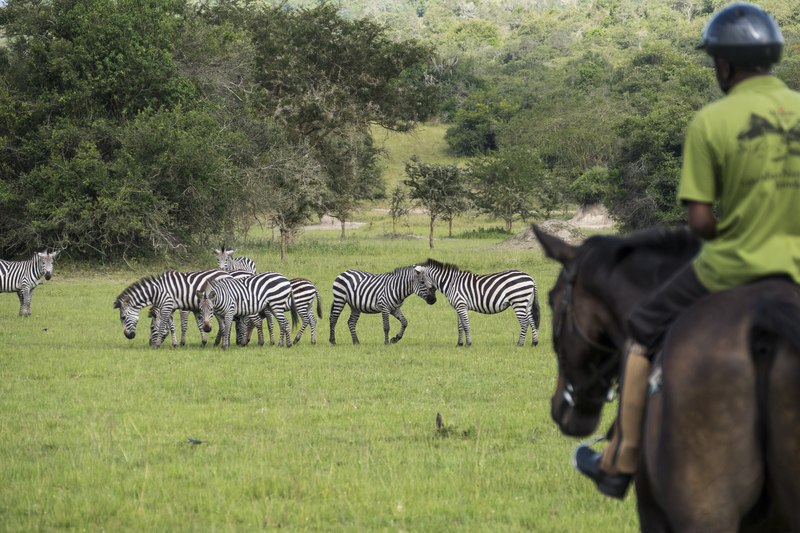
At Lake Mburo, you can experience a safari on horseback, which is rare in East Africa. Horse riding safaris let you move quietly through the park and sometimes get closer to animals that would usually run from vehicles.
The safari horses are well-trained and used to being around wildlife, so even riders with some experience can feel safe. Rides usually last 2 to 3 hours and follow scenic paths by the lake and through acacia woods. Riding gives you a sense of adventure and lets you enjoy wide views of the landscape.
Horse riding at Lake Mburo is special because the horses and wildlife are curious about each other. Zebras sometimes come close to check out the horses, giving you unique chances for photos. Being higher up also helps you see over the tall grass and take great landscape pictures.
Cycling Tours
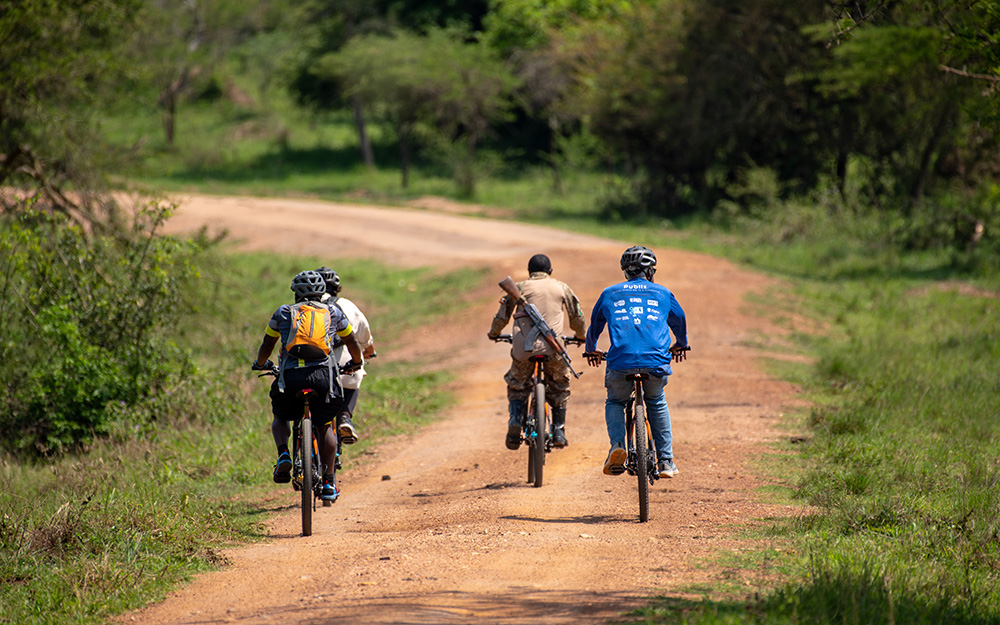
If you like adventure, cycling in Lake Mburo is a green way to explore the park and get some exercise while watching wildlife. The park is mostly flat and has many tracks, making it one of Uganda’s best parks for cyclists of all skill levels.
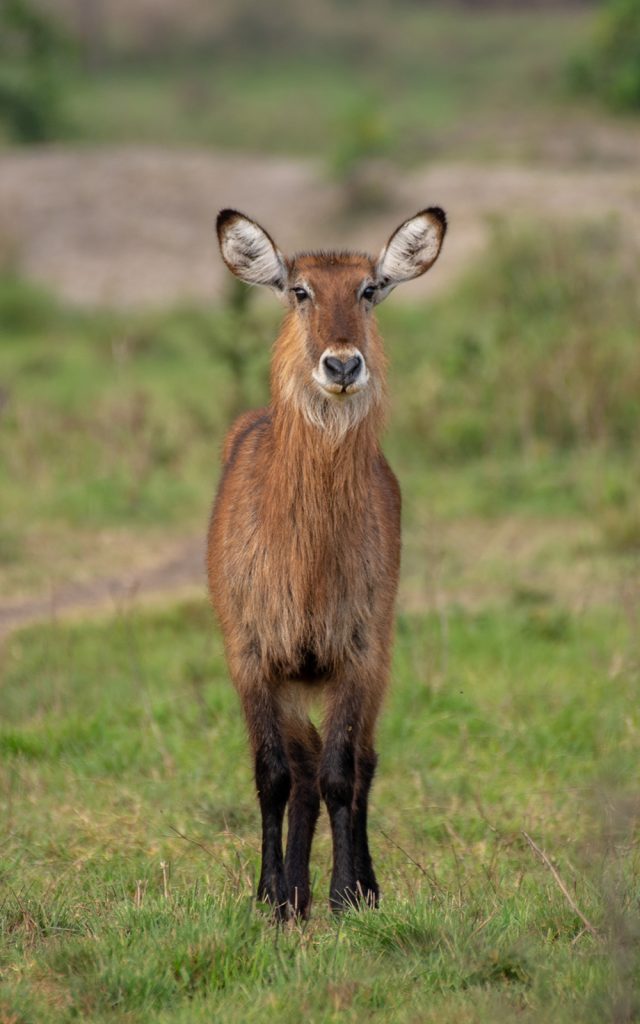
Guided cycling tours usually cover 10 to 15 kilometers and pass through different habitats where you might see animals like zebras and waterbuck. Because cycling is quiet, you can often get closer to wildlife than in a vehicle, and the slower pace is great for taking photos and watching birds.
Cycling also gives you the freedom to stop whenever you see something interesting, like a great view or a rare bird, or just to enjoy the peaceful setting. Many visitors say cycling is the highlight of their trip to Lake Mburo.
Cultural Encounters
To get the full Lake Mburo experience, take time to meet the local Banyankole communities, who have lived here for generations. Cultural tours show you traditional cattle keeping, local brewing, and customs that are still part of daily life.
You can visit traditional homes where families show how they milk cattle and explain why the long-horned Ankole cattle are important in their culture. You might even try milking one yourself. Local women often share how they cook and brew drinks, giving you a real taste of rural Ugandan life.
These cultural visits help support local communities by bringing in tourism income and keeping traditions alive. The friendly Banyankole people make these experiences feel like real cultural exchanges, not just tourist stops.
Photography Experience
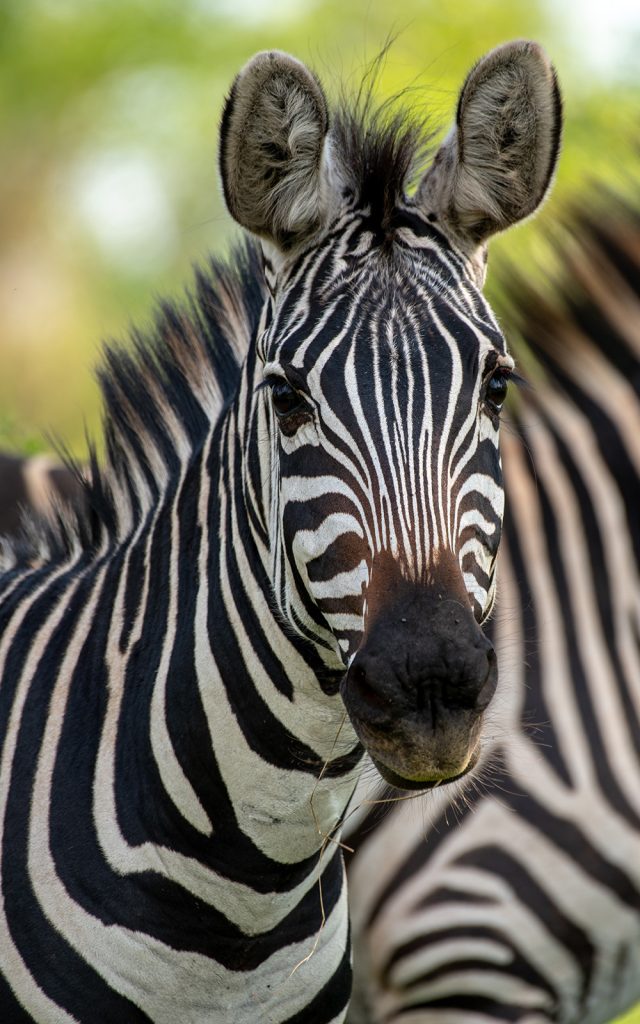
Lake Mburo is a great place for photographers, with new photo opportunities around every corner. The open landscape gives you good light all day, and there’s a wide range of subjects, from close-up animal shots to wide landscape views.
The best times for photos are just after sunrise and before sunset, when the light is warm and perfect for both animals and landscapes. Zebras look especially striking against the golden grass, and rocky outcrops make great backgrounds for pictures of antelope and other wildlife.
If you love bird photography, Lake Mburo is a great choice, with over 350 species from small sunbirds to large marabou storks. Boat safaris are perfect for photographing waterbirds, and the park’s different habitats let you see both forest and savanna birds in one day.
Because Lake Mburo isn’t crowded, you can take your time with your photos without feeling rushed by other vehicles or people. Many professional photographers say it’s one of Uganda’s hidden gems for wildlife photography.
Trees and Forest Areas
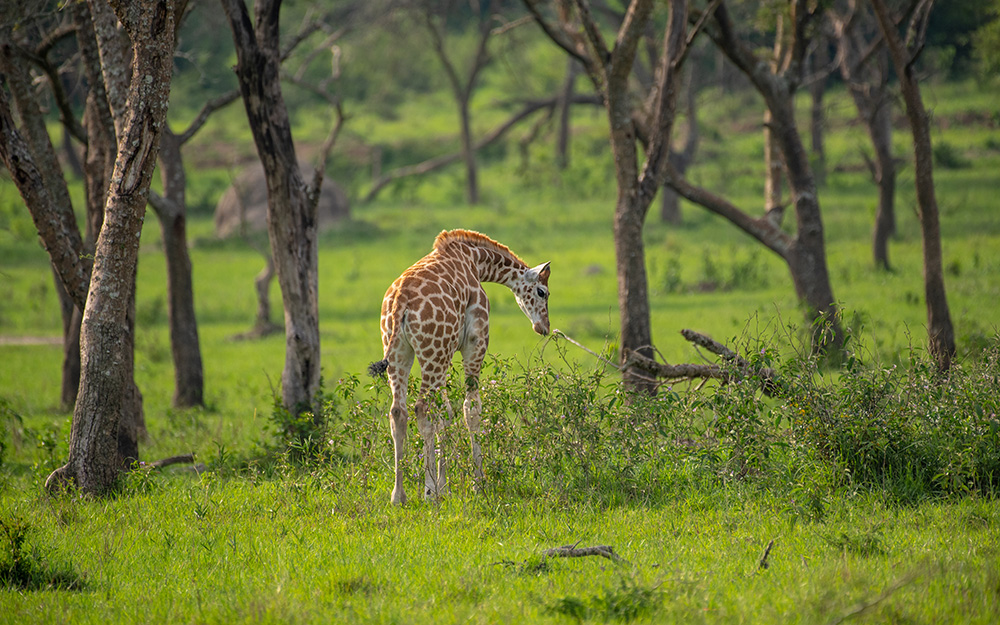
Lake Mburo is mostly savanna, but it also has woodlands and forests along streams that add to its rich variety of habitats. The acacia trees you see across the park are not just beautiful; they are key to supporting many other plants and animals.
Acacia hockii is the main tree in the park’s woodlands, with its flat top giving the classic African savanna look seen in many safari photos. These trees give animals shade and birds a place to sleep. When they bloom with yellow flowers, they attract insects, which then bring in birds that eat them.
By the lake and along streams, there are patches of forest that support different animals. These forests are important for species like bushbuck and forest birds that need trees to survive. Where the open savanna meets the forest, you’ll find especially rich wildlife.
Fig trees are found all over the park and provide food for many animals. When the trees have fruit, they attract animals like baboons and many birds, making them great spots to watch wildlife if you wait patiently.
Bird Watching Paradise
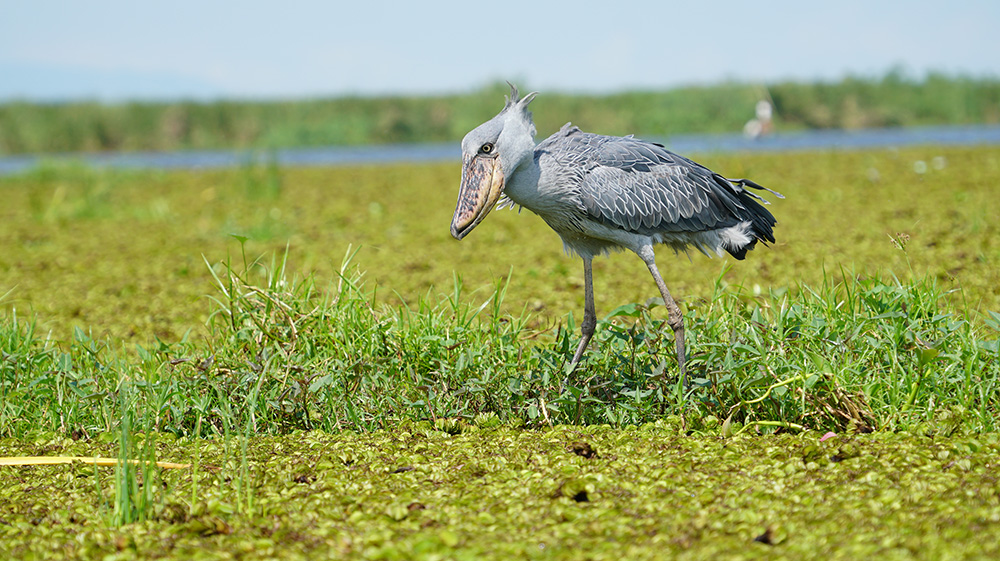
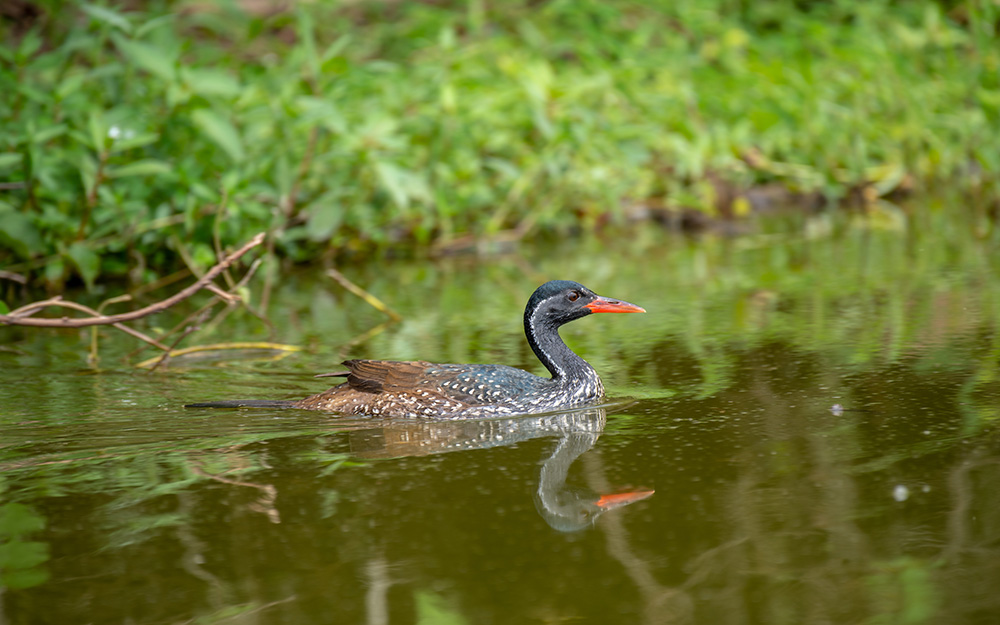
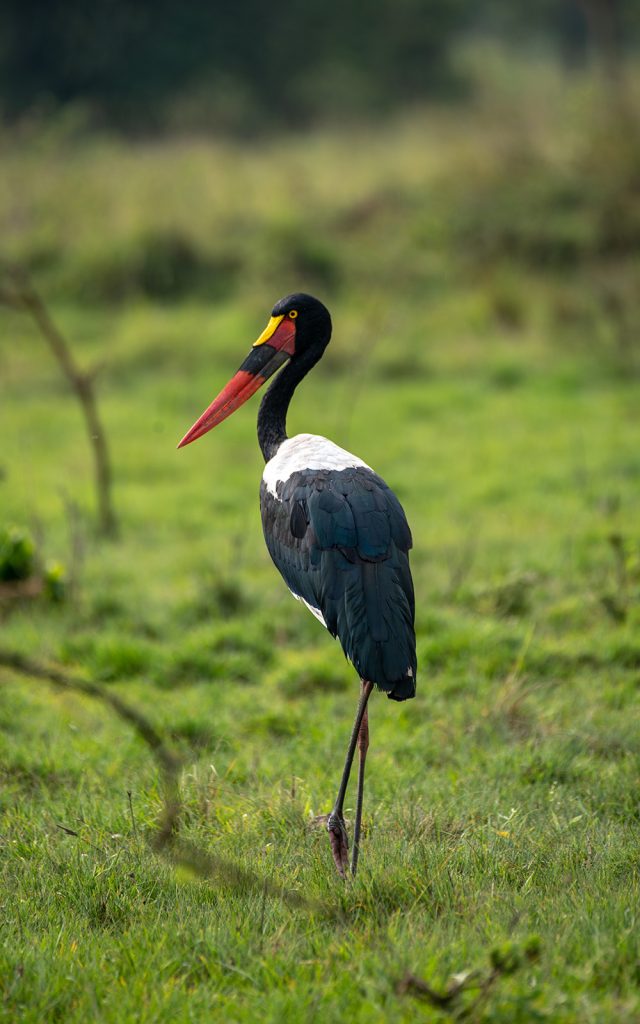
Lake Mburo is one of East Africa’s best places for birdwatching, with over 350 species in a small area.
The park’s mix of open water, swamps, woodlands, and rocky spots means you can see birds here that you won’t find together anywhere else in Uganda.
The Shoebill, a rare and highly desired bird, sometimes visits the park’s papyrus swamps, but seeing one takes patience and luck.
African Fish Eagles are easier to spot as they hunt over the lakes, and their calls are easy to recognize.
Saddle-billed Storks, with their striking colors, can be seen wading in shallow water and make great photo subjects.
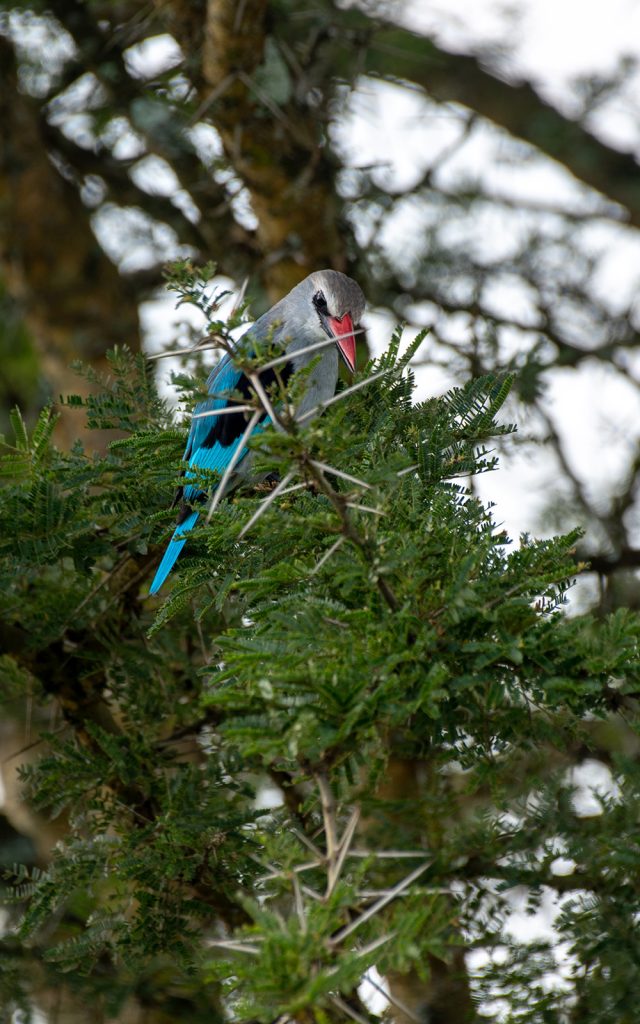
In the acacia woodlands, you can find colorful birds like Lilac-breasted Rollers, Red-headed Weavers, and different sunbirds.
Rocky spots are home to Rufous-naped Larks and Capped Wheatears, while the open grasslands have Secretary Birds and ground-hornbills.
At night, you can see a different set of birds, like owls and nightjars, that you won’t spot during the day. There are so many species that even experienced birdwatchers often find new ones each day they visit.
Sample Itinerary
Our trips to Lake Mburo National Park in Uganda are often a highlight for our guests. The itinerary below is one of our most popular options. We recommend trying it for a great mix of Lake Mburo’s wilderness experiences.
Join us for a memorable 5-day trip through Uganda’s green highlands and vibrant cultural sites. You’ll start in Entebbe, visit…
- Jan
- Feb
- Mar
- Apr
- May
- Jun
- Jul
- Aug
- Sep
- Oct
- Nov
- Dec
When to Visit Lake Mburo National Park
When you visit Lake Mburo can affect your safari, but the park is good for wildlife viewing all year.
The dry seasons, from June to August and December to February, have the best weather and make it easier to see animals as they gather near water.
In the dry months, the grass is shorter, so it’s easier to see animals, and the park roads are in good shape.
Boat safaris are also more dependable because the lake is stable and the weather is calm. These months are busier and more expensive, so it’s best to book early.
The wet seasons, from March to May and September to November, turn Lake Mburo green and lush, which is great for photographers who like bright colors and dramatic skies.
It’s also the best time for birdwatching, and you might see young animals as many are born during this time.
Many people don’t know that Lake Mburo gets less rain than other parts of Uganda, so even in the wet season, you often just get short showers in the afternoon, followed by clear skies and good wildlife viewing.
Lake Mburo National Park Fees and Permits
When planning your budget for Lake Mburo, keep in mind that park fees are different for foreign visitors, East African residents, and Ugandan citizens. Foreigners pay $40 per person for 24 hours, East African residents pay $20, and Ugandan citizens pay UGX 20,000. These rates help make the park accessible to local people.
There are also vehicle fees: foreign visitors pay $30 per vehicle per day, while residents and citizens pay less. Boat safaris cost an extra $30 per person for foreigners, with lower rates for locals. Walking safaris are $30 per person for foreigners, and cycling and horseback riding have their own fees.
The activity fees may seem high, but they help pay for conservation, ranger salaries, and community programs that keep Lake Mburo running. Many visitors feel the close wildlife encounters and quiet atmosphere make the park a good value compared to more crowded and expensive places.
Keep in mind that fees can change, so check the latest rates with Uganda Wildlife Authority or your tour operator before you go.
What to Pack for Lake Mburo
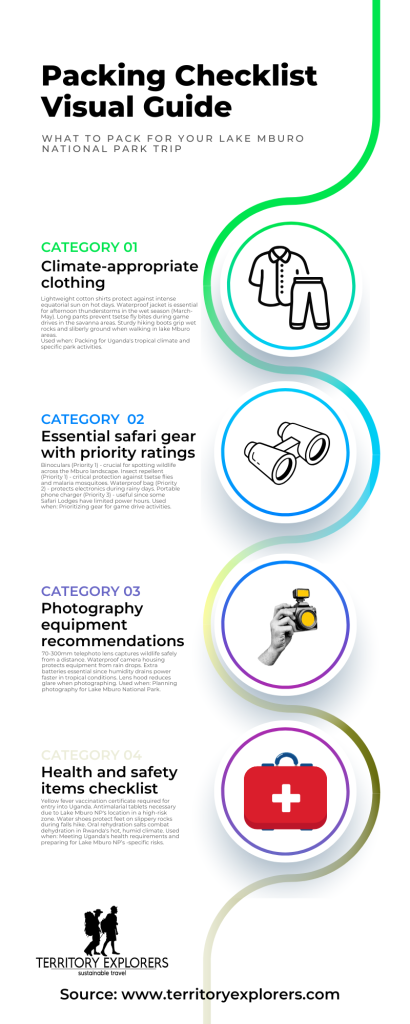
Packing well for Lake Mburo can make your safari much more comfortable and successful. Wear neutral colors like khaki, brown, or olive green to blend in and avoid scaring animals. Long sleeves and pants protect you from the sun and insects.
If you don’t already have them, bring a good pair of binoculars—8×32 or 10×42 are ideal for wildlife viewing. Also, pack your camera with extra batteries and memory cards, since you’ll likely take more photos than you expect.
Sun protection is important in the open savanna, so bring a wide-brimmed hat, high-SPF sunscreen, and good sunglasses. A light rain jacket is useful for sudden showers and cool mornings. Wear comfortable walking shoes with ankle support if you plan to join walking safaris or cultural tours.
Bring insect repellent, as there can be mosquitoes near the lakes, plus a basic first aid kit, any medicines you need, and a reusable water bottle to stay hydrated. Many people also find a small flashlight helpful for getting around at night, and a warm layer for cool mornings and evenings.
Planning Your Lake Mburo Safari
Lake Mburo is flexible—you can enjoy it whether you have just one day or a whole week. A single day is great for travelers passing through, giving you a taste of Ugandan wildlife that might make you want to come back for longer.
To get the most out of Lake Mburo, spend two or three days so you can try different activities without rushing. For example, you could do a game drive when you arrive, a boat safari the next morning, and a walk or horseback ride before you leave. This way, you see different parts of the park and still have time to relax.
With three days, you can really immerse yourself, try night drives, meet local people, and take time to watch wildlife without feeling rushed. Some people visit Lake Mburo first to get used to African wildlife before going gorilla trekking, while others come here at the end of their trip to relax.
The park is in a great spot for combining with other Ugandan attractions. It’s on the way to Queen Elizabeth National Park, Bwindi Impenetrable Forest, or Rwanda’s Volcanoes National Park, so it’s easy to add to a longer East African trip.
Lake Mburo Conservation and Community Relations
Lake Mburo’s conservation success depends on good relationships between the park and local communities. The park’s changing size over the years shows the ongoing challenge of meeting both conservation goals and local needs.
Today, conservation work at Lake Mburo includes restoring habitats, stopping poaching, and bringing back species. One big success was reintroducing Rothschild’s giraffes, showing that with good management, even animals that disappeared from the area can return.
Community programs give local people new ways to earn a living, like jobs in tourism, selling crafts, and learning about conservation. Revenue sharing means communities get direct benefits from tourism, which encourages them to protect wildlife. These efforts are key to the park’s future.
The park is also an important place for research on savanna ecosystems and wildlife management, with lessons used across East Africa. Current studies look at ways to reduce conflict between people and animals, manage grazing, and adapt to climate change.
Practical Information and Park Regulations
Knowing the rules at Lake Mburo keeps you safe and helps protect the park’s wildlife. All visitors must go with trained guides for walking safaris and night drives. This keeps you safe and lets you learn more from the guides’ experience.
Speed limits are strictly enforced in the park to prevent accidents and avoid disturbing animals. Always stay on marked roads and tracks to protect the environment. Never feed wildlife, as it can harm them and lead to serious problems, and there are strict penalties for doing so.
Park gates are open from 7:00 AM to 7:00 PM, but registered guests can come in earlier or leave later if arranged. Cell phone service is limited, so let your family and friends know before you go. The closest medical help is in Lyantonde or Mbarara, so make sure you have travel insurance and any medicines you need.
Lake Mburo is generally very safe, but always listen to ranger instructions, especially on walking safaris or when near big animals like buffalo. The park’s small size and good facilities make it a great choice for first-time safari visitors and families with children.
Frequently Asked Questions
Lake Mburo National Park covers 370 square kilometers (143 square miles), making it the smallest savanna national park in Uganda. Even though it is small, the park is full of diverse wildlife and can be explored in just a few days.
Lake Mburo is the only place in Uganda where you can see impalas, and one of the few parks where zebras roam freely. The park is also known for its boat safaris, reliable leopard sightings, and special activities like horseback riding and walking safaris, which are rare in most African parks.
Lake Mburo was first set aside as a controlled hunting area in 1933 during the colonial period. Over time, it went through several changes before becoming a protected national park.
Lake Mburo National Park became an official national park in 1983. In 1986, its size was reduced from 650 to 260 square kilometers because of community concerns, but it was later expanded to its current 370 square kilometers.
Lake Mburo National Park is in Kiruhura District in western Uganda, about 240 kilometers southwest of Kampala. It is located along the Kampala-Mbarara highway, so it is easy to reach by road.
Lake Mburo National Park is in Kiruhura District, western Uganda. It borders several sub-counties in the district and has long been part of the traditional cattle-keeping area of the Banyankole people.
Conclusion
Lake Mburo National Park offers a close-up safari experience and proves that small parks can offer big adventures. Whether you are seeing African wildlife for the first time or looking for a peaceful escape from busier parks, Lake Mburo will leave you with lasting memories.
Contact us at info@territoryexplorers.com to book your tour to Lake Mburo National Park. We’ll guide you through the safari details, handle all the paperwork, and let you relax and enjoy nature.