
Many travelers miss Uganda’s second-highest mountain, which is part of what makes Mount Elgon such a hidden gem in East Africa. Found on the Uganda-Kenya border about 235 kilometers east of Kampala, this 1,279 square kilometer park is home to Africa’s oldest mountain. It’s truly one of the continent’s most overlooked wilderness spots.
The mountain reaches 4,321 meters at Wagagai Peak. But what stands out is not just its height, but the amazing variety of life and landscapes found on its old slopes.
Mount Elgon is truly special because it contains the world’s largest intact volcanic crater, which is 8 kilometers wide. Visitors can walk inside what was once the center of volcanic activity. As you climb, the mountain takes you through five distinct zones: tropical montane forests, bamboo, heath, moorlands, and finally, alpine areas. Some of the giant plants here look almost otherworldly.
Climbing Mount Elgon feels like moving between different continents with each step. Even seasoned travelers are often surprised by the changing scenery.
One of the best things about Mount Elgon is that you can enjoy real mountain wilderness without needing advanced climbing skills or a big budget. Unlike the busy trails of Kilimanjaro or the technical climbs of the Rwenzoris, Mount Elgon is open to adventurous travelers of all experience levels. It’s a great choice for both first-time climbers and seasoned hikers looking for a quieter, more personal experience.
Key Takeaways
- Mount Elgon National Park is Africa’s oldest volcanic mountain and Uganda’s second-highest peak at 4,321 meters. Found on the Uganda-Kenya border, the park features the world’s largest intact volcanic caldera, measuring 8 kilometers across. It gives visitors a true East African mountain experience that doesn’t require advanced climbing skills.
- The park is known for its unique elephant caves, where forest elephants dig for salt underground—a rare behavior in the animal world. Caves like Kitum Cave stretch over 200 meters. The park also supports a range of ecosystems across five vegetation zones, from montane forests to alpine moorlands, and is home to nearly 300 bird species.
- Mount Elgon contains the world’s largest intact volcanic caldera, which spans 8 kilometers in diameter.
- Mount Elgon is home to the Bagisu and Sabiny peoples, whose traditions and ceremonies are closely connected to the mountain. The Bagisu hold their Imbalu circumcision ceremony every two years. Their sustainable farming methods show a deep, lasting bond with both culture and the environment.
- The park offers accessible multi-day treks on four main trails: Sasa, Sipi, Piswa, and the new Bushiyi route. These trails suit a range of fitness levels and interests. Costs typically range from $200 to $800 per person, making Mount Elgon a great choice for travelers looking for challenging but manageable mountain adventures.
Geography and Physical Features
Mount Elgon
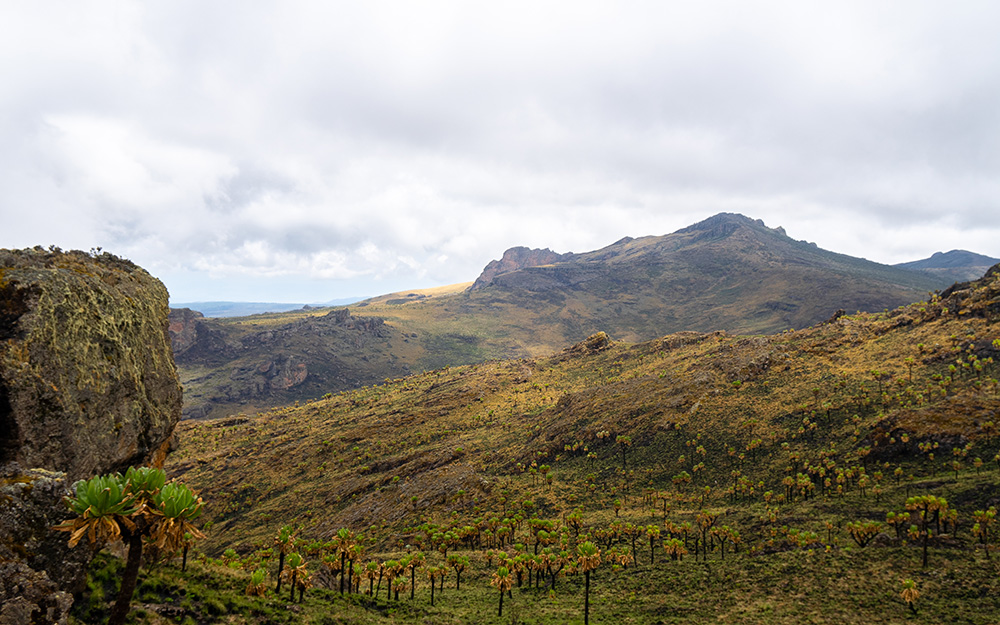
When you stand on the rim of Mount Elgon’s volcanic crater, you get a sense of the planet’s ancient history. The caldera, which is 8 kilometers wide, is the largest intact volcanic crater in the world. It formed more than 24 million years ago during volcanic eruptions so powerful that Mount Elgon was once taller than Kilimanjaro.
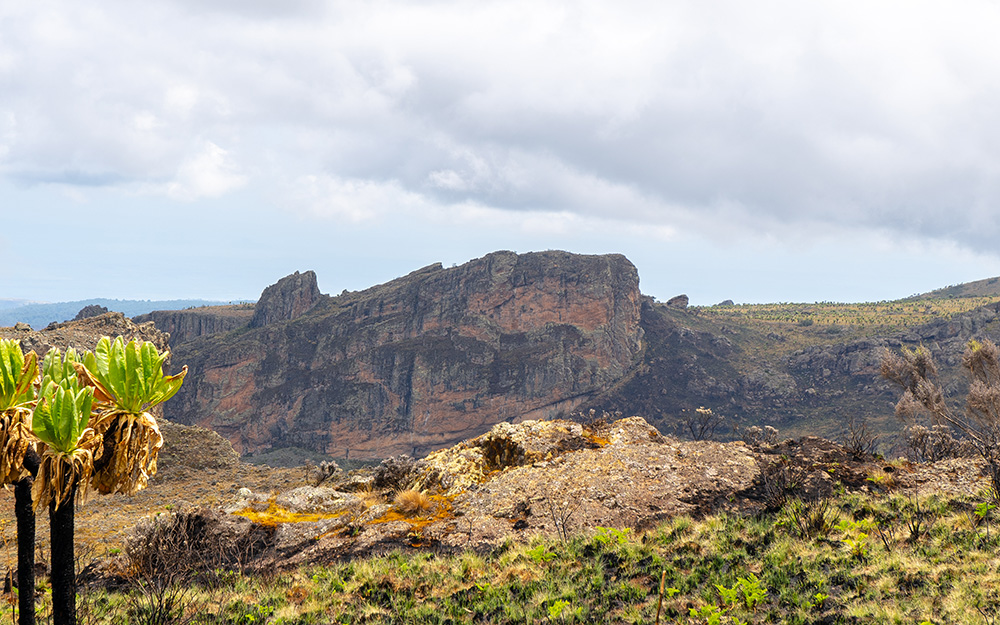
Mount Elgon is one of the world’s largest shield volcanoes, covering about 4,000 square kilometers and measuring 50 by 80 kilometers. Unlike steep volcanic cones, shield volcanoes form broad, gently sloping domes from fluid lava, with a shallow profile of only 3-4 degrees. Even with its gentle slopes, the mountain’s western side has striking basalt cliffs that stretch for kilometers and rise up to 300 meters. These yellow ochre cliffs are where many rivers tumble down, creating the mountain’s famous waterfalls.
Over time, erosion has shaped Mount Elgon into the gentle, rounded mountain we see today. This appearance can fool visitors into thinking the climb is easy, but it is more challenging than it looks.
Mount Elgon’s rocks reveal a long geological history. Volcanic formations, old lava flows, and mineral deposits show some of Earth’s most dramatic events. Standing inside the huge caldera gives you a real sense of the mountain’s scale and connects you to natural processes that few people get to see up close.
After huge eruptions emptied the volcano’s magma chamber, the central cone collapsed inward, forming a 7 by 8 kilometer wide depression. The caldera is surrounded by the remains of the old cone. The highest points along this rim are now the main peaks: Wagagai (4,321m), Sudek (4,302m), Koitobos (4,222m), Mubiyi (4,211m), and Jackson’s Summit (4,165m). The look of these peaks changes with the weather and light throughout the day.
The Nkokonjeru arm is a 25-kilometer-long ridge of lava that flowed from a side vent on Mount Elgon’s southwestern side after the central cone collapsed and blocked the main volcanic chamber.
Mount Elgon’s location on the border between Uganda and Kenya adds another layer of interest. Uganda gives easier access to the highest peaks, while Kenya offers different cultural experiences and route options. This shared geography allows for international adventures and shows how natural wonders can bring together different communities for conservation.
Mount Elgon’s gentle volcanic slopes make it more accessible than many other East African mountains. Still, experienced guides caution visitors not to underestimate the physical demands of the climb.
Landscape Zones and Vertical Ecosystems
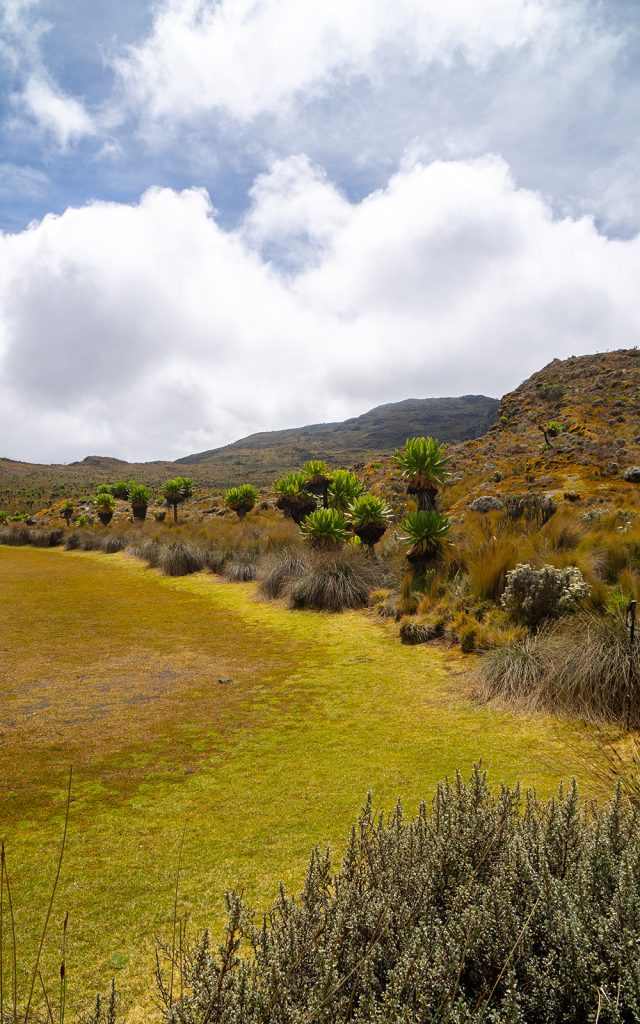
With every 1,000 meters you climb on Mount Elgon, the environment changes dramatically. It feels as if there are five different national parks layered on the mountain.
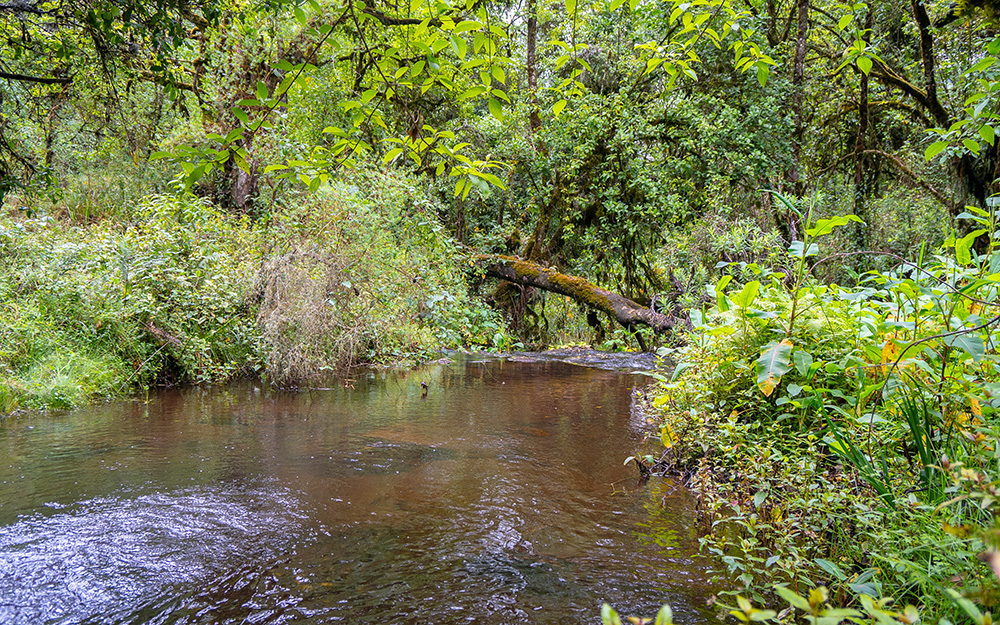
The Montane Forest Zone (1,500-2,500m) covers the base of the mountain with tall Elgon olive and wild fig trees. Sunlight shines through the thick canopy, creating patterns that attract photographers. Walking here gives a sense of the forest’s age and natural beauty. The air smells earthy from decomposing leaves, and you can hear your footsteps on the leaf litter, along with bird calls and the occasional sound of colobus monkeys above.
The Bamboo Zone (2,500-3,000m) is marked by dense bamboo stands that form natural tunnels and pathways. The wind moving through the bamboo creates soft sounds, making the area feel peaceful. However, the thick growth can make it easy to lose the trail if you are not careful. The steady climb in this zone is challenging and requires good physical fitness.
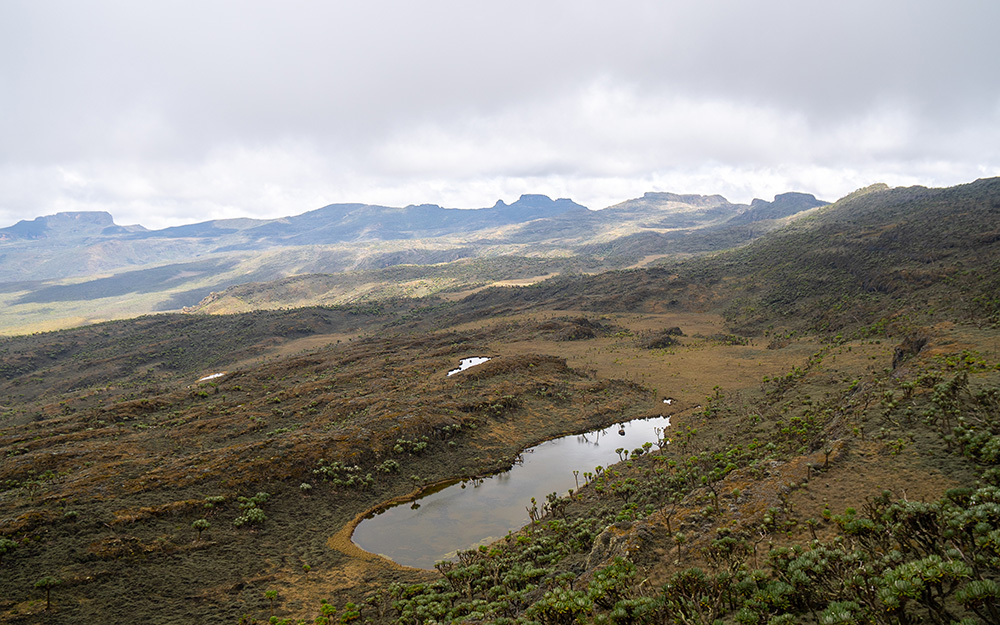
The Heath Zone (3,000-3,500m) features large heathers and St. John’s wort. The landscape here looks similar to the Scottish highlands, even though it is in equatorial Africa. The effect is unusual and memorable.
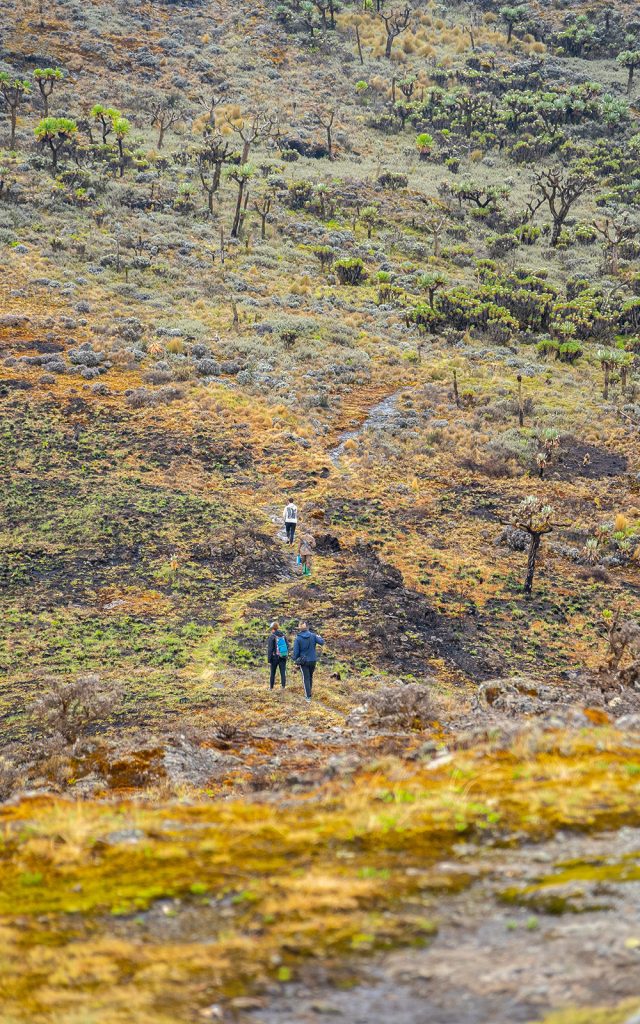
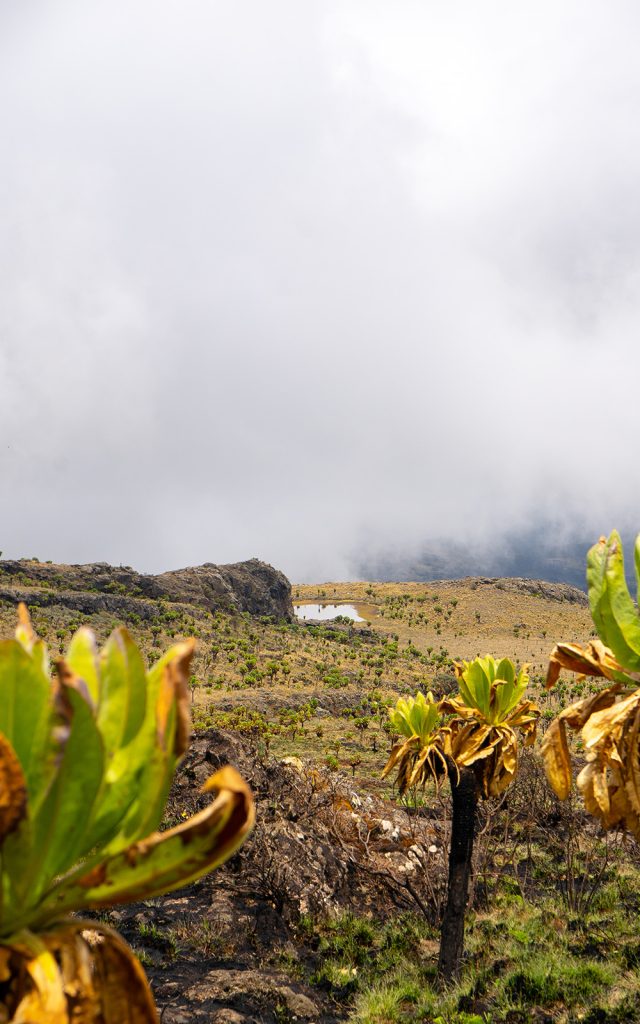
The Moorland Zone (3,500-4,000m) is made up of wide grasslands with tussock grasses and unique giant groundsels and lobelias. These plants are found only here, giving the area a landscape that looks very different from anywhere else.
The Alpine Zone (above 4,000m) is a harsh but beautiful area where only the toughest plants can survive. Everything here shows how life adapts to extreme conditions.
Biodiversity and Wildlife
Forest Elephants and Their Caves
Welcome to one of the world’s most unforgettable wildlife experiences. Watching a massive elephant move through the darkness of Kitum Cave is truly awe-inspiring. Mount Elgon’s forest elephants have developed a unique behavior: they travel deep underground into caves to dig for salt-rich earth. Using their tusks and trunks with impressive skill, they show the results of thousands of years of learned wisdom.
These digging sessions are not random. Elephants use knowledge passed down through generations. They follow specific routes, target certain mineral deposits, and help maintain cave structures that have stayed stable for decades.
What makes this behavior so fascinating is that elephants do not simply wander into any cave looking for salt. They rely on knowledge passed down through generations. Mothers teach their calves where to dig, how to move in darkness, and which passages lead to the best salt. The sight of these large animals in tight cave spaces offers unique photography opportunities. To capture good photos, you need to understand elephant behavior, work with cave lighting, and show respect for these intelligent animals.
The caves are much more than just paths for elephants. Kitum Cave stretches over 200 meters into the mountain and contains many chambers and passages. These spaces support bats, insects adapted to caves, and striking geological formations. Standing in these chambers, with walls polished by generations of elephants, gives visitors a sense of connection to ancient natural processes.
The acoustics in these caves turn whispers into echoes, and every step sounds loud, adding to the excitement of this remarkable wildlife experience.
Primates of Mount Elgon National Park
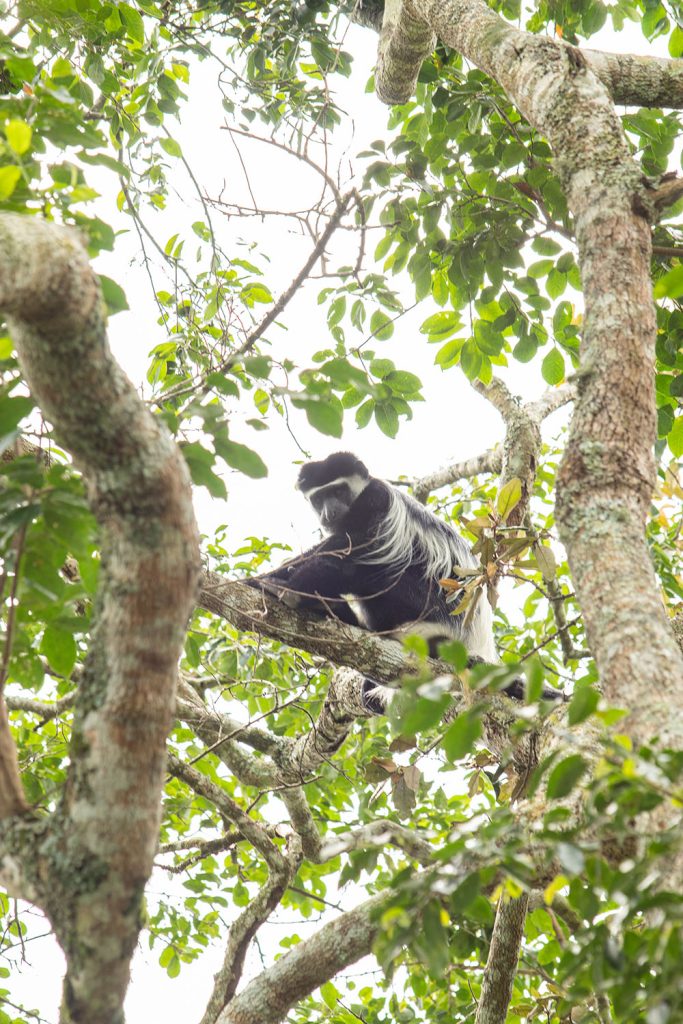
Black-and-white colobus monkeys are the acrobats of Mount Elgon. Watching them leap between trees with their long white fur is a highlight for many visitors. These leaf-eating monkeys live in the montane forests. Their loud calls echo through the valleys before you see them, creating a natural soundtrack. They often stay hidden in the thick canopy, making them difficult to photograph.
With patience, you can observe their complex social behavior. Family groups move together and communicate using sounds and gestures. This shows a level of intelligence that many visitors may overlook.
Blue monkeys are named for their color, though they are more grayish-blue. Their dark faces give them thoughtful expressions. These social primates have group dynamics that include hierarchy, cooperation, and family relationships, which can be surprisingly similar to those in human societies.
Early morning hours provide the best viewing opportunities when the forest comes alive with feeding activity. Success requires patience and the willingness to stand very still while monkeys decide whether you’re threatening or just another weird forest feature.
Red-tailed monkeys are known for their copper-colored tails, which stand out in the green forest. These smaller monkeys are skilled at jumping between branches, moving with impressive speed and agility.
Vervet monkeys are sometimes seen at lower elevations. They are curious and playful, often appearing near the edges of the park where human activity attracts their attention. Their behavior makes them both popular and sometimes challenging for visitors.
Birdlife of Mount Elgon National Park
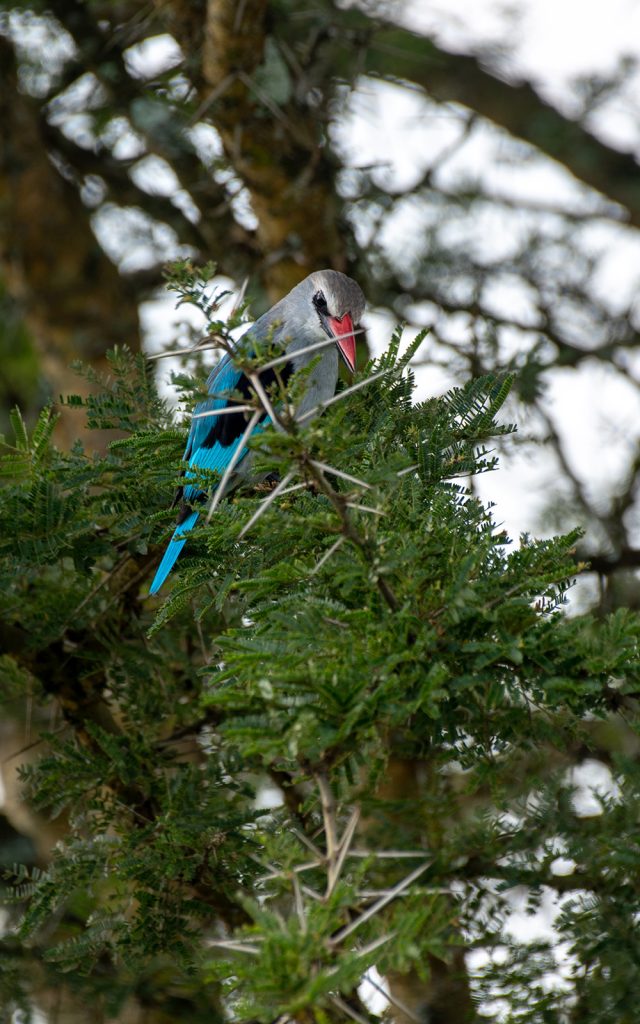
For birding enthusiasts, mornings on Mount Elgon are always exciting. The species you see can change a lot depending on altitude, season, and luck. There are 296 bird species here, including 40 that are hard to find elsewhere, like Jackson’s francolin, black-collared apalis, and Tacazze sunbird. In the montane forests, you might hear the haunting calls of Hartlaub’s turaco. Their emerald and blue feathers stand out like jewels in the green canopy. Spotting one takes patience and luck, making each sighting feel like a real discovery.
Jackson’s francolin is unique to Mount Elgon and is the kind of rare bird that draws dedicated birders from around the world. Many spend days hiking tough trails just for a brief chance to see one.
Mount Elgon’s birding stands out because of the daily movement of birds up and down the mountain. Birds follow food and comfortable temperatures, so the species you see in the morning can be very different from those you spot in the afternoon, even in the same place. Birds move through the mountain’s zones as light, insect activity, and temperatures change.
Because birds are always on the move, every birding trip feels fresh and full of surprises. You never know what you might find around the next bend or at a new elevation.
Many serious birders actually prefer visiting during the wet season, even though hiking can be tougher. There are more species to see and lots of breeding activity, making it worth braving the weather. Mountain buzzards and different sunbirds add color to the landscape, often soaring close to the trails on mountain air currents, giving you a great view.
At higher elevations, the eastern bronze-naped pigeon brings a touch of elegance, while alpine chats add bright colors to the otherwise harsh upper mountain areas. Few other animals can handle these tough conditions.
Indigenous Cultures and Communities
The Bagisu People: Guardians of Masaba
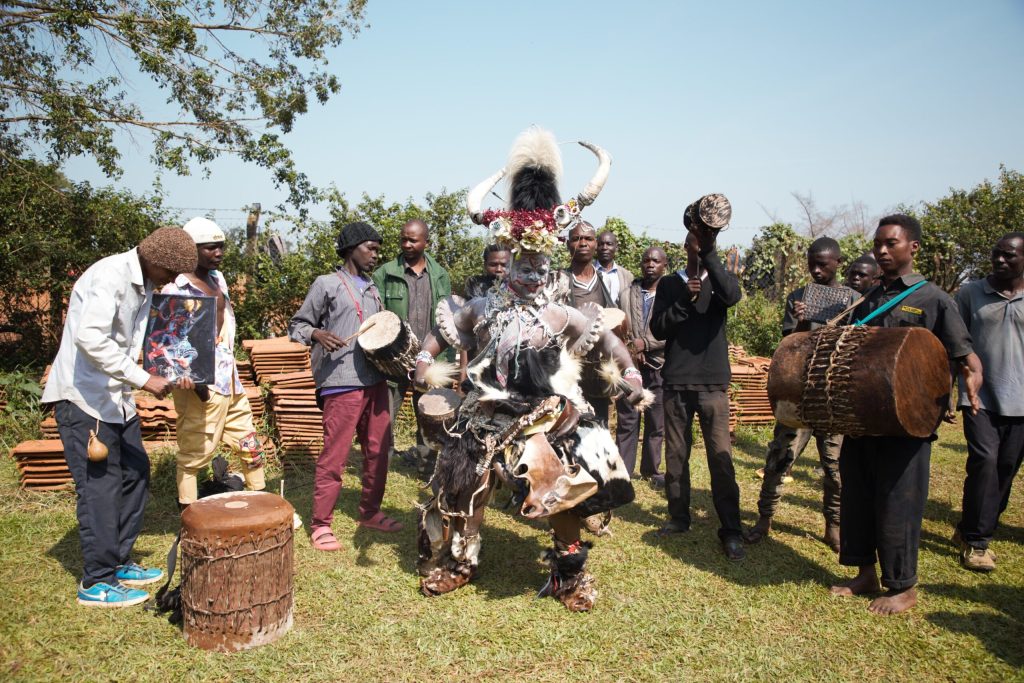
The Bagisu people see Mount Elgon as their ancestral home and believe it is where spirits watch over and guide them. They call the mountain “Masaba” to honor their legendary ancestor, who they say first settled these slopes and started traditions that still shape their lives.
The Bagisu use terracing to turn steep volcanic slopes into productive farmland. Even a short stay with them shows how people can keep strong spiritual ties to the land. They find ways to face modern changes while holding onto their traditions.
Imbalu Circumcision Ceremonies Every even-numbered year, Bagisu communities celebrate the Imbalu circumcision ceremonies. These are much more than simple rites of passage. The festivals can last for months and include traditional dances, colorful costumes, special preparations, and gatherings that bring generations together.
Every two years, Bamutoto becomes the center of the Imbalu ceremony, a vibrant event where Bagisu boys are welcomed into manhood.
Even seeing smaller celebrations gives visitors a sense of the strong community ties and traditions that the Bagisu maintain. These connections are often hard to find in today’s fast-changing world.
Agricultural Wisdom The Bagisu have developed mountain farming skills over many generations. Modern science is just starting to recognize the value of their methods. Their terraces stop soil erosion and keep water in the ground. They rotate crops to keep the soil healthy without chemicals, and their timing shows a deep knowledge of mountain weather.
Bagisu farmers can read weather signs, predict seasons, and adjust their work to fit mountain conditions. Their skills offer important lessons for farming in tough environments.
Architecture and Medicine Bagisu homes are round and built to handle strong winds and heavy rains. Their design also creates social spaces for large families, blending practical needs with cultural style.
Bagisu traditional medicine uses mountain plants in skilled ways, showing deep knowledge of local botany. Many of these plants are now being researched for modern medical uses.
Governance The Bagisu use elder councils and group decisions to run their communities. Their approach focuses on solving problems and healing, rather than punishment.
The Sabiny People: Masters of Mountain Adaptation
The Sabiny people offer a unique cultural perspective on Mount Elgon. Their traditions connect them to pastoral communities across East Africa, and they have adapted well to the mountain’s challenges. By balancing crop farming with livestock keeping, they make the most of the mountain’s varied ecological zones. Over centuries, they’ve developed seasonal movement patterns and resource management strategies that help them thrive here.
When you spend time with Sabiny communities, you see how traditional societies build sustainable relationships with tough environments. They rely on cooperation and flexible strategies—approaches that modern development projects sometimes miss or ignore.
Democratic Governance The Sabiny have governance systems that would impress any political scientist. Community decisions involve thorough consultations so everyone’s voice is heard before choices are made. Their traditional courts settle disputes by focusing on healing and repairing relationships, not just punishment or exclusion like many modern legal systems.
These ways of governing offer important lessons about how societies can work. The Sabiny put the community’s wellbeing ahead of individual success or competition.
Conservation Practices The Sabiny’s connection to Mount Elgon’s wildlife shows how traditional conservation works. Today’s environmentalists are starting to value and use these ideas. The Sabiny have long used hunting limits, sacred groves, seasonal movements, and careful resource use to protect wildlife—well before the area became a national park.
Learning about these traditional practices helps explain why Mount Elgon’s ecosystems have stayed mostly healthy, even when other East African mountains suffered from too much human pressure.
Traditional Crafts Sabiny crafts are both useful and artistic. They make items that serve daily needs but also carry cultural meaning. Their jewelry uses natural materials from the mountain, turning them into wearable art that tells stories about the seasons, social roles, and spiritual beliefs, linking people to their community’s heritage.
Exploring these craft traditions shows how people can create beauty and meaning from the resources around them, all while keeping a healthy relationship with the environment.
Cultural Heritage Sites
Ancient rock art and an impressive rock gong are found at the granite outcrop at Kakoro. Better preserved frescoes exist at Nyero, near Kumi, 50 kilometers along the Soroti road from Mbale. These archaeological treasures offer glimpses into the region’s ancient human history and artistic traditions that predate written records by centuries.
Activities and Attractions
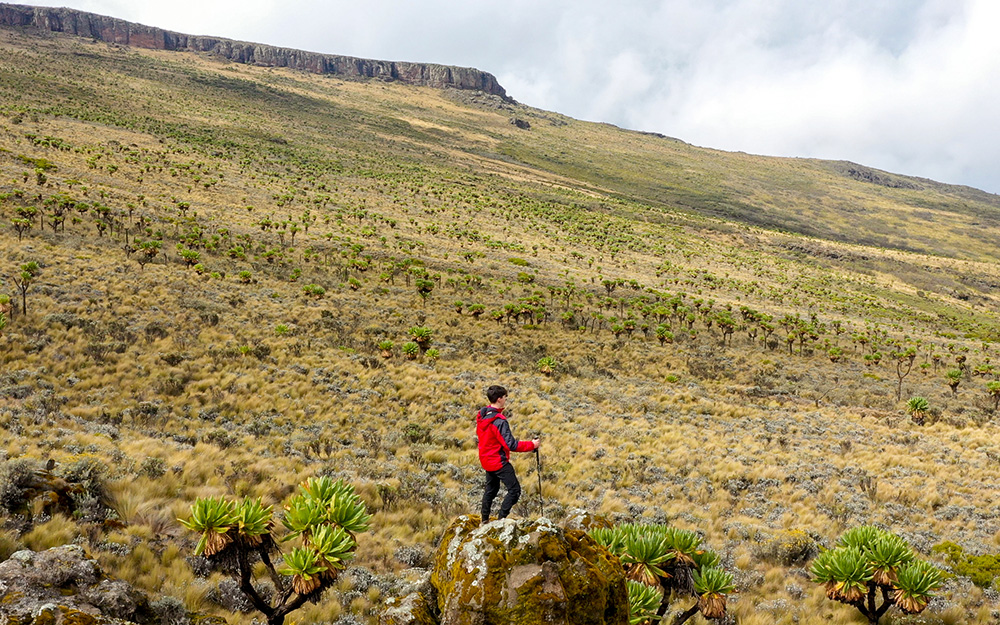
Hiking and Trekking
Mount Elgon’s trekking routes offer something other East African mountains don’t. They provide genuine wilderness challenge without requiring expedition-level technical skills or large budgets.
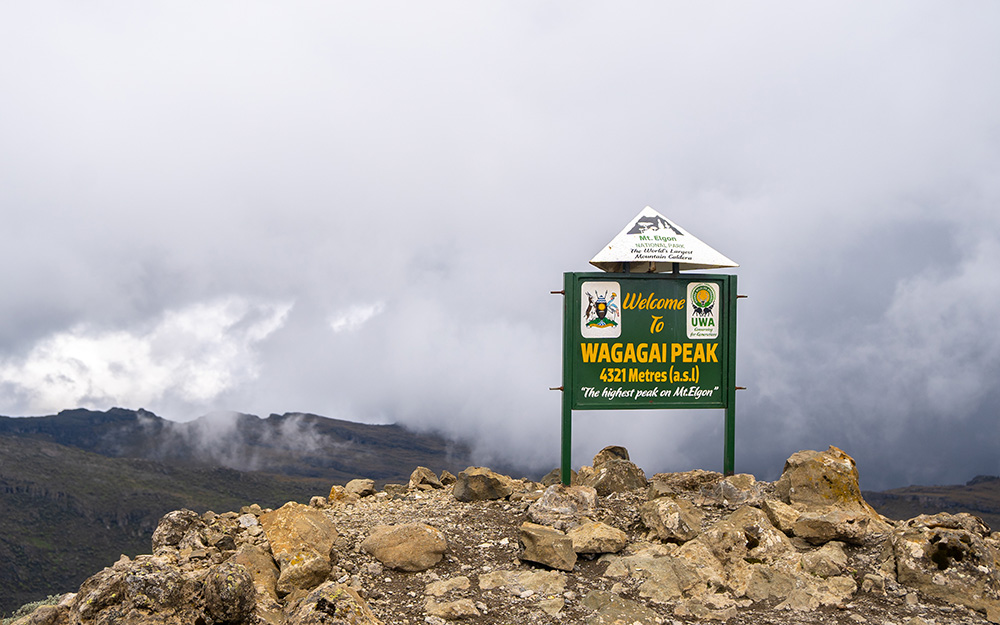
The Sasa Trail, beginning near Budadiri town, is the most popular route to Wagagai Peak. It takes you through all five vegetation zones over four days that feel like traveling through multiple continents. You’ll test every muscle group you forgot you had. What makes this trail special isn’t just reaching Uganda’s second-highest summit. It’s the incredible diversity you encounter each day as landscapes, wildlife, and conditions change dramatically with every step upward.
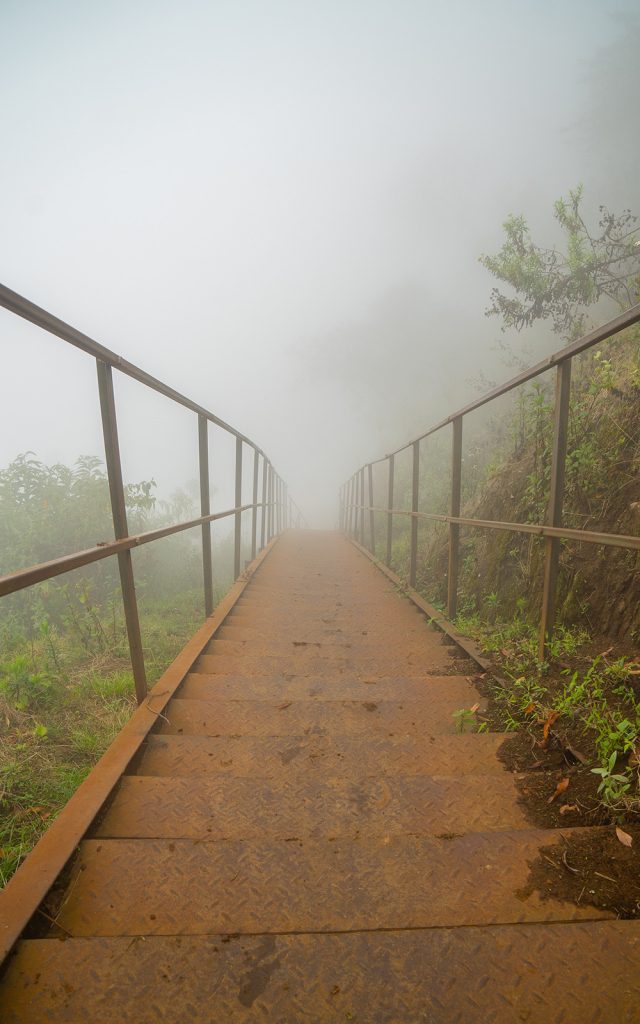
The Sipi Trail offers different experiences. It begins near the famous three-tiered Sipi Falls and provides spectacular scenery from day one. This route appeals to photographers and scenic hikers who want mountain adventure combined with waterfall drama and authentic cultural encounters with communities around the mountain’s base.
The more gradual approach means spending more time in lower vegetation zones. This increases wildlife encounter chances and allows better altitude acclimatization for visitors concerned about mountain sickness.
For experienced hikers craving solitude and a true wilderness challenge, the Piswa Trail provides the most remote experience. It has fewer crowds and navigation challenges that test outdoor skills rather than just physical fitness. This northern approach offers different caldera perspectives and requires real wilderness competency, not just basic gear and a positive attitude.
Wildlife viewing opportunities often exceed those on busier routes. Forest elephants and other species are less habituated to humans and more willing to display natural behaviors.
Opened in 2020, the Bushiyi Trail offers the fastest ascent up Mount Elgon’s southwestern flank. This route reaches Wagagai Peak in just two days: climbing from Bushiyi trailhead to Sayum Cave campsite on day one, then making a short but steep final push to the summit on day two. However, guides warn that this rapid ascent increases altitude sickness risks and should only be attempted by well-acclimatized hikers.
A combination of the above routes may be used. For example, hikers can ascend gently along the Sipi or Piswa routes and descend swiftly to Budadiri using the Sasa trail.
Transboundary hiking options allow adventurous travelers to ascend through Uganda‘s Mount Elgon National Park and descend through Kenya‘s neighboring protected areas, or vice versa. Responsibility transfers between Uganda Wildlife Authority and Kenya Wildlife Service at the border near the hot springs, but arrangements must be confirmed before starting any ascent.
Cave Exploration
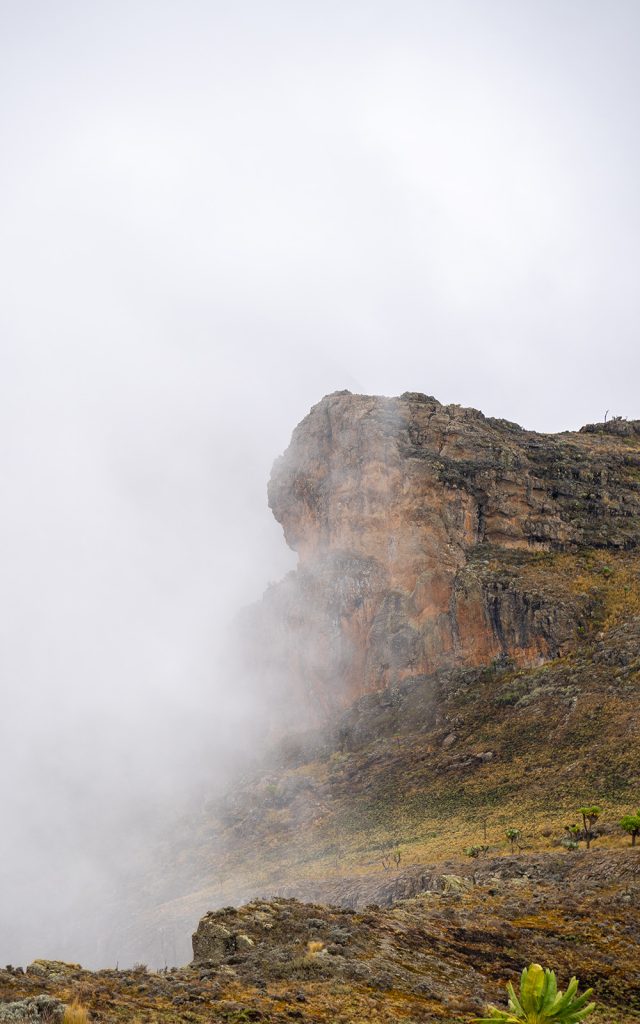
Kitum Cave is unlike most tourist caves. There are no railings or gift shops—just a raw and impressive underground space shaped by elephants over thousands of years. Exploring it is an unforgettable experience.
The chambers extend over 200 meters into Mount Elgon. Here, you share the space with elephants that have shaped these tunnels for thousands of years. The walls, polished by generations of elephants, shine in the light and show the results of their long-term digging.
Standing in these spaces carved by elephants gives a sense of history and connection to nature. The acoustics turn whispers into echoes, and footsteps sound loud throughout the chambers.
Makingeny Cave is more challenging than Kitum Cave and is best for those seeking adventure. Navigating its passages requires scrambling, courage, and a strong sense of adventure.
The cave’s complex layout reads like a geological textbook written by someone with a twisted sense of humor. Tight passages suddenly open into larger chambers, and geological features showcase Mount Elgon’s volcanic tantrums in ways that make you grateful you weren’t around 24 million years ago.
Local guides share both scientific facts and traditional stories, making the cave exploration informative and engaging. The cave’s passages require scrambling and a strong sense of adventure.
Chepnyalil Cave is a good choice for those who want to explore caves with less risk. Its shorter passages and easier navigation make it suitable for visitors looking for a more accessible adventure.
Although Chepnyalil Cave is easier to explore, it still offers impressive views and great photography opportunities. The cave’s connection to the surrounding ecosystem and the role of elephants in shaping these spaces make the experience special.
Bird Watching: Nearly 300 Species Await
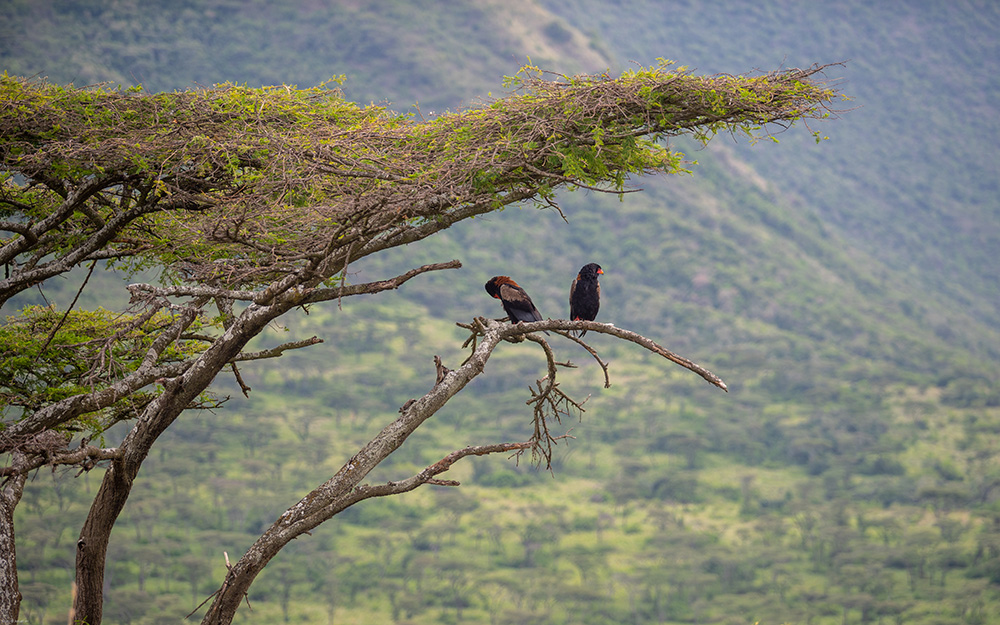
Each morning on Mount Elgon feels like Christmas for bird enthusiasts. The types of birds you see can change a lot depending on altitude, season, and luck. The montane forests offer the most variety. If you’re patient and pay attention, you might spot over 50 species in just a few hours.
Bird communities change throughout the day. Birds move up and down the mountain to find food and comfortable temperatures. Early morning walks usually offer the best chance to see many species, as birds are most active and easy to spot at dawn.
To spot the endemic Jackson’s francolin, you’ll need to hike into the moorlands and be very patient. For dedicated birders, seeing this unique species is worth the effort. These ground birds like areas with tussock grass for cover. Their calls can be heard across the moorland valleys early in the morning, when mist makes it harder to see but creates great chances for memorable photos.
Learning about where birds live and how they behave can really improve your chances of spotting them. Visitors who prepare ahead of time will get more out of their mountain birding experience.
In the alpine zones, you can find special high-altitude birds that live in small groups. If you’re willing to hike up to these heights, you might see alpine chats, mountain buzzards, and colorful sunbirds. Raptors often glide on mountain winds, sometimes coming close enough for a great look.
Birding during the wet season can be even more rewarding, with more species to see despite tougher hiking conditions. Birds are more active and visible because of breeding and extra food. If you don’t mind the weather, you’ll be rewarded with great sightings.
Photography
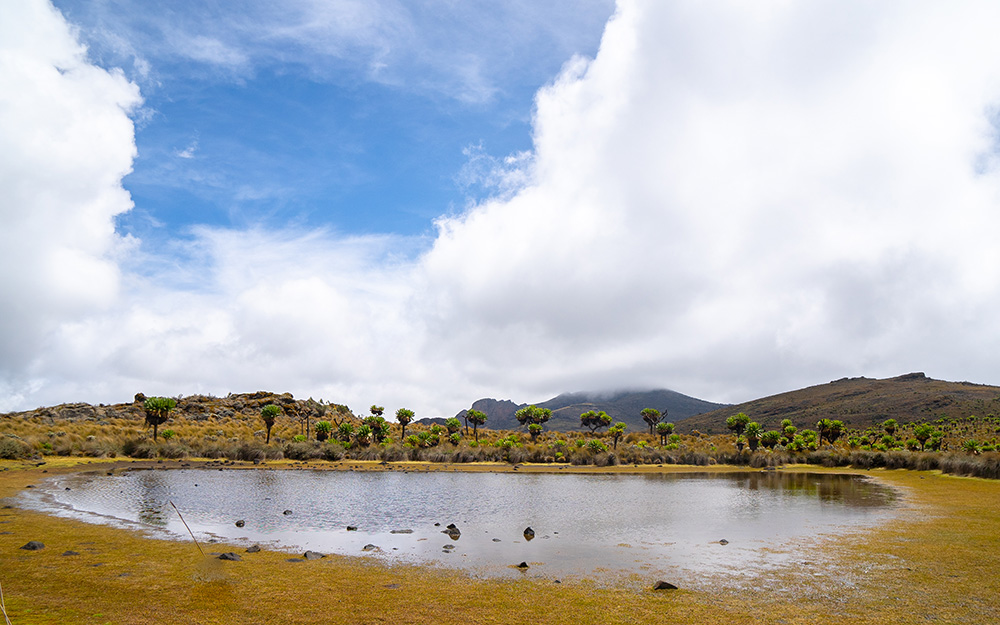
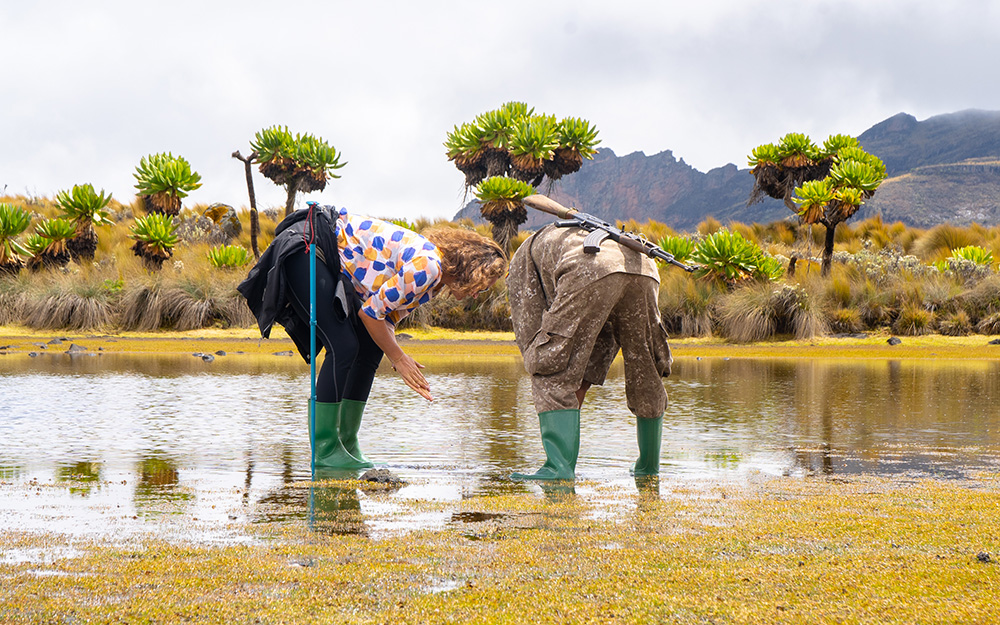
Mount Elgon inspires photographers of all levels. You can take close-up wildlife shots or wide landscape photos that show off the area’s dramatic scenery and rich ecology. The golden hour on the caldera rim offers some of East Africa’s best sunrise and sunset views. Volcanic peaks rising from the morning mist make for stunning photos you’ll be proud to share.
Professional photographers sometimes spend weeks here, waiting for the right light and weather to capture the mountain’s many moods and unique atmosphere.
Wildlife photography here takes a lot of patience and the right equipment, but it’s worth it. You might get rare photos of elephants inside caves—something you can’t find anywhere else. The contrast between the dark caves and the elephants makes for dramatic images. To get these shots, you need to know how animals move and always follow ethical photography guidelines.
If you’re lucky, you can photograph forest primates up close when they’re used to people. The thick canopy makes lighting tricky, so you’ll need some skill and a good camera lens.
The mountain’s different plant zones are perfect for photography. You’ll find rare plants that grow only here, like giant lobelias and groundsels in the alpine areas, which look almost otherworldly. Forest orchids and small flowers offer detailed subjects for those who take their time with close-up shots.
To get great photos on Mount Elgon, you need to be ready for fast-changing weather. Sometimes, dramatic weather leads to the most memorable pictures if you’re willing to work with the conditions.
Planning Your Visit
Best Time to Visit: Weather and Seasons
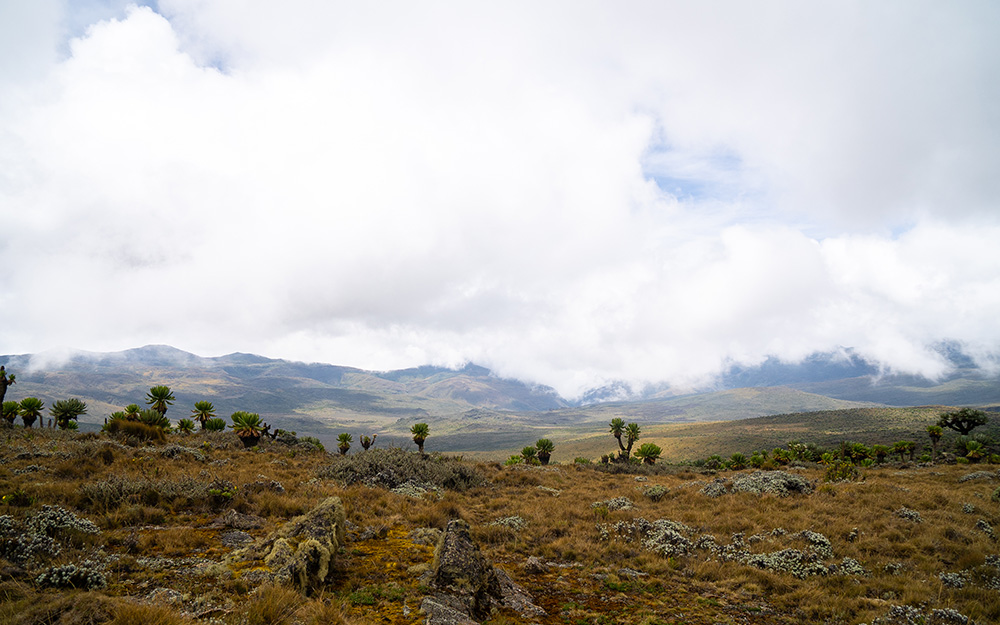
Because Mount Elgon is near the equator, you can visit any time of year. Still, choosing the right season can turn a good trip into an unforgettable adventure.
The dry seasons, from December to March and June to September, offer the best weather for hiking and exploring caves. Clear skies mean better views and a higher chance of reaching the summit on longer treks. Still, experienced hikers know that having the right gear is more important than relying on the weather. Good equipment lets you enjoy Mount Elgon no matter what the weather brings.
Don’t rule out visiting during the wet seasons, from April to May and October to November. The landscape turns lush and green, and waterfalls are at their best. Wildlife is more active, making it a great time for patient visitors to spot animals.
Rain can make hiking tougher, but it also gives photographers a chance to capture the mountain at its most dramatic. You’ll see impressive clouds and waterfalls that you won’t find in the dry season.
Weather on Mount Elgon changes quickly as you go higher. A warm, sunny morning at the park entrance can turn into cold, misty weather in the moorlands by afternoon. Knowing this helps you pack the right gear and plan your day based on real conditions, not just the morning forecast.
If you learn to work with the mountain’s changing weather, you’ll find unique chances for great photos.
Getting There: Routes and Transportation
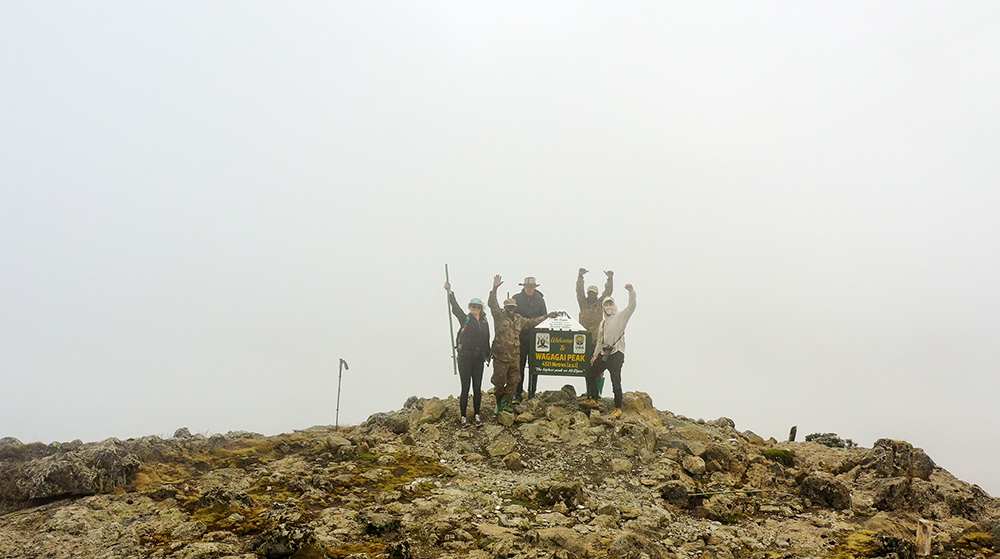
Getting to Mount Elgon from Kampala takes about 4-5 hours by road through eastern Uganda. The drive itself is part of the adventure, with views of towns like Jinja and Mbale, roadside markets, and changing landscapes. It’s a great way to see local life and get ready for your mountain trip.
Traveling by road helps you adjust to the altitude and gives you a better sense of the local culture. Flying is faster, but you miss out on these experiences.
Flying from Entebbe International Airport to nearby airstrips saves time, but you miss the gradual change from city to mountain. Charter and scheduled flights get you close to the park, but mountain weather can cause delays and affect your plans.
Private transport gives you more control over your schedule, which is helpful since weather and trail conditions can change quickly.
Public transport is available for those on a budget, but it takes patience and flexibility. Buses and shared taxis connect main towns, but you’ll often need to hire local drivers to reach trailheads, especially on rough roads.
Knowing your transport options helps you pick what fits your comfort, time, and budget, making sure you get to your mountain adventure reliably.
Gateway Towns and Regional Attractions
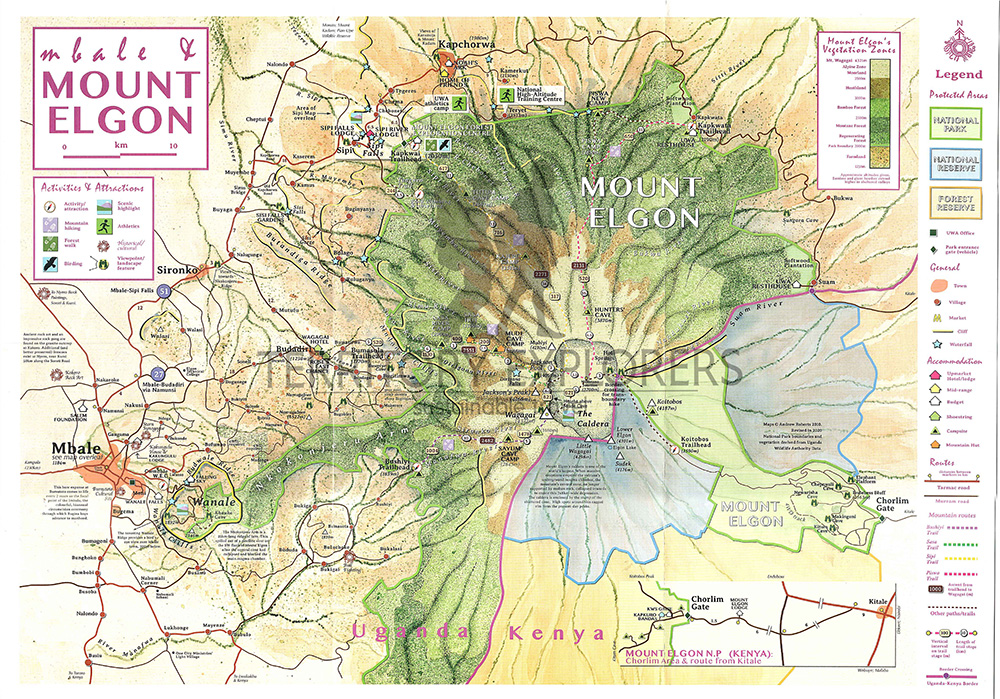
Mbale, known as the Mountain Gateway, is 235 kilometers east of Kampala and sits at the base of the impressive Wanale cliff. The town center has a typical grid of streets with a market, bus park, shops, small businesses, and budget hotels. Republic Street, the main road, leads southeast to the senior quarters, where you’ll find the nicer hotels along tree-lined avenues.
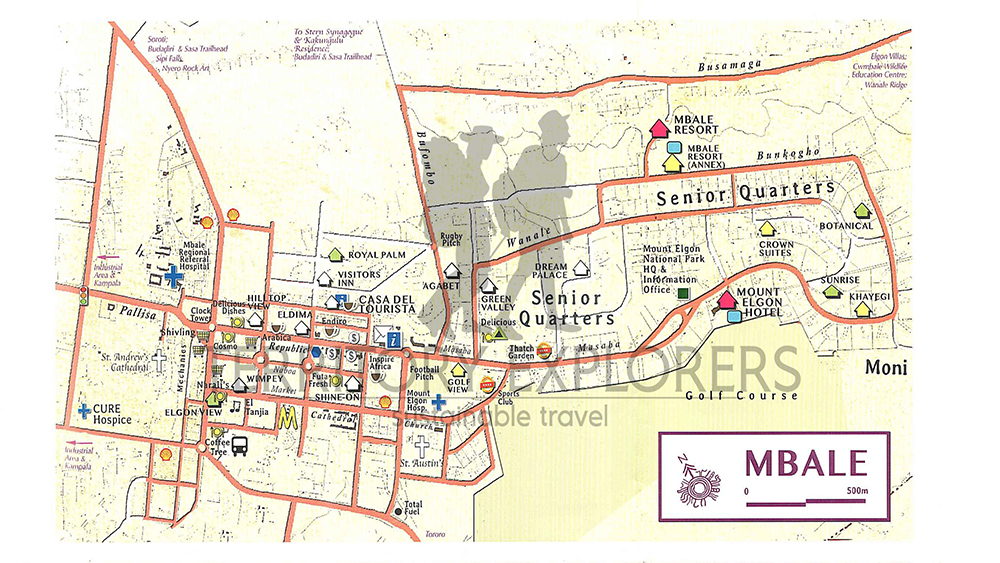
Local attractions include the Wanale cliffs, the western edge of Mount Elgon, which rise 700 meters above the town. From the Wanale ridge, you get a sweeping view of Mbale below. Visitors can hike to waterfalls at the base or take a road through a gap in the cliffs to reach a scenic viewpoint. Other places to visit are Semei Kakungulu’s grave and historic house, the nearby Stern synagogue, which is central to the Abayudaya Jewish community, and the Cwambale Wildlife Education Centre.
Budadiri is a small town in the Sironko valley with great views of the Mudangi cliffs and the peaks beyond. The UWA office here is where you check in for the Sasa Trail on Mount Elgon.
Bulago Village sits high above the Simu valley, just off the old Kapchorwa road. This small village has amazing views of the region, but reaching it can be tough during wet weather, so plan your visit carefully.
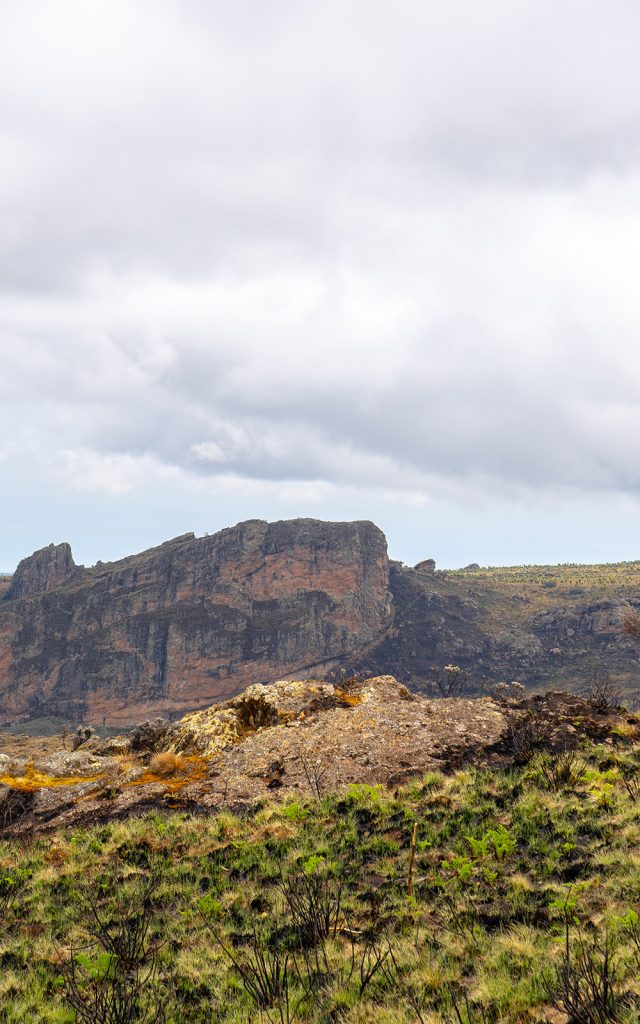
Sisyi Trail Waterfall is just 5 kilometers from the Mbale-Kapchorwa road. This beautiful waterfall drops into thick greenery inside a small resort’s grounds.
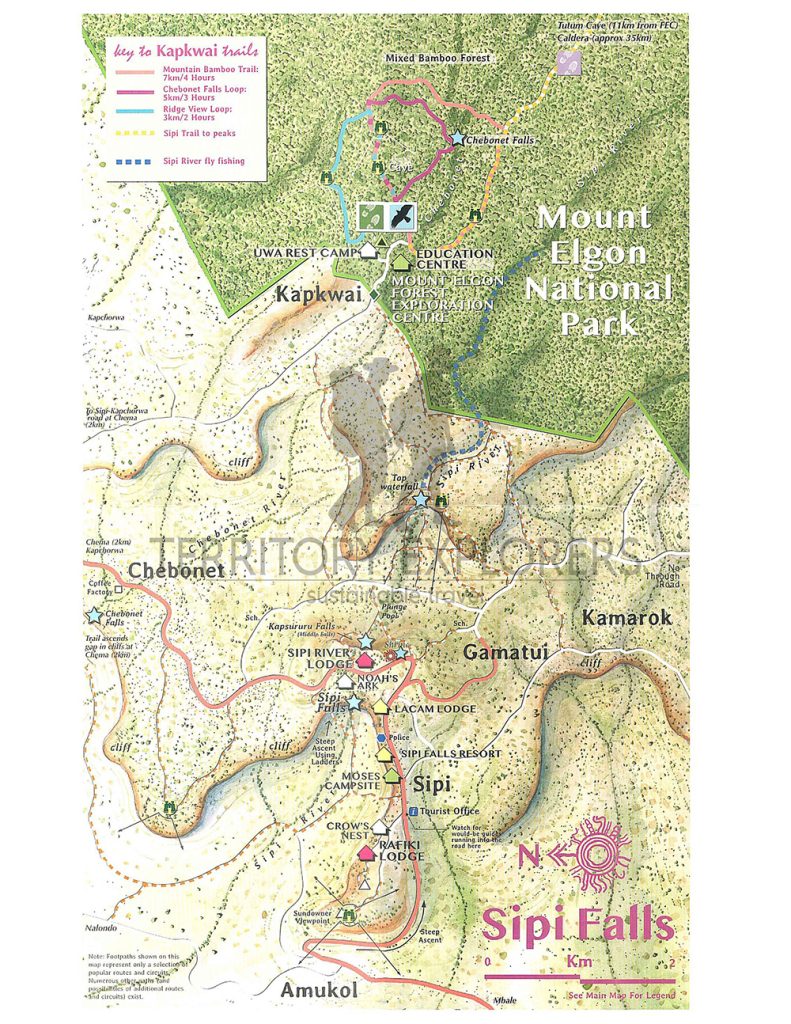
Sipi Falls, the most famous waterfalls on Mount Elgon, are in a 3-kilometer stretch of the Sipi Valley where the river drops over three cliffs. Many paths and trails wind through rivers, waterfalls, and cliffs, offering great chances to explore. Mountain bikers can also enjoy the annual Enduro Challenge at Sipi River Lodge.
Kapchorwa, the largest town on the mountain, is 14 kilometers from Sipi Falls by paved road. The drive offers great views of Mount Kadam and the Karamoja plains, especially as you approach the town.
The Forest Exploration Centre at Kapkwai serves as both an educational center for local students and a starting point for several tourist trails. Three routes explore the nearby forests, and the Sipi trail leads up to the caldera. Basic accommodation and camping are available on site.
The National High Altitude Training Centre, located at 2,600 meters near Teryet, is a popular spot for endurance runners who want high-altitude training in beautiful mountain surroundings.
From Kapchorwa, a long dirt road winds around the northern side of Elgon to the border town of Suam. The journey offers great views across Karamoja.
Accommodation Options
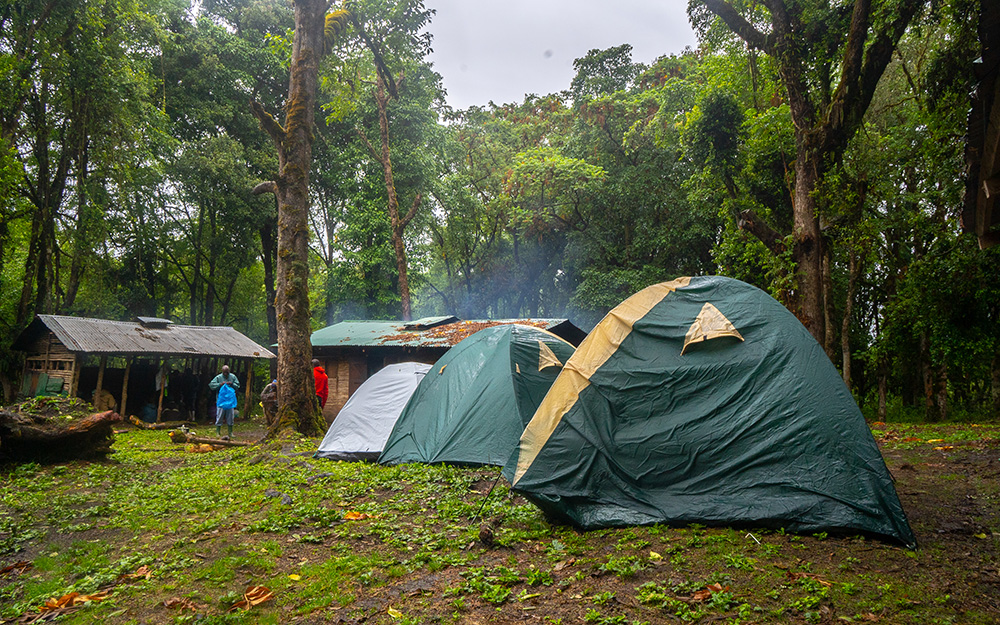
Budget Accommodations: Comfort Without Breaking the Bank
Mbale Resort Hotel may not be fancy, but it gives mountain visitors what they need most. You’ll find clean, comfortable rooms that won’t stretch your budget. The hotel has private bathrooms, a restaurant serving hearty local food, and staff who truly know Mount Elgon, offering real advice instead of just repeating tourist information.
The real value here is the staff’s understanding of what mountain visitors need. They share practical tips from years of experience with hikers. This creates a friendly atmosphere where you can meet other travelers and swap trail advice.
Crown View Hotel offers a bit more comfort for budget travelers who want good amenities without high prices. It’s in Mbale and has mountain views that get you excited for your trip. The hotel has comfortable beds for a good night’s sleep, dependable hot water, and a restaurant serving both local and international dishes.
The rooftop terrace is a great spot to plan your adventures while enjoying a cold drink and mountain views. It’s the perfect place to get inspired for the days ahead.
Forest Exploration Centre Bandas are the top budget pick for those who care more about location than luxury. If you want to stay close to the mountain wilderness, these simple shelters near the park entrance are ideal. You’ll wake up to bird calls instead of traffic, connecting with nature from the moment you arrive.
Staying here gives you a real wilderness experience and the chance to meet experienced hikers and local guides. You’ll save money on lodging and spend more time enjoying nature.
Mid-Range Accommodations: Balanced Comfort and Value
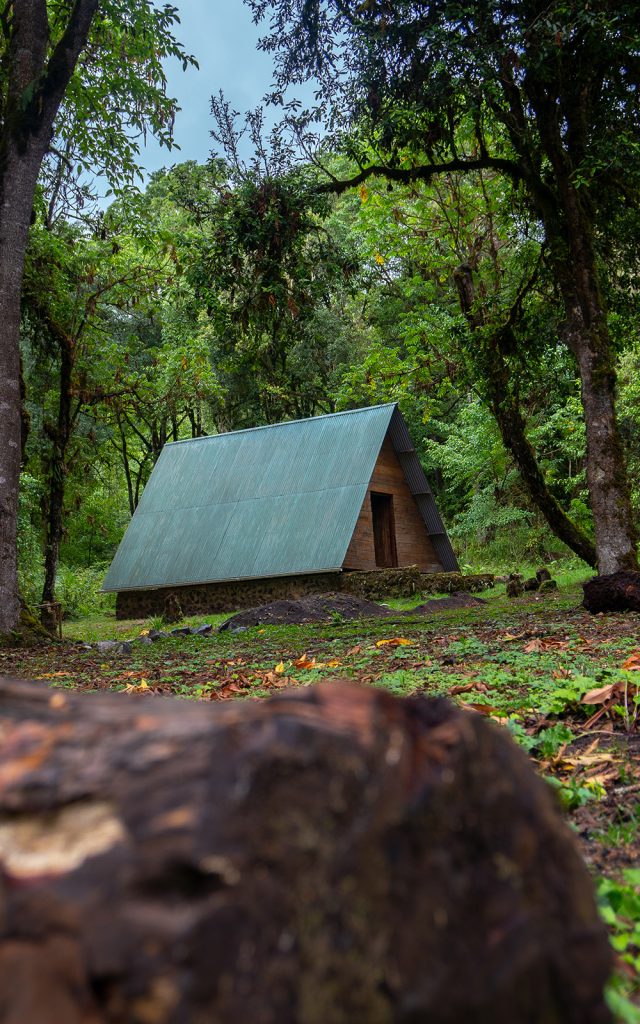
Sipi River Lodge offers comfortable rooms in a beautiful spot near Sipi Falls, making it a great base for exploring waterfalls and the mountains. The rooms have private bathrooms with reliable plumbing. Guests can enjoy meals with fresh local and international dishes, and take part in guided activities like nature walks, cultural visits, and waterfall hikes for a full regional experience.
What sets this lodge apart is its focus on hiring local staff and including cultural programs in the guest experience. This gives travelers real connections with the community and benefits local people as well.
Noah’s Ark Hotel in Mbale offers modern comfort with mountain views, plus amenities like conference rooms, a swimming pool, and a restaurant. It’s a good choice for both business travelers and mountain adventurers who want reliable comfort in town. The central location makes it easy to reach mountain trails and city services, and it’s a comfortable place to rest after a day of hiking.
The hotel restaurant serves both international dishes and local specialties, so guests have plenty of options to suit different tastes and dietary needs.
Lacam Lodge provides boutique accommodation near the mountain and offers personalized service, making each guest feel welcome and valued. The lodge specializes in mountain adventure packages, including guided treks, cultural experiences, and wildlife viewing. The staff know Mount Elgon well and design activities based on their local knowledge.
The restaurant uses organic produce from its own mountain gardens, offering farm-to-table meals that connect guests to local farming traditions and deliver high-quality food.
Luxury Accommodations: Premium Mountain Experiences
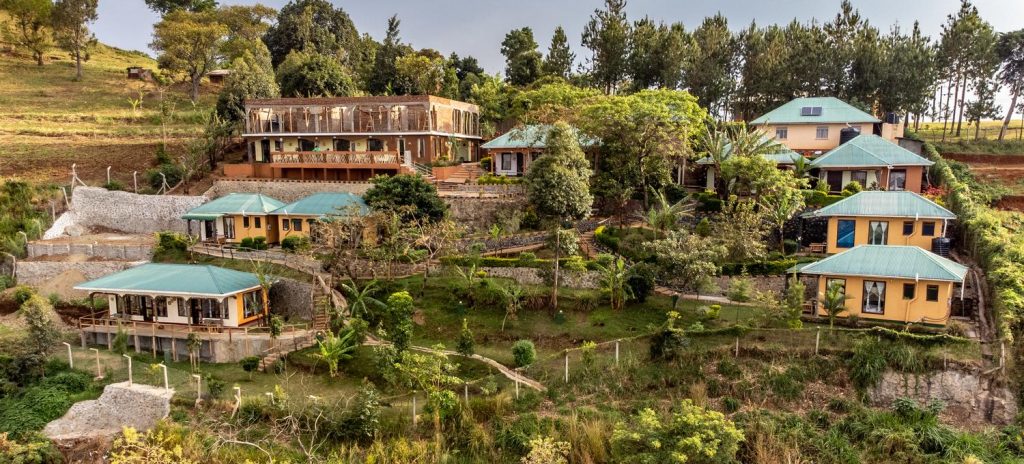
Sipi Falls Resort offers upscale accommodation with panoramic views of Sipi Falls and Mount Elgon. The location is a highlight, and guests also enjoy excellent service and luxury amenities. Rooms are spacious and have private balconies with great views. The resort features spa services for post-hiking recovery, fine dining with regional ingredients, and activities like helicopter tours, private treks, and unique cultural experiences.
What makes this resort special is its balance of luxury with real mountain and cultural experiences. Guests are not separated from the local community, so the experience feels genuine.
Mbale Club combines classic East African hospitality, colonial charm, and modern amenities to create a comfortable and welcoming atmosphere. Guests stay in elegant rooms with traditional décor, enjoy excellent dining with both international and local dishes, and can use social facilities that encourage interaction. Personalized service helps visitors feel like part of the community.
The club works closely with local mountain guides and cultural leaders, giving guests access to special experiences that aren’t available through regular hotel bookings or standard tours.
Mount Elgon Hotel blends city convenience with a mountain feel. It offers luxury accommodation in Mbale, with amenities like a spa, fine dining, conference rooms, and a concierge who can help arrange any mountain adventure. The rooftop restaurant has great views of Mount Elgon and serves both international and local dishes, reflecting the region’s cultural mix.
The hotel’s idea of luxury is giving guests easy access to real local experiences, not keeping them apart from the culture or nature.
Trekking Routes and Detailed Itineraries
Sasa Trail: The Classic Route to Wagagai Peak
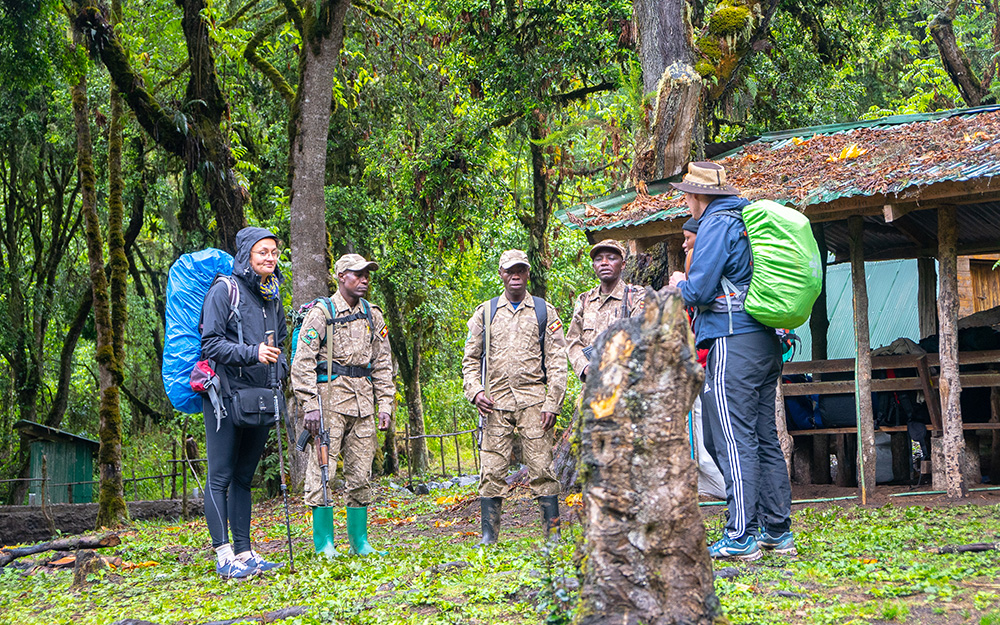
The Sasa Trail is Mount Elgon’s most popular way to reach Wagagai Peak. Once you finish it, you’ll see why guides suggest this route for first-time visitors who want a full mountain experience without extra hassle.
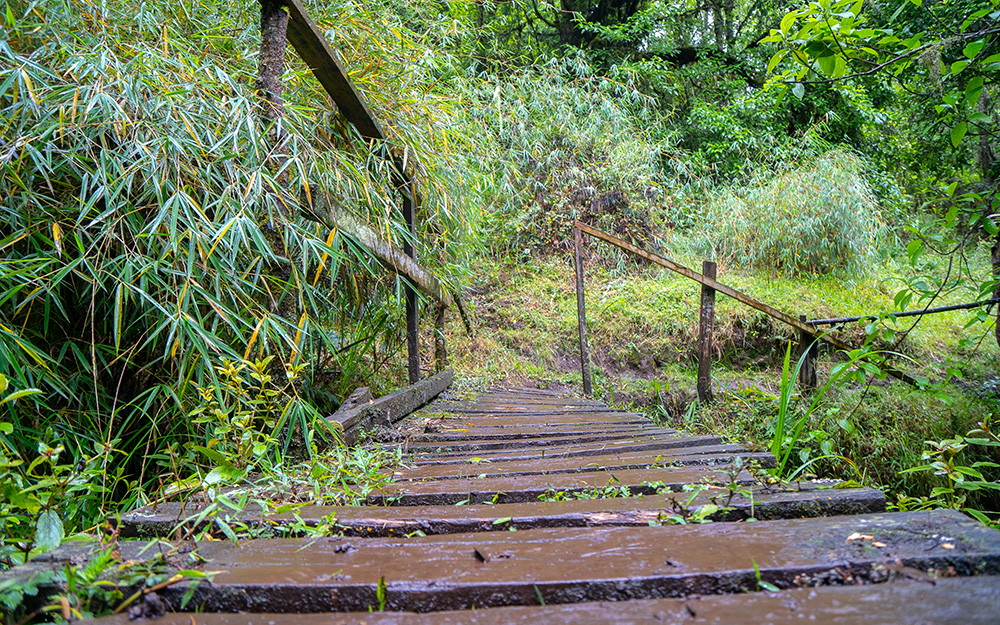
Day 1: The trek starts at 1,250 meters near Budadiri town. You climb through montane forest to Sasa River Camp at 2,900 meters, a journey of about six hours that tests your fitness and gives you a feel for the mountain. The forest is great for spotting colobus monkeys, birds, and sometimes forest elephants. Reaching the first camp feels rewarding and sets a positive mood for the days ahead.
Day 2: The hike continues from Sasa River Camp through bamboo forests to Mude Cave Camp at 3,500 meters. The change from forest to moorland is striking, and the cooler temperatures remind you of the altitude. This day features some of the trail’s most beautiful parts, with bamboo forests forming green tunnels and new views showing Mount Elgon’s volcanic shape and the surrounding landscape. Mude Cave Camp is sheltered in natural caves, highlighting the mountain’s geology and offering protection from the fast-changing weather.
Day 3: This is the summit day. You leave Mude Cave Camp early for the long climb to Wagagai Peak at 4,321 meters, then descend to Jackson’s Pool Camp for a well-deserved rest. Standing on Uganda’s second-highest peak and looking into the huge caldera, surrounded by other volcanic peaks, is one of East Africa’s most stunning mountain moments. Every tough step feels worth it.
Day 4: You take a relaxed walk back to the trailhead. This gives you time to reflect on your journey and enjoy parts of the trail you may have missed on the way up while focused on reaching the summit.
Sipi Trail: The Scenic Alternative
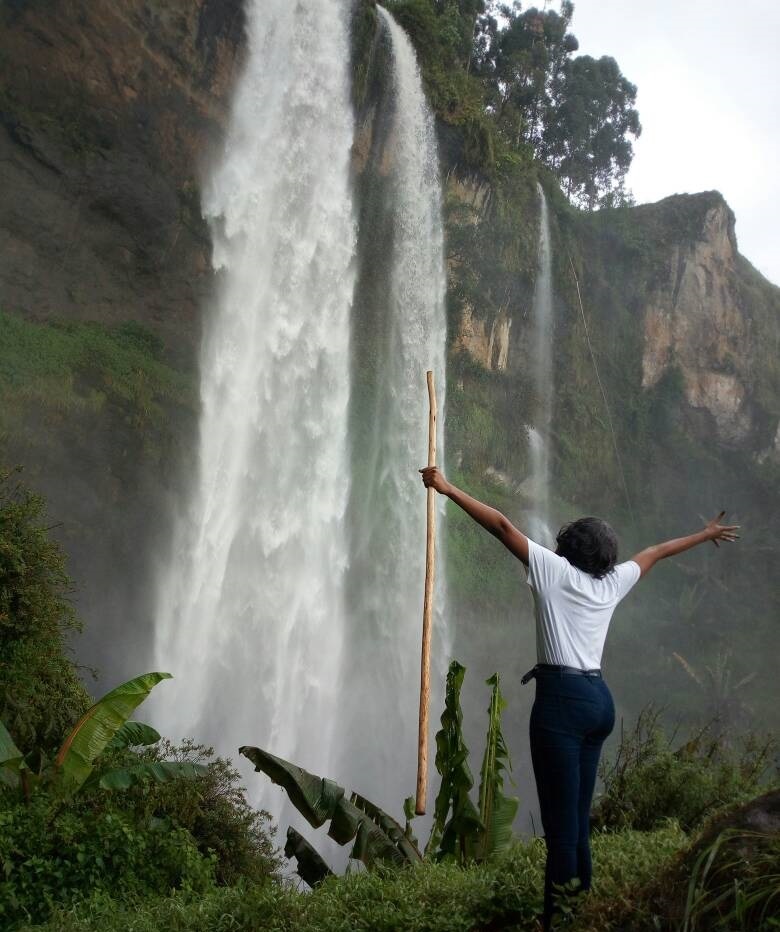
The Sipi Trail starts near the well-known three-tiered Sipi Falls. This route is popular with photographers and those interested in local culture, not just those focused on reaching the summit.
Day 1: You start by visiting waterfalls and meeting local people before beginning the climb. This helps you adjust to the altitude and adds cultural depth to your trip. Walking through coffee farms and villages lets you see how local communities live and work with the mountain, keeping traditions alive for generations.
Day 2: The trail climbs from the waterfall area through montane forest to the first camp at about 2,400 meters. The gentle climb helps you get used to the altitude. The dense forest is great for spotting primates and forest birds.
Day 3: You hike through bamboo areas and into heath vegetation, reaching the second camp at about 3,200 meters. The bamboo makes for a unique hiking experience, with the wind creating natural sounds. As you climb higher, the temperature drops noticeably.
Day 4: The trail goes through moorland toward the caldera rim, with camp set at about 3,800 meters. You’ll see amazing views of the volcanic landscape and nearby peaks. Giant lobelias and groundsels give the area a unique, otherworldly look that photographers love.
Day 5: This is summit day, reaching Wagagai Peak at 4,321 meters, then heading down to a lower camp or back toward the trailhead, depending on your plan. Standing on Uganda’s highest accessible peak and looking into the huge caldera is unforgettable and makes every tough step worth it.
This route takes five days to reach Wagagai Peak, with a gentler climb. Many hikers find it easier than the Sasa Trail, which is steeper and faster. The extra day helps you adjust to the altitude and gives you more chances to see wildlife, especially in the lower areas where forest elephants and primates are often spotted by those who move quietly.
Photography fans especially enjoy this route because it offers waterfalls, cultural experiences, and mountain scenery. It gives you a variety of photo opportunities that single-focus routes can’t provide.
The Sipi Trail stands out because of its cultural experiences. You can visit traditional Bagisu communities, join in coffee processing, and learn about mountain farming. These activities show how people and the mountain environment support each other. They also help you understand the history of Mount Elgon and how local communities have kept their traditions and protected the mountain for generations, even before it became a national park.
Piswa Trail: The Wilderness Challenge
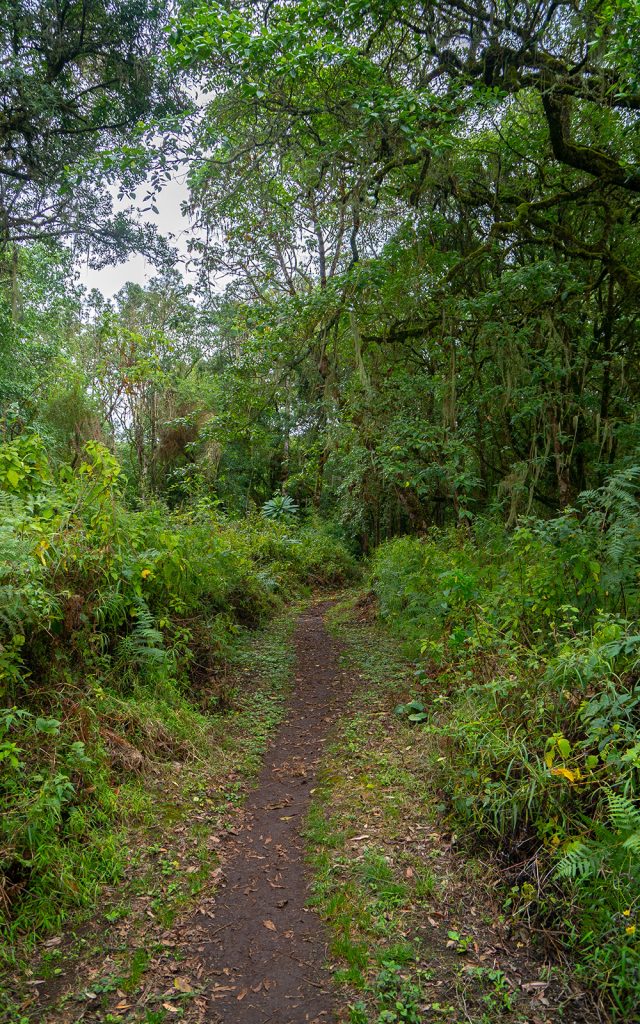
The Piswa Trail comes from the north side of Mount Elgon. It’s a seven-day trek best for experienced hikers who want solitude and a real challenge. This route requires true wilderness skills and self-sufficiency, not just fitness and enthusiasm. It lets you experience Mount Elgon’s wild side without crowds or the developed trails found on more popular routes.
The northern route gives you new views of the caldera and landscape, and it also tests your navigation and camping skills. Many hikers today don’t get the chance to develop these abilities in our connected world.
The Piswa Trail is special because it keeps the true sense of wilderness adventure that East African mountain climbing once had, before modern infrastructure made it easier for tourists. On this route, you need to be ready for tough navigation, changing weather, and camping that requires real outdoor skills—not just good gear and basic fitness like on easier trails.
You often see more wildlife on this trail than on the popular ones. Forest elephants and other animals are less used to people here, so they act more naturally than they do on crowded trails.
This trail takes at least seven days to finish safely. It’s wise to allow extra time for weather delays and wildlife watching, since rushing through this wilderness would mean missing out. The route has technical parts that need scrambling, river crossings that can be risky in heavy rain, and navigation challenges where GPS might not work in thick forest or moorland.
Finishing the Piswa Trail gives you real pride and confidence in your wilderness skills—something casual mountain trips can’t offer. It’s ideal for experienced hikers looking for a true adventure that pushes their limits.
Health, Safety, and What to Pack
Essential Gear: Mountain Equipment That Matters
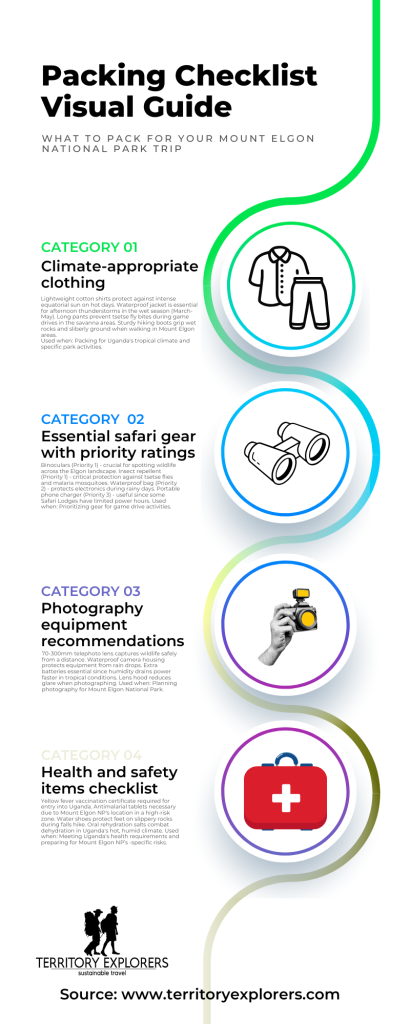
Packing for Mount Elgon can feel like getting ready for five different trips at once. You’ll need gear for hot weather, cool forests, cold moorlands, and almost freezing summit conditions—all while keeping your backpack light.
Clothing Strategy: Focus on layering instead of single-use items. Wear lightweight merino wool as a base, add a fleece or down jacket for warmth, and use a waterproof shell on top. This way, you’re ready for anything Mount Elgon’s weather brings. The weather can change quickly—morning sun can turn into afternoon snow at higher altitudes. Good layering helps you stay comfortable and avoid serious cold-related problems.
Footwear: Good hiking boots are your most important gear. Cheap boots can fall apart on Mount Elgon’s tough trails, and some unprepared hikers have had to finish in borrowed flip-flops. Make sure your boots have ankle support and are waterproof, since you’ll face everything from muddy forests to sharp volcanic rocks.
Break in your new boots before the trip to avoid blisters and foot pain that can ruin your adventure. Gaiters are also helpful—they keep out mud, thorns, and small rocks that always seem to find their way into your boots.
Sleeping Systems: Choose a sleeping bag rated to -5°C (23°F) for warmth at the summit, but make sure it’s not too heavy to carry for several days. A good sleeping pad is also important, especially at higher camps where the ground is rocky and cold. Staying warm and comfortable helps you recover after tough hiking days.
Other Essentials: Bring a headlamp with extra batteries for cave exploring and early morning climbs. Use a water purifier to make sure stream water is safe to drink, even if it looks clean.
Health Considerations: Mountain Medicine
Altitude sickness can still affect visitors to Mount Elgon, even though the mountain is not as high as some other East African peaks. Serious cases are less common here than on more famous mountains. If you know the symptoms—like headaches, nausea, tiredness, and trouble sleeping—you can spot problems early and respond quickly. The right response might be taking a rest day, going down to a lower altitude, or leaving the mountain entirely, depending on how bad the symptoms are and how fast they develop.
The best way to prevent altitude sickness is to climb slowly, drink enough water, and pay close attention to how you feel. If you notice any symptoms, do not ignore them or try to push through. Take action right away, even if it means going down the mountain.
Preventing malaria is important below 2,000 meters, where mosquitoes can carry the disease, even though Mount Elgon is cooler than other places in East Africa. Take antimalarial medicine, use insect repellent, and wear protective clothing for the best protection. Be especially careful in the evenings and early mornings, when mosquitoes are most active and bites are more likely.
You must have a yellow fever vaccination to enter Uganda. Make sure all your regular vaccinations are up to date, too. This helps you avoid illnesses that could ruin your trip or cause serious problems when you are far from medical help.
If a serious medical emergency happens on Mount Elgon, the main option is evacuation to Mbale Hospital, which is the closest place with advanced care. While mountain rescue services are available, they can take a long time to organize and reach you. Because of this, it is much safer to prevent problems and respond early, rather than depend on rescue teams that might be delayed by bad weather or poor communication.
It is essential to have travel insurance that covers mountain activities and emergency evacuation. This is especially important because help can be hours or even days away in remote areas like Mount Elgon.
Safety Protocols: Preventing Mountain Emergencies
On Mount Elgon, weather can change quickly, bringing cold temperatures, heavy rain, and poor visibility. These conditions can cause hypothermia and make it hard to find your way, even for experienced hikers. Learn to recognize changing weather and always carry emergency shelter and warm clothing. This helps you avoid small problems turning into serious emergencies that might require rescue.
Afternoon thunderstorms can bring lightning, which is dangerous if you are caught in an open area. Know how to stay safe and what to do in case of lightning. This is especially important for groups who might be exposed during a storm.
In an emergency, you may need to use satellite devices, cell phones (where there is coverage), or traditional signals to communicate. Experienced guides know how to use these methods, especially if modern devices stop working or batteries run out.
Before you start your trek, make sure everyone in your group knows the emergency procedures and how to call for help. This is important because, in remote areas, you may need to rely on yourselves if something goes wrong.
On Mount Elgon, it is even more important to carry a full first aid kit, emergency shelter, and signaling devices, since rescue services and medical help are not close by.
For group safety, know each person’s strengths and limits. Stick together, especially when things get tough, and make careful decisions about your route and timing based on the actual conditions, not just your plans.
If you are hiking alone, you need a solid communication plan and should share your detailed itinerary with someone who will notice if you do not check in. Be extra careful with your decisions about weather and routes. Groups can often manage these risks better by sharing resources and making decisions together.
Conservation and Environmental Responsibility
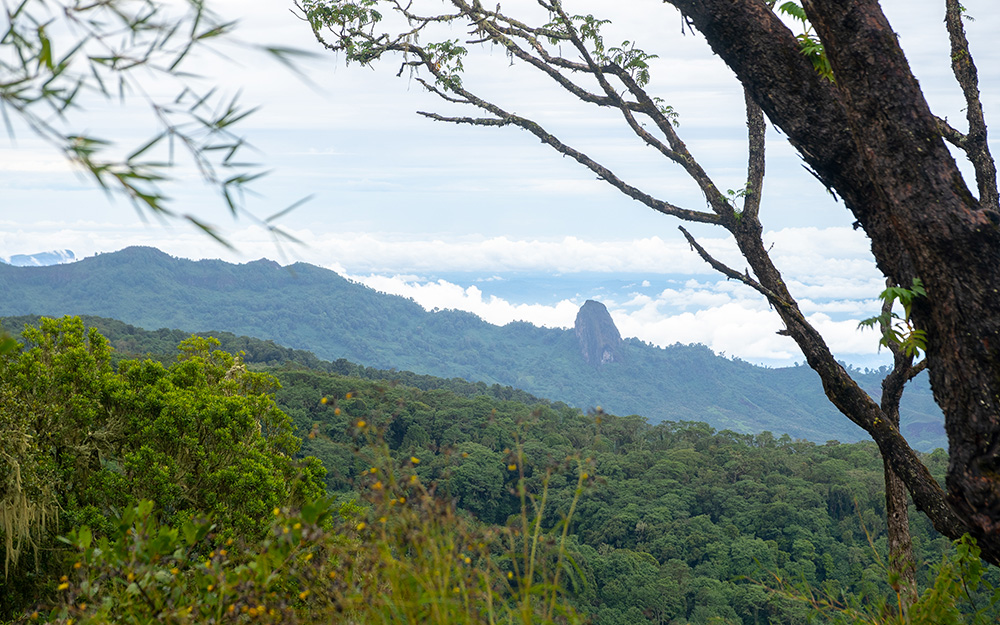
Park Management: Protecting Mountain Ecosystems
The Uganda Wildlife Authority manages Mount Elgon National Park with conservation programs that truly make a difference. In many protected areas, good intentions can get lost in bureaucracy and wildlife pays the price, but here, the programs deliver real results.
Anti-poaching teams focus on protecting forest elephants and stopping the illegal harvesting of rare plant species found only here. Habitat restoration projects help fix damage caused by past human activities and climate change, both of which threaten the health of the ecosystem.
These programs work well because they combine local communities’ traditional ecological knowledge with modern conservation science. This approach respects both cultural heritage and scientific research.
Community conservation programs offer new ways for people living near Mount Elgon to earn a living. These are not just projects for show—they create real jobs and help reduce the strain on park resources.
Examples include beekeeping projects that produce high-value honey, training in sustainable farming to boost crop yields without using more land, and ecotourism jobs that give families a steady income instead of relying on resource extraction.
Stories from these programs show that protected areas can help local people and preserve wild places at the same time. These win-win situations may seem unlikely, but they work when planned carefully.
Research on Mount Elgon looks at how climate change, species adaptation, and ecosystem dynamics affect the mountain environment. Human activities and environmental changes are putting more pressure on these systems, which threatens their long-term survival.
Long-term monitoring tracks wildlife numbers, changes in plants, and how different parts of the ecosystem interact. This information helps managers adjust their strategies to keep the ecosystem healthy as conditions change.
Tourists can join citizen science programs, which lets them help with research and learn more about conservation challenges and how the ecosystem works. This shows that protecting the area is both important and complicated.
Responsible Tourism: Your Environmental Impact
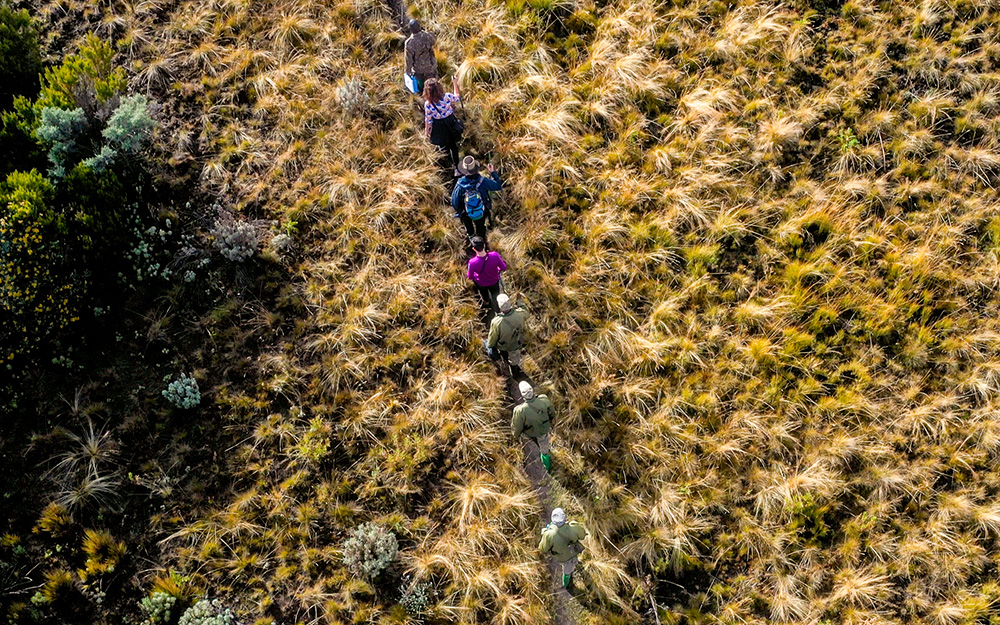
Leave No Trace principles are especially important in Mount Elgon’s delicate mountain environment. Careless actions by visitors can cause damage that lasts for decades and disrupts wildlife behaviors shaped over thousands of years.
Proper waste disposal means taking out everything you bring in. Campfire rules protect sensitive plants from damage that can take years to heal. Following wildlife viewing guidelines helps animals keep their natural behaviors and survival skills.
The mountain’s caves need special protection. Human activity can disturb elephant behaviors that have developed over thousands of years and harm fragile underground environments that may never fully recover.
Supporting local communities by making thoughtful tourism choices brings real economic benefits. This shows people living near Mount Elgon that conservation can have practical value, especially for those who might otherwise rely on resource extraction.
For example, hiring local guides creates jobs and lets you learn from their unique knowledge. Buying local products keeps money in the community. Staying at places that employ local people helps the whole area benefit.
These choices help build strong relationships that support long-term conservation and give you real cultural experiences that big tour companies can’t match.
Visitor education programs teach tourists about their impact on the environment. They offer practical tips to reduce harm and make a positive difference for conservation and local communities, with benefits that last beyond a single trip.
Learning about Mount Elgon’s ecology and conservation issues helps visitors act more responsibly. Many become advocates for protection when they go home and share their experiences with others.
Environmental education turns tourists into active supporters of conservation. They help protect these areas over the long term by staying involved, donating, or speaking up for good policies. This can even influence decisions about protected areas around the world.
Nearby Attractions and Extended Itineraries
Sipi Falls: The Perfect Mountain Complement
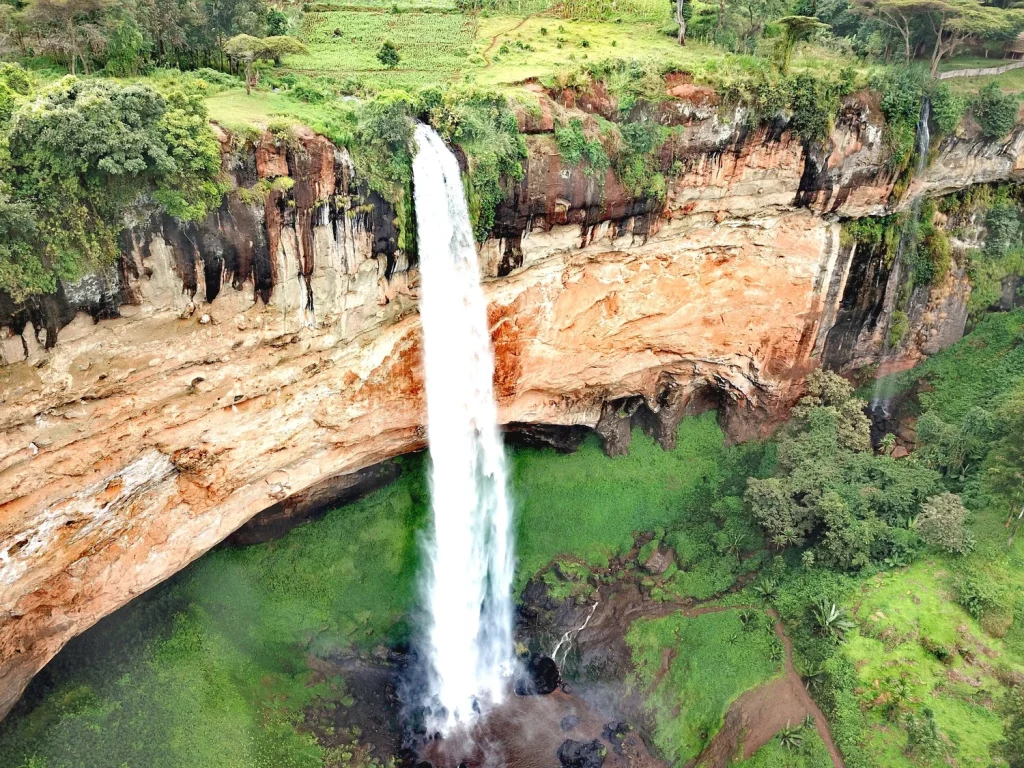
Sipi Falls is the perfect addition to a Mount Elgon trip. Many travelers visit both places in one trip, which lets them see more of the region’s diversity without extra cost.
The three waterfalls, measuring 100, 75, and 85 meters, offer great spots for photos and a chance to swim. They’re a perfect way to relax after tough mountain hikes.
Sipi Falls is special not just for its waterfalls, but also for the experiences around it. You can visit coffee plantations that grow some of Uganda’s best beans, explore traditional villages, and enjoy beautiful mountain views that hint at more adventures nearby.
Sipi Falls offers more than just pretty views. The area has trails for all fitness levels, from easy family walks to tough hikes. If you want more excitement, you can try rock climbing or abseiling in beautiful natural surroundings.
Coffee plantation tours teach you about Uganda’s farming and let you buy top-quality coffee straight from local farmers. These tours help support the communities that rely on tourism for income.
Cultural experiences at Sipi Falls include visiting Bagisu communities for genuine interactions, seeing how coffee is processed, and joining craft workshops that support local tourism.
These activities add cultural depth to your Mount Elgon trip and show how local communities keep their traditions alive while welcoming visitors.
Combining Mount Elgon treks with Sipi Falls visits gives you a well-rounded experience, making the most of your time and budget while appealing to different interests.
Regional Exploration: Beyond the Mountain
The Mount Elgon area has many attractions that let you explore eastern Uganda’s nature and culture. These are real destinations, not just ways to fill your schedule.
Budadiri town is a gateway to traditional markets where locals shop for everyday items, not just souvenirs. You’ll find cultural sites that share real stories about the region’s history. The town is also the starting point for many Mount Elgon trips and keeps its true Ugandan character.
Local markets feature mountain-grown produce, practical traditional crafts, and chances to meet people in ways you won’t find at typical tourist spots.
Wanale Ridge is great for day hikes with amazing views of Mount Elgon and the surrounding area. It’s a good way to get used to the altitude before a big trek or to relax after a tough hike.
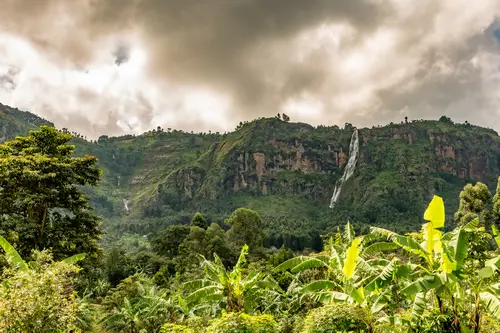
The ridge system includes:
• Cultural sites with historical significance to local communities
• Interesting rock formations that demonstrate geological processes
• Viewpoints providing photography opportunities and cultural insights without requiring the commitment and preparation necessary for multi-day Mount Elgon expeditions
Shorter hikes are perfect for visitors with less time or those who want an easier walk. They still offer real mountain experiences and cultural insights, helping you learn more about the region.
Coffee plantation tours show why Uganda is a top coffee producer in Africa. These tours are more than just farm visits—they reveal how farming, the economy, and rural life are connected in the mountain areas.
Many plantations offer comprehensive tours including:
• Processing demonstrations that reveal the labor and skill required to produce quality coffee
• Cupping sessions that educate visitors about flavor profiles and quality factors
• Direct purchase opportunities that benefit farming communities while providing visitors with authentic agricultural experiences and exceptional coffee souvenirs
These farm tours add to your wilderness adventures by showing how local people use sustainable farming to live in the mountains. They keep the land productive and protect the environment.
Frequently Asked Questions
Mount Elgon National Park sits on the border of Uganda and Kenya in eastern Uganda, about 235 kilometers east of Kampala. You can easily reach it through Mbale town, the main entry point for mountain trips and visitor services. The Ugandan side covers 1,279 square kilometers, and the highest peak, Wagagai, at 4,321 meters, is fully within Uganda. Because of this, most people aiming for the summit start from Uganda.
Most international visitors enter the park from Uganda, since the highest peaks and best-developed trails are there. Kenya also offers other ways to access the mountain and provides different cultural experiences for those interested in exploring both countries.
Mount Elgon National Park is known worldwide for several unique features. It has the world’s largest intact volcanic caldera, which is 8 kilometers wide.
- The park is also famous for its elephant caves, where forest elephants dig for salt in ways not seen anywhere else.
- Mount Elgon is Africa’s oldest mountain, at 24 million years old, and offers great trekking routes to Uganda’s second-highest peak.
- The park is home to 296 bird species, including several that are found only in this area.
- Visitors can also experience the culture of the Bagisu and Sabiny peoples, whose traditions and spiritual ties to the mountain go back centuries.
It is also known for the beautiful three-level Sipi Falls and its five different vegetation zones. As you hike, you move from tropical forests to alpine moorlands, seeing a wide range of plants and animals in a small area. Each day on the trail feels like visiting a new place.
Mount Elgon is an extinct volcano and has been inactive for over 10 million years. This means it is completely safe for hiking, camping, and other tourist activities, unlike some other volcanoes in East Africa.
The mountain was formed by volcanic activity that started 24 million years ago. Over time, this created the large caldera and peaks you see today, shaped by slow geological processes rather than recent eruptions.
Unlike other active volcanoes in East Africa, Mount Elgon has no gas emissions, hot springs, earthquakes, or other volcanic dangers. Its ancient features offer a glimpse into the region’s geological history and still shape the local environment and communities today.
Mount Elgon is home to a variety of wildlife that has adapted to its mountain forests.
Large Mammals:
• Forest elephants that have achieved worldwide fame for their unique salt-mining cave behavior
• Forest buffalo and various duiker species
• Bushbuck that have adapted to mountain forest environments
Primates:
• Black-and-white colobus monkeys
• Blue monkeys
• Red-tailed monkeys
• Occasional vervet monkeys
Birds: 296 bird species, including:
• Endemic Jackson’s francolin
• Spectacular Hartlaub’s turaco
• Eastern bronze-naped pigeon
• Various high-altitude specialists like alpine chats that thrive in moorland and alpine zones
Although there are fewer animals than in savanna parks, Mount Elgon offers unique wildlife experiences, especially watching elephants visit caves. If you are patient and spend time exploring, you can have amazing encounters with animals in untouched forest areas.
Park Fees:
• Foreign non-resident entry: approximately $40 USD per person per day
• Camping at designated sites: $10 USD per person per night
• Mandatory guide services: $20-30 USD per day depending on group size
• Porter services (optional): $15-20 USD per day per porter
Total Costs:
• Budget: $50-80 USD per day total including modest accommodation and meals
• Mid-range: $100-200 USD daily including comfortable lodging and quality guide services • Multi-day trekking (basic packages): $200-400 USD per person including permits, guides, porters, and simple mountain accommodation
• Luxury guided experiences: $800-1,500 USD per person depending on service levels and specific requirements
If you are on a budget, you can still enjoy Mount Elgon without spending much. For those who want more comfort, luxury options with premium services are also available.
Mount Elgon National Park operates as a transboundary protected area shared between Uganda and Kenya. Each country manages its portion as separate but connected national parks through its own wildlife authorities, which coordinate on conservation and management issues.
• Uganda: Manages the larger western section covering 1,279 square kilometers through Uganda Wildlife Authority • Kenya: Manages the smaller eastern portion covering 169 square kilometers through Kenya Wildlife Service
Uganda and Kenya work together on wildlife conservation, research, and tourism. The highest peak, Wagagai (4,321m), is fully in Uganda, so most people aiming for the summit start there. Still, both countries offer great hiking, unique cultural experiences, and different perspectives on this special mountain that transcends borders.
The primary indigenous groups around Mount Elgon are:
Bagisu People (Bamasaba):
• Live on the Ugandan slopes
• Have achieved international recognition for their elaborate Imbalu circumcision ceremonies held every even-numbered year
• Consider Mount Elgon (which they traditionally call “Masaba”) the dwelling place of ancestral spirits
• These spirits protect and guide their communities through seasonal cycles and life transitions
Sabiny People:
• Inhabit northern areas
• Maintain traditional pastoral and agricultural practices perfectly adapted to mountain environments
• Have sophisticated governance systems based on consensus decision-making
• Practice conservation methods that protected mountain ecosystems for generations before formal park establishment
Both groups have their own cultural traditions and spiritual ties to the mountain, which they see as sacred. They show how indigenous people can protect the environment while keeping their culture and supporting their communities.
Mount Elgon is traditionally called “Masaba” by the indigenous Bagisu people. This name honors their ancestor, who they believe settled on the mountain and started the traditions, farming, and spiritual practices that still shape their community today.
Other Names:
• “Elgon” derives from the Maasai word “El Kony,” meaning “breast,” referring to the mountain’s rounded, maternal profile when viewed from a distance
• Various terms used by Sabiny and other regional communities reflect their own cultural perspectives and historical relationships with the mountain
Masaba is the most important and well-known alternative name for the mountain. It is a key part of local beliefs, stories, and traditions that link people to the mountain over many generations.
Mount Elgon is about 350 kilometers from Nairobi by road, a 6- to 7-hour drive. The journey takes you through different Kenyan landscapes and cultures before you reach the mountain’s base and trailheads.
Transportation Options:
• Road: Most travelers from Nairobi initially access Mount Elgon through the Kenyan side before crossing to Uganda for summit attempts
• Air: Charter flights from Nairobi to nearby airstrips reduce total travel time to 2-3 hours but eliminate the scenic overland journey
Many visitors see the road trip as an important part of their East African adventure, helping them understand the region’s different landscapes and communities.
Summit Attempts:
• Sasa Trail: 4-5 days (most popular route)
• Sipi Trail: 5-6 days (more scenic with cultural experiences)
• Piswa Trail: 6-7 days (wilderness-focused for experienced hikers)
• Bushiyi Trail: 2 days (rapid ascent with higher altitude sickness risks)
Shorter Options:
Day hikes and shorter multi-day treks (1-3 days) are perfectly feasible for visitors preferring: • Forest exploration
• Cave visits
• Cultural experiences
• No summit attempts
This means Mount Elgon is open to travelers of all fitness levels and schedules. Whether you want a tough summit climb or a relaxed hike to enjoy the forest and culture, there is something for everyone.
Adventure Activities:
• World-class multi-day trekking to Wagagai Peak through five distinct vegetation zones
• Unique cave exploration, including famous elephant salt-mining caves
• Exceptional bird watching with 296 species, including endemic varieties
• Rock climbing and abseiling opportunities for adventure seekers
Natural Attractions:
• Spectacular waterfall visits at nearby Sipi Falls
• Guided nature walks through diverse vegetation zones
• Wildlife viewing in pristine forest environments
• Photography opportunities in dramatic volcanic landscapes
Cultural Experiences:
• Authentic cultural visits with the Bagisu and Sabiny communities
• Traditional craft workshops providing hands-on cultural learning
• Community-based cultural experiences, including traditional performances
• Coffee plantation tours showcasing Uganda’s agricultural heritage
Educational Opportunities:
• Comprehensive coffee plantation tours supporting local farming communities
• Geological exploration of the world’s largest intact volcanic caldera
• Learning about traditional conservation practices from indigenous peoples
The park helps visitors connect with local people and supports tourism that benefits whole communities. There are activities for all fitness levels, interests, and schedules, offering real wilderness and cultural experiences.
Conclusion
Mount Elgon National Park is a lesser-known spot in East Africa, where you can enjoy great mountain adventures without the crowds or high costs.
You can stand in the world’s largest volcanic caldera, watch elephants dig for salt in caves, or meet local communities with rich traditions at Mount Elgon. While it isn’t as tall as Kilimanjaro or as tough as the Rwenzoris, it gives you a more personal and cultural mountain experience. You get real wilderness without needing special equipment or expensive guides.
When you visit Mount Elgon, you’ll probably talk with local guides who know the mountain well, spend quiet moments in old elephant caves, and feel proud as you take on challenges that are exciting but not too difficult.
Mount Elgon is more than just a place to visit. It shows how tourism can help protect nature and support local communities, all while giving visitors a true wilderness experience. By visiting, you help global conservation, support local people, and take part in building a better relationship between people and nature. This is something our world needs now more than ever.
If you want to visit the national park, contact us and we will create a custom itinerary for you. We will handle all the paperwork and arrangements, so you can relax and enjoy your safari.