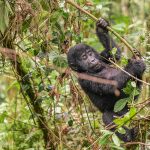

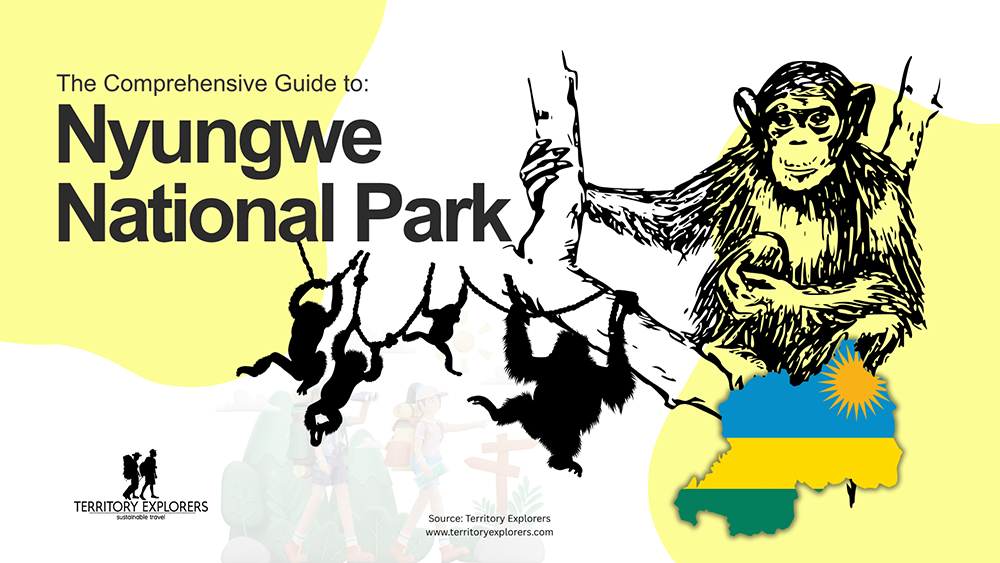
Nyungwe National Park is one of those rare places that makes you feel small but deeply connected to nature at the same time. Walking under its misty canopy, you sense the long history of this ancient forest. Nyungwe is a highlight of Rwanda and one of Africa’s most important montane rainforests.
Nyungwe sits in southwestern Rwanda and covers 1,019 square kilometers, with elevations from 1,600 to 2,950 meters. This range creates many microclimates and supports a huge variety of plants and animals. The forest has more primate species than many countries, which is truly impressive.
The park’s value goes beyond its boundaries. It is a key watershed for the Nile and Congo rivers and protects species found nowhere else. Whether you want to track chimpanzees or enjoy the peace of a primary forest, Nyungwe offers experiences that can change your view of nature. Hearing a chimpanzee call in these ancient trees helps you understand why this place is so special to both scientists and local people.
Key Takeaways
• Ancient Forest Heritage Nyungwe National Park is one of Africa’s oldest and best-preserved montane rainforests, with a history stretching back over a million years in southwestern Rwanda. The park is home to an incredible variety of life, including many primate species, hundreds of birds, and more than a thousand types of plants. This makes it a vital area for protecting Central Africa’s wildlife.
• Primate Paradise Nyungwe National Park has East Africa’s largest group of habituated chimpanzees, along with 12 other primate species like the rare Rwenzori colobus monkeys. Visitors can enjoy excellent chimpanzee tracking, often getting close-up views of these amazing animals in the wild.
• Canopy Walk Adventure Nyungwe National Park is known for its high suspension bridge, which gives visitors stunning views over the rainforest canopy. The bridge offers a unique look at the forest from above, and there are well-kept trails for all levels, from easy walks to tough hikes.
• Cultural Heritage Nyungwe National Park is closely connected to the traditions of the Banyarwanda people, who have lived here for centuries and developed deep knowledge of local plants and sustainable ways to use the forest. Visitors can experience this blend of traditional wisdom and modern conservation, making for authentic cultural and wildlife experiences.
Location and Geography
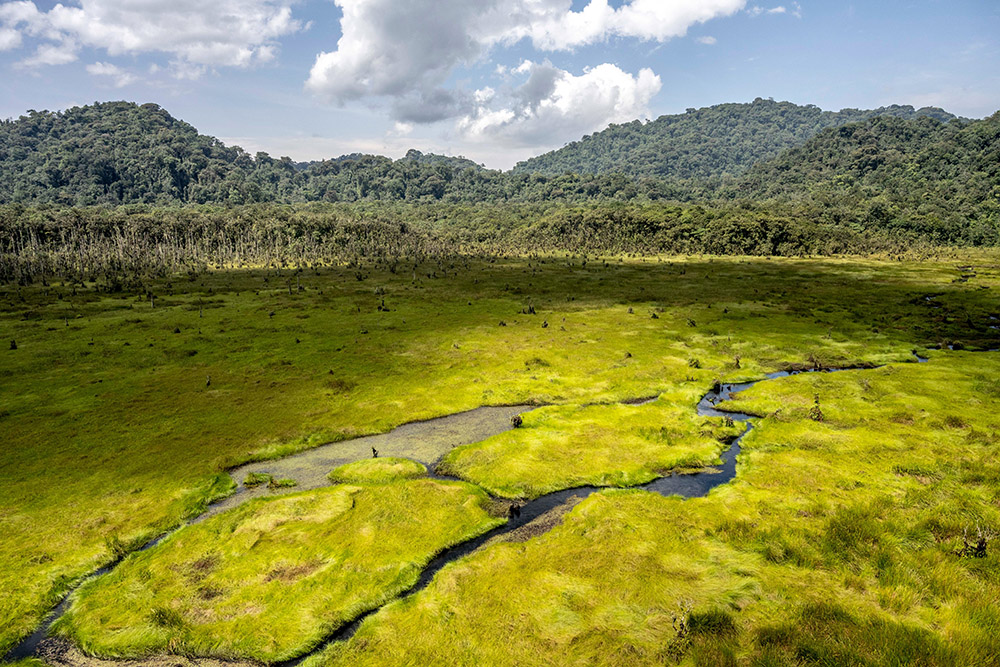
Nyungwe National Park is in southwestern Rwanda, about 225 kilometers from Kigali, on the border of the Western and Southern provinces. As you get closer, the scenery changes from rolling hills to thick, ancient forest. The drive is an adventure in itself, with farmland slowly giving way to tall trees that reach for the sky.
The park borders Burundi to the south and stretches toward the Democratic Republic of Congo to the west, making it part of the larger Congo Basin forest. Because it sits on the Congo-Nile divide, rainwater on one side of a trail flows to the Atlantic Ocean, while on the other side it heads to the Indian Ocean. Standing here, you feel like you’re at a natural crossroads.
Physical Geography and Climate
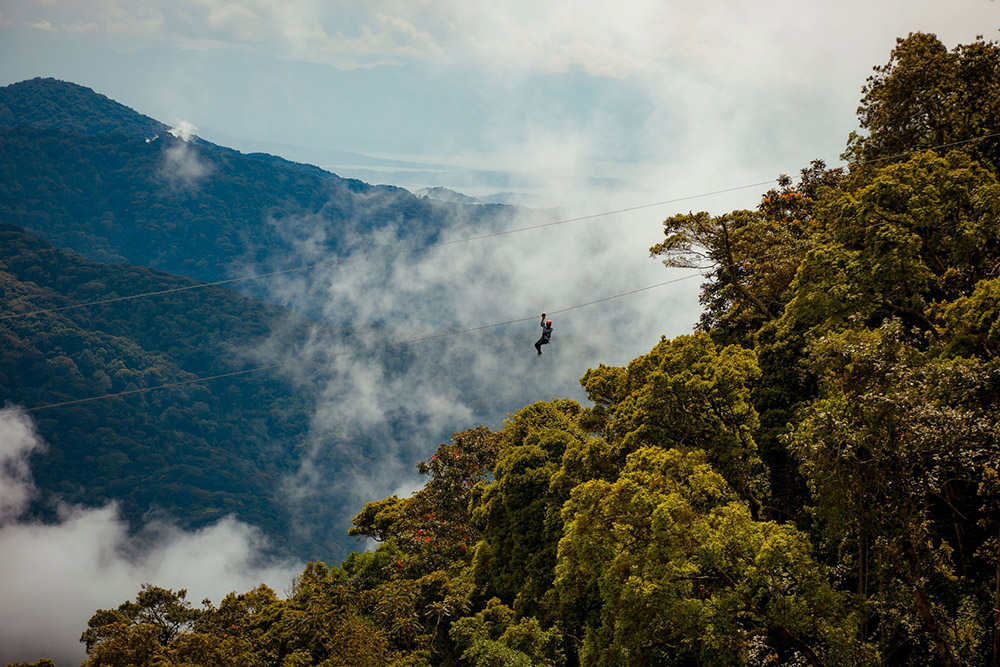
The park’s elevation leads to a mix of different ecosystems. Lower areas have thick rainforest, while the highest points have grasslands and bamboo forests. On a single hike, you can pass through several climate zones, each with its own plants and animals. As you climb, the air gets cooler and thinner, and the scenery changes, making every part of the trail feel new.
Nyungwe is usually cool and humid, with temperatures between 10°C and 25°C all year. The forest gets a lot of rain—about 1,200 to 1,600mm each year—with rainy seasons from March to May and October to December. Weather in the mountains can change fast. You might start your hike in sunshine and end up in a misty cloud forest by afternoon. It’s best to bring layers and rain gear, no matter what the forecast says.
History and Conservation Heritage
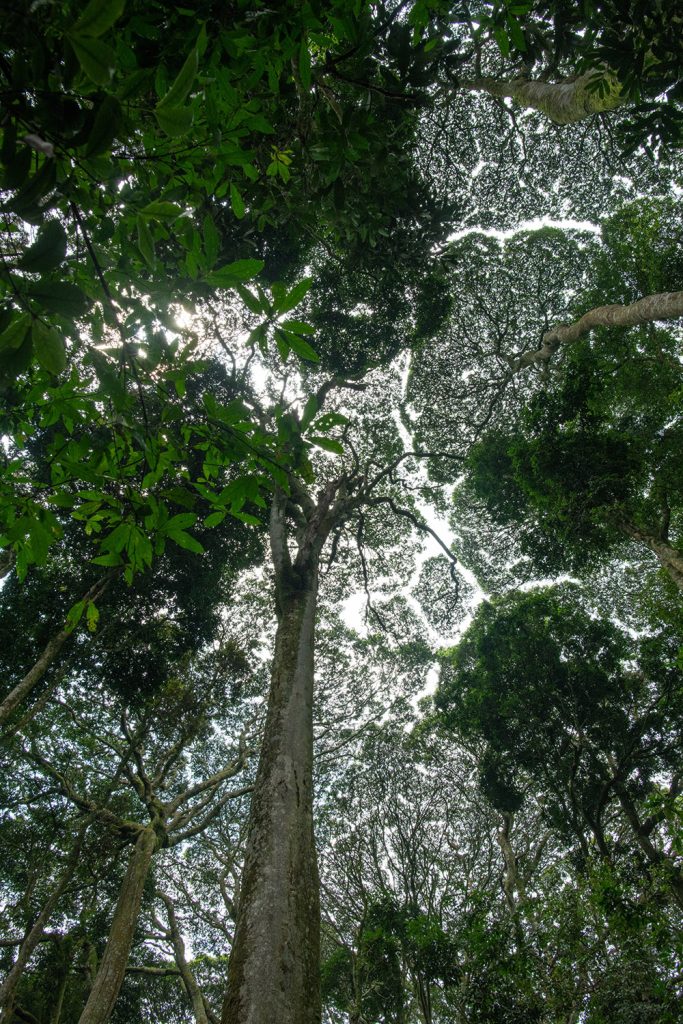
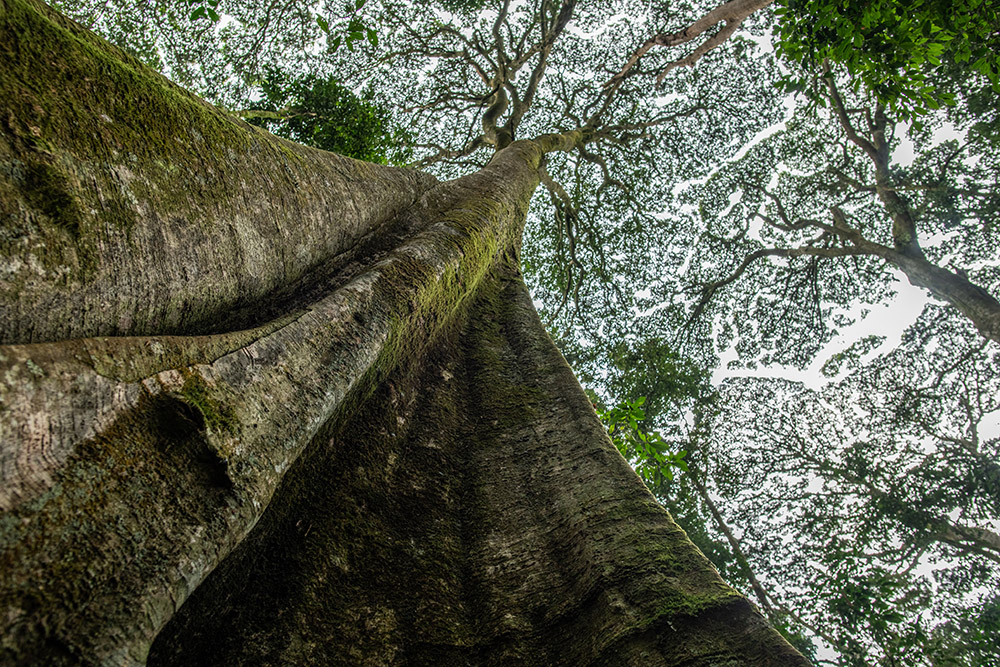
Nyungwe’s history goes back more than a million years, long before people lived here. Scientists believe the forest has survived through many changes, including the last ice age, when it became a safe haven for many species. This is why so many unique plants and animals are found here today. Walking in Nyungwe is like stepping into a living piece of ancient history.
Archaeological finds show that people have lived near and used this forest for thousands of years, building a close relationship with its resources while keeping it healthy. Local guides share stories handed down over generations, giving visitors a deeper sense of the culture and history connected to the forest.
Conservation Milestones and Modern Protection
Nyungwe’s path from forest reserve to national park shows Rwanda’s strong commitment to conservation, especially after the 1994 genocide. The area was first protected as a forest reserve in 1933 and became a national park in 2004 as part of Rwanda’s Vision 2020 plan. Choosing to protect nature during tough times says a lot about Rwanda’s values and future goals.
Today, conservation in Nyungwe has led to big successes. Illegal logging is almost gone, wildlife numbers are steady or growing, and local people are involved in protecting the forest. Conservation has also created thousands of jobs, helping both the environment and the community. When you talk to park rangers and guides, you can see how their work now focuses on protecting the forest instead of using its resources.
The Indigenous Banyarwanda People and Cultural Heritage
The Banyarwanda people have strong spiritual and practical ties to Nyungwe Forest, built over many generations. Traditional healers, called “abafumu,” know more than 200 forest plants and use them to treat different illnesses. They don’t just know which plants to use—they also know the best times to harvest them and how to do it in a way that keeps the forest healthy. Spending time with these healers shows just how much knowledge has been passed down through the years.
Some parts of the forest are considered sacred by the Banyarwanda, believed to be home to ancestral spirits who should be respected with special ceremonies. These beliefs have helped protect sensitive areas and promote sustainable use of the forest. On cultural walks with local guides, you can see how this traditional knowledge still shapes conservation today. The respect they show for the forest is something you can feel, not just read about.
Cultural Practices and Modern Integration
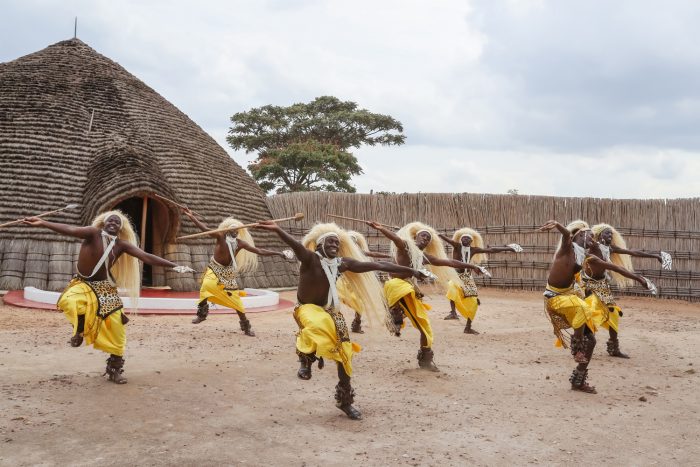
Around Nyungwe, Banyarwanda communities hold special ceremonies before entering the forest, celebrate seasonal festivals for forest products, and pass down important ecological knowledge through stories. The tradition of “ubusabane,” or working together as a community, now helps with conservation efforts. People still make traditional crafts from forest materials, which supports their livelihoods and keeps their culture alive. Seeing these traditions firsthand shows that conservation works best when it respects and includes local ways of life.
Cultural tourism in Nyungwe lets visitors join traditional medicine walks, hear forest myths through storytelling, and watch craftspeople at work. These experiences feel special because they are real traditions, not just shows for tourists. The customs are still changing and growing, but they keep their original spirit and wisdom about nature. When an elder teaches you about medicinal plants, he is passing on knowledge that has been in his family for generations.
Biodiversity and Wildlife
Chimpanzees
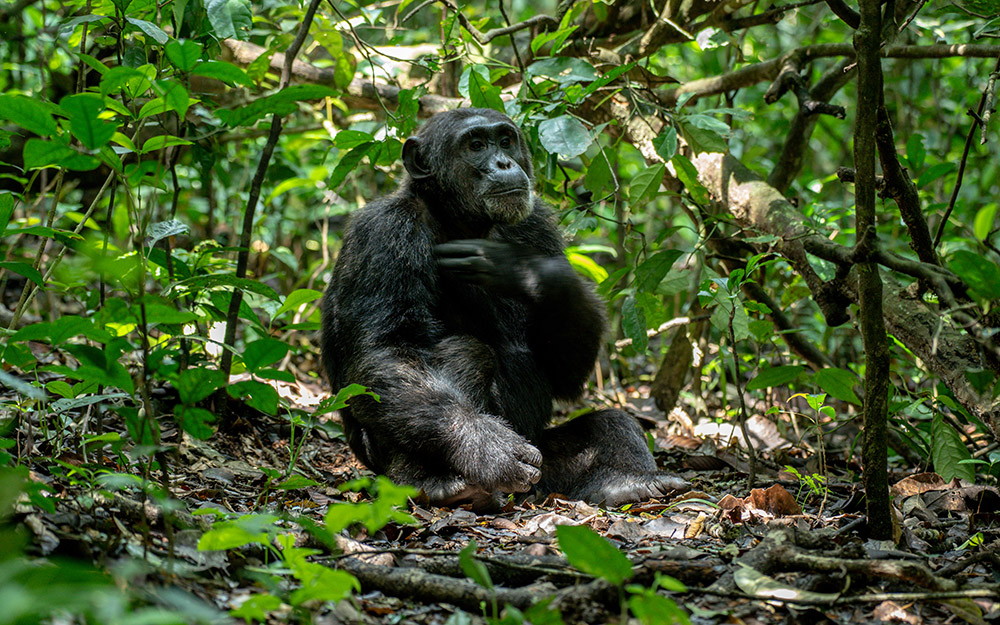
Nyungwe is home to one of the largest groups of chimpanzees in East Africa, with about 500 living in different parts of the forest. These amazing primates share nearly 99% of their DNA with humans, so meeting them can be a powerful experience. Scientists have studied Nyungwe’s chimpanzees since the 1980s, learning a lot about how they live and interact. Many researchers say they form real bonds with the chimps, getting to know them by their faces, personalities, and family ties.
Nyungwe’s chimpanzees are unique because they have adapted to life in the mountain forest. Unlike those in the lowlands, they often search for food in smaller groups and eat a wide variety of plants—over 200 kinds. They also use tools in clever ways. When you go tracking, you might see mothers teaching their young to fish for termites with grass, adults grooming each other to strengthen friendships, or impressive displays of dominance. Their intelligence is clear in their eyes, and many visitors are amazed to realize the chimps are watching them just as closely.
Getting chimpanzees used to people takes years of careful work, helping them stay comfortable around humans while still acting naturally. Seeing a mother chimp nurse her baby while older siblings play nearby gives you a glimpse into our own past that no film can truly capture. Moments like these often change how people think about what it means to be human, showing how close we really are to these animals.
Other Primate Species
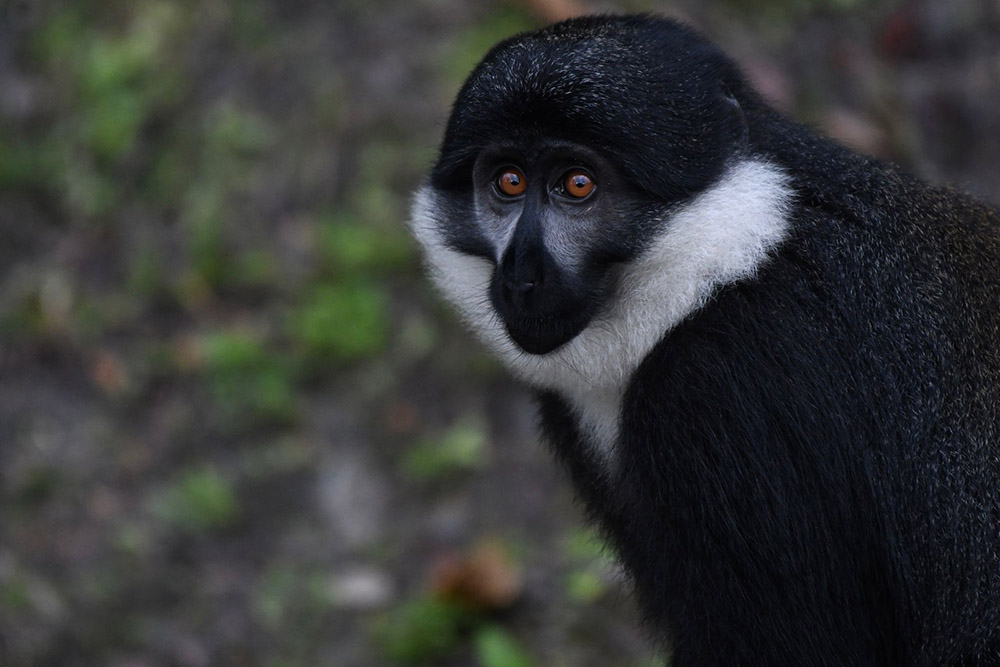
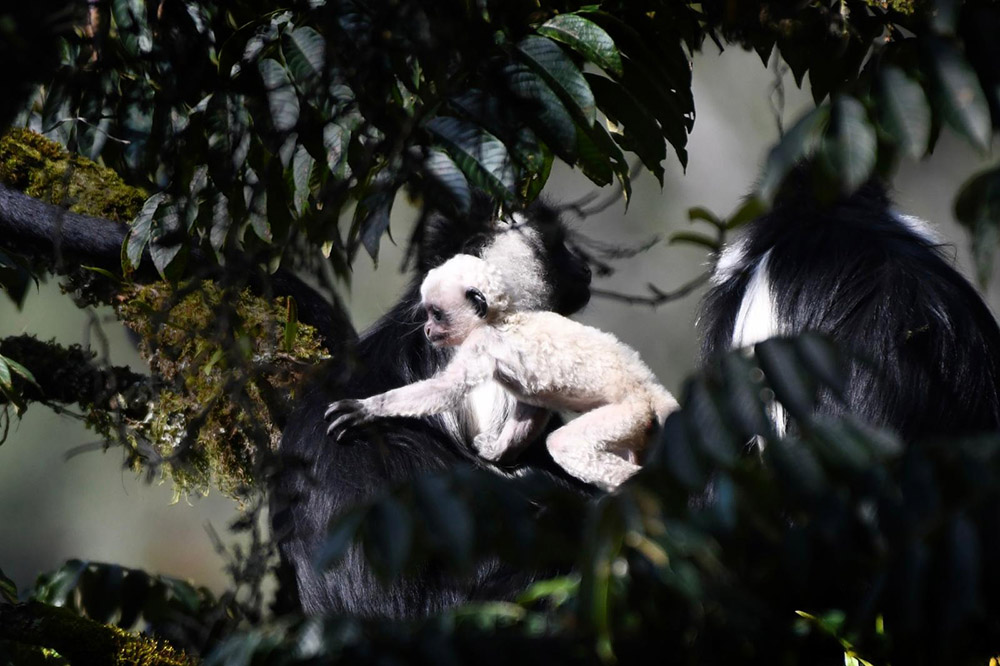
Nyungwe is famous for more than just chimpanzees—it is home to 13 different primate species, making it one of Africa’s top places to see monkeys. One highlight is the Rwenzori colobus monkey, with its bold black and white fur standing out against the trees. These endangered monkeys live in huge groups, sometimes up to 400, and seeing them move through the treetops together is an unforgettable sight, even for those who have seen many wildlife shows.
L’Hoest’s monkeys are easy to spot with their white beards and habit of searching for food on the ground. Blue monkeys bring a hint of color to the lower forest, while olive baboons show their smarts in complex social groups. Vervet monkeys, red-tailed monkeys, and grey-cheeked mangabeys also live here, each with their own role in the forest. With so many species, every walk offers a chance to see something new. Local guides, with years of experience, can often tell which monkeys you’ll see just by reading the signs in the forest.
Avian Diversity
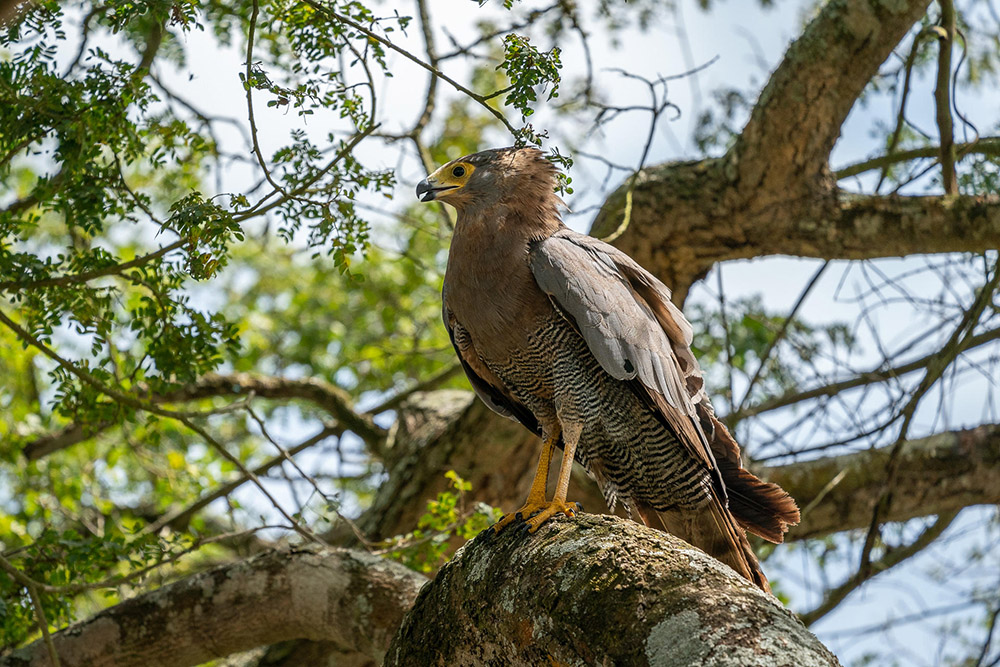
Nyungwe is one of Africa’s best places for birdwatching, with over 310 species recorded, including 27 found only in the Albertine Rift. The forest’s different elevations create many habitats, so you can see birds from both lowland rainforests and high mountain areas. Because the forest is so well preserved, it still has birds that have vanished from other places. Even if you’re not a serious birder, the lively sights and sounds of the birds are hard to ignore.
Some of the most popular birds to spot include the striking Great Blue Turaco, the rare Rwenzori Batis, Handsome Francolins, and many types of sunbirds. You’ll find everything from tiny cisticolas and warblers to large hornbills and bright barbets. Many birdwatchers say Nyungwe is one of the few places where you can see several new species in just one morning.
The best time for birdwatching is early in the morning, when the forest is filled with the songs of hundreds of birds. The dawn chorus is so loud and lively that many visitors find it almost overwhelming, a reminder of how full of life the forest really is.
Other Wildlife
Primates and birds may get the spotlight, but Nyungwe is home to a wide range of animals. You might spot forest elephants, several types of antelope like bushbuck and duikers, and more than 85 small mammal species. These shy animals make forest walks feel mysterious, especially when guides point out signs they’ve left behind. Finding fresh elephant tracks and realizing a huge animal was nearby just hours ago makes every walk more exciting.
At night, animals like bushbabies, pottos, and bats come out and change the feel of the forest. Night walks show a whole new side of Nyungwe, with glowing eyes in the flashlight beam and strange calls in the dark. Many people are amazed to find that the forest they explored during the day feels completely different after sunset, full of animals they never expected.
Nyungwe is also home to many unique reptiles and amphibians, including species found nowhere else. Chameleons show off their color-changing skills, and different frogs add to the forest’s sounds. You’ll also see beautiful butterflies and many other small creatures that are vital to the forest’s ecosystem. The longer you explore, the more you realize you’re only seeing a small part of the park’s incredible diversity.
Top Attractions and Activities
Chimpanzee Tracking
Chimpanzee tracking in Nyungwe is one of Africa’s most memorable wildlife experiences. It starts at dawn with a briefing at park headquarters, where guides explain chimpanzee behavior and safety tips. Nyungwe stands out because more than 90% of treks lead to successful sightings. Heading into the forest before sunrise, the excitement builds with every sound you hear.
During the trek, you’ll follow chimpanzee groups through the forest with researchers who know each animal and can share stories about their personalities. You usually spend about an hour watching the chimps feed, groom, play, and interact. Making eye contact with a chimpanzee and seeing curiosity or recognition is a powerful moment that often leaves visitors feeling deeply moved and connected.
Each tracking group has a maximum of eight people. The hike can be tough, with steep and muddy paths, so be ready for a challenge. The effort is worth it—watching a mother chimp teach her baby, seeing the group’s social interactions, or witnessing their joy and affection is unforgettable. After an hour with the chimps, many people walk back quietly, reflecting on the special experience.
Canopy Walk – An Experience of Walking Among the Treetops
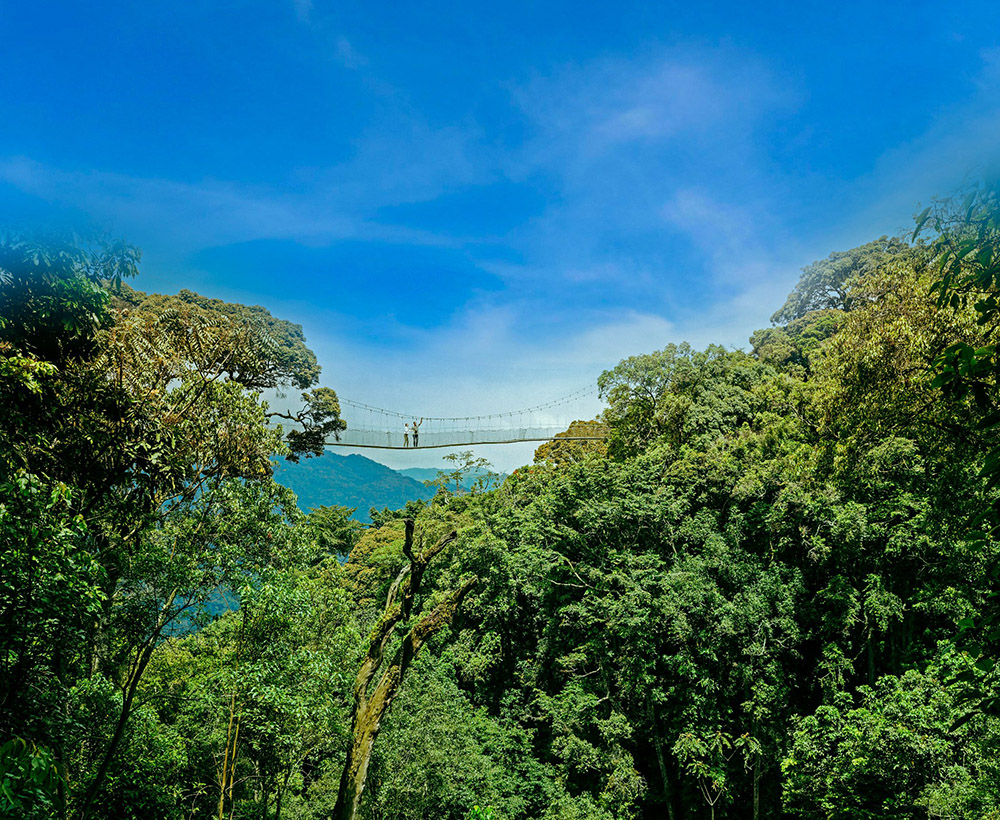
The Nyungwe Canopy Walk gives you a new view of the forest, taking you 70 meters above the ground on a 160-meter suspension bridge. The bridge lets you explore the forest canopy, where much of the park’s wildlife lives. The bridge sways gently, which adds a bit of excitement, but it’s very safe. Most people feel nervous at first, but the amazing views quickly take over.
From the canopy walk, you can see things hidden from the ground, like gardens of epiphytes, primate trails, and wide views of distant mountains. You’ll spot many birds at eye level, making birdwatching especially rewarding. Instead of looking up for wildlife, you’re right in the middle of their world. The canopy feels like a whole new ecosystem high above the forest floor.
Before the walk, you’ll get a safety briefing so everyone knows what to do. Early morning and late afternoon are the best times for great light and active wildlife. The mix of excitement, amazing views, and wildlife makes the canopy walk a highlight for many visitors. People often come back to walk the bridge again, since the view is always a little different.
Nature Walks and Hiking Trails
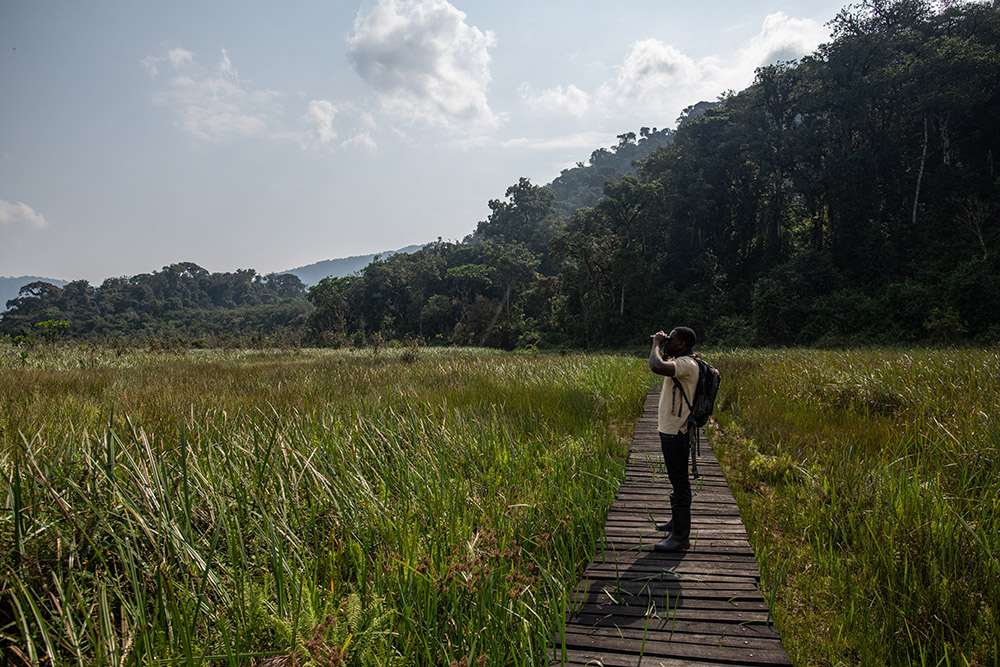
Nyungwe has 13 well-kept trails, from easy walks to tough mountain hikes. Each trail gives you a different look at the forest. The variety means you could spend a week here and have a new experience every day.
The Imbaraga Trail (1.5 km) is great for beginners interested in birdwatching and butterfly photos. If you want more of a challenge, the Karamba Trail (3.7 km) goes through bamboo forests and offers chances to see primates. All trails are well-marked and have signs that teach you about the forest and conservation. The Muzimu Trail leads to waterfalls and shows off the park’s plant life, while the Ngabwe Trail is good for spotting primates and seeing traditional medicinal plants.
Local guides match the pace and information to your group’s interests and fitness, so everyone enjoys the trail. Their enthusiasm for the forest is catching, and you’ll notice things you might have missed without their help.
Waterfall Adventures
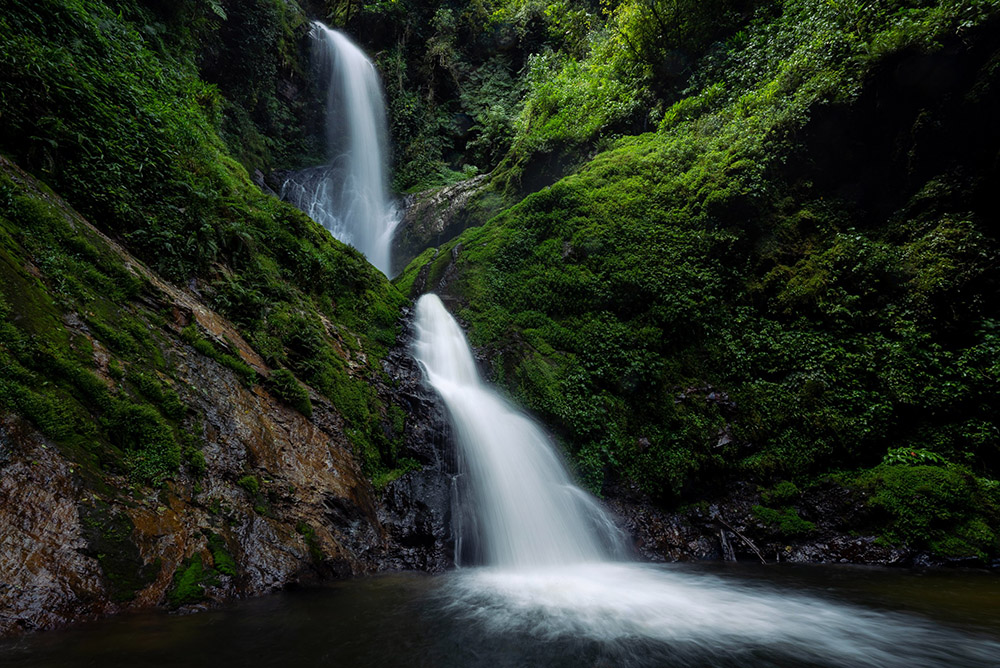
Nyungwe’s waterfalls are among the forest’s most beautiful and refreshing spots. Thanks to the park’s high elevation and frequent rain, you’ll find everything from small streams to impressive falls dropping into deep pools. These areas attract wildlife, so they’re great places to quietly watch animals come for a drink. The sound of the water is calming, making these spots ideal for relaxing or taking photos.
Hiking to the waterfalls takes you through some of Nyungwe’s most untouched forest, where tall trees create open, peaceful spaces and the sound of water adds to the calm. There are plenty of chances for photography, whether you want to capture the smooth flow of water or close-up details of plants and insects. Many photographers find that the walk itself offers just as many great shots as the waterfalls.
Visiting a waterfall is a great way to relax after a tough activity like chimpanzee tracking. The cool, damp air is refreshing and attracts birds and butterflies, making it a good spot for wildlife watching. The mix of beautiful scenery, animal sightings, and quiet surroundings makes these visits a must for anyone exploring Nyungwe. Sitting by a waterfall is a simple pleasure that makes all the hiking worth it and leaves you with lasting memories.
Accommodation Options
Luxury Accommodations
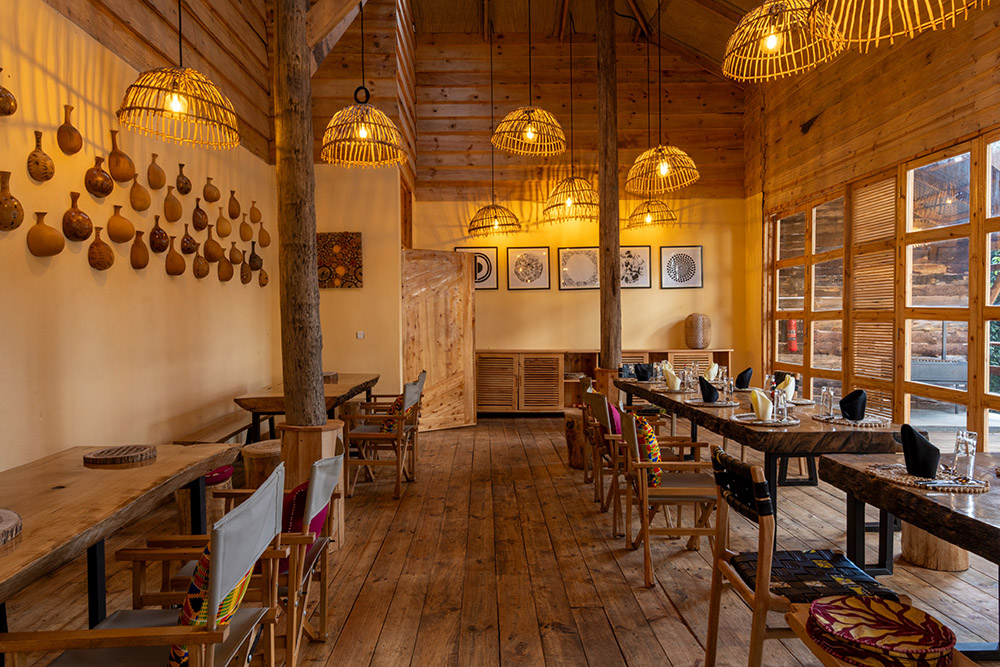
Nyungwe Forest Lodge (One&Only) is a top-tier eco-luxury place to stay in Rwanda. It has 22 rooms and suites, all designed to give you the best views of the forest. Large windows, private decks, and local décor help you feel close to nature. The lodge stands out for its focus on sustainability, using solar power, collecting rainwater, and building with local materials.
The lodge offers a spa with treatments based on Rwandan traditions, a library with books about the local environment, and shared spaces for watching wildlife. The restaurant serves high-quality meals made with local ingredients. The staff provide excellent service, always ready to help while keeping the peaceful feel of the forest.
Nyungwe Top View Hill Hotel sits on a hillside above the forest, offering comfortable rooms and amazing views. There are 24 rooms with modern features and private balconies. Many guests say that watching the sunrise from their balcony is a highlight of their stay.
The hotel’s restaurant serves both Rwandan and international dishes, and you can watch forest birds from the terrace while you eat. There’s a comfortable lounge with a fireplace, conference rooms, and helpful staff. Wi-Fi and steady electricity mean you have modern comforts without losing the peaceful, getaway feel.
Emeraude Kivu Resort is close to Lake Kivu and not far from Nyungwe, making it a good choice for those who like staying by the water. The resort has stylish rooms with views of the lake, private terraces, and all the modern comforts. Its design blends traditional Rwandan touches with modern luxury.
The resort has several places to eat, a spa, a pool overlooking the lake, and options for water sports. They can also arrange rides to Nyungwe National Park, so you can enjoy both the forest and the lake during your trip.
Mid-Range Accommodations
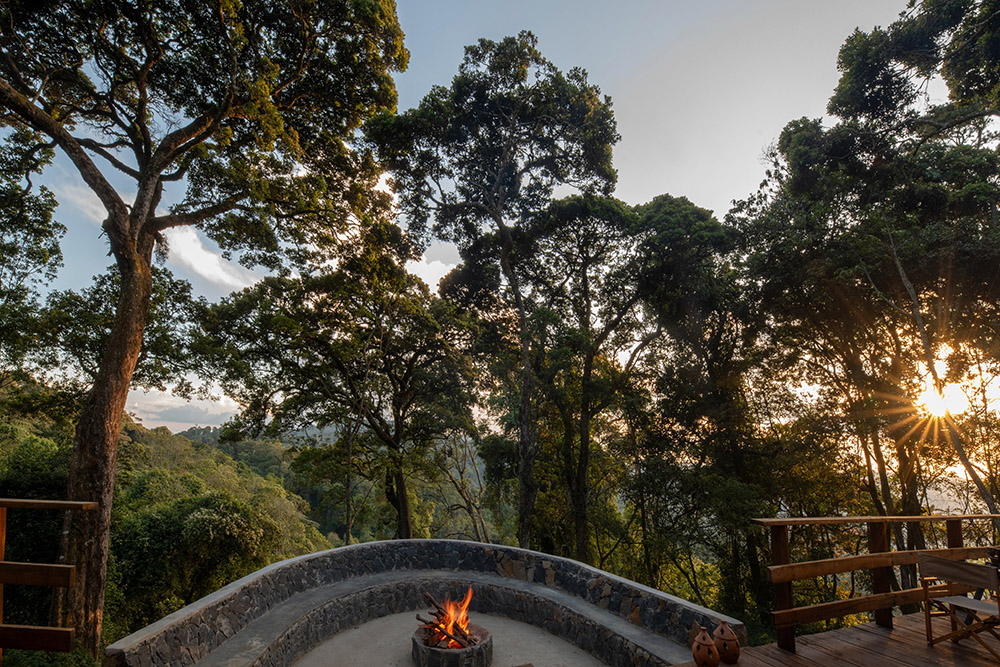
Gisakura Guest House is a popular mid-range choice that offers comfortable, clean rooms at a great value and a genuine local feel. Private rooms come with en-suite bathrooms and basic amenities. Its location near the park headquarters is especially handy for early morning activities.
The guest house restaurant serves filling meals with local specialties and some international dishes. The staff often have family members who work as park guides, giving guests real insights into local life.
Nyanza Hotel, in the historic town of Nyanza, is a comfortable place with modern amenities. Its location is convenient for exploring both Nyungwe and nearby cultural sites. Guests can experience local life while staying close to forest activities.
The hotel has a restaurant with local and international food, conference rooms, and staff who can help arrange transportation. It’s a great base for visitors who want to combine forest adventures with cultural tourism.
Peace Guest House in Butare is a long-standing guest house in Rwanda’s university town. It offers comfortable rooms and an intellectual atmosphere. Its location gives guests chances for cultural exchange and a better understanding of modern Rwandan society.
The restaurant serves local dishes made with fresh ingredients. Many staff have ties to local universities and cultural groups, offering guests special insights into Rwanda’s education and culture.
Budget Accommodations
Uwimana Community Guesthouse is run by the local community and gives guests a real local experience while supporting sustainable tourism. The rooms are simple but clean, with shared facilities and basic amenities at affordable prices. Staying here helps fund community projects.
Community members prepare meals using traditional recipes and local ingredients. Guests can join in activities like craft demonstrations or cultural shows. The money you spend here helps support local schools, healthcare, and conservation projects.
Cyangugu Backpackers Lodge is a budget lodge near the border with the Democratic Republic of Congo. It offers basic dorm rooms and simple private rooms with the essentials. The friendly, informal setting makes it easy to meet other travelers and share experiences.
This lodge is a popular spot for budget travelers. The staff can help arrange transportation at good prices. In the common areas, guests from all over the world share stories and travel tips.
Kigeme Church Guesthouse is run by the church and offers simple, clean rooms in a quiet setting. The basic rooms have shared facilities and all the essentials at very affordable prices. The guesthouse welcomes everyone and many guests find the peaceful atmosphere refreshing.
Meals are simple and filling, made with local ingredients and often served family-style. Because of its church ties, guests can observe local worship and community life.
Best Time to Visit
Seasonal Weather Patterns
Nyungwe’s location near the equator means temperatures stay steady all year, but the amount of rain changes with the seasons and affects your visit. The long dry season from June to September has the best weather, with clear skies and great visibility. Trails are at their best, so hiking is easier and you’re less likely to run into leeches or other wet-season issues. This is the most popular time to visit, so expect more people and higher prices.
The short dry season from December to February is another great time to visit, with cooler weather that’s perfect for more demanding activities. During dry seasons, animals gather near water sources and the thinner foliage makes it easier to spot them, even though the forest stays green. The cooler air also makes hiking more comfortable, especially if you’re not used to tropical climates.
The wet seasons, from March to May and October to November, have both challenges and special rewards. There’s more rain and the trails get muddy, but the forest is at its most lively, with lots of flowers and active birds. Afternoon storms put on a dramatic show, so bring good rain gear and be ready to adjust your plans. The rainy season brings out the forest’s brightest colors and the waterfalls are at their best. If you’re traveling on a budget, you’ll also find lower prices during this time.
Wildlife Activity and Behavioral Patterns
Chimpanzee behavior changes with the seasons, depending on what food is available. When fruit is plentiful, chimpanzees stay in certain areas, so it’s easier to find them but the treks may be shorter. When food is scarce, they move around more, which means longer and more adventurous tracking through different parts of the forest. Guides keep track of these patterns every day and adjust their plans to give you the best chance of seeing chimpanzees.
Bird activity is highest at different times of year, but from November to April, many migrant species join the local birds. The sounds of birds at dawn and dusk are especially strong during these months, making the forest feel alive. Many birdwatchers visit more than once to see different birds and get the most out of their trip.
Primate activity also changes with the seasons. Some species are more active when it’s cool, while others are busiest in warmer months. Local guides know these patterns well and can change their tracking plans based on what’s happening in the forest. Their experience often turns a good wildlife sighting into a truly memorable one.
Getting There and Transportation
From Kigali International Airport
The trip from Kigali International Airport to Nyungwe is about 225 kilometers and usually takes 4 to 5 hours. Along the way, you’ll see beautiful landscapes, tea plantations, traditional villages, and terraced hillsides that show why Rwanda is known for its scenery. The changing views and chances to see local life make the drive enjoyable, and many travelers say it’s one of the highlights of their visit, with plenty of great photo spots.
The best way to get there is by hiring a private car with an experienced driver who can also share insights about the area. You can choose anything from a basic sedan to a comfortable 4WD, which is especially useful in the rainy season. A good driver does more than just get you there—they help you learn about the places and people along the way.
You can also use public transportation, but it takes planning and patience since you’ll need to make several transfers. Adventurous travelers who go this route often get a real feel for daily life in Rwanda and meet helpful, friendly locals. Many budget travelers say it’s their most authentic cultural experience, but it’s not the best choice for everyone.
Regional Transportation Networks
Thanks to better roads, you can now reach Nyungwe from many places in the region. If you’re coming from Volcanoes National Park, you’ll pass through Kigali and can easily combine visits to both parks for a top wildlife experience. The trip usually takes a full day and offers beautiful scenery and a glimpse of local culture along the way. Many tour operators offer packages that include both parks and take care of all the details, so you can simply enjoy the wildlife.
Traveling from Lake Kivu is another great way to reach Nyungwe, especially if you want to mix forest adventures with time by the lake. The drive is very scenic, with views of terraced hills, fishing villages, and wide stretches of water. Moving from the lake to the forest lets you see a range of landscapes in a short time, showing off Rwanda’s natural variety.
Entry Requirements and Permits
Park Access and Fees
Nyungwe National Park charges different fees, and the money goes directly to conservation and helping local communities. International visitors pay $100 per person per day to enter the park, and chimpanzee tracking permits cost an extra $90 per person. This makes Nyungwe less expensive than gorilla tracking but still helps raise important funds for conservation. While the fees may seem high, they are essential for protecting this ancient forest.
You need to book your permits in advance, especially during busy times when spots fill up quickly. Many people don’t know that permits cover more than just entry—they also include expert guides, safety gear if needed, and support for local community programs. The canopy walk has its own permit at $60 per person, but regular forest walks and nature trails are part of the main entrance fee. Knowing what’s included helps you plan your budget and see the value in the fees.
Group sizes are limited, with only eight people allowed for each chimpanzee tracking group. Because of this, it’s important to plan ahead, especially in the dry season when more people want to visit. Booking early, especially for chimpanzee tracking during busy times, can be the difference between getting to visit Nyungwe or missing out.
Booking Procedures and Requirements
Getting permits takes some planning and understanding of Rwanda’s tourism rules. The Rwanda Development Board handles all park permits and encourages booking in advance. The process is now much smoother thanks to clear steps and good communication. Over the past ten years, it has become much easier to get permits than it used to be.
Many people prefer to use registered tour operators who take care of all the planning. For example, Territory Explorers specializes in creating memorable trips and handles every detail, so you get the most out of your time in the forest. If you want to go chimpanzee trekking, they can manage the paperwork and make sure everything runs smoothly from start to finish. Their experience with Rwanda’s permit system and local logistics can save you a lot of time and hassle.
If you prefer to travel on your own, you can book permits directly through official channels, but you’ll need to pay attention to timing and payment steps. Experienced travelers can manage this, but many find it easier and less stressful to use a tour operator. The less time you spend on logistics, the more time you have to enjoy Nyungwe—which is what really matters.
Photography in Nyungwe
Equipment and Technical Considerations
Taking photos in Nyungwe can be both challenging and rewarding. The thick forest means there isn’t much light, so you’ll need fast lenses and a camera that works well in low light. Be ready to adjust your camera settings quickly, as conditions can change fast in the forest.
A good lens kit could include a 24-70mm for general shots, a 70-200mm for wildlife, and a macro lens for close-ups of insects and plants. Because it’s humid and often rainy, weatherproofing your gear is very important. Many photographers find that keeping equipment dry matters just as much as having the right lenses.
Ethical Wildlife Photography
When photographing wildlife in Nyungwe, it’s important to get great photos while also respecting the animals. There are strict rules for chimpanzee photography to ensure the animals’ safety and comfort. Flash is not allowed, and you must keep a safe distance. Good wildlife photographers know that no photo is worth risking the animals’ well-being.
Local guides are key to ethical photography. They help you spot signs of animal stress and identify the best moments for photos. Sometimes, the best thing you can do is put the camera down and just enjoy being there.
Landscape and Forest Photography
Nyungwe offers more than just wildlife photos. You’ll find misty forests, dramatic waterfalls, and wide views that are perfect for landscape shots. The tall trees make for interesting compositions, and the light in the early morning or late afternoon can create beautiful, atmospheric photos.
If you take your time and look closely, the forest reveals photo opportunities that others might miss. Photographers who revisit the same spot at different times often find that changes in weather and light can make the same scene look completely different.
Health and Safety
Medical Preparations and Precautions
You’ll need to prepare for your health before visiting Nyungwe. Malaria prevention is very important because the forest’s climate and elevation make it a good place for mosquitoes, especially during the rainy season. The risk of malaria here can be higher than in other parts of Rwanda, so be sure to take preventive medicine and use insect protection. Even though Rwanda’s malaria rates are lower than in some countries, Nyungwe’s conditions mean you should take all the recommended precautions.
Yellow fever vaccination is required for travelers arriving from endemic areas and recommended for all visitors given the forest’s proximity to the Democratic Republic of Congo. Routine vaccinations, including hepatitis A and B, typhoid, and tetanus, should be up to date. Your travel clinic can provide personalized recommendations tailored to your itinerary and health history.
The forest brings its own health risks, like tropical diseases, cuts from plants, and the challenge of hiking at higher elevations. Getting fit before your trip helps you stay safe and enjoy your time more. It’s also useful to know some basic first aid, especially if you’re going to remote areas. Bring a first aid kit suited for tropical travel and possible forest injuries. If you’re prepared, you can handle small problems yourself and avoid missing out on your forest adventure.
Safety During Forest Activities
Staying safe in the forest starts with good preparation and staying aware of your surroundings. Experienced guides are essential—they keep you safe and help you get the most out of your wildlife and forest experiences. They know the animals, the weather, and the terrain, so you can relax and enjoy the forest. Trust your guide’s advice; their careful approach is based on years of experience and deep knowledge of the area.
Wildlife encounters are usually safe if you follow the rules, but it’s important to know how to behave and be aware of possible risks. Chimpanzee tracking means getting close to strong animals whose behavior can change quickly. Many visitors don’t expect the forest itself to be challenging, with steep paths, slippery ground, thorny plants, and thick canopy that can make it hard to find your way. Always pay attention and respect the forest—accidents happen when people get careless.
The weather in the forest can change quickly, turning an easy hike into a tough one with heavy rain, poor visibility, and slippery trails. Wear waterproof clothes, sturdy shoes with good grip, and bring layers for changing temperatures. While there are emergency plans in place, the best way to stay safe is to prepare well, be careful, and always follow your guide’s instructions. The aim is to enjoy the adventure and come home with good memories, not injuries.
Practical Travel Tips
What to Pack for Nyungwe
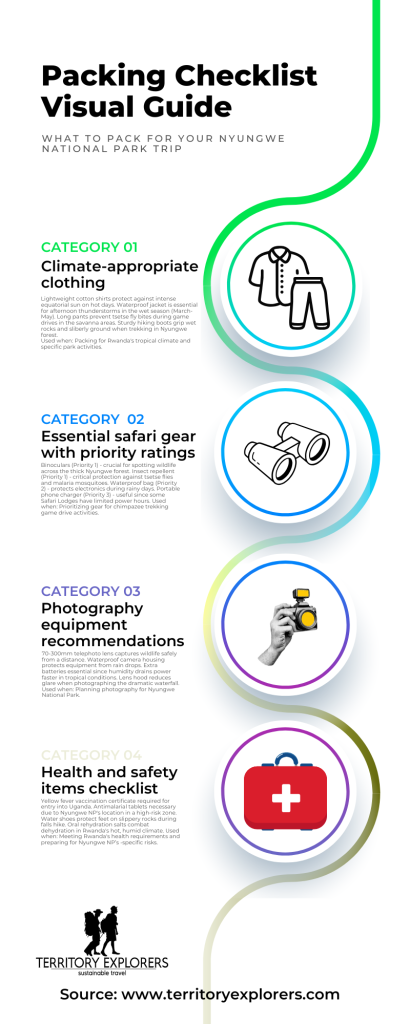
When packing for Nyungwe, you’ll need to be ready for the forest and general travel needs, but try to keep your luggage light. Bring lightweight, long-sleeved shirts and pants in neutral colors to protect against bugs and plants. A waterproof jacket and pants are a must, no matter the season. Sturdy, waterproof hiking boots with good ankle support and strong grip will help you hike safely, even on muddy trails.
Other important items are a sturdy daypack, binoculars (8×42 or 10×42 work well), sunscreen, insect repellent with DEET, a personal first aid kit with any needed medicines, and a headlamp for early starts. Don’t overpack—choose clothes that dry quickly and can be worn more than once.
If you love photography, bring rain protection for your gear, extra batteries and memory cards, and some plastic bags to keep everything dry. A notebook is also handy for jotting down your observations.
Money and Budgeting
The main fixed costs are park entrance fees ($100 per day for international visitors) and activity permits—$90 for chimpanzee tracking and $60 for the canopy walk. Accommodation prices range from $20–30 per night at budget guesthouses to over $500 at luxury lodges.
Transport costs vary, but hiring a private car from Kigali usually costs $150–250. Meals at mid-range restaurants are about $10–20. It’s normal to tip guides $10–20 per day.
Major lodges accept credit cards, but you’ll need cash (Rwandan Francs or US Dollars) for smaller places and for tips. Many people find that booking a full tour package is better value since it covers most costs.
Communication and Connectivity
Mobile phone coverage in the park depends on where you are. Most main hotels and lodges have WiFi, but it can be slow. Many visitors find that having less connectivity actually makes their forest experience better.
If you need to stay connected, buy a local SIM card in Kigali—it’s more reliable than using international roaming. The park has good emergency communication, with rangers carrying radios linked to park headquarters.
It’s important to have travel insurance that covers emergency evacuation, since the park is far from major medical centers.
Responsible Tourism and Environmental Ethics
Always follow Leave No Trace rules: take all your trash with you, stick to marked trails, and never feed the animals. Be sure to follow wildlife viewing guidelines, especially during chimpanzee tracking, where keeping your distance and following time limits helps protect the animals.
Help local communities by buying crafts from local artists, eating at local restaurants, and staying in community-run guesthouses when you can. Always ask before taking someone’s photo. Being respectful leads to better experiences for everyone.
Beyond Nyungwe: Extending Your Rwanda Experience
Volcanoes National Park and Gorilla Trekking
Visiting both Nyungwe and Volcanoes National Park gives you the full Rwanda primate experience, letting you see mountain gorillas as well as chimpanzees. Volcanoes National Park is home to Rwanda’s part of the Virunga Mountains, where about a third of the world’s mountain gorillas live. Many people say that seeing gorillas is the most unforgettable wildlife experience they’ve ever had.
Traveling between the parks takes you through Kigali, so you can explore the capital and visit the Kigali Genocide Memorial. Most people spend 2–3 days at each park. Gorilla permits are much more expensive than chimpanzee tracking ($1,500 compared to $90), but most travelers say the experience is worth it.
Akagera National Park Safari
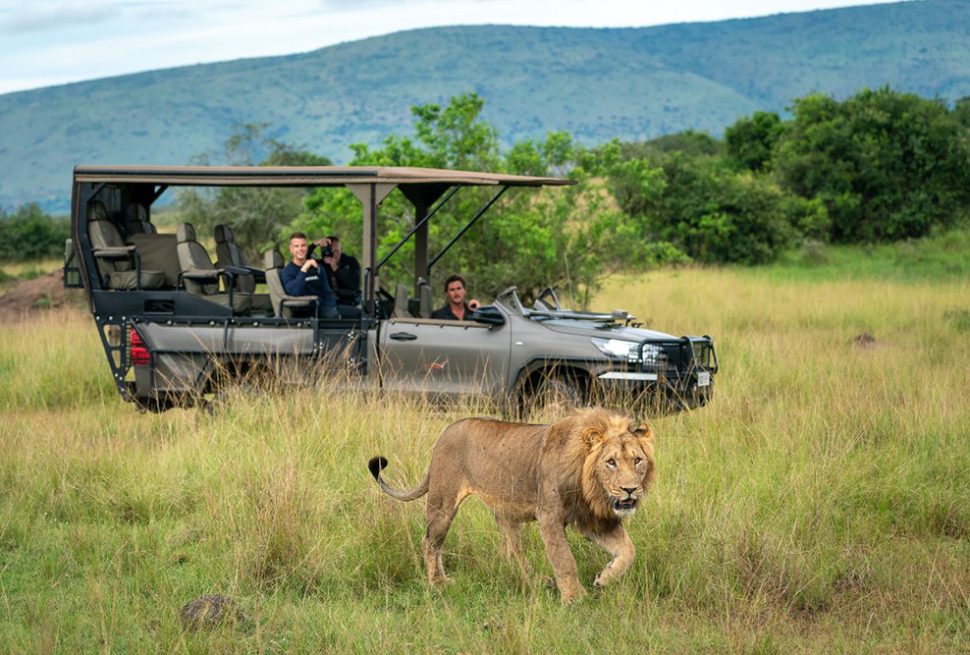
Akagera National Park, in eastern Rwanda, is the place for a classic African safari, with lions, elephants, buffalo, giraffes, and many kinds of antelope. The open plains of Akagera are a big contrast to Nyungwe’s thick forest, giving you a full picture of Rwanda’s wildlife. Lions and black rhinos have recently been brought back to Akagera, so you can now see all of the “Big Five” animals there.
Most people spend 2–3 days in Akagera, going on game drives in the morning and afternoon when animals are most active. You can also take a boat safari on Lake Ihema to see hippos and enjoy the water views.
Lake Kivu Relaxation
Lake Kivu, one of Africa’s Great Lakes, is a great place to relax after your wildlife adventures. The towns along the lake have beach resorts, water sports, and cultural activities. Since it’s close to Nyungwe, Lake Kivu is the perfect spot to unwind and rest after exploring the forest.
You can go kayaking or take boat tours around the lake’s islands. The towns by the lake have craft markets and cultural experiences, and the nearby coffee plantations offer tours and tastings for visitors.
Cultural and Historical Sites
Rwanda’s cultural and historical sites help you understand the country today. The Kigali Genocide Memorial teaches about the country’s tragic past, honors the victims, and celebrates the strength of survivors. Many people say it’s the most meaningful place they visit in Rwanda.
The National Museum of Rwanda in Butare displays the country’s history, culture, and art from before colonial times. The King’s Palace in Nyanza lets you see royal buildings and traditions. Across Rwanda, you can watch traditional dances and visit craft centers to experience local culture.
Frequently Asked Questions
Nyungwe National Park covers 1,019 square kilometers (393 square miles), making it one of Rwanda’s largest protected areas and a key montane rainforest reserve in Africa. Its varied elevations range from 1,600 to 2,950 meters above sea level, supporting a variety of ecosystems that host populations of chimpanzees, forest elephants, and many other species. The expansive size features extensive trail networks, offering a range of experiences from simple nature walks to challenging multi-day journeys through remote forests.
The easiest way to visit is to use a registered tour operator like Territory Explorers. They take care of permits, transport, places to stay, and park arrangements, so you can just enjoy your trip. If you want to go chimpanzee trekking, they’ll handle all the paperwork for you. If you prefer to travel on your own, you can book permits through the Rwanda Development Board and arrange your own transport and accommodation, but this takes more time and planning. No matter how you visit, book early, especially in busy seasons when spots fill up fast.
Nyungwe National Park is about 225 kilometers (140 miles) southwest of Kigali, and the drive usually takes 4 to 5 hours, depending on the roads and stops. Along the way, you’ll see tea plantations, villages, and terraced hills that show off rural Rwanda. The drive is an experience in itself, giving you a better feel for the country. Be sure to plan your timing, especially if you have a flight or want to join early morning activities like chimpanzee tracking, which may mean staying overnight near the park.
Nyungwe has something for everyone, no matter your interests or fitness level. Chimpanzee tracking is the top activity, with a high chance of seeing these amazing animals up close. The 160-meter canopy walk lets you walk 70 meters above the forest floor for great views. There are 13 hiking trails, from easy walks to tough mountain treks. You can also visit waterfalls, go bird watching (with over 310 species), meet local communities, and take photos all over the forest. Local guides make every activity more interesting with their knowledge and stories.
Nyungwe National Park was officially established in 2004 as part of Rwanda’s post-genocide recovery efforts, emphasizing conservation and sustainable tourism. Nonetheless, the area had been protected since 1933, when it was designated as a forest reserve under Belgian colonial rule. Upgrading it to a national park signified Rwanda’s dedication to conserving biodiversity, safeguarding watersheds, and promoting tourism during its most difficult rebuilding phase, showing strong foresight by prioritizing environmental conservation as a foundation for sustainable economic growth.
Nyungwe National Park is located in southwestern Rwanda, about 225 kilometers from Kigali, spanning the border between the Western and Southern provinces. It borders Burundi to the south and is near the Democratic Republic of Congo to the west, forming part of the larger Congo Basin forest ecosystem. The park is strategically positioned along the Congo-Nile divide, where the continental watershed separates river systems flowing toward the Atlantic and Indian Oceans. Its elevation varies from 1,600 to 2,950 meters above sea level, resulting in diverse microclimates and stunning views across Rwanda’s iconic rolling hills.
You’ll find all kinds of places to stay in Nyungwe, from luxury lodges to budget options. The One&Only Nyungwe Forest Lodge is the most luxurious, with eco-friendly design and top-notch service. For mid-range prices, Gisakura Guest House and Nyungwe Top View Hill Hotel offer comfortable rooms and good access to the park. If you’re on a budget, there are community guesthouses and church-run places that are simple but clean and give you a real taste of local culture. This range of choices means everyone can find something that fits their budget and helps support local communities.
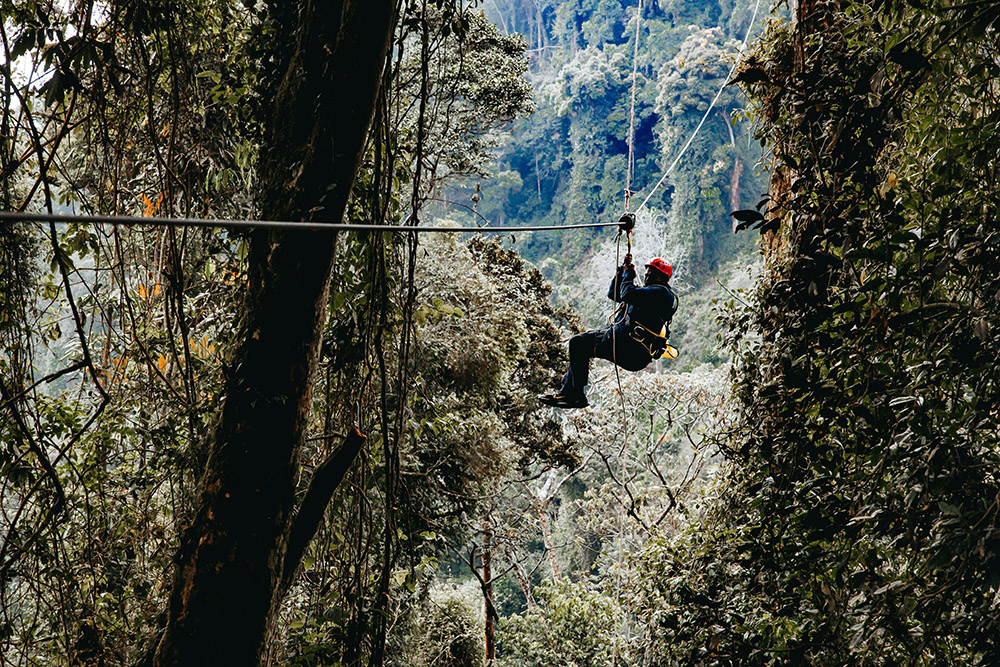
There is no zipline in Nyungwe. Some visitors mix up the canopy walk with a zipline, but the canopy walk is a 160-meter suspension bridge 70 meters above the ground. It’s meant for quiet wildlife watching and photography, not for thrills. You can take your time on the bridge, stopping often to look around and learn about the forest. If you want a real zipline, you’ll need to visit other parts of Rwanda or nearby countries.
Nyungwe is special because it’s one of Africa’s oldest rainforests, surviving for over a million years without major changes. It’s home to 13 primate species (one of the highest numbers in Africa), more than 310 bird species—including 27 found only here—and over 1,068 plant species. The park sits on the Congo-Nile divide, making it important for water systems that flow to both the Atlantic and Indian Oceans. Its range of elevations creates many different habitats, making Nyungwe vital for protecting global biodiversity.
The Nyungwe Canopy Walk is a 160-meter suspension bridge 70 meters above the forest floor. Walking across the bridge takes about 30 to 45 minutes if you go slowly and stop for photos or wildlife watching. The whole experience usually takes 2 to 3 hours, including the hike to the bridge, safety briefing, time on the bridge, and the walk back. The bridge gives you many chances to see the forest canopy and enjoy the views, while you get used to the height and gentle movement.
Nyungwe National Park is home to over 310 bird species, including 27 that are only found in the Albertine Rift, making it a top spot for birdwatchers in Africa. The park’s old forests and range of elevations create many habitats for different types of birds, from rainforest specialists to grassland species. Because the forest is so well-preserved, it supports birds that can’t survive in damaged areas. Both resident and migrating birds can be seen all year, and local guides can help you find and identify birds, even those hidden in thick vegetation.
Nyungwe is home to an amazing variety of wildlife, with 13 types of primates, including over 500 chimpanzees—one of the largest groups in East Africa. You’ll also find big groups of Rwenzori colobus monkeys, L’Hoest’s monkeys, blue monkeys, red-tailed monkeys, vervet monkeys, olive baboons, and other smaller primates. Larger animals include forest elephants, bushbuck, duikers, and more than 85 small mammal species. The park is also rich in reptiles, amphibians, butterflies, and many other invertebrates. This incredible diversity makes Nyungwe vital for protecting species that are rare or found nowhere else.
Conclusion
Relaxing at the edge of Nyungwe’s ancient forest, you start to see why this place is so special. The forest has been here for over a million years, and it has a way of changing how people see the world. Nyungwe is more than just a tourist spot—it connects our past and future and shows the deep links between humans and primates.
Nyungwe’s importance goes beyond its borders. It provides water for millions, protects rare species, and shows how conservation and community development can work together. When you visit, you join a global effort to protect one of the world’s most valuable ecosystems.
No matter why you visit—whether for adventure, spiritual renewal, learning, or just to enjoy nature—Nyungwe gives you experiences you’ll remember long after you leave. The memories you make, like seeing a chimpanzee up close or walking among the treetops, become your own way of supporting conservation.
When you visit Nyungwe, you help support conservation so that future generations can also enjoy this ancient forest. By choosing to come here and sharing your experiences, you help make sure this million-year-old forest will be around for many more years.
If Nyungwe National Park is calling to you and you want to visit, get in touch with us at info@territoryexplorers.com . We will help you plan an adventure you will remember long after you leave.