
Queen Elizabeth National Park sits in Uganda’s Western Region, inside the Great Rift Valley. Covering 1,978 square kilometers across four districts, it has grown from colonial hunting grounds into one of Africa’s top conservation areas since it was named after Queen Elizabeth II in 1954.
Each year, more than 150,000 people visit to see its rich wildlife, including tree-climbing lions, herds of elephants, hippos in the waterways, and chimpanzees in the forests. The park shows how tourism can support both wildlife conservation and local communities, giving visitors a chance to experience many of Africa’s ecosystems and animals all in one place. Queen Elizabeth National Park offers a range of tour activities for visitors in Uganda.
Key Takeaways
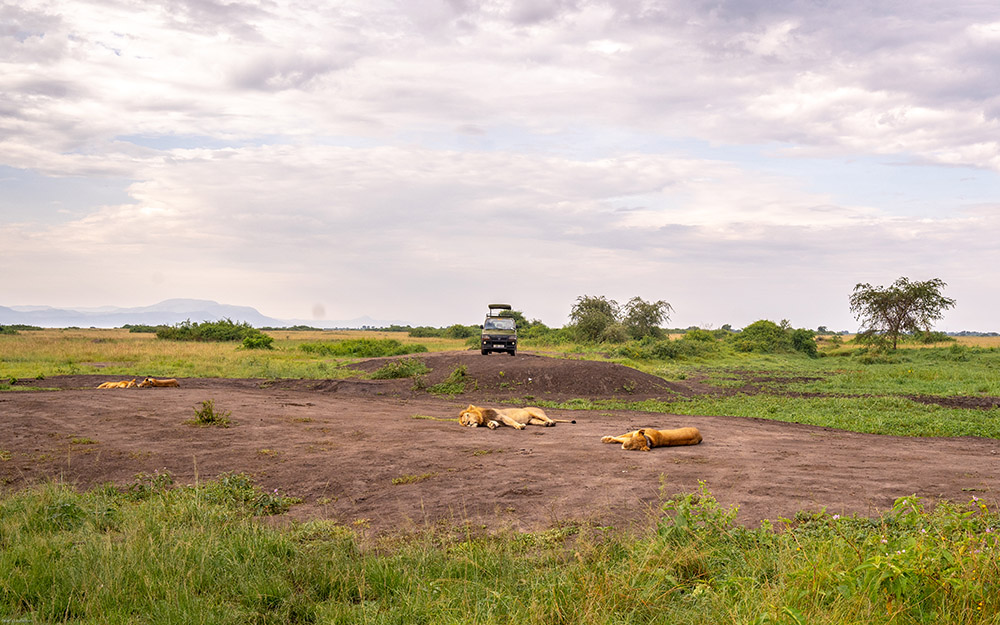
- Queen Elizabeth National Park is Uganda’s most popular wildlife destination, known for its great value and variety of experiences that highlight the best of East Africa’s natural beauty. Covering 1,978 square kilometers in western Uganda, the park brings in more than half of the country’s tourism revenue and protects four of Africa’s Big Five species in a range of different habitats. Visiting here feels like uncovering one of Africa’s hidden gems.
- Unique Wildlife Experiences: The park’s tree-climbing lions in the Ishasha sector show a rare behavior seen only here and in Tanzania’s Lake Manyara. The Kazinga Channel is home to over 4,000 hippos, making it one of Africa’s top spots for seeing these animals. Seeing a lion resting in a tree for the first time is truly unforgettable.
- Outstanding Biodiversity: Queen Elizabeth is home to over 600 bird species, 95 mammal species, and a mix of habitats from savanna to forest. This variety means you’ll always have something new to spot, making it a top place for wildlife viewing.
- Excellent Value: With a $40 entrance fee for international visitors, the park offers world-class wildlife experiences at a much lower cost than other East African destinations. There are plenty of activities for all interests, so you get a lot for your money.
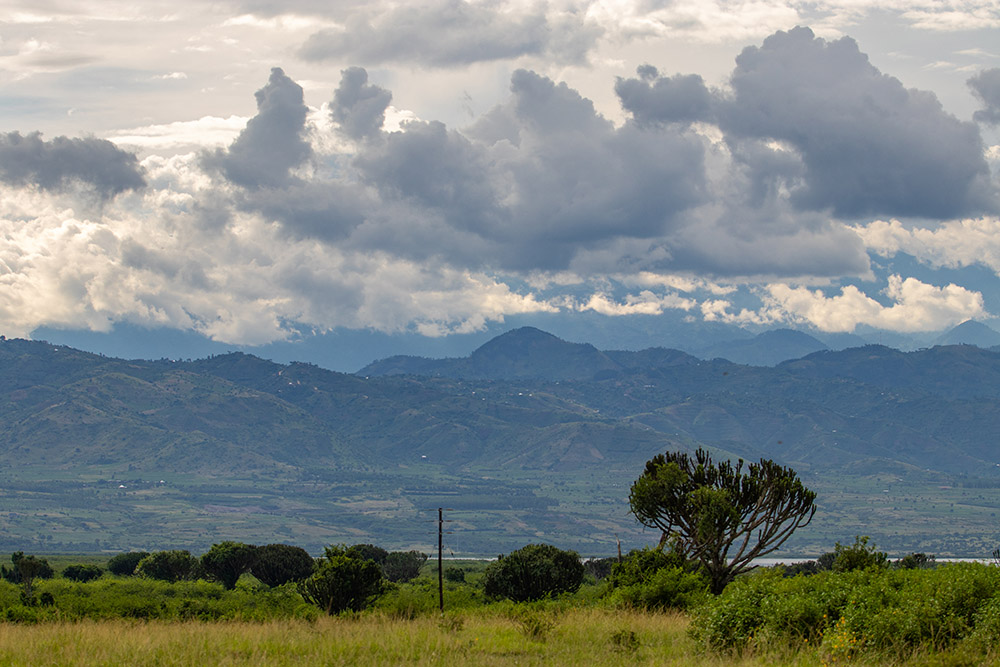
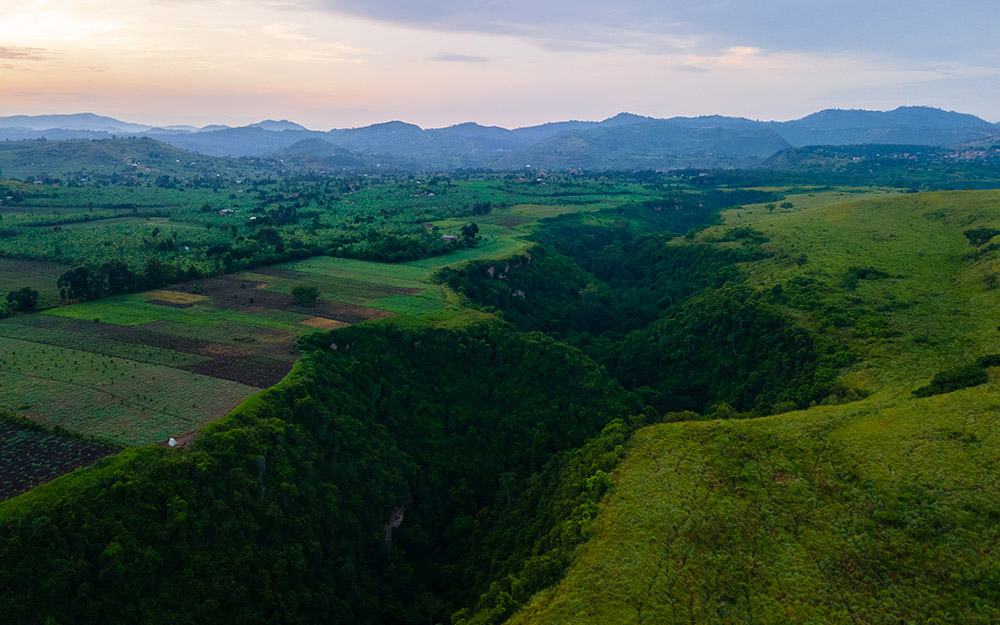
- Strategic Location: The park sits along the Albertine Rift, featuring dramatic scenery with 72 extinct volcanic craters. These unique landscapes offer great photo opportunities and add something special to the safari experience. Around every corner, you’ll find another impressive view.
- Conservation Success: Money from tourism supports anti-poaching, community projects, and wildlife research. This has helped keep elephant, lion, and other animal populations stable, while also supporting local communities. It’s rewarding to know your visit helps protect the park’s wildlife.
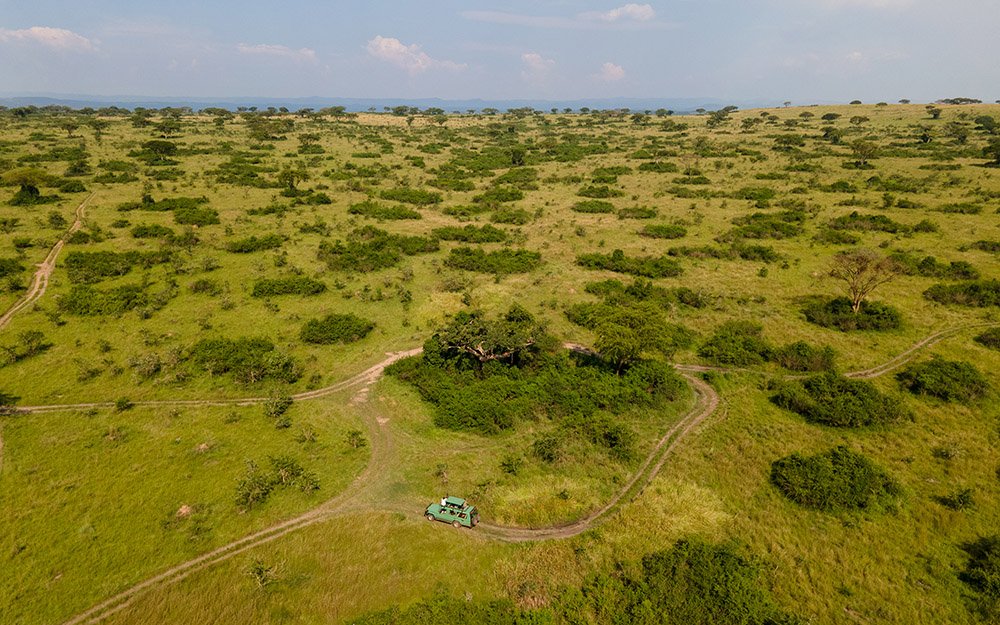
Location and Geography
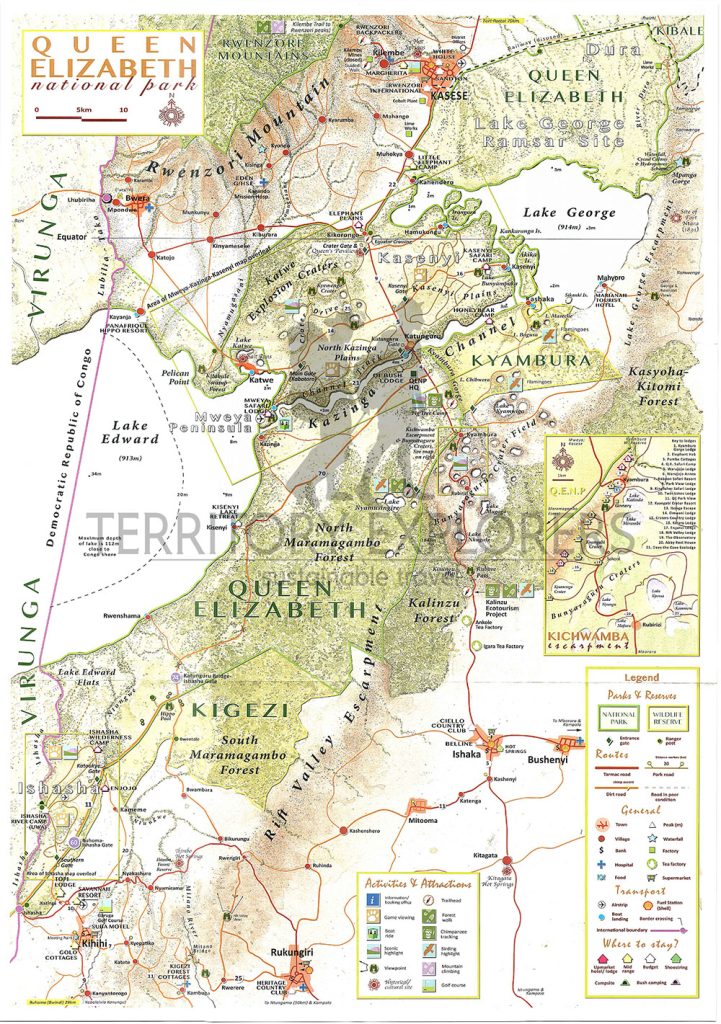
Standing at the equator marker on the park’s main road is a memorable experience that highlights the special place on the globe. Queen Elizabeth National Park is about 400 kilometers southwest of Kampala, right in the heart of the Albertine Rift Valley. Its position between Lakes George and Albert, linked by the Kazinga Channel, creates a natural waterway that attracts large numbers of animals and offers excellent opportunities for boat safaris.
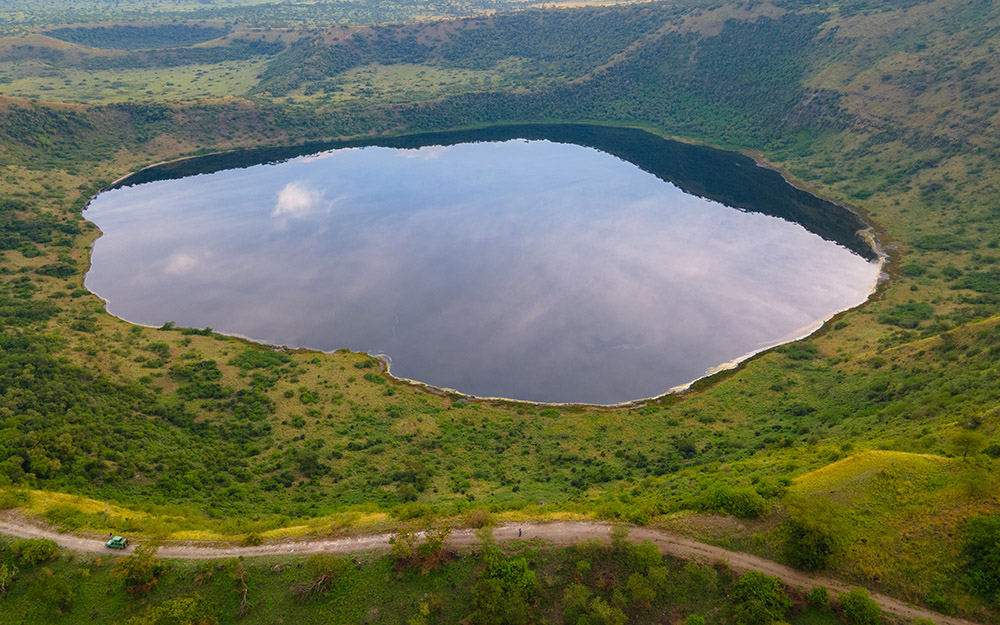
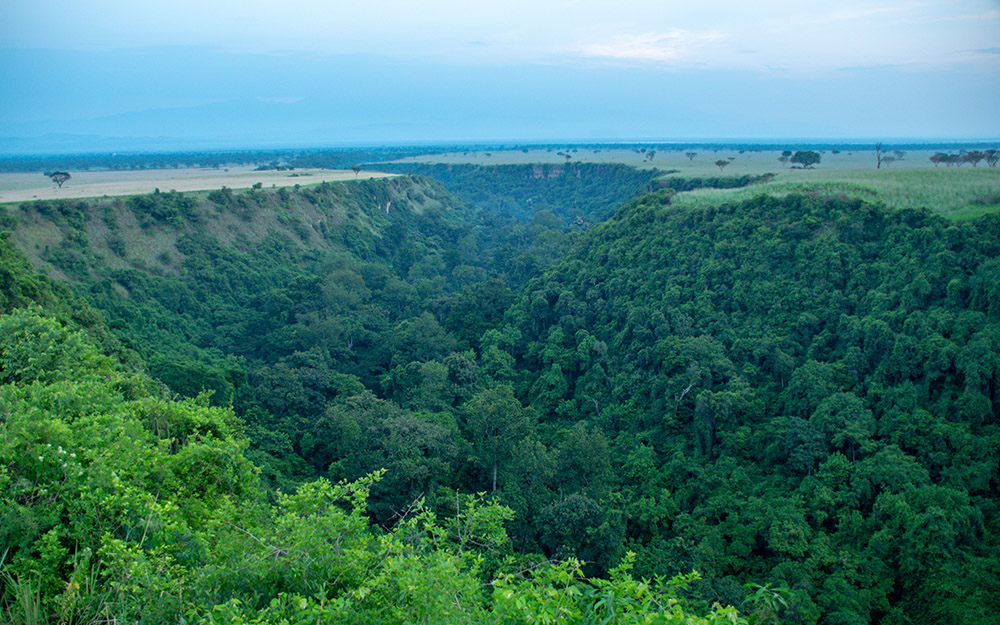
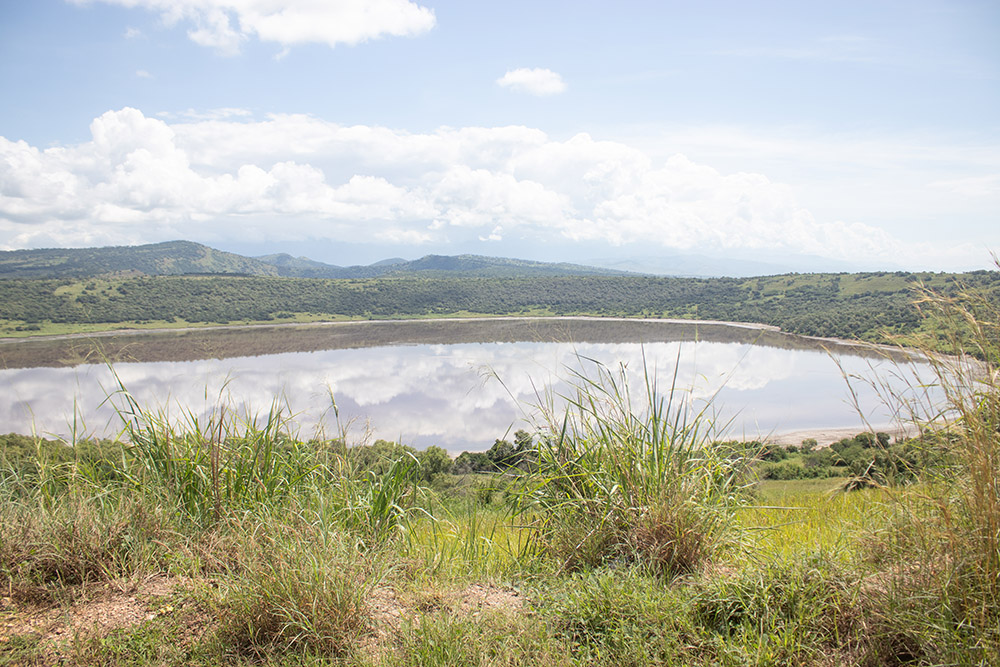
The park’s landscape features 72 extinct volcanic craters, a result of millions of years of geological activity. These craters now hold lakes with different salt levels, attracting a variety of wildlife and creating unique habitats. Each crater offers a new scenic view, making it hard not to take photos at every stop.
The park’s elevation ranges from 910 meters at Lake Edward to 1,390 meters in the Kyambura area. These changes affect temperature and rainfall, leading to different types of plants and animals in each zone. The 24-kilometer drive from Kabatoro to the Queen’s Pavilion highlights this variety, offering many viewpoints of the crater landscapes. It feels like traveling through several climates in one afternoon.
The Kazinga Channel is a 32-kilometer waterway linking Lakes Edward and George, and it’s the main spot for wildlife viewing in the park. Over time, shifts in river boundaries have changed the park’s size, with the Ishasha sector growing by about 3 kilometers since 1960 while Virunga National Park in Congo has shrunk. These changes show how the landscape is always evolving.
History and Establishment
Queen Elizabeth National Park’s journey from hunting grounds to a protected sanctuary shows how Uganda’s view of its natural heritage has changed, with more focus on conservation’s economic and ecological benefits. It’s interesting to think how the area might look today if early conservationists hadn’t seen its importance. First established in 1952 as Kazinga National Park, it was one of Uganda’s first efforts to protect wildlife while using resources responsibly during the last years of British colonial rule.
When the park was renamed in 1954 to honor Queen Elizabeth II’s visit, it marked a real change in conservation thinking, putting ecosystem protection ahead of resource use. The Queen’s Pavilion, visited by British royalty in 1954, 1959, and 2007, shows the park’s ongoing international importance and Uganda’s dedication to wildlife conservation. It’s special to visit a place that has hosted royalty and is still open to everyone.
During colonial times, the park’s management focused on protecting large mammals and developing tourism, setting up systems and infrastructure that still shape how the park runs today. The concrete hoops at the equator crossing on the main road are a favorite photo spot, reminding visitors of the park’s unique location and history. Standing there, you join many others who have admired this special place over the years.
Since independence, Queen Elizabeth National Park has become a leader in community-based conservation. Tourism revenue now helps protect wildlife and supports local development projects. Revenue-sharing programs make sure nearby communities benefit from conservation, encouraging them to protect wildlife and helping to fix past inequalities. It’s good to know that your visit directly supports both conservation and local people.
Wildlife and Biodiversity
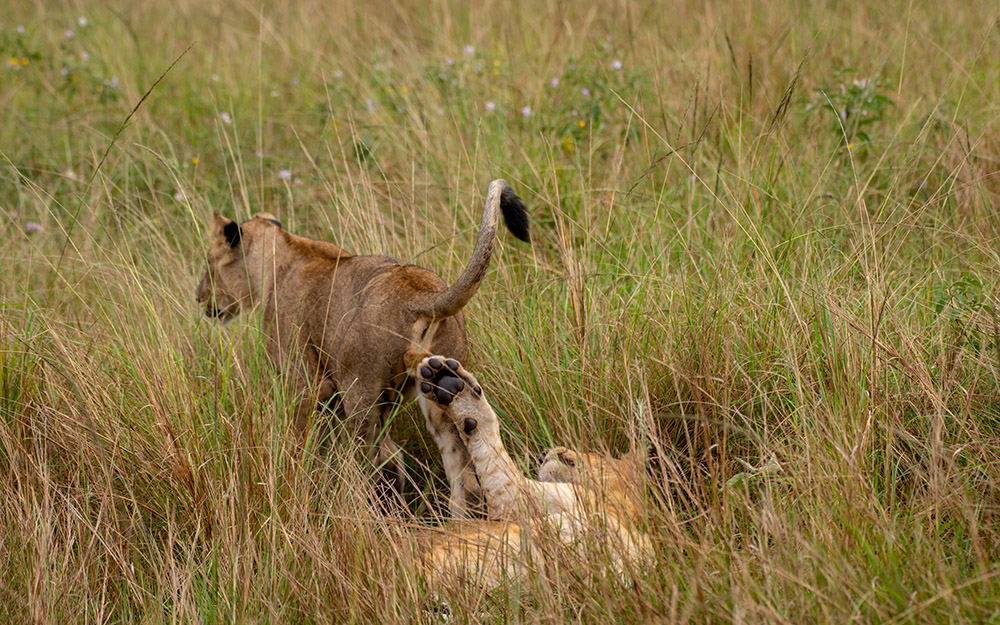
Major Wildlife Species
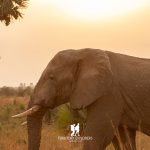
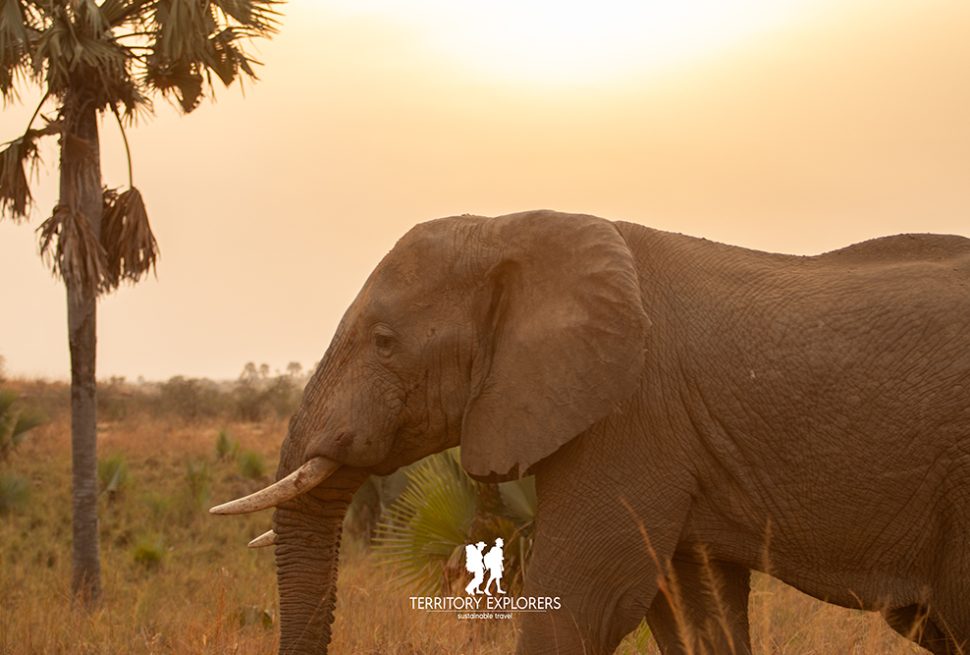
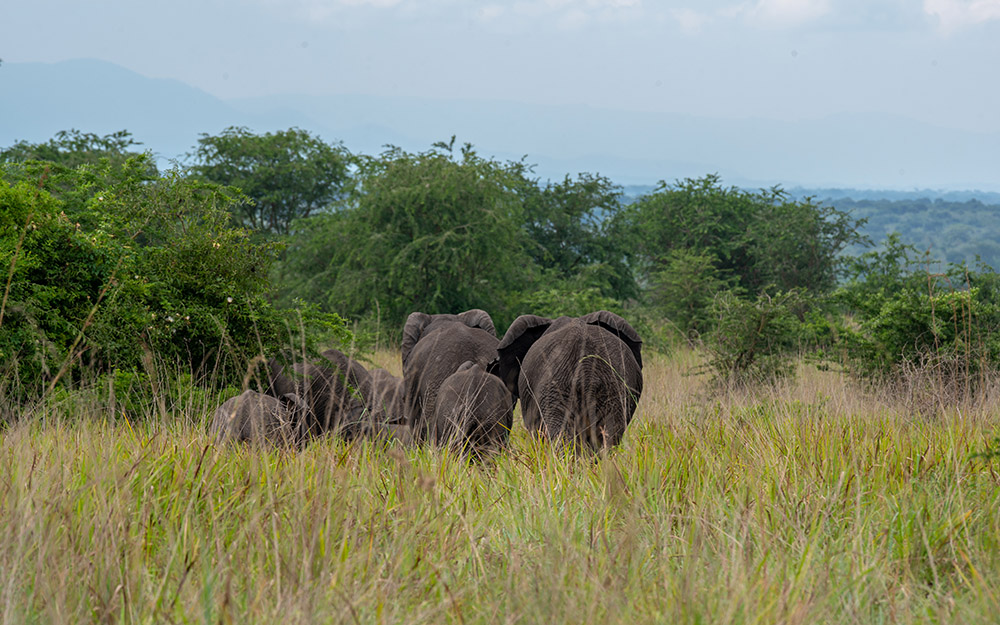
Queen Elizabeth National Park is home to many large mammals, making it one of the best places in East Africa for wildlife viewing. Seeing these animals in their natural environment is exciting, especially knowing their behaviors have stayed the same for thousands of years. The park has more than 2,500 elephants, one of the largest groups in Uganda, with herds moving between areas based on the seasons and where food is available.
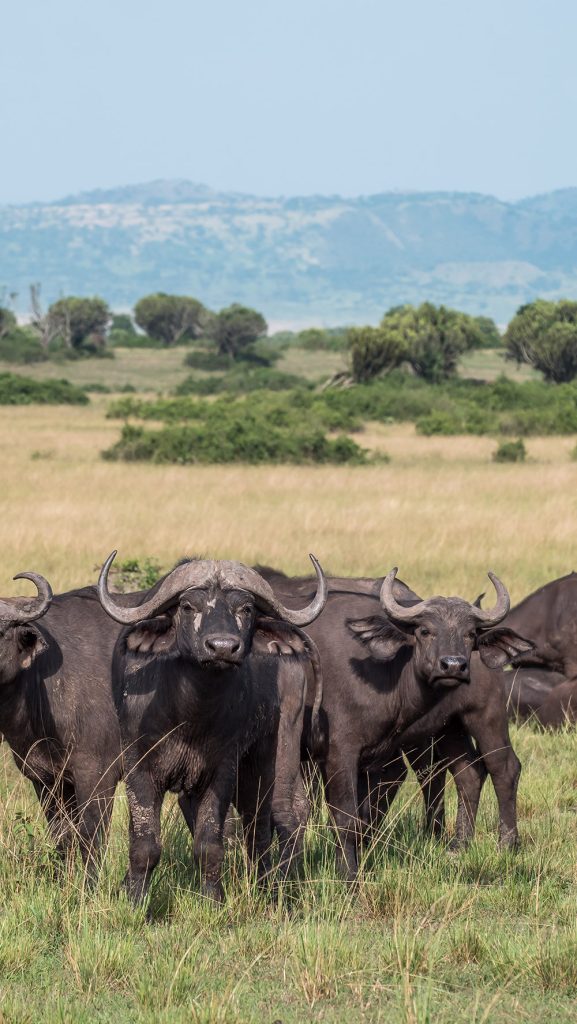
Buffalo herds in Queen Elizabeth National Park can number in the thousands, especially during seasonal migrations across the Kasenyi Plains. These large groups attract predators and offer great chances for photography, especially in the dry season when animals gather near water. The sound of a buffalo herd moving across the savanna is unforgettable.
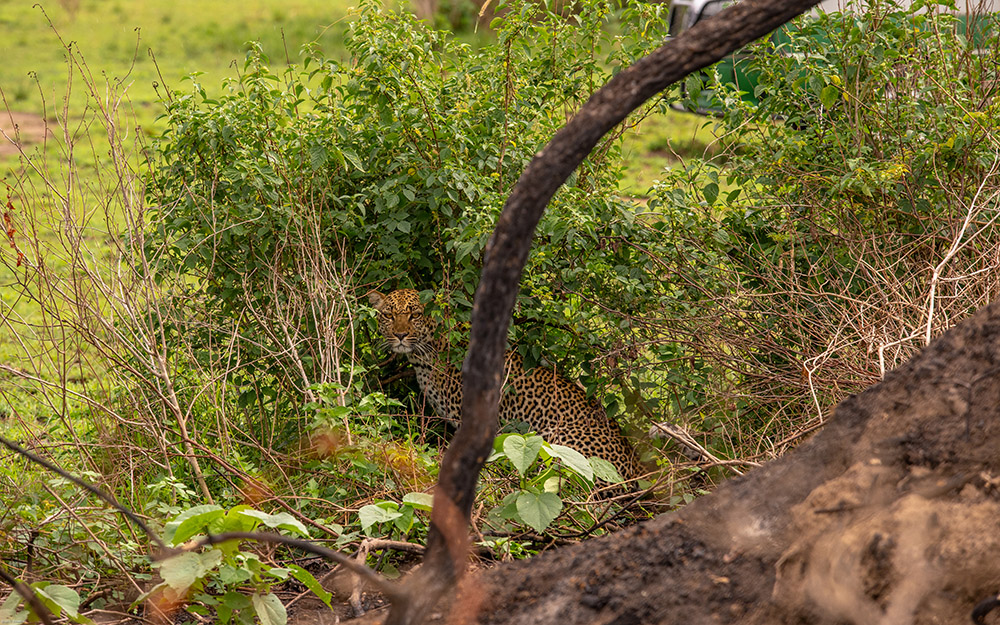
Leopards are in the park, though hard to spot due to their elusive nature and mostly active at night, but patient visitors have good chances to see these big cats in Uganda. Rocky areas and thick vegetation make perfect leopard habitats, and night game drives are the best time to look for them. Seeing a leopard’s eyes shine in the dark is a thrilling experience.
The Famous Tree-Climbing Lions
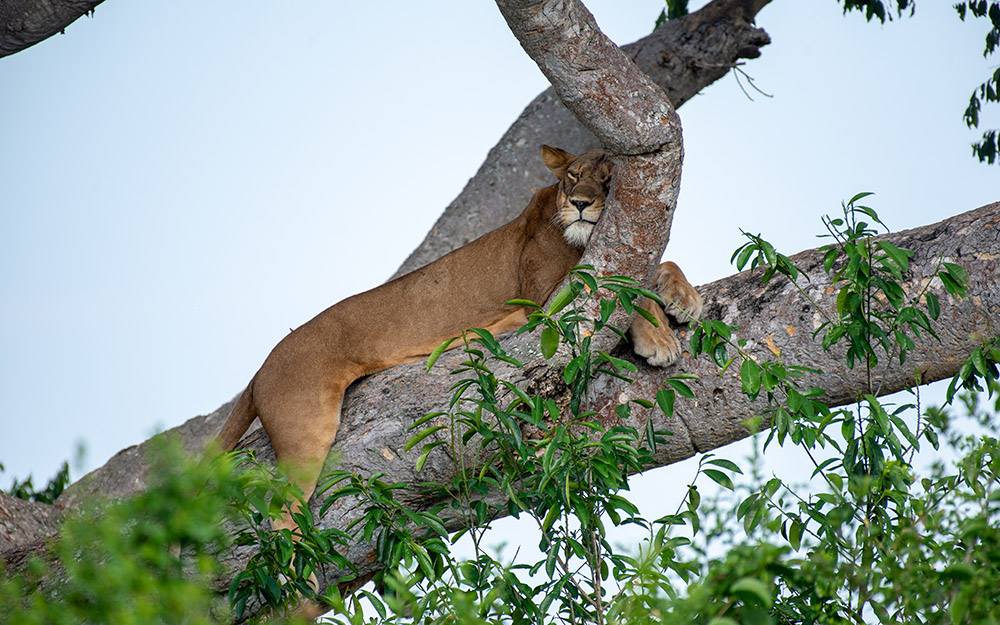
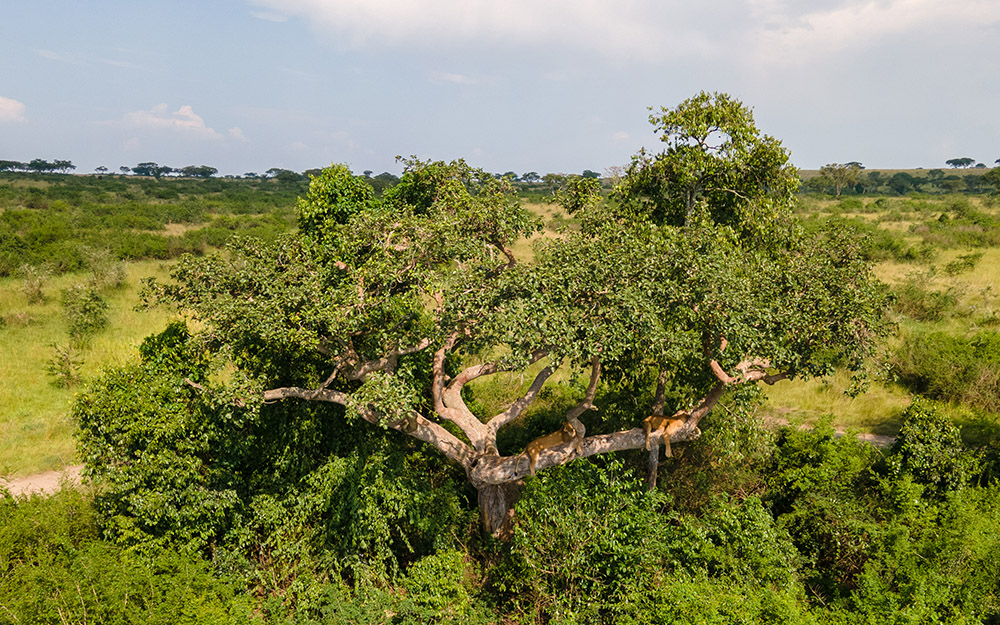
The tree-climbing lions in the Ishasha sector show a rare behavior seen only here and in Tanzania’s Lake Manyara National Park. These lions often spend up to 15 hours a day resting in the branches of old fig trees, which is unusual for big cats. Seeing a lion in a tree for the first time is surprising and memorable.
The best time to see these lions is between 10 AM and 3 PM, when they climb 6-8 meters up into tree branches to escape the heat and insects. With only about 40 tree-climbing lions here, each sighting is special and shows why protecting their habitat is so important. Waiting patiently often leads to seeing this unique behavior.
Researchers believe this tree-climbing behavior developed in response to the Ishasha ecosystem, where biting flies and the need to watch over territory led lions to rest in trees. Visitors should look up into fig trees, as lions may be resting on branches even if you don’t see them on the ground. It’s a unique way to spot these powerful animals.
Getting around the southern Ishasha area takes patience and local knowledge, since many junctions are detours around wet ground and there are many informal tracks to reach the best lion-viewing spots. Because routes change often, experienced guides are important for finding tree-climbing lions. Finding these lions takes both skill and luck.
Other Notable Species
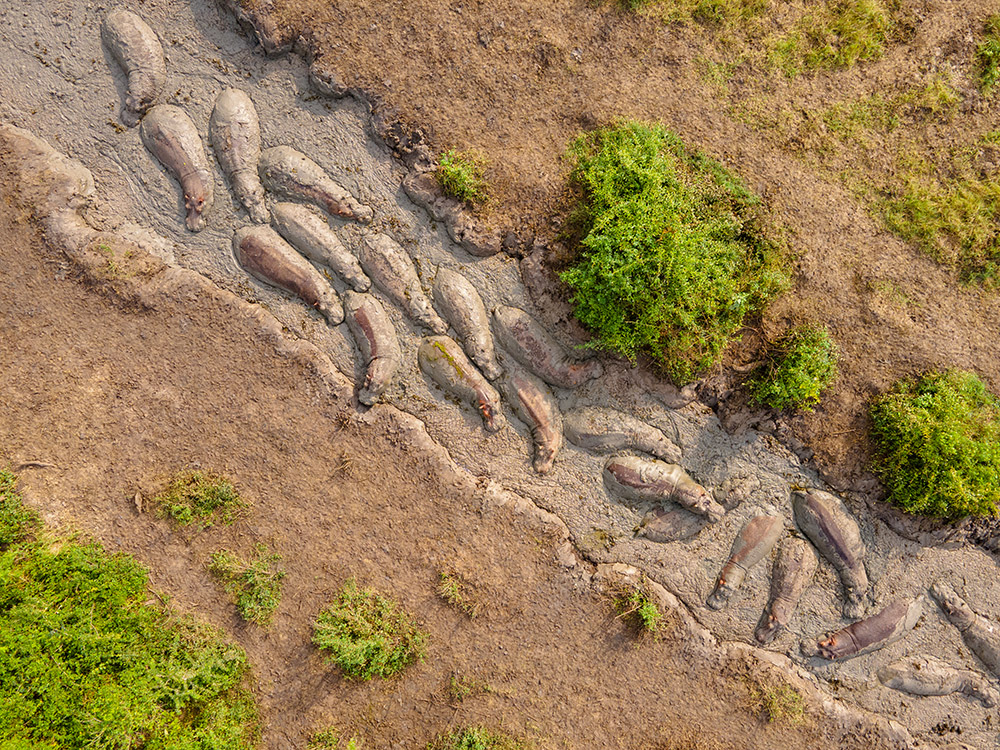
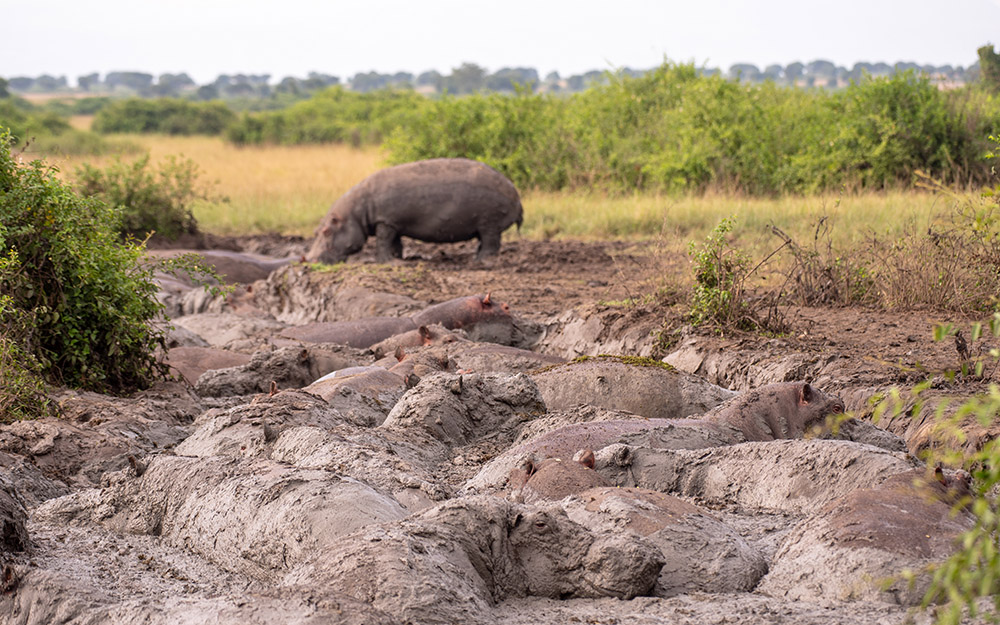
In addition to its most famous animals, Queen Elizabeth National Park has a wide variety of wildlife, so every game drive brings new and memorable sightings. The Kazinga Channel is home to over 4,000 hippos, one of the largest groups in Africa, making boat cruises a great way to see them up close. Watching these large animals move smoothly through the water is impressive.
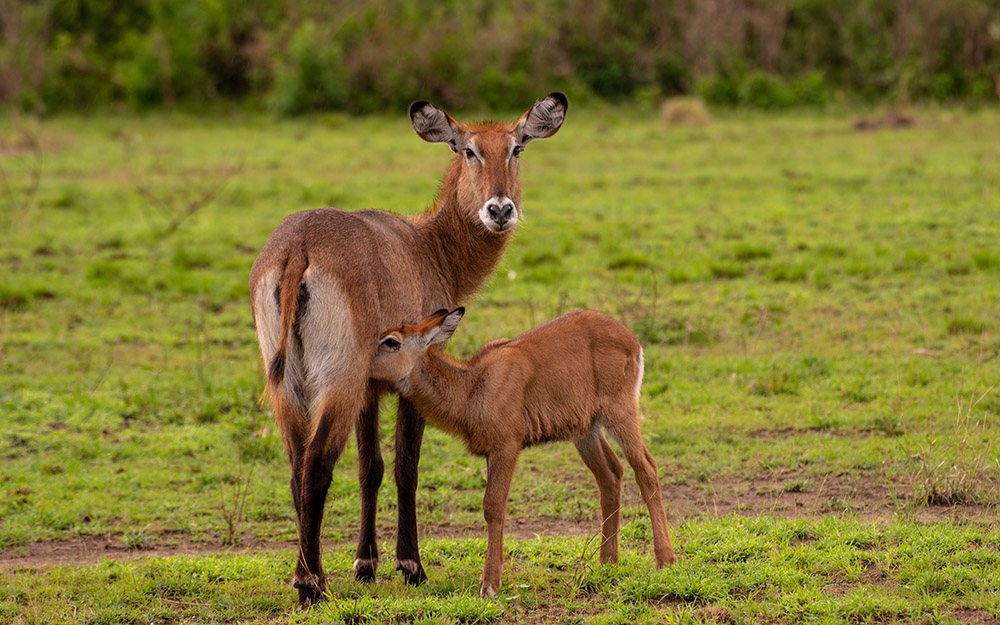
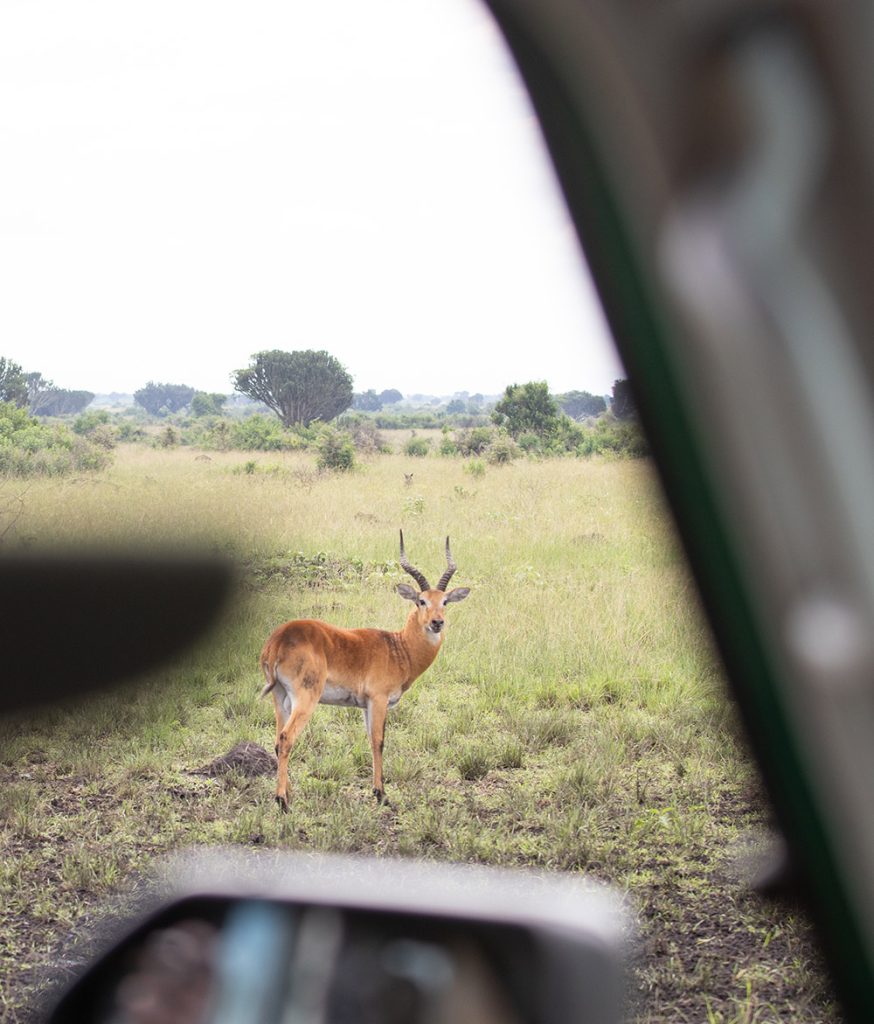
The park has many types of antelope, including large numbers of Uganda kob, whose territorial habits make for interesting predator-prey interactions, especially on the Kasenyi Plains where the short grass makes animals easy to spot. Waterbuck, topi, and other antelope also support the park’s predators and add to the changing ecosystem. Over time, you’ll notice the different behaviors of each species.
Besides the well-known chimpanzees in Kyambura Gorge, the park is home to several monkey species, baboons, and nocturnal primates, all of which add to the ecosystem’s diversity. There are also many carnivores, such as spotted hyenas, side-striped jackals, and smaller predators, which help keep the ecosystem balanced. Each animal you see helps you understand more about how the African ecosystem works.
Birdlife
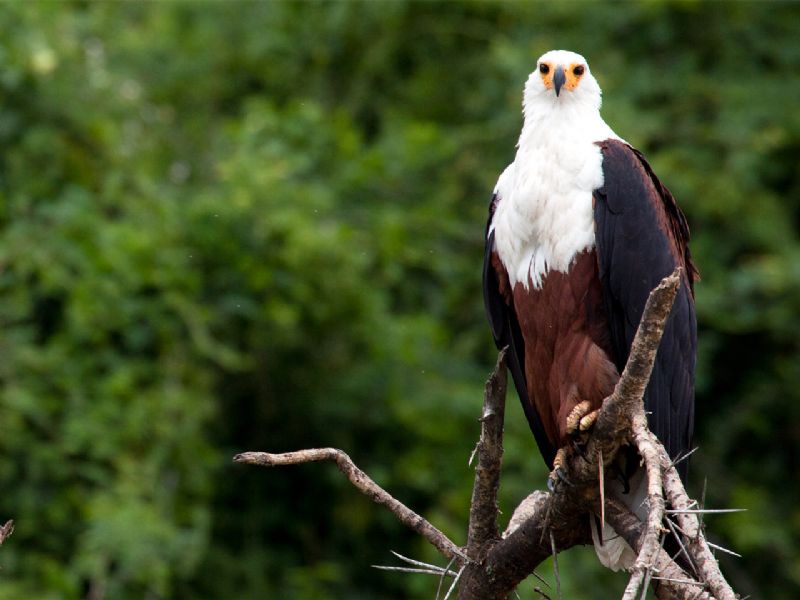
Queen Elizabeth National Park is recognized as an Important Bird Area because of its outstanding bird diversity. With over 600 species recorded, it holds nearly half of Uganda’s bird species in one protected area. Its location, where different ecological zones meet, creates perfect conditions for both resident and migratory birds, making it a top birding spot in East Africa. As you explore, you’ll find yourself looking in every direction to spot the park’s amazing variety of birds.
The Kazinga Channel is a great place to see waterbirds, from the unusual shoebill stork standing still in the papyrus to huge flocks of red-billed quelea flying overhead. The channel’s mix of habitats attracts birds of all sizes, from small kingfishers to large goliath herons, so you can enjoy birdwatching all day. Watching a kingfisher dive for fish while herons remain motionless nearby is a truly memorable sight.
Queen Elizabeth National Park is a must-visit for dedicated birders because it is home to several rare and unique species. Birds like the white-winged warbler, papyrus gonolek, and papyrus canary depend on the park’s wetlands, while the Rwenzori turaco and other forest birds live in wooded areas. Grassland birds are found on the open plains. Each part of the park offers a different birdwatching experience, with its own special species.
Birdwatching changes with the seasons. During Uganda’s dry months, birds from Europe and northern Africa arrive, while other African species move in response to local rains. Flamingos sometimes visit Lake Munyanyange and lakes in Kyambura Wildlife Reserve, turning the water pink when conditions are right. Because their visits are unpredictable, seeing flamingos here always feels like a special treat.
Key Attractions and Sectors
Mweya Peninsula
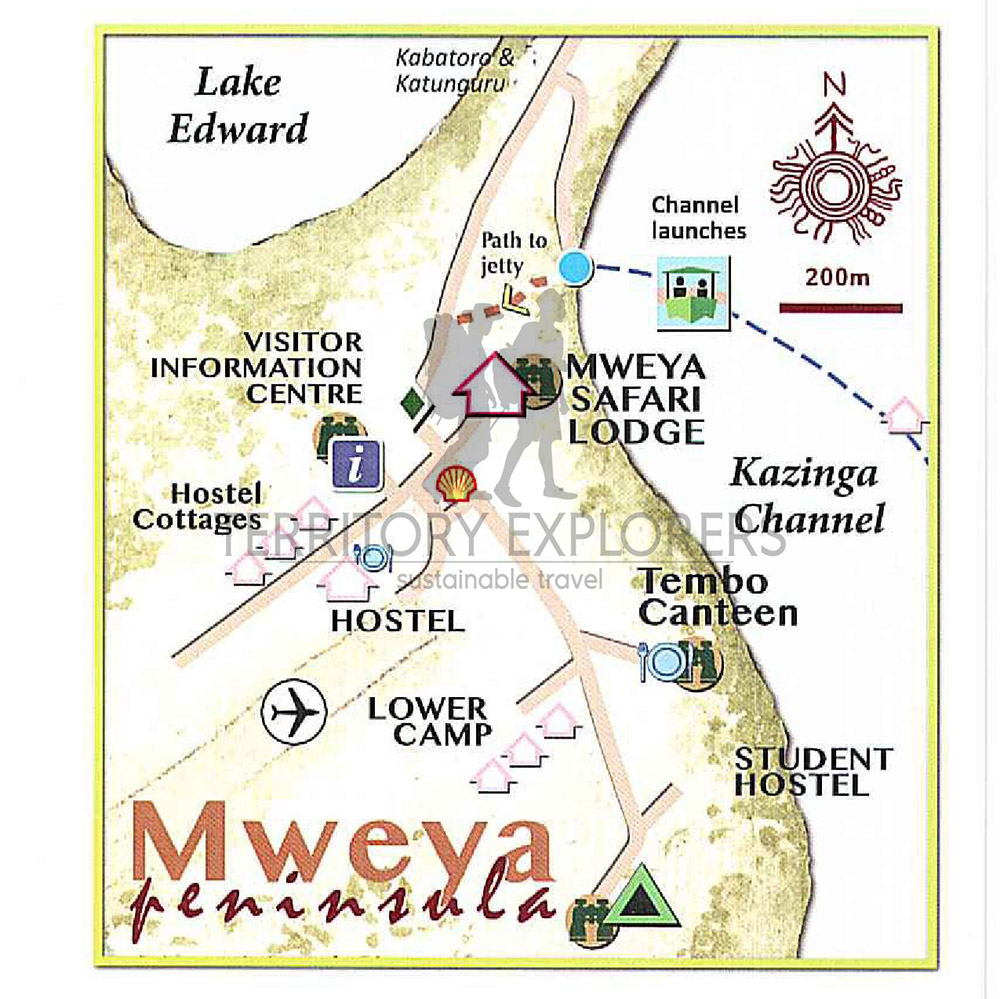
The Mweya Peninsula is the main center of Queen Elizabeth National Park. It sits where the Kazinga Channel bends around high ground, offering wide views of Lake Edward and the wild landscape. This spot is perfect for seeing wildlife and has all the visitor services you need, making it a great starting point for exploring the park. Watching the sunset from the peninsula, with the lake in the distance and the sounds of animals nearby, is an unforgettable African experience.
The peninsula has a range of places to stay, from luxury lodges to budget options and campsites. There is also a visitor center, several viewpoints, an airstrip, and the Kazinga Channel boat dock for cruises. With so many facilities close together, you can easily find what you need and stay near the best wildlife spots. After a busy day exploring, it’s convenient to have everything within easy reach.
Pelican Point, next to the Kitabule swamp forest, offers great views across Lake Edward to the far-off Congo mountains. It’s a favorite spot for photos that show off the park’s varied scenery. From the high ground on the peninsula, you can watch elephants, hippos, and antelopes right from your lodge or viewpoint. Having your morning coffee while elephants graze nearby is a truly special experience.
Ishasha Sector
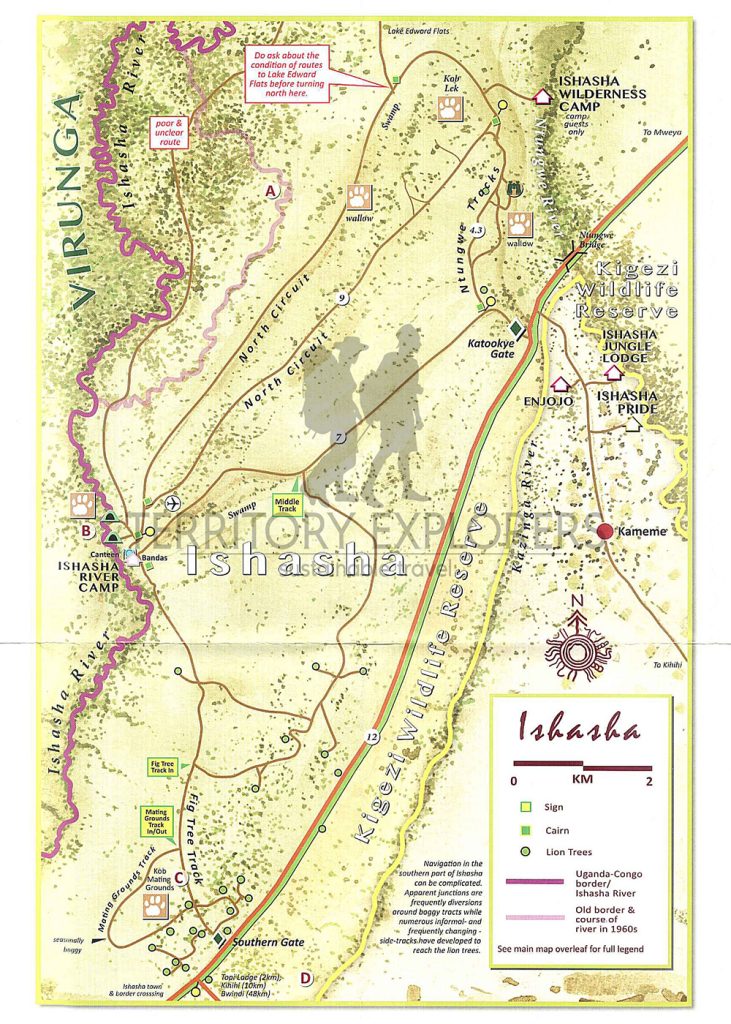
The Ishasha sector is a remote part of Queen Elizabeth National Park and offers a true wilderness experience. It’s known for its tree-climbing lions, but there’s much more to see in this quiet, less-visited area. Located in the south near the border with the Democratic Republic of Congo, Ishasha is a place where you can enjoy peaceful wildlife encounters and feel like you’re stepping back into the days of classic African safaris.
The Ishasha River marks the area’s borders and offers scenic drives among huge fig trees, which are home to the famous tree-climbing lions. Besides the lions, you can see large herds of elephants, many buffalo, and relaxed antelopes. Because this part of the park is quieter, animals are less bothered by vehicles, so you can get closer and enjoy more personal wildlife sightings.
In some spots, you can see hippos in the Democratic Republic of Congo while staying in Uganda, showing how the ecosystem crosses borders. The area also gives you a look at how people and wildlife live side by side. For example, farmers in Kazinga village dig deep ditches to keep wild animals away from their crops. These moments show that conservation is about helping both people and animals live together.
Kazinga Channel
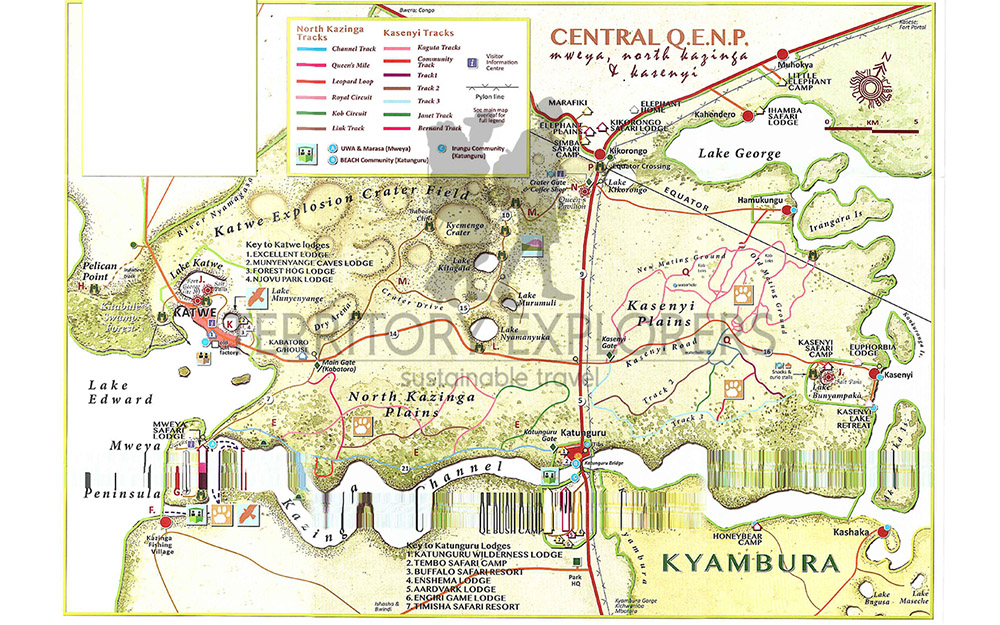
The Kazinga Channel is one of the park’s most famous features. This 32-kilometer waterway is a top spot for seeing wildlife. Taking a boat cruise here lets you get close to hippos, crocodiles, and many birds in a way you can’t from a car. Watching animals from the water lets you see them at ease in their natural home.
Near the Katunguru gate, the waters support lots of wildlife on the north Kazinga plains, though you may need to look closely to spot animals in the thick bushes. The Kazinga fishing village is a great place to see how people and wildlife share the same space. Watching fishermen work near hippos and crocodiles shows just how carefully people and animals must live together.
On a channel cruise, you can watch elephants wade in the water, see buffalo herds drinking, and notice how different animals use the channel. The banks are perfect for wildlife photography, especially when the light is just right. Around every corner, you’ll find new sights that are worthy of a magazine cover.
Kyambura Gorge (Valley of Apes)
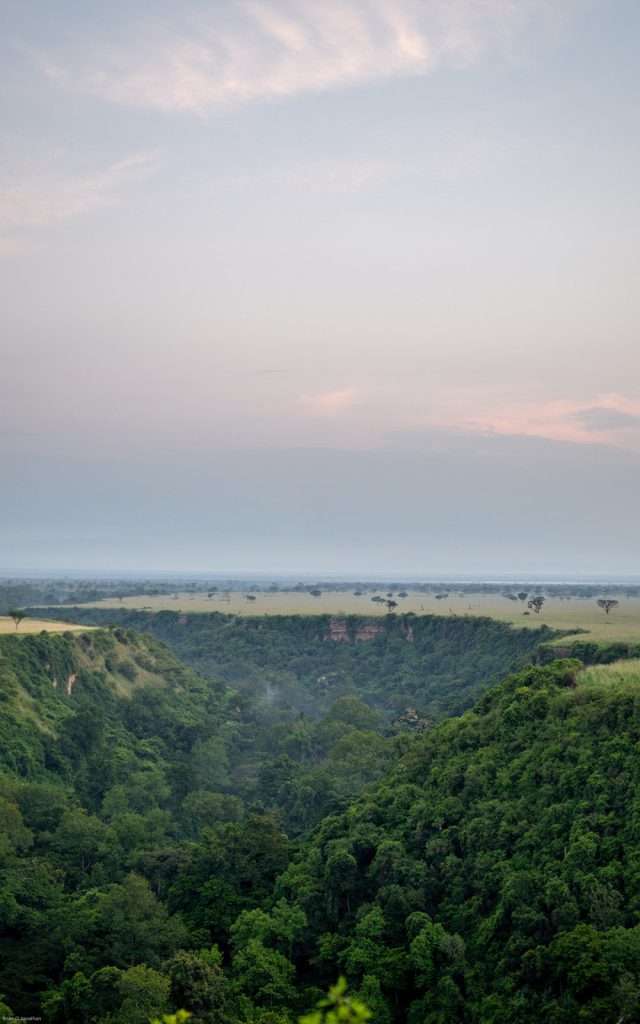
Kyambura Gorge is a deep, 100-meter canyon filled with tropical forest in the middle of the savanna. It’s home to a group of chimpanzees that are used to people, making it a great place to see primates up close. The cool, green forest stands out against the grasslands, giving the gorge a mysterious feel and making chimpanzee tracking an exciting adventure. Going down into the gorge feels like stepping into a hidden world.
The steep walls and thick canopy make hiking here both challenging and rewarding. As you walk, the calls of chimpanzees echo through the forest, helping tracking teams find their way. Meeting these intelligent primates gives you a glimpse into their complex social lives and the evolutionary ties we share. Watching chimpanzees interact is a humbling reminder of our shared roots and the intelligence found across the animal kingdom.
Walking through the gorge, you’ll see a variety of medicinal plants and rich plant life that show why forest conservation matters to local communities. The unique ecosystem is also home to many bird species and other wildlife that depend on the forest. Your guide will share traditional knowledge about how people have used these plants for generations, connecting you to a long history of living with nature.
Kasenyi Plains
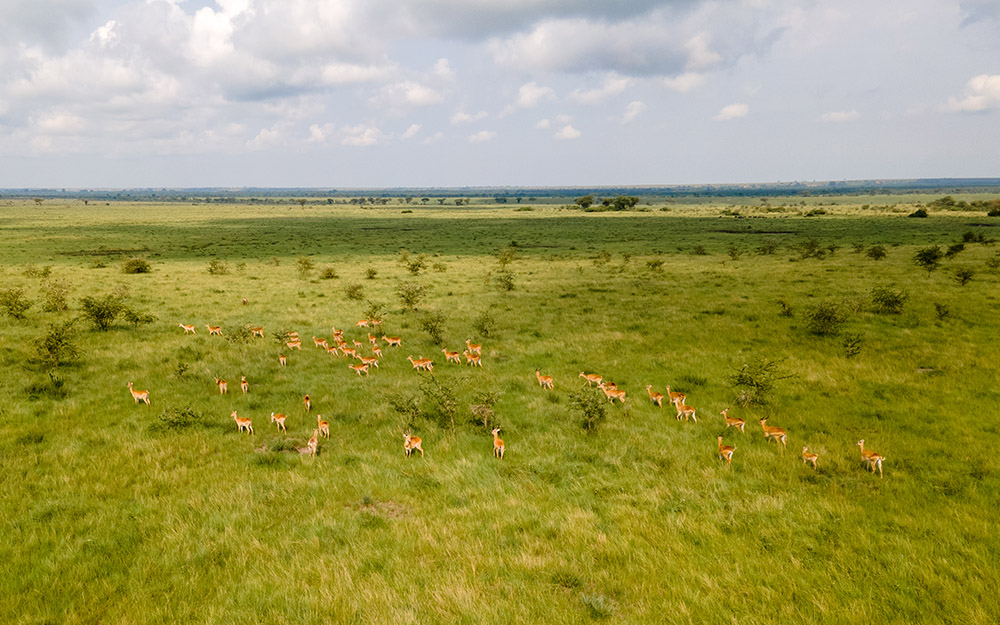
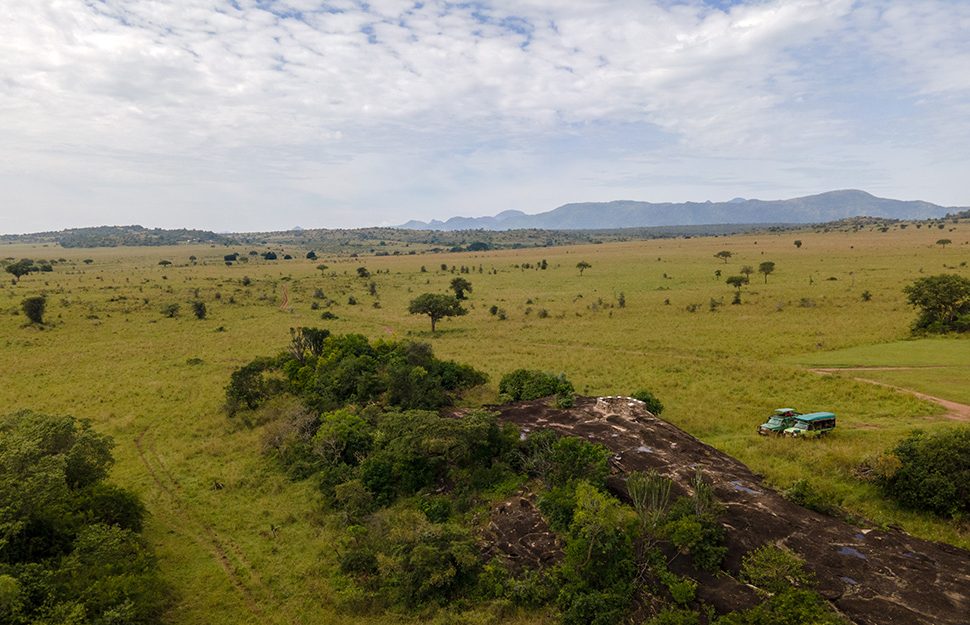
The Kasenyi Plains offer the classic African savanna experience, with wide grasslands and scattered acacia trees setting the scene for exciting wildlife sightings. These plains are prime lion territory, thanks to the many Uganda kob that keep the grass short and make it easier to spot predators. This is the Africa many people picture: open horizons, acacia trees, and the ongoing drama between predators and prey.
Several game drive tracks cross the plains, such as the Kaguta Tracks, community tracks, and numbered routes like Track 1, Track 2, and Track 3. The Janet and Bernard tracks also lead to different wildlife areas. Each route offers its own viewing experiences and challenges, depending on your vehicle and interests. You’ll soon find your favorite tracks based on the wildlife you want to see and the photos you hope to take.
The crater landscapes on the plains add geological interest to your wildlife viewing. Ancient volcanic activity formed depression lakes and high viewpoints, which are great for photography. Wildlife numbers change with the seasons as herds move with the grass and water, following patterns that have lasted for generations. By noticing these patterns, you can better predict where to find the most wildlife during your visit.
Activities and Experiences
Game Drives
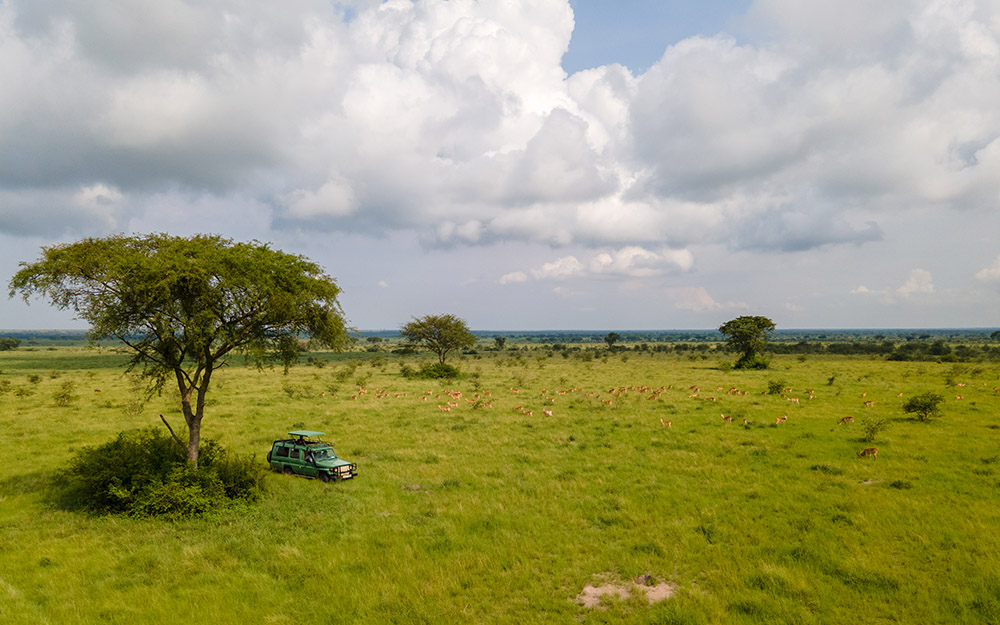
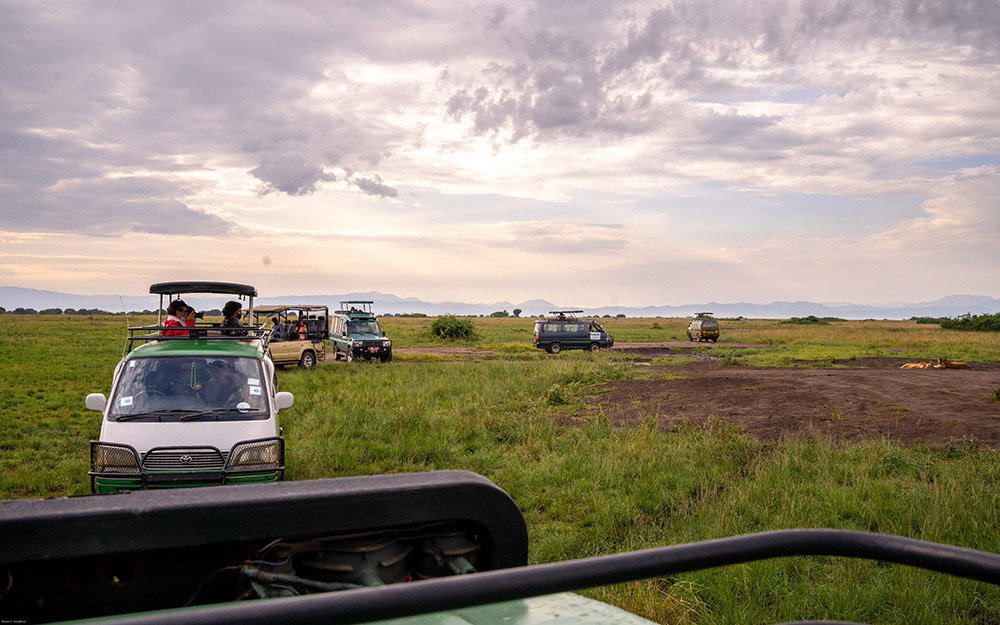
Queen Elizabeth National Park is a great place for game drives, with different landscapes showing off a variety of animals and their behaviors throughout the day. Morning drives from 6:30 to 10:00 AM are the best time to spot predators like lions and leopards, as they are still active before the midday heat. Being in the African bush at sunrise, with the cool air and the sounds and smells of wildlife waking up, is a truly memorable experience.
The North Kazinga area has several routes, like the Channel Track, Queen’s Mile, Leopard Loop, Royal Circuit, Kob Circuit, and Link Track. Each one leads to different habitats and groups of animals. These routes help visitors see wildlife efficiently and protect the environment by managing where vehicles go. Each track is unique and attracts different animals, so guides can pick the best route based on what you want to see.
Afternoon drives starting at 4:00 PM give you a new view of the park’s wildlife, especially elephants and buffalo as they head to water in the cooler hours. The changing light is perfect for photos, and you’ll notice different animal behaviors as the day goes on. The golden hour is a great time for some of the best wildlife photos you can get.
Night game drives let you see the park’s nighttime animals, like leopards, hyenas, genets, and other small carnivores that you don’t see during the day. Spotlights help you spot their eyes in the dark, making for close-up encounters that most visitors miss. The sounds and sights of the African night show a whole new side of the park and reveal the hidden stories that happen after dark.
Boat Cruises on Kazinga Channel
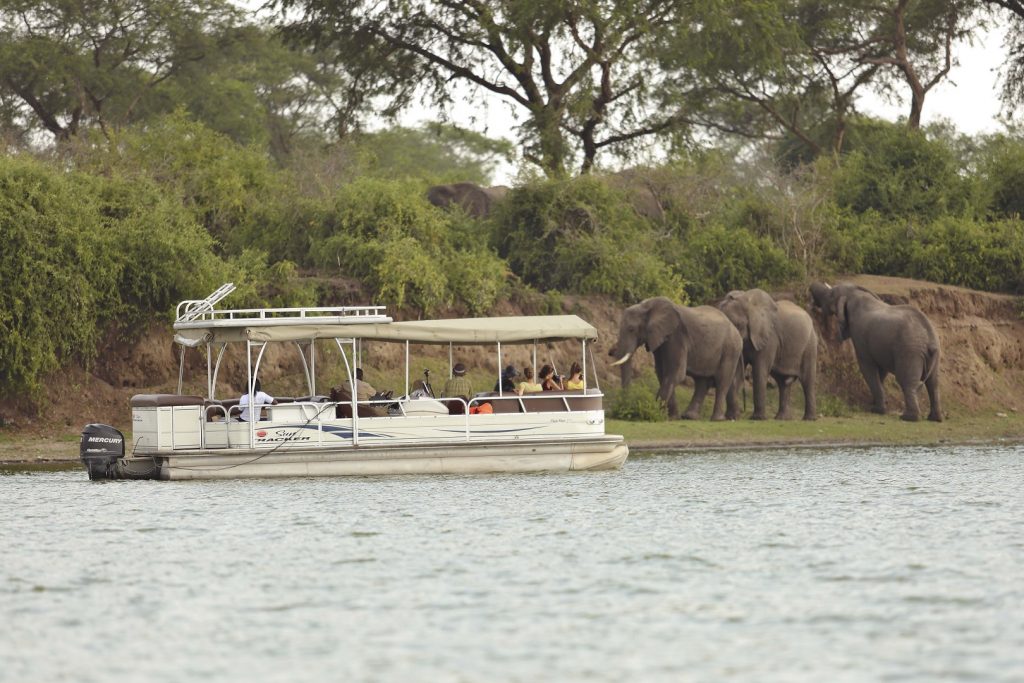
Kazinga Channel boat cruises are one of Uganda’s top wildlife activities. You’re almost certain to see hippos and crocodiles, and you’ll also get a different view of land animals as they come to the water. The two-hour afternoon cruises have great lighting for photos and avoid the midday heat, making it easier to see animals. Watching wildlife from the water gives you photo opportunities you can’t get from a vehicle.
On channel cruises, you’ll see a wide range of animals, from huge Nile crocodiles on the sandbanks to small malachite kingfishers hunting from branches. Elephant herds often wade deep into the water, giving you amazing photo chances that really show off the wild side of Africa. Watching elephants play and bathe also lets you see their playful side and reminds you how complex these animals are.
Birdwatching on boat cruises is even better than on land, with waterbirds like herons, storks, and raptors keeping you entertained the whole time. The slow pace means you can watch and take photos at your leisure, and guides share lots of interesting facts about the birds and their habits. By the end, you might feel like a bird expert yourself as your guide helps you spot and identify many different species.
Chimpanzee Tracking in Kyambura Gorge
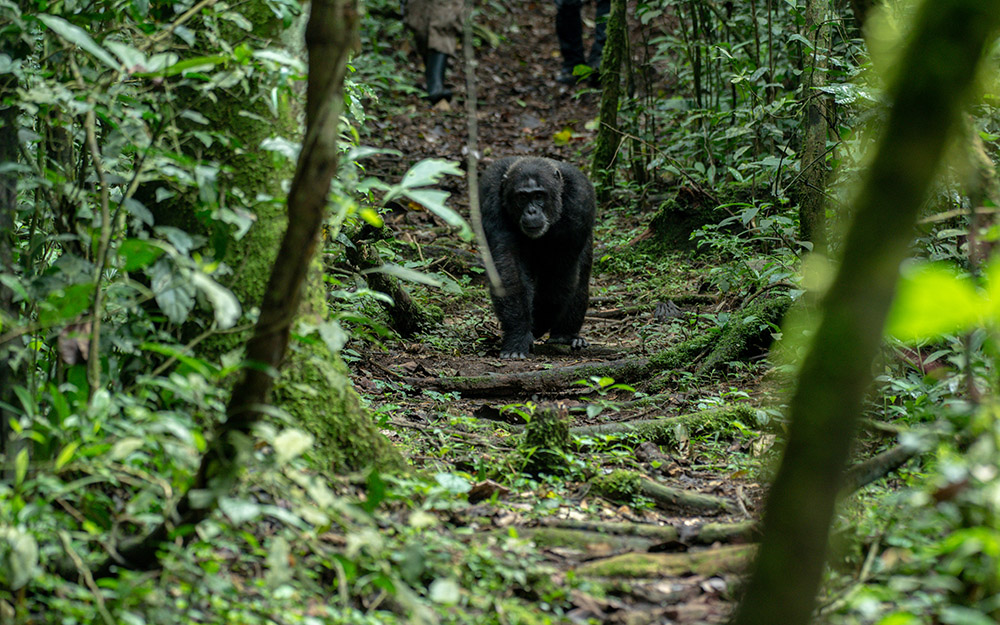
Chimpanzee tracking in Kyambura Gorge lets you get up close to Uganda’s smartest primates in an adventure that’s both fun and educational. Before heading into the gorge, you’ll get a full briefing on chimp behavior, safety, and conservation. As you walk down into the forest, the excitement grows—you never know what amazing moments you’ll have among the treetops.
You have a good chance of finding chimpanzees year-round, as skilled guides use sounds and fresh tracks to locate them. Once you find the group, you’ll spend an hour watching how they interact, eat, and socialize. Seeing chimpanzees up close gives you a new appreciation for their intelligence and our own connection to the natural world.
The gorge is also home to many birds, small mammals, and a variety of plants, showing why forest conservation matters in a mostly grassland area. Guides often point out medicinal plants and explain how they’re used, adding a cultural side to your visit. You’ll hear stories and knowledge passed down through generations about living in harmony with nature.
Lion Tracking Experiences
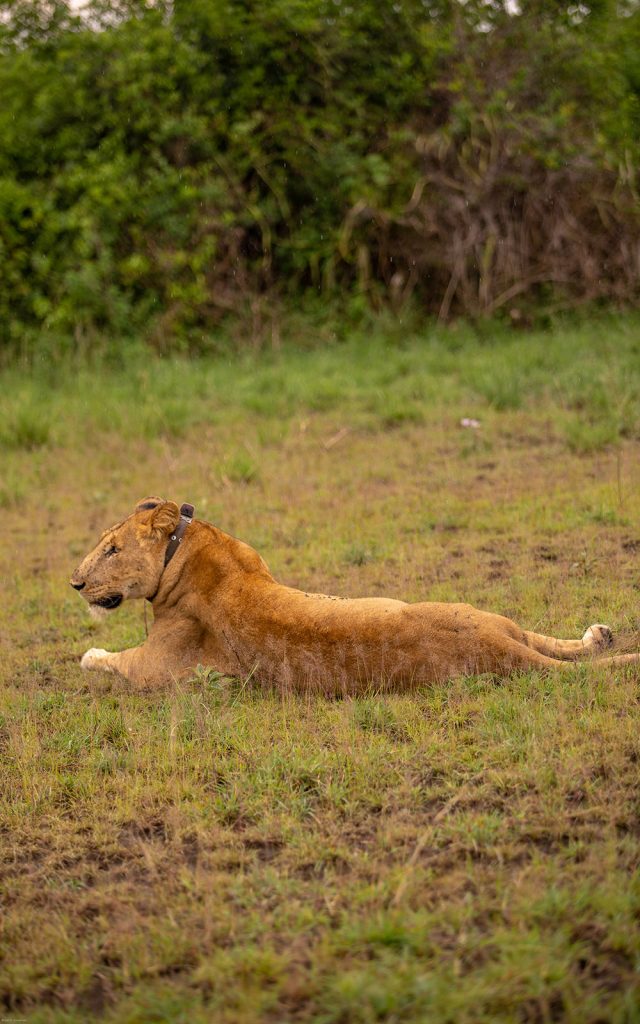
Specialized lion tracking gives you a better chance to see the park’s most impressive predators and helps support important research and conservation. Using radio collar data and the skills of expert trackers, you’ll find specific lion prides and watch their behavior up close. While these experiences cost more than regular game drives, they offer unique wildlife encounters and conservation insights you won’t get elsewhere.
The extra $100 fee for lion tracking covers the specialized nature of the activity and directly funds research that tracks lion populations, their territories, and ways to reduce conflicts with people. By joining, you’ll learn about predator ecology and help collect data that guides park management. It’s rewarding to know your fee goes straight to protecting the animals you see.
Lion tracking is more successful than regular game drives, and you’ll have more time to watch and photograph the lions. You’ll also learn about their social lives, hunting habits, and the challenges they face. These experiences let you take part in real conservation work and give you a deeper understanding of these amazing animals.
Park Fees and Costs (2025)
Knowing the park’s fees helps you plan your budget for one of East Africa’s most affordable wildlife spots. The entrance fees show Uganda’s effort to keep tourism accessible while funding conservation and park management. You get incredible wildlife experiences for a price much lower than many other top destinations.
Daily Entrance Fees:
• International visitors: $40 adults, $20 children
• East African citizens: UGX 20,000 adults, UGX 5,000 children
• Foreign residents: $25 adults, $15 children
Activity Fees:
• Boat cruises: $30 per person
• Chimpanzee tracking: $50 per person
• Lion tracking: $100 per person
• Game drives: Included with entrance fee
• Cultural visits: $10-20 per person depending on activity
You can pay with cash (US dollars or Ugandan shillings), mobile money if you’re an East African visitor, or book in advance through licensed tour operators who may offer group discounts. Booking for peak seasons (December-February and June-September) helps you secure your spot and can save you money compared to booking last minute. Planning ahead also makes sure you don’t miss out on popular activities that fill up fast.
If you bring your own vehicle, you’ll pay an entry fee, but tour operator vehicles usually include this in their package prices. Camping costs $10-15 per person per night, and accommodation prices vary widely depending on the type and location. With so many choices, anyone can visit the park, no matter their budget, and still help support conservation.
When to Visit Queen Elizabeth National Park
You can enjoy great wildlife viewing at Queen Elizabeth National Park all year, but the seasons affect game viewing, accommodation options, and your overall experience. Knowing the seasonal patterns helps you plan better and set the right expectations for weather and animal behavior. The best part is, every season has its own special highlights, so you can’t go wrong whenever you visit.
Dry Seasons (December-February and June-September)
During the dry seasons, you’ll have the best game viewing, easy road access, and clear skies that are perfect for photos. Animals gather around water sources and are easier to spot as the vegetation thins out. This is the time to get those classic safari photos with bright, clear skies and great visibility.
Advantages during dry seasons include:
• Enhanced wildlife visibility in reduced vegetation
• Reliable road conditions throughout the park
• Predictable animal movements to water sources
• Ideal photography lighting with minimal cloud cover
• Peak bird activity during European winter migration
The downsides are more visitors, higher accommodation prices, and the need to book permits and activities in advance. Some popular spots can get crowded during peak times, but the park is big enough that you can still enjoy good wildlife viewing. You’ll need to decide if you prefer the best conditions with more people or a quieter experience.
Wet Seasons (March-May and September-November)
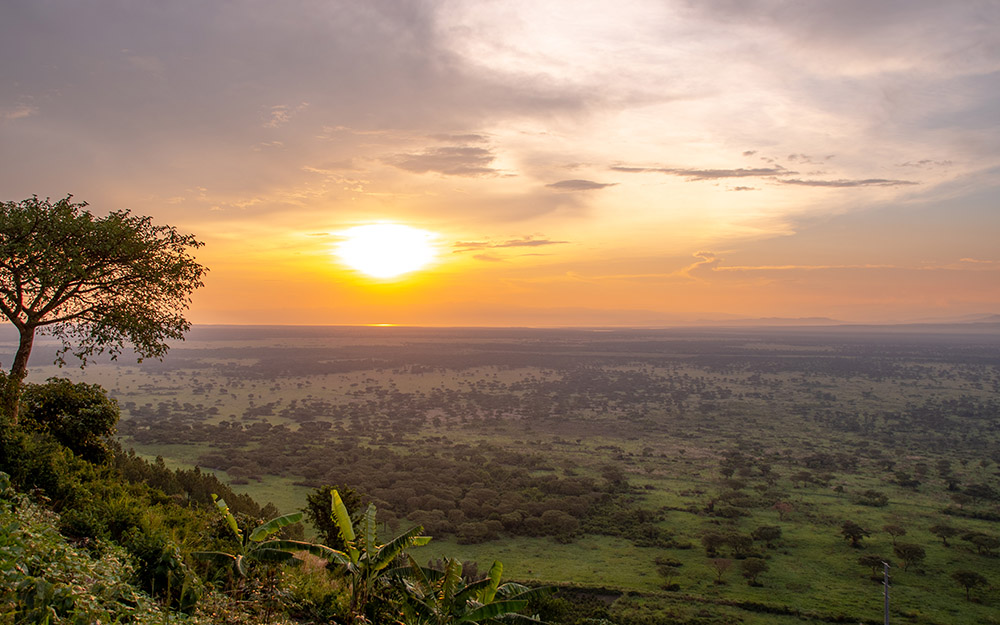
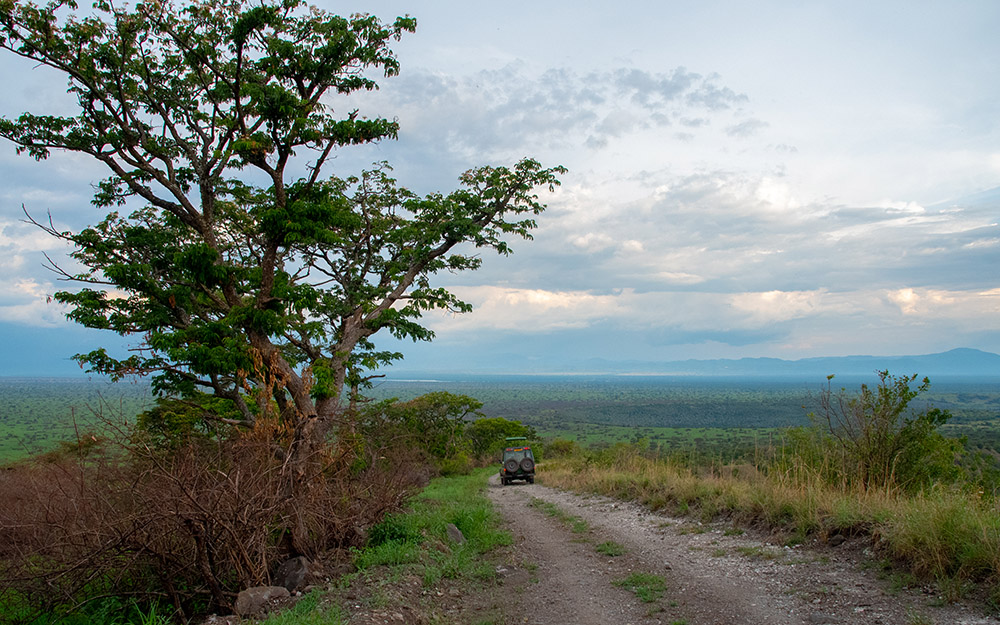
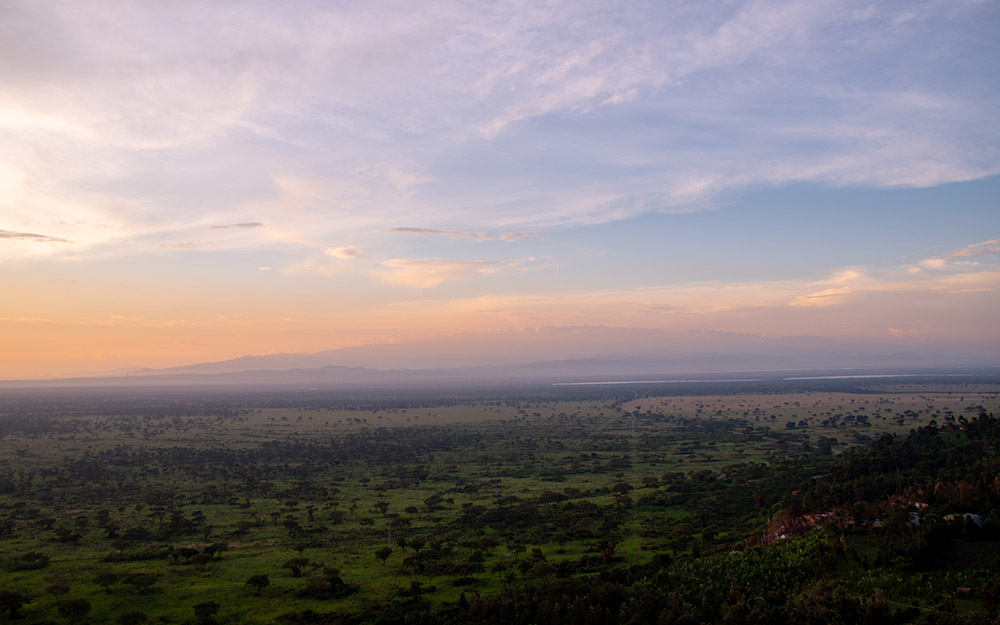
In the wet seasons, you’ll find fewer tourists, cheaper places to stay, and beautiful scenery as the park turns green and crater lakes fill up. Animals spread out more because there’s plenty of water and fresh grass. This is when the park looks its most lush and dramatic, with storm clouds making for amazing photos.
Benefits of wet season visits include:
• Fewer crowds at popular wildlife viewing areas
• Reduced accommodation and activity costs
• Exceptional birdlife with resident and migratory species
• Dramatic landscape photography with stormy skies
• Authentic wilderness experience with minimal development impact
You might face muddy roads, some activities canceled because of weather, and animals that are harder to find since they roam more. Still, good vehicles and skilled guides help with these challenges, and the beautiful scenery often makes up for any trouble. In fact, many experienced safari travelers like the wet season for its dramatic views and quieter wildlife encounters.
Year-Round Considerations
Because the park is near the equator, temperatures stay fairly steady all year, but changes in altitude and local weather mean you should pack flexible clothing. Mornings can be cool, especially in higher areas, while midday gets hot, so bring sun protection and drink plenty of water. The best approach is to dress in layers, with warm clothes for early mornings and lighter ones for later in the day.
Rainfall has a bigger impact on wildlife behavior than temperature, as animals change their routines depending on water and vegetation. Skilled guides plan game drives around the seasons to keep you safe and help you see more animals. This flexibility makes every safari different and ensures you’ll have memorable wildlife experiences no matter when you visit.
Accommodation Options
Budget Accommodations
Queen Elizabeth National Park offers a range of affordable accommodation options, allowing budget travelers to enjoy world-class wildlife encounters without sacrificing safety or comfort. Community-run facilities provide genuine cultural experiences and ensure that local families benefit directly from tourism. You might be surprised by how comfortable and inviting these budget accommodations are.
Community Campsites and Budget Lodges:
• Basic rooms with shared facilities: $15-30 per night
• Community camping: $10-15 per person
• Meals: $8-15 per person per day
• Cultural activities included or available at minimal cost
Budget Accommodation Examples:
• Simba Safari Camp: Basic tents with bedding provided, shared facilities, and home-cooked meals
• Community Rest Camp: Local family-run accommodation with traditional meals and cultural performances
• Bulbul Lodge: Comfortable self-contained rooms, self-catering kitchen, and equipment rental services
Budget places usually offer clean bedding, mosquito nets, shared bathrooms, and simple meals with local food. Many can help you book activities and arrange transport, and they’re close to the park gates for easy access. You’ll often meet other travelers and make new friends at these spots.
Mid-Range Accommodations
Mid-range lodges and camps offer comfortable rooms with private bathrooms at reasonable prices and are well located for park activities. They focus on cleanliness, safety, and good service instead of luxury extras, making them great for people who care more about wildlife than fancy accommodation. Many travelers find this the right mix of comfort and authenticity.
Mid-Range Lodge Features:
• Private rooms with en-suite bathrooms: $80-150 per night
• Restaurant serving international and local cuisine
• Bar facilities and common areas for relaxation
• Swimming pools and basic spa services at some properties
• Activity booking assistance and transportation coordination
Mid-Range Accommodation Examples:
• Enganzi Game Lodge: Comfortable cottages overlooking Kazinga Channel with restaurant and swimming pool
• Queen Elizabeth Bush Lodge: Spacious rooms with private bathrooms, dining area, and guided walk opportunities
• Kazinga Wilderness Safari Camp: Elevated tented accommodation with river views and all-inclusive meal options
Mid-range places often give you the best value, with all the basics you need and locations close to park headquarters and top wildlife spots. Many are set on hills or raised areas, so you can enjoy great views and even watch wildlife from the lodge. You might even spot elephants from your balcony while relaxing in the evening.
Luxury Accommodations
Luxury lodges in the park offer top-notch amenities and beautiful locations for the best wildlife viewing and scenery. They focus on personal service, great food, and special access to premium experiences, all while caring for the environment. If you want to treat yourself, these lodges let you enjoy Africa’s wilderness in style.
Luxury Lodge Amenities:
• Spacious suites with panoramic views: $300-800 per night
• Fine dining restaurants with international cuisine standards
• Premium bar selections and 24-hour room service
• Spa services, fitness facilities, and infinity pools
• Private vehicle and guide services
• Exclusive activity access and customized itineraries
Luxury Accommodation Examples:
• Ishasha Wilderness Camp: Exclusive safari tents overlooking Ntungwe River with private bathrooms and gourmet dining
• Kyambura Gorge Lodge: Luxury eco-lodge with panoramic crater views, spa services, and fine dining restaurant
• Elephant Plains Lodge: Premium accommodation with private decks, butler service, and exclusive game drive vehicles
• Mweya Safari Lodge: Upmarket suites with lake views, infinity pool, conference facilities, and helicopter landing pad
Luxury properties often offer helicopter access and partnerships with conservation organizations that provide behind-the-scenes access to research and anti-poaching operations. Many contribute significantly to community development while maintaining the highest environmental standards. The attention to detail at these properties will make you feel like wildlife royalty experiencing Africa at its most refined.
Getting There and Transportation
Road Access from Kampala
Traveling from Kampala to Queen Elizabeth National Park is about 400 kilometers and takes you through varied Ugandan countryside. You’ll see local culture and beautiful scenery along the way, making the drive part of your adventure. There are different routes to choose from, depending on how much time you have and what you want to see.
Primary Route via Mbarara (6-7 hours):
• Excellent tarmac roads for most of the journey
• Opportunities to visit Lake Mburo National Park
• Equator crossing with photo opportunities
• Fuel and service stops in major towns
• Final approach through spectacular crater landscapes
Alternative Route via Fort Portal (7-8 hours):
• Mountain scenery and tea plantation views
• Opportunity to visit Kibale Forest National Park
• Cooler highland temperatures during travel
• More challenging road conditions but superior scenery
• Access to northern park sectors
Inside the park, some roads are paved and easy, while others are rough and need a 4WD, especially in the wet season or in remote areas like southern Ishasha. If you rent a vehicle, make sure it has full insurance and emergency gear. Rental companies can give you advice and route tips based on your plans and the type of car you have.
Air Transport Options
You can also fly to airstrips near Queen Elizabeth National Park, which is quick and gives you amazing views from above. Charter flights save you the long drive and give you more time for wildlife activities and relaxing. Seeing the park from the air lets you appreciate its landscapes and variety in a whole new way.
Airstrip Options:
• Mweya Airstrip: Central location serving Mweya Peninsula
• Kasese Airstrip: Regional airport serving northern sectors
• Ishasha Airstrip: Direct access to tree-climbing lion territory
Flight times depend on demand and the weather, but charter flights give you the most flexibility for your plans. Prices are usually $200-400 per person one way, depending on where you start and how many are in your group. The extra cost is often worth it for the time saved and the great views, especially if you have limited vacation time or want a more exclusive trip.
Conservation and Community Involvement
Uganda Wildlife Authority Management
The conservation success of Queen Elizabeth National Park is thanks to the hard work and knowledge of Uganda Wildlife Authority staff. They use a mix of protection strategies to balance wildlife conservation, community needs, and tourism. Today, park management combines scientific research with traditional methods to meet new challenges. When you learn about the staff’s daily work, their dedication to protecting this amazing ecosystem is clear.
Anti-poaching teams use advanced tools like GPS tracking, camera traps, and aerial surveillance, along with regular ranger patrols and help from local communities. Hiring former poachers as park staff has worked especially well because they know wildlife habits and illegal activities, and now have a reason to support conservation. Turning poachers into protectors is one of the most inspiring conservation successes.
Research programs track wildlife numbers, human-wildlife conflicts, and the health of the ecosystem by working with international universities and conservation groups. The data they collect helps managers adjust their strategies as conditions change, while still meeting conservation and tourism goals. Using science means decisions are based on real evidence, which leads to better results for conservation.
Community Conservation Programs
Conservation in Queen Elizabeth National Park works best when local communities benefit from protecting wildlife. Revenue-sharing programs send tourism income straight to projects like schools, health centers, and better infrastructure, showing the real value of conservation. Seeing these benefits for yourself helps you realize how your visit brings positive change beyond just wildlife protection.
Community conservancies near the park create buffer zones that give wildlife more space and offer locals new ways to earn a living through tourism, farming, and careful resource use. These creative solutions ease the strain on park resources and give people reasons to protect wildlife. Their success shows that conservation and community growth can go hand in hand when planned well.
Tourism jobs directly benefit local people, offering work as guides, porters, cultural performers, and service staff. Training programs help community members gain the skills they need for these jobs, while also keeping traditional knowledge alive for visitors. As locals become more involved in decisions, their attitudes toward conservation improve, showing that including communities leads to better results.
People who once opposed the park now support conservation after seeing the economic benefits of sustainable tourism compared to resource extraction. This shift is a major achievement for community-based conservation, as it builds local pride and ownership, helping to ensure long-term success.
Planning Your Visit

Recommended Duration
To get the most out of Queen Elizabeth National Park, plan enough time to explore different areas and allow for weather changes or special wildlife sightings. Most experts suggest spending at least 4-5 days so you can enjoy the main attractions without feeling rushed. The best wildlife moments often come when you have time to wait and watch, instead of hurrying from one activity to another.
Sample Itinerary
If you stay for 7-10 days, you can explore each part of the park more deeply and try special activities like lion tracking, cultural tours, and nature walks. Spending more time helps you connect with the landscape and wildlife in ways that shorter visits can’t match.
Essential Packing Guidelines
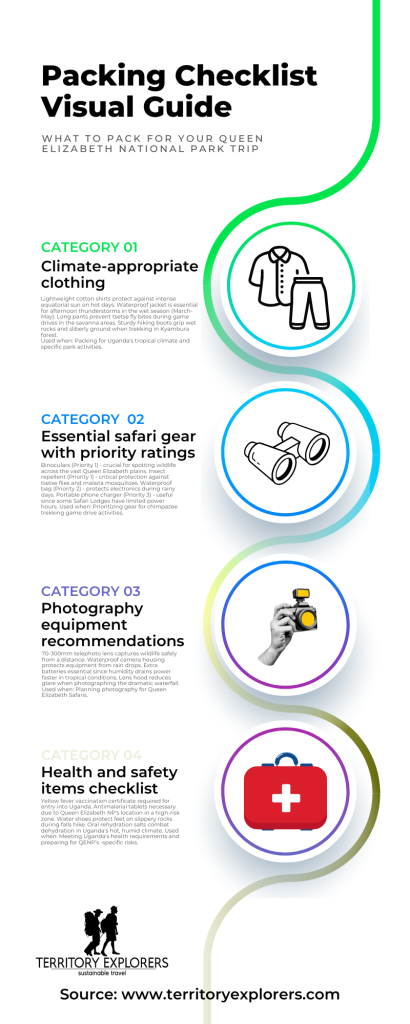
A great safari depends on having the right gear for comfort and good wildlife viewing, while also being practical for changing weather and activities. Pack smart to save space and make sure you have what you need for different situations. The goal is to be prepared without carrying too much.
Clothing Essentials:
• Lightweight, neutral-colored clothing for game drives
• Warm layers for early morning activities and higher elevations
• Waterproof jacket and rain gear for wet season travel
• Sturdy walking boots for chimpanzee tracking and forest walks
• Sun hat and sunglasses for open vehicle game drives
Photography and Wildlife Viewing Equipment:
• Telephoto lens (300mm minimum) for wildlife photography
• Extra batteries and memory cards for extended game drives
• Binoculars (8×32 or 10×42) for detailed animal observation
• Camera rain protection for boat cruises and wet weather
• Field guide for species identification and behavioral understanding
Health and Safety Preparations
When visiting Queen Elizabeth National Park, you’ll need to follow basic tropical health precautions and some safari-specific safety tips to keep your trip safe and enjoyable. Take care of medical preparations early, so you have time for vaccinations and prescriptions. Planning ahead means less stress and lets you focus on enjoying your safari.
Essential Medical Preparations:
• Yellow fever vaccination (mandatory for Uganda entry)
• Malaria prophylaxis appropriate for East African strains
• Hepatitis A and B vaccinations for extended travel
• Comprehensive travel insurance including medical evacuation coverage
• First aid supplies including antimalarials and basic medications
To stay safe in the park, always follow your guide’s instructions, keep a safe distance from animals, and wear your seatbelt during game drives. Emergency communication links all parts of the park to headquarters and medical help, and you’ll get a full safety briefing before special activities like chimpanzee tracking. Knowing and following these rules keeps wildlife encounters exciting and safe.
Practical Information
Park Regulations and Safety Guidelines
Queen Elizabeth National Park has rules to protect both wildlife and visitors, and to make sure tourism stays sustainable for the future. By following these guidelines, you help conservation efforts and enjoy safer, better wildlife viewing. These rules aren’t meant to limit your fun—they’re there so everyone, including the animals, has a safe and positive experience.
Essential Wildlife Viewing Guidelines
• Maintain minimum 25-meter distance from most animals (100 meters from elephants with calves)
• Maximum vehicle speed 40 km/h throughout the park
• Remain in vehicles except at designated areas
• No feeding of wild animals under any circumstances
• Quiet behavior to avoid disrupting natural animal behavior
Photography and Filming Regulations:
• Flash photography prohibited during chimpanzee encounters
• Commercial filming requires special permits and fees
• Drone usage strictly prohibited without special authorization
• Social media sharing encouraged to promote conservation awareness
If you break park rules, you might be removed from activities, charged extra fees, or even asked to leave the park, depending on how serious the issue is. Rangers have the final say on safety decisions, especially if there are risks to people or animals. Trust their experience—they know animal behavior much better than most visitors.
Emergency Services and Medical Facilities
Queen Elizabeth National Park is well prepared for emergencies, with rangers available around the clock, radio networks linking all areas, and clear plans for medical evacuations and serious situations. Knowing about these services and what to do in an emergency helps you feel more at ease and make good choices about activities. Emergencies are rare, but having strong support systems means you can relax and enjoy your safari.
The park headquarters at Mweya manages communication equipment and oversees emergency responses across the park. Ranger posts in each sector offer immediate help for minor issues and act as communication hubs for more serious emergencies. The closest full medical facilities are in Kasese town, about 2 hours away, and Fort Portal, approximately 3 hours away. For severe cases needing specialized care, evacuation to Kampala might be required.
Travel insurance that covers safari activities and medical evacuation is essential. It protects you from high medical costs and ensures you get the care you need, no matter where you are. Emergency evacuations can be very expensive without insurance. The peace of mind from good coverage is well worth the price.
Frequently Asked Questions
Queen Elizabeth National Park is famous worldwide for its tree-climbing lions in the Ishasha sector—a rare behavior only seen here and in Tanzania’s Lake Manyara National Park. These lions can spend up to 15 hours a day resting in the branches of old fig trees, creating amazing sights that surprise many visitors. The park also has Uganda’s largest number of hippos along the Kazinga Channel, over 600 bird species, and strong community conservation programs that show how tourism can help protect wildlife.
The park is a UNESCO Biosphere Reserve because of its rich biodiversity and importance for conservation. Its location in the Albertine Rift Valley brings dramatic scenery, including 72 extinct volcanic craters that add to the beauty of any safari. The mix of unique wildlife, amazing variety, and breathtaking landscapes is what makes Queen Elizabeth National Park so special.
Daily entrance fees for Queen Elizabeth National Park are $40 for international adults and $20 for children, making it one of East Africa’s most affordable top wildlife destinations. East African citizens pay UGX 20,000 for adults and UGX 5,000 for children, while foreign residents pay $25 for adults and $15 for children. These fees grant access to all park roads and self-guided game drives across the park.
The entrance fee is a great value, giving you access to top wildlife experiences like seeing four of Africa’s Big Five, over 600 bird species, and many different habitats from savanna to forest. Your fee also helps fund conservation, anti-poaching, and community projects that protect the park and support local people.
Queen Elizabeth National Park truly deserves its reputation as Uganda’s top wildlife spot. It offers amazing biodiversity, unique animal encounters, and great value compared to other East African parks. With tree-climbing lions, hippo-filled rivers, chimpanzee tracking, and many different habitats, you get a full safari experience that’s hard to match for the price.
The park’s conservation achievements give real meaning to your visit, as your spending helps protect wildlife and supports local communities. Learning opportunities and cultural exchanges make your trip more than just wildlife viewing—they create lasting memories and raise awareness about conservation. Every visit helps support a model that’s shaping protected area management across Africa.
A trip to Queen Elizabeth National Park usually costs $150-300 per day for budget travelers who join group tours and stay in basic lodges. Luxury trips can cost $500-1000 or more per day, including top lodges, private guides, and special activities. The park’s great value means travelers with any budget can enjoy world-class wildlife experiences.
Costs include entrance fees ($40 for international visitors), accommodation ($15-800 per night), meals ($8-50 per day), activities like boat cruises ($30) and chimpanzee tracking ($50), plus transport. With so many choices for where to stay and what to do, you can tailor your trip to your budget and still enjoy the park’s main sights and wildlife.
Game drives are included in your daily entrance fee of $40 for international visitors, so you can use all park roads and viewing tracks as much as you like. This is a great deal compared to other African parks that charge extra for game drives or limit how many you can take. You’re free to spend whole days exploring different areas without extra costs.
If you want a special lion tracking experience, it costs an extra $100 per person and lets you see specific lion prides while supporting research. You can also hire a private vehicle and guide for a custom trip, with prices depending on your group and needs. Regular game drives are included, so you can explore at your own pace without extra fees.
The top attraction in Queen Elizabeth National Park is the tree-climbing lions in the Ishasha sector—a rare behavior only seen here and in Tanzania’s Lake Manyara National Park. These lions climb 6-8 meters into old fig trees and can spend up to 15 hours a day there, making for amazing photos and surprising many visitors. With only about 40 tree-climbing lions, every sighting is special and important.
Besides the famous tree-climbing lions, boat cruises on the Kazinga Channel are also very popular. You’re almost certain to see over 4,000 hippos and get a unique view of land animals as they come to the water. The channel is home to many bird species and offers great photo opportunities, making it a must-do on any visit.
Queen Elizabeth National Park is in western Uganda, about 400 kilometers southwest of Kampala, in the heart of the Albertine Rift Valley. The park covers 1,978 square kilometers across Kasese, Kamwenge, Rubirizi, and Rukungiri districts. It sits between Lakes George and Albert, joined by the Kazinga Channel, which creates special waterways that attract lots of wildlife.
You can stand right on the equator in the park, marked by concrete hoops along the main road—a unique experience in the middle of African wilderness. The park’s location in the Albertine Rift means the land rises from 910 meters at Lake Edward to 1,390 meters in Kyambura, creating different plant zones and climates that support a wide range of wildlife.
Conclusion
Queen Elizabeth National Park is a great example of successful conservation in Africa. For over seventy years, it has balanced protecting nature with helping local communities and promoting sustainable tourism. Visitors can see amazing wildlife, like tree-climbing lions and thousands of hippos, and their visits help keep animal populations healthy. The park offers many types of accommodation, so people from all backgrounds can visit and support conservation.
Each visit helps a conservation model that’s shaped how protected areas are managed across Africa. Money from tourism funds anti-poaching, research, and community projects. The park’s success shows that protecting wildlife and helping people can go together when communities are truly involved and long-term goals are put first. This partnership values local people as key allies, giving them reasons to protect nature while keeping their cultures and traditions alive.
The future of the park relies on visitors who see that sustainable tourism helps conservation and offers better options than resource extraction. As environmental challenges grow, Queen Elizabeth National Park shows that strong conservation and responsible tourism can protect unique ecosystems and inspire hope. By visiting, you become part of this ongoing story and help make sure this African treasure lasts for generations.
If you are ready to book your safari to Queen Elizabeth National Park, email us at info@territoryexplorers.com . We will help you plan every part of your trip, just as we have done for many of our past travelers.