
Kenya is known as East Africa’s Safari Capital, where vast savannas meet beautiful coastlines, ancient cultures live alongside modern cities, and unforgettable wildlife experiences await. From the famous Great Migration in the Maasai Mara to the coral reefs of the Indian Ocean, Kenya has shaped African tourism for generations and keeps evolving to meet the needs of today’s travelers.
Imagine standing at the edge of the Mara, watching thousands of wildebeest race across the plains. In that moment, most travelers realize that photos and documentaries can’t truly capture the power of Africa.
Kenya is the place that made African safaris famous, and for good reason. While it pioneered the safari experience that so many dream about, there’s much more to discover. You’ll find beautiful beaches, challenging mountain peaks, lively cities, and cultural experiences that offer real insight into traditions going back thousands of years.
First-time visitors are often surprised by how Kenya feels both ancient and modern, sometimes all in one day.
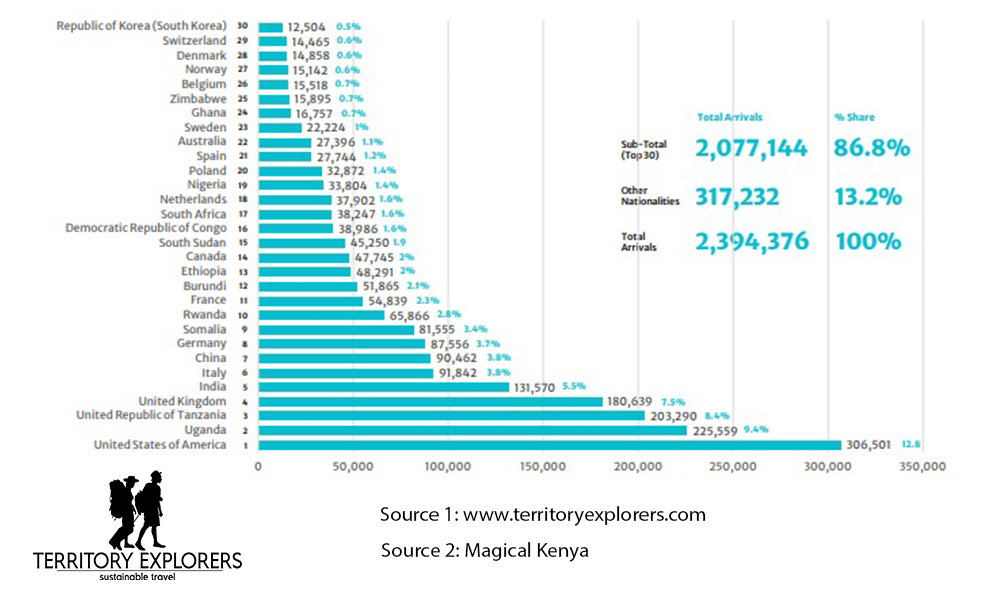
Kenya welcomed over 2.39 million visitors in 2024, showing strong growth in tourism. What brings people from around the world? It’s the mix of easy access, diversity, and authenticity that few places can offer. Whether you’re watching wildebeest in the Mara, diving off the coast, or enjoying Nairobi’s lively culture, Kenya creates travel moments you’ll never forget.
Anyone who has visited Kenya will tell you it’s more than just a destination. It’s a place that changes how you see the world.
Key Takeaways
Before you start planning your trip to Kenya, take a look at these key facts that will help shape your experience.
Knowing these important details ahead of time can turn a good trip into an unforgettable adventure.
• Kenya’s tourism is booming, with visitor numbers rising from 567,848 in 2020 to 2,394,376 in 2024—a 322% increase. This growth shows not only recovery after the pandemic but also Kenya’s rising status as a top travel destination. Improved infrastructure, better safety, and more travel options are attracting people from all over. Kenya’s appeal is strong, bringing travelers back even in challenging times.

• Most international visitors come for leisure, making up 44.2% of arrivals, while 26.9% visit for business or conferences. This shows Kenya’s strength in both vacation and business travel, thanks to excellent conference centers and a wide range of activities. Kenya’s ability to attract both adventure seekers and business travelers is rare among destinations.
• Kenya welcomes visitors from all over the world. Africa leads with 40.8% of tourists, followed by Europe at 28.1% and the Americas at 15.7%. This mix shows Kenya’s broad appeal, from regional travelers to those coming from far away for authentic experiences. At Nairobi’s airport, you’ll hear many languages, showing how Kenya brings people together from different cultures.
• Kenya has seven UNESCO World Heritage Sites, more than most African countries. These include Lake Turkana National Parks, Sacred Mijikenda Kaya Forests, the Kenya Lake System in the Great Rift Valley, Fort Jesus in Mombasa, Thimlich Ohinga Archaeological Site, Mount Kenya National Park and Forest, and Lamu Old Town. Each site has its own unique natural or cultural importance. While seven may sound like just a number, each place shares a story that stretches back thousands of years.
• Timing your visit is important. July to October is best for wildlife viewing during the Great Migration, while December to March brings great weather and fewer crowds. The rainy seasons (April-May and November) can affect some activities but also mean lower prices and greener scenery. Experienced safari travelers agree that timing can make a big difference for wildlife experiences.
• Getting a visa for Kenya is simple for most people. The eVisa system processes applications in 2-7 working days and costs $51 for most tourists. The East Africa Tourist Visa ($100) lets you visit Kenya, Uganda, and Rwanda for 90 days, making it a great value for exploring the region. Kenya’s easy visa process is a sign of their commitment to welcoming travelers.
• Marine tourism in Kenya is growing fast, with cruise ship arrivals increasing from 1,134 in 2022 to 6,561 in 2024—a 480% jump. This growth is turning Kenya into a top cruise destination in the Indian Ocean, thanks to excellent ports and coastal attractions. The cruise industry’s trust in Kenya shows that the country delivers quality experiences.
• Kenya offers great value compared to other safari destinations. You get wildlife experiences as good as or better than those in Southern Africa, but at competitive prices. Kenya’s strong infrastructure and established tourism industry mean you can count on good service. Value here isn’t just about price—it’s about getting real, memorable experiences for your money.
• Tourist areas in Kenya are safe and meet international standards. There are dedicated tourist police, strong safety measures in national parks, and reliable emergency systems. Major tour operators follow global safety guidelines. While safety is a common concern, most visitors find Kenya’s tourist spots as secure as those in other major destinations.
• Kenya’s small size means you can enjoy a wide range of experiences in one trip. With good domestic flights and roads, it’s easy to combine beach time, mountain adventures, and safaris without spending too much time traveling. In Kenya, you can watch lions in the morning, hike mountains at midday, and relax on the beach by evening—all in one country.
• Kenya’s 44 ethnic communities keep their traditions, languages, and customs alive, even as tourism grows. From Maasai herders to Swahili coastal cultures, you’ll find real cultural experiences across the country. Unlike many places where tourism changes local culture, Kenyan communities share their heritage while staying true to themselves.
Wildlife Safari Activities
Game Drives
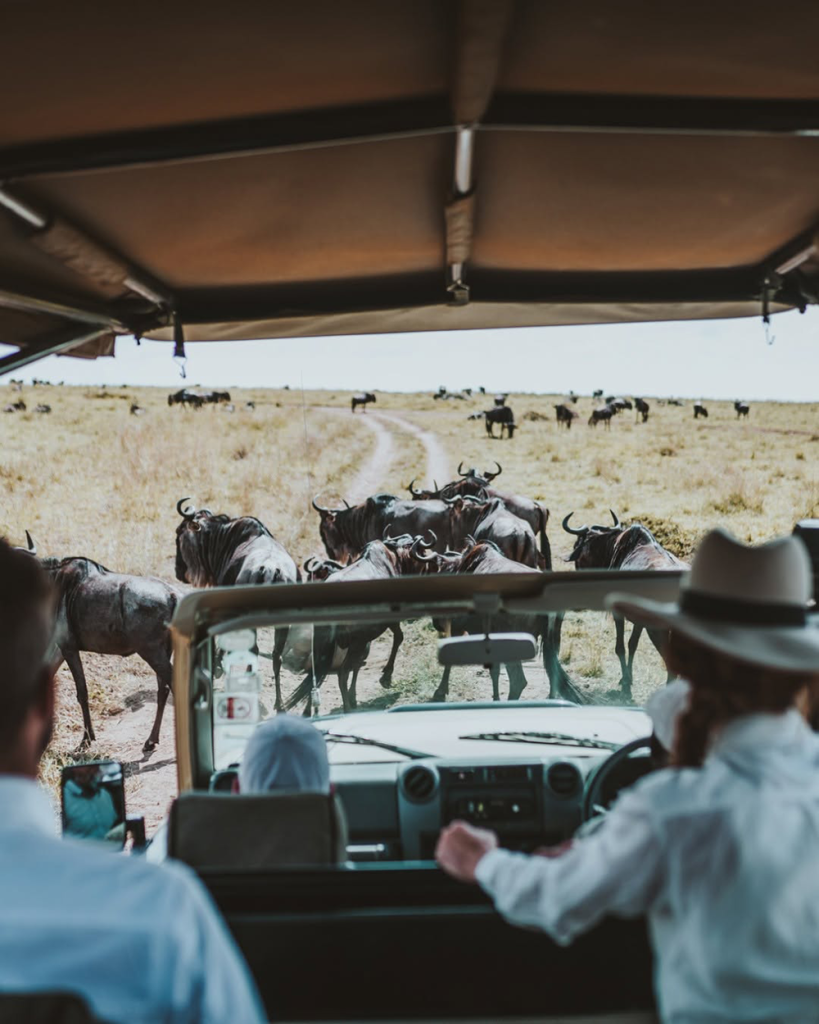
Kenya’s game drives are among Africa’s best, with each park offering its own unique wildlife and atmosphere. Experiencing your first African sunrise as the landscape wakes up is a moment you’ll never forget.
The Maasai Mara National Reserve is Kenya’s top safari spot, known for the annual Great Migration. From July to October, over 1.5 million wildebeest, zebras, and gazelles move from Tanzania’s Serengeti, creating an incredible wildlife spectacle. The Mara’s grasslands are home to lions, elephants, leopards, cheetahs, and buffalo all year, making it great for spotting the Big Five. Its smaller size means you often see many animals at once, and the open landscape is perfect for photography, especially at sunrise and sunset. Many photographers say the Mara’s beauty is unmatched anywhere else.
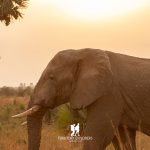
Amboseli National Park, set against the backdrop of Mount Kilimanjaro, is one of the best places in Africa to see elephants. The open plains and swamps make it ideal for photos, with elephants often seen in front of the mountain. The contrast between the dry land and snowy peak creates stunning views, but the real highlight is watching elephant families interact and dig for water during the dry season.
Watching elephants show their intelligence is always fascinating. These moments are a powerful reminder of why wildlife conservation is so important.
Tsavo East and West National Parks together form one of the largest wildlife ecosystems in the world. Tsavo East is renowned for its red elephants, their color due to iron-rich soil, and the Galana River. Tsavo West features Mzima Springs and a variety of landscapes, from volcanic hills to grasslands. The vastness of Tsavo may seem overwhelming at first, but this wilderness is precisely what attracts photographers and wildlife enthusiasts. Mzima Springs has a unique underwater viewing chamber where visitors can observe hippos and crocodiles in their natural habitat—an experience rare in other parks.
Tsavo’s size can feel overwhelming at first, but with time, you’ll discover the wild, untouched Africa that many people dream about.
Wildlife Sanctuaries and Conservancies
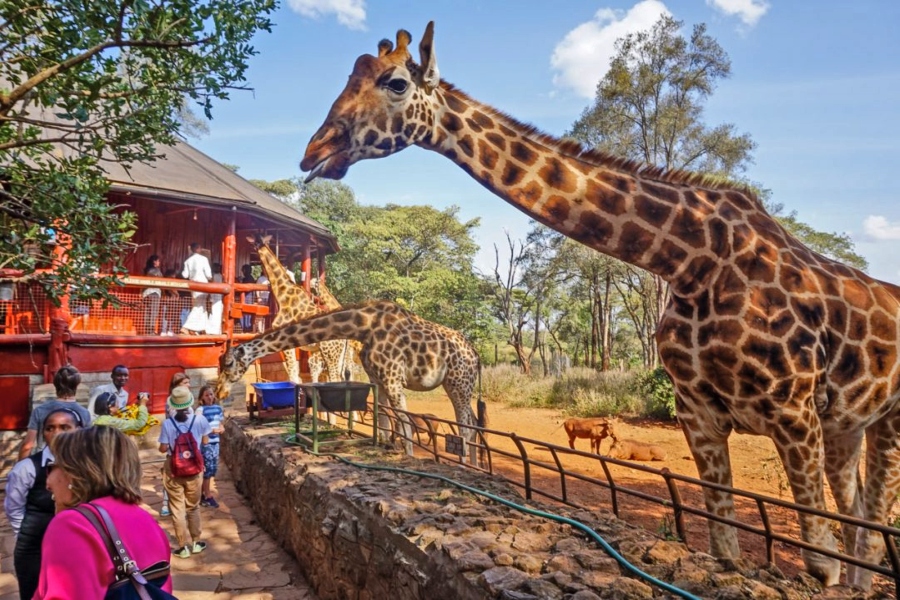
The Giraffe Centre in Nairobi lets you get close to endangered Rothschild giraffes. You can hand-feed these gentle animals and learn about conservation, all just minutes from the city center. Their calm nature makes the experience both fun and educational, showing that you don’t need to travel far for meaningful wildlife encounters. Looking into a giraffe’s eyes at eye level is a rare and humbling experience.
Rhino sanctuaries such as Solio Ranch in the Central Highlands offer unique rhino tracking experiences. These conservancies are essential for protecting both black and white rhinos and for providing exclusive wildlife encounters. Solio stands out for its successful breeding programs, and observing these ancient-looking giants firsthand deepens appreciation for conservation efforts. The tracking experience is more intimate than usual game drives, with guides who recognize individual animals by name. Meeting a rhino with a name and story turns conservation from an abstract idea into a personal mission.
Big Cat experiences in conservancies near the Maasai Mara focus on lion and cheetah conservation. Visitors can help with research and get close to these amazing predators. Many programs use radio collars and GPS tracking, so you’re not just watching—you’re helping real scientific work. Seeing researchers in action gives you a new perspective on wildlife management. You become part of the conservation effort, helping protect these cats for the future.
Marine Wildlife Experiences
Swimming with dolphins along the Mombasa and South Coast is a special experience. The warm Indian Ocean is home to spinner and bottlenose dolphins all year, and morning trips offer the best chance to see them. You need patience, as dolphins appear when they want, but when they do, their playful behavior often leads to long encounters. Nothing compares to the feeling when wild dolphins swim beside you—it’s an experience you can’t get in any aquarium.
Kisite-Mpunguti Marine National Park is a great place for snorkeling and diving with sea turtles, colorful fish, and coral reefs. The park protects important breeding areas for green and hawksbill turtles, and you’re likely to see turtles during the right season. Because the park is protected, the marine life is less disturbed and easier to approach than in other places. Swimming above the coral reefs feels like exploring a beautiful underwater world, with something new to see on every dive.
Specialized Wildlife Encounters
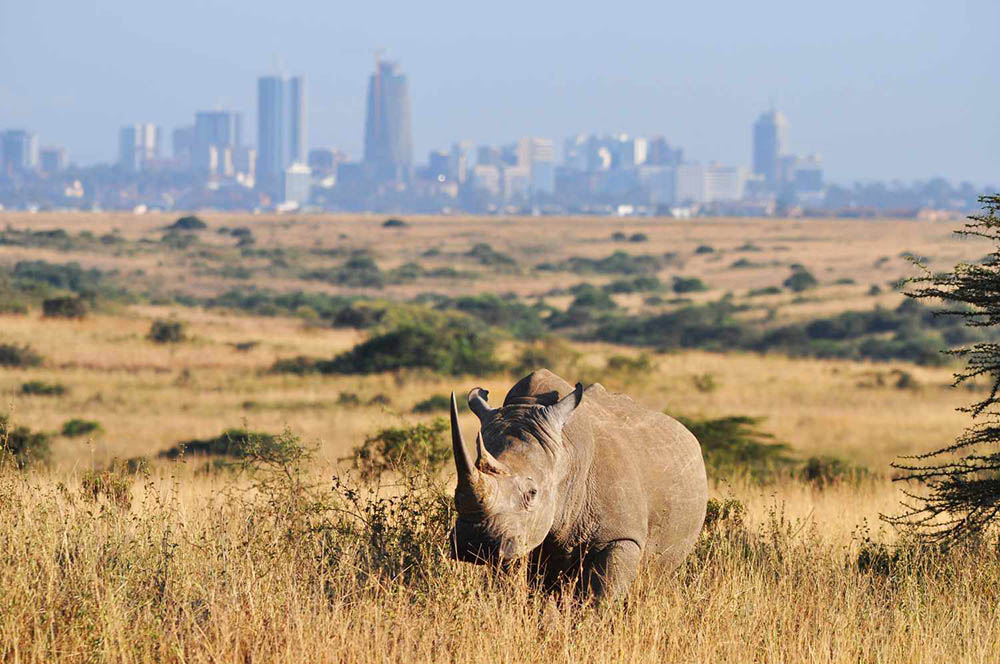
Nairobi National Park gives you the rare chance to see wildlife with the city skyline behind them. Just 7km from downtown, the park is home to lions, rhinos, and more than 400 bird species, making it ideal for short trips or layovers. Watching giraffes graze with skyscrapers nearby is a striking reminder of how Kenya mixes wild spaces with city life. This park is especially useful for travelers who are short on time but still want a real wildlife experience. Nowhere else can you snap a photo of lions with city buildings in the background—it’s a quirky and truly Kenyan sight.
Water-Based Activities
Marine Adventures
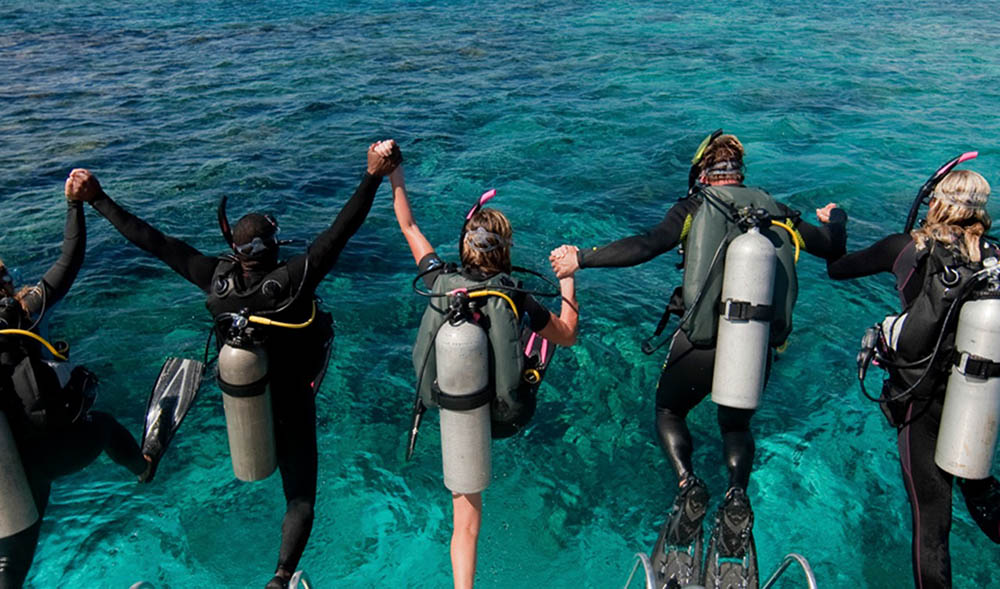
Kenya’s 536-kilometer coastline provides world-class marine experiences along the Indian Ocean.
The Indian Ocean along Kenya’s coast is warm and clear, with water so blue it feels like swimming in liquid sapphire. The excellent visibility makes exploring underwater especially appealing.
Scuba diving in Mombasa and the South Coast lets you explore colorful coral reefs, underwater caves, and a wide variety of marine life. Top dive spots include Kisite-Mpunguti Marine Park and the waters near Wasini Island. The warm Agulhas Current creates tropical conditions that support many different marine species. Visibility is usually great during the dry season, and the shallow reefs are suitable for divers of all skill levels. Even seasoned divers are often amazed by Kenya’s underwater life. Diving here is more than just swimming—it’s a chance to discover a whole new world.
Deep-sea fishing trips from Malindi, Watamu, and Mombasa focus on catching marlin, sailfish, tuna, and other big game fish. The continental shelf makes this area great for sport fishing all year. Kenya’s waters are known worldwide, with several fishing records set here. Charter companies use catch-and-release for billfish, helping keep fishing sustainable while still offering exciting battles with some of the ocean’s strongest fish. Catching a marlin in Kenya is famous among anglers, as these fish are known for being a true challenge.
Dhow sailing along the North Coast and in Mombasa gives you a taste of traditional sailing. These classic boats offer sunset cruises, snorkeling trips, and a chance to experience Swahili maritime culture while exploring the coast. Dhows have traveled these waters for centuries, and seeing the coast from their wooden decks helps you appreciate East Africa’s seafaring history. Each dhow is built using time-honored methods, so every boat is unique. When you sail in a dhow, you become part of a tradition that goes back hundreds of years.
Kite surfing and wind surfing along the North Coast, especially around Diani and Watamu, benefit from steady trade winds and warm waters. These trade winds offer dependable conditions from November to March, establishing this area as one of the most reliable wind sport spots globally. The warm waters allow for comfortable surfing throughout the year, while the expansive beaches offer ample space for beginners to learn safely.
Kenya’s steady trade winds make it a dream spot for wind sports. The conditions are reliable, warm, and great for beginners.
Lake Activities
Boat racing on Lake Victoria in Western Kenya highlights traditional boat construction and sailing skills. As the world’s second-largest freshwater lake, it offers fishing, island hopping, and cultural exchanges with local fishing communities. These communities preserve traditional boat-building methods handed down over generations, and observing or taking part in boat races offers a glimpse into local maritime traditions. Each island around the lake has its own unique character, ranging from fishing villages to wildlife sanctuaries.
Watching traditional boat races on Lake Victoria is like traveling back in time. The skills on display have been passed down through generations of people who live by the lake.
Lake Naivasha in the Great Rift Valley offers freshwater activities like boat rides among hippos and many types of birds, all set against the dramatic scenery of Hell’s Gate National Park. The papyrus-lined shores are perfect for hippos and birds such as fish eagles and pelicans. Thanks to the lake’s elevation, the weather stays comfortable, and boat trips here are a calm alternative to more intense wildlife adventures. The peacefulness of Lake Naivasha is a great way to balance out the excitement of a busy safari. Sometimes, you need quiet moments to take it all in.
River Experiences
White-water rafting on the Tana River in Southern Kenya takes you through exciting rapids, scenic gorges, and wild landscapes. It’s a great alternative to the better-known Nile rafting trips. The Tana has rapids from easy Grade II to tough Grade IV, so there’s something for everyone. The river flows through remote areas where you might see elephants and other animals coming to drink, making it an adventure that also includes wildlife viewing. Not many activities mix adrenaline and wildlife like rafting the Tana. Imagine paddling past elephants as you head down the rapids.
Adventure and Outdoor Activities
Mountain Climbing and Hiking
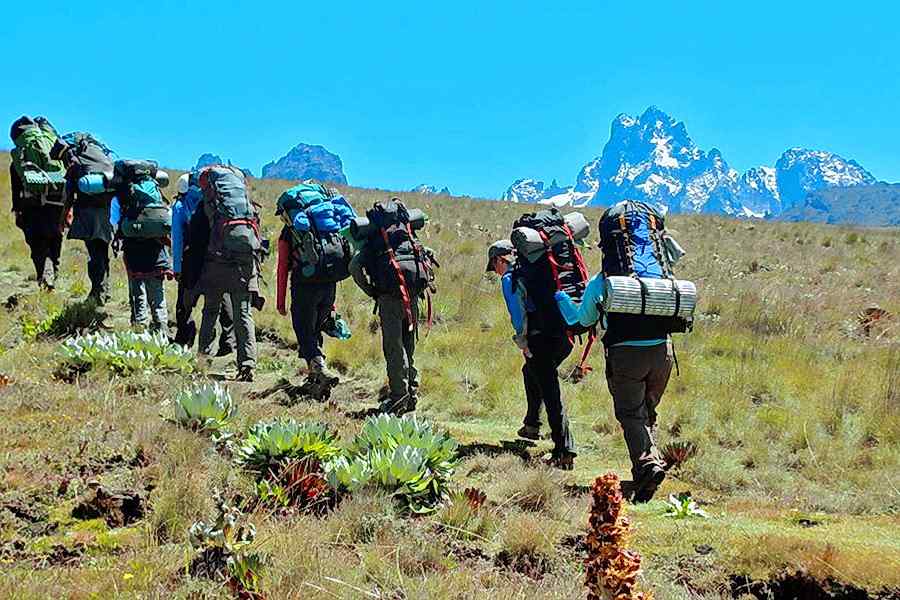
Mount Kenya, Africa’s second-highest mountain and a UNESCO World Heritage site, is a top spot for serious climbers. The technical routes to Point Lenana (4,985m) and the even tougher Batian and Nelion peaks offer world-class alpine adventures, complete with rare equatorial glaciers and unique Afro-alpine plants.
The mountain has several climate zones, so hiking here means moving from bamboo forests at the base to alpine deserts near the top. What sets Mount Kenya apart is the chance to experience many different ecosystems in one climb, with new scenery and challenges each day. Climbing Mount Kenya is more than just reaching the top—it’s about seeing a whole continent’s range of environments on one mountain.
Mountaineering in the Central Highlands includes rock climbing, technical training, and multi-day hikes through a range of environments, from bamboo forests to alpine deserts. The highlands are good for climbing all year because of their location near the equator, but the dry season has the best weather. Local guides have deep knowledge of the mountains, built up over generations, and can share insights about high-altitude ecology that you won’t find in guidebooks. These guides know more than just the trails—they understand the mountain’s weather, moods, and secrets passed down through their communities.
The Aberdare Mountains are great for hiking, with trails through mountain forests, waterfalls, moorlands, and chances to see rare animals like the bongo antelope. The Aberdares feel more mysterious than other ranges, thanks to their thick forests and frequent mist, which give the area a magical feel. The waterfalls are especially impressive during the rainy season, and spotting rare animals like bongos or forest elephants makes every hike more exciting. Walking in the Aberdares is like exploring an enchanted forest, with misty paths and hidden waterfalls creating a truly special atmosphere.
Extreme Sports
Bungee jumping and zip-lining are mostly found in adventure parks in the Central Highlands and some coastal spots, giving you a rush along with amazing views. As Kenya expands beyond traditional safaris, these activities have become more popular, and many operators now use top-quality safety gear and follow strict procedures.
The highland scenery adds to the excitement, making these adventures stand out. Bungee jumping with Mount Kenya in the background is especially thrilling—the views are so stunning, they almost make you forget your nerves.
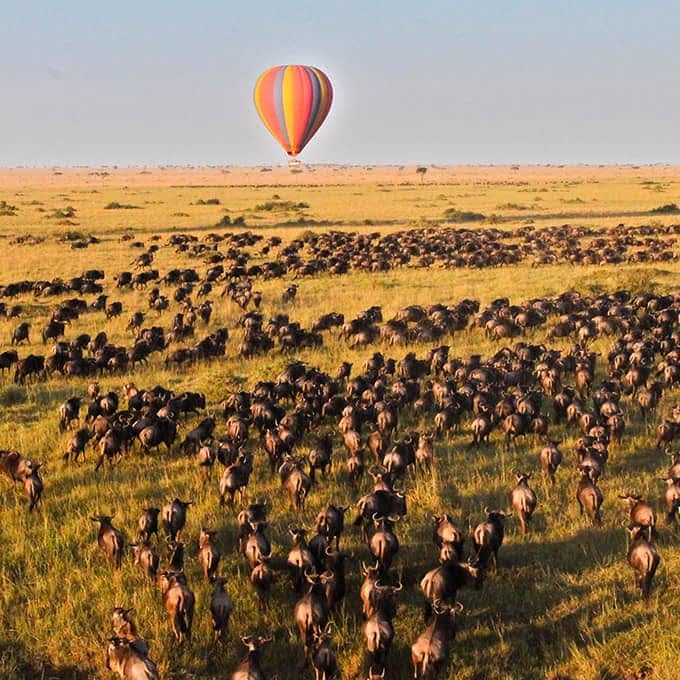
Hot air balloon rides in the Mara give you incredible views of the Great Migration and the region’s wildlife. Early morning flights are best for seeing animals and taking photos. Drifting quietly above the savanna at sunrise feels almost magical, and you can really see how vast the wildlife movements are—something you can’t fully appreciate from the ground. After landing, many visitors enjoy a traditional champagne breakfast, which has become a favorite part of the safari experience. Watching thousands of animals from above at dawn is both peaceful and unforgettable.
Kilimanjaro balloon safaris from Southern Kenya let you see both Kenyan and Tanzanian landscapes from above. Because Kenya is so close to Kilimanjaro, these flights offer rare views of Africa’s highest mountain. Early morning is the best time for clear skies, and on some days, you can spot both Mount Kenya and Kilimanjaro from the same balloon. Seeing both mountains at once is a special experience that reminds you how amazing travel can be.
Cycling and Outdoor Adventures
Cycling experiences vary from mountain biking in the Central Highlands to scenic rides in the Maasai Mara. Near Nairobi, the Forest Adventure Centre features zip-lining, tree-top walks, and cycling trails through native forests. High-altitude mountain biking in Kenya’s highlands offers challenging terrain and stunning vistas, though it requires some acclimatization. In the Mara, cycling provides unique wildlife encounters, since bikes permit closer approaches to many animals than vehicles.
Cycling through the Mara offers a whole new way to see wildlife. Instead of just watching from a vehicle, you feel like you’re part of the environment.
The Great Rift Valley is a great place for outdoor adventures like rock climbing, rappelling, and wilderness survival courses, all set in striking landscapes. The area’s mix of volcanic rocks and limestone cliffs makes it perfect for climbers of all levels. Hell’s Gate National Park is especially popular for climbing, with routes for everyone from beginners to experts. The park’s tall cliffs and geothermal features make it feel like you’re exploring another world, blending geology and adventure.
Agrotourism
Farm Experiences
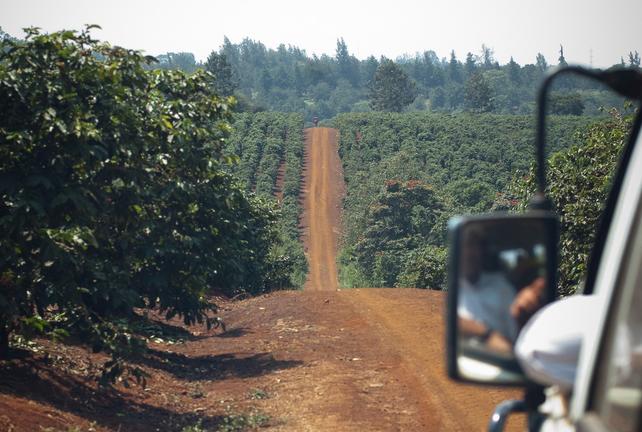
Coffee plantation tours in the Central Highlands, especially near Mount Kenya and the Aberdare Mountains, highlight Kenya’s well-known coffee industry. Visitors can help with harvesting, processing, and tasting, while learning about sustainable farming that produces top-quality coffee.
The highland climate is perfect for growing arabica beans, and many farms still use traditional methods that keep Kenya’s coffee reputation strong. Walking through the fields at harvest time shows how much work goes into every cup. Tasting freshly roasted coffee right at the plantation gives you a new appreciation for your daily brew—it connects you directly to the Kenyan highlands.
Visits to tea estates in regions like Kericho and Nandi Hills feature guided tours of well-maintained tea gardens, processing units, and tasting experiences with sweeping highland vistas. Kenya’s tea plantations showcase some of the most picturesque agricultural scenes worldwide, with neatly arranged terraces on rolling hills. The processing facilities illustrate the journey of fresh tea leaves turning into the final product, while tasting sessions enhance appreciation for high-quality tea. Walking through the pristine gardens with mist drifting over the hills evokes a meditative feeling, making every sip of tea afterward a calming experience.
The El Karama Family Experience in the Central Highlands offers real farm stays where guests join in daily farm work, care for animals, and learn traditional farming. This hands-on experience helps visitors truly understand rural Kenyan life, from milking cows in the morning to working in the vegetable garden. Because you stay with a real farming family, it feels much more genuine than a typical tourist setup. By helping with chores and sharing meals, you form real connections and, for a while, become part of the family.
Olepangi Farm Experience lets you take part in farm work, wildlife conservation, and community activities all at once. This mix shows how sustainable land use can help both farming and wildlife. By joining in daily farm tasks and learning about conservation, you get a real sense of the challenges rural Kenya faces. Watching farmers and wildlife live side by side proves that people and nature can both do well together.
Agricultural Tours
Across Kenya, agricultural cooperatives give you a look at modern farming, organic methods, and community-driven projects. These groups show how small farmers join forces to improve their lives and use sustainable practices. The community focus is especially interesting, as it shows how traditional teamwork adapts to today’s farming challenges. When you see farmers sharing resources and knowledge, it’s clear how strong Kenya’s spirit of working together is.
Culinary Tourism
Traditional Food Experiences
The Nairobi Street Kitchen Experience lets you discover real Kenyan food through street food tours, cooking classes, and market visits. You can learn to make dishes like ugali, nyama choma, and sukuma wiki. Street food tours are a great way to dive into local culture, as vendors often share stories about their recipes and cooking styles. Cooking classes usually happen in local homes or community centers, giving you a look at how families prepare meals. Cooking with Kenyan families turns a simple meal into a cultural exchange—each dish becomes a story about tradition, family, and community.
Traditional cooking classes across Kenya teach you how to make local specialties, often mixing in stories and community time. Every region has its own food traditions, from the spicy dishes of the coast to hearty highland stews, and learning these recipes helps you understand the culture better. Many classes include trips to local markets to find ingredients, showing how local food is shaped by what’s available and by history. Each class shows how geography, history, and culture come together in the kitchen—every spice and cooking method has its own story.
Local Markets and Street Food
Local markets in Nairobi, Mombasa, and regional towns offer genuine food experiences. Cultiva in Nairobi and various market tours give insights into local ingredients, spices, and cooking methods. Kenyan markets function as social hubs where food shopping turns into cultural exchange, with vendors eager to explain unfamiliar ingredients and recommend how to use them. The spice markets along the coast showcase centuries of trade with Asia and the Middle East, resulting in distinctive flavor blends found only here.
Markets are at the heart of Kenyan social life. Spending time with vendors, learning about ingredients, and sharing stories over fresh produce helps you make real cultural connections.
MICE Tourism (Meetings, Incentives, Conferences, Events)
Conference Facilities
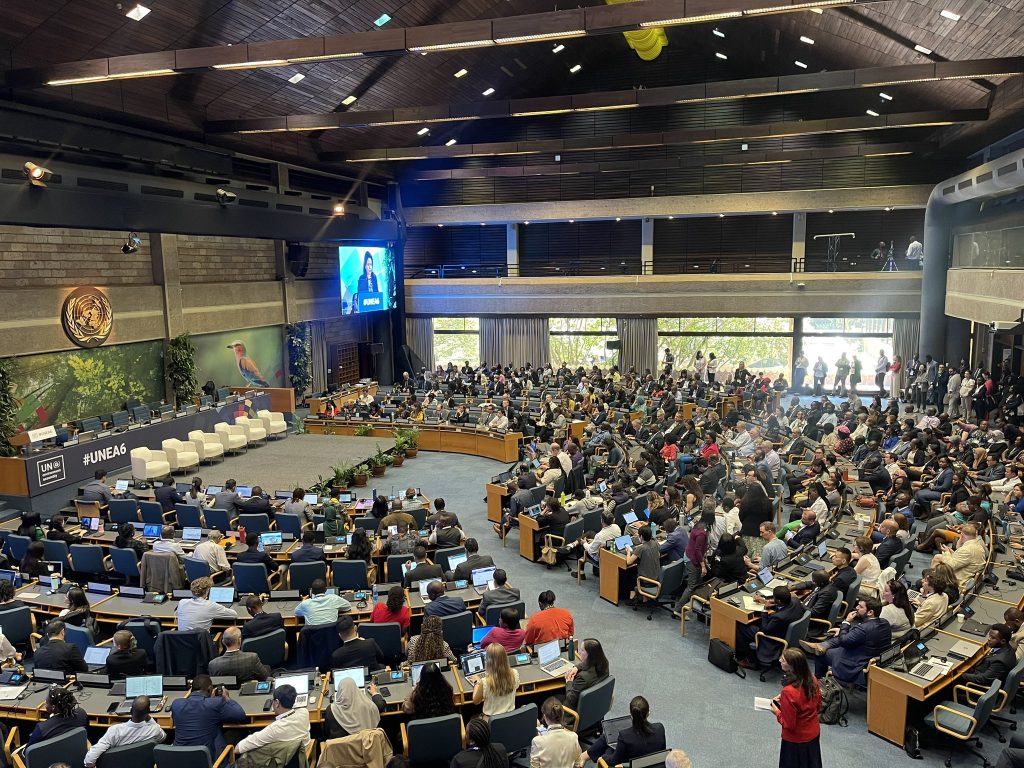
Kenya’s MICE industry supports the wider East African region with state-of-the-art facilities in Nairobi and Mombasa. International conference centers, luxury hotels, and resorts offer everything needed for business events. Nairobi’s role as a regional hub makes it perfect for conferences, while coastal locations provide packages that mix business with relaxation. Recent improvements have brought Kenya’s MICE services up to international standards, with modern centers and reliable communications. Business travelers often mention how Kenya combines great conference spaces with memorable leisure activities—here, you can attend meetings in the morning and go on a safari in the evening.
Corporate Experiences
Corporate retreats in Kenya make use of the country’s varied landscapes for team building, from safaris to beach resorts and mountain lodges. Adventure activities offer special ways to build teamwork. Kenya’s different environments let companies create retreats that mix business goals with unforgettable experiences, like working together on conservation projects or developing leadership skills outdoors. Many teams find that overcoming challenges together in Kenya’s wild places creates stronger bonds than any meeting room ever could.
Cultural Experiences
Indigenous Communities
The Immersive Maasai Cultural Experience offers genuine interactions with Kenya’s renowned pastoral community. Visitors explore traditional customs, engage in everyday activities, and learn how the Maasai balance their cultural heritage with modern adaptations. They maintain their traditional way of life while carefully choosing beneficial modern practices, resulting in engaging cultural exchanges that steer clear of romanticization and cultural tourism. Spending time with Maasai communities highlights the challenge of maintaining traditional identity amid rapid societal changes.
Staying with Maasai families shows that culture is not just something from the past. It’s a living way of life that changes over time but keeps its core values.
Many ethnic communities in Kenya offer cultural village tours, such as the Samburu in the north, Swahili communities on the coast, and farming groups in the highlands. Each group has its own ways of living that fit their environment, like the Samburu’s desert skills or the Swahili’s sea traditions. These visits are most meaningful when they support real community projects, not just shows for tourists. Every community’s knowledge about living sustainably has been shaped over centuries and offers lessons that go beyond just learning about culture.
Historical and Cultural Sites
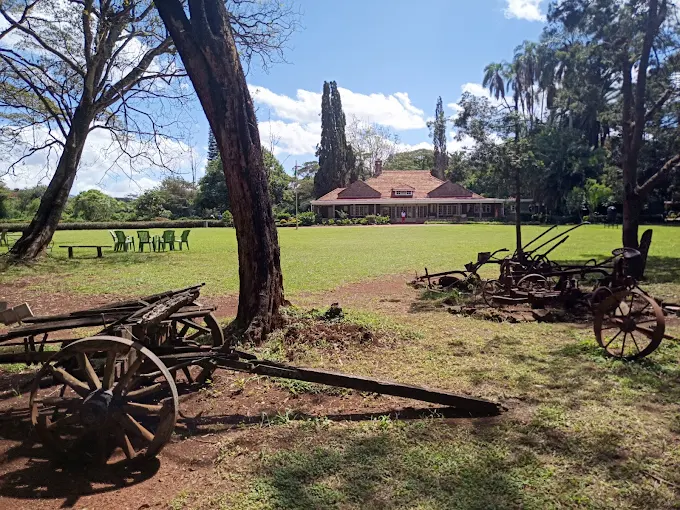
The Karen Blixen Museum in Nairobi keeps the home of the well-known “Out of Africa” author as it was in her time, giving visitors a look at colonial history and early 1900s Kenya. The museum offers a fair view of the colonial period, showing both its good and bad sides. The house and gardens are much as Blixen left them, making the history feel real and connected to her stories. Walking through the house, you can almost imagine the sound of her typewriter and the smell of coffee from her plantation—history feels close and personal here.
Lamu Old Town, a UNESCO World Heritage site, is the best-preserved Swahili settlement in East Africa, with its narrow streets, old buildings, and long-standing traditions. Walking through Lamu feels like stepping back in time, with donkeys still used for transport and crafts made as they have been for generations. The town’s remote location has helped keep its unique character, though more tourists now bring both benefits and challenges. Lamu’s timeless feel can make you lose track of the present—this is what towns were like when life moved at the pace of donkeys and sailing boats.
Traditional Performances
Cultural centers across Kenya showcase traditional dance, music, and storytelling from the country’s 44 ethnic communities. The Go Down Arts Centre in Nairobi often features both contemporary and traditional performances. These events are most meaningful when they are part of ongoing traditions, not just staged for show. Many centers now focus on preserving traditional arts while letting them grow and change over time. Authentic performances highlight that entertainment is about storytelling, community, and passing traditions to future generations.
Natural Attractions
UNESCO World Heritage Sites
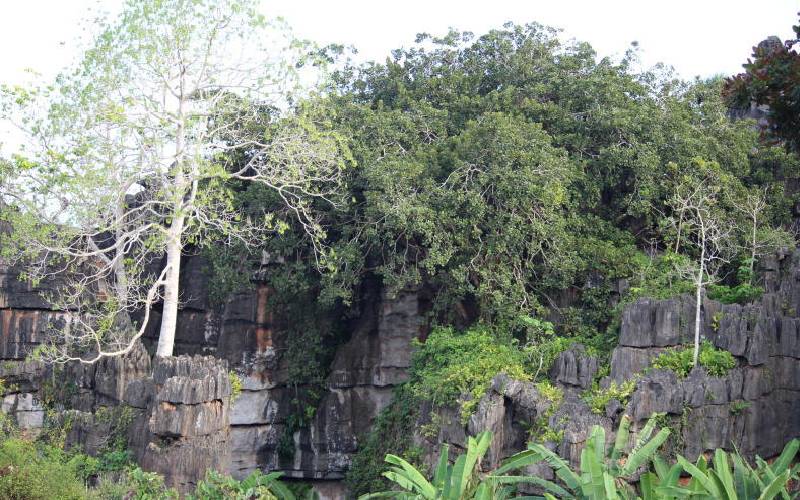
Kenya’s seven UNESCO World Heritage Sites showcase outstanding natural and cultural importance.
UNESCO recognition is more than just a tourism award. It marks sites that are so important to human and natural history that they are considered part of the heritage of all people.
Lake Turkana National Parks are famed for their remarkable fossil finds that have transformed our understanding of human evolution. The jade-colored lake, the largest permanent desert lake in the world, is home to distinctive wildlife adapted to its extreme conditions. The paleontological sites in Turkana have produced some of the most crucial early human fossils, making the area both a natural marvel and a scientific goldmine. Its remote location requires careful planning for visitors, but the landscapes and wildlife are unrivaled anywhere else. Standing by Lake Turkana and realizing you’re at a key site of human origins fosters a deep connection to our collective story.
The Sacred Mijikenda Kaya Forests protect the spiritual and cultural heritage of the Mijikenda people. These 11 coastal forest sites contain sacred groves that have been preserved for centuries through traditional beliefs and practices. The forests show how traditional conservation can protect biodiversity, often supporting more species than nearby areas. Their spiritual importance remains strong today, so visits require respect and sensitivity. These sacred forests show that conservation has deep roots here, with communities protecting nature for centuries through spiritual ties rather than scientific rules.
The Kenya Lake System in the Great Rift Valley includes Lakes Nakuru, Elmenteita, and Bogoria, renowned for housing globally significant numbers of lesser flamingos and other waterbirds. These alkaline lakes support unique ecosystems not found anywhere else on Earth. Watching millions of flamingos turn the lakeshores pink is one of Africa’s most breathtaking natural sights, though bird populations vary with water levels and food supply. Each lake has its own features, such as Nakuru’s rhino sanctuary and Bogoria’s hot springs. Seeing millions of flamingos transform a lake into a pink carpet is a natural spectacle that often leaves one pondering how to adequately describe such beauty.
Fort Jesus in Mombasa is one of the best examples of 16th-century Portuguese military architecture. This coastal fortress once controlled Indian Ocean trade routes and preserves 400 years of Swahili coastal history. Its design shows the military engineering of the time, built to withstand attacks from both land and sea, using the coral stone typical of Swahili architecture. Museum exhibits share the stories of the different powers that ruled this important site, from the Portuguese to the Arabs and British. Fort Jesus is a reminder that Mombasa was a global crossroads long before globalization became common; these walls have seen the meeting of continents and cultures.
Thimlich Ohinga Archaeological Site is the largest and best-preserved stone settlement in the Lake Victoria region, dating to the 16th century and showing traditional stone building skills. The site features advanced dry-stone construction, with some walls reaching four meters high, creating strong defenses. Archaeological finds suggest people lived here for centuries, offering a window into pre-colonial African societies. The careful stonework at Thimlich Ohinga shows that architectural skill existed here long before European contact; these builders were true craftsmen.
Mount Kenya National Park and Forest protects Africa’s second-highest mountain and its unique alpine habitats. The mountain’s glacial valleys, alpine lakes, and rare plants create landscapes unlike any other in Africa. The park includes several ecological zones, from montane forest to alpine desert, each with its own plants and animals. Climate change has greatly reduced the mountain’s glaciers, making visits today especially meaningful for understanding environmental change. Seeing Mount Kenya’s shrinking glaciers is a strong reminder of climate change; future generations may see a very different landscape here.
Lamu Old Town preserves traditional Swahili architecture and culture with little modern change. Its narrow streets, coral stone buildings, and dhow harbor reflect 700 years of maritime trading history. Lamu is a place where traditional crafts, architecture, and social life continue much as they have for centuries. The town is car-free and uses donkeys for transport, adding to its timeless feel. Lamu shows that progress does not always mean more technology; sometimes, the simplest approach to city life is the most effective.
National Parks and Reserves
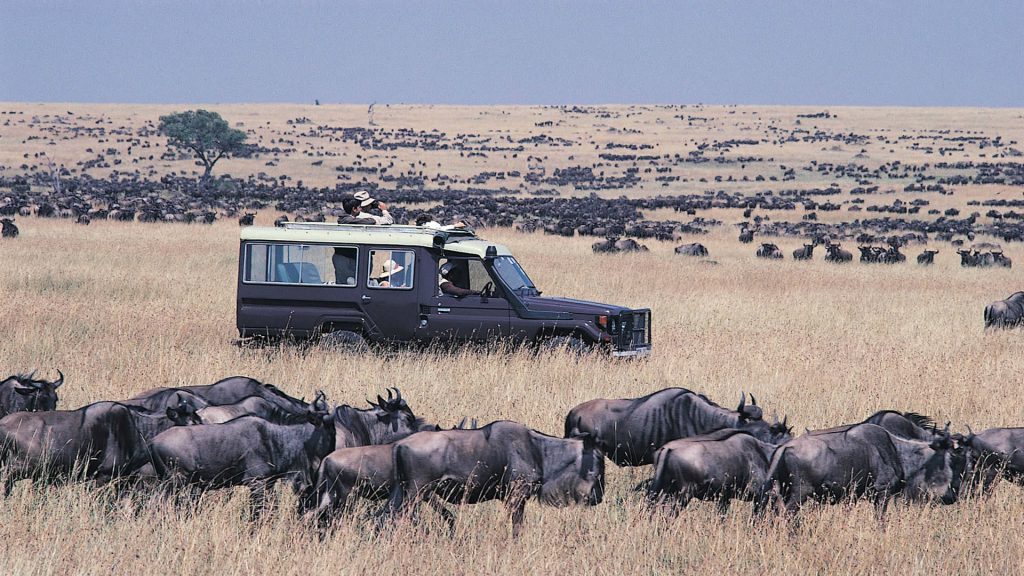
Maasai Mara National Reserve in Narok County, Western Kenya, is famous for the Great Migration, Big Five sightings, hot air balloon safaris, visits to Maasai villages, and some of Africa’s highest wildlife concentrations. The Mara’s open grasslands make wildlife easy to spot, with views stretching for kilometers. What makes the Mara special is the regularity of wildlife encounters, with something exciting happening almost every day during peak seasons. The Mara truly brings wildlife documentaries to life; this is where Africa’s greatest wildlife show happens every day.
Meru National Park in Eastern Kenya is known for its varied landscapes, from grasslands to forests, great rhino sightings, its connection to Elsa the lioness, and fewer visitors than larger parks. Meru offers a more personal safari, where you might not see another vehicle for hours but still enjoy excellent wildlife. The park’s recovery after years of poaching shows how conservation can succeed, with animal numbers rising again. Meru’s story shows that with dedication, parks can recover; it is a place of both hope and wilderness.
Tsavo West National Park in Southern Kenya features Mzima Springs with underwater viewing, varied landscapes, great elephant sightings, and historical sites like the story of the man-eaters of Tsavo. The park’s geology creates dramatic scenery, from volcanic cones to natural springs, making drives interesting even when animals are hard to spot. Mzima Springs’ clear waters form an oasis in the dry land. Tsavo West feels like several parks in one, with volcanic features, crystal springs, and famous wildlife stories all in one place.
Tsavo East National Park in Southern Kenya is known for its red elephants, huge wilderness areas, the Galana River, and being one of the world’s largest national parks. The park’s size can feel overwhelming, but it offers true wilderness experiences that are rare today. The red dust that covers the elephants makes for unique photos you won’t find elsewhere. Tsavo East’s red elephants seem almost painted by nature, making you appreciate Africa’s many surprises.
Aberdare National Park in the Central Highlands offers mountain forests, waterfalls, rare bongo antelope, great trout fishing, and tree hotel stays. The Aberdares are cooler than much of Kenya, with misty forests that feel almost magical. The park’s high elevation and thick forests support animals found nowhere else in Kenya, making wildlife sightings unique. Staying in a tree hotel while elephants visit the waterhole below feels like being in a nature documentary; it’s a special kind of wilderness luxury.
Shimba Hills National Reserve (South Coast) – Protects coastal forests, rare sable antelope, elephant populations, and provides excellent birdwatching with over 200 species. This reserve demonstrates coastal forest conservation, protecting ecosystems increasingly rare along East Africa’s coast. The sable antelope here represent one of Kenya’s rarest large mammals, making sightings particularly significant.
Shimba Hills shows that conservation success can come in small areas. Protecting this coastal forest helps save species that live nowhere else in Kenya.
Buffalo Springs National Reserve in Northern Kenya is renowned for its unique northern species such as Grevy’s zebras, reticulated giraffes, and gerenuk antelopes, all inhabiting semi-arid landscapes. These species evolved in isolation, resulting in distinct subspecies exclusive to this region of Kenya. The semi-arid environment necessitates specific safari approaches, with wildlife primarily congregating around permanent water sources.
Northern Kenya’s unique species seem like nature’s special experiments. These animals are so well adapted to their environment that they are found nowhere else on Earth.
Kakamega Forest in Western Kenya is Kenya’s only remaining tropical rainforest, hosting around 400 bird species, including rare ones unique to this region, along with primates and butterflies. This remnant forest offers a rare glimpse of the lush landscape that once covered much of western Kenya, supporting species more commonly found in Central African forests. Its biodiversity is extraordinary, with researchers still discovering new species here.
Walking through Kakamega Forest is like entering a living laboratory. Every tree, bird call, and butterfly tells a story of evolution that has taken millions of years.
Mount Kenya National Park in the Central Highlands offers mountaineering, hiking, rare alpine plants, glacial valleys, and some of Africa’s best mountain climbing. The park’s different ecological zones make hikes that change a lot as you go higher, from bamboo forests to alpine meadows. The mountain’s glaciers show both past and present climate changes. Climbing Mount Kenya is like traveling from the equator to the arctic in one trip, with many different ecosystems along the way.
Nairobi National Park is a unique park with the city skyline as a backdrop, great rhino sightings, lions close to downtown, and over 400 bird species. The mix of wildlife and city buildings makes for unusual photos and shows Kenya’s commitment to conservation even in urban areas. Despite being near the city, the park has a wide variety of animals. Only in Nairobi can you take a photo of a lion with skyscrapers behind it, showing how Kenya balances development and conservation.
Samburu National Reserve in Northern Kenya is home to unique northern animals, the Ewaso Ng’iro River, traditional Samburu culture, and great predator sightings. The river is a lifeline in the dry landscape, drawing wildlife and creating strong contrasts in the ecosystem. Meeting Samburu communities adds meaning to wildlife experiences. The river forms a green line through the desert, showing that water is truly essential in Africa’s tough environments.
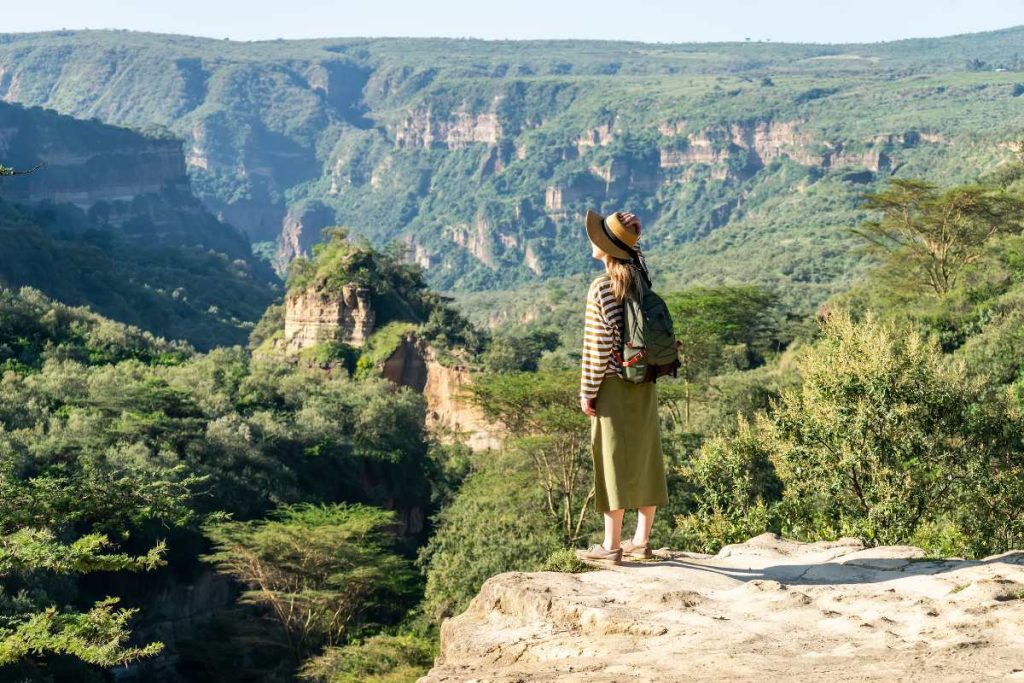
Hell’s Gate National Park in the Great Rift Valley offers walking safaris, rock climbing, cycling, geothermal features, and dramatic gorges, with few vehicles needed. The park’s walking policy allows for closer wildlife encounters, though the main focus is on scenery and geology rather than big animals. Geothermal activity shapes the land, with steam vents and hot springs. At Hell’s Gate, you walk among wildlife instead of just driving by, making you feel like part of the ecosystem instead of just a visitor.
Lake Nakuru National Park in the Great Rift Valley is known for its flamingos, rhino sanctuary, varied wildlife, and scenic lake views with yellow fever trees. Flamingo numbers change with water conditions, but the park always offers great wildlife viewing in a beautiful setting. The rhino sanctuary has had strong breeding success. The yellow fever trees around the lake make a perfect frame for wildlife photos, and even without flamingos, the park is always picturesque.
Saiwa Swamp National Park (Western Kenya) – Kenya’s smallest park, protecting the rare sitatunga antelope and offering boardwalk viewing, birdwatching, and primate viewing. The park’s swamp ecosystem supports species found nowhere else in Kenya, making visits particularly valuable for serious wildlife enthusiasts. The boardwalk system allows close observation without disturbing sensitive wetland habitats.
Saiwa Swamp shows that even small parks can be important. This tiny park protects species that are found nowhere else in Kenya.
Ruma National Park (Western Kenya) – Protects the rare roan antelope, offers excellent birdwatching, and provides less-crowded wildlife-viewing experiences. This park protects Kenya’s only population of roan antelope, making conservation particularly critical. The grassland ecosystems here differ from Kenya’s better-known savanna parks, supporting different wildlife communities.
Ruma National Park is crucial for the survival of an entire species. Seeing Kenya’s only roan antelopes here makes each sighting especially meaningful.
Shaba National Reserve in Northern Kenya is known for its unique rock formations, natural springs, diverse wildlife, and as a filming location for “Born Free.” The reserve’s striking scenery includes colorful rocks and springs that form oases in the dry land. The “Born Free” link adds history to wildlife sightings. Shaba’s dramatic landscapes show why filmmakers picked it for “Born Free”; the natural beauty here stands on its own.
Arabuko Sokoke Forest Reserve on the North Coast protects coastal forest with rare species, including the Sokoke scops owl, and unique ecosystems. This forest is one of East Africa’s most threatened habitats, so conservation is especially important. The species here evolved in isolation, leading to unique evolutionary stories. Every bird call and butterfly in Arabuko Sokoke is a reminder of the area’s special biodiversity that needs protection.
Mount Elgon National Park on the Western Kenya border offers cave exploration, great hiking, unique giant lobelias, and cross-border experiences with Uganda. The park’s caves were shaped by both natural forces and elephants over thousands of years, creating unusual underground spaces. The giant lobelias are striking examples of alpine plant evolution. Mount Elgon’s elephant caves show that wildlife can shape the land, as these chambers were carved by generations of elephants searching for salt.
Sibiloi National Park in Northern Kenya is a UNESCO site called the “Cradle of Mankind” because of its fossil finds, ancient sites, and tough but beautiful desert scenery. The area’s fossils continue to reveal new information about human evolution. The desert here is harsh but has a unique beauty. When you stand in Sibiloi, you are walking where humanity’s story began, and every step connects you to millions of years of history.
Chyulu Hills (Southern Kenya) – Features rolling green hills, excellent views of Kilimanjaro, walking safaris, and unique volcanic landscapes. These relatively recent volcanic hills create landscapes that feel more like Scotland than typical African savanna, offering unique hiking experiences with spectacular views.
The Chyulu Hills defy the usual image of Africa. These rolling green hills look more like the Scottish Highlands than the equator.
Mombasa Marine National Park on the coast protects coral reefs, offers snorkeling and diving, and lets you see marine wildlife just off Mombasa. Its location makes marine adventures easy to access, though reef health depends on the environment and human activity. Mombasa Marine Park brings the underwater world close to the city, so you can swim from urban beaches straight to beautiful coral reefs.
Coastal and Marine Attractions
Kenya’s coastline offers beautiful beaches, coral reefs, and marine sanctuaries that complement the inland safari experiences perfectly.
Kenya’s coast is the perfect way to balance out the excitement of a safari. Where else can you watch lions in the morning and swim with dolphins in the afternoon?
Urban and Historical Sites
Nairobi Circuit
Kenya’s capital is the country’s cultural and economic center, offering both modern city experiences and traditional attractions. Nairobi breaks the usual stereotypes of African cities; it is a cosmopolitan place where tradition and innovation come together to create something truly Kenyan.
The Nairobi National Museum features a wide range of collections related to Kenya’s natural history, culture, and contemporary art. Its exhibits cover everything from prehistoric fossils to modern Kenyan artwork, offering a thorough look into Kenya’s heritage. The museum seamlessly integrates natural and cultural histories, illustrating how Kenya’s diverse communities have adapted to various environments over thousands of years. Additionally, the modern art section highlights Kenya’s lively contemporary creative scene.
The National Museum shares Kenya’s full story, from the earliest human history to modern art, all in one place.
Kenya National Archives keeps the country’s documentary history and offers research spaces for those interested in Kenya’s colonial and post-independence past. The archives hold important documents from Kenya’s complex history, giving researchers a chance to dig deeper. People from around the world come to study East African history here. The National Archives show that history is more than monuments; these documents hold the real voices and stories that shaped Kenya today.
The Giraffe Centre offers conservation education alongside opportunities for wildlife encounters, while Almasi Art Agency displays contemporary Kenyan art and supports local artists. The center’s conservation efforts have successfully increased Rothschild giraffe populations and educated visitors about wildlife protection challenges. Almasi Art Agency features some of Kenya’s most talented contemporary artists, giving visitors the chance to buy original artworks and support the local creative community.
The Giraffe Centre and Almasi Art Agency showcase Nairobi’s dual identity—dedicated conservation efforts alongside lively artistic expression.
Coastal Historical Sites
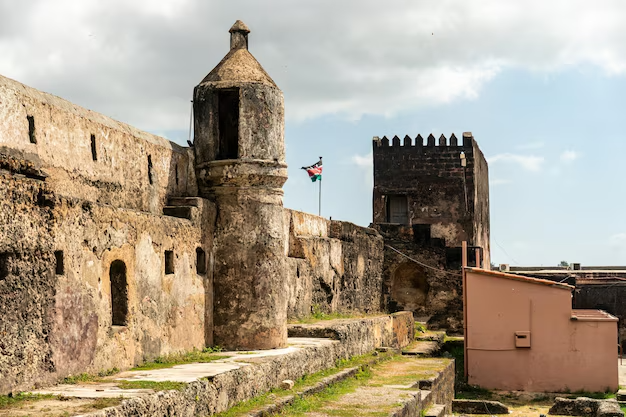
Fort Jesus in Mombasa is one of the best examples of 16th-century Portuguese military architecture. This UNESCO World Heritage site features sound and light shows that bring 400 years of coastal history to life. The fort’s location overlooking Mombasa harbor shows its long-standing role in controlling Indian Ocean trade.
Evening shows offer dramatic stories about the site’s past, while daytime visits let you explore the architecture in detail. Fort Jesus is more than old buildings; it connects you to centuries of trade, conflict, and cultural exchange along the Indian Ocean.
Old Town Mombasa keeps Swahili architecture, traditional crafts, and centuries-old customs alive. Its narrow streets, coral stone buildings, and spice markets offer a true cultural experience. Walking through Old Town, you see history in the buildings, from Swahili to Arab, Portuguese, and British styles. The spice markets and craft shops continue trade traditions linked to the Indian Ocean. The narrow streets and spice scents of Old Town take you back to the peak of Indian Ocean trade, with every corner telling stories of merchants, sailors, and cultural exchange.
Mnarani Ruins on the North Coast are the remains of medieval Swahili settlements, with mosque ruins, tombs, and traditional buildings from centuries ago. These ruins show the advanced Swahili civilization that existed long before Europeans arrived. The site’s position overlooking the creek shows how early Swahili people chose strategic spots for trade and defense. Mnarani Ruins remind us that East Africa’s coast was a global crossroads long before modern times, connecting Africa to the wider world.
Religious and Cultural Landmarks
Kenya has many religious sites that show its diverse spiritual traditions, from old Islamic buildings on the coast to modern churches and traditional sacred places in different communities. These sites reflect Kenya’s history of religious diversity and peaceful coexistence. Many are interesting for both their architecture and spiritual meaning, with coastal mosques showing centuries of Islamic art. Kenya’s mix of ancient mosques, colonial churches, and traditional sacred sites creates a unique spiritual landscape where different faiths live side by side.
Nightlife and Entertainment
Nairobi Entertainment Scene
Nairobi has East Africa’s most lively nightlife, with entertainment areas for all tastes and international guests. Nairobi’s nightlife often surprises those who expect quiet evenings after safari days; this city knows how to have a good time.
The Nairobi Jazz Festival brings together musicians from Kenya and around the world, highlighting the country’s lively music scene. Blankets and Wine hosts outdoor music festivals with both local and international artists in beautiful locations. The jazz festival is now internationally known, featuring both well-known and new artists in venues from small clubs to large outdoor stages. Blankets and Wine offers a relaxed setting where Nairobi’s creative community enjoys music, art, and food. Nairobi’s music scene is as strong as any major city, showing Kenya’s role as East Africa’s cultural center.
Westlands, Karen, and the CBD have many bars, clubs, and restaurants with live music, rooftop spots, and late-night fun. Nairobi’s nightlife ranges from cozy jazz clubs to lively dance venues. Each area has its own style: Westlands is known for upscale clubs, Karen for relaxed suburban spots, and the CBD for a mix of options from budget to luxury. Rooftop venues use Nairobi’s high elevation to offer great city views with your entertainment. Each district has its own nightlife vibe, so you can enjoy everything from fancy rooftop drinks to underground music in one night.
Coastal Nightlife
Mombasa and other coastal towns have beachfront bars, cultural shows, and relaxed evening entertainment. Dhow dinner cruises offer romantic sunsets on traditional boats. Coastal nightlife is usually laid-back, with venues that make the most of ocean breezes and sunset views instead of busy city clubs. The dhow cruises mix romance with culture, as many boats use traditional sailing methods while serving modern meals. Coastal nightlife follows the pace of the tides—it’s relaxed, romantic, and perfect for enjoying sunsets and gentle breezes.
Best Time to Visit Kenya
Kenya’s location on the equator means you can visit any time of year, though each season has its own benefits for different activities. The great thing about Kenya’s climate is that there is never a truly bad time to visit; each season offers its own unique experiences.
Peak Wildlife Season (July – October)
This time matches the Great Migration in the Maasai Mara, giving you some of the best wildlife viewing in the world. Dry weather makes game drives easier, with animals gathering near water. The dry season also brings clear skies for photos and reliable weather for outdoor plans. However, this is also the busiest and most expensive time, especially in the Mara during migration peaks. The peak season is worth the cost and crowds; seeing millions of animals cross the Mara River is unforgettable.
Excellent Weather Season (December – March)
These months have great weather with little rain, making them perfect for the beach, mountain climbing, and sightseeing. This is a good alternative to the busy July-October season. The weather is usually dry and sunny, ideal for outdoor fun and beach trips. Wildlife viewing is still good, as many animals stay near water. December to March gives you excellent weather and fewer crowds, showing how timing can really improve your trip.
Green Season (April – June, November)
The rainy seasons have some benefits, like lower hotel prices, fewer tourists, green landscapes for photos, and great birdwatching with migratory birds around. Rain usually falls in the afternoon or evening, so mornings are often clear for activities. The scenery is at its best, with everything green and flowers blooming. The green season turns Kenya into a photographer’s dream, with dramatic, lush landscapes and fewer people in your pictures.
Year-Round Destinations
Coastal areas have nice temperatures all year, so beach and marine activities are always possible. Nairobi’s high elevation keeps it comfortable year-round. The coast gets ocean breezes that cool things down, while Nairobi’s altitude makes it cooler than you’d expect near the equator. Kenya’s varied geography means you can always find good weather somewhere; if it’s rainy in the highlands, the coast is likely sunny and warm.
Visa Acquisition in Kenya
Kenya has made its visa system simpler to help international tourists while keeping security strong. The visa process shows Kenya’s professional approach to tourism: it’s efficient, easy to use, and meant to welcome visitors, not create obstacles.
eVisa System
Kenya’s electronic visa system lets you apply online, usually processing applications in 2-7 working days. Most nationalities can use this digital system, which is much easier than the old embassy process. It’s still best to apply early in case of delays. The eVisa system removes the need for embassy visits and postal delays, showing Kenya’s move toward digital efficiency to welcome travelers.
Visa Types and Costs
Single Entry Tourist Visa: $51 for visitors planning tourism, business, or family visits, valid for 90 days from entry date.
East Africa Tourist Visa: $100 for multiple entries to Kenya, Uganda, and Rwanda over 90 days, providing excellent value for regional exploration.
Transit Visa: $21 for passengers transiting through Kenya to other destinations.
The East Africa Tourist Visa is a great deal, letting you visit three countries for less than the price of many single-country visas elsewhere.
Application Requirements
Applicants must present a valid passport with at least 6 months of remaining validity, a recent passport-sized photograph, a travel itinerary, accommodation details, and proof of return flight tickets. Those traveling from endemic regions must also provide yellow fever vaccination certificates. While the documentation requirements are generally simple, having confirmed bookings for accommodation and return flights can help streamline the application process.
Kenya’s visa requirements are well balanced: they are thorough for security but simple enough to avoid complicated paperwork.
Processing and Entry
Visas are typically approved within one week, though applying 10-14 days before travel is recommended. Approved eVisas must be printed and presented at entry points along with the passport used for the application. Immigration officers at entry points are generally efficient and welcoming, though having all documents organized significantly speeds up the process.
Kenya’s immigration process shows their focus on tourism: it’s efficient, professional, and helps you start your adventure quickly after you arrive.
Frequently Asked Questions (FAQ)
For Safari Activities: Neutral colors (khaki, brown, olive green) work best for wildlife viewing. Avoid bright colors and black/dark blue, which attract tsetse flies. Long-sleeved shirts and pants provide protection from the sun, insects, and thorny vegetation.
Safari clothing is not about style; it’s about blending in with your surroundings and staying comfortable during long drives.
Essential Items:
• Sturdy walking boots with ankle support
• Wide-brimmed hat and sunglasses
• Light rain jacket (rain can occur in any season)
• Warm clothing for early morning game drives and highland areas
• Insect repellent and light, breathable long-sleeved clothing
• Good binoculars for wildlife and bird viewing
Having the right gear can turn an uncomfortable day into a great adventure. Invest in good basics, and you’ll be glad you did every day.
For Coastal Areas: Light, breathable clothing, swimwear, reef-safe sunscreen, and flip-flops or water shoes for rocky shores.
Cultural Considerations: Kenya is generally conservative, so modest dress is appreciated, especially when visiting religious sites or rural communities.
Dressing respectfully helps you have real cultural experiences. Modest clothing shows you understand local customs and often leads to friendlier welcomes.
You can visit Kenya safely if you take the right precautions and plan ahead. Tourist areas are well-secured, and major destinations have special tourist police units.
It’s normal to have safety concerns when traveling, but most people who visit Kenya find their worries were bigger than the real risks.
National parks and main tourist routes in Kenya have strong safety records. Trusted tour operators follow international safety rules and offer experienced guides.
For your health, take malaria precautions in most areas below 2,000 meters. If you’re coming from a country with yellow fever, you’ll need a vaccination. Nairobi and major towns have good medical facilities. In fact, healthcare and safety in tourist areas often meet international standards, and you may feel safer here than in many big cities around the world.
Be sure not to show off expensive items, use trusted transportation, stay aware in crowds, and always follow your guide’s instructions during wildlife activities.
The same street-smart precautions you’d use anywhere are enough in Kenya. You don’t need special skills, just normal travel awareness.
Kenya is famous for the Great Migration, Big Five sightings, and more than 1,000 bird species. Nowhere else offers such a wide range of wildlife experiences so easily accessible.
Wildlife experiences in Kenya often go beyond what you expect. It’s not just about seeing animals; it’s about watching the drama of life unfold.
Kenya’s landscapes range from beautiful beaches and snow-capped mountains to deserts and tropical forests, all within a relatively small area.
Few countries offer such a wide variety in such a small space. In Kenya, you can see landscapes that feel like different continents, all without leaving the country.
Kenya is home to 44 ethnic groups, each with its own traditions, languages, and customs. You can easily experience authentic culture, from Maasai herders to Swahili communities on the coast.
Kenya’s cultural diversity is as impressive as its wildlife. Each community brings its own unique view on life, tradition, and how to adapt.
Kenya is an adventure hotspot, offering top mountaineering on Mount Kenya, great diving and water sports, plus activities like hot air ballooning and white-water rafting.
If you love adventure, Kenya has almost every activity you can imagine, all at a high standard.
Kenya has strong tourism infrastructure, with reliable domestic flights, good roads, and high service standards to make your travel comfortable.
You can enjoy real African experiences in Kenya without giving up comfort. It truly offers the best of both worlds.
Kenya has some of Africa’s easiest and most varied wildlife viewing, including year-round game watching and the famous Great Migration. Many consider Kenya the original safari destination, and it often remains the best.
Value: Kenya usually costs more than places like Uganda or Tanzania, but you get great value for the quality and variety of experiences.
Kenya’s higher prices mean better quality and more reliable experiences. You get what you pay for, and the quality is consistently high.
Infrastructure: Kenya’s tourism infrastructure is among the best in Africa, making it great for first-time visitors. You can have both comfort and real adventure here—good infrastructure doesn’t take away from the experience.
Accessibility: Nairobi has excellent international flights, and domestic travel is easy. English is the official language, so language and logistics are not barriers in Kenya.
Key Takeaways Summary
As you plan your Kenyan adventure, keep these essential points in mind:
Planning a trip to Kenya should be exciting, not stressful. These key points will help you focus on what matters most for your adventure.
Why Kenya Should Top Your Travel List
✅ Home to the Great Migration and some of Africa’s most reliable wildlife viewing
✅ Seven UNESCO World Heritage Sites offering unique natural and cultural experiences
✅ Pristine Indian Ocean coastline with world-class marine activities
✅ Excellent infrastructure makes travel comfortable and efficient
✅ Diverse experiences from urban sophistication to remote wilderness
✅ Strong safety record in tourist areas with established security protocols
Each checkmark stands for experiences that often become travelers’ favorite memories. Kenya truly delivers on its promises.
Essential Planning Information
Best Time: July-October for wildlife migration, December-March for optimal weather.
Budget: Mid-range to luxury destination with options for various budgets.
Visa: eVisa system, $51 single entry, processed within one week.
Health: Malaria prevention is essential, and a yellow fever certificate is required for travelers from endemic areas.
Packing: Neutral safari clothing, warm layers for the highlands, reef-safe sunscreen for the coast.
If you get these basics right, you’ll avoid stress and enjoy your trip more. Good preparation really pays off in Kenya.
Must-Experience Activities
• Great Migration viewing in Maasai Mara (July-October)
• Mount Kenya climbing for serious mountaineers
• Marine activities along the pristine coastline
• Cultural experiences with diverse ethnic communities
• Nairobi’s vibrant urban culture and nightlife
These experiences are what make Kenya special. If you skip them, you’ll miss the heart of the country.
Safety and Comfort
• Tourist areas maintain international safety standards
• Wide range of accommodations from budget to ultra-luxury
• English is widely spoken throughout the country
• Established medical facilities in major centers
• Reliable tour operators with excellent safety records
Kenya’s well-developed tourism industry is clear in these details. Everything is in place to make your visit smooth and safe.
Conclusion
Kenya is East Africa’s most famous destination and has set the standard for African safaris, while also offering much more than just wildlife viewing. In 2024, 2.39 million people visited, demonstrating real growth driven by word of mouth and repeat travelers. This isn’t just marketing—it’s proof that Kenya consistently offers amazing experiences for all kinds of visitors.
Kenya stands out because it mixes famous sights with surprises. You can see the Great Migration, dive in clear coral reefs, climb snowy peaks, or enjoy Nairobi’s lively city life. With 44 ethnic groups, you’ll find real cultural experiences, from Maasai herders to Swahili communities, that feel authentic and not staged.
Kenya’s strong tourism infrastructure lets you enjoy real African experiences without giving up comfort, safety, or reliability. The country meets international standards but still keeps the warmth and authenticity that make travel here special. Kenya shows that development and authenticity can go hand in hand.
If you want a destination that goes beyond your expectations, Kenya is African tourism at its best. It’s more than just a place to visit—it can change how you see travel. Kenya earns its legendary status every day with sunrise game drives, cultural experiences, and special moments that give you stories to share for years.
We’ve been planning safaris to Kenya for travelers for several years, helping people fulfill dreams, change stories, and even shift their views about Africa. Many adventurers have become conservationists along the way. That could be your story too. Contact us at info@territoryexplorers.com to get started.