
Rwanda, often called the “Land of a Thousand Hills,” is one of Africa’s most inspiring transformation stories. Imagine standing on a misty hillside at dawn, watching the sun light up green valleys that seem to go on forever. This small country in East Africa has moved from a difficult past to become a leader in progress, conservation, and hospitality. Whether you’re exploring the mountains where endangered gorillas live or walking the clean, lively streets of Kigali, Rwanda gives visitors a mix of amazing wildlife, rich culture, and natural beauty.
Rwanda stands out for prioritizing quality over large crowds. The country’s strong commitment to conservation, cleanliness, and sustainable tourism means every visitor can see the care put into every detail. Whether you’re hiking through rainforests to see gorillas, relaxing by a beautiful lake, or learning about Rwanda’s history at memorial sites, you’ll find experiences here that are both meaningful and memorable.
This guide covers the many activities and sights that make Rwanda a top choice for travelers looking for real African experiences with high standards. You’ll soon see why many people say visiting Rwanda is more than a trip—it’s a life-changing experience.
Key Takeaways
Before you plan your trip to Rwanda, here are the key facts you should know. Consider this your quick guide to making the most of your visit:
- Rwanda is the top destination for mountain gorilla trekking, offering the highest success rates and excellent infrastructure. About one-third of the world’s remaining mountain gorillas live in Volcanoes National Park. With skilled guides, strong conservation efforts, and well-kept trekking paths, Rwanda provides a reliable and comfortable gorilla trekking experience. If seeing gorillas is on your list, Rwanda is the place to go.
- Rwanda is known as Africa’s safest and cleanest destination, with great infrastructure. It regularly ranks among the world’s safest countries, thanks to low crime and political stability. Kigali, the capital, stands out for its clean streets, efficient services, and modern amenities. Visitors often notice how spotless the city is and how friendly the people are.
- Gorilla permits in Rwanda cost $1,500 per person, but this covers guides, security, park fees, and supports conservation. Although more expensive than in nearby countries, the price helps limit visitor numbers, making the experience more personal and less crowded. It’s an investment in a rare wildlife encounter.
- The dry seasons, June to September and December to February, are the best times for gorilla trekking, with drier trails and clear views. Rwanda’s mild climate means you can visit any time of year. Wet seasons bring green scenery and fewer tourists, so every season offers something different.
- Most visitors can enter Rwanda without a visa or get one on arrival for $30. Citizens of African countries, Commonwealth nations, the United States, and many others do not need to apply in advance. The easy immigration process shows Rwanda’s focus on welcoming tourists and is simpler than in many other African countries.
- Rwanda’s official languages are English, French, and Kinyarwanda, and English is widely spoken. This multilingual approach makes it easy for international visitors to communicate. Most people working in tourism speak English well, so language barriers are rare.
- Rwanda’s small size means you can see many attractions in a short time. You can cross the country by car in just a few hours, making it easy to combine gorilla trekking, cultural visits, and lake activities in one trip. It’s ideal for travelers who want to make the most of their time.
- Rwanda’s conservation efforts go beyond protecting gorillas. The country has increased its forest cover, brought back species like lions and rhinos, and preserved some of Africa’s last mountain forests. Visitors see firsthand one of the world’s most successful conservation stories.
- Cultural tourism in Rwanda offers real insights into the country’s history and traditions. Visiting genocide memorials and learning about traditional kingdoms gives visitors a deeper understanding of Rwanda’s resilience and heritage. These experiences go beyond typical tourism and encourage new perspectives.
- Rwanda provides luxury accommodations and services that meet international standards. High-end lodges, quality restaurants, and professional service ensure a comfortable stay, comparable to top destinations worldwide. You can enjoy both comfort and authentic experiences here.
Wildlife Safari Activities
Mountain Gorilla Trekking
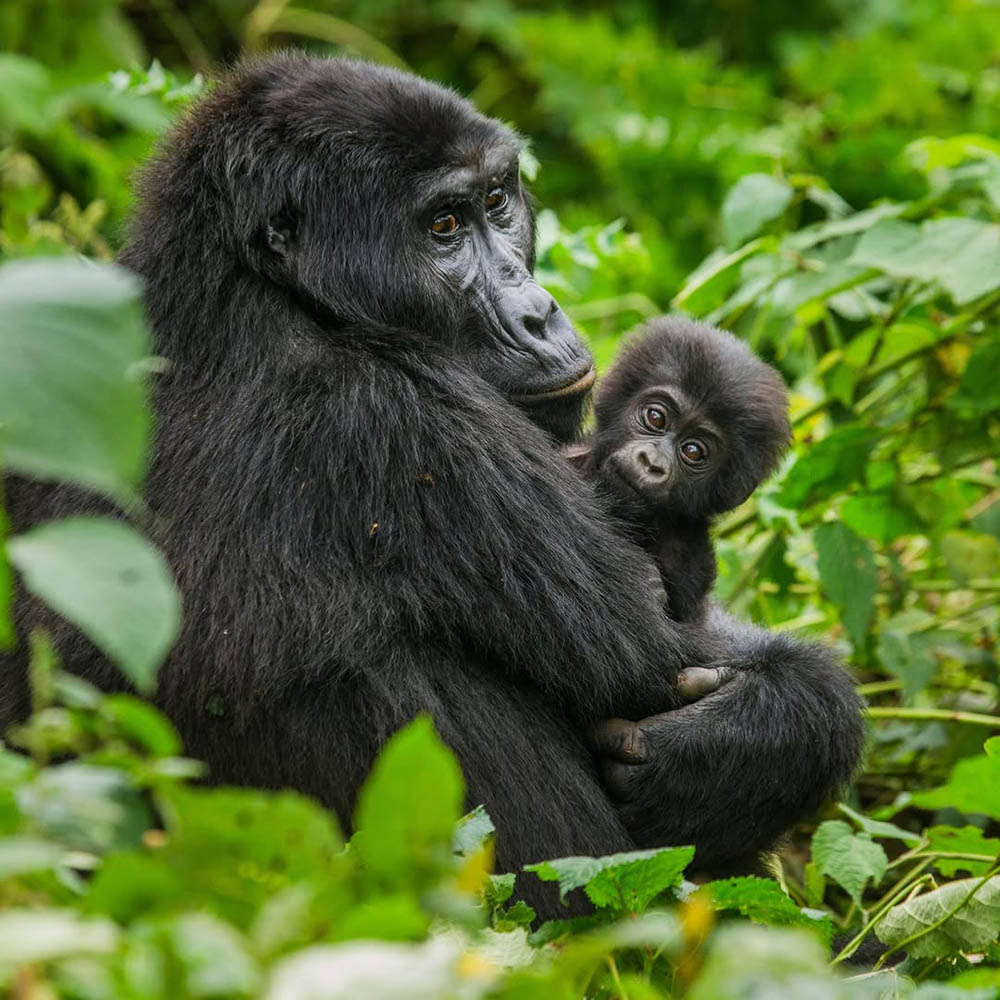
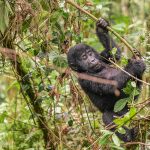
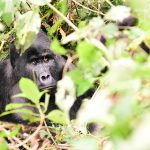
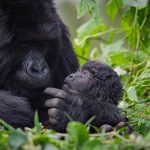
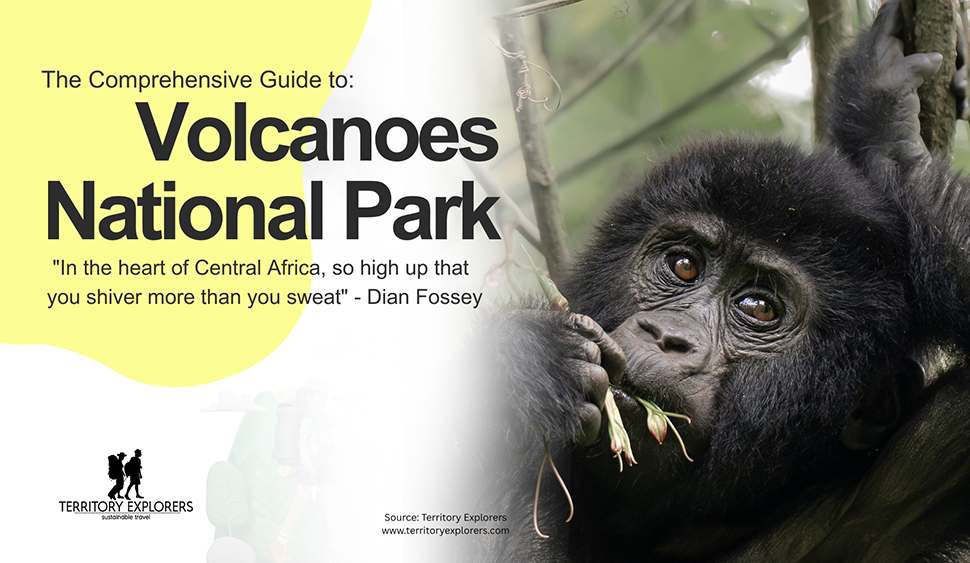
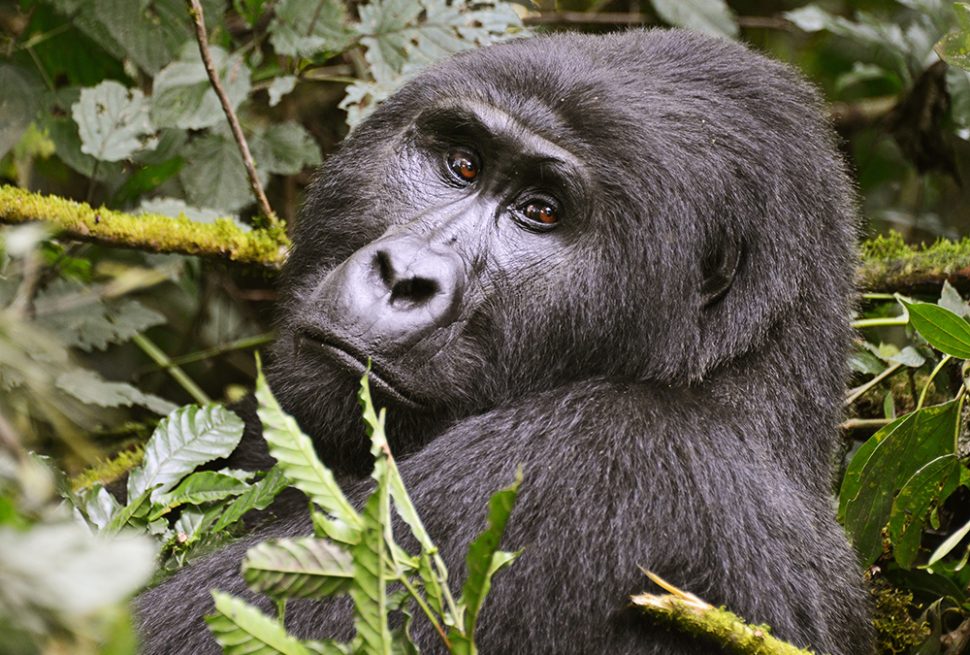
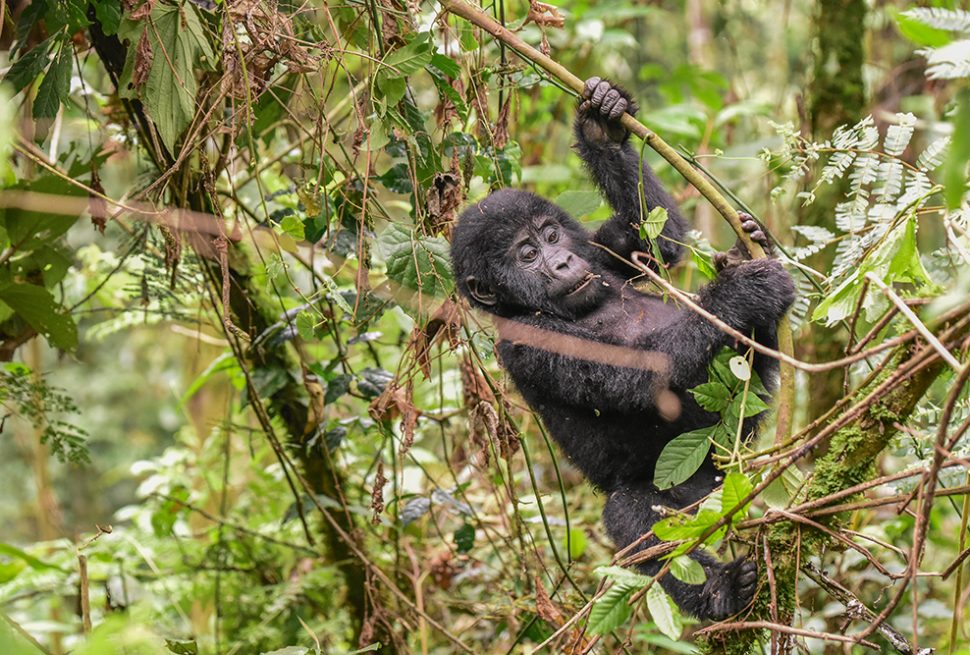
Volcanoes National Park is Rwanda’s top attraction, home to about a third of the world’s remaining mountain gorillas on its misty volcanic slopes. Waking up before dawn, you know that soon you’ll see some of the planet’s most impressive animals up close. The park has several habituated gorilla families, each with its own personality and group dynamics, making every trek different. Expert guides, trained in wildlife and safety, lead small groups of up to eight visitors per family each day to minimize the impact on these endangered animals.
Gorilla trekking in Rwanda can range from easy walks to tough hikes through thick bamboo and steep volcanic slopes, depending on where the gorillas are that day. It can be physically demanding, but the experience is incredibly rewarding. Once you find the gorillas, you get to spend an hour watching them eat, play, and interact in their natural home. Meeting animals that share 99% of our DNA leaves a lasting impression and often inspires visitors to support conservation. Many people say this moment is deeply moving and changes their outlook.
Golden Monkey Tracking
The endangered golden monkeys in Volcanoes National Park provide a very different experience from seeing gorillas. While gorillas seem like the wise elders of the forest, golden monkeys are more like playful teenagers. Their bright golden-orange fur and energetic behavior make them a highlight of the bamboo forests in the Virunga Mountains. Rwanda is one of the few places where you can see them in the wild.
Tracking golden monkeys is less physically demanding than gorilla trekking but just as rewarding. These monkeys are very active and social, often jumping between bamboo stalks and showing off playful behaviors that photographers and wildlife fans love. Because they are curious and not easily scared by people, you can get great views and see interesting behaviors. Their antics are so entertaining, you might find yourself laughing out loud.
Big Five Safari in Akagera
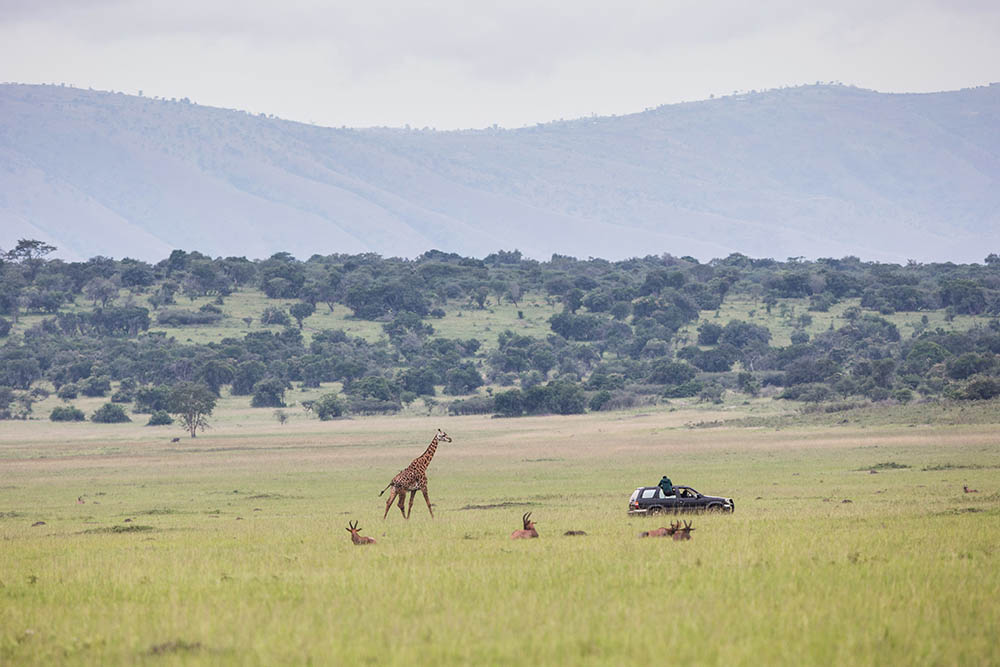
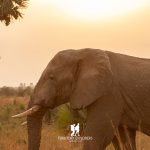
Akagera National Park is one of Africa’s top conservation success stories. Lions were reintroduced in 2015 and black rhinos in 2017, bringing back the full Big Five. Seeing lions in areas where they were gone for over 20 years is a powerful experience. The park offers classic safari adventures with elephants, buffaloes, leopards, lions, and rhinos across savanna, woodland, and wetlands.
Game drives in Akagera are great for spotting wildlife, especially near the park’s many lakes and water sources where animals gather. The park is not too large and has good roads, making it easy to see animals. Its different habitats support over 500 bird species and many types of antelope. Night drives and boat safaris offer new ways to experience the park. Hearing a lion roar as night falls is an unforgettable moment.
Canopy Walkway Experience
Nyungwe Forest National Park’s canopy walkway gives you a new view of one of Africa’s oldest and most diverse rainforests. Walking through the treetops feels like being in an adventure movie. The 90-meter suspension bridge, hanging 50 meters above the ground, lets you see the forest canopy and spot primates, birds, and other wildlife from above.
Crossing the gently swaying bridge is an exciting mix of adventure and wildlife watching. From this height, you can take great photos of the forest’s layers and see animals that rarely come down to the ground. Early mornings are best for spotting wildlife as the forest is full of bird calls and primate activity. If you’re afraid of heights, focus on the amazing views all around you.
Birdwatching
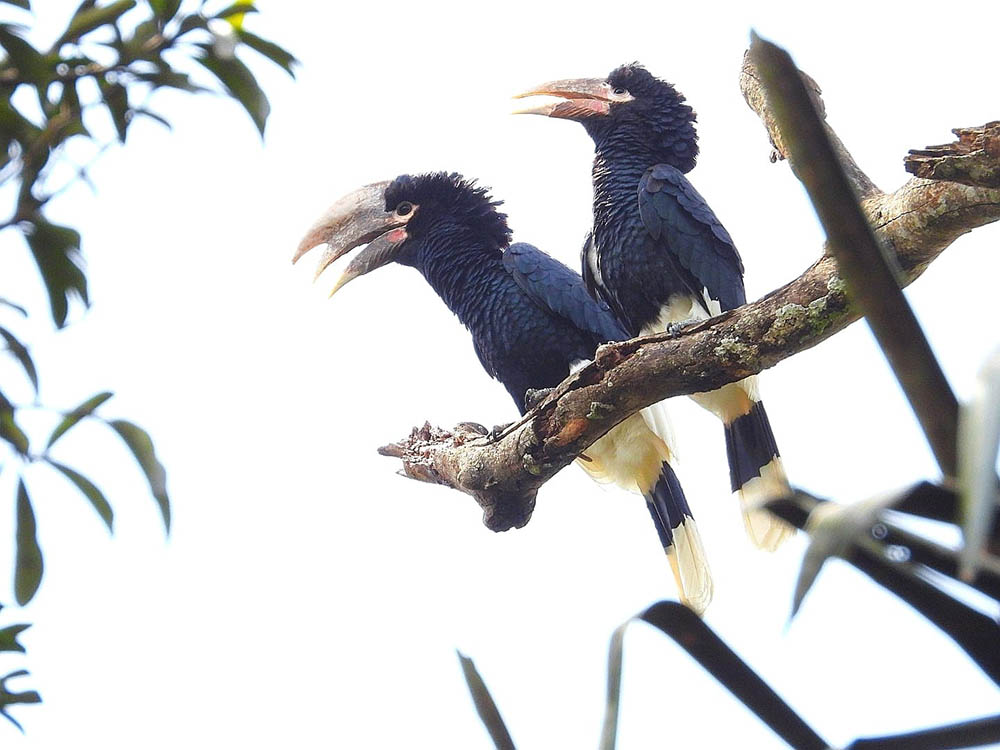
Rwanda’s varied habitats are home to over 700 bird species, making it a top spot for birdwatching. For bird lovers, every outing brings new discoveries. Nyungwe Forest has 310 species, including 27 that are only found in the Albertine Rift, while Akagera’s wetlands and savannas are great for seeing water birds, raptors, and classic African species.
Rwanda’s different altitude zones offer unique birdwatching, from high-altitude species in the volcanoes to wetland birds near Lake Kivu. Skilled birding guides know the local species, their calls, and the best places to see them. With forests, savannas, wetlands, and mountains close together, birders can see many species in a short time. Even those who aren’t birdwatchers often enjoy the variety and beauty of Rwanda’s birds.
Adventure and Outdoor Activities
Volcano Hiking
The Virunga Mountains provide some of East Africa’s best hiking, with volcanic peaks that suit different fitness levels. At the rim of an ancient volcano crater, you can see three countries at once, which is a truly memorable experience. Mount Bisoke, standing at 3,711 meters, offers a challenging day hike that ends at a crater lake with impressive mountain views. Along the way, you’ll pass through bamboo forests and alpine meadows.
Mount Karisimbi, Rwanda’s highest peak at 4,507 meters, is a two-day hike with overnight camping near the top. From the summit, you can see the Virunga range and views into the Democratic Republic of Congo and Uganda. Both hikes offer chances to spot golden monkeys, forest elephants, and many bird species while exploring the unique high-altitude ecosystems of the Albertine Rift. Reaching the summit is rewarding, especially with the wide views that greet you at the top.
Cycling Tours
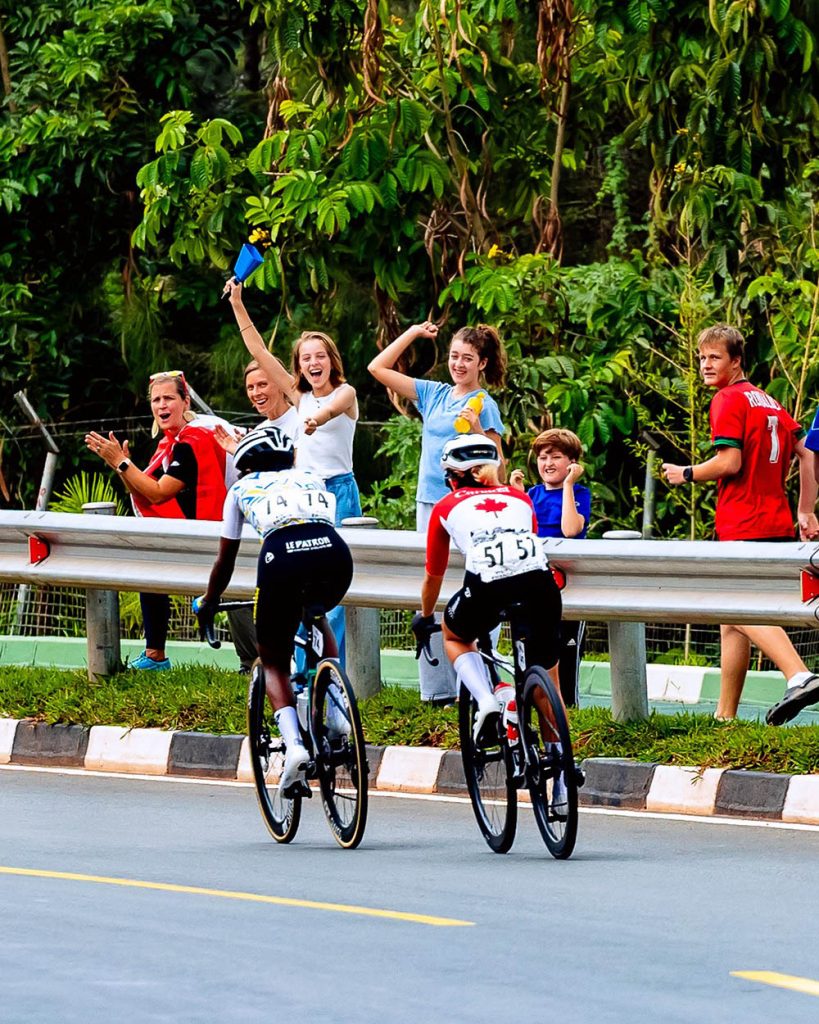
Rwanda’s good roads and beautiful hill landscapes attract many cycling enthusiasts. Cyclists can enjoy routes for all skill levels, from easy rides around Lake Kivu to tough climbs through the Thousand Hills. Professional tour operators offer quality equipment and experienced guides who focus on safety and share local knowledge.
The annual Tour du Rwanda has made the country well-known for cycling, highlighting routes that are both challenging and scenic. Many cycling tours include visits to local communities, coffee cooperatives, and cultural sites, giving visitors a chance to experience rural Rwandan life and hospitality. Each ride offers a new way to see the country.
Kayaking on Lake Kivu
Lake Kivu, one of Africa’s Great Lakes, is a great place for kayaking along its shoreline, which features hills, islands, and fishing villages. The calm waters and mild climate make it suitable for all skill levels. The peaceful scenery offers a relaxing experience compared to other adventure activities in Rwanda.
Kayaking trips on Lake Kivu range from short half-day outings to multi-day journeys exploring various parts of the lake. These trips often include visits to lakeside communities, where you can meet local fishermen and learn about traditional fishing. Kayaking here combines exercise, beautiful scenery, and cultural experiences.
Helicopter Tours
Rwanda’s small size and varied landscape make it well-suited for helicopter tours, which offer views of the country’s diverse scenery from above. These flights show the Virunga volcanoes, Nyungwe’s forest canopy, Lake Kivu’s shoreline, and the rolling hills that Rwanda is known for.
Helicopter tours can be tailored for different lengths and destinations, from short flights over Kigali to longer trips covering several national parks. The aerial view is great for photography and helps visitors see Rwanda’s varied geography and reforestation efforts. From above, it’s clear why Rwanda is called the “Land of a Thousand Hills.”
Caving Adventures
Rwanda’s volcanic landscape has formed several cave systems that are open for exploration. The most accessible caves are near Musanze in the north, created by ancient lava flows that left behind long tunnels beneath the ground.
Exploring caves in Rwanda is both adventurous and educational, with guides explaining the volcanic history of the area. The caves stay cool all year and often have unique underground ecosystems. These trips offer a new way to learn about Rwanda’s geology and are a good alternative to above-ground activities.
Cultural Experiences
Genocide Memorial Sites
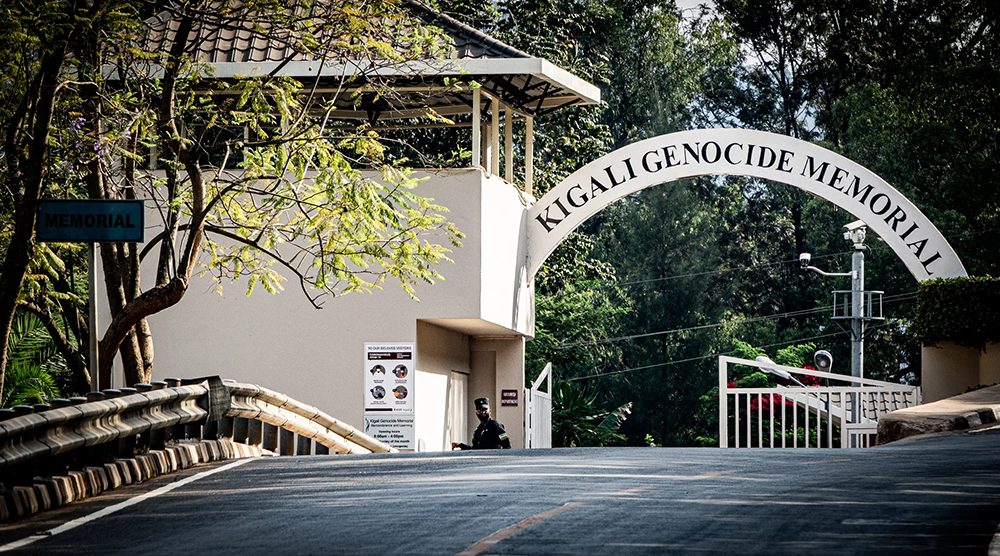
The Kigali Genocide Memorial is Rwanda’s main place to remember the 1994 genocide against the Tutsi and to learn about the country’s path to reconciliation and rebuilding. Visiting is a powerful experience that can deeply affect you. The memorial features historical records, personal stories, and educational displays that help visitors understand both the tragedy and Rwanda’s recovery.
Outside of Kigali, other memorials across Rwanda offer different views on the genocide and what followed. These sites are carefully managed and give visitors important insights into resilience, unity, and rebuilding after tragedy. They are places to remember and also to learn about preventing future genocides. Many people leave with a stronger understanding of both human weakness and strength.
King’s Palace Museum
The King’s Palace Museum in Nyanza keeps Rwanda’s royal history alive with accurate reconstructions of traditional royal buildings and cultural practices. As you walk through, you get a sense of the old court ceremonies and long-standing traditions. The museum highlights how the Kingdom of Rwanda was governed, the role of kings, and how cattle, farming, and crafts were part of society.
Visitors can tour traditional royal homes, watch craft demonstrations, and learn about the social structures of pre-colonial Rwanda. The museum helps explain the roots of modern Rwandan culture and how some traditions have lasted through big changes. Interactive displays and guides make the history interesting and easy to understand. You’ll come away with a greater respect for the complexity of traditional African societies.
Ethnographic Museum
The Ethnographic Museum of Rwanda in Huye (formerly Butare) has the country’s largest collection of traditional artifacts, art, and cultural items. The exhibits cover Rwanda’s different ethnic groups, crafts, musical instruments, farming tools, and ceremonial objects, showing the complexity of pre-colonial Rwandan society.
The museum is a great place to start learning about Rwanda’s culture and what brings its people together. The displays explain social structures, beliefs, and art, and show the shared traditions in Rwandan society. Being in Rwanda’s academic center, the museum also highlights the country’s focus on education and preserving culture. The artifacts together show how advanced the society was.
Cultural Village Tours
Cultural villages across Rwanda let visitors experience traditional life, customs, and practices. These community tourism projects give you the chance to join in activities like dancing, drumming, basket weaving, and pottery, while also helping support local communities through tourism.
The cultural villages keep traditional buildings and ways of life, while also meeting the needs of modern visitors. Guests can learn how to cook traditional food, take part in farming, and talk with locals about life in rural Rwanda today. These visits offer real cultural exchange and help both visitors and communities. Many people leave with lasting memories of the hospitality they experienced.
Traditional Performances
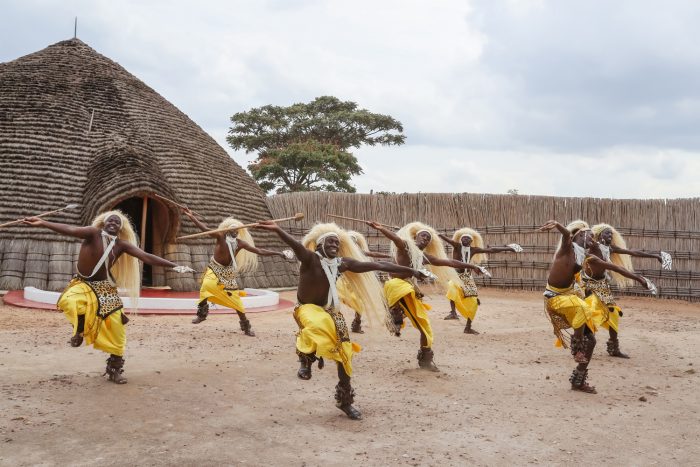
Rwanda has a strong tradition of performing arts, including dance, drumming, and storytelling that show both its cultural heritage and modern creativity. The Intore dancers, once court performers, are known for their athletic moves, detailed costumes, and drumming that share stories about Rwanda’s history and values.
Across Rwanda, from Kigali’s cultural centers to local gathering spots, you can see both traditional and modern performances. These shows help visitors understand Rwandan values, history, and creativity, while also supporting artists who keep these traditions alive. Many visitors are inspired to try some of the dances themselves.
Natural Attractions
Nyungwe Forest National Park
Nyungwe Forest National Park is home to one of Africa’s oldest and most diverse montane rainforests. It shelters 13 primate species, including chimpanzees and several species found only here. Exploring this ancient forest is a powerful experience, with trees that have stood for thousands of years. The park covers 1,019 square kilometers of mountains, offering many hiking trails, waterfalls, and a well-known canopy walkway for a unique view of the forest.
The park is an important water catchment, protecting the sources of the Nile and Congo rivers and providing a safe home for endangered species. Visitors can enjoy activities like chimpanzee tracking, bird watching, nature walks, and hiking to waterfalls. Thanks to its well-preserved environment and good management, Nyungwe is one of Africa’s top places to experience a tropical mountain forest. The sounds of birds, leaves, and primates create a memorable natural atmosphere.
Lake Kivu
Lake Kivu, one of Africa’s Great Lakes, runs along Rwanda’s western border with the Democratic Republic of Congo. It offers beautiful views and many activities. The lake’s clear, safe waters are perfect for swimming, kayaking, and boating. The nearby hills are great for hiking and meeting local lakeside communities.
Lake Kivu is one of the world’s few meromictic lakes, meaning its water layers do not mix, which creates interesting ecological conditions. There are several beach resorts and lodges along the shore, making it easy to explore the area. With its natural beauty, water activities, and cultural experiences, Lake Kivu is a great place to relax and enjoy gentle adventures. Watching the sunset here is a memorable experience.
Volcanoes National Park
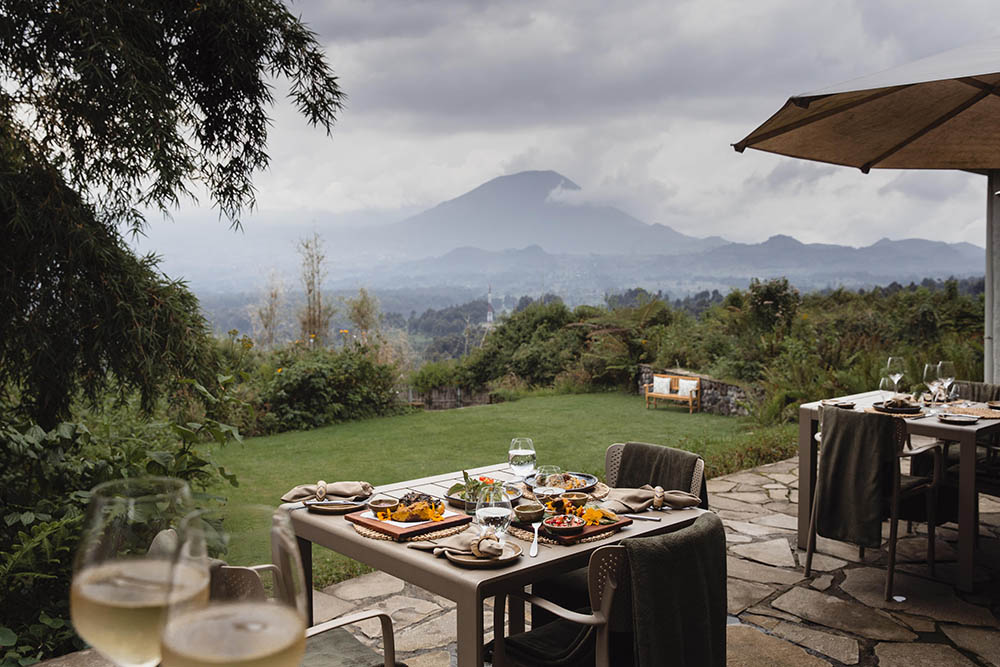
Volcanoes National Park covers the Rwandan part of the Virunga Mountains, including several volcanic peaks and important habitats for mountain gorillas and golden monkeys. The park features bamboo forests, hagenia-hypericum woodlands, and alpine zones, creating a variety of ecosystems in a small area.
In addition to its well-known primates, the park offers great hiking, cultural sites like Dian Fossey’s tomb, and impressive volcanic scenery. Careful management has helped gorilla populations grow and brought sustainable tourism benefits to local communities. With its wildlife, adventure, and conservation education, Volcanoes National Park is Rwanda’s leading natural attraction. Visiting supports ongoing conservation efforts.
Twin Lakes of Burera and Ruhondo
The Twin Lakes of Burera and Ruhondo sit at the base of the Virunga volcanoes and are known for their deep blue waters, terraced hills, and volcanic peaks. These crater lakes are great for canoeing, hiking, and meeting local communities involved in fishing and farming.
The clean environment and cultural importance of the lakes attract visitors looking for beautiful scenery and real rural experiences. Local guides can organize trips to nearby communities, where you can learn about traditional fishing, farming, and customs. The Twin Lakes are perfect for those who want a peaceful experience away from busier activities.
Urban and Historical Sites
Kigali City
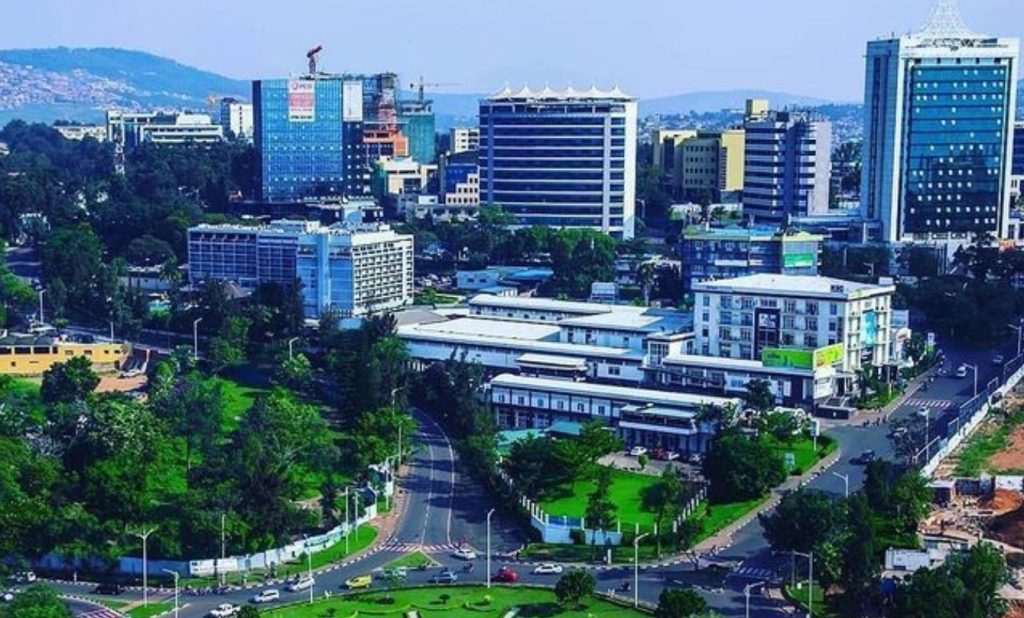
Kigali, the capital and largest city of Rwanda, shows the country’s impressive growth and focus on cleanliness, order, and progress. As you walk through Kigali, you’ll notice how this modern city challenges common stereotypes. Its organized layout, good infrastructure, and many cultural sites make it one of Africa’s most welcoming capitals. The clean streets, reliable services, and great restaurants highlight the high standards found throughout Rwanda.
Kigali has many attractions, such as the Kigali Genocide Memorial, craft markets, art galleries, and a lively restaurant scene with both Rwandan and international food. The city is small enough to explore on foot or by motorcycle taxi, and its friendly people and safe environment make visitors feel welcome. Kigali is a great starting point for seeing the rest of Rwanda, offering both city comforts and cultural experiences. Many visitors leave wondering why more cities aren’t like Kigali.
Art Museums and Galleries
Rwanda’s modern art scene shows the country’s creative growth and cultural expression in galleries and cultural centers across Kigali and other cities. It’s powerful to see how artists turn both pain and hope into meaningful works of art. The Rwanda Art Museum and private galleries display local artists’ work that explores history, identity, and hope in many different styles.
These spaces support both well-known and new artists, giving visitors a look into modern Rwandan art and ideas. Regular shows, events, and workshops make the art scene lively and add to Rwanda’s natural attractions with creative experiences. The growing art community is part of Rwanda’s cultural renewal and offers visitors special souvenirs and memories. Each artwork shares a story of strength, creativity, and finding beauty after hardship.
Craft Markets
Kigali’s craft markets and artisan groups are great places to buy real Rwandan crafts and support local makers. Shopping here is more than just picking up souvenirs; it’s a chance to meet the talented people behind each item. You’ll find both traditional and modern goods like baskets, wood carvings, textiles, jewelry, and pottery, all made with local skills and materials.
Many craft shops are cooperatives that pay fair wages and help members, especially women and genocide survivors, learn new skills. Visitors can often watch artisans work and learn about traditional methods while buying unique, high-quality items. These markets offer real cultural experiences and meaningful souvenirs, while also helping Rwanda’s economy and keeping traditions alive. Each purchase helps support someone’s income and the survival of traditional crafts.
Modern Architecture
Kigali features striking modern buildings that show Rwanda’s fast growth and plans for the future. The city’s skyline highlights progress while respecting its history. Notable sites include the Kigali Convention Centre, government buildings, and modern hotels, all built to high standards. The city’s plan focuses on sustainable growth and careful urban design.
Rwanda’s buildings show its transformation and goals, blending modern use with cultural touches. People interested in city planning and architecture can see how Kigali sets an example for other African cities by balancing fast growth with good planning and care for the environment. You can see this in places like BK Arena, the Kigali Convention Centre, and city statues. These buildings show what can be achieved with clear goals and hard work.
Events and Festivals
Kwita Izina Gorilla Naming Ceremony
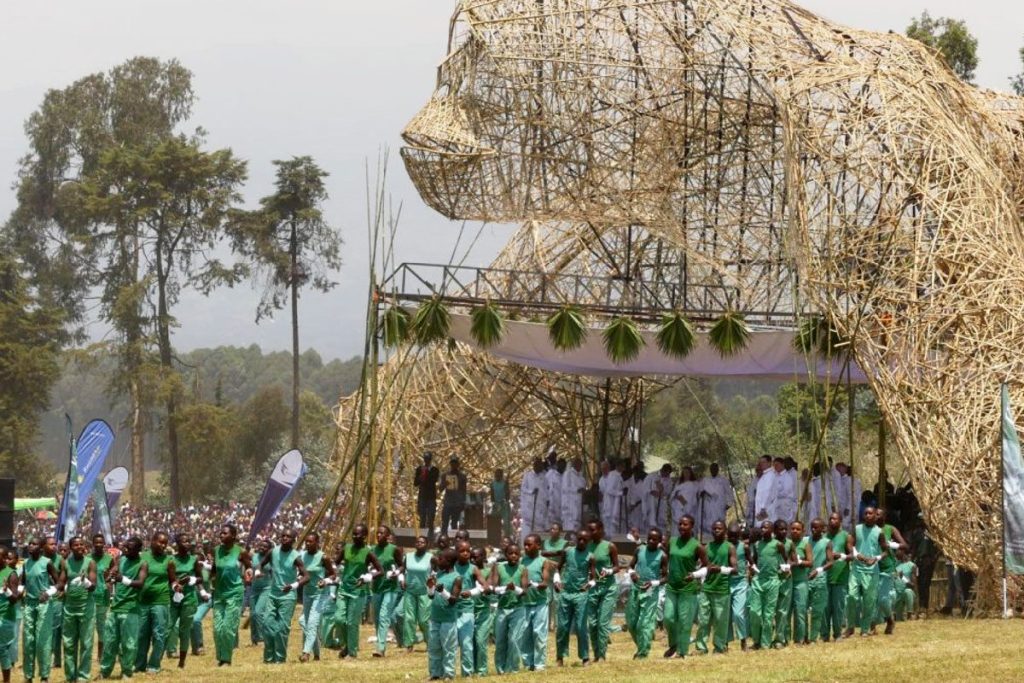
Kwita Izina is Rwanda’s yearly gorilla naming ceremony, held every September. It celebrates the country’s success in protecting mountain gorillas by blending wildlife conservation with local traditions. The event brings together conservationists, government leaders, celebrities, and local people to name baby gorillas born in the past year, following Rwandan customs. Attending feels like joining a joyful family event, but with some of the world’s rarest animals.
The event has grown into a major international gathering that showcases Rwanda’s conservation success and attracts media and tourists. Visitors can join activities like gorilla trekking, cultural shows, and conservation education. Kwita Izina shows Rwanda’s creative way of mixing conservation, culture, and tourism, making it one of the world’s leading wildlife protection programs. It proves that protecting wildlife can be both effective and meaningful.
Rwanda Film Festival
The Rwanda Film Festival features both local and international films and helps grow Rwanda’s creative industries and culture. Watching movies outdoors, especially those that share real African stories, is a unique experience. The festival includes film screenings, workshops, and discussions that build filmmaking skills, encourage cultural exchange, and entertain a wide range of viewers.
The festival gives new Rwandan filmmakers a chance to show their work and brings international films to local viewers. It also offers workshops, industry talks, and cultural events that help Rwanda become known as a creative hub in East Africa. The festival shows Rwanda’s dedication to cultural growth and gives visitors a look at modern African cinema. You may find a new favorite film from a director you didn’t know before.
Fashion and Cultural Events
Rwanda’s expanding fashion and cultural scenes bring many events each year that highlight local designers, traditional crafts, and modern creativity. Rwandan fashion shows blend traditional looks with new styles and ideas. Events include fashion shows with both classic and modern designs, as well as festivals that celebrate Rwanda’s rich heritage and art.
Fashion weeks and cultural festivals let visitors experience modern Rwandan creativity and support local designers and artists. These events often mix traditional and modern styles, showing how Rwanda respects its heritage while welcoming new ideas. The creativity at these events highlights Rwanda’s growing art scene.
MICE Tourism (Meetings, Incentives, Conferences, Events)
Conference Facilities
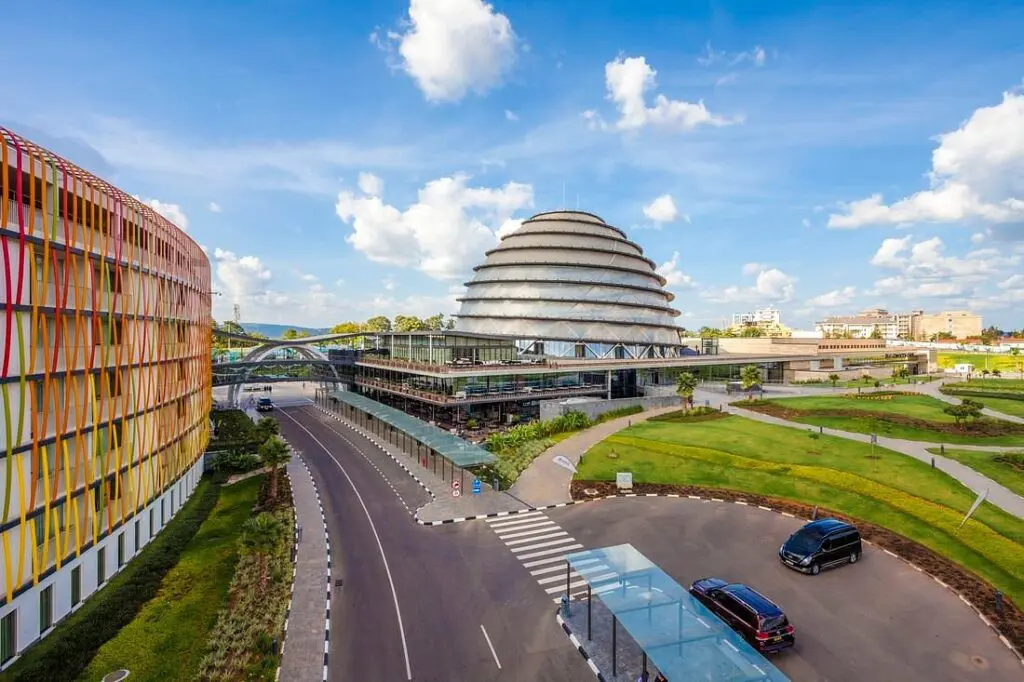
Rwanda has put a lot of resources into conference and meeting facilities, with the Kigali Convention Centre as the main venue for international events. Business travelers often notice how well conferences are organized in Rwanda, combining efficiency with a welcoming atmosphere. The country’s location, strong infrastructure, and stable politics make it a top choice for regional and international conferences, especially on topics like development, technology, and governance.
Modern conference facilities throughout Kigali offer state-of-the-art technology, high professional service standards, and easy access to accommodation and transportation. The government’s focus on establishing Rwanda as a regional business and conference hub has led to top-tier facilities and services that align with international standards, all while providing more competitive costs than other global conference locations. Delegates frequently prolong their visits to explore Rwanda’s distinctive tourist attractions.
Corporate Retreats
Rwanda’s strong infrastructure, beautiful natural areas, and special activities make it a great place for corporate retreats and team-building. Companies can mix meetings with gorilla trekking, cultural experiences, and adventure activities, creating memorable retreats that help teams grow closer.
Many lodges and resorts in Rwanda offer full corporate retreat packages with meeting spaces, team-building, and leisure activities. Rwanda’s reputation for safety, efficiency, and high service standards means corporate groups get professional service while enjoying the country’s unique attractions. These retreats help teams bond through shared adventures and cultural experiences.
Incentive Travel Packages
Rwanda’s unique experiences and luxury hotels make it a popular choice for incentive travel programs. Companies can reward top employees or clients with special experiences like gorilla trekking, luxury safaris, and cultural programs that create lasting memories and strong connections.
Professional tour operators create full incentive packages that include wildlife experiences, cultural activities, luxury stays, and adventure. Rwanda’s unique options, especially gorilla trekking, give travel planners ways to reward and motivate participants while showing appreciation for great performance. These experiences help recipients feel valued and inspired.
Best Time to Visit Rwanda
Rwanda’s mild climate, shaped by its high altitude and location near the equator, means you can visit any time of year. There’s no bad time to go—just different experiences depending on the season. Rwanda has two dry and two wet seasons, each with its own benefits for travelers.
Dry Season (June – September)
This is Rwanda’s main dry season, which is perfect for gorilla trekking and hiking. During these months, you’ll enjoy clear skies, pleasant temperatures, and dry trails. The weather is mostly sunny and comfortable, making forest walks easier. Wildlife viewing in Akagera National Park is great as animals gather near water, and roads are in their best condition.
Short Dry Season (December – February)
This shorter dry season is another great time to visit Rwanda, usually with fewer tourists than the main dry season. It offers the same good weather for hiking and photography, but with smaller crowds and often better prices. This period is a good value and still has excellent weather for outdoor activities.
Wet Seasons (March – May and October – November)
During the wet seasons, Rwanda becomes very green and is especially beautiful for photography and enjoying nature. While trails can be muddy and harder to hike, the lush vegetation makes it easier to see primates, as they are more active. Hotels often cost less, and there are fewer tourists, so you can have a more personal experience.
Optimal Activity Timing
You can go gorilla trekking any time of year, but it’s easiest in the dry seasons when trails are less slippery. Birdwatching is best in the wet seasons, when migratory birds are around and forest birds are active. Photographers often like the wet seasons for the green scenery, while adventure activities are more comfortable in the dry. Choose the season that fits your interests best.
Visa Acquisition in Rwanda
Rwanda has one of Africa’s most open visa policies to make tourism and business travel easier. Entering Rwanda is simple and avoids the complicated processes found in some other countries. Citizens of all African countries and many others can enter without a visa, and efficient visa services are available for those who need to apply in advance.
Visa-Free Entry
Citizens of all African Union countries, Commonwealth nations, the United States, and many others can visit Rwanda for up to 30 days without getting a visa in advance. This policy shows Rwanda’s support for regional and international tourism while keeping security in mind. For countries that do need visas, the cost is no more than $50 for a single entry and $70 for multiple entries.
Visa on Arrival
Visitors from countries that don’t have visa-free entry can get a 30-day tourist visa on arrival at Kigali International Airport or land borders for $30. The process is quick and simple, needing only a valid passport, return ticket, and proof of accommodation. Immigration officers process arrivals efficiently and professionally, giving a good first impression of Rwanda’s service.
Electronic Visa System
Rwanda also has an easy online visa application system for visitors who want to get their visa before traveling. This system makes arrival smoother for those who like to plan ahead. Applications are processed quickly, and you receive confirmation documents that speed up airport procedures.
Entry Requirements
All visitors need a valid passport with at least six months left and proof of yellow fever vaccination if coming from affected countries. The immigration process is professional and efficient, showing Rwanda’s commitment to easy and secure travel. The experience is smooth and welcoming.
Frequently Asked Questions (FAQ)
Gorilla trekking in Rwanda is known for being very professional and well-organized, but it does require physical preparation and realistic expectations. It’s a challenging hike with a great reward at the end. Treks can last from 30 minutes to several hours, depending on where the gorilla families are, and often involve walking through thick forest, steep areas, and muddy paths.
Before trekking, you’ll get a safety and behavior briefing. Groups are small, with up to 8 people per gorilla family, and you get one hour to observe the gorillas once found. Skilled guides and trackers use radios to find the families, and armed rangers keep visitors safe. Meeting these animals in the wild is a powerful experience that many visitors call life-changing. With a success rate over 98%, Rwanda is the most reliable place for seeing gorillas. Many people say this hour changes how they view wildlife conservation.
Rwanda has some advantages over Uganda for gorilla trekking, especially in how easy it is to reach, its infrastructure, and the quality of the experience. If you have limited time or want a premium trip, Rwanda is a good choice. Volcanoes National Park is just 2-3 hours from Kigali, while Uganda’s parks are 8-10 hours from Kampala. Rwanda’s permits cost $1,500, compared to Uganda’s $800, but the higher price means smaller groups, less crowded treks, and better infrastructure.
Rwanda’s focus on luxury tourism means better roads, higher-quality places to stay, and more professional service. The country’s small size makes it easy to combine gorilla trekking with other activities, and its focus on conservation leads to more exclusive and less crowded experiences. Uganda, on the other hand, has more gorilla families and lower costs, which is good for travelers on a budget who don’t mind longer travel and simpler facilities. Your choice depends on whether you want convenience and luxury (Rwanda) or value and variety (Uganda).
Rwanda is known as one of Africa’s safest countries for tourists, with very low crime and stable politics. You can walk around Kigali at night with confidence, similar to many European cities. The country has invested in security and has tourism police and trained security staff to keep visitors safe in tourist areas.
Petty crimes like pickpocketing are rare, and violent crime against tourists is almost unheard of. Political instability is not a concern. It’s still wise to take normal travel precautions, like not showing valuables and using trusted tour operators, but Rwanda’s safety standards are higher than most African countries and even many developed nations. The government works hard to keep tourists safe, and most visitors feel safer in Rwanda than at home.
Rwanda’s changing weather and activities mean you should pack carefully. Bring layers, waterproof clothing, and strong shoes. For gorilla trekking and forest trips, pack waterproof hiking boots, long pants, long-sleeved shirts to protect against nettles and insects, a rain jacket for any season, and neutral-colored clothes to avoid disturbing wildlife.
Other useful items are layers for different temperatures, sun protection like a hat and sunglasses, insect repellent, anti-malaria medicine, and a universal power adapter. If you’re bringing a camera, pack extra batteries and memory cards, since charging can be hard in the forest. Pack light because local flights have strict weight limits, and avoid bright colors for wildlife trips. Most forgotten items can be bought in Kigali’s shops and markets.
Rwanda is a premium travel destination and costs more than its neighbors, but the higher prices reflect better infrastructure, services, and unique experiences. It’s more like investing in a special experience than just paying for a trip. Gorilla permits cost $1,500 per person, budget hotels start at $100-200 per night, midrange lodges can be $300-1,000 or more per night, and luxury lodges can be $ 1,000 – $ 7,000 plus per night.
A typical 3-4-day safari in Rwanda, including gorilla trekking, accommodation, meals, and transport, costs $2,000-4,000 per person for mid-range trips, while luxury options can cost over $8,000. The higher prices mean smaller groups, better infrastructure, top service, and more exclusive experiences with less environmental impact. Many visitors feel the cost is worth it for the quality and Rwanda’s conservation focus. Gorilla permit fees go directly to conservation efforts, making your payment an investment in protecting these animals.
Rwanda’s mild equatorial climate means you can visit comfortably any time of year, though seasons affect some activities. Unlike some African countries where seasons limit travel, Rwanda is open to visitors all year. Its high altitude keeps temperatures pleasant and avoids extreme heat.
The dry seasons (June-September and December-February) are best for hiking and outdoor activities, with clear skies and little rain. The wet seasons (March-May and October-November) make the scenery green and are great for photography and seeing active wildlife, though trails can be muddy. Gorilla trekking is good all year, and each season has its own benefits for birdwatching, photography, and adventure. Choose your travel time based on your interests and comfort with different weather.
Rwanda sponsors Arsenal Football Club, with “Visit Rwanda” on the players’ sleeves as part of a tourism campaign. This marketing move puts Rwanda in front of millions of viewers around the world every time Arsenal plays. Since 2018, the £40 million partnership has given Rwanda exposure to 35 million daily viewers.
Every Arsenal match becomes a global tourism ad for Rwanda, showing it as a modern, welcoming country known for gorillas, beautiful scenery, and real cultural experiences. The partnership also includes Arsenal players visiting Rwanda and coaches leading development programs. For a small East African country, this is an effective way to reach millions of potential tourists who might not have thought of Rwanda before. The strategy is working, as tourism numbers have grown since the partnership started.
Key Takeaways Summary
As you get ready for your trip to Rwanda, keep these important points in mind. Use this as your final checklist before starting what could be a very meaningful journey.
Why Rwanda Should Be Your Premier African Destination
✅ World’s best mountain gorilla trekking with highest success rates and professional infrastructure
✅ Africa’s safest and cleanest country with excellent tourist services and infrastructure
✅ Unique combination of wildlife, culture, and conservation success stories
✅ Premium experiences with smaller groups and less environmental impact
✅ Year-round accessibility with moderate climate and excellent road network
✅ Profound cultural experiences including reconciliation and traditional heritage
Essential Planning Information
Best Time: June-September for optimal weather, December-February for fewer crowds
Budget: Premium destination with gorilla permits at $1,500, expect $2,000-5,000 for complete experiences
Visa: Free entry for most nationalities, $30 on arrival for others
Health: Yellow fever certificate required from endemic areas, malaria prevention recommended
Language: English widely spoken alongside French and Kinyarwanda
Must-Experience Activities
• Mountain gorilla trekking in Volcanoes National Park (book permits well in advance)
• Chimpanzee tracking and canopy walkway in Nyungwe Forest
• Big Five safari in Akagera National Park
• Cultural experiences at genocide memorials and traditional sites
• Lake Kivu activities and volcano hiking for adventure seekers
Travel Logistics
• Compact country size allows multiple experiences in short timeframes
• Excellent infrastructure with good roads and reliable services
• Professional tour operators with international safety and service standards
• High-quality accommodations from mid-range to ultra-luxury options
• Efficient immigration and tourism services throughout the country
Cultural Sensitivity
Rwanda’s transformation calls for visitors to be respectful of both its difficult history and its achievements today. When visiting genocide memorials, show proper respect, and also appreciate the country’s progress and strength. As a visitor, you are witnessing one of the world’s most inspiring stories of recovery and renewal.
Conclusion
Rwanda shows how vision, determination, and strong leadership can turn a country into one of Africa’s most impressive destinations. After overcoming tragedy, Rwanda now stands as a symbol of hope, conservation, and sustainable tourism, offering unique experiences. What truly sets Rwanda apart is not just the mountain gorillas or beautiful scenery, but the clear sense of purpose you feel everywhere—from Kigali’s clean streets to the well-run national parks and the genuine warmth of its people.
Rwanda’s approach to tourism shows how a country can balance conservation, community growth, and visitor satisfaction while keeping high standards. By focusing on quality, tourism in Rwanda supports both conservation and local communities, instead of just using up natural resources. Besides gorilla trekking, visitors can see Akagera’s lions and rhinos, explore Nyungwe’s untouched forests, visit cultural sites, and enjoy Kigali’s modern energy—all in one well-organized destination.
Most importantly, Rwanda gives visitors the chance to see one of history’s most inspiring transformations. The country chose reconciliation instead of revenge, conservation instead of exploitation, and long-term goals instead of quick fixes. Every visitor joins this ongoing story, helping with conservation and community growth while having experiences that both challenge and inspire.
For travelers looking for meaningful experiences with amazing wildlife, cultural discovery, adventure, and stories of human strength, Rwanda goes beyond expectations. This place offers more than just beautiful sights and animals—it changes how you see what’s possible when vision and leadership come together. You’ll leave with more than memories and photos; you’ll feel renewed hope in what people can achieve together.
If you want to visit Rwanda, get in touch with us at info@territoryexplorers.com and we’ll help you plan your trip. Our local experience and contacts make it easy for travelers to manage paperwork and logistics. You can enjoy your journey just as our other happy clients do.