
Tanzania is Africa’s top wildlife destination. Here, you can witness the Great Migration on open plains, see Africa’s highest mountain, and relax on beautiful Indian Ocean islands. Many travelers say their first view of the Serengeti changes how they see nature. Tanzania set the standard for safaris, is home to the largest intact volcanic caldera, and holds archaeological sites that reveal the beginnings of human history.
Whether it’s watching millions of wildebeest cross the Serengeti or exploring the coral reefs around Zanzibar, Tanzania offers experiences that have inspired visitors for generations. Standing at Ngorongoro Crater or seeing sunrise from Kilimanjaro leaves a lasting impression. This is where famous explorers met, where key fossils were found, and where important conservation work continues today.
Tanzania’s popularity is growing, with over 1.8 million international visitors in 2024. But beyond the numbers, many visitors leave as strong supporters of wildlife conservation and African culture. People come for the unique mix of wild nature, diverse cultures from over 120 ethnic groups, and natural wonders you can’t find anywhere else.
Whether you watch the Great Migration, climb Mount Kilimanjaro, dive in the Indian Ocean, or walk through Stone Town, Tanzania offers experiences that can change how you see travel. Most visitors leave with unforgettable stories and often start planning their next trip before they even leave.
Key Takeaways
Before you start your trip to Tanzania, here are some key facts to help you get the most out of your visit.
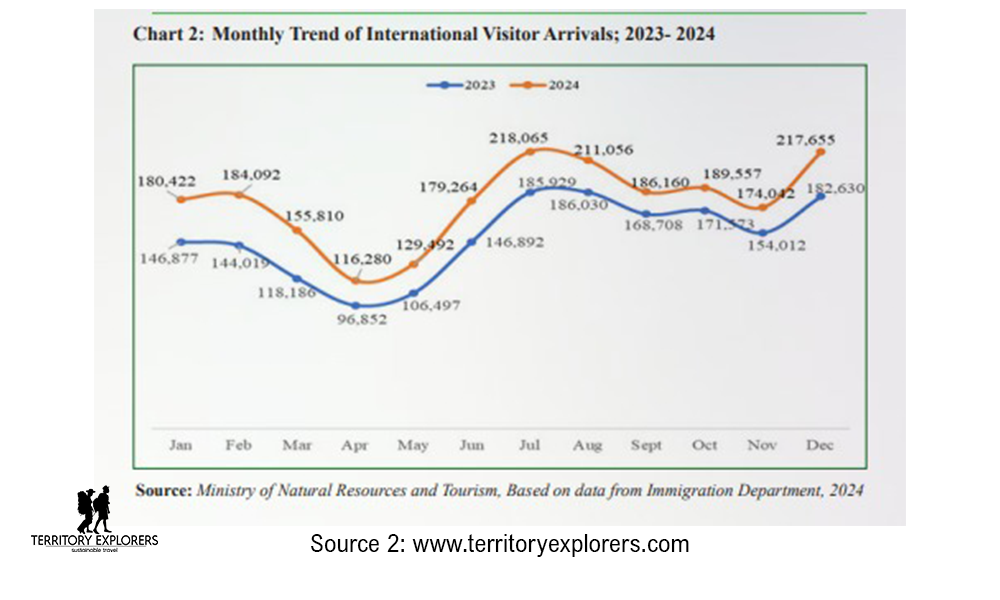
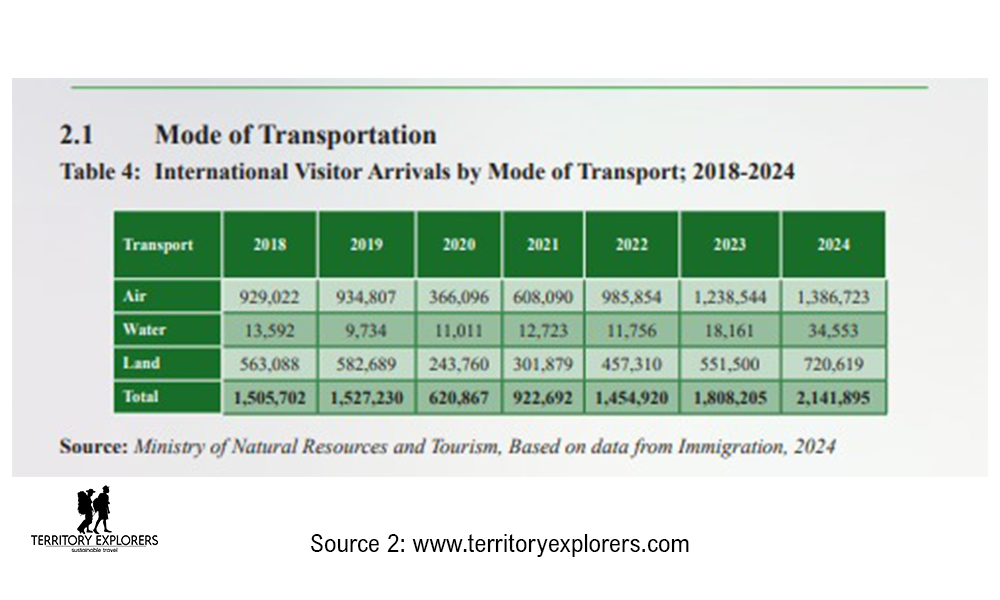
• Tourism Recovery and Growth: Tanzania’s tourism industry has bounced back strongly, with 1,808,205 international visitors in 2023 and numbers still rising in 2024. Much of this growth comes from travelers recommending Tanzania to others. The busiest months are June to October and December to February, which are the best times for wildlife viewing and good weather.
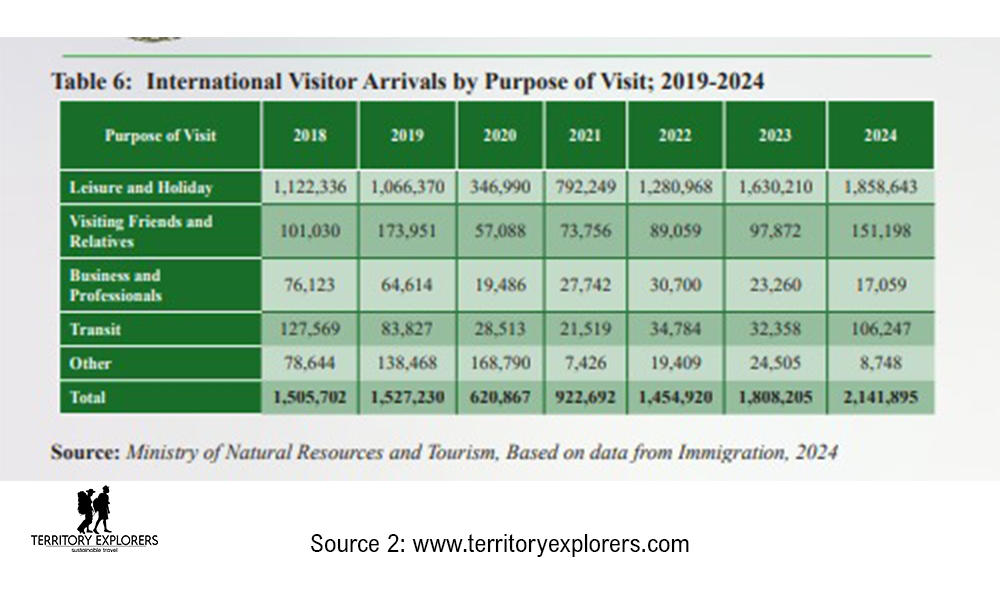
• Diverse Visitor Demographics: Most international visitors come for holidays (over 1.6 million in 2024), while more than 150,000 visit for business. This mix means you’ll meet people from many backgrounds, all attracted by Tanzania’s wildlife, business opportunities, and improved infrastructure.
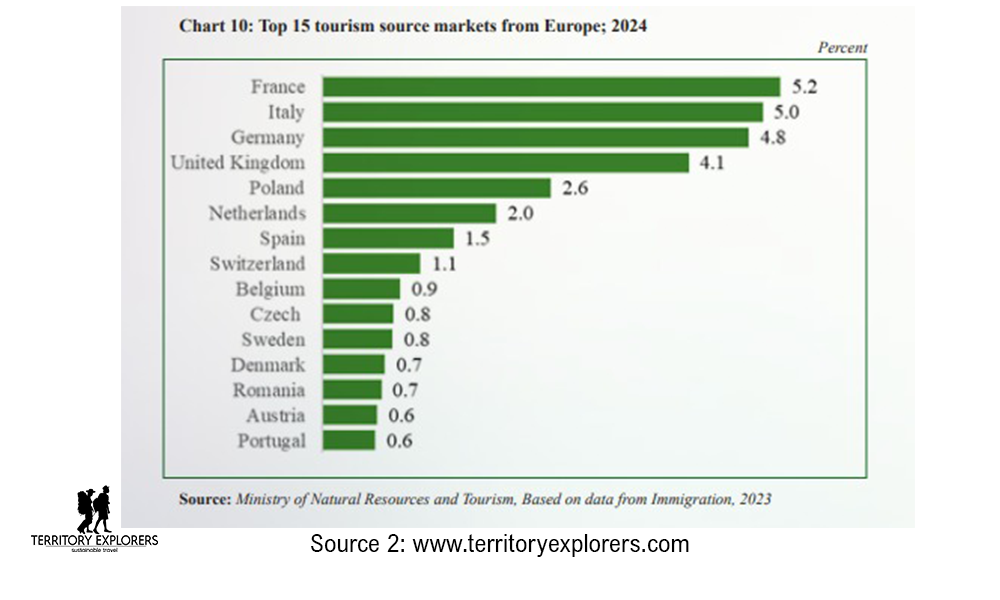
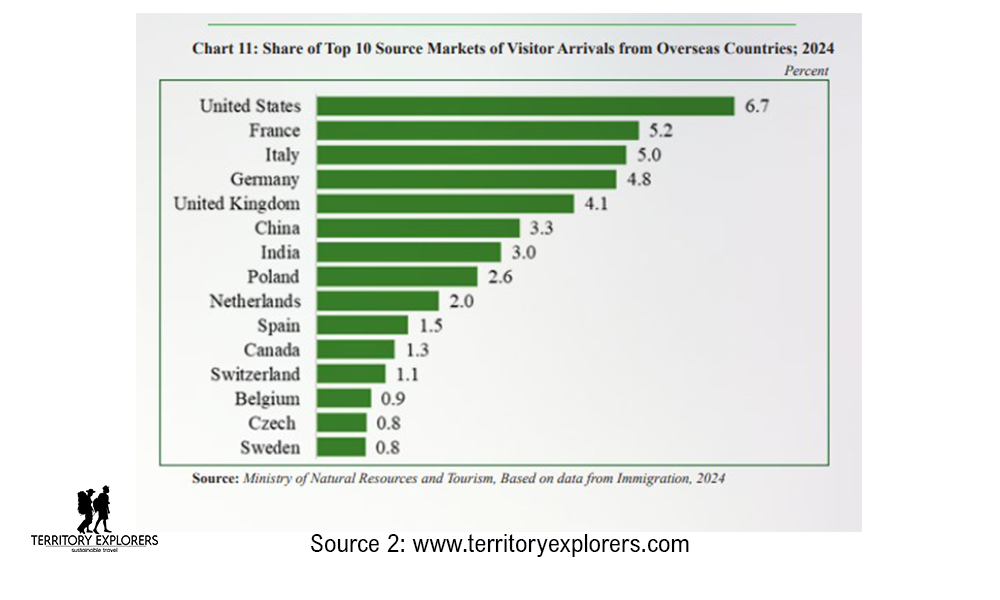
• Global Tourism Appeal: Visitors come to Tanzania from all over the world. The United States leads with 6.7% of arrivals, followed by France, Italy, and Germany. You’ll meet people from many countries on safaris and hikes. European, Asian, and African travelers all contribute to Tanzania’s growing popularity.
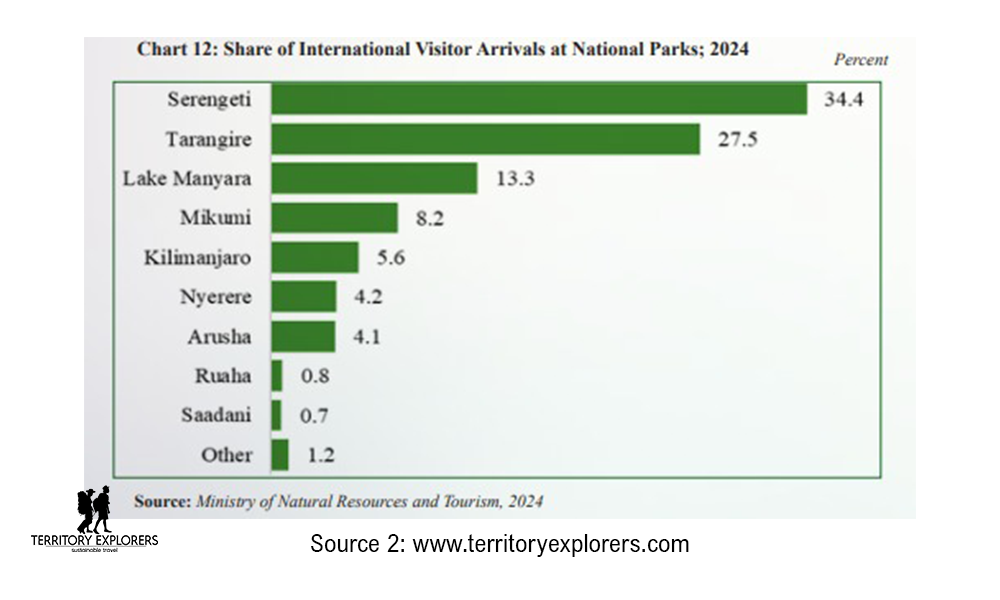
• National Parks Visitation: Serengeti National Park is the most visited, with 34.4% of international and 26.7% of domestic visitors, followed by Tarangire and Lake Manyara. Despite the high numbers, the parks are large enough that you can still enjoy quiet moments with wildlife. The northern parks are most popular, but interest in southern and western parks is growing.
• Transportation Preferences: Most international visitors arrive by air (over 1.3 million in 2024), while more than 720,000 come by land. This means you can often start your safari soon after landing at the airport. Water transport is less common but important for reaching coastal and lake areas.
• Museum and Cultural Sites: More travelers are visiting museums and historical sites in Tanzania. The Natural History Museum had over 37,000 visitors in 2024, and places like Olduvai Gorge are also attracting more interest. Many visitors want to learn about Tanzania’s history and culture, not just see wildlife.
• Seasonal Tourism Patterns: Most visitors come between June and October (dry season and Great Migration) and December to February (good weather). Knowing these patterns helps you choose between the busy excitement of peak season or the quieter shoulder seasons, which can offer better value and more privacy.
• Multi-Modal Access: Tanzania is easy to reach by air through Kilimanjaro and Dar es Salaam airports, and by land from neighboring countries. Many travelers use Tanzania as a starting point to explore more of East Africa.
• Conservation Success: Tanzania protects more than 38% of its land as parks and reserves, making it a leader in conservation. Visiting helps support these efforts and local communities, while giving you the chance to see abundant wildlife.
• Cultural Authenticity: Tanzania is home to over 120 ethnic groups, offering real cultural experiences with Maasai, Swahili, Chagga, and other communities. Many visitors find these cultural exchanges to be the most memorable part of their trip.
Wildlife Safari Activities
Game Drives
Tanzania’s game drives are among the most spectacular wildlife experiences you can have. Each park has its own unique ecosystem and wildlife, making every safari special. Seeing a lion pride hunt or watching thousands of wildebeest prepare for a river crossing shows why even experienced guides are always excited by these moments.
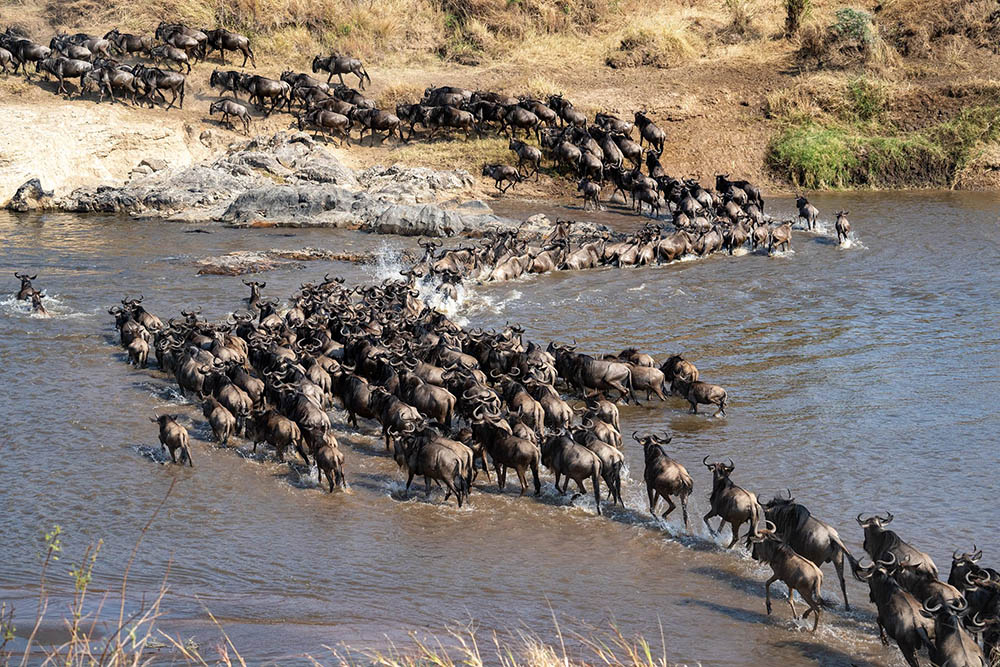
Serengeti National Park is Tanzania’s most famous wildlife destination and a highlight for many visitors. It is home to the Great Migration, where over 2 million wildebeest, zebras, and gazelles travel in a yearly cycle. Watching this event in person is unforgettable. The migration moves through different parts of the park throughout the year: calving in the south from January to March, river crossings in the west from May to July, and predator action in the north from July to October. Beyond the migration, the Serengeti is known for its high numbers of lions, leopards, elephants, and buffalo, making it a great place for wildlife viewing all year.
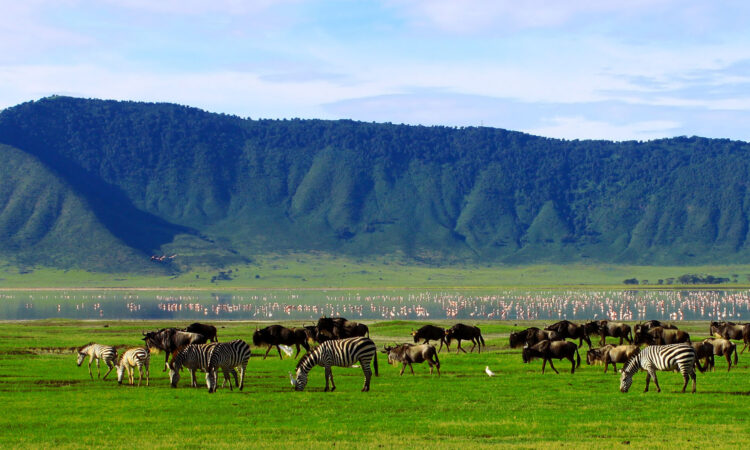
Ngorongoro Crater, sometimes called Africa’s Eden, is the world’s largest intact volcanic caldera. This natural bowl is 610 meters deep and 260 square kilometers wide, supporting over 25,000 large mammals.
Watching the sunrise from the crater rim as the mist lifts is a truly memorable experience. The crater floor is one of the best places in Africa to see wildlife, including all of the Big Five. The steep crater walls make for stunning photos, and black rhinos are often seen here, making it one of the best places in East Africa to spot them.
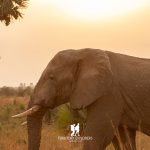
Tarangire National Park changes a lot with the seasons, giving visitors different experiences throughout the year. In the dry season from June to November, the Tarangire River attracts huge herds of elephants—sometimes more than 300 at once—along with many other animals looking for water. Watching elephant families interact at the river is a special experience. The park is also known for its ancient baobab trees, which create classic African scenery. In the wet season, there are fewer animals but the landscape becomes green and beautiful, with great bird watching and dramatic skies over the baobabs.
Lake Manyara National Park is small but very diverse, with habitats ranging from lake shores to woodlands and steep cliffs. It is famous for its tree-climbing lions, a rare behavior seen in only a few places. The park is also great for seeing elephants, large groups of flamingos, and over 400 bird species. Seeing lions resting in trees is a highlight for many visitors. Its location along the Great Rift Valley escarpment adds to the dramatic scenery, and it is close to other northern parks, making it easy to include in a safari trip.
Wildlife Sanctuaries and Conservancies
Gombe Stream National Park is famous for its unique chimpanzee trekking, set in the same forest where Jane Goodall did her pioneering research. This small park, just 52 square kilometers on the shores of Lake Tanganyika, lets you meet chimpanzees in an environment that has barely changed since Goodall’s first visit in 1960. Following her path and watching the same chimpanzee groups she studied connects you to both scientific discovery and our shared history. The chimpanzees here are used to people, so you can closely watch their social lives, tool use, and family interactions—insights that changed how we understand primate intelligence.
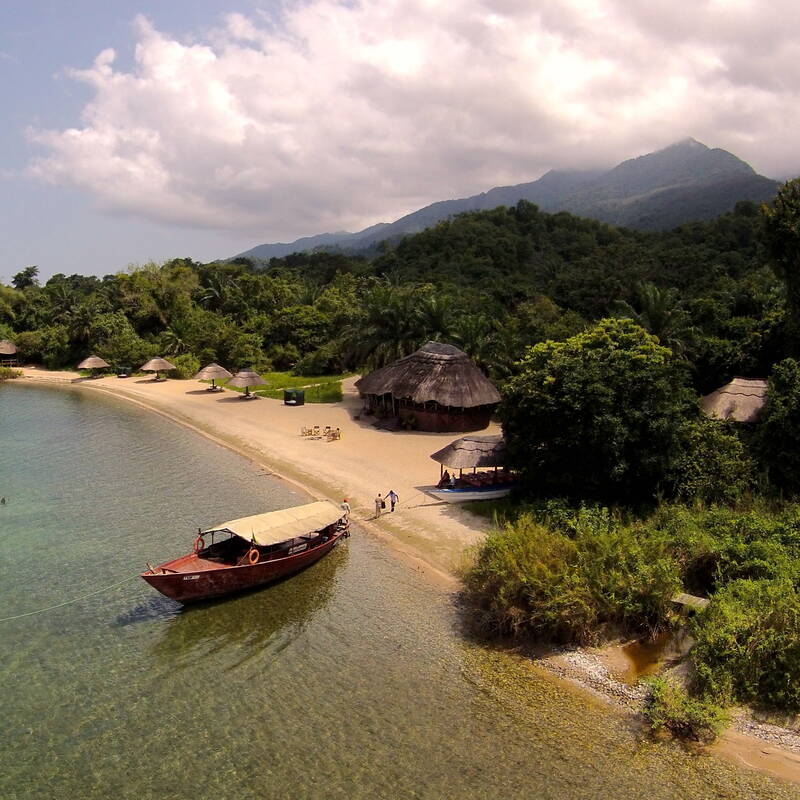
Mahale Mountains National Park offers even more untouched chimpanzee encounters in one of Africa’s most remote places. You can only get there by charter flight or by boat across Lake Tanganyika. Mahale is home to several chimpanzee groups living in untouched forests.
The trip itself—whether flying over vast wilderness or crossing Africa’s longest lake—adds to the excitement of seeing something few people ever do. Because the park is so isolated, it stays wild and unspoiled, giving both researchers and visitors a true wilderness experience. Trekking for chimpanzees here, combined with relaxing on Lake Tanganyika’s clean beaches, makes for a safari you won’t find anywhere else.
Conservation areas across Tanzania use creative ways to protect wildlife and help local communities. In the Ngorongoro Conservation Area, Maasai people continue their traditional herding alongside wildlife, offering authentic cultural experiences and helping keep the ecosystem healthy. Seeing Maasai herders and animals like zebras and wildebeest share the same land shows how people and wildlife can live together—a key idea in modern conservation. Community-run conservancies near major parks create wildlife corridors and bring in tourism income, showing how conservation and local benefits can go hand in hand.
Marine Wildlife Experiences
Tanzania’s 800-kilometer Indian Ocean coast and nearby islands offer some of the best marine wildlife experiences in the world. When you first swim in these warm, clear waters and spot whale sharks or dolphins, you’ll see why people love these marine adventures as much as safaris on land.
Zanzibar’s marine adventures focus on the island’s coral reefs, which are home to a huge variety of sea life. At places like Mnemba Atoll, you can snorkel or dive with whale sharks (especially from October to February), dolphins, turtles, and colorful reef fish—almost as diverse as the Maldives. Swimming with these gentle giants, some up to 12 meters long, is a powerful experience that makes you think about our place in nature. The reefs are protected, so marine life thrives. Near Kizimkazi, you can also swim with bottlenose and spinner dolphins in their natural environment.
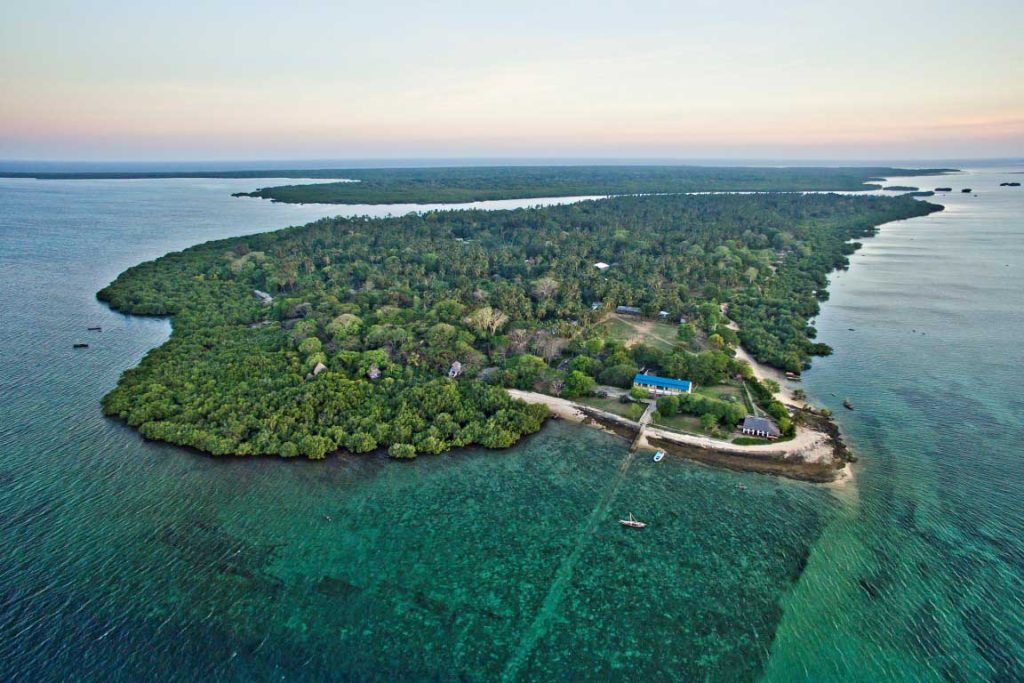
Mafia Island Marine Park protects one of the Indian Ocean’s most untouched marine environments. Because the island is far from big developments, its coral reefs, seagrass beds, and mangroves remain healthy and full of life. Many people say Mafia Island feels like the Maldives did fifty years ago: natural, authentic, and magical. Whale sharks are found here all year, with the best chances to see them from October to March. The park is managed with help from local communities, making tourism both sustainable and beneficial for residents.
Specialized Wildlife Encounters
Ruaha National Park is Tanzania’s largest and offers a true wilderness experience without the crowds. Covering 20,300 square kilometers, it’s home to over 10,000 elephants, many predators like rare African wild dogs, and animals you won’t find anywhere else. You might spend a whole day here without seeing another vehicle, watching some of the most genuine wildlife moments left in Africa. The Great Ruaha River runs through the park, drawing animals during the dry season and creating exciting scenes between predators and prey.
Katavi National Park is one of Africa’s last true wilderness areas, where wildlife watching is wild and full of surprises. In the dry season, you can see hundreds of hippos packed into small pools, creating amazing sights that feel straight out of a nature documentary—except you’re there in person. Because the park is so remote, you might not see any other vehicles during your visit, making the experience feel even more special and untouched.
Water-Based Activities
Tanzania’s long coastline and nearby islands offer amazing marine adventures that go hand in hand with the country’s well-known wildlife. Many visitors are surprised to find that exploring Tanzania’s underwater world can be just as memorable as going on safari.
Scuba diving and snorkeling along Tanzania’s coast let you discover underwater scenes as beautiful as those in the Maldives or Caribbean. The coral reefs near Zanzibar, Pemba Island, and Mafia Island thrive thanks to the warm Mozambique Current, creating perfect conditions for a wide variety of sea life. As soon as you enter these colorful reefs, surrounded by bright fish and lively corals, it’s easy to see why many people choose to stay longer and visit more dive spots. Top sites include Mnemba Atoll near Zanzibar, known for its busy coral gardens, and Pemba Island’s steep walls, where you might spot manta rays and whale sharks. There are options for everyone, from shallow reefs for beginners to deep walls for experienced divers.
Deep-sea fishing off Tanzania’s coast gives anglers the chance to catch some of the Indian Ocean’s top game fish. The continental shelf here is perfect for marlin, sailfish, tuna, wahoo, and other big fish. Battling a huge marlin with the Tanzanian coast in view is an experience you’ll never forget and makes for great stories later. Most fishing trips leave from Zanzibar or Dar es Salaam, and some have even set international records. These trips mix the excitement of big game fishing with beautiful coastal scenery and the chance to explore historic islands.
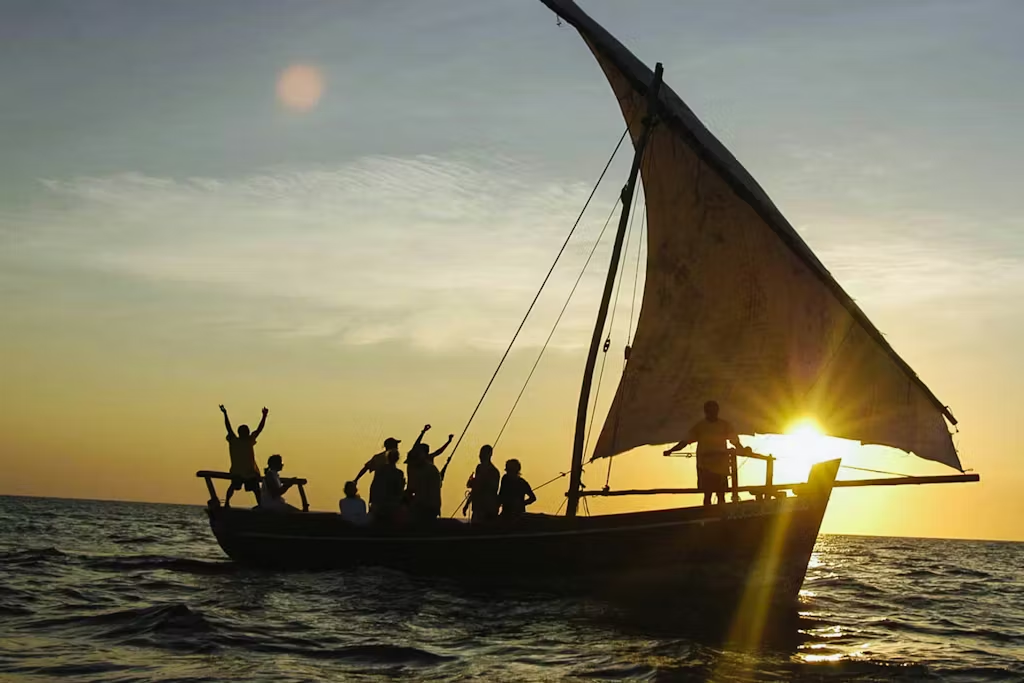
Dhow sailing lets you experience local culture on traditional wooden boats that have sailed these waters for centuries. These boats, built with skills handed down through generations, offer sunset cruises, snorkeling trips, and a real connection to Swahili maritime history. Sailing at sunset, with the call to prayer from Stone Town in the background, creates unforgettable moments that show off Zanzibar’s charm. Many dhow trips also include Swahili meals cooked on board and chances to learn old navigation methods.
Lake Activities
Lake Tanganyika is the world’s longest and second-deepest lake, offering a range of freshwater adventures. From Kigoma, you can take boat trips to remote beaches and fishing villages, or combine lake activities with chimpanzee trekking in nearby national parks. The lake’s clear waters are so pure that in many places you can drink straight from them. These waters are home to unique species, including colorful cichlid fish popular in aquariums around the world. When you stand on the shore, you’re looking at water that has been here for millions of years, which is a humbling reminder of the earth’s history. Along the lake, traditional fishing communities continue their way of life much as they have for generations, offering visitors genuine cultural experiences.
Lake Victoria, the largest lake in Africa, offers a variety of water activities from the Tanzanian side. You can join fishing trips for Nile perch and other local fish, or go island hopping to see different ecosystems and communities that have adapted to life by the lake. Each fishing village around Lake Victoria has its own customs, making the area culturally rich and interesting for visitors. Rubondo Island National Park adds to the experience with safaris where you can see both land animals and species that have adapted to the lake environment.
River Experiences
The Rufiji River in Nyerere National Park (formerly Selous Game Reserve) is known for its beautiful boat safaris. The river winds through untouched wilderness where you can spot hippos, crocodiles, and many types of birds along the banks. As you drift quietly down the river, you might see elephants bathing and hippos surfacing nearby, offering peaceful moments that balance the excitement of game drives. Boat safaris let you observe wildlife behaviors, like hippo interactions and crocodile hunting, that you can’t see from a vehicle. Combining boat trips with land safaris gives you a well-rounded safari experience.
Adventure and Outdoor Activities
Mountain Climbing and Hiking
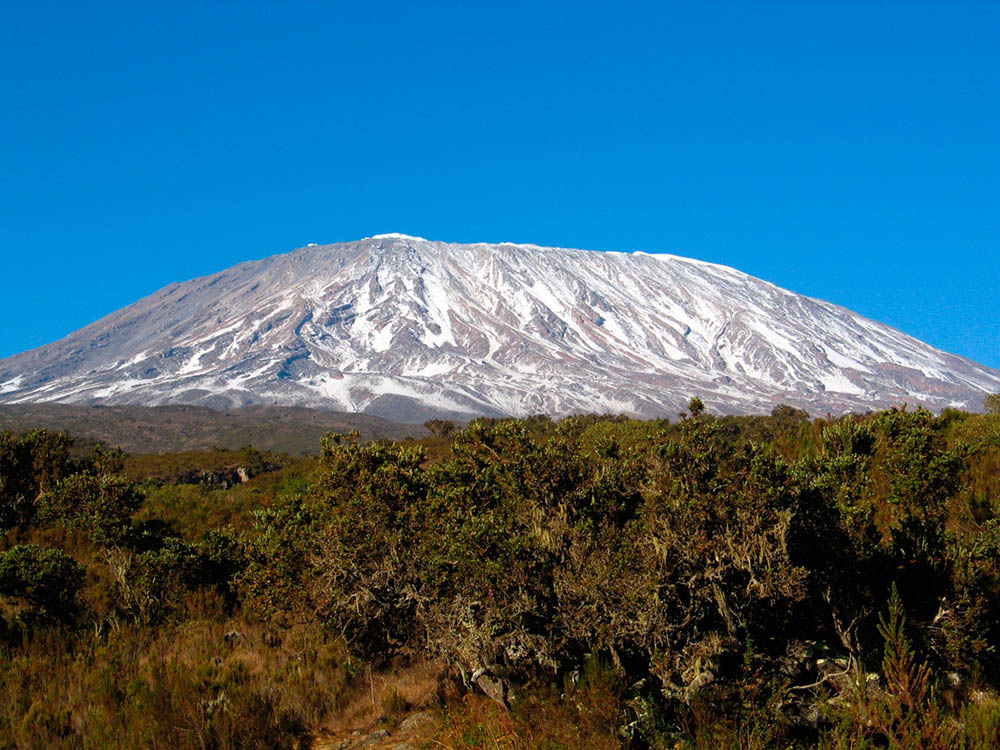
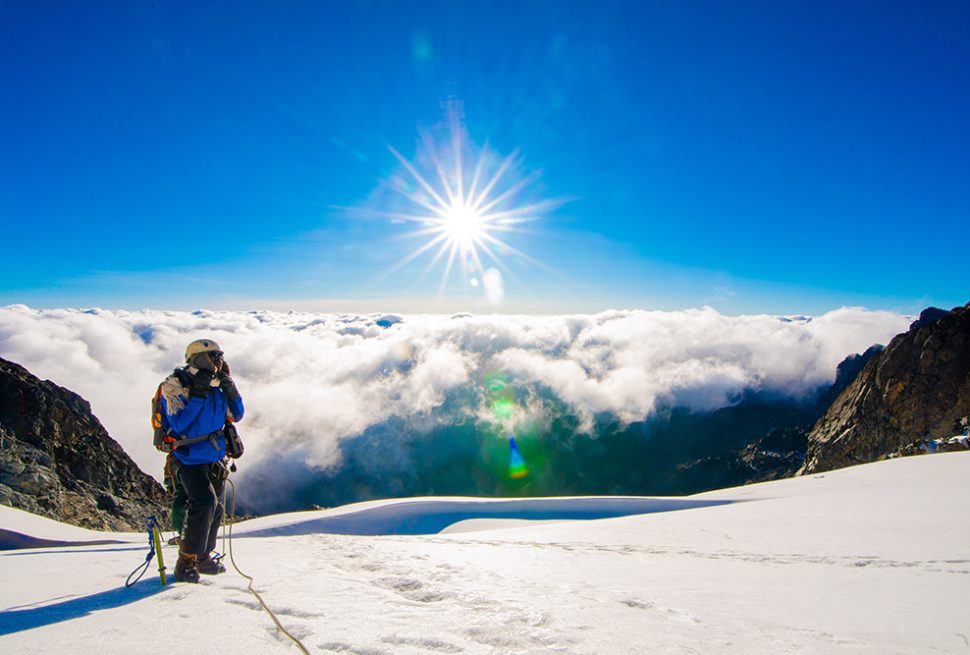
Mount Kilimanjaro is Africa’s most famous mountain and one of the world’s easiest high peaks to reach. At 5,895 meters, it doesn’t require technical climbing skills, but the altitude is a real challenge. Climbing Kilimanjaro is a major achievement, and watching the sunrise from Uhuru Peak is an unforgettable moment. There are several routes to the top: the Machame Route is popular for its scenery and acclimatization, the Marangu Route has hut accommodations, and the Rongai Route comes in from Kenya. What sets Kilimanjaro apart is the chance to walk through different climate zones, from tropical forests at the base to arctic conditions at the summit, all in one trek.
The mental and physical demands of reaching Uhuru Peak creates life-changing experiences for many climbers. Success rates differ depending on the route and operator, but thorough preparation and acclimatization greatly boost the chances of reaching the top. Being on Africa’s highest point and gazing over the continent often results in perspective-altering moments, which many consider spiritual. The mountain’s striking profile—rising directly from the plains to its snow-capped summit—makes it one of the most dramatic mountains worldwide.
Mount Meru in Arusha National Park offers excellent acclimatization opportunities for Kilimanjaro and provides its own spectacular climbing experience. This active volcano, which last erupted in 1910, rises to 4,566 meters, making it Africa’s fifth-highest peak. Many climbers find Meru’s challenging terrain and breathtaking scenery to be their favorite Tanzanian mountain adventure, even though Kilimanjaro is more famous. The ascent goes through varied ecosystems, including montane forests bustling with colobus monkeys and a diverse array of bird species. Approaching Socialist Peak offers dramatic views into the crater and across to Kilimanjaro, especially beautiful at sunrise.
Ol Doinyo Lengai, known to the Maasai as the “Mountain of God,” is famous for its unusual volcanic activity. It is the only volcano in the world to produce natrocarbanite lava, creating landscapes that look almost otherworldly. Climbing this sacred mountain while it is erupting is a rare adventure, but it is not for everyone. Many climbers start at night to reach the crater by sunrise, where they can see active lava lakes and volcanic activity unlike anywhere else. The mountain’s importance to the Maasai people also gives the climb a spiritual meaning.
Extreme Sports
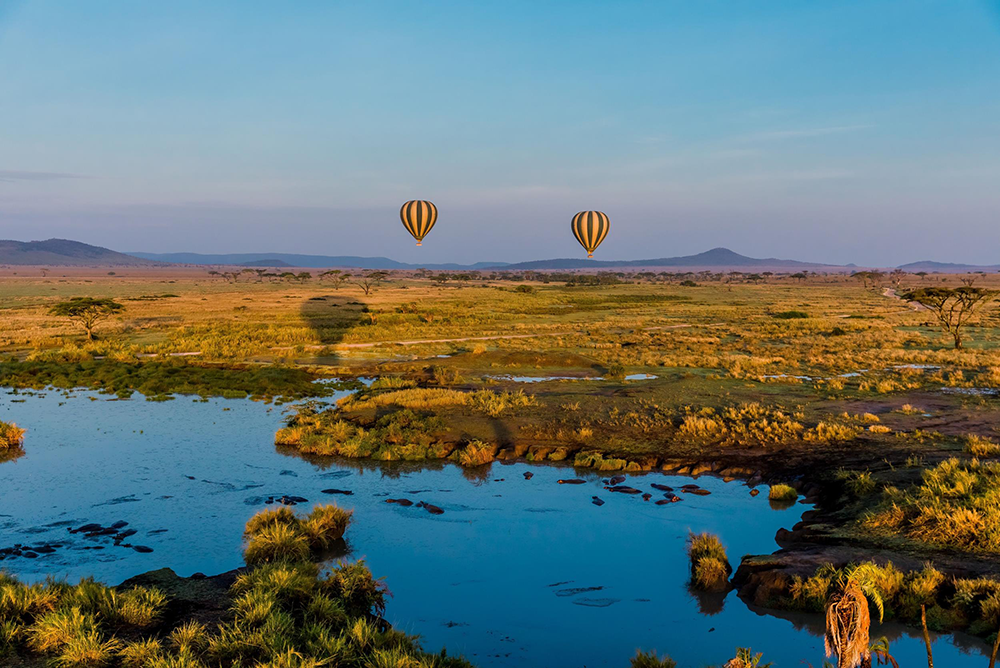
Hot air balloon rides over the Serengeti offer views of the Great Migration and wildlife that you can’t get from the ground. Early morning flights take advantage of calm air and catch the golden light over the plains. Floating above the migration as the sun rises feels almost unreal. From the sky, you can see herds stretching to the horizon, watch predator and prey interactions, and notice patterns in the landscape that aren’t visible from below. After landing, a traditional champagne breakfast is a favorite part of the experience.
Tanzania has many rock-climbing areas across its varied landscapes. Around Moshi, granite formations offer technical climbs with Mount Kilimanjaro in the background. The Great Rift Valley escarpments have both traditional and sport climbing routes. Climbing here, with Africa’s highest mountain behind you, is an experience unlike any other. Many climbing spots are near traditional communities, so you often get to combine the challenge of climbing with cultural experiences.
Paragliding and hang gliding are popular in Tanzania thanks to its varied landscape and steady thermals. The Great Rift Valley escarpment is a favorite spot, offering amazing views over the valley. Flying above these ancient lands, sometimes alongside eagles and vultures, gives you a unique view of Tanzania that most visitors never see. Mount Meru’s slopes are great for high-altitude flights with views of both Meru and Kilimanjaro, and the coast offers good conditions for ridge and sea breeze flying.
Cycling and Outdoor Adventures
Mountain biking in Tanzania’s highlands lets you see the scenery and local communities up close, while also giving you a good workout. Popular routes include cycling around the base of Mount Kilimanjaro through Chagga villages, riding along the Great Rift Valley escarpments, and coastal paths that mix beach rides with visits to historic sites. As you bike through rural villages, children often run alongside, cheering and waving, giving you a warm welcome that you won’t get from a tour bus.
Cultural cycling tours mix adventure with real cultural experiences. On multi-day trips through rural areas, you can stay with local families, join in daily activities, and learn about traditional ways of life while traveling through places you can’t reach by car. These trips often lead to meaningful connections and experiences that regular tourism doesn’t offer.
Agrotourism
Farm Experiences
Coffee plantation tours on the slopes of Mount Kilimanjaro highlight Tanzania’s high-altitude coffee production and introduce visitors to Chagga culture. The Chagga have created multi-level farming systems that make the most of limited land and support environmental sustainability. Walking through these farms and learning from local families shows how sustainable agriculture works in practice. Visitors can join in coffee picking, processing, and roasting, and learn about traditional farming methods suited to mountain life. The plantations also offer beautiful views of Kilimanjaro and showcase sustainable farming in action.
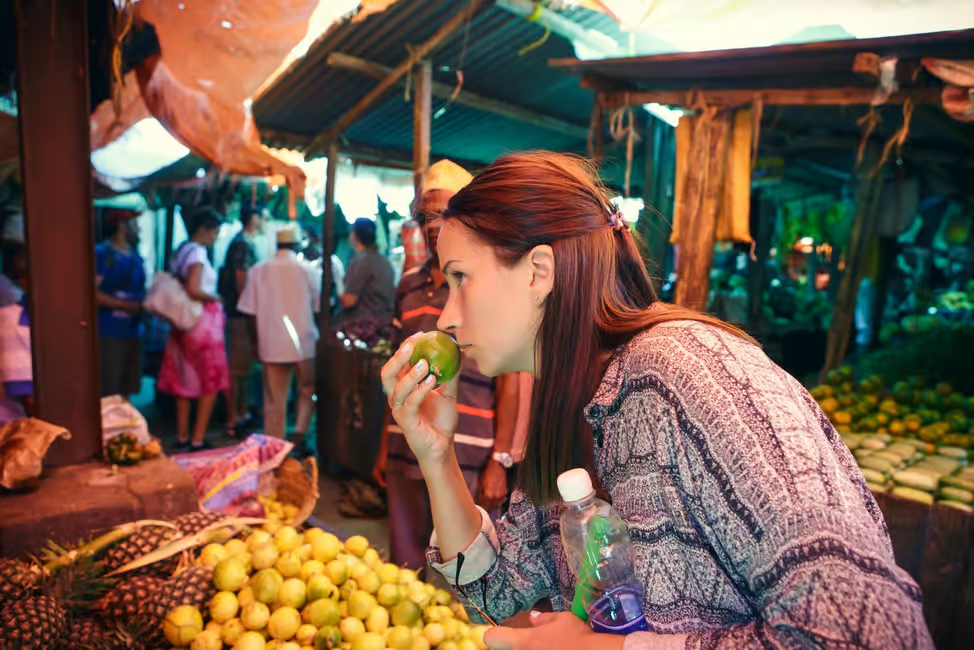
Spice tours in Zanzibar let visitors explore the island’s rich agricultural history, which is why it’s called the “Spice Island.” Walking through spice plantations, you see how cloves, cardamom, cinnamon, nutmeg, and other spices are grown—crops that once made Zanzibar famous. These tours engage your senses as you touch, smell, and taste spices where they grow, helping you appreciate flavors and aromas we often overlook. Visitors learn to recognize spices in the field, see how they’re processed, and discover the knowledge passed down through generations. Many tours also include cooking demonstrations with fresh spices and traditional recipes.
Agricultural Tours
Traditional farming systems across Tanzania show how people have adapted agriculture to different environments. The Maasai practice sustainable livestock management in dry areas, while highland communities use intensive farming to get the most from mountain land. Seeing these methods in use gives visitors a better understanding of sustainable living—something modern agriculture is working to achieve. These experiences also offer lessons about food security, adapting to the environment, and the value of traditional knowledge.
Culinary Tourism
Traditional Food Experiences
Dar es Salaam street food tours give visitors a taste of Tanzania’s many food traditions by guiding them through local markets and street stalls. You can try dishes such as ugali (a maize staple), nyama choma (grilled meat), pilau (spiced rice), and coconut-based coastal dishes. Eating on the street and talking with vendors creates real cultural connections that you won’t find in restaurants. These tours let you safely explore local foods and often include stories and recipes passed down through families.
Traditional cooking classes across Tanzania teach visitors how to make local dishes and share cultural stories. On the coast, classes focus on Swahili food with Indian Ocean flavors, while in the highlands, you learn to cook hearty stews and grain dishes. Different communities share their own unique recipes. Cooking with local families often leads to exchanging recipes and learning about culture beyond just food. Many classes also include trips to local markets to pick out ingredients and learn about the local food supply.
Local Markets and Street Food
Central markets in Tanzania’s big cities are great places to discover local ingredients, spices, and food traditions. Kariakoo Market in Dar es Salaam is one of East Africa’s largest and offers a real taste of local life as you shop for fresh produce. Walking through these busy markets with local shoppers gives you a feel for daily life in Tanzania. In Zanzibar’s Stone Town, the markets show the island’s long history of Indian Ocean trade through their spice selections and international food influences.
MICE Tourism

Conference Facilities
Tanzania’s MICE (Meetings, Incentives, Conferences, and Exhibitions) industry is expanding to support East Africa’s business sector, with modern facilities in Dar es Salaam and other cities.
The country’s stable politics, better infrastructure, and strong regional links make it a popular choice for international conferences and business events. Here, business meetings can include coffee breaks with views of wildlife or networking dinners overlooking Mount Kilimanjaro. Major hotels and conference centers offer full-service amenities and unique travel incentives that blend business with memorable wildlife experiences.
Corporate Experiences
Corporate safari programs in Tanzania blend business goals with team-building in real African settings. Companies use wildlife conservation projects for team activities, run leadership programs outdoors, and offer cultural exchanges that give new perspectives on global business. Building teamwork while tracking lions or developing leadership skills on a Kilimanjaro climb creates stronger bonds than traditional corporate retreats. These experiences help colleagues connect and offer memorable rewards.
Cultural Experiences
Indigenous Communities
Maasai cultural experiences offer real interactions with one of East Africa’s best-known pastoral communities. Visiting traditional villages lets you see daily life, cattle herding, and cultural practices that have lasted despite modern changes. Sharing tea with Maasai elders, learning about traditional medicine, and hearing stories passed down through generations helps visitors connect across cultures. The Maasai have welcomed tourism while keeping their traditions, so these visits are genuine exchanges, not staged shows. Visitors also learn about medicine, livestock care, and the social systems that have supported Maasai communities for centuries.
Hadza experiences give visitors a chance to meet one of Africa’s last hunter-gatherer groups. These visits are carefully managed to respect Hadza privacy and traditions, offering a look at a way of life that goes back to humanity’s roots. Watching Hadza hunters show survival skills helps visitors connect with human history and see modern life differently. Guests can observe hunting, plant gathering, fire-making, and social systems that have changed little over thousands of years. These visits require sensitivity and respect for the Hadza’s choice to keep their traditional lifestyle.
Chagga cultural tours near Mount Kilimanjaro show visitors the advanced farming and water management systems the Chagga have developed over centuries. Their complex irrigation and multi-level farming help use water efficiently and keep soil healthy. Learning about these methods from local experts gives valuable lessons in sustainable living, which is especially important today. Visitors also see traditional hillside homes, learn about local brewing, and discover how community cooperation supports mountain farming.
Historical and Cultural Sites
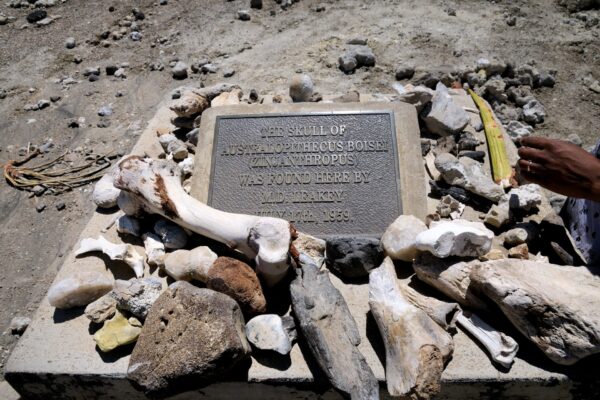
Olduvai Gorge is one of the world’s key archaeological sites, where Louis and Mary Leakey found fossils that changed how we understand human evolution.
The museum displays original fossils and artifacts from millions of years ago, and guided tours explain the geology that preserved these important finds. Visiting the place where early humans lived is a humbling experience that connects visitors to our shared human history.
Stone Town in Zanzibar is a UNESCO World Heritage site that preserves centuries of Swahili coastal culture and was once the Indian Ocean’s main trading center. Its narrow streets, coral stone buildings, and dhow harbor have changed little over time. Exploring Stone Town’s winding streets, hidden courtyards, and old doorways feels like stepping back in time. Walking tours highlight architectural details that show Arab, Persian, Indian, and African influences, creating a unique Swahili culture. The markets, mosques, and historic buildings offer a true cultural experience.
The Isimila Archaeological Site protects Stone Age tool-making areas and fossil deposits that help us understand early human technology and the environment. The artifacts and rock formations show how people adapted to changing conditions over hundreds of thousands of years. Visiting these ancient sites gives insight into human creativity and adaptability through history.
Traditional Performances
Cultural centers across Tanzania feature traditional music, dance, and storytelling from the country’s many ethnic groups. The Bagamoyo Cultural Centre, for example, hosts shows and workshops that keep traditional arts alive while letting them evolve. Watching dances that tell stories of harvests, hunts, and celebrations helps visitors see how communities pass down their history through performance. These centers offer real cultural experiences and support artists who keep traditional skills alive.
Natural Attractions
UNESCO World Heritage Sites
Tanzania is home to several UNESCO World Heritage sites, each known for its outstanding natural and cultural significance. These places have gained worldwide recognition for their unique value to humanity:
Serengeti National Park is a UNESCO site because of its rich biodiversity and the famous Great Migration. Covering 14,750 square kilometers, the park supports entire ecosystems that have stayed much the same for millions of years. Seeing these natural cycles in such an ancient landscape can change how you view your place in the world. The migration, with over 2 million animals moving in response to rain and grass growth, is one of the world’s most impressive wildlife events.
Ngorongoro Conservation Area is known for combining wildlife protection with traditional human land use. It includes the world’s largest intact volcanic caldera and important archaeological sites like Olduvai Gorge and the Laetoli footprints. This area shows that conservation and local communities can work together successfully, offering hope for similar efforts elsewhere. The UNESCO status recognizes both its natural importance and its effective management for wildlife and people.
Selous Game Reserve, now called Nyerere National Park, covers 54,600 square kilometers and is one of the world’s largest protected areas. Its vast, untouched ecosystems support some of Africa’s biggest wildlife populations and show how large-scale conservation can work. Traveling through this wilderness for days reveals endless landscapes, giving a sense of what Africa was like before much human development. The Rufiji River system creates a range of habitats, from river forests to woodlands, supporting many species, including some that are endangered.
Kilimanjaro National Park protects Africa’s highest mountain and its special ecosystems. The park includes several climate zones, from tropical forests to alpine deserts, and is home to species found only at high altitudes near the equator. Reaching Kilimanjaro’s summit lets you see the effects of climate change, as the mountain’s glaciers, which have lasted for thousands of years, are now shrinking. These glaciers show both past climate patterns and today’s environmental changes.
Stone Town Historic Centre keeps the Indian Ocean’s most important old trading center intact. Its buildings show centuries of cultural exchange among Africa, Arabia, India, and Europe, forming a unique Swahili city. Walking through Stone Town is like exploring a living museum, with each doorway and balcony reflecting the area’s rich history. The town’s preserved buildings, narrow streets, and traditions create an authentic historical atmosphere that is now rare in Africa.
National Parks and Reserves
Serengeti National Park in northern Tanzania is one of the world’s top wildlife destinations, known for the Great Migration, large predator populations, and vast plains that define the African savanna. Because the park sits along the migration route, you can see incredible wildlife year-round, with the best spots changing by season. Many first-time visitors say the Serengeti surpasses all their expectations about African wildlife, making even the best nature documentaries seem modest by comparison.
Tarangire National Park in northern Tanzania is famous for its large herds of elephants during the dry season, unique baobab trees, and changing wildlife throughout the year. The park’s seasonal changes are more dramatic than in most African parks. Seeing hundreds of elephants gather at the Tarangire River is a breathtaking sight that feels perfectly timed by nature.
Lake Manyara National Park in northern Tanzania is a small park with a surprising range of habitats, from alkaline lake shores to thick forests. It’s known for tree-climbing lions and a wide variety of birds. Its location in the Great Rift Valley creates stunning scenery and supports unusual animal behaviors. Seeing lions lounging in acacia trees might change what you thought you knew about big cats.
Ruaha National Park in central Tanzania is the country’s largest park, home to huge herds of elephants, many predators, and a true sense of wilderness with few tourists. Its vast size means you can spend days spotting more animals than people, enjoying the kind of exclusive African adventure that early explorers once had.
Mikumi National Park in central Tanzania is easy to reach and offers great wildlife viewing in landscapes similar to Kenya’s Maasai Mara. It’s a convenient safari option for those staying in Dar es Salaam, yet still feels like a true African savanna. Many people are surprised to find such rich wildlife so close to the country’s biggest city.
Nyerere National Park in southern Tanzania, once part of the Selous Game Reserve, is now Africa’s largest national park. Visitors can enjoy boat safaris on the Rufiji River as well as classic game drives. Its huge wilderness areas are home to some of Africa’s largest wildlife populations, and the mix of land and water safaris offers a wildlife experience that’s hard to find elsewhere.
Katavi National Park in western Tanzania is a remote spot known for its untouched wilderness and huge groups of hippos during the dry season. Few tourists visit, so it’s perfect for adventurous travelers looking for a truly wild experience. Watching hundreds of hippos packed into seasonal pools is a sight that feels almost unreal.
Mahale Mountains National Park, on the shores of Lake Tanganyika in western Tanzania, is famous for chimpanzee trekking in untouched forests. You can only get there by charter flight or boat, which adds to the sense of adventure. The mix of primate encounters and stunning lake views makes the experience feel especially unique and rewarding.
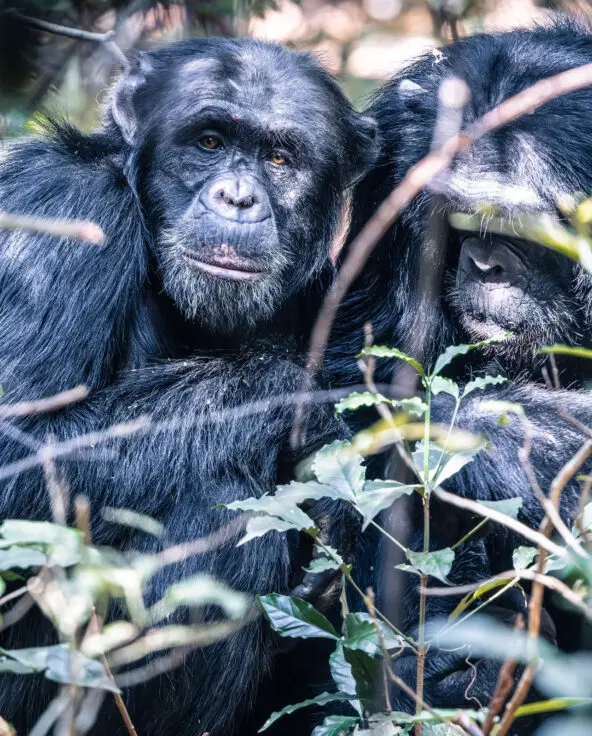
Gombe Stream National Park in western Tanzania is the world’s smallest national park, best known for Jane Goodall’s groundbreaking chimpanzee research. Visitors can have close-up primate encounters in a place rich with scientific history. Observing chimpanzees where Jane Goodall worked adds a special sense of history to every visit.
Arusha National Park in northern Tanzania offers a mix of activities, from climbing Mount Meru and canoeing to exploring forests and lakes. It’s a great place for acclimatization hikes, wildlife viewing, and cultural experiences. Many climbers end up loving Arusha National Park, even though it’s close to more famous sites.
Saadani National Park on Tanzania’s coast is unique because it combines savanna wildlife with Indian Ocean beaches. You might see elephants on the beach while enjoying marine activities. The sight of elephants coming out of coastal forests onto white sand beaches shows off Tanzania’s amazing variety.
Rubondo Island National Park on Lake Victoria is an island park with unique wildlife, including introduced chimpanzees and species that have adapted to island life. Few visitors come here, so the experience feels exclusive. The island setting makes wildlife encounters feel much more personal than on the mainland.
Coastal and Marine Attractions
The Zanzibar Archipelago is made up of several islands, each with its own unique marine experiences, from untouched coral reefs to historic harbors that once played a key role in Indian Ocean trade. Unguja, also known as Zanzibar Island, blends relaxing beaches with the cultural sights of Stone Town. Pemba Island is known for its unspoiled diving spots and authentic local culture, with fewer tourists. Moving from the winding streets of Stone Town to the colorful coral reefs shows just how varied and interesting Tanzania can be.
Mafia Island is home to some of the Indian Ocean’s cleanest marine areas, where you can see whale sharks, enjoy excellent diving, and learn about local conservation efforts that help both nature and the community. Many travelers say Mafia Island feels like the most genuine Tanzanian experience, with conservation, culture, and natural beauty coming together in one place.
Urban and Historical Sites
Dar es Salaam Circuit
Tanzania’s biggest city, Dar es Salaam, mixes modern city life with traditional markets and cultural sites. The National Museum has impressive displays about Tanzania’s history and culture, and the Botanical Gardens are a quiet escape from the busy city. Exploring Dar es Salaam shows you a lively city where old markets and new skyscrapers stand side by side. Markets like Kariakoo give you a real taste of local life and culture.
Cultural centers such as Nafasi Art Space showcase modern Tanzanian art while preserving traditional skills. These places show how Tanzanian culture is growing and changing, yet still connected to its roots. Visiting them gives you a look at the country’s creative energy and how old and new art forms come together.
Zanzibar Historical Sites
Stone Town is the Indian Ocean’s best-preserved historic trading center, with narrow coral stone streets winding between buildings shaped by centuries of cultural exchange. Its architecture blends Arab, Persian, Indian, and Swahili styles. Wandering through Stone Town’s maze of streets, finding hidden courtyards and old doorways, is the kind of unexpected adventure that makes travel special. The traditional dhow harbor, spice markets, and historic buildings keep the area’s trading and cultural traditions alive.
The palace museums and historic buildings in Stone Town help you understand the rich history of Indian Ocean trade, the spice trade, and the cultural mix that shaped Swahili civilization. Each building shares stories from the many communities that make up Zanzibar’s diverse heritage. Touring these sites with local guides uncovers the history that makes the old trading world feel real.
Archaeological and Cultural Landmarks
The ruins of Kilwa Kisiwani were once a major trading center in medieval Africa, where gold from the interior was exchanged for goods from Asia and the Middle East. These ruins show the advanced architecture and city planning of the time, and they highlight Africa’s long-standing links to global trade. Walking through the ancient site, you can picture the busy trading city that once stood here and feel a strong connection to Africa’s important history.
Bagamoyo was the end point for caravan routes from inland Africa and the starting place for explorers like Stanley and Livingstone. Its old buildings and museums keep the stories of the slave trade and the age of exploration alive. Visiting Bagamoyo is a moving experience, reminding you of past injustices but also showing the strength of the communities that endured and grew.
Nightlife and Entertainment
Dar es Salaam Entertainment Scene
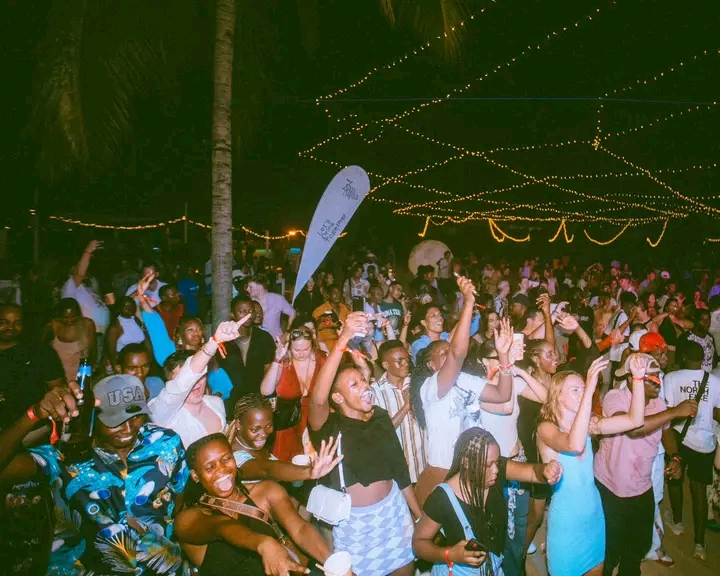
Dar es Salaam has some of East Africa’s liveliest nightlife, with entertainment areas for all kinds of tastes and visitors from around the world. The city’s music scene ranges from traditional tribal sounds to modern Bongo Flava, which is popular across East Africa. Going out in Dar es Salaam gives you a real feel for today’s Tanzanian city life, adding to the traditional experiences you’ll find in other parts of the country.
Live music spots across the city feature both traditional and modern Tanzanian music, often highlighting the unique guitar sounds and rhythms of East Africa. Festivals in Dar es Salaam celebrate everything from tribal music to new fusion styles with global influences. Dancing to live Bongo Flava in local venues helps you connect with the culture and make memories that last.
Rooftop venues in Dar es Salaam make the most of the city’s coastal setting and warm weather, offering outdoor entertainment with ocean views and cool breezes. Many combine food, live music, and cultural shows, giving you a taste of the city’s stylish side. Watching the sunset over the Indian Ocean while enjoying music and local dishes is a great way to experience Dar es Salaam’s mix of African and Indian Ocean cultures.
Coastal Nightlife
Evenings in Zanzibar are all about cultural shows, sunset cruises on dhows, and beachside spots that highlight the islands’ diverse heritage. Traditional Taarab music performances give you a real taste of local culture, while beachfront restaurants offer a laid-back way to enjoy the ocean view. Listening to Taarab music under the stars, with the scent of frangipani in the air, makes for truly romantic nights in Zanzibar.
Along the coast, you’ll find cultural shows featuring Swahili music, dance, and storytelling that keep old traditions alive while entertaining visitors. Many of these performances invite the audience to join in and learn about the culture. They’re often a highlight of any coastal trip, giving you a deeper understanding of Swahili heritage.
Best Time to Visit Tanzania
Because Tanzania is just south of the equator, it has clear seasons that are better for different activities. Knowing these seasonal patterns helps you plan your trip so you can enjoy the experiences that matter most to you.
Dry Season (June – October)
During this time, wildlife viewing is at its best in most of Tanzania, as animals gather around water sources and there’s less vegetation in the way. The Great Migration passes through northern Serengeti from July to October, with dramatic river crossings and lots of predator action. Watching thousands of wildebeest brave the rivers is one of nature’s most exciting sights. The weather is usually dry and sunny, perfect for camping, climbing, and outdoor adventures.
Because this is a popular time to visit, accommodation prices go up and parks, especially in the north, can get crowded. It’s important to book early if you want to visit during peak season. You’ll need to weigh the great wildlife viewing against the higher costs and bigger crowds, depending on your budget and what matters most to you.
Wet Season (November – May)
The wet season has short rains from November to December and long rains from March to May, with January and February often bringing good weather between the rains. This time of year has some big benefits: lower accommodation prices, fewer tourists, beautiful green scenery for photos, and great bird watching as migratory birds arrive. Many seasoned travelers actually prefer visiting during the wet season for the savings, smaller crowds, and unique wildlife experiences.
The calving season of the Great Migration happens in the southern Serengeti from January to March. During this time, over 400,000 wildebeest calves are born in just a few weeks, drawing in predators and making for some amazing wildlife action. Seeing newborn wildebeest take their first steps while predators watch nearby is a powerful experience that many visitors find even more moving than the river crossings.
You can climb Kilimanjaro any time of year, but the dry season has more reliable weather. The coast stays pleasant all year thanks to ocean breezes, so beach activities are always an option. Because of this, you can plan your Tanzania trip for whenever it suits you, without worrying too much about the season.
Shoulder Seasons
November to December and April to May are great times to visit if you want good weather, fewer crowds, and reasonable prices. These months are perfect for mixing different activities without the hassles of peak season. Many experienced travelers choose these times for the best mix of weather, wildlife, and value.
Visa Acquisition in Tanzania
Tanzania has updated its visa system to make it easier for international tourists while still keeping strong security. The new process is simpler, so you can spend more time planning your trip and less time on paperwork.
eVisa System
Tanzania’s eVisa system lets you apply online, and most applications are processed within 10 business days. It’s available to most nationalities and means you usually don’t need to visit an embassy. The process is much easier than before, but it’s still best to apply early, especially during busy travel seasons when it can take longer.
Visa Types and Costs
Single Entry Tourist Visa: $50 for most nationalities visiting for tourism, business, or family. It is valid for up to 90 days from your entry date, giving most travelers plenty of time to explore Tanzania or visit nearby countries.
Multiple Entry Visa: $100 for those who need to enter Tanzania several times within a set period. This is a good choice for travelers visiting other East African countries or doing business that requires crossing borders.
Transit Visa: $30 for travelers passing through Tanzania on their way to another country. It allows a short stay, so you can explore a bit during your layover.
East Africa Tourist Visa: When available, this visa lets you visit Tanzania, Kenya, and Uganda multiple times over 90 days for about $100. It’s a great deal if you want to explore several countries in the region.
Application Requirements
You’ll need a passport valid for at least 6 more months, a recent passport photo, your travel itinerary, proof of accommodation or an invitation letter, and a return ticket or proof of onward travel. Organizing these documents ahead of time will help your application go smoothly.
If you’re coming from a country with yellow fever risk, you must show a yellow fever vaccination certificate when you arrive. Many travelers get vaccinated anyway, since it makes travel across Africa easier.
Processing and Entry
Apply for your visa at least 10-14 days before you travel, or even earlier during busy seasons. Print your approved visa and bring it with the same passport you used to apply. It’s smart to carry backup copies of your visa documents in case you lose the originals.
You can enter Tanzania through Julius Nyerere International Airport in Dar es Salaam, Kilimanjaro International Airport, or at various land borders. Immigration is usually efficient, especially if you have your documents ready. Officers are often friendly and helpful when you’re prepared and respectful.
Frequently Asked Questions (FAQ)
For safaris, wear neutral colors like khaki, olive green, brown, or beige. These help you see wildlife without disturbing animals or attracting insects. Avoid bright colors and black, which can attract tsetse flies. Long-sleeved shirts and pants protect you from the sun, bugs, and thorny plants.
Essential Safari Items:
• Sturdy walking boots with ankle support for uneven terrain
• Wide-brimmed hat and high-quality sunglasses for sun protection
• Lightweight rain jacket (rain can occur in any season)
• Warm clothing for early morning game drives and high-altitude areas
• High-SPF sunscreen and effective insect repellent
• Binoculars for wildlife and bird viewing enhancement
• Camera equipment with extra batteries and memory cards
For mountain climbing, bring layered clothing to handle big temperature changes from base to summit. Good hiking boots, a warm sleeping bag, and rain gear are must-haves. Kilimanjaro’s temperatures can swing over 40 degrees Celsius, so layering is key. Most climbing companies will give you a gear list for your route.
For the coast, pack lightweight, breathable clothes, swimwear, reef-safe sunscreen (needed in marine parks), and water shoes for rocky or coral areas. The warm climate makes packing easier than for mountains or safaris.
Tanzania is generally conservative, especially in rural and coastal areas with many Muslims. Dress modestly when visiting religious sites or local communities. Respectful clothing shows cultural sensitivity and often leads to friendlier, more genuine interactions.
Tourist areas in Tanzania are generally safe, with security protocols and tourism police in place. The country’s political stability and focus on tourism help create a safe environment. Many visitors find Tanzania safer than they expected, thanks to friendly locals and good infrastructure.
National parks have trained rangers and security staff, and good tour operators follow international safety standards. Emergency systems and medical evacuation are available in tourist areas. The presence of other travelers and solid infrastructure make these places safer than many expect.
Malaria prevention is important in most areas below 1,800 meters, so take the right medicine and use protection. Yellow fever vaccination is required if you’re from an affected country and is a good idea for extra safety. Major towns have decent medical care, but in remote areas, make sure you have travel insurance that covers evacuation.
Follow basic travel safety: don’t show off valuables, use trusted transport, stay alert in crowds, and listen to your guide during wildlife activities. Tourist areas are usually secure, but using common sense and local advice helps prevent problems.
For mountain safety, prepare well, choose experienced guides, and bring the right gear. Good climbing companies follow international safety standards, but mountain climbing always has risks. On Kilimanjaro, preparation and guide choice matter more than previous climbing experience.
Tanzania is famous for the Great Migration, large elephant herds, and some of Africa’s best Big Five viewing. Its wildlife diversity and easy access are unmatched. Seeing so many animals in their natural setting often changes how visitors think about nature and conservation.
Tanzania offers dramatic variety, from Africa’s highest mountain to coral reefs, savannas, and volcanic craters. This range means adventure seekers, culture fans, beach lovers, and wildlife photographers can all find something special in one trip.
With over 120 ethnic groups, Tanzania is rich in traditions, languages, and customs. Meeting Maasai, Swahili traders, and other communities gives real insight into Africa’s heritage. These cultural experiences often become the most memorable part of a visit.
Tanzania is an adventure hotspot, offering climbing on Kilimanjaro and Mount Meru, great diving, wild national parks, and activities like hot air ballooning and cultural treks. There’s something for every fitness and experience level.
Sites like Olduvai Gorge reveal early human history, while the coast shows centuries of Indian Ocean trade. These places add an educational side to your adventure and wildlife experiences, giving your trip more depth.
Tanzania protects over 38% of its land as parks and reserves, helping wildlife and supporting local communities through tourism. By visiting, you directly support efforts to protect some of the world’s key ecosystems.
Wildlife: Tanzania gives you the world’s most complete wildlife experiences, with the Great Migration and year-round animal viewing in many habitats. Its wildlife numbers are among Africa’s largest and most stable, making it truly unique.
Diversity: Few African countries offer Tanzania’s mix of wildlife, mountains, beaches, and culture all in one place. This makes it easy to get a full African experience without visiting several countries, which is great for travelers short on time.
Infrastructure: Tanzania has good tourism infrastructure, with domestic flights, roads, and a range of places to stay. You can travel comfortably without losing the feeling of real wilderness. This balance is one of Tanzania’s biggest strengths.
Value: Tanzania isn’t the cheapest African destination, but it offers great value for the range and quality of experiences. The tourism industry is well established, with reliable service and clear pricing. You often get more for your money here than in places with fewer options.
Accessibility: With several international airports, many land borders, and English as an official language, Tanzania is easy for international visitors to navigate. These advantages mean less travel stress and more time to enjoy your trip.
Key Takeaways Summary
As you plan your trip to Tanzania, these key tips will help you get the most out of your visit:
Why Tanzania Should Top Your Travel List
✅ Home to the Great Migration and the world’s most complete wildlife ecosystems
✅ Africa’s highest mountain offering non-technical but challenging climbing experiences
✅ Pristine Indian Ocean islands with world-class marine activities and cultural heritage
✅ Over 120 ethnic groups providing authentic cultural experiences throughout the country
✅ UNESCO World Heritage sites representing both natural wonders and human heritage
✅ Established tourism infrastructure ensuring safe, comfortable travel in authentic settings
✅ Conservation leadership protecting 38% of the country for sustainable wildlife viewing
All these factors combine to create trips that often exceed expectations and leave visitors deeply moved by Tanzania’s natural and cultural wonders.
Essential Planning Information
Best Time: June-October for wildlife and climbing, January-March for migration calving season, November-May for fewer crowds and lower prices
Budget: Mid-range to luxury destination with options for various budgets, though generally requiring higher investment than some African destinations
Visa: eVisa system available, $50 single entry, 10-day processing time, yellow fever certificate required for travelers from endemic areas
Health: Malaria prevention essential below 1,800m elevation, comprehensive travel insurance recommended including evacuation coverage
Packing: Neutral safari clothing, layered systems for mountain climbing, reef-safe sunscreen for marine areas, cultural sensitivity for traditional communities
Must-Experience Activities
• Great Migration viewing in Serengeti (timing varies by season and location)
• Mount Kilimanjaro climbing for serious adventurers seeking life-changing challenges
• Ngorongoro Crater game drives in the world’s largest intact volcanic caldera
• Cultural experiences with diverse ethnic communities maintaining traditional lifestyles
• Marine activities around Zanzibar and other Indian Ocean islands
• Chimpanzee trekking in Gombe Stream or Mahale Mountains National Parks
• Stone Town exploration for the Indian Ocean historical and cultural heritage
Each of these experiences can create lasting memories and change how you see nature, culture, and adventure.
Safety and Comfort
• Tourist areas maintain good security with tourism police and established protocols
• Wide range of accommodations from budget camping to ultra-luxury lodges
• English and Swahili are widely spoken, facilitating communication throughout the country
• Established medical facilities in major centers with evacuation services available
• Reputable tour operators maintaining international safety standards
• Conservation areas with trained rangers and wildlife management protocols
Conclusion
Tanzania is Africa’s most complete travel destination, from the ancient history of Olduvai Gorge to modern conservation successes. Here, you can see the Great Migration, climb Africa’s highest mountain, and relax on beautiful Indian Ocean islands. More and more visitors are coming each year, drawn by the country’s ability to deliver and surprise.
What sets Tanzania apart is how easily you can experience so much in one place. Watch the Migration’s river crossings, climb Kilimanjaro through changing climates, and dive coral reefs with whale sharks. Meeting Maasai, Swahili, and other groups adds real cultural depth, often becoming the highlight of your trip.
Tanzania leads in conservation, protecting over 38% of its land as parks and reserves. This approach helps both wildlife and local communities through tourism. Knowing your visit supports these efforts adds meaning to every safari and cultural experience.
If you want a full African experience that goes beyond expectations, Tanzania has it all. This country changes how you think about travel and gives you stories to remember for life. As wild places become rarer, Tanzania keeps the spirit of Africa alive for future generations and today’s adventurers.
Territory Explorers is known for creating safaris that have changed the lives and perspectives of many travelers over the years. You could have a story like this too. If you plan to visit Tanzania, contact us at info@territoryexplorers.com and we will help you plan your safari and handle all the paperwork and logistics, so you can focus on enjoying your adventure.