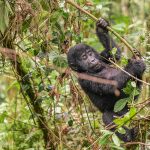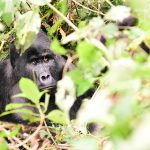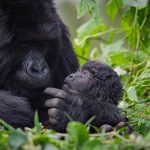

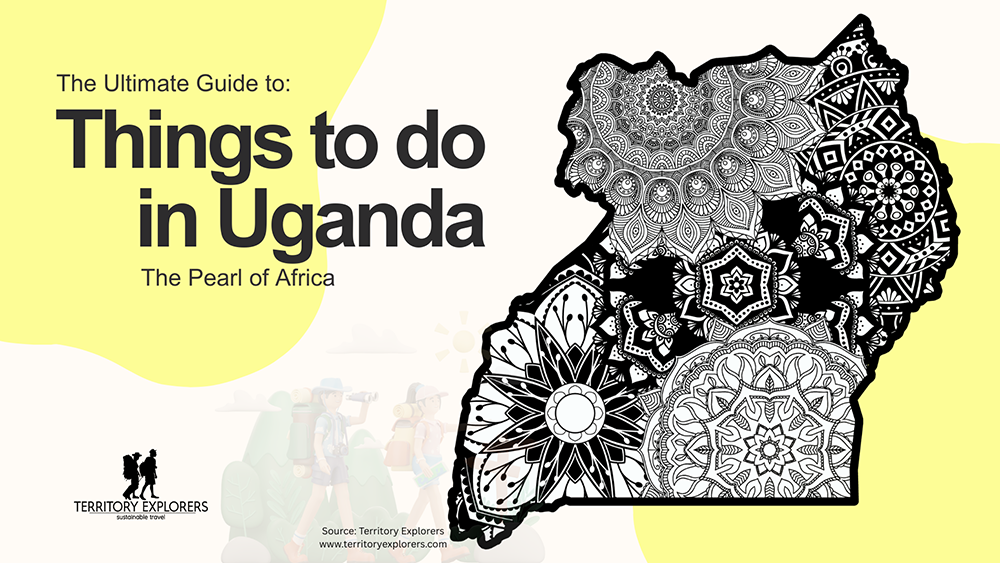
Uganda, called the “Pearl of Africa” by Winston Churchill, is a landlocked country in East Africa known for its diverse wildlife, adventure, culture, and natural beauty. Churchill truly recognized what makes this place unique. From the snow-capped Rwenzori Mountains to the Nile River, and from endangered mountain gorillas to lively nightlife, Uganda offers a wide range of experiences for every traveler.
Have you ever found a destination that feels almost too good to be true? That’s what Uganda is like. While other African countries often get more attention for safaris, Uganda quietly provides some of the continent’s best experiences, usually for less money and with fewer crowds. Whether you want to see mountain gorillas in misty forests, raft on the Nile, or enjoy the welcoming spirit of Ugandan hospitality, this country has something special for you.
This guide covers the many activities and attractions that make Uganda one of Africa’s most fascinating places. It’s the kind of destination that can change you and have you planning your next visit before you even leave. Let’s get started and see why Uganda deserves a spot on your travel bucket list.
Key Takeaways
Before we get into the details, here are the key things you should know about visiting Uganda. Consider this your quick guide for planning a great trip:
• Uganda offers wildlife encounters you won’t find anywhere else. It is home to more than half of the world’s remaining mountain gorillas, making it the top place for this rare experience. With excellent chimpanzee tracking in Kibale National Park, over 1,000 bird species, and tree-climbing lions, Uganda’s wildlife is both diverse and unique. Where else can you see lions relaxing in trees like giant house cats?
• Uganda is East Africa’s adventure capital, especially around the source of the Nile River. Jinja offers world-class white-water rafting with rapids from Grade III to Grade V, and the Rwenzori Mountains offer real mountaineering challenges. Thanks to Uganda’s equatorial climate, most attractions are open all year, so there’s never a bad time to visit.
• Uganda offers great value compared to other African safari destinations. It is much more affordable than Kenya, Tanzania, or South Africa, but still provides similar or even better experiences. Because Uganda is a small country, you can see many attractions without spending too much time traveling between them. It’s like getting a sample of Africa’s best in one trip.
• The timing of your visit can make a difference, but Uganda is open to visitors all year. The dry season from June to September is best for gorilla trekking and game drives. December to February is another good time, with fewer crowds and great weather, which is ideal if you prefer quieter travel.
• Getting into Uganda is simple with the electronic visa system. Tourist visas cost $50 for a single entry or $100 for an East Africa visa that covers Uganda, Kenya, and Rwanda. Processing takes 2-3 working days, and you must have a yellow fever vaccination certificate to enter. The process is straightforward and quick.
• Americans are welcomed and visit Uganda safely in large numbers each year. Even with some travel advisories, the tourism industry is well-prepared for American visitors. English is widely spoken, and US dollars are accepted at most tourist spots. Taking normal precautions and booking with trusted tour operators helps ensure a safe trip.
• Tourist areas in Uganda are safe thanks to strong security measures. National parks have high safety standards, and reputable operators follow international guidelines. Most visitors have trouble-free trips. It’s best to take normal travel precautions and book with established operators, just as you would in any new city.
• Uganda’s cultural heritage is rich, with many traditional kingdoms. Each region has its own ethnic groups, traditions, languages, and cultural practices. You can enjoy everything from authentic village visits to Kampala’s lively nightlife. The cultural experiences are both diverse and real.
• Good preparation makes your trip more comfortable and enjoyable. Bring waterproof hiking boots, long-sleeved clothing, rain gear, and neutral colors for wildlife viewing. Malaria prevention and travel insurance with medical evacuation are highly recommended. It’s important to be well-prepared for activities like gorilla trekking.
• Transportation is easy to manage with good planning. For first-time visitors, organized tours with reputable operators are best, and 4WD vehicles are needed for national parks. Domestic flights are available for longer trips, and local guides are skilled at handling different road conditions. This lets you enjoy the scenery while they handle the driving.
Wildlife Safari Activities
Game Drives
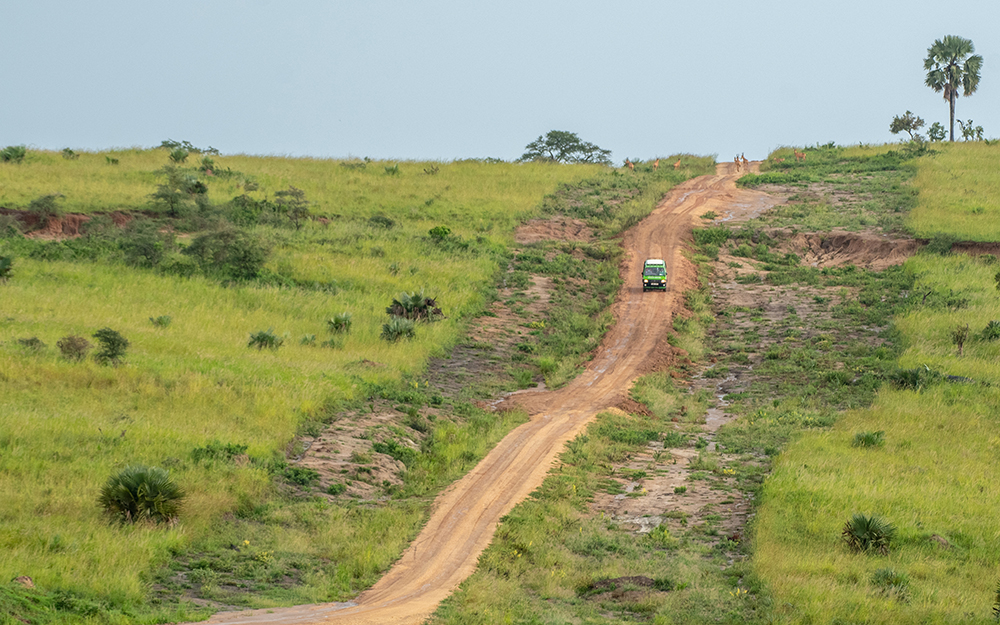
Uganda’s savanna parks provide some of East Africa’s best game viewing, rivaling even the most famous safari destinations. Queen Elizabeth National Park in western Uganda is the country’s top safari spot, home to over 95 mammal species such as elephants, lions, leopards, buffalo, and hippos. The park features a variety of ecosystems, from crater lakes to savanna grasslands and wetlands. Visiting feels like watching several nature documentaries come to life all around you.
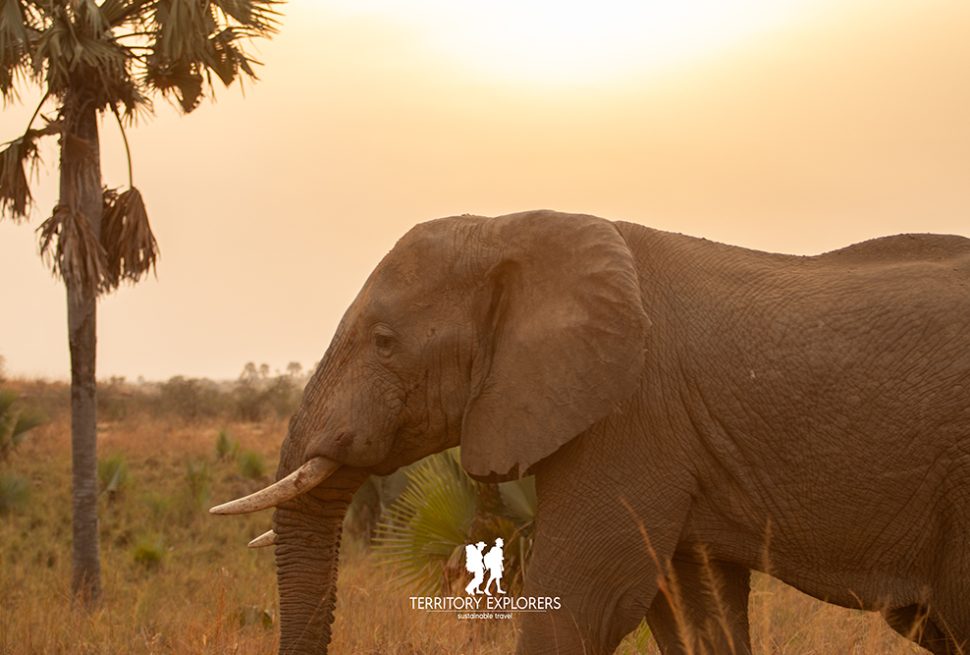
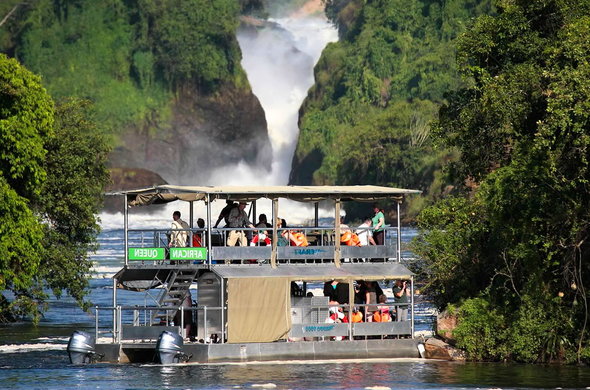
Murchison Falls National Park, the largest in Uganda, offers classic African safari experiences along the Victoria Nile. Visitors can see the Big Four—elephant, lion, leopard, and buffalo—while taking in the dramatic view of the Nile as it heads toward the famous falls. The scenery is truly unforgettable.
Kidepo Valley National Park in northeastern Uganda offers a remote and exclusive safari experience that feels like you’ve discovered Africa’s best-kept secret. Often considered Uganda’s most scenic park, it is home to over 77 mammal species and offers excellent game viewing with mountain ranges in the background.
Gorilla Trekking
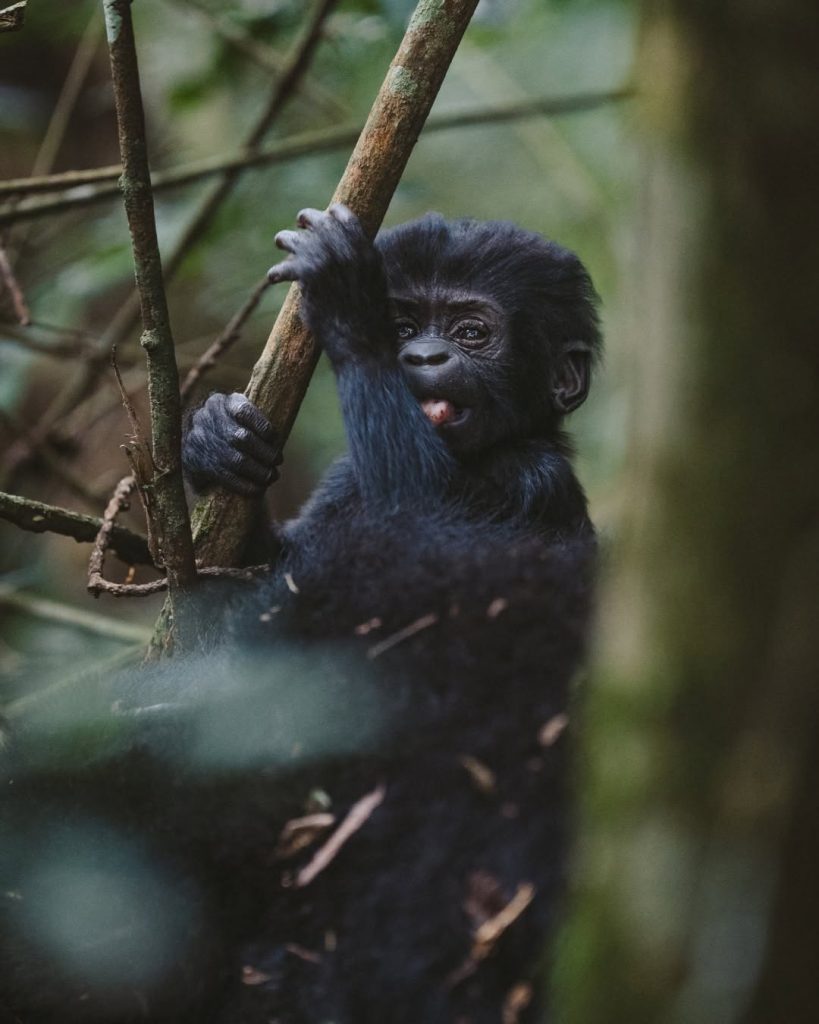
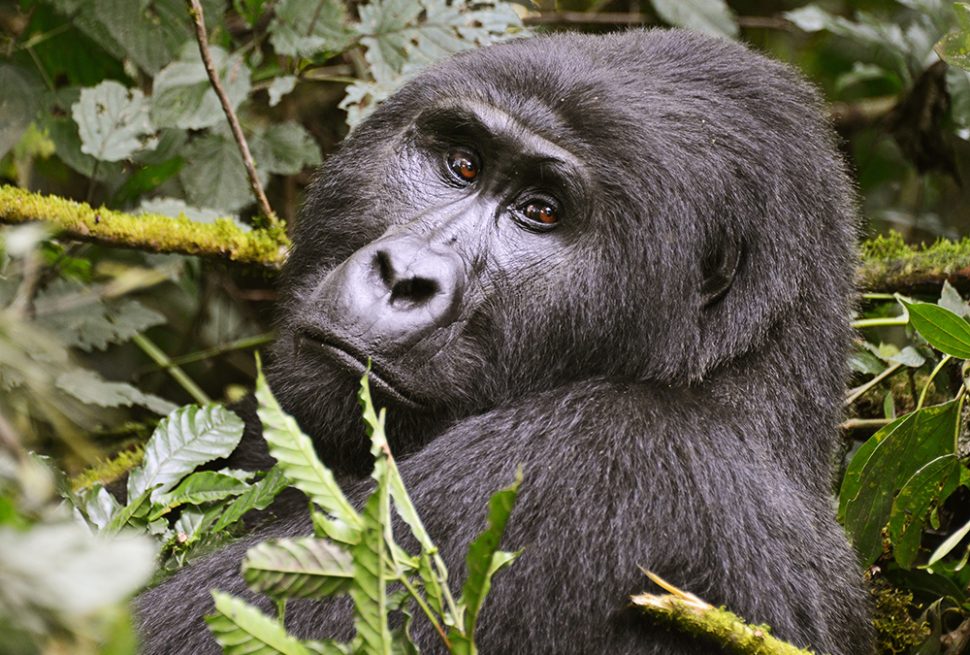
Uganda is home to more than half of the world’s remaining mountain gorillas, making it a top destination for this rare wildlife experience. Bwindi Impenetrable National Park, a UNESCO World Heritage site in southwestern Uganda, has about 400 mountain gorillas spread across four sectors: Buhoma, Ruhija, Rushaga, and Nkuringo. Each sector offers different trekking options, from easier walks to more challenging hikes through dense forest, so visitors of various fitness levels can participate, though all treks require some effort.
Mgahinga Gorilla National Park, which is part of the larger Virunga Conservation Area, is home to the Nyakagezi gorilla group. This park gives visitors the unique chance to trek gorillas at the meeting point of Uganda, Rwanda, and the Democratic Republic of Congo.
Golden Monkey Trekking
Golden monkey trekking in Mgahinga National Park is a unique experience. As you hike through dense tropical and bamboo forests, you can observe these playful primates in their natural habitat. The scenery is beautiful, and the adventure creates lasting memories and great photos.
Chimpanzee Trekking
Kibale National Park, often called the “Primate Capital of the World,” is Uganda’s top destination for chimpanzee trekking. The park is home to over 1,500 chimpanzees and offers both half-day and full-day habituation experiences. The rainforest also supports 12 other primate species, such as red colobus monkeys and L’Hoest’s monkeys.
Budongo Forest in Murchison Falls National Park and Kyambura Gorge in Queen Elizabeth National Park also offer chimpanzee tracking, each with unique forest environments and high chances of sightings. Having several locations allows visitors to choose the experience that best matches their schedule and preferences.
Walking Safaris
Walking safaris offer close wildlife encounters that are not possible from a vehicle. Lake Mburo National Park is the only park in Uganda where visitors can walk among zebras, impalas, and other antelope species. Its small size and gentle terrain make it ideal for guided bush walks with plenty of wildlife to see.
Horseback Riding Safaris
Several conservancies and lodges near Lake Mburo National Park, as well as private ranches in central Uganda, offer horseback riding safaris. These experiences let visitors observe wildlife from a new perspective while exploring Uganda’s landscapes on horseback.
Birdwatching
With over 1,000 bird species, making it a paradise for birdwatchers, even beginners will be amazed by the variety. Queen Elizabeth National Park has more than 600 species, including the rare shoebill stork in the Kazinga Channel. Bwindi Impenetrable National Park features 23 Albertine Rift endemic species, and Mabamba Swamp near Entebbe is the top spot to see the iconic shoebill stork, a bird that looks like it belongs in prehistoric times. Semuliki National Park offers a chance to see Central African forest species not found elsewhere in East Africa, making it a top choice for dedicated birders.
Water-Based Activities
Boat Cruises
Uganda’s many lakes and rivers provide excellent boat cruises that let you see wildlife from a new angle. The Kazinga Channel in Queen Elizabeth National Park links Lakes Edward and George and is known for its boat safaris. You can spot hippos, crocodiles, elephants, and many bird species along the shores. It feels like watching a nature documentary in real life.
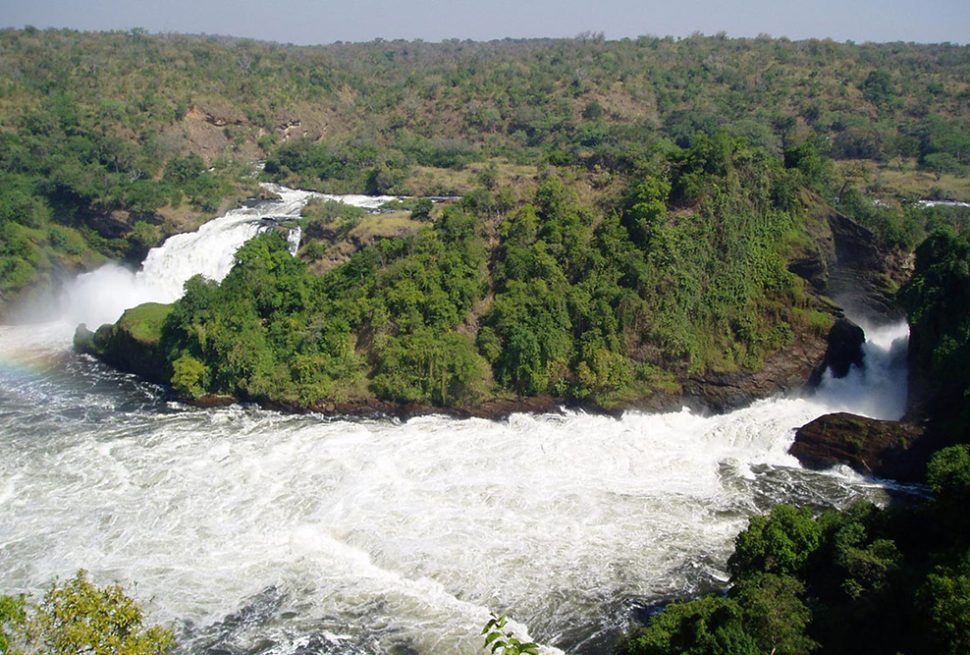
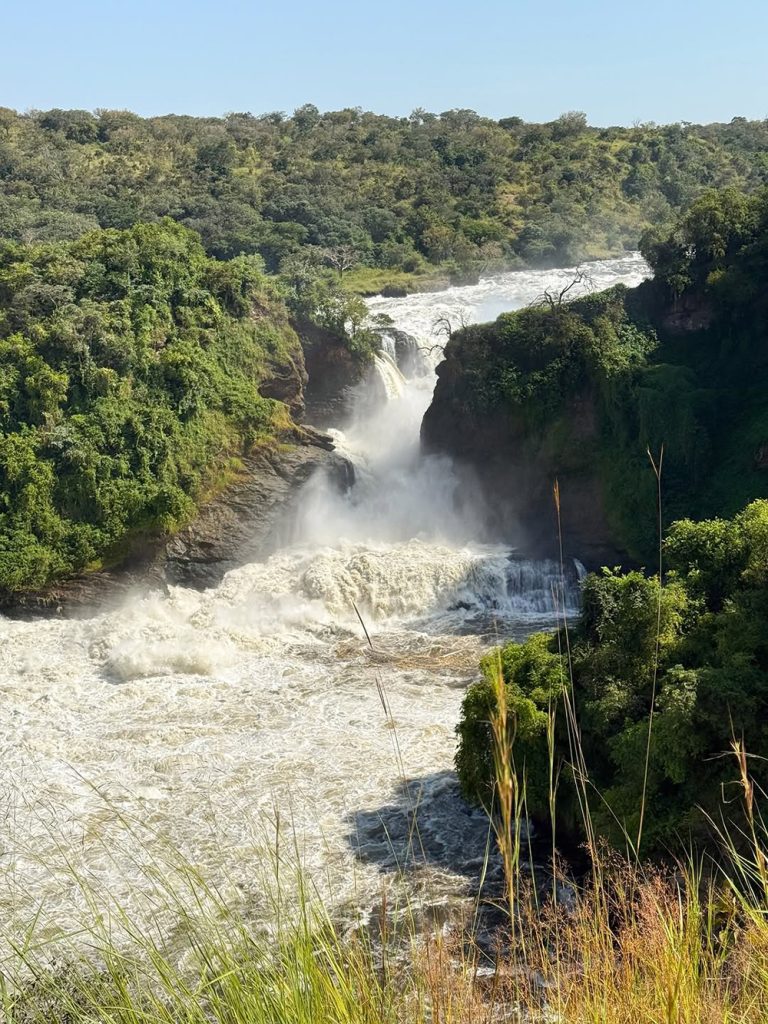
Boat trips at Murchison Falls bring you to the base of the falls, where the Nile River rushes through a narrow 7-meter gap, creating a powerful cascade you can feel. These cruises are great for spotting wildlife and birds, and the scenery is so striking that it hardly needs any photo editing.
Lake Victoria, the largest lake in Africa, offers sunset cruises and fishing trips from Entebbe and nearby towns. These activities are a relaxing break from more adventurous outings. The lake’s many islands, such as the historic Ssese Islands, provide quiet getaways and cultural experiences, ideal for unwinding between other activities.
White-Water Rafting
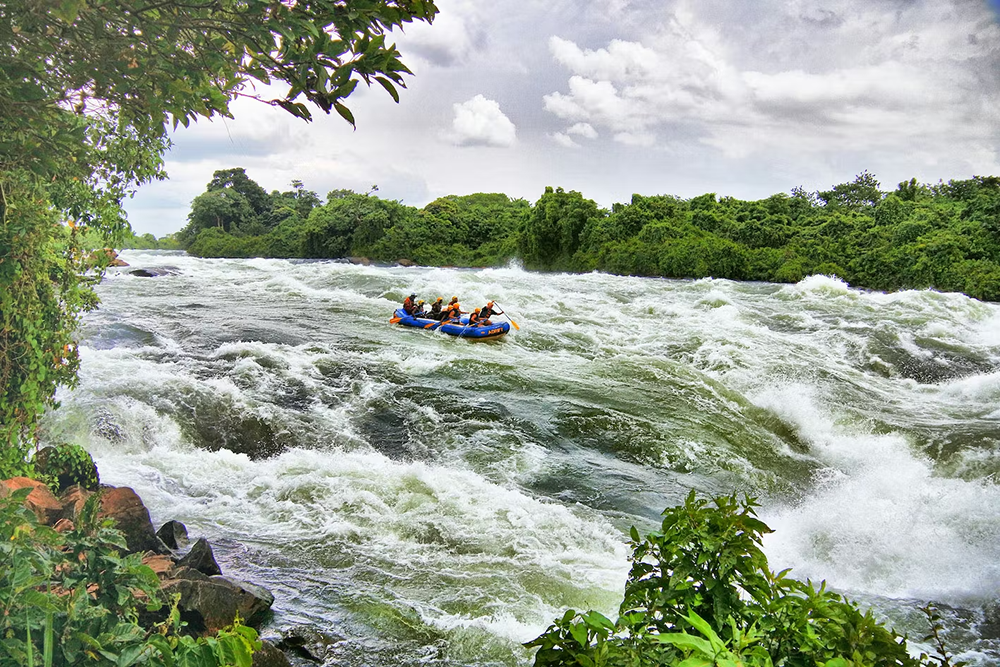
Jinja, where the Nile River begins, is famous for its world-class white-water rafting. The rapids here are exciting and range from Grade III to Grade V, making them suitable for both beginners and experienced rafters. You can choose from half-day trips to multi-day adventures, picking the level of excitement that suits you best.
Bungee Jumping
The Nile River at Jinja is also known for its scenic bungee jumping. Visitors can jump from a 44-meter platform over the source of the Nile, combining an adrenaline rush with beautiful views. It’s an experience you’ll remember and want to share with others.
Adventure and Outdoor Activities
Mountain Hiking
Mount Elgon, an extinct volcano on the Uganda-Kenya border, is a great place for hiking. Its trails pass through different ecosystems, from montane forest to alpine moorland, so you experience several climate zones in one day. The mountain has the world’s largest volcanic caldera and is less crowded than other African peaks, so you can enjoy the views without large crowds.
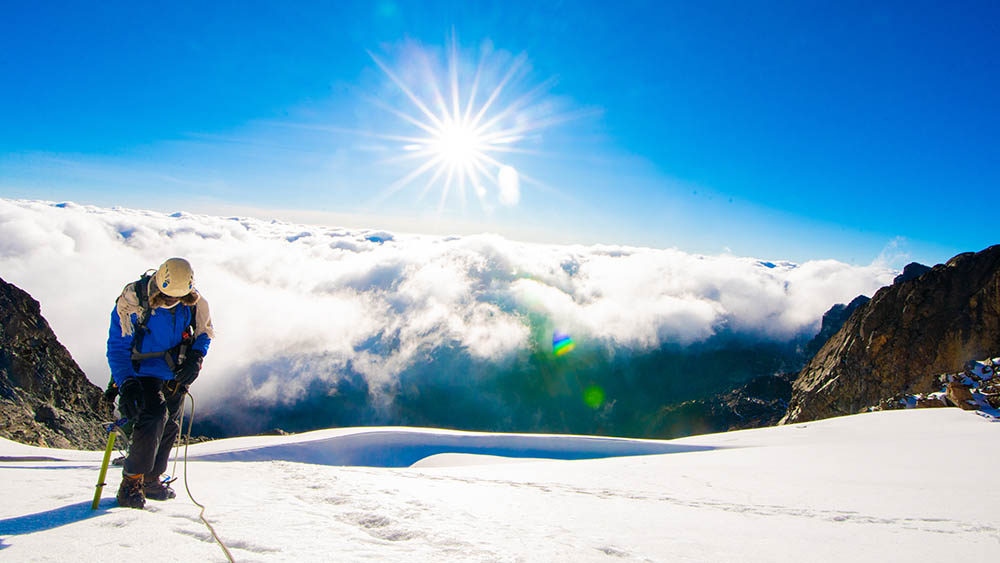
The Rwenzori Mountains, also called the “Mountains of the Moon,” are known for challenging climbs, including Africa’s third-highest peak, Margherita Peak (5,109m). These UNESCO World Heritage mountains feature unique Afro-alpine plants and glacial landscapes not found elsewhere in Africa. The scenery is truly remarkable.
Biking
The Lake Bunyonyi area in southwestern Uganda has scenic cycling routes that pass through terraced hills and traditional villages, giving you both exercise and a chance to experience local culture. The Fort Portal region offers mountain biking through crater lakes and tea plantations, and Jinja has several biking trails along the Nile River. Exploring by bike is a great way to see the country.
Zip-lining and Quad Biking
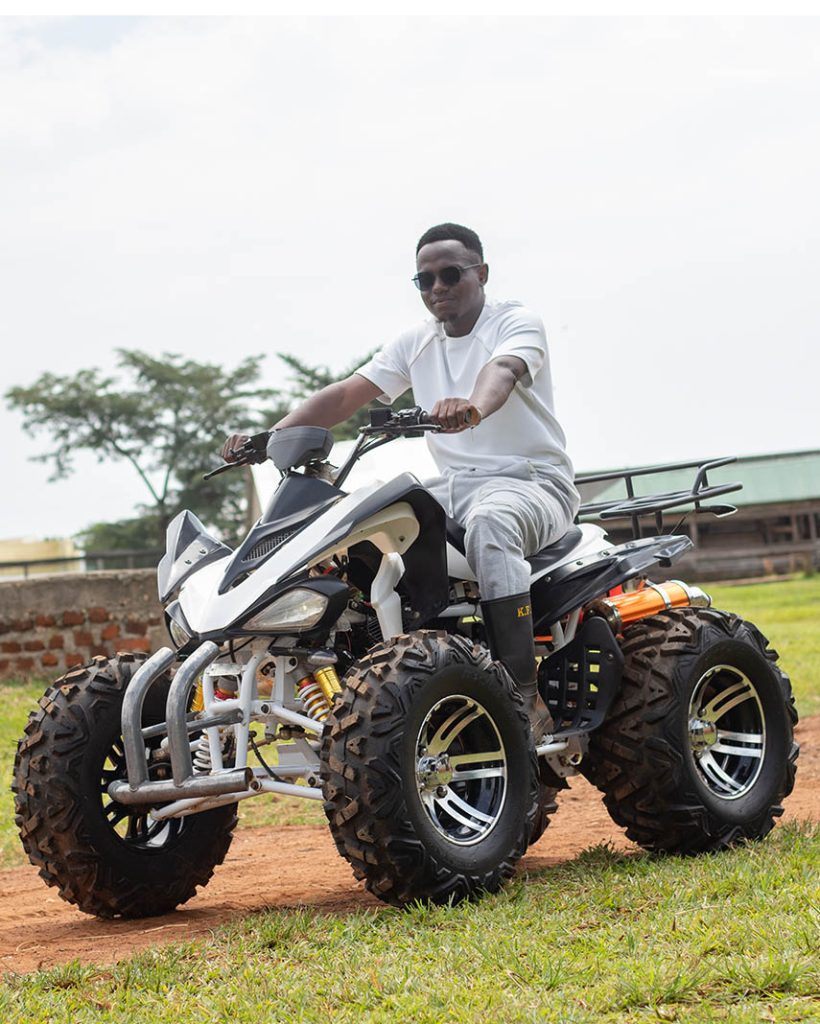
Jinja is known as Uganda’s adventure capital, with zip-lining over the Nile River and quad biking through local communities and scenic areas. You can combine these activities with water sports for a full adventure experience, all set against beautiful natural scenery.
Agrotourism
Coffee Plantation Tours
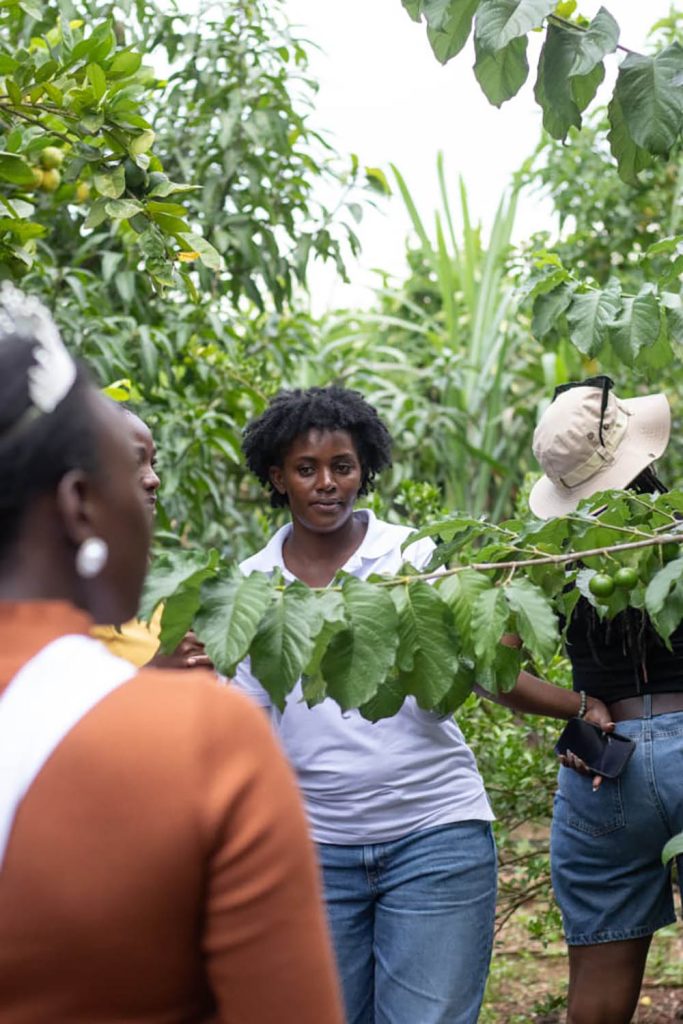
The Mount Elgon region, especially near Sipi Falls, offers hands-on coffee experiences that might change how you see your morning cup. Visitors can join in harvesting, processing, roasting, and tasting Uganda’s well-known Arabica coffee while learning about sustainable farming. This is farm-to-cup at its best.
Central Uganda, especially around Mukono and Jinja, also offers coffee plantation tours, often paired with visits to local communities and traditional farming demonstrations. It’s rewarding to see where your coffee comes from and meet the people behind it.
Tea Estate Visits
The highlands near Fort Portal and Kabale have several tea estates with guided tours that show how tea is made. Visitors can walk through tea gardens, watch the plucking and processing, and enjoy fresh tea with mountain views. It’s a relaxing and educational experience.
Farm Stays and Agricultural Cooperatives
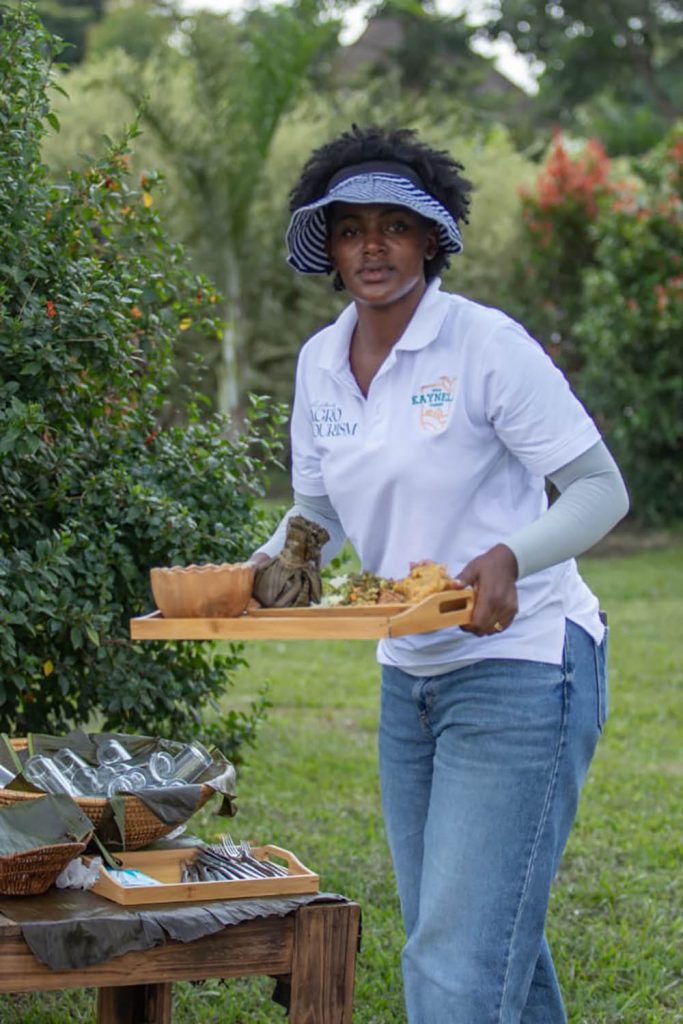
Rural areas across Uganda offer real farm stay experiences where visitors can join in daily farm work, learn about organic methods, and meet local families. Popular spots include communities near Lake Bunyonyi, Sipi Falls, and districts in western Uganda. Kaynela Farms in Kayunga, close to Kampala, is a great place for a farm stay and culinary tourism. Here, you can try African foods, learn about life on a modern farm, and collect stories to share back home.
Culinary Tourism
Traditional Cooking Classes
Kampala has many cooking schools and cultural centers where visitors can learn to make traditional Ugandan dishes such as matooke (green bananas), posho, groundnut sauce, and rolex (chapati with eggs). Many lodges and cultural sites across the country also offer cooking demonstrations, making meals both fun and educational.
Local Food Markets and Street Food Tours
Owino Market in Kampala offers real street food experiences, while Nakasero Market features fresh produce and spice tours. Regional markets in cities such as Mbale, Mbarara, and Gulu highlight local specialties and traditional foods from different ethnic groups. You can explore a wide range of flavors without leaving Uganda.
Traditional Brewing Experiences
Many communities offer traditional brewing demonstrations for waragi (local gin) and banana beer. These experiences often include cultural storytelling and community interactions, letting you learn about local traditions while tasting drinks that have been made for generations.
MICE Tourism (Meetings, Incentives, Conferences, Events)
Conference Facilities
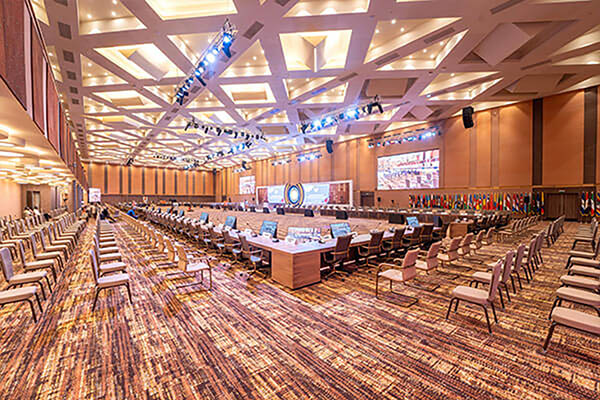
Kampala has several international conference centers, such as the Commonwealth Resort Munyonyo, Imperial Royale Hotel, and Kampala Serena Hotel. These venues offer modern facilities for conferences, meetings, and corporate events, all set in one of Africa’s most scenic countries.
Entebbe offers convenient conference locations close to the international airport, while resort towns like Jinja provide venues that combine business with leisure activities. These settings can help create a productive and enjoyable atmosphere for meetings.
Corporate Retreats and Team Building
Uganda’s national parks and adventure destinations offer great team-building opportunities. Queen Elizabeth National Park, Murchison Falls, and adventure centers in Jinja have corporate packages that combine wildlife experiences, adventure activities, and meeting facilities. These activities help teams bond in memorable ways.
Incentive Travel Packages
Many tour operators create incentive travel packages that include luxury accommodations, exclusive wildlife experiences, cultural activities, and adventure options to reward corporate achievement. These programs are designed to motivate teams to reach their goals.
Cultural Experiences
Traditional Kingdoms
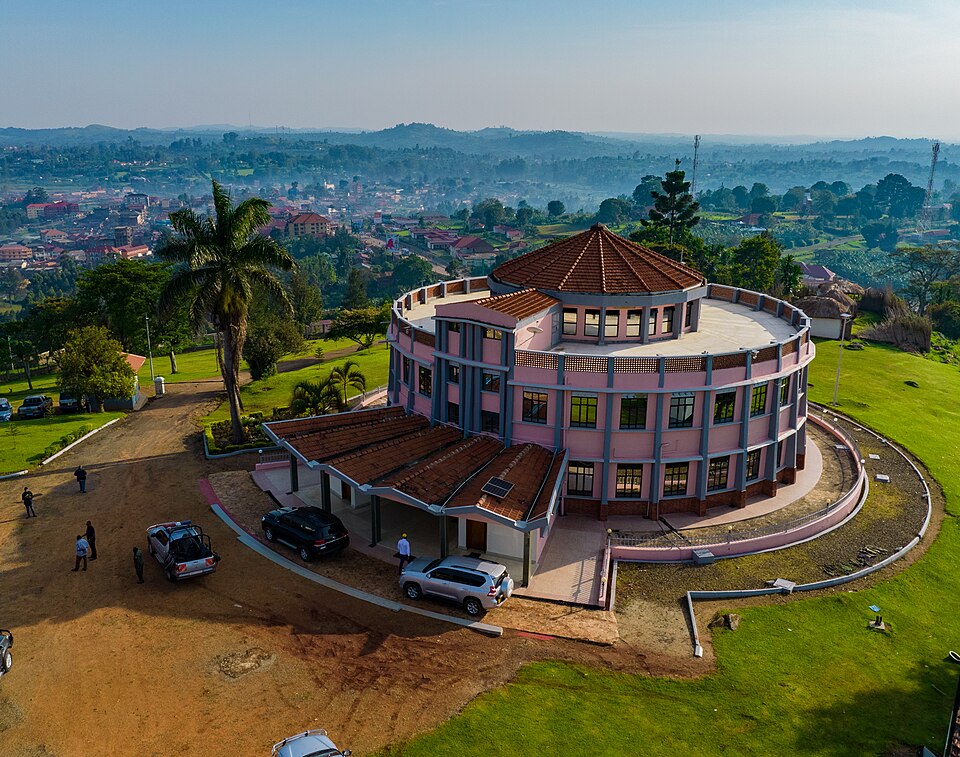
The Buganda Kingdom, based in Kampala, offers rich cultural experiences such as visits to the Kasubi Tombs (a UNESCO World Heritage site), the Kabaka’s Palace, Ndere Cultural Centre and traditional ceremonies. Visiting gives you a real sense of living history and insight into Uganda’s largest ethnic group, whose governance systems go back centuries before colonial times.
Other kingdoms such as Bunyoro (in Hoima), Toro (in Fort Portal), Busoga (in Jinja), and Ankole (in Mbarara) each offer their own traditions, languages, and historical sites. With so much diversity, you could spend weeks exploring different cultures without leaving Uganda.
Cultural Village Tours
Batwa pygmy communities near Bwindi Impenetrable National Park and Mgahinga offer authentic experiences with Uganda’s indigenous forest people. Their forest survival knowledge is impressive. Visitors can learn traditional hunting, survival skills, and Batwa cultural practices, making it a truly unique outdoor learning experience.
Many ethnic communities across Uganda offer village tours, such as the Karamojong in the northeast, the Ik people near Kidepo Valley, and fishing communities along Lake Victoria. Each group shares its own traditions, showing how their ways of life have adapted while keeping their unique character.
Traditional Performances
Cultural centers in Kampala, Jinja, and other major towns host traditional dance and music performances from various ethnic groups. The National Theatre in Kampala often features these shows, and many lodges and cultural sites offer evening entertainment that highlights Uganda’s diverse heritage. The lively atmosphere makes these performances memorable.
Natural Attractions
Waterfalls
Uganda’s dramatic landscapes are highlighted by several natural wonders:
Murchison Falls is where the Nile River squeezes through a narrow 7-meter gap, creating one of Africa’s most powerful waterfalls. Standing nearby, you can feel the force of the river. Visitors can see the falls from above, take a boat cruise below, or hike to the top for great photo opportunities.
Sipi Falls, located on the foothills of Mount Elgon, has three waterfalls and offers hiking, abseiling, and coffee tours that blend natural beauty with local culture. The area also provides impressive views of the Karamoja plains and Mount Elgon’s peaks.
Ssezibwa Falls, found between Kampala and Jinja, is culturally important to the Buganda people and is easy to visit on a day trip from the capital. Other notable waterfalls include Kisiizi Falls in southwest Uganda and several more across the country.
Crater Lakes
The Fort Portal region has many crater lakes formed by ancient volcanic activity, creating a beautiful natural landscape. Lake Nkuruba and nearby lakes are great for hiking, especially around Kyeganywa Hill, as well as canoeing and community tourism. Each lake has its own features and impressive views.
Hot Springs
Sempaya Hot Springs in Semuliki National Park include both male and female springs, with temperatures reaching 100°C. Watching eggs cook in the boiling water is a popular activity. These springs are culturally important to local communities and offer unique geological experiences. Other well-known hot springs include Kitagata in the southwest and Kanangorok in Kidepo.
There are also other hot springs across Uganda, such as those in Bundibugyo and along the Albert Nile, each with their own features and local stories.
Lake Experiences
Lake Bunyonyi, often called the “Switzerland of Africa,” offers island hopping, canoeing, and relaxing views among its 29 islands. The terraced hills and clear water make the comparison fitting. The lake is bilharzia-free and safe for swimming, so you can enjoy water activities without concern.
Lake Mburo offers boat trips where you can see hippos, crocodiles, and many bird species in a national park setting. It combines a relaxing boat ride with the excitement of a safari.
Urban Centres
Kampala City
Uganda’s capital, Kampala, features lively markets, cultural sites, and urban experiences that highlight modern Ugandan life. Places like Kasubi Tombs, Mengo Palace, the Uganda Museum, Gaddafi National Mosque, Nakasero Market, and craft markets along Buganda Road offer a glimpse of how traditional culture blends with city life.
Religious and Historical Sites
Namugongo Martyrs Shrine is a place where faith and history come together. Between 1885 and 1887, 22 Catholic and 23 Anglican converts were martyred here. Every year, especially on June 3rd, pilgrims from all over the world visit the shrine. Watching thousands of people walk barefoot for miles is both humbling and inspiring. Here are some key facts about the shrine:
Namugongo Shrine: Where Faith Meets History
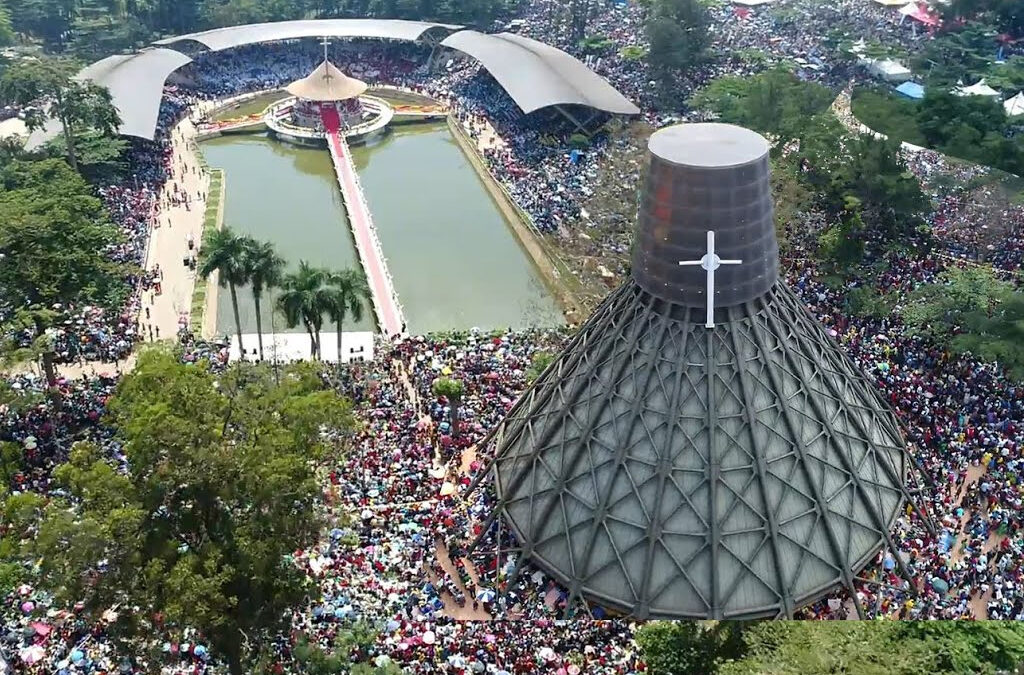
Seventeen kilometers northeast of busy Kampala is one of Uganda’s most sacred places: the Namugongo Basilica. When you visit, the sense of history is almost tangible. This church stands on ground where some of Christianity’s youngest martyrs gave their lives for their faith more than 130 years ago.
The story begins with a dark chapter in Uganda’s history that demonstrates both the worst and best of human nature. In 1886, Kabaka Mwanga II, the young king of Buganda, ordered the execution of dozens of Christian converts, both Catholic and Protestant. Among them were Saint Charles Lwanga and Saint Kizito, the latter being just a teenager. They were burned alive at Namugongo, their only crime being their refusal to renounce their Christian faith—imagine having such unshaken conviction at such a young age.
Joshua Serufusa-Zake, a local leader, understood the spiritual importance of this site and dedicated his life to preserving its memory. He was born in 1884, just a year before the martyrdoms began, and came from a family with deep Christian roots. His father fought in the wars that brought Christianity to Uganda and was known as “Ngubu” for his bravery.
As the Sabaddu (local administrator) of Kira Sub-County from 1927 to 1928, Joshua constructed the first structure at Namugongo, laying the foundation for what would eventually become a place of pilgrimage and prayer. His foresight ensured that this sacred ground would never be forgotten.
The current basilica was built much later and stands as a testament to patient faith and careful planning. Construction began in 1965, and by 1968, the impressive building was finished. It received official basilica status from the Vatican in 1993, 25 years later, and is now under the care of the Roman Catholic Archdiocese of Kampala. Sometimes, the most meaningful achievements take time to come together.
The site became internationally known when Pope Paul VI canonized the Uganda Martyrs in 1964, making them the first African saints in modern times. This event put Uganda on the global Catholic map. Fifty years later, in 2014, many hoped Pope Francis would visit for the anniversary. Although he did not come that year, he visited in November 2015 and celebrated a memorable Mass outside the basilica at Namugongo. This powerful event brought together hundreds of thousands of faithful from across East Africa and highlighted Uganda’s important place in Christian history.
Today, Namugongo Basilica is more than just a church. It stands as a living testament to the power of faith and conviction, as well as to courage and the sacrifices people make for their beliefs. Every year, especially on Uganda Martyrs’ Day (June 3rd), pilgrims walk for miles, some even barefoot, to pray at this sacred place where young men chose death rather than give up their faith.
This is a place where history and faith come together, reminding visitors that the greatest victories often require the greatest sacrifices. Sometimes, these important lessons come from people who were still very young.
Gaddafi Mosque
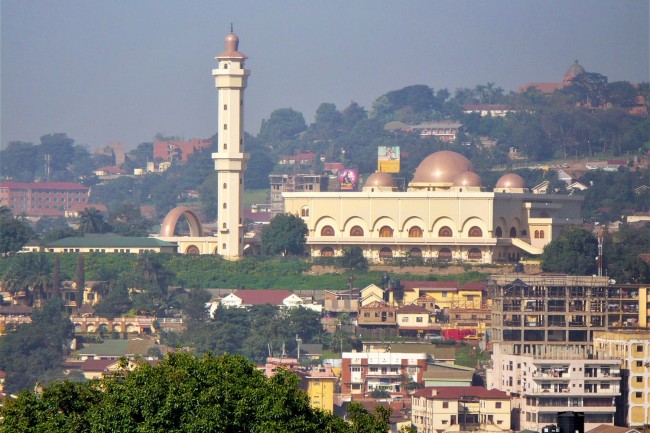
On Kampala Hill in Uganda’s capital stands the Uganda National Mosque, the largest mosque in East Africa. Its tall structure dominates the city’s skyline and serves as a symbol of faith and architectural achievement. This impressive place of worship has a rich history involving politics, international relations, and the determination of Uganda’s Muslim community.
The mosque’s story began in 1972 when Uganda’s then-dictator Idi Amin started its construction, calling it the Old Kampala National Mosque. As with many of Amin’s projects, it was a grand idea but not well executed. In 1979, political chaos stopped the work, and after Amin was overthrown, it seemed the half-finished mosque might never be completed. It stood as a concrete reminder of unfulfilled dreams and the effects of political instability.
Former Libyan leader Muammar Gaddafi then became involved, and whatever your views on him, his support for Uganda’s Muslim community was significant. In 2001, he offered to pay for the completion of the mosque as a gift to Uganda’s Muslim community, who make up about 14% of the population. Sometimes, help arrives from unexpected places.
The mosque was finally completed and opened in June 2007, originally named after Gaddafi. It is truly massive, able to hold up to 15,000 people for prayers, with space for another 1,100 in the gallery and 3,500 more on the terrace. In total, nearly 20,000 worshippers can gather here, making it feel like a small stadium dedicated to prayer.
The building is unique among mosques because it is designed like a skyscraper, making it stand out on Kampala’s skyline. If you are feeling adventurous and have strong legs, you can climb all 272 stairs to the top of the minaret for an amazing view of the city. You might want to avoid a big breakfast before the climb.
After Gaddafi’s death in 2011, Libya’s new government did not want to keep the connection, so the mosque was quietly renamed the “Uganda National Mosque” in 2018. Sometimes, political changes require practical adjustments. Today, the mosque is not only a place of worship but also the headquarters of the Uganda Muslim Supreme Council, making it the spiritual and administrative center of Uganda’s Muslim community.
This mosque is a fascinating example of how faith, politics, and international relationships can come together to create something lasting and meaningful for a community. Sometimes, the most beautiful results come from the most complicated situations.
The Bahai Temple
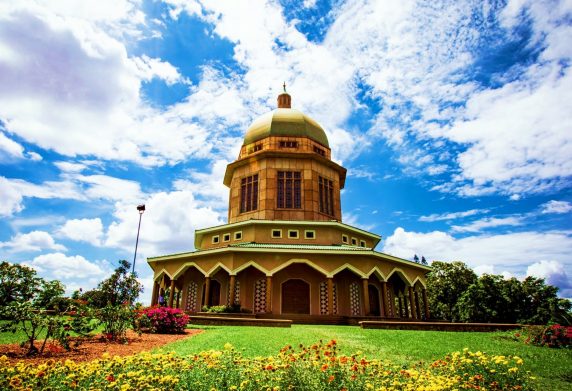
The beautiful Bahai Temple sits on Kikaya Hill, just nine miles from the city center. It is the only Bahai House of Worship on the continent and one of only ten worldwide, making it truly exclusive. Built over 50 years ago through international collaboration, it features roof tiles from Belgium, colored glass from Germany, windows from Britain, and local Ugandan timber and stone.
The temple rises 265 feet, with its dome visible across Kampala. Its peaceful 52-acre compound, filled with well-kept gardens, offers a quiet retreat where birds and gentle breezes create a sense of calm, making you forget how close you are to the city. Open to all faiths and backgrounds, this sacred place invites travelers to experience its spiritual significance, impressive architecture, and panoramic views of Kampala. It is a must-see for anyone wanting to understand Uganda’s rich cultural diversity beyond just its safari attractions.
Fort Patiko in northern Uganda preserves the history of 19th-century slave trading, and colonial-era buildings across the country tell Uganda’s historical story. These sites serve as important reminders of the country’s difficult past and help visitors understand the events that shaped modern Uganda.
Kasubi Tombs
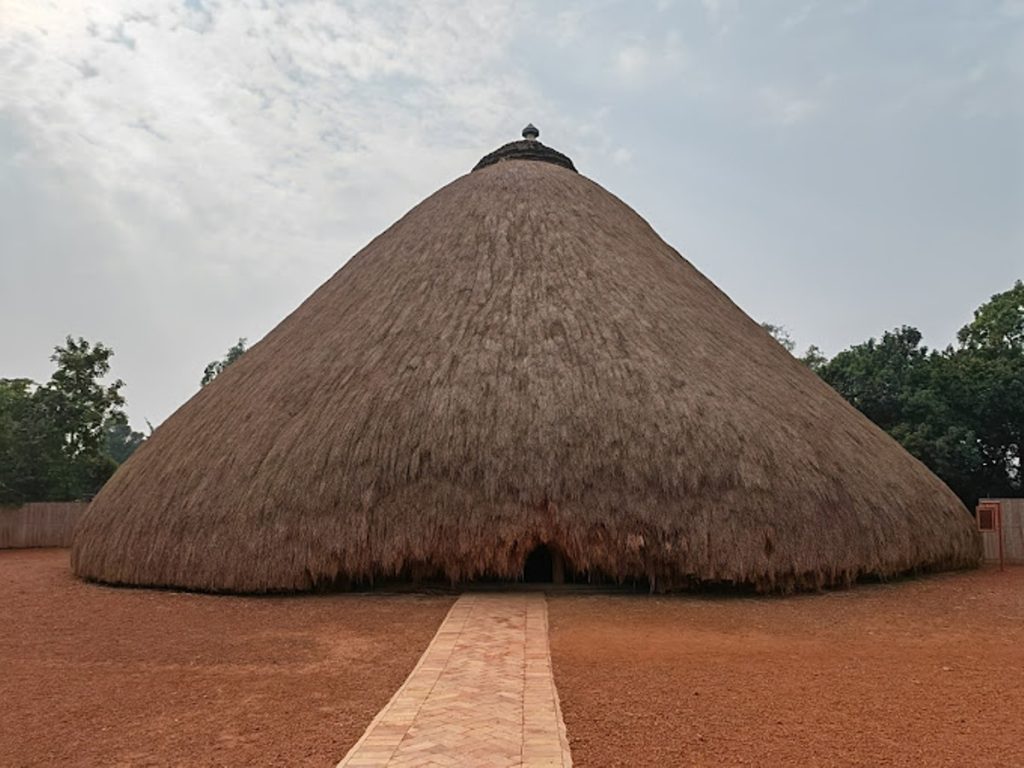
The Tombs of Buganda Kings at Kasubi sit on a hillside in Kampala and are among Uganda’s most sacred and important sites. Covering almost 30 hectares, this UNESCO World Heritage Site is where four Kabakas, the traditional kings of Buganda, are buried. The site is special not only for its beauty but also for the traditions that still thrive here, linking today’s visitors to centuries of royal heritage.
At the center of the site is the Muzibu-Azaala-Mpanga, a large circular building with a dome that holds the tombs of the four kings. Built in 1882 as a royal palace, it became a burial ground two years later. The building shows the impressive skills of the Baganda people, as it is made entirely from natural materials like wooden poles, spear grass, reeds, and wattle. Its size and detailed construction reflect building methods developed since the 13th century, making it a standout example of traditional African architecture.
Visiting the site feels like moving through layers of history and spirituality. The path starts at the edge, where bark cloth trees grow, then leads through a gatehouse into the main courtyard, and ends at the large thatched tomb building. This layout follows the traditional design of a Baganda palace, with each part placed to show the kingdom’s architectural ideas and cultural values.
Kasubi Tombs are more than just buildings; they are the main religious center for the Buganda Kingdom. Many rituals and ceremonies take place here, keeping important connections with the spiritual world. For the royal family and the Baganda people, this is not just a historic site. It is an active spiritual place where traditional practices are still respected and followed, just as they have been for generations.
Much of the land around the site is still used for farming with traditional methods passed down over generations. This farming is not separate from the sacred nature of the site; it is an important part of the living cultural landscape. Keeping these farming practices, along with the rituals, shows how the Baganda have kept their cultural identity and connection to the land over the centuries.
A fire once destroyed the main tomb building, putting one of the site’s most important features at risk. The way the community responded showed the strength of Baganda culture. The traditional skills needed to rebuild with poles, spear grass, reeds, and wattle are still strong in the community. The knowledge to recreate this building has not been lost; it is still practiced by craftspeople who continue their ancestors’ work.
Today, Kasubi Tombs are more than a burial place or an example of architecture. They are central to Baganda identity, bringing together history, spirituality, and tradition. The site is important not only in Uganda but also as a cultural symbol for all of East Africa. It shows human creativity and keeps a connection to the past. The most important values—belief, spirituality, continuity, and identity—are found in the lasting spirit of the people, not just in the buildings themselves.
Sample Itineraries to Explore Uganda
Are you thinking about visiting Uganda? Contact us at info@territoryexplorers.com , and we’ll help you plan an adventure that could change the way you view Uganda and Africa. These are some of the itineraries that can help you explore the country.
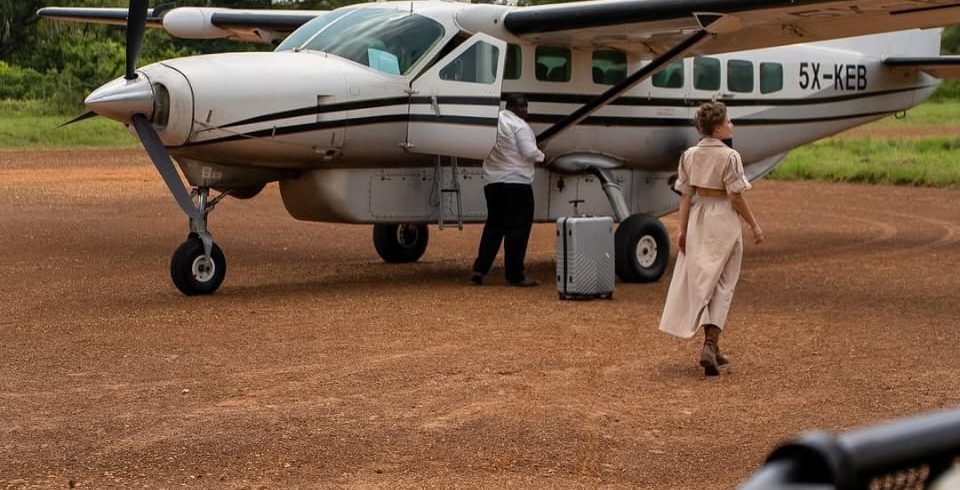
This 4-day fly-in safari is perfect for travelers who want to meet mountain gorillas in Bwindi Impenetrable National Park without…
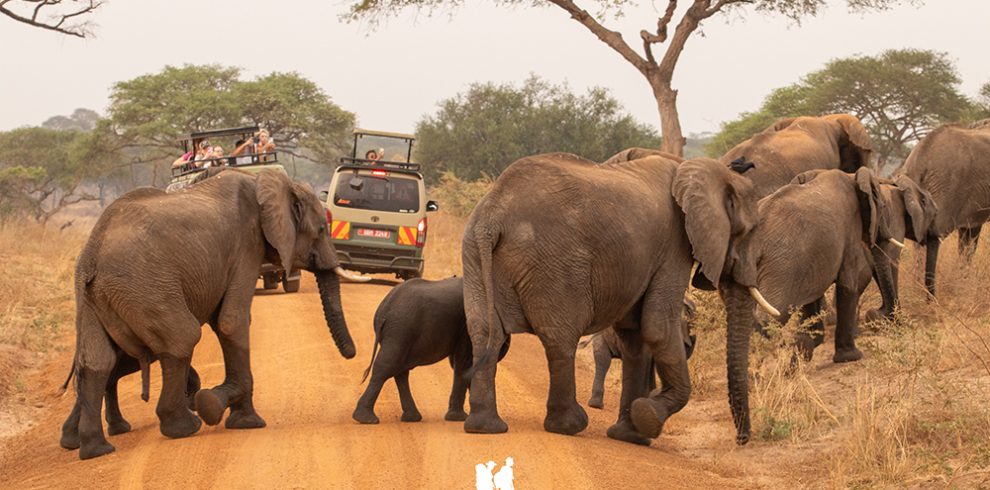
This 14-day safari explores some of Uganda's most stunning landscapes and wildlife spots, blending nature, culture, and adventure. Starting in…
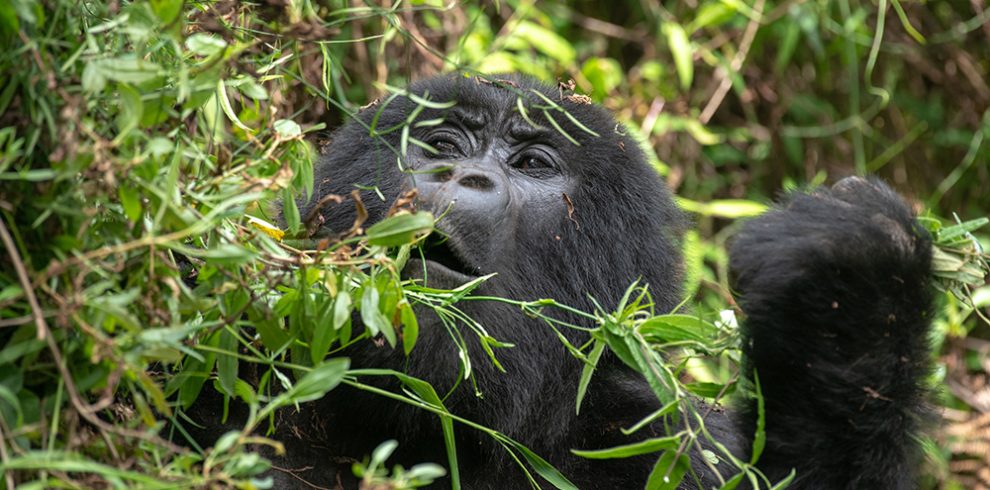
Join us for a 14-day Uganda-Kigali adventure that brings together East Africa’s top wildlife, culture, and exciting activities. You’ll visit…
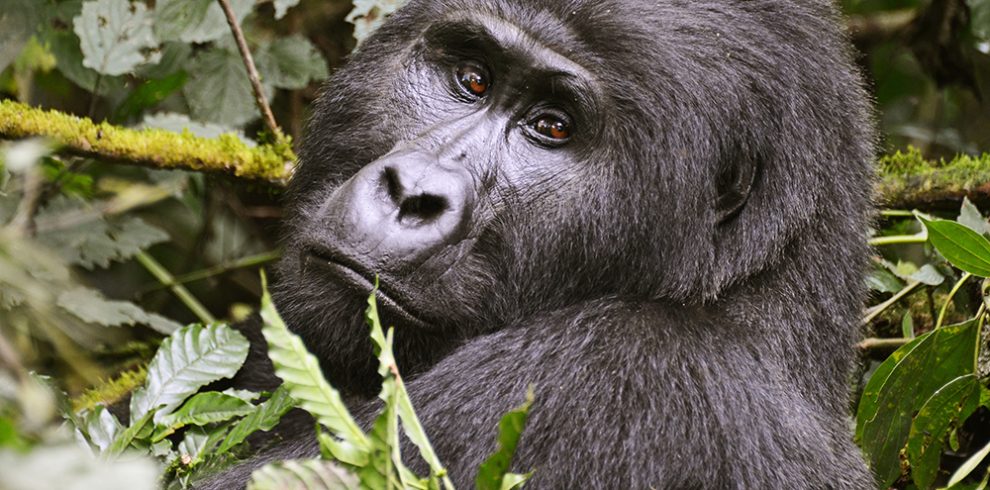
This 4-day Uganda safari starts in Kampala or Entebbe and takes you through the beautiful southwest for a memorable mountain…
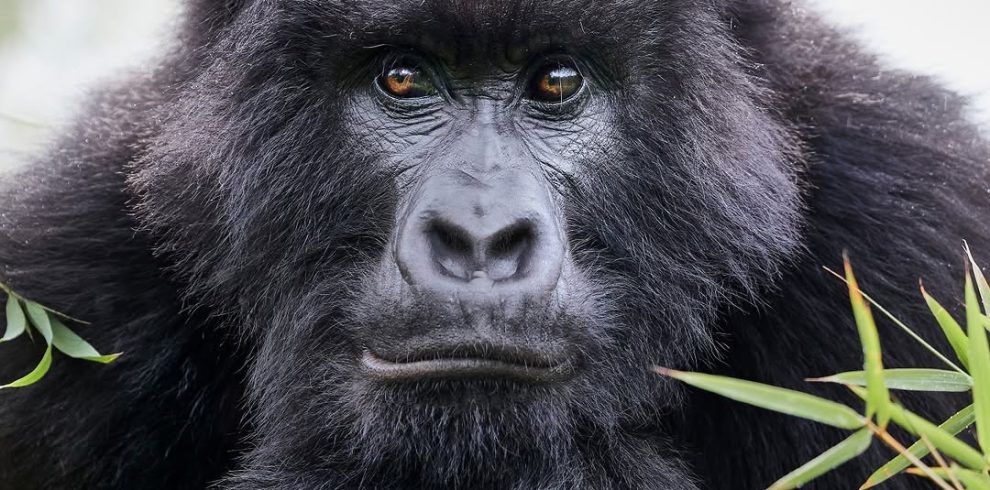
Let's take you on a 3-day gorilla safari in Uganda’s Bwindi Impenetrable Forest, where almost half of the world’s mountain…
Set out on a 9-day journey across Uganda’s most famous wildlife spots, from the powerful Murchison Falls to the green…
Nightlife and Entertainment
Kampala Nightlife
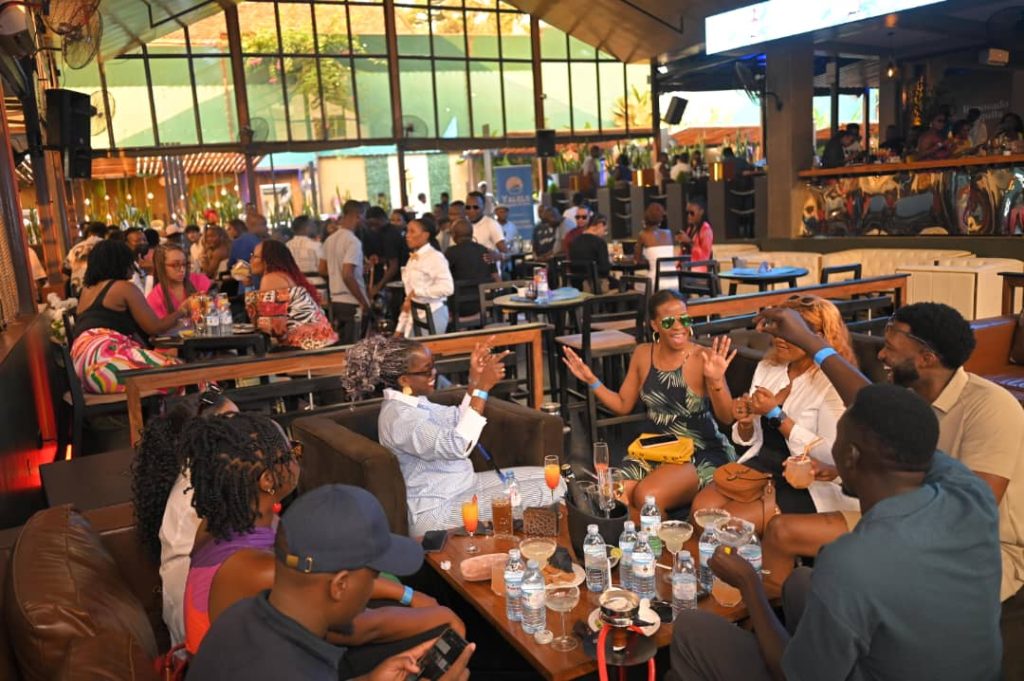
Let’s be honest: when most people think of an “African safari,” late-night clubbing is not the first thing that comes to mind. That’s why Kampala is such a pleasant surprise. The city has one of Africa’s most vibrant nightlife scenes, with entertainment lasting until dawn all year. Kampala’s party scene can rival those of major cities like New York or London.
The nightlife action happens in several main areas. Acacia Avenue in Kololo attracts an upscale crowd, Kisementi Square is always lively, Luthuli Avenue and Bandali Rise in Bugolobi are popular with younger people, and Kabalagala keeps the party going all night. What makes Kampala’s nightlife unique is not just the variety, but the mix of international visitors, expats, and locals coming together for memorable nights out and unexpected connections.
You’ve got to check out Mezo Noir, Thrones Bar & Restaurant, Fourteen Twenty, and Silo—these places know how to keep people dancing until sunrise, and the DJs somehow always know exactly what song you need to hear next. But if you’re looking for something a bit more sophisticated, Club Illusion offers breathtaking city views, state-of-the-art sound systems, and an upscale vibe that’ll make you feel like you’re in New York or London.
Here’s the best part: Kampala is relatively safe for nightlife, safer than many other African cities, and probably as safe as any large city in developed countries. Just use the same street smarts you would anywhere else. Rooftop bars offer beautiful views of the city lights, comedy clubs provide plenty of laughs, and live music venues feature everything from traditional Ugandan music to international acts.
Regional Nightlife
Jinja offers a very different nightlife experience, which is perfect for relaxing after a day of adventure. Imagine bars and restaurants along the banks of the Nile River, where you can enjoy a drink while watching the river flow by. It’s more laid-back than Kampala’s energetic scene, but there’s something special about having a beer where the Nile begins its journey to the Mediterranean. You’re enjoying a drink at one of the most historically significant places on Earth.
Entebbe, as the gateway city with the international airport, is well-suited for international travelers, offering a balance of familiarity and adventure. There are many venues that know what visitors want while still keeping an authentic Ugandan feel. It’s a comfortable transition between home and a full African experience.
Newer cities are also developing their own unique nightlife styles. Mbarara has popular places like Sky Lounge and Boma Hotel, while Fort Portal, Mbale, Gulu, and Arua each offer nightlife that reflects their local cultures and communities. It’s interesting to see how each region creates its own version of a good night out.
Best Time to Visit Uganda
June to September is often seen as the best time to visit Uganda, and the dry seasons from December to January and June to August are ideal for safari and gorilla trekking. However, Uganda’s equatorial location means there is rarely a truly “wrong” time to visit. The dry seasons are best for wildlife viewing and gorilla trekking, but each season has its own special benefits that might suit your travel plans.
Peak Season (June – September)
This is Uganda’s main dry season and offers many advantages for travelers, making it a great choice for first-time visitors. The weather is drier and cooler, which is perfect for gorilla trekking without having to deal with muddy forest trails. Roads and hiking paths are in better condition, and wildlife viewing is excellent as animals gather around water sources. It often feels like nature is working in your favor for the best experience.
Secondary Dry Season (December – February)
January and February are particularly good for gorilla trekking, offering an alternative peak season with fewer crowds than the June-September period—perfect if you prefer your wildlife encounters without feeling like you’re part of a tour group parade. This season offers pleasant weather and good access to most attractions, and you might find better deals on accommodations since it’s technically not peak season.
Wet Seasons (March – May and October – November)
These months have more rainfall, but they offer benefits that budget travelers and photographers appreciate, such as lower accommodation rates, fewer tourists, and lush green scenery for great photos. Even with the rain, places like Jinja can be visited all year because of their stable climate. The wet seasons are also excellent for birdwatching, as migratory species are present. There is also a certain adventurous charm to exploring Africa during the rainy season.
Year-Round Destinations
Because Uganda is near the equator and has little dramatic weather change, you can visit any time of year and still have a great experience. Some activities are better in certain seasons, but most are available year-round thanks to the climate. Uganda is one of those rare places where you can be flexible with your travel dates.
Visa Acquisition in Uganda
Uganda has updated its visa system to make entry easier for international visitors. The days of long embassy visits and complicated paperwork are over. Since July 1, 2016, Uganda has offered electronic visas, making the application process much simpler for most travelers. It’s much easier than in many other countries.
Electronic Visa (e-Visa) System
All persons from non-visa-exempt countries intending to travel to Uganda for holiday, tourism, business, study, visits, and/or medical purposes are required to apply and obtain a visa online—basically, if you can book a hotel online, you can handle Uganda’s visa application. Tourist visas are available online through the Immigration portal and cost USD 50 for single-entry visas, which is honestly a bargain considering what you’re getting access to.
Visa Types and Costs
Single Entry Tourist Visa:
USD 50 for visitors coming to Uganda for tourism, medical treatment, or family visits. The visa can be granted for up to three months, giving you plenty of time to explore everything from gorillas to nightlife and truly enjoy the country.
East African Tourist Visa:
USD 100 for a joint tourist visa that allows travel to Uganda, Kenya, and Rwanda. It is valid for 90 days and can be used multiple times for tourism. This visa is like having a season pass to the best of East Africa.
Application Process
Applicants must select the application type, category, and subcategory, then upload the required documents: a recent passport photo, passport bio-data page, Yellow Fever Vaccination Certificate, and Covid-19 Vaccination Certificate. These are standard travel documents that most experienced travelers will expect.
Processing Time and Validity
All visas are approved within two to three working days, except in special circumstances, though applicants are advised to apply at least five working days before travel—basically, don’t wait until the last minute, but you don’t need to plan months ahead either. The visa approval authorization is valid for 90 days from the approval date, and applicants should travel within 3 months of approval, giving them plenty of flexibility for planning.
Important Requirements
To enter Uganda, you must have a certificate to prove you’ve had a yellow fever vaccination, and you must bring the certificate you used to get your visa—this is non-negotiable, so don’t even think about trying to wing it. Passengers who have been issued an e-Visa must travel with a printed e-Visa confirmation, because, despite our digital age, sometimes you still need good old-fashioned paper.
Visa-Exempt Countries
Certain nationalities enjoy visa exemptions or visa-on-arrival privileges, which makes the process even smoother for lucky passport holders. The 90-day East African Tourist Visa is also available on arrival and is valid for Uganda, Kenya, and Rwanda if first used in the country that issued it—though applying online ahead of time is still recommended to avoid potential delays.
Frequently Asked Questions (FAQ)
Packing for Uganda takes some planning because of the many activities and climates you might experience. This is not the time to pack light just to save on baggage fees. Here is what you need to know:
For gorilla trekking and forest activities, light cotton trousers or comfortable jeans are best because they are durable and hide dust and dirt from outdoor activities. You will get dirty, but it is worth it. Avoid light colors, as they show dirt easily. Long-sleeved shirts protect you from thorns, insects, and branches during forest walks, and help you avoid scratches.
Essential Items:
• Sturdy, waterproof hiking boots with good ankle support (your feet will thank you)
• Rain jacket or poncho (rain can occur even during dry seasons, and weather in the tropics can change faster than you can say “gorilla”)
• Warm clothing for cold evenings, especially in highland areas like Bwindi, where nights can be quite chilly
• Hat and sunglasses for sun protection
• Insect repellent and long-sleeved clothing for mosquito protection
• A good daypack to carry water (1-2 liters), a packed lunch, and personal items during treks
For safari, wear neutral colors like khaki, brown, and olive green, as these help you blend in with the environment. Avoid bright colors and white, which are more visible to animals and show dirt easily.
Swimming Gear:
Bring swimwear if you plan to stay at lodges with pools or swim in lakes like Lake Bunyonyi, Lake Kivu, or Lake Mutanda—because nothing beats a refreshing swim after a hot day of wildlife viewing.
Health Preparations:
• Yellow fever vaccination is mandatory, and you must carry your certificate (seriously, they will not let you in without it)
• Malaria prophylaxis is recommended as Uganda is in a malaria zone
• Consult your doctor about other recommended vaccinations
• Pack a basic first aid kit and any personal medications. It’s better to have them and not need them than to need them and not have them.
Cultural Considerations:
• Uganda is a conservative country, so dress modestly, especially when visiting religious sites.
• Greet people warmly, as Ugandans are known for their friendliness and will appreciate your effort to connect.
• Tipping is appreciated but not mandatory; 10-15% at restaurants is standard
• Photography of people requires permission; some may ask for a small fee, which is perfectly reasonable
Currency and Money:
• The Ugandan Shilling (UGX) is the local currency
• US dollars are widely accepted for tourist activities, making things easier for American travelers
• Credit cards are accepted in major hotels and restaurants in cities
• ATMs are available in major towns, but carry cash for rural areas. It’s not a good idea to rely only on cards outside the cities.
Communication:
• English is the official language and widely spoken, so you won’t be stuck playing charades to order dinner
• Local languages include Luganda, Runyoro, Kiswahili, and many others
• Internet and mobile coverage are good in cities but limited in remote areas, which can be a good opportunity for a digital detox
Yes, Americans can visit Uganda, but there are some important things to keep in mind. The U.S. State Department previously had a Level 3 Travel Advisory for Uganda, recommending Americans “reconsider travel” because of crime, terrorism, and laws affecting people based on sexual orientation. However, it’s important to understand the context.
Uganda is currently safe, and thousands of American tourists visit Uganda safely each year for gorilla trekking, safaris, and other activities, and most return home with nothing but incredible memories and amazing photos.
The key is to:
• Stay alert in locations frequented by foreign tourists and be extra vigilant when visiting banks or ATMs
• Avoid demonstrations and crowds, keep a low profile, and don’t display signs of wealth
• Book with reputable tour operators like Territory Explorers who understand the local situation
• Follow embassy guidelines and enroll in the STEP program
Most tourist areas, such as national parks, established lodges, and organized tours, have high security standards. This helps create a safe environment for the experiences you are looking for.
Absolutely! Uganda offers some of Africa’s most unique and rewarding experiences that you simply can’t find elsewhere, and I’m not just saying that because I wrote this guide. Here’s why it’s worth the journey:
Unique Wildlife Experiences:
• Home to more than half of the world’s remaining mountain gorillas
• One of the best places in Africa for chimpanzee tracking
• Over 1,000 bird species in a relatively small area
• The rare tree-climbing lions of Ishasha (yes, lions that rest in trees like large house cats)
Adventure Capital:
• World-class white-water rafting at the source of the Nile
• Mountain hiking in the “Mountains of the Moon” (Rwenzori)
• Diverse landscapes, from savanna to rainforest to crater lakes, so you get a variety of scenery in one trip
Authentic Cultural Experiences:
• Rich traditional kingdoms with centuries of history
• Genuine community interactions without overwhelming commercialization
• Traditional music, dance, and craft traditions that haven’t been sanitized for tourists
Great Value:
• More affordable than many other African safari destinations
• Less crowded than popular destinations like Kenya or Tanzania
• Compact size allows you to see multiple attractions in one trip—maximum experiences, minimum travel time
The mix of rare wildlife, adventure, rich culture, and warm hospitality makes Uganda a special destination with experiences you’ll remember for a lifetime. You may even find yourself sharing stories about your trip for years afterward.
Uganda maintains diplomatic relations with the United States, and Americans are generally welcomed as tourists with genuine warmth and curiosity. The relationship between the two countries is complex but stable:
Government Relations:
• The US has an active embassy in Kampala
• America provides significant aid for health, education, and development programs
• Both countries cooperate on regional security issues
Tourist Experience:
• Ugandans are genuinely friendly and welcoming to American visitors—their hospitality is legendary
• English is widely spoken, making communication easy and eliminating most language barriers
• The tourism industry actively caters to American and Western tourists
• Many lodges and tour operators have extensive experience with American guests and understand what makes for a great experience
Practical Considerations:
• American dollars are widely accepted and preferred for tourist activities
• US passport holders can obtain tourist visas easily online
• International banks and familiar brands operate in major cities—you won’t feel completely cut off from home While there may be political differences between governments, American tourists still receive a warm welcome from the Ugandan people, who are proud to share their country. Politics rarely gets in the way of real human connections.
Uganda can be visited safely with proper precautions and planning, and the vast majority of visitors have incredible, trouble-free experiences. Like any travel destination, understanding the risks and taking appropriate measures is key:
General Safety:
• Tourist areas and national parks maintain good security that prioritizes visitor safety
• Reputable tour operators prioritize guest safety and have extensive experience managing potential risks
• Most visitors have trouble-free experiences and return home with nothing but incredible memories
• Petty crime like pickpocketing can happen, so avoid showing expensive items and stay aware of your surroundings. Use the same common sense you would in any major city.
Health Safety:
• Malaria prevention is essential; this is not optional.
• Good medical facilities are available in Kampala and major towns.
• Travel insurance with medical evacuation coverage is recommended for peace of mind
Activity-Specific Safety:
• Gorilla trekking is conducted with armed guides for protection against both wildlife and potential security issues
• Adventure activities like rafting use international safety standards
• Game drives in national parks are generally very safe, as wildlife viewing vehicles are designed with safety in mind
Best Practices:
• Book with established, reputable tour operators who have proven track records
• Follow guide instructions during wildlife activities—they know what they’re doing
• Use caution when walking or driving at night
• Keep copies of important documents
• Stay in recommended accommodations
Security Support:
• Tourist police units operate in major tourist areas
• The US Embassy provides support to American citizens and recommends enrolling in the STEP program for alerts and assistance if needed
Most tourists visit Uganda without any problems, and many say it is one of their safest African travel experiences. By taking normal travel precautions and booking with reputable operators, you can safely enjoy everything Uganda offers. The amazing wildlife and warm hospitality make the extra planning worthwhile. Sometimes, the best adventures need a bit more preparation.
Key Takeaways Summary
As we finish this guide, here are the key points to remember about visiting Uganda. Think of this as your final checklist for planning an unforgettable trip:
Why Uganda Should Be Your Next Destination
✅ Unique wildlife experiences you literally can’t get anywhere else (mountain gorillas!)
✅ Incredible value compared to other African safari destinations
✅ Year-round accessibility with something special in every season
✅ Compact size means maximum experiences in minimum time
✅ Genuine cultural authenticity without overwhelming commercialization
✅ World-class adventure activities from Nile rafting to mountain climbing
Essential Planning Points
Best time: June-September for wildlife, December-February for fewer crowds. Budget: More affordable than Kenya or Tanzania, with luxury options available. Visa: Easy online process, $50 for single entry, $100 for East Africa pass. Health: Yellow fever vaccination is required, and malaria prevention is essential. Packing: Bring layers, waterproof gear, and sturdy boots. Comfort is more important than fashion.
Must-Do Experiences
• Gorilla trekking in Bwindi or Mgahinga (book permits well in advance!)
• White-water rafting at the source of the Nile in Jinja
• Cultural kingdom tours to experience Uganda’s rich heritage
• Game drives in Queen Elizabeth, Kidepo Valley, or Murchison Falls National Parks
• Kampala nightlife, which is world-class and will surprise you!
Safety & Comfort
• Most tourist areas are very safe with good security measures
• Range of accommodations from budget to ultra-luxury eco-lodges
• English widely spoken, making communication easy
• Ugandans are genuinely welcoming and excited to share their country—their enthusiasm is contagious
Conclusion
Uganda doesn’t just live up to its “Pearl of Africa” nickname; it’s changing what an African adventure means. This beautiful country offers almost every experience you could want: trekking with mountain gorillas in misty forests, rafting on the Nile, exploring ancient kingdoms, and dancing until sunrise in Kampala’s lively clubs. You can do all of this in just a few days, without spending hours traveling between places. It feels like Africa’s best experiences are all close together here, from snow-capped mountains and the source of the Nile to busy city streets and untouched wilderness.
But what really stands out is the people. Ugandans show a genuine warmth and pride in their country that goes far beyond normal tourist hospitality. They are excited to share their home, and their enthusiasm is catching. You might leave with real friendships, not just memories of places you visited. As Uganda improves its tourism infrastructure while staying true to itself, it finds a great balance between adventure and comfort, with nothing feeling fake or overly touristy. Every experience feels real and meaningful. You may even start planning your next visit before you leave, because Uganda makes other trips seem ordinary.
Are you thinking about visiting Uganda? Contact us at info@territoryexplorers.com , and we’ll help you plan an adventure that could change the way you view Uganda and Africa. Many travelers have told us their views changed, with some even calling the country a dreamland. Come see it for yourself.