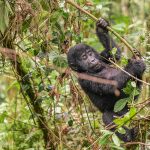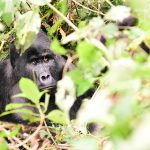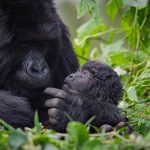

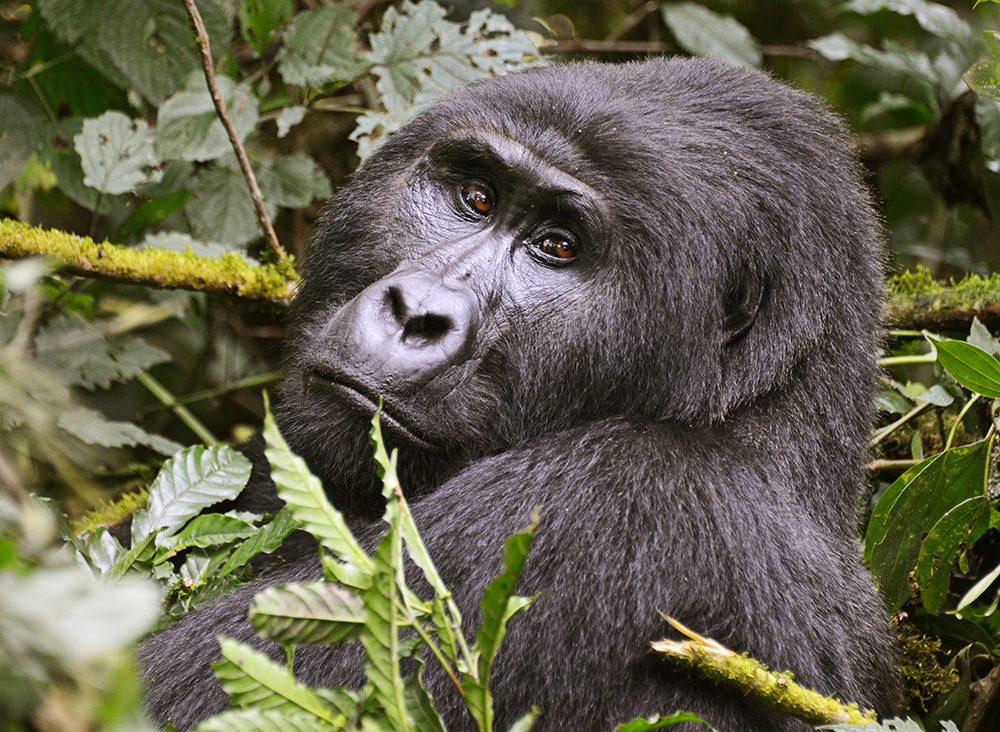
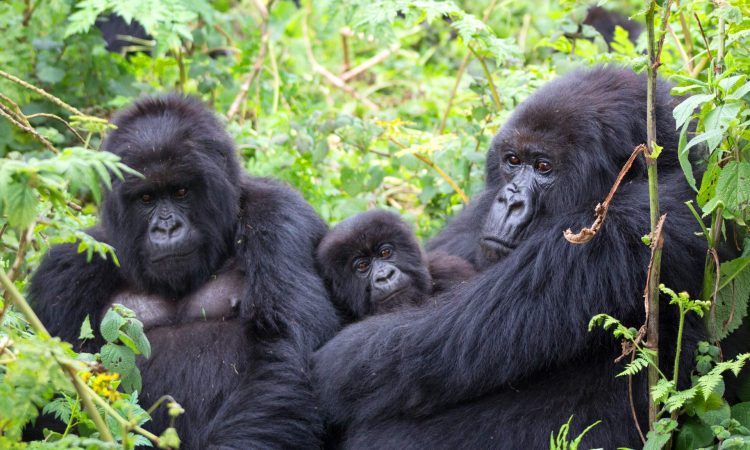
The 200-kilogram silverback looks at you from just ten feet away. His chest rises and falls as he strips bamboo leaves, calm and unbothered by your presence. Nearby, a playful infant tumbles through the undergrowth while its mother keeps a watchful eye. This isn’t something you see on a screen; you’re right there in Uganda’s misty mountains, sharing a moment that will change how you see the wild.
Mountain gorilla trekking is one of the most powerful experiences in wildlife tourism. You get the rare chance to see our closest living relatives in their natural home, an encounter that can change your view of wildlife for good.
Uganda hosts over half of the world’s remaining mountain gorillas, making it the easiest and most affordable place to see them. With many habituated families in two beautiful national parks, Uganda is a showcase for biodiversity and conservation success. Walking into these ancient forests helps you understand why this experience is so life-changing.
Key Takeaways
• Gorilla trekking in Uganda is the world’s most affordable and accessible way to encounter mountain gorillas. The country offers 26 habituated families across Bwindi Impenetrable National Park and Mgahinga Gorilla National Park. This represents the largest collection of habituated mountain gorilla families worldwide.
• Gorilla trekking in Uganda is currently priced at $800 per permit compared to Rwanda’s $1,500. Uganda now offers 200 daily permits following the addition of five new families in January 2024. This pricing makes once-in-a-lifetime experiences accessible to more travelers.
• Gorilla trekking in Uganda is suitable for moderately fit individuals aged 15 and above. Treks range from 2 to 8 hours, depending on the sector and family location. Uganda offers both standard one-hour encounters and unique four-hour habituation experiences unavailable elsewhere in the world.
Why Choose Uganda for Gorilla Trekking?
Smart travelers consistently choose Uganda over more expensive alternatives for compelling reasons. The country offers over 21 habituated gorilla families in Bwindi Impenetrable National Park and one in Mgahinga Gorilla National Park, creating unmatched diversity.
Uganda stands out for its affordability. Permits cost about half as much as in Rwanda, so more people can take part. You can choose from gentle slopes in Buhoma, great for beginners, to tough high-altitude treks in Mgahinga’s volcanic landscape. Whether you’re new to trekking or looking for a challenge, you’ll find an option that fits.
The conservation story here is one of determination and teamwork. Mountain gorilla numbers have grown from 620 in 1989 to over 1,000 today, with Uganda’s forests playing a key role in this recovery. Besides gorillas, you’ll find rich biodiversity, including over 350 bird species, 200 butterfly species, and many other primates.
The cultural side adds even more to the experience. The Batwa pygmy people share their traditions and help support their communities. By choosing Uganda, you’re part of a conservation story that helps both wildlife and local people.
Facts about Mountain Gorillas
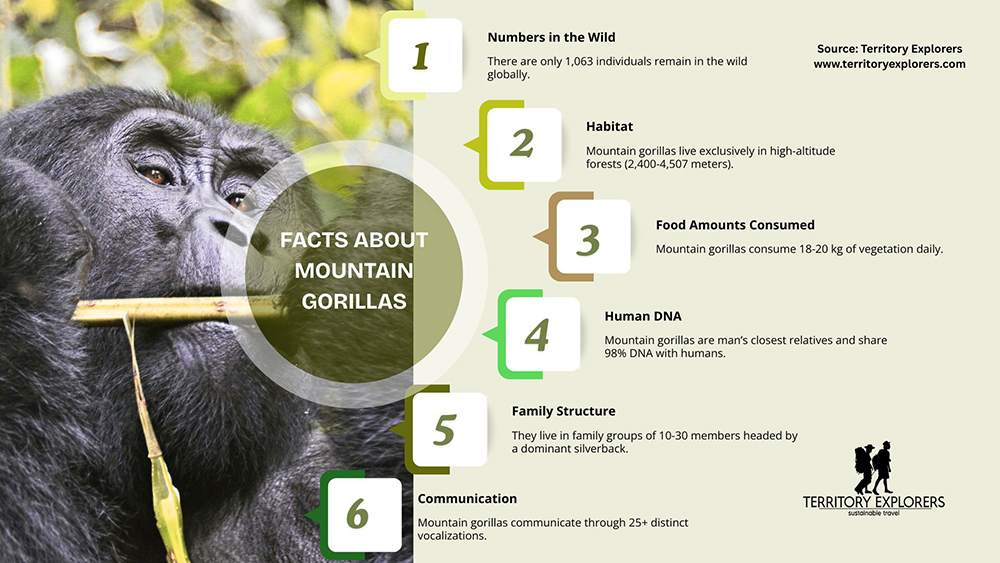
Mountain gorillas are among nature’s most amazing animals. Seeing one feels like meeting a distant relative, since they share 98% of our DNA. With fewer than 1,100 left in the wild, each encounter is even rarer than climbing Mount Everest.
These gentle giants live in high-altitude forests between 2,400 and 4,000 meters above sea level. The cool, misty climate and thick vegetation are perfect for their complex social lives. Their family bonds are so much like ours that you might wonder what really sets us apart.
Adult male gorillas earn the name “silverbacks” because of the distinctive silver-gray hair that develops after age 15. They can weigh up to 220 kilograms and stand 1.8 meters tall. Despite this imposing size, these creatures are remarkably gentle, spending their days peacefully foraging for leaves, stems, bark, and fruits.
A typical gorilla family has one dominant silverback, several adult females, their young, and sometimes other males. Groups can be as small as five or as large as thirty. What makes meeting them so moving is their clear intelligence and emotional depth. You’ll notice personalities as unique as those in your own family.
You’ll find yourself mesmerized watching mothers tenderly grooming their infants with care that matches human maternal devotion. Juveniles engage in elaborate play sessions that resemble those at a playground. Silverbacks display protective behaviors, highlighting their role as devoted family guardians.
Gorillas use more than 25 different sounds to communicate, from soft grunts when they’re content to loud chest-beating displays. These booming sounds can be heard over a kilometer away, like nature’s own applause.
The habituation process, making your encounter possible, represents one of conservation’s most delicate achievements. Wild gorilla families are gently trained to tolerate human presence over 2-3 years through daily visits that build trust without disrupting natural behaviors.
Uganda’s Mountain Gorilla Parks
Bwindi Impenetrable National Park
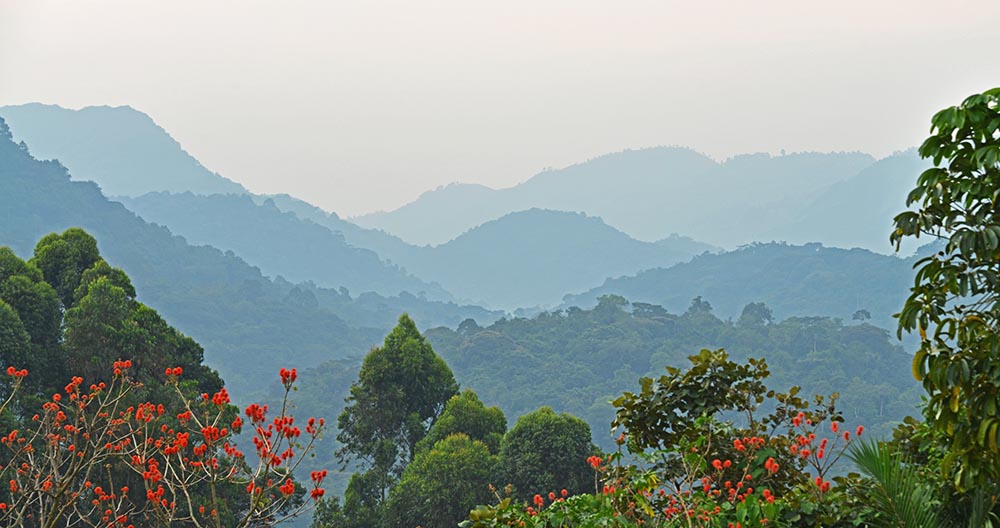
Bwindi earns its “impenetrable” name honestly. This 331-square-kilometer UNESCO World Heritage Site is home to one of Africa’s most ancient and biodiverse ecosystems. The 25,000-year-old rainforest creates verdant cathedrals that have housed gorilla families since before humans walked upright.
What makes Bwindi perfect for every type of adventurer is its four distinct sectors: Buhoma, Ruhija, Rushaga, and Nkuringo. Each offers experiences as different as snowflakes, featuring different altitudes, terrain challenges, and gorilla family characteristics. Whether you’re a nervous first-timer or experienced hiker, there’s a sector matching your comfort zone.
The biodiversity extends far beyond the famous gorilla residents. The park harbors over 400 mountain gorillas alongside 120 mammal species, creating a wildlife sanctuary that feels like stepping into an untouched Eden. You’ll discover 350 bird species, including 23 endemics found nowhere else on Earth, plus 200 butterfly species creating living kaleidoscopes dancing through forest understories.
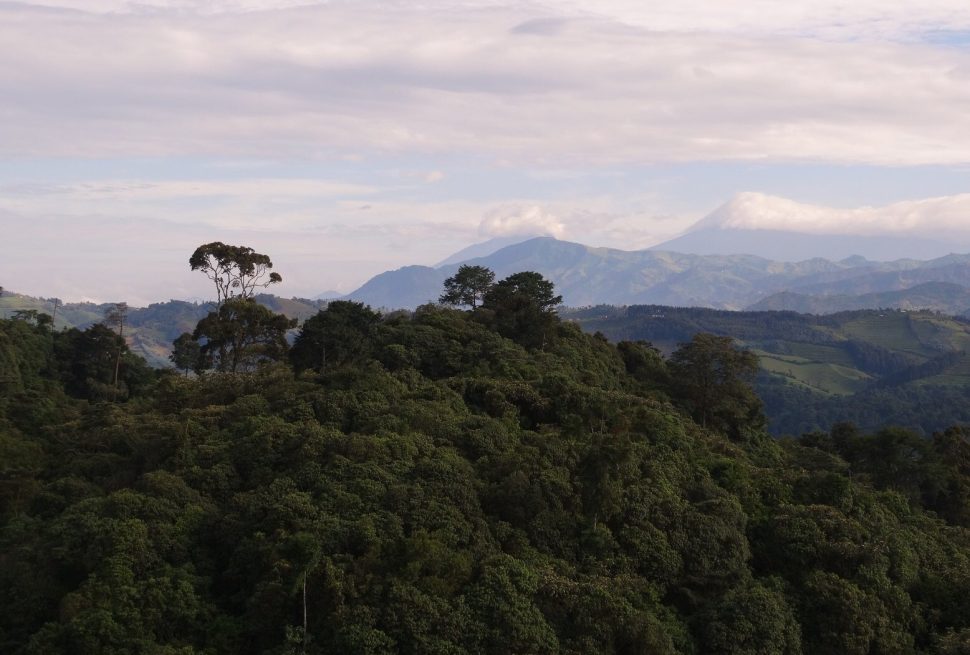
Ancient hardwood trees rise 60 meters above the forest floor, their thick trunks covered in epiphytes and ferns that form vertical ecosystems. Bwindi feels magical, as if you’ve stepped back to a time when the world was wilder and more mysterious.
Mgahinga Gorilla National Park
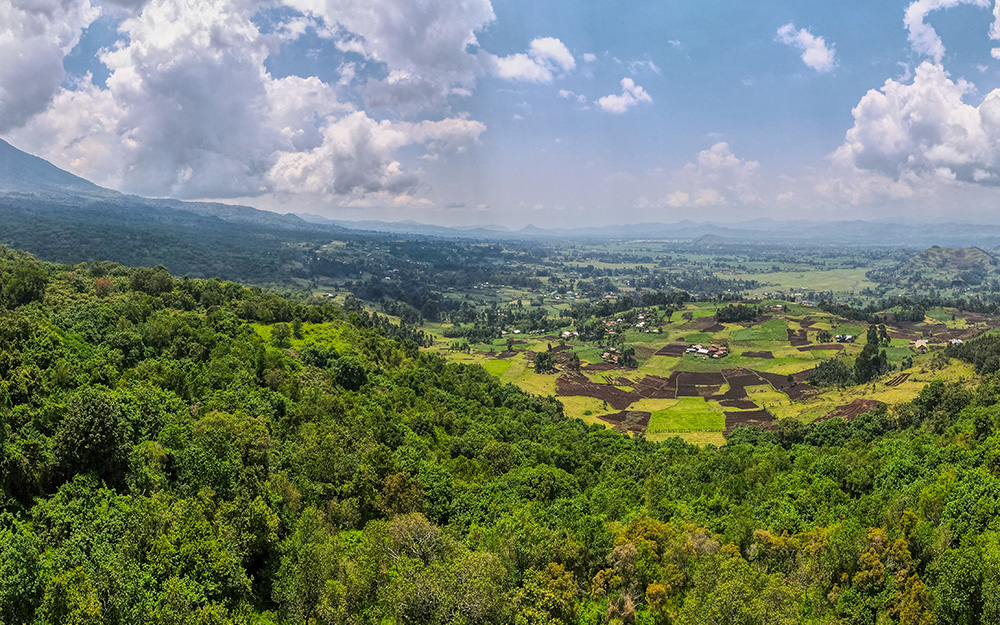
Mgahinga offers a gorilla experience that redefines everything you thought you knew about mountain gorilla habitats. The dramatic volcanic backdrop creates photo opportunities that look like fantasy movie sets. This wonderful park sits along the spectacular Virunga volcanic chain, where Uganda, Rwanda, and the Democratic Republic of Congo meet.
Don’t be misled by its small size. This park is only 33.7 square kilometers, but it makes up for it with stunning scenery. Every step feels like you’re in a National Geographic cover shoot. The unique challenge here is tracking the nomadic Nyakagezi gorilla family, making your visit part wildlife encounter and part international treasure hunt.
Picture this backdrop: three magnificent volcanic peaks creating dramatic skylines. Mount Gahinga (3,474m), Mount Muhavura (4,127m), and Mount Sabinyo (3,645m) serve as stunning backdrops for encounters unlike anywhere else in the world. Volcanic soils support lush bamboo forests, providing gorillas’ favorite food.
The high altitude brings cooler temperatures and misty conditions, giving each encounter a dreamlike feel. The cross-border ecosystem lets the Nyakagezi family live as gorillas have for thousands of years, roaming freely across today’s international borders.
The Batwa People
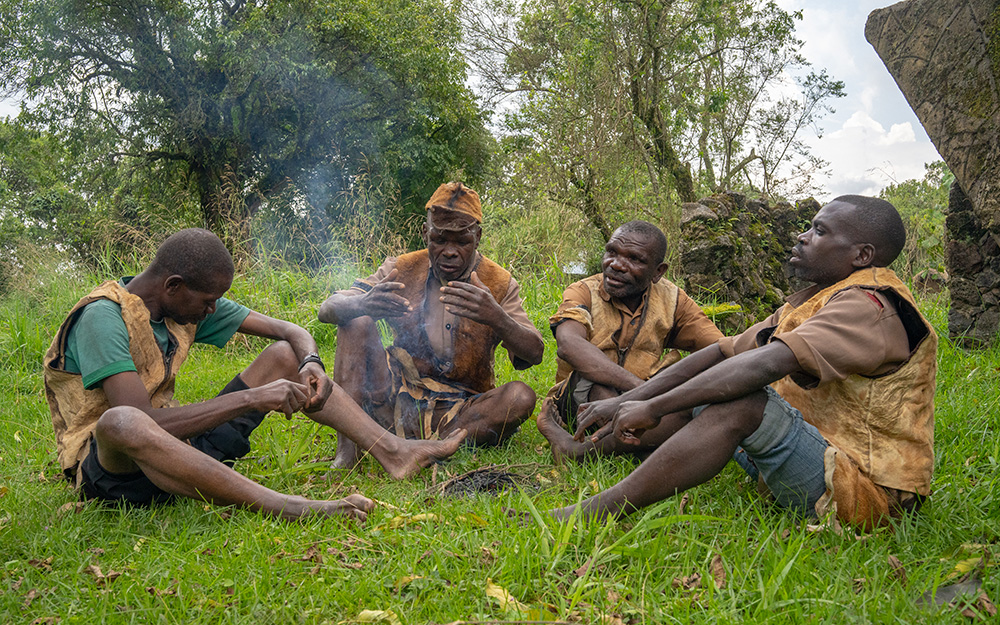
Long before international tourists discovered Uganda’s forests, the Batwa pygmy people called these woodlands home for thousands of years. Their story adds profound cultural depth to any gorilla adventure. These remarkable hunter-gatherers, typically standing under 1.5 meters tall, evolved sophisticated cultures perfectly adapted to forest life.
The traditional Batwa lifestyle centered around hunting small game with precision-crafted bows and arrows. They gathered honey using ancient smoke techniques and wisdom passed down through countless generations. Over 100 different plant species provided food, medicine, and construction materials. Their temporary shelters could be erected in hours, leaving no trace—the ultimate expression of living lightly on the earth.
The Batwa understood gorilla behavior long before any scientists arrived. They tracked gorilla families through thick forest using signs that modern researchers often miss, and avoided conflicts thanks to their deep knowledge of gorilla communication and territory patterns. This knowledge is a cultural treasure, and losing it would be a huge loss.
In 1991, when Bwindi became a national park, the Batwa lost their ancestral lands almost overnight. They went from being forest dwellers who knew every tree and stream to struggling as marginalized communities. Tourism has since offered them a lifeline, giving them new ways to share their knowledge and earn a steady income.
Batwa Cultural Experiences
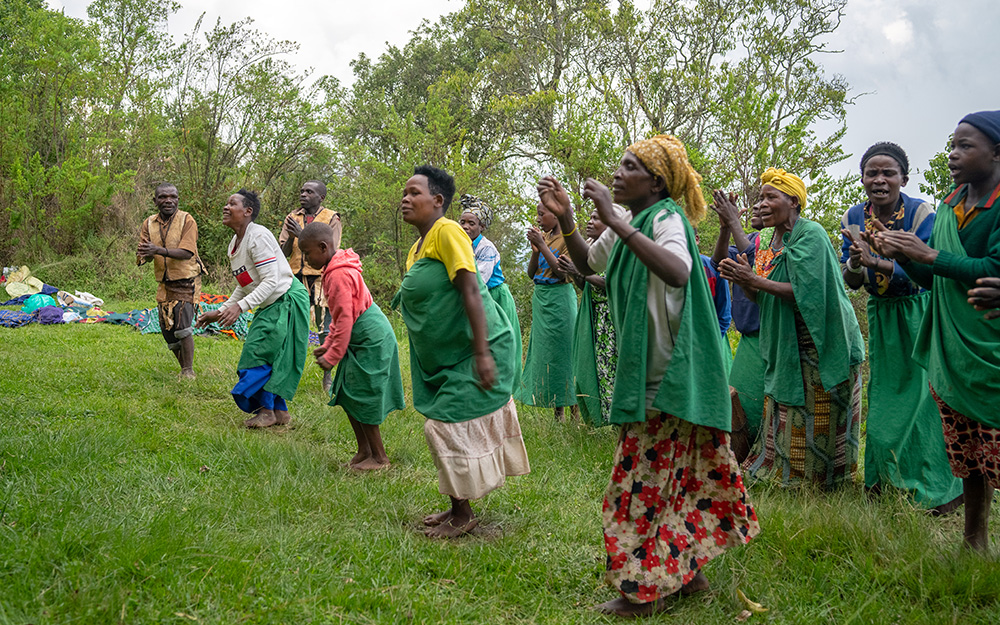
Participating in Batwa cultural experiences transforms you from a tourist into a student of ancient wisdom. These encounters often prove as emotionally powerful and memorable as the gorilla sightings themselves. During interactive sessions that feel like private tutorials from master craftsmen, Batwa guides demonstrate fire-making using traditional friction methods and explain medicinal properties of forest plants with pharmacist-level expertise.
Cultural performances include traditional songs and dances that tell stories of forest life, hunting trips, and spiritual beliefs that see the forest as a living being worthy of respect. These are not staged tourist shows; they are real expressions of Batwa culture that keep their traditions alive.
Honey-gathering demonstrations show clever ways to collect honey without harming bee colonies, using sustainable methods that even modern environmentalists are just starting to appreciate. Plant-gathering walks highlight the Batwa’s deep botanical knowledge, showing how they thrived in one of the world’s richest ecosystems through observation, experience, and wisdom.
Planning Your Gorilla Trekking Adventure: Step-by-Step Guide
Step 1: Choose Your Destination and Sector
Selecting the right sector requires balancing fitness levels, time constraints, and desired experiences. Each area offers unique characteristics that significantly impact your adventure satisfaction.
Buhoma Sector appeals to first-time visitors seeking easier treks. Well-developed infrastructure won’t leave you exhausted before you even see a gorilla. The six families here, including the historic Mubare group, provide excellent options without extreme physical challenges.
Ruhija Sector attracts research enthusiasts interested in scientific conservation aspects. The four families here include groups actively studied by prestigious international institutions. Higher altitude and steeper terrain demand better fitness levels, but spectacular mountain views and the sense of contributing to science make every challenging step worthwhile.
Rushaga Sector offers the most diverse adventures with nine families ranging from the massive 25-member Kahungye group to intimate encounters. The world’s only habituation experiences extend encounters to four unforgettable hours.
Nkuringo Sector challenges the most adventurous trekkers with four families accessible only via demanding hikes that reward determination with dramatic volcanic vistas.
Mgahinga appeals to visitors seeking volcanic scenery and tracking nomadic families who cross international borders, like casual neighborhood strolls.
Step 2: Permits and Bookings
Gorilla permits represent your golden ticket to wildlife tourism’s most exclusive experience. Understanding the booking process can mean the difference between adventure and disappointment. Uganda currently offers 200 daily permits across all families: 192 for Bwindi’s 24 families (8 permits per family) and 8 permits for Mgahinga’s single nomadic family.
Current pricing shows Uganda’s massive competitive advantage:
- Foreign non-residents: $800
- Foreign residents: $700
- East African citizens: UGX 300,000
The system operates on a first-come, first-served basis. Peak seasons (June-September and December-February) require booking 3-6 months in advance.
Permits include park entrance fees, expert ranger guide services, and your precious one-hour gorilla encounter. They exclude transportation, accommodation, essential porter fees, and additional activities. Permits are strictly non-refundable, making careful planning essential.
Step 3: Best Time to Visit
Uganda’s equatorial location means year-round gorilla trekking is possible, but seasonal variations dramatically impact trail conditions and overall experience quality.
The dry seasons (June-August and December-February) are the most comfortable for trekking, with less rain, more stable trails, and better chances for clear photos. Gorillas often stay near water sources, making them easier to find and sometimes shortening treks. However, these months are popular, so accommodation costs are higher and there are more visitors.
The wet seasons (March-May and September-November) bring both challenges and rewards. Afternoon rains make trails muddier and trekking harder, so you’ll need good gear and fitness. On the plus side, the forests become lush and full of flowers. Fewer visitors mean more personal experiences and better chances to book top accommodations, often at lower prices.
Step 4: Transportation and Logistics
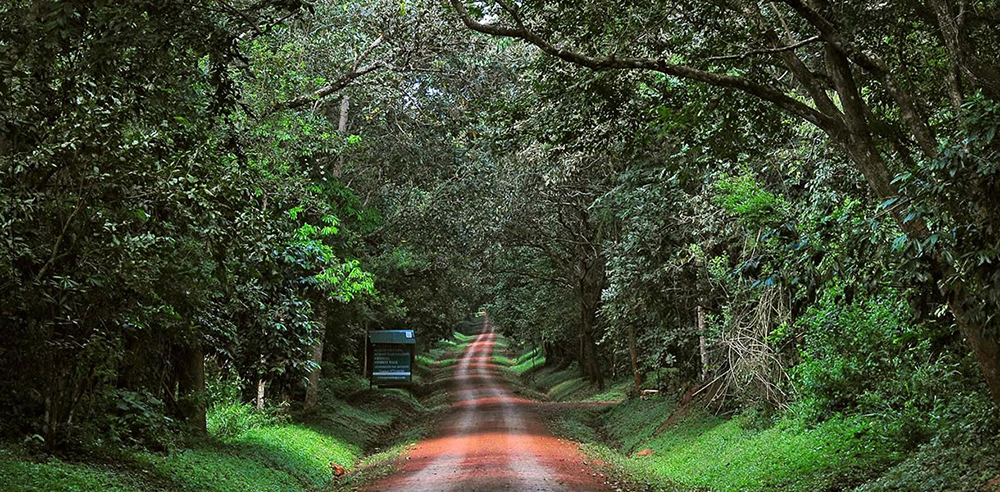
Getting to these remote gorilla parks requires careful planning, balancing comfort, time, and budget considerations while ensuring you arrive rested and ready for adventure.
Most international visitors arrive at Entebbe International Airport, 40 kilometers from Kampala. Then you face the crucial decision of continuing via domestic flights, road transfers, or a combination of approaches.
Domestic flights to Kihihi Airstrip (serving Buhoma and Rushaga sectors) or Kisoro Airstrip (serving Nkuringo and Mgahinga) reduce total travel time to just 1.5 hours compared to grueling 8-10 hour road journeys. These scheduled flights operate daily during peak season, providing spectacular aerial views of Uganda’s diverse landscapes.
Traveling by road lets you see Uganda’s real diversity up close. You’ll pass through traditional villages, fertile farmlands, and changing landscapes that help you understand the country’s conservation challenges and successes.
Step 5: Physical Preparation and Packing
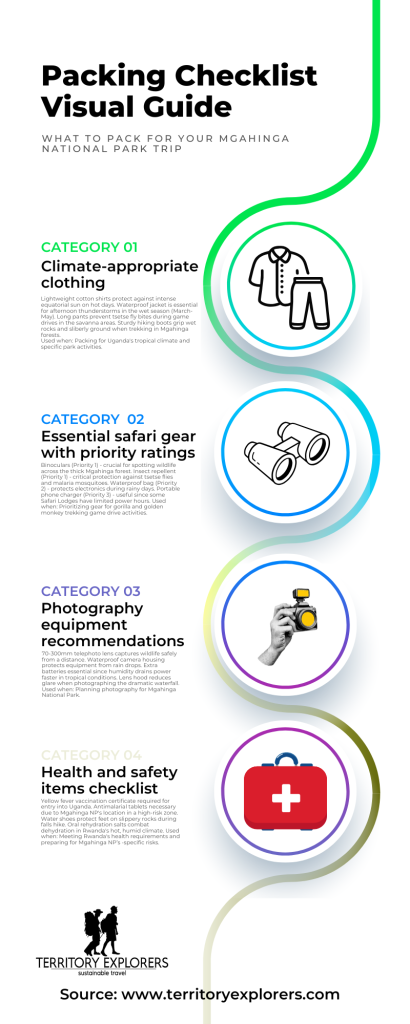
Proper preparation ensures that physical challenges enhance rather than overshadow your gorilla experience. Gorilla trekking demands moderate to good fitness levels depending on your chosen sector. Almost anyone with reasonable health can successfully complete these treks with proper preparation.
The activity involves hiking through dense, often muddy forest on uneven terrain at altitudes ranging from 1,500 to 4,000 meters above sea level while carrying a daypack with essential gear.
Begin getting fit 6-8 weeks before your trip. Do cardio exercises like hiking, brisk walking, or climbing stairs to build endurance. Strengthen your legs for uphill and downhill sections. Try walking with a loaded daypack to get used to the real trekking conditions.
Essential gear includes:
- Long-sleeved shirts and pants in neutral earth-tone colors for protection against thorns, stinging nettles, and insects
- Waterproof hiking boots with excellent ankle support and aggressive tread patterns
- Gaiters to prevent thorns, leeches, and forest debris from entering boots
- Rain gear for sudden downpours
- Daypack with water, snacks, and camera equipment
Gorilla Families by Sector
Buhoma Sector: The Pioneer Experience (6 Families)
Buhoma holds the distinction of launching gorilla tourism in Uganda, with well-developed infrastructure and diverse family personalities. As the most accessible sector, with excellent road connections, it attracts first-time visitors seeking comfortable logistics alongside authentic encounters.
Notable families include:
- Mubare Gorilla Family (9 members) – Led by silverback Maraya, this historic group was the first habituated family in Bwindi (1992)
- Rushegura Gorilla Family (19 members) – Two silverbacks lead this large, peaceful group that often forages near lodges
- Habinyanja Gorilla Family (12 members) – Led by silverback Makara, known for adventurous exploration of new territories
Ruhija Sector: The Research Hub (4 Families)
Ruhija attracts visitors fascinated by the scientific aspects of gorilla conservation. The sector’s higher altitude creates more challenging but rewarding experiences, with families actively studied by international research institutions.
Key families include:
- Bitukura Gorilla Family (13 members) – Famous for multiple adult males showing exceptional cooperation
- Oruzogo Gorilla Family (10 members) – Unique for eating plants rarely consumed by other gorillas
- Mukiza Gorilla Family (15 members) – Receives daily research visits, perfect for feeling part of active conservation science.
Rushaga Sector: The Habituation Experience Hub (9 Families)
Rushaga offers the most diverse gorilla experiences available worldwide, including the famous gorilla habituation experience, which extends encounters to 4 hours.
Standout families include:
- Kahungye Gorilla Family (25 members) – The largest habituated family with an extraordinary social structure led by 5 silverbacks
- Shongi Gorilla Family (11 members) – Originally 34 members before family splits, rich in dramatic history
- Kutu Gorilla Family (20 members) – Available for 4-hour habituation experiences
Nkuringo Sector: The Southern Challenge (4 Families)
Nkuringo presents Uganda’s most physically demanding gorilla experiences, with families that regularly venture outside park boundaries.
Featured families include:
- Nkuringo Gorilla Family (12 members) – Spends 98% of time outside park boundaries, highlighting real conservation challenges.
- Bushaho Gorilla Family (10 members) – Found after an extensive search following dispersal, representing stories of perseverance
- Posho Gorilla Family (14 members) – Newest addition opened January 2024
Mgahinga Gorilla National Park (1 Family)
Nyakagezi Gorilla Family (9 members) – Led by silverback Mark, this nomadic family regularly crosses borders between Uganda, Rwanda, and DRC. Four silverbacks live peacefully together in this high-altitude bamboo environment, showcasing how gorillas lived for thousands of years before human boundaries divided their territories.
What to Expect During Your Uganda Gorilla Trek
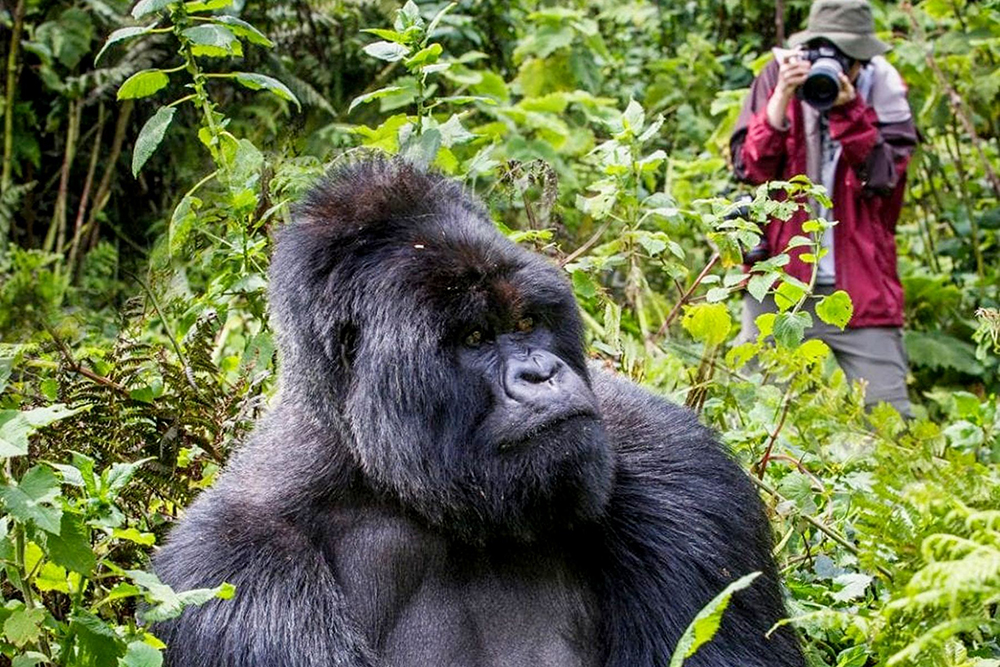
The Day Before Your Trek
Arriving at your lodge the night before gives you time for final preparations and lets you enjoy the forest atmosphere. This time of anticipation can be as memorable as the trek itself. Most lodges offer helpful briefings about the gorilla families, trek difficulty, and what gear you’ll need.
Use this time to pack your daypack carefully and charge your camera batteries. The sounds around most lodges—calls of colobus monkeys, songs of forest birds, and the rustling of night animals—create an atmosphere that connects you to the forest even before you enter the park.
Trek Day Morning: Pre-Trek Briefing
The pre-trek briefing represents the ceremonial beginning of your wildlife encounter. This gathering builds palpable excitement while ensuring everyone understands crucial rules protecting both visitors and these endangered animals. Sessions occur at park headquarters, where the atmosphere buzzes with nervous energy.
Experienced guides skillfully match trekking groups with specific gorilla families based on individual fitness levels, personal interests, and trek preferences. Briefings provide essential safety information and gorilla behavior guidelines, including maintaining a 7-meter distance from gorillas, avoiding direct eye contact with silverbacks, and moving slowly and quietly.
This is when the magic begins. Guides share fascinating insights into your assigned family’s unique histories, distinct personality traits, and recent developments, such as new births or dramatic leadership changes.
Don’t forget this crucial opportunity: the Porter assignment takes place during these briefings. Hiring these essential local community members for just $15-20 provides vital employment while significantly easing your trek.
The Trekking Experience: Into the Forest
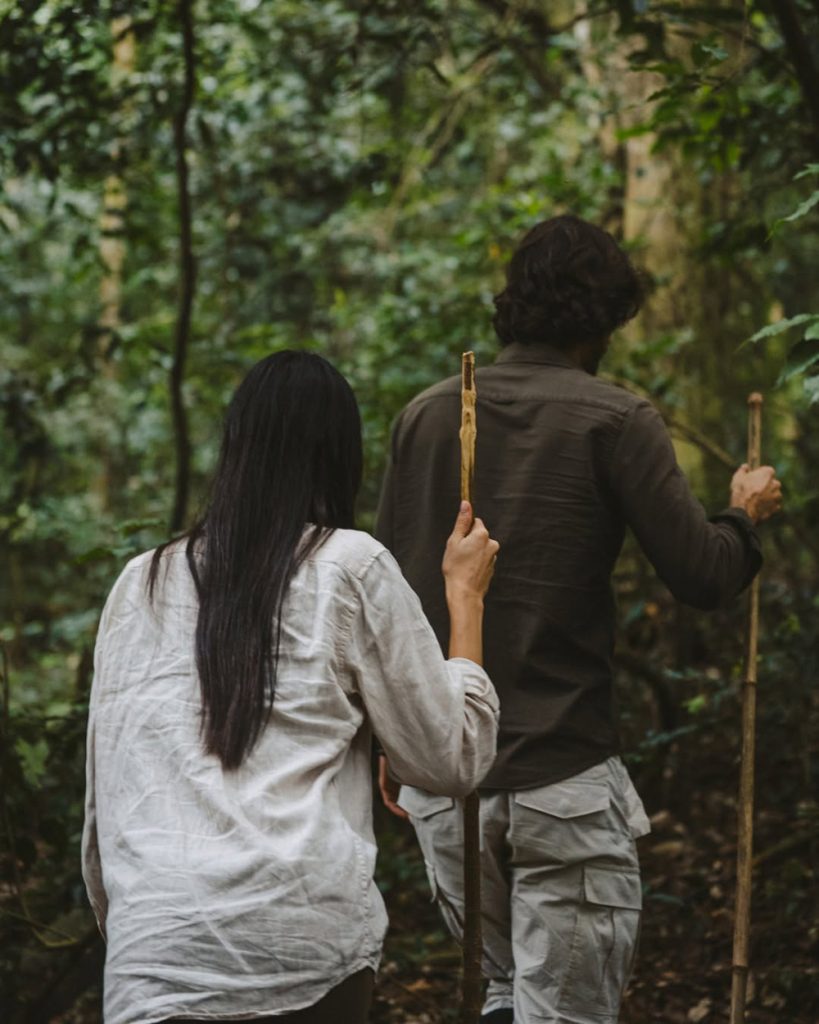
Stepping into these ancient forests creates an immediate shift in reality. The temperature drops noticeably under the dense canopy, and the air becomes thick with moisture and intoxicating earthy scents. You’ll smell decomposing vegetation, blooming tropical flowers, and that distinctive musky odor indicating recent gorilla presence.
Your expert tracker and ranger guide represent decades of combined experience, reading subtle forest signs revealing gorilla movements invisible to untrained eyes: bent vegetation showing passage routes, fresh knuckle prints, scattered feeding remains, and fresh dung piles that tell exactly how recently the family passed through.
The challenges vary dramatically depending on your assigned family’s current location. These range from gentle walks on established trails to demanding climbs through dense undergrowth where you’ll use tree roots and branches for support. Trek durations can range anywhere from one to eight hours, but the forest experience itself becomes integral to your adventure.
The Gorilla Encounter
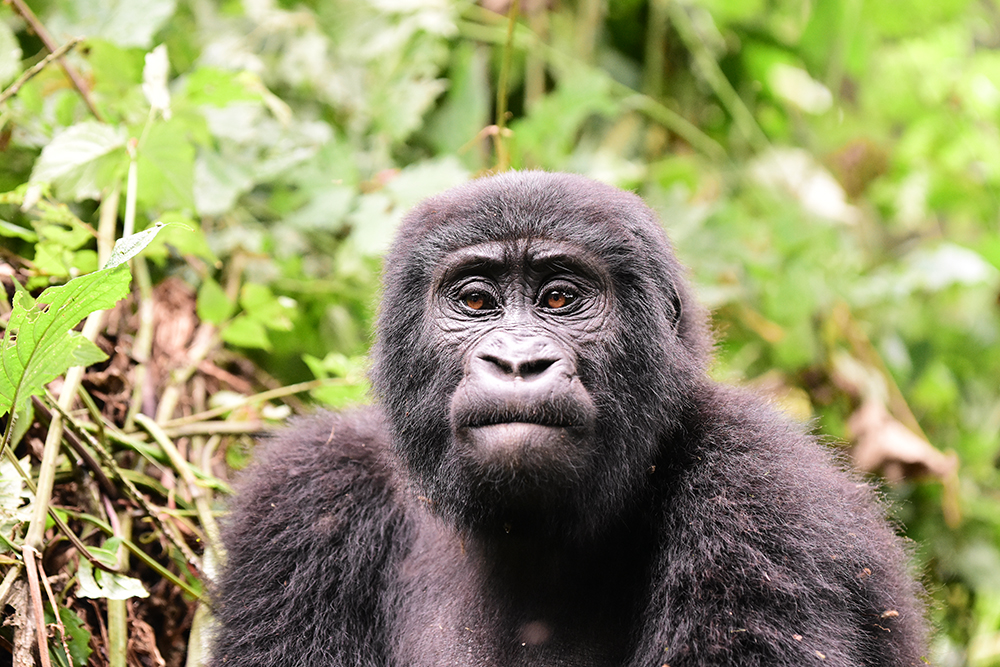
The moment your guide signals that gorillas are nearby, electrifying anticipation builds that no amount of mental preparation can fully capture. Your first glimpse of wild mountain gorillas leaves an emotional impact remembered for life.
Observing gorilla family dynamics during your allocated hour reveals remarkable similarities to human social structures. You’ll watch mothers tenderly grooming their infants, juveniles engaging in elaborate play sessions, and silverbacks maintaining watchful positions that balance protective instincts with relaxed confidence.
Photography opportunities abound, but the experience transcends picture-taking as you witness gorilla intelligence, complex emotions, and distinct personalities expressed through almost-human facial expressions, body language, and sophisticated vocalizations.
The truth is, your hour with the gorillas goes by quickly. But the memories and the strong connection you feel can stay with you for years, changing how you think about wildlife, conservation, and our place in nature.
After the Trek: Return Journey and Reflection
The return journey provides essential processing time for the intense emotional and physical experience you’ve completed. As adrenaline subsides, you realize you’ve just participated in one of Earth’s rarest and most exclusive wildlife encounters.
At park headquarters, you’ll receive a certificate that marks your entry into the small group of people who have trekked with gorillas. This personalized certificate is a special keepsake to remember your achievement.
Post-trek periods offer perfect opportunities to explore additional activities: cultural visits to Batwa communities, gentle nature walks revealing the biodiversity that supports gorilla populations, and relaxation time at forest lodges for reviewing photographs and journaling about experiences that feel almost too profound to be real.
How Gorilla Trekking Benefits Conservation
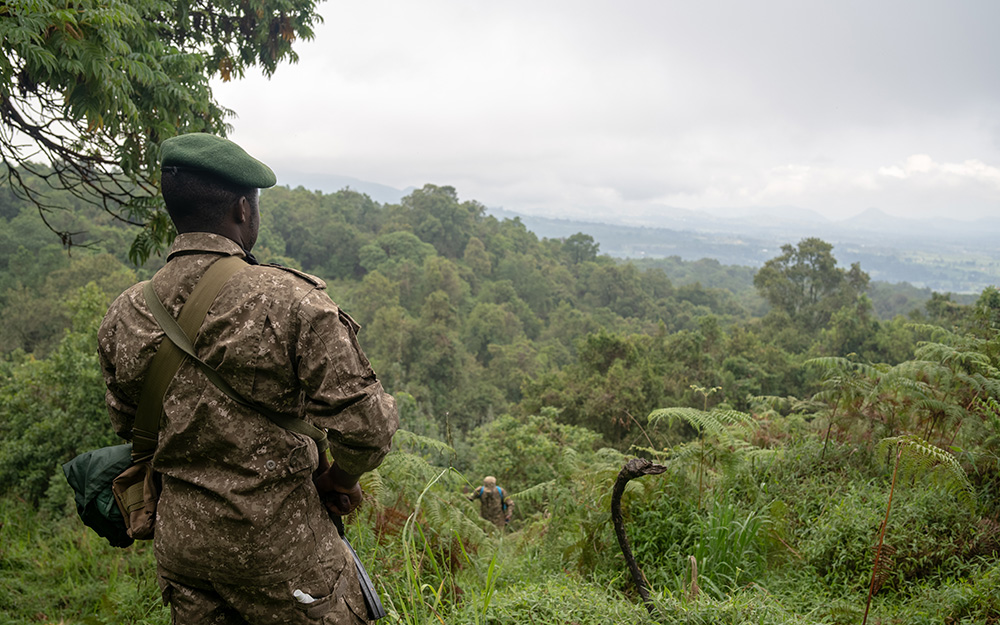
Mountain gorilla conservation represents one of wildlife protection’s greatest success stories. Your direct participation literally funds comprehensive programs that transformed these animals from critically endangered species to stable, growing populations.
Every $800 gorilla permit directly supports ranger salaries for those who risk their lives protecting gorillas from poachers, comprehensive veterinary care keeping gorilla families healthy, cutting-edge research programs advancing our understanding of gorilla behavior, and crucial community initiatives ensuring local people benefit economically from gorilla protection.
The benefits go far beyond the permit fees. Gorilla trekking tourism creates thousands of jobs in guiding, hospitality, transport, crafts, and more. This gives people alternatives to harmful activities like logging or illegal hunting.
Local communities get 20% of all permit revenue through Uganda Wildlife Authority’s revenue-sharing program. This money funds schools, health centers, and infrastructure, showing the real benefits of protecting wildlife instead of exploiting it.
Tourism’s presence also funds crucial research and monitoring programs, providing constant eyes and ears to monitor gorilla families and serving as a powerful deterrent to poaching. Many current guides, trackers, and community conservation leaders once participated in activities that threatened gorilla survival but now earn sustainable incomes protecting the very animals they once hunted.
Where to Stay: Accommodation Options for Every Budget
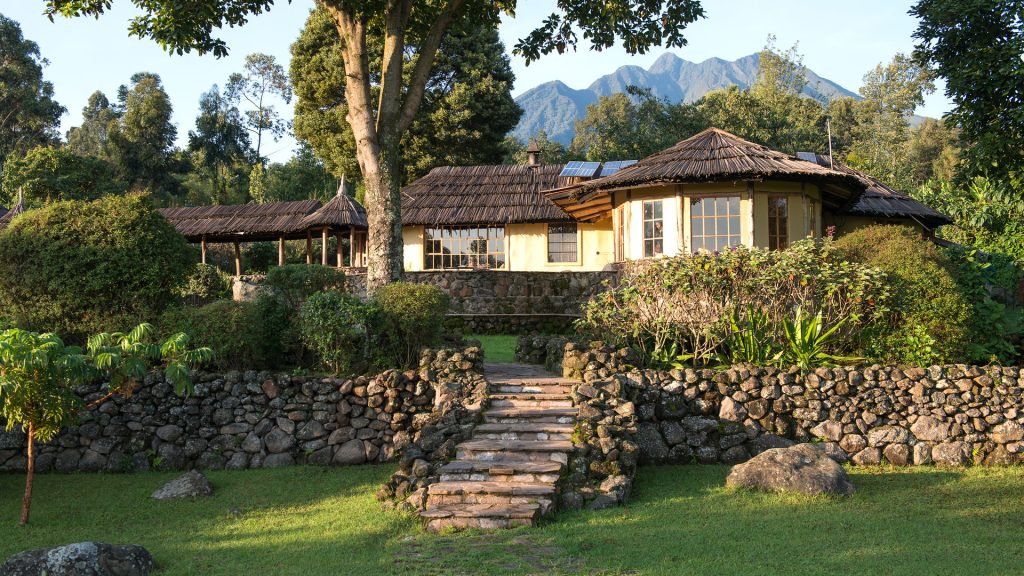
Uganda’s gorilla tourism infrastructure offers lodging options ranging from basic camping to ultra-luxury lodges. Your choice significantly impacts everything from pre-trek energy levels to post-encounter recovery comfort.
Budget Accommodation ($50-150 per night): Comfortable Basics
These options maximize your gorilla experience budget while offering authentic community connections.
Top choices include:
- Buhoma Community Rest Camp – Simple but clean bandas with communal dining, encouraging interactions with fellow trekkers
- Rushaga Gorilla Camp – Well-designed safari tents with proper beds and private bathrooms
- Ride 4 a Woman Guesthouse (Nkuringo) – Supporting women’s empowerment while providing comfortable accommodations.
Mid-Range Accommodation ($150-400 per night): Enhanced Comfort
Mid-range lodges perfectly balance enhanced comfort with authentic wilderness experiences.
Recommended properties:
- Buhoma Lodge – Comfortable cottages with private verandas overlooking forest canopy
- Ichumbi Gorilla Lodge (Rushaga) – Elevated safari tents with spectacular panoramic forest views
- Gahinga Lodge (Mgahinga) – Traditional bandas with cultural programs and a volcanic setting
Luxury Accommodation ($400+ per night): Ultimate Forest Indulgence
World-class lodges transform gorilla trekking into comprehensive luxury experiences.
Premier options:
- Sanctuary Gorilla Forest Camp – Spacious luxury tents with professional spa services within Bwindi forest
- Nkuringo Bwindi Gorilla Lodge – Individual cottages with stone fireplaces and personalized butler service
- Clouds Mountain Gorilla Lodge – Elegant stone cottages with gourmet restaurants and exclusive cultural programs
Additional Activities Beyond Gorillas
Uganda’s gorilla parks offer remarkable biodiversity, supporting numerous additional activities that transform single-purpose gorilla trips into comprehensive wildlife and cultural adventures.
Primate Encounters Beyond Gorillas
Chimpanzee trekking in nearby Kibale National Park provides fascinating comparative insights into primate behavior. Watching both species in the same trip completely changes your understanding of our evolutionary family tree, highlighting diversity among our closest living relatives.
Golden monkey trekking in Mgahinga provides unique opportunities to observe these endangered primates found exclusively in the Virunga volcanic region. Their acrobatic movements through bamboo forests and their social structures differ fascinatingly from those of both gorillas and chimpanzees.
Bird Watching Paradise
Bwindi’s 350+ bird species include 23 endemics found nowhere else on Earth, making the park rank among Africa’s premier birding destinations. Albertine Rift endemic species include the rare African green broadbill, elusive Grauer’s rush warbler, and the distinctive short-tailed warbler, representing evolutionary adaptations found only in these ancient mountain forests.
Mgahinga’s high-altitude birding offers a variety of species adapted to volcanic and bamboo forest conditions, including beautiful specialists such as the colorful Rwanda turaco and the iridescent blue-headed sunbird.
Nature Walks and Hiking Adventures
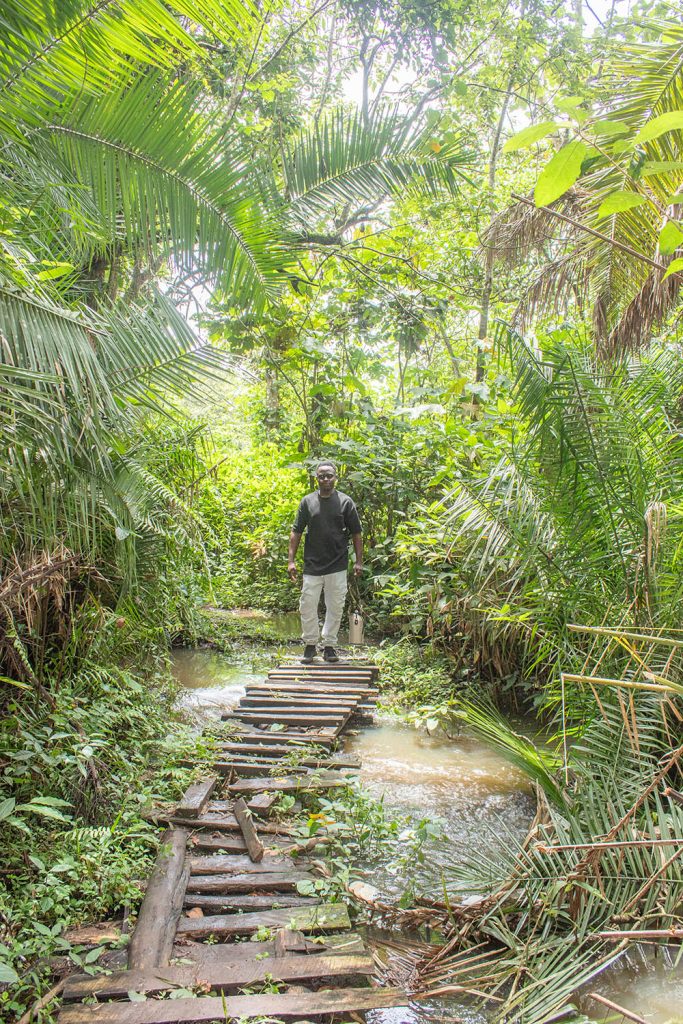
Forest nature walks provide opportunities to explore complex ecosystems without the specific focus of gorilla encounters, often revealing smaller wildlife and botanical wonders overlooked during gorilla tracking.
Waterfall hikes combine moderate physical challenges with spectacular scenery, providing excellent photography opportunities and refreshing swimming possibilities in appropriate locations.
Volcano climbing in Mgahinga offers challenging full-day adventures to summit peaks with spectacular panoramic views across the entire Virunga region. Mount Sabinyo’s unique three-country summit allows visitors to stand simultaneously in Uganda, Rwanda, and the Democratic Republic of Congo.
Adventure and excitement await you at every turn in Uganda—there’s never a shortage of incredible experiences to enjoy. You can make your gorilla trekking trip even better by visiting other amazing national parks, such as Murchison Falls, Queen Elizabeth, Lake Mburo, and Kidepo Valley.
These parks offer many activities that will make your safari even more special. Their variety adds depth and excitement, giving you a great mix of wildlife and beautiful scenery. Check the itineraries below to see how you can get the most from your safari.
Sample Itineraries
These are some of our most popular gorilla safaris, as recommended by our past travelers. Try one for yourself and create your own unforgettable adventure.
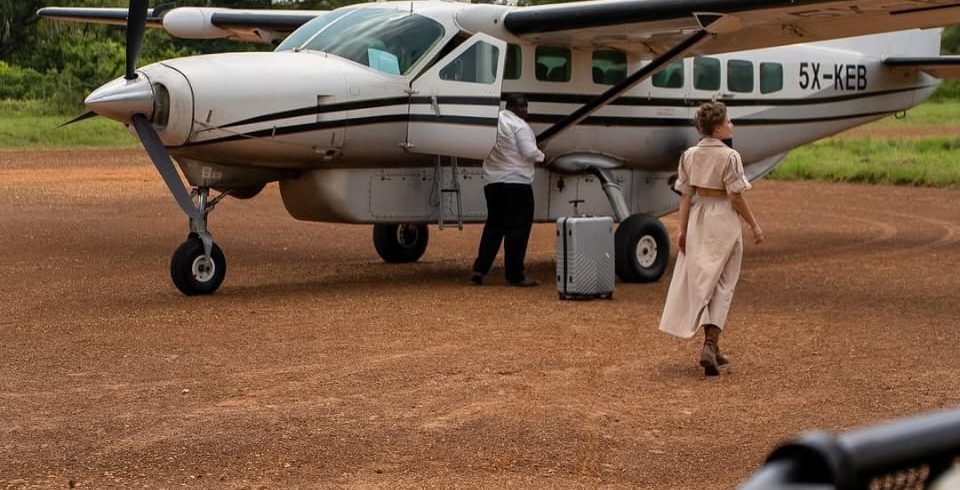
This 4-day fly-in safari is perfect for travelers who want to meet mountain gorillas in Bwindi Impenetrable National Park without…
- Jan
- Feb
- Mar
- Apr
- May
- Jun
- Jul
- Aug
- Sep
- Oct
- Nov
- Dec
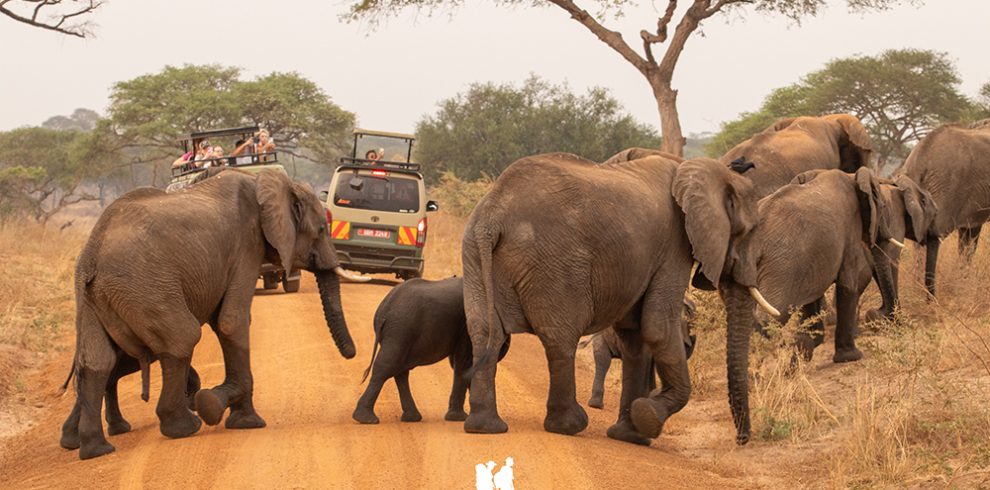
This 14-day safari explores some of Uganda's most stunning landscapes and wildlife spots, blending nature, culture, and adventure. Starting in…
- Jan
- Feb
- Mar
- Apr
- May
- Jun
- Jul
- Aug
- Sep
- Oct
- Nov
- Dec
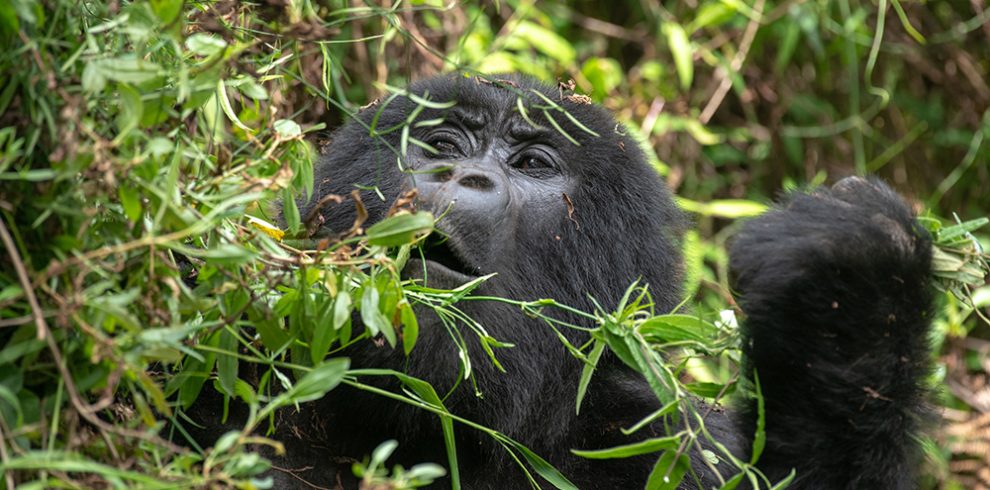
Join us for a 14-day Uganda-Kigali adventure that brings together East Africa’s top wildlife, culture, and exciting activities. You’ll visit…
- Jan
- Feb
- Mar
- Apr
- May
- Jun
- Jul
- Aug
- Sep
- Oct
- Nov
- Dec
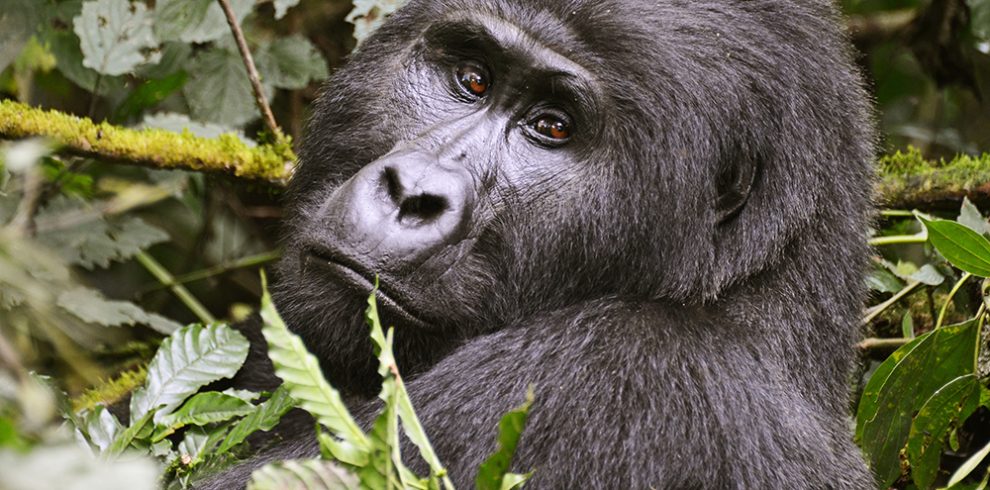
This 4-day Uganda safari starts in Kampala or Entebbe and takes you through the beautiful southwest for a memorable mountain…
- Jan
- Feb
- Mar
- Apr
- May
- Jun
- Jul
- Aug
- Sep
- Oct
- Nov
- Dec
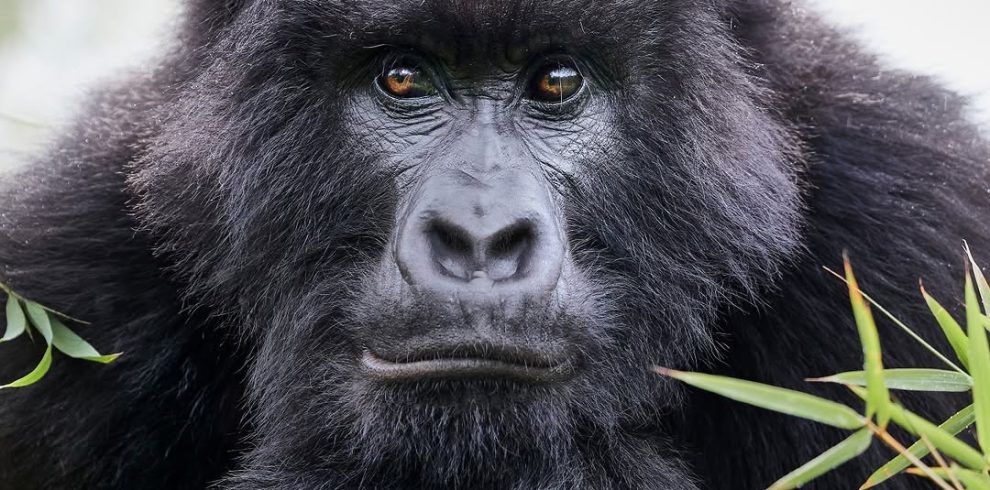
Let's take you on a 3-day gorilla safari in Uganda’s Bwindi Impenetrable Forest, where almost half of the world’s mountain…
- Jan
- Feb
- Mar
- Apr
- May
- Jun
- Jul
- Aug
- Sep
- Oct
- Nov
- Dec
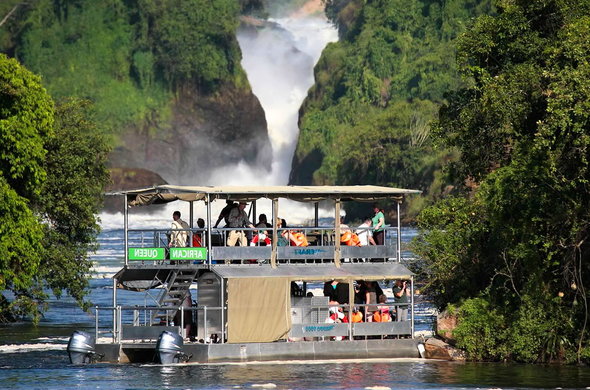
Set out on a 9-day journey across Uganda’s most famous wildlife spots, from the powerful Murchison Falls to the green…
- Jan
- Feb
- Mar
- Apr
- May
- Jun
- Jul
- Aug
- Sep
- Oct
- Nov
- Dec
Photography Experience
Photographing mountain gorillas is a real test for any wildlife photographer. You’ll face tough conditions with low light in the forest and must also think about the ethics of photographing endangered animals.
The dense forest brings its own challenges: light changes all the time, humidity can fog your lenses, and thick plants often block your view just as gorillas strike the perfect pose.
Equipment recommendations:
- Mirrorless cameras for weight advantages and whisper-quiet operation
- Versatile 24-70mm f/2.8 lens for the majority of scenarios
- 70-200mm f/2.8 telephoto lens for respectful distant shots
- Fast memory cards and multiple extra batteries
- Weather protection for humid conditions
Ethical photography principles:
- Flash photography remains strictly prohibited.
- The mandatory 7-meter minimum distance requires telephoto lenses.
- Focus on eyes for powerful emotional connections.
- Watch for interesting behaviors that tell stories about gorilla family life.
- Be patient and wait for those magical moments when sunlight filters through the forest and lights up the scene in a dramatic way.
Costs and Budgeting Your Gorilla Adventure
Understanding the complete financial picture helps plan comprehensive budgets, ensuring comfortable experiences while maximizing value from this genuine investment.
Permit pricing:
- Foreign non-residents: $800
- Foreign residents: $700
- East African citizens: UGX 300,000
- Habituation experience (Rushaga Sector only): $1,500 (extends encounter to four hours)
Accommodation costs:
- Budget options: $50-150/night
- Mid-range lodges: $150-400/night
- Luxury experiences: $400+/night
Transportation:
- Domestic flights: $200-400 per person
- Road transfers: $100-300 per person
- Private vehicle hire: Higher cost but maximum flexibility
Additional expenses:
- Porter fees: $15-20 per trek
- Guide tips (Optional): $10-20 per day
- Park entrance fees for additional activities: $40-100
- Meals outside accommodation: $10-50 per day
Gorilla Trekking Safari budget estimates:
- Budget-conscious travelers: $1,200-2,000 per person
- Mid-range experiences: $2,000-4,000 per person
- Luxury experiences: $4,000+ per person
Essential Tips for a Successful Gorilla Trekking Safari
A great gorilla trekking experience is about more than just being fit and having the right gear. It also means being mentally prepared, respecting local culture, and caring for the environment so both you and the gorillas benefit.
Mental and cultural preparation:
- Research the unique history of your assigned gorilla family beforehand.
- Learn basic gorilla behavior patterns and vocalizations.
- Understand your role in the broader conservation story.
During your trek:
- Follow your guide’s instructions without question.
- Maintain appropriate distances and behavior standards.
- Stay calm and move quietly even during exciting moments.
- Balance photography with pure observation for lasting memories.
Health and safety:
- Inform guides immediately of any symptoms of illness.
- Maintain proper hydration and energy levels.
- Use Leave No Trace principles to minimize your impact on the ecosystem.
- Tip your guides fairly to show appreciation for their skills and to help support local communities..
Frequently Asked Questions
The cost of gorilla trekking in Uganda starts at $800 per permit for non-resident foreigners. This makes it nearly half the price of Rwanda’s $1,500 permits. This represents incredible value for what many consider wildlife tourism’s most exclusive and emotionally powerful experience. Your permit includes park entrance fees, expert ranger guide services, and that precious one-hour gorilla encounter. It excludes transportation, accommodation, essential porter fees, and additional activities.
Total trip costs typically range from $ 1,200 to $4,000+ per person, depending on the accommodation choices you make. Budget-conscious travelers who prioritize the gorilla experience over luxury amenities can enjoy complete adventures for around $1,200- $ 2,000. Luxury experiences that combine premium accommodation with exclusive services cost $4,000+ per person but deliver truly unforgettable adventures.
The dry seasons from June-August and December-February offer the most comfortable trekking conditions. You’ll experience significantly reduced rainfall and more stable trail conditions. Choosing between seasons depends more on your personal preferences for weather versus crowds and pricing. These popular periods require advance booking 3-6 months ahead. They typically attract higher accommodation rates plus more crowds at popular locations.
Wet seasons (March-May and September-November) provide unique advantages that adventurous travelers should seriously consider. These include incredibly lush forest conditions that transform the landscape into a living green cathedral. Spectacular flowering displays create natural beauty beyond imagination. Significantly fewer crowds result in more intimate experiences. Lower accommodation rates often make luxury options accessible to travelers with mid-range budgets.
Gorilla trekking difficulty varies dramatically by sector and family location. These range from relatively manageable 2-3 hour walks on established trails to seriously challenging 6-8 hour adventures. Most experiences fall somewhere in the middle, requiring moderate fitness levels. The physical demands typically compare to hiking several miles on uneven, often muddy terrain while carrying a daypack. Porter services available for just $15-20 provide significant assistance.
The beautifully unpredictable nature of wildlife means trek durations can vary significantly from day to day. Experienced guides skillfully match visitor groups with gorilla families based on individual fitness levels and realistic assessments of physical capabilities. The physical effort required always proves worthwhile when you find yourself face-to-face with these magnificent creatures.
Gorilla trekking in Uganda takes place in two distinct national parks.
- Bwindi Impenetrable National Park hosts 24 habituated families distributed across four sectors (Buhoma, Ruhija, Rushaga, and Nkuringo). These provide an incredible diversity of experiences ranging from relatively easy walks to challenging adventures. Plus, the world’s only gorilla habituation experience, which extends encounters to 4 hours.
- Mgahinga Gorilla National Park features one fascinating nomadic family that regularly crosses international borders between Uganda, Rwanda, and the Democratic Republic of Congo. This creates unique challenges and extraordinary rewards, including dramatic volcanic scenery. Bwindi offers much more reliable availability and a wider range of options. Mgahinga provides more exclusive, unpredictable experiences when the family is present.
Uganda currently hosts over 500 mountain gorillas, representing more than half the world’s total population of approximately 1,000 individuals. This remarkable conservation achievement represents one of wildlife protection’s greatest success stories. This impressive population includes 24 habituated families in Bwindi plus one nomadic family in Mgahinga, available for carefully managed tourism. Numerous completely wild families remain unhabituated and protected.
This thriving population represents remarkable growth from the 620 critically endangered individuals counted in 1989. This was achieved through decades of dedicated protection efforts, comprehensive habitat conservation, and innovative approaches to generating tourism revenue. Current population trends show continued steady growth and healthy genetic diversity, ensuring long-term survival prospects remain positive.
Waterproof hiking boots with solid ankle support and aggressive tread patterns are absolutely essential for safe, comfortable gorilla trekking. Proper footwear can literally make the difference between a magical adventure and a miserable experience. Forest trails frequently include deep mud, multiple stream crossings, and steep, slippery sections. These require excellent traction and stability to navigate safely.
Gaiters provide crucial additional protection, preventing thorns, leeches, and forest debris from entering your boots. They offer additional protection against stinging nettles, which are commonly found throughout gorilla habitats. Break in your boots thoroughly before long hikes to prevent blisters. Seriously consider bringing comfortable backup footwear for relaxing at your lodge.
The most budget-friendly approach combines several smart strategies. Choose basic yet comfortable accommodation ($50-150/night) with clean facilities, but without luxury amenities. Utilize shared transportation options that cost significantly less than private vehicles. Book during the wet season, when accommodation rates decrease substantially while permit prices remain constant. These combined strategies can reduce total costs by 30-50%.
Budget-conscious travelers can further minimize expenses by camping when available. Choose shared transfers instead of expensive private vehicles. Select basic accommodation that provides essential comfort without unnecessary luxury. Focus spending on the gorilla experience itself. Wet-season booking offers additional savings through significantly reduced accommodation rates and fewer crowds.
Gorilla trekking costs per person in Uganda begin at $800 for the essential permit plus additional expenses. These typically bring total costs to $1,200- $ 2,000 for budget-conscious experiences. Mid-range comfort, including better accommodation and private transportation, costs $2,000- $ 4,000. Luxury experiences providing world-class accommodation and exclusive services cost $4,000+. Comprehensive planning helps maximize value while ensuring comfortable experiences.
The exclusive habituation experience costs $1,500 per permit but provides 4 precious hours with gorilla families, rather than 1 hour. This represents exceptional value for serious wildlife enthusiasts, dedicated photographers, and anyone wanting maximum time observing these remarkable animals.
Mountain gorilla trekking requires moderate fitness levels comparable to hiking 3-8 miles on challenging, uneven terrain while carrying a loaded daypack. Specific requirements vary significantly by sector choice and unpredictable gorilla family locations. Most visitors with reasonable fitness levels and proper mental preparation successfully complete their chosen treks. Beginning structured fitness preparation 6-8 weeks before travel significantly improves the travel experience.
Focus your preparation on cardiovascular fitness that builds endurance for potentially long treks. Leg strength training prepares muscles for demanding uphill climbs and controlled downhill descents. Stamina development ensures you can maintain steady progress for several hours. Porter services provide valuable assistance at a modest cost ($15-20) that substantially reduces physical demands.
Gorilla trekking duration ranges from 2 to 8 hours, depending on the current location of the gorilla family and its recent movement patterns. Most experiences last 3-5 hours total, including your precious one-hour encounter time once the gorillas are successfully located. The wonderfully unpredictable nature of wildlife means trek times vary daily based on where families spent the previous night.
The exclusive habituation experience extends your actual gorilla encounter to four incredible hours instead of one. This provides exceptional opportunities for extended observation of complex gorilla behavior. However, total day durations remain similar to those of standard treks, since habituation families are often located more quickly due to intensive daily monitoring.
Mountain gorilla trekking is a wonderful experience that’s honestly worth every penny. It’s one of those rare wildlife encounters that most people call life-changing—and they really mean it. Plus, when you go, you’re directly helping protect these amazing animals for years to come.
You get so much more than just a typical safari. You’re getting up close with gorillas in their natural habitat—something most people will never experience. The mountain scenery is absolutely stunning, you’ll meet local Batwa communities and learn about their traditions, and you’ll leave knowing your trip made a real difference for conservation. It’s the kind of experience that stays with you.
The easiest way to book your gorilla permit is through a trusted tour operator, such as Territory Explorers. They’ll handle all the paperwork and logistics so you can focus on the experience itself. If you’re thinking about going, reach out to them directly—they’ll sort out your permit, find you good places to stay, arrange transportation, and help you plan other activities around your trek.
Going with a professional operator is honestly a smart move. They’ve got backup plans ready if the weather turns or the gorillas move to a different area. Everything’s bundled together so you don’t have to stress about the details. And their local guides? They know these forests inside and out from years of experience, which means you’ll learn so much more than you would on your own.
Conclusion
Mountain gorilla trekking in Uganda is much more than ordinary wildlife tourism. It’s a story of conservation success, community growth, and personal change through close encounters with our closest relatives. By taking part, you help protect these amazing animals and support local people.
The memories you make during your gorilla trek will stay with you for years. Your visit also helps global conservation efforts that rely on tourism. Every visitor becomes an ambassador for gorilla protection, sharing their experiences and inspiring others to care about conservation.
Uganda’s 26 habituated gorilla families are ready to welcome you. Each family has its own personality, behaviors, and stories, showing the intelligence and emotional depth that make mountain gorillas so special. Your adventure starts with the simple choice to take part in this amazing experience.
Get in touch with Territory Explorers today to start planning your gorilla trekking safari in Uganda’s misty mountains, where gorillas have survived against the odds. They are living symbols of conservation and hope for endangered species everywhere. Your adventure is waiting in Uganda’s ancient forests, where every step brings you closer to understanding why gorilla encounters are so life-changing.