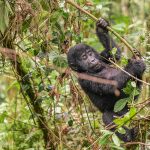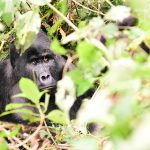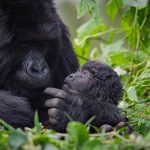

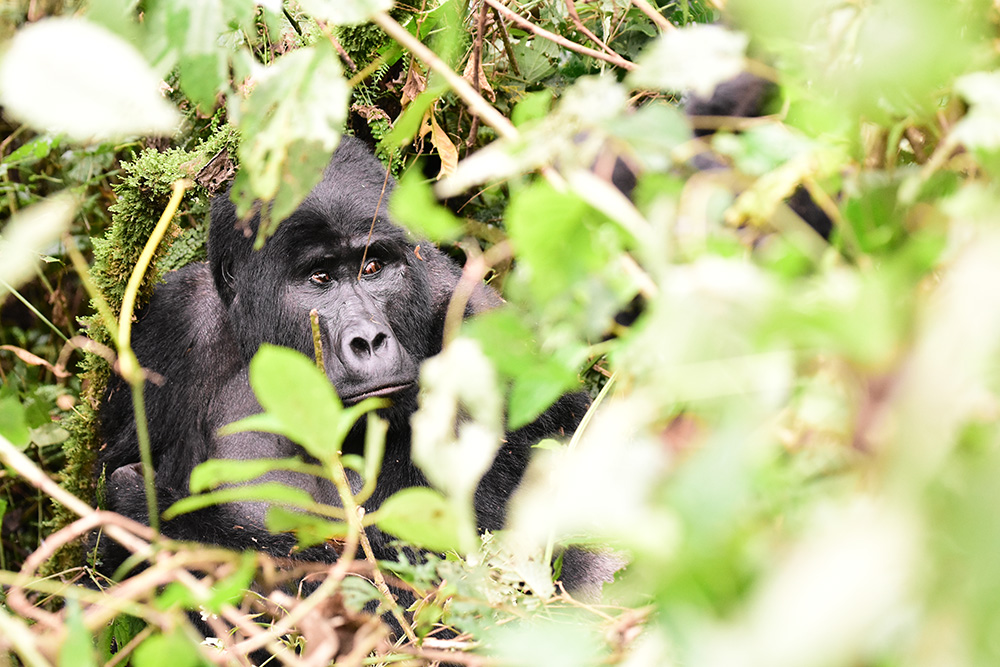
If you’re hoping to see mountain gorillas up close, the first thing to know is the cost of a permit. In 2026, permits for international visitors cost $800, so it’s important to carefully consider this investment. There’s more to it than just the price, though. You’ll want to know what the permit covers, how Uganda’s fees compare to Rwanda and the DRC, what your overall trip budget should be, and how to book without making expensive errors. Let’s break down the details.
Key Takeaways:
• Permit Pricing: As of 2025, international adults pay $800 USD for a gorilla trekking permit in Uganda. Foreign residents pay $700 USD, East African Community citizens pay 300,000 UGX, and other African citizens pay $500. Uganda is more affordable than Rwanda ($1,500) and slightly higher than DRC ($400).
• Two Primary Destinations: In Uganda, you can only go gorilla trekking at Bwindi Impenetrable National Park (which has four sectors: Buhoma, Rushaga, Ruhija, and Nkuringo) and Mgahinga Gorilla National Park. Most of Uganda’s habituated mountain gorillas live in Bwindi, spread across 19 family groups.
• Total Trip Investment: A typical mid-range gorilla trekking trip in Uganda costs about $3,000 to $5,000 per person, covering your permit, accommodation, meals, and local transport. Uganda gives you great value for money and an unforgettable wildlife experience.
• How to Book: You need to book your permit ahead of time through the Uganda Wildlife Authority or a registered tour operator like Territory Explorers. Depending on the season and park sector, booking can take 2 to 8 weeks.
Understanding Gorilla Trekking Permits in Uganda: Current Pricing & What You’re Paying For
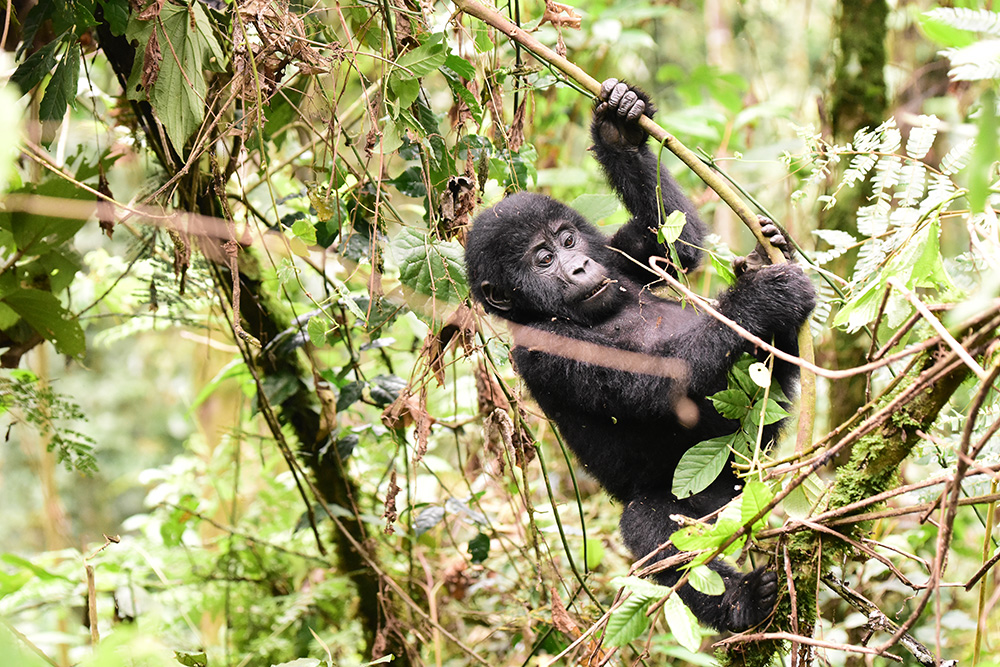
Getting a gorilla trekking permit in Uganda gives you access to one of Africa’s most memorable wildlife experiences. The $800 price for international adults (as of 2025) helps fund important conservation work to protect these animals. Many travelers wonder what this fee covers, and the answer is more rewarding than most expect.
When you buy a gorilla trekking permit in Uganda, you’re supporting years of work: training rangers, building park facilities, and running community conservation programs. These efforts have helped save mountain gorillas from extinction.
Your permit covers a guided trek with an experienced ranger, park entry, and one hour with the gorillas. The fee also supports anti-poaching, gorilla research, and community programs, giving locals reasons to protect gorilla habitats instead of clearing them for farming.
Permit Pricing Breakdown by Visitor Category:
• International adult visitors pay the full rate of $800
• Foreign Residents in Uganda pay $700 USD
• East African Community Citizens pay 300,000 UGX
• Rest of African Citizens pay $500 per permit
If you are a filmmaker or professional photographer who needs more time with the gorillas, you can get special permits at higher rates. These must be arranged in advance with the Uganda Wildlife Authority and cost extra.
Permit fees are set to balance conservation needs and visitor access. In 2020, international permits cost $700, but the price rose to $800 to cover higher conservation and operating costs. Rwanda charges $1,500, and the DRC charges about $400–$450. Uganda’s price offers good value for what you get.
What Your Permit Actually Includes
Your $800 permit includes a guided trek with expert rangers, park entry to Bwindi or Mgahinga, help from trackers who find the gorillas before you arrive, and one hour with the gorillas. You’ll also get a certificate to remember your trek.
The permit does not cover transport to and from the park, accommodation, meals, porter services (which cost $15–$20 and are highly recommended), tips, or extra activities. Think of the permit as your ticket to see the gorillas, with everything else as part of your overall adventure.
Where Gorilla Trekking Happens in Uganda
Gorilla trekking in Uganda is available exclusively in two protected areas in the country’s southwestern region.
Bwindi Impenetrable National Park
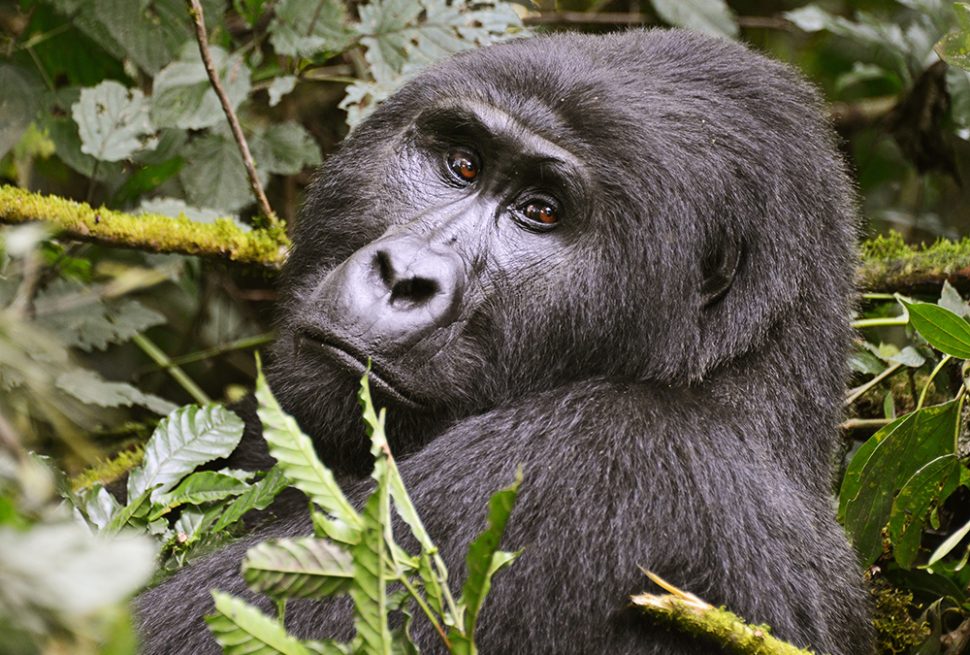
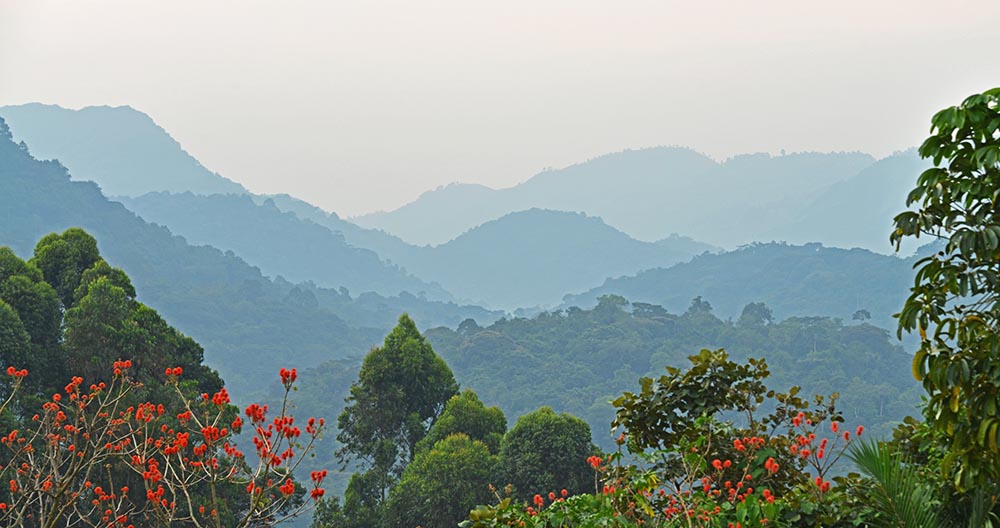
Bwindi Impenetrable National Park stands as Africa’s most important gorilla sanctuary, home to nearly half of the world’s remaining mountain gorillas—approximately 459 individuals as of the latest census. Located in southwestern Uganda near the border with Rwanda and the Democratic Republic of Congo, this 331-square-kilometer park represents one of the oldest and most biodiverse rainforests on the continent.
The park is divided into four distinct trekking sectors: Buhoma (northern sector, most accessible), Rushaga (southern sector, more adventurous), Ruhija (eastern sector, balanced experience), and Nkuringo (remote southern sector, most challenging). Each sector offers different trek experiences and levels of difficulty, with 17 habituated gorilla families spread across these areas.
Bwindi’s name reflects its dense, impenetrable vegetation, though trained guides have carved sustainable trekking routes that allow visitors to navigate the forest without damaging this precious ecosystem. Park statistics show a 99% gorilla sighting success rate, meaning you’re virtually guaranteed to encounter these magnificent primates.
Mgahinga Gorilla National Park
Mgahinga Gorilla National Park is about 20 kilometers from the Rwanda border in southwestern Uganda. It’s smaller and easier to reach than Bwindi, making it a good choice for travelers with limited time or mobility who still want a real gorilla experience.
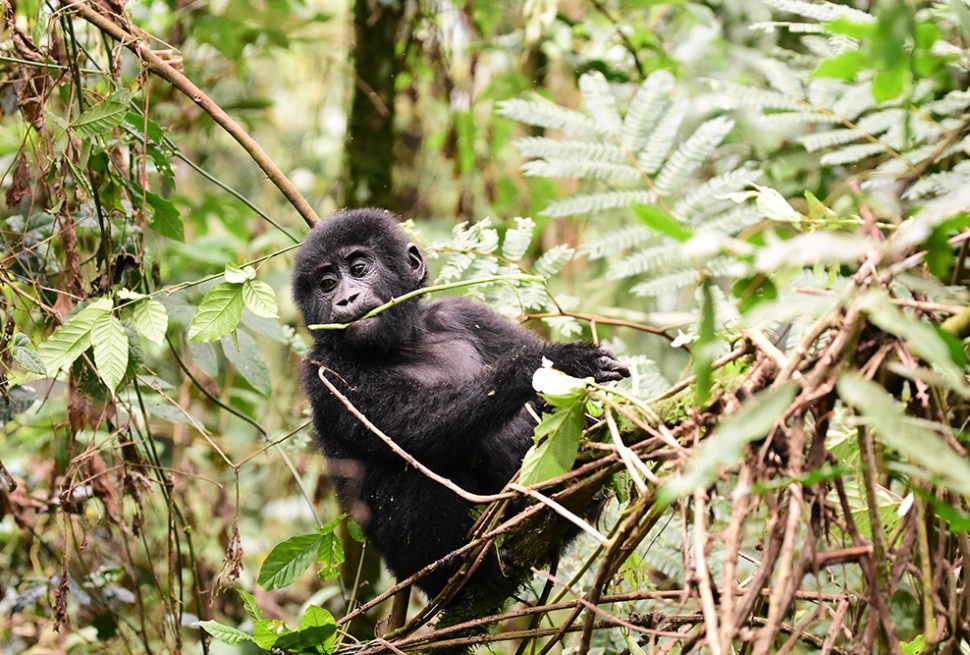
Mgahinga has one habituated gorilla family for trekking, the Nyakagezi group (about 9–11 gorillas). If you visit, you’ll trek with this family. Treks usually take 2–4 hours and the terrain is more moderate than in some parts of Bwindi.
Permits cost the same as in Bwindi—$800 for international adults—but the experience in Mgahinga feels more personal because there is only one gorilla family and fewer visitors.
How to Book Your Uganda Gorilla Permit
How Many Gorilla Permits Are Issued Daily?
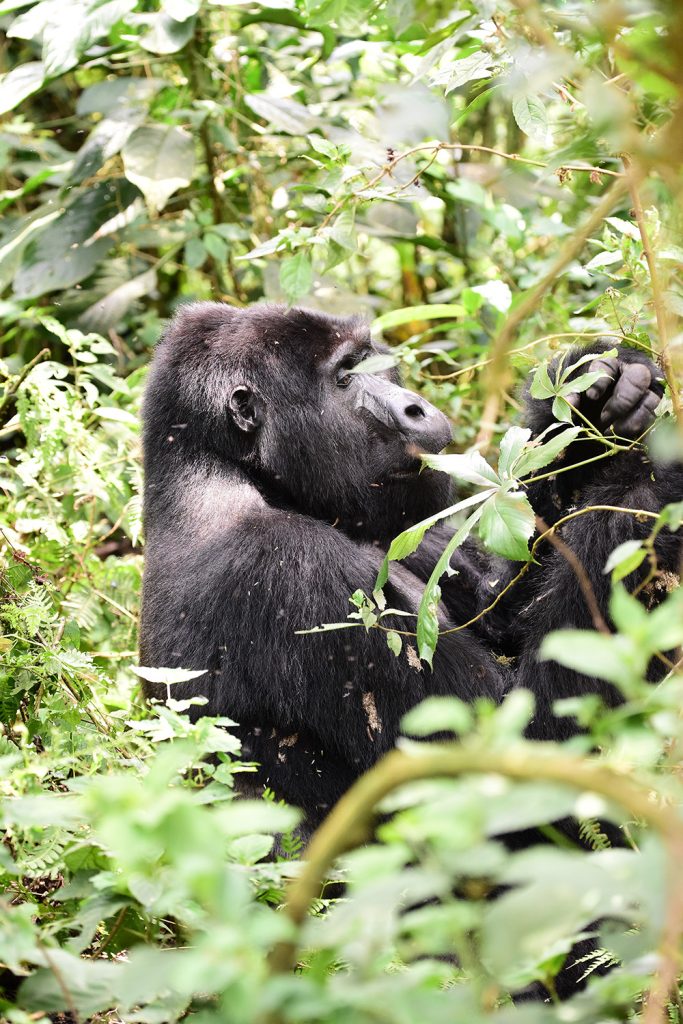
Uganda strictly limits gorilla trekking permits to protect habituated families from excessive human contact. Just 8 permits are issued daily per habituated gorilla family.
Bwindi has 17 habituated families, which means a maximum of approximately 136 daily permits across the entire park. Actual numbers vary based on ranger availability and family condition. Mgahinga issues up to 8 daily permits for the Nyakagezi family.
Because of these strict limits, permits are in high demand during peak seasons. It’s almost impossible to get one without booking ahead for June–August and December–February.
The Booking Process and Timeline
Gorilla trekking permits must be booked through the Uganda Wildlife Authority (UWA) or registered tour operators. Booking lead times range from 2 to 8 weeks, depending on the season.
Peak season (June-August, December-February) requires 8-12 weeks’ advance booking to guarantee availability. Shoulder seasons (April-May, October-November) allow 4-6 week lead times. The genuinely quiet seasons (March, September) sometimes permit booking with just 2-3 weeks’ notice.
You can buy permits directly online at the UWA website. However, many travelers prefer using tour operators, who make the process easier and can arrange their accommodation, transport, and extra activities as part of a package.
Official Booking Channels
The only official issuer of gorilla permits in Uganda is the Uganda Wildlife Authority (UWA), the government agency responsible for wildlife conservation and tourism. You can book directly through their office in Kampala or via their website, but most international travelers book through registered tour operators who act as intermediaries.
Why use a tour operator instead of booking directly? Registered operators have established relationships with UWA and can check availability faster; they handle the entire payment process and paperwork; they create comprehensive packages including accommodations and transportation; they provide valuable ground support if issues arise; and they offer expert advice on logistics you might not consider.
Territory Explorers, for instance, specializes in designing life-changing gorilla trekking experiences that go far beyond simply securing your permit—they craft entire journeys tailored to your interests and budget.
Payment Methods and Confirmation
Payment options have improved, but international bank transfers are still the main way to pay UWA directly. Most tour operators accept credit cards and other methods, though there may be a 2–4% processing fee. You need to pay in full to secure your permit.
Once your payment is processed (usually in 2–5 business days), you’ll get a confirmation with your permit number, date, park sector, and booking reference. Keep this safe—you’ll need it and your passport on trek day. Permits are non-transferable and linked to your name and date of issue.
Cancellation and Refund Policies
Life happens, and sometimes trip plans change—but gorilla permit cancellations are subject to strict policies. If you cancel more than 90 days before your trek date, you may be eligible for a full refund minus processing fees (typically 10%). Cancellations between 56 and 89 days before the trek typically result in a 50% refund. Cancellations less than 56 days before your trek date usually result in no refund at all—you forfeit the entire $800. Please note that deposits are not refundable. You can only receive a refund if you have paid the full amount.
If you are sick with something contagious on trek day, UWA may let you reschedule if you have a doctor’s note, since gorilla health comes first. Make sure you have travel insurance that covers adventure activities and cancellations—it’s very important.
Health Requirements for Trekking
Uganda requires visitors to present proof of yellow fever vaccination upon entry. This is genuinely mandatory and has been verified by immigration. Regarding gorilla-specific health protocols: visitors with colds, flu, or respiratory infections are typically denied trekking. This protects gorillas from human pathogens. Gorillas are genetically close to humans and are susceptible to our diseases. This is a genuine conservation requirement that takes precedence over individual inconvenience.
On the day of your trek, park staff will check your temperature and ask about symptoms. They can stop anyone from trekking if their health could put the gorillas at risk.
Total Cost Breakdown: Budgeting Your Gorilla Trekking Adventure
The Permit: Your Biggest Single Expense
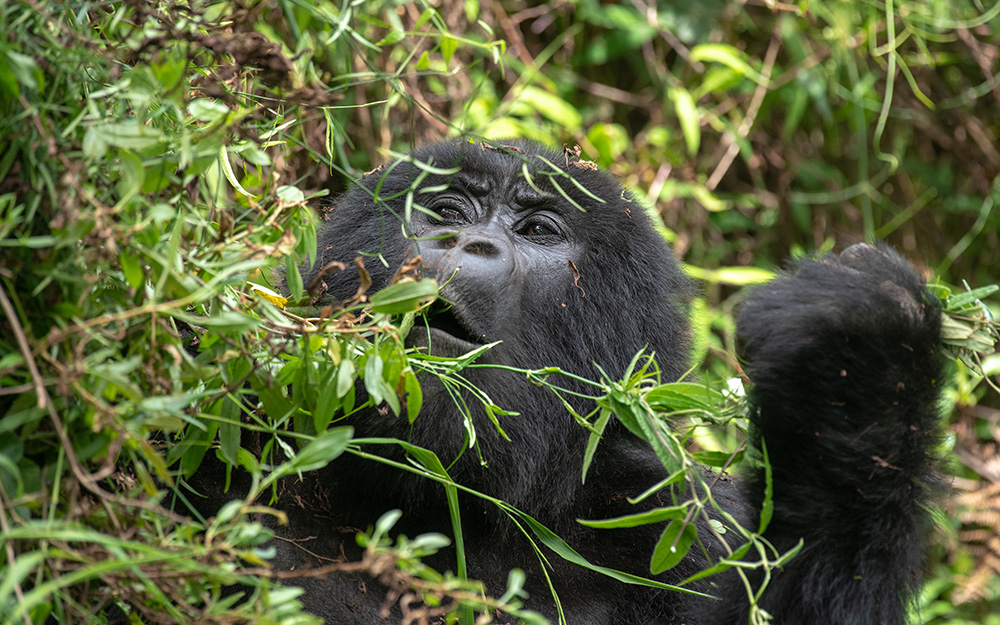
The $800 permit is about 25–35% of your total cost for a typical 3–4 day gorilla trekking trip. It’s a required expense, but it’s more than just a fee—it’s an investment in conservation that helps protect gorillas and supports local communities.
Budget-Conscious Itinerary ($2,500-$3,500 per person)
A budget-focused gorilla trekking trip minimizes costs through guesthouse accommodation ($30-50/night), shared transportation with other travelers, simple local meals, and focusing exclusively on gorilla trekking without supplementary activities.
This option is great for younger travelers, gap year adventurers, or anyone who cares more about seeing gorillas than having extra comforts. You might give up some comfort, but you’ll still have the same amazing gorilla experience as those on luxury trips.
Budget Breakdown:
• Gorilla permit: $800
• Accommodation (3 nights at $40/night): $120
• Shared transportation: $150-200
• Meals and dining: $100-150
• Porter & tips: $40-60
• Miscellaneous: $100-150
• Total: $1,310-1,480 (park component)
• Add international flights and Kampala accommodation: $2,500-3,500 total
Mid-Range Experience ($3,500-$6,000 per person)
Mid-range itineraries combine comfortable mid-range lodge accommodation ($100-150/night) with private or semi-private transportation, good-quality meals, and typically include one supplementary activity, such as chimpanzee trekking or a game drive.
Most international visitors choose this option. It offers a good balance of comfort, price, and a real gorilla trekking experience.
Mid-Range Breakdown:
• Gorilla permit: $800
• Accommodation (4 nights at $120/night): $480
• Private transportation and fuel: $300-400
• Meals and dining: $300-400
• Porter & tips: $50-80
• Miscellaneous: $150-200
• Total: $2,080-2,360 (park component)
• Add international flights and extras: $3,500-5,500 total
Luxury Experiences ($6,000-$12,000+ per person)
Premium itineraries feature high-end eco-lodge accommodation ($250-500+/night), private transportation with experienced drivers, gourmet meals, spa facilities, and multiple supplementary activities including chimpanzee trekking, game drives, and boat safaris.
Luxury trips may include extras like helicopter transfers, photography guidance, and permits for specific gorilla families. These trips focus on comfort and create unforgettable experiences.
Luxury Breakdown:
• Gorilla permit: $800
• Luxury accommodation (4 nights at $400/night): $1,600
• Premium private transfers: $500-700
• Gourmet dining experiences: $400-600
• Porter, tips & extras: $150-250
• Supplementary activities: $400-800
• Total: $3,850-4,750 (park component)
• Add international flights and extras: $6,000-12,000+ total
Sample Itineraries
Here are some of our top packages that include gorilla trekking. Take a look and find the one that matches your interests and sense of adventure. These are favorites among our travelers.
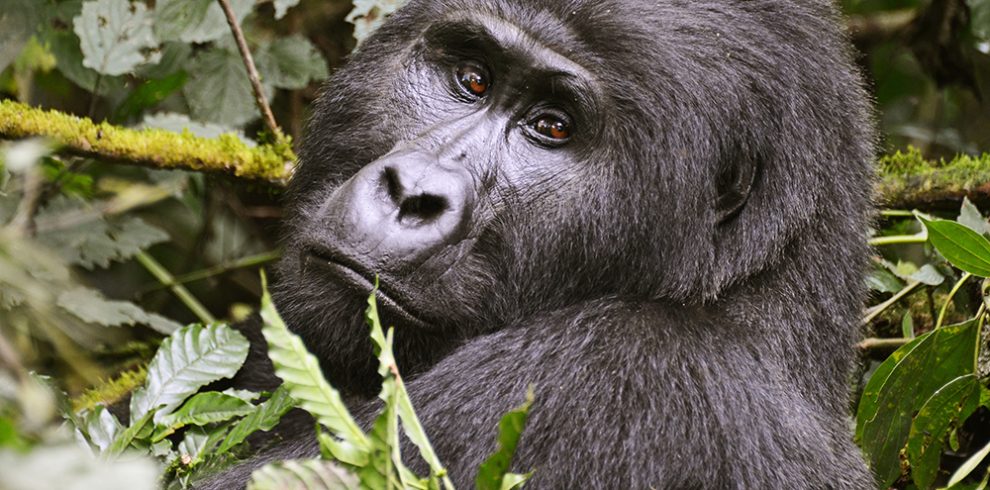
This 4-day Uganda safari starts in Kampala or Entebbe and takes you through the beautiful southwest for a memorable mountain…
- Jan
- Feb
- Mar
- Apr
- May
- Jun
- Jul
- Aug
- Sep
- Oct
- Nov
- Dec
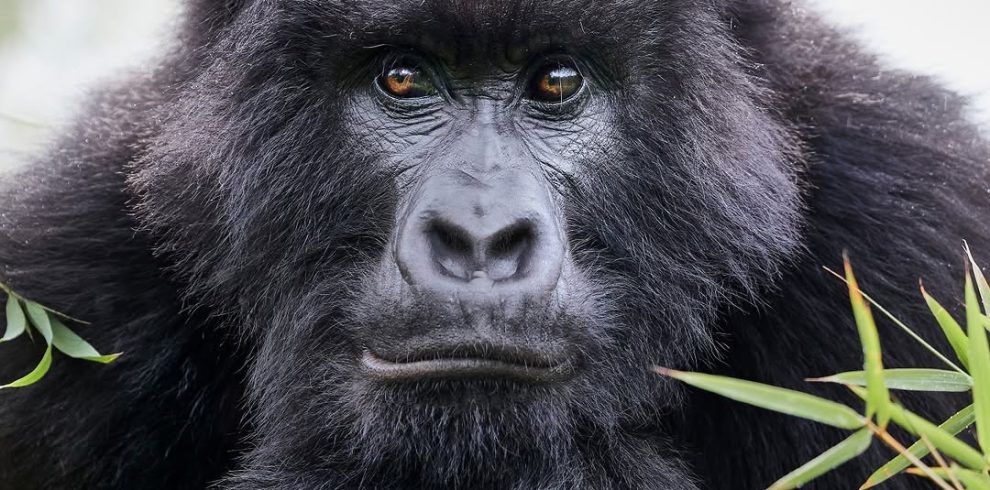
Let's take you on a 3-day gorilla safari in Uganda’s Bwindi Impenetrable Forest, where almost half of the world’s mountain…
- Jan
- Feb
- Mar
- Apr
- May
- Jun
- Jul
- Aug
- Sep
- Oct
- Nov
- Dec
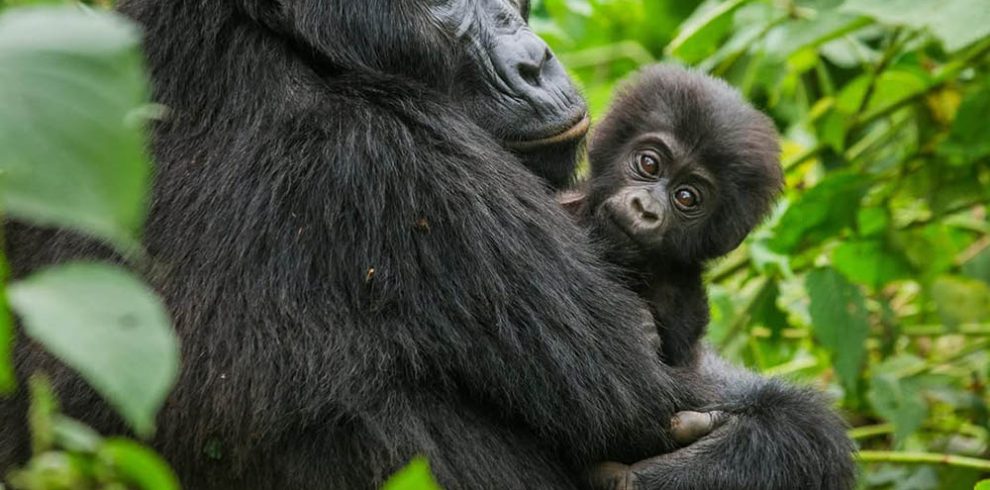
Join us for a memorable 5-day trip through Uganda’s green highlands and vibrant cultural sites. You’ll start in Entebbe, visit…
- Jan
- Feb
- Mar
- Apr
- May
- Jun
- Jul
- Aug
- Sep
- Oct
- Nov
- Dec
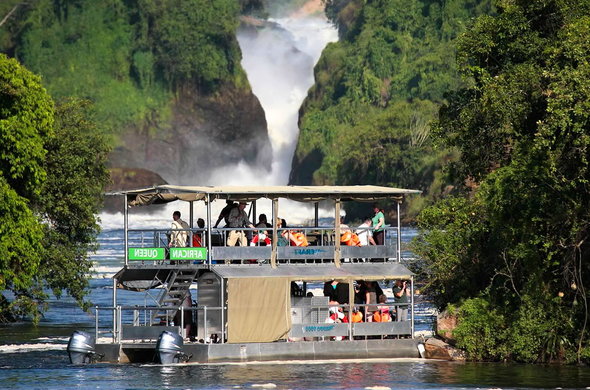
Set out on a 9-day journey across Uganda’s most famous wildlife spots, from the powerful Murchison Falls to the green…
- Jan
- Feb
- Mar
- Apr
- May
- Jun
- Jul
- Aug
- Sep
- Oct
- Nov
- Dec
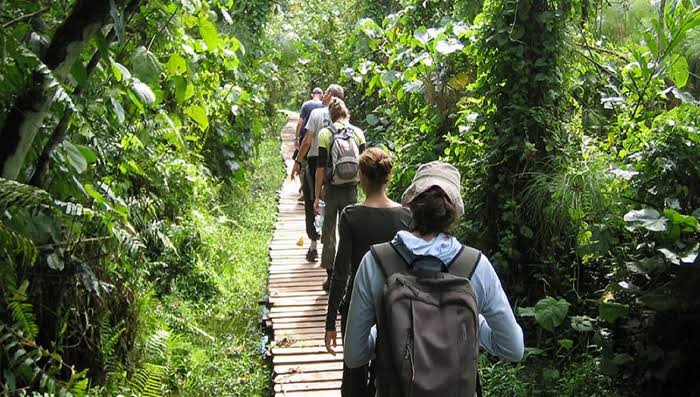
This 16-day expedition gives you the complete Uganda experience — from the thundering Murchison Falls to the misty jungles of…
- Jan
- Feb
- Mar
- Apr
- May
- Jun
- Jul
- Aug
- Sep
- Oct
- Nov
- Dec
Ways to Maximize Value Without Sacrificing Quality
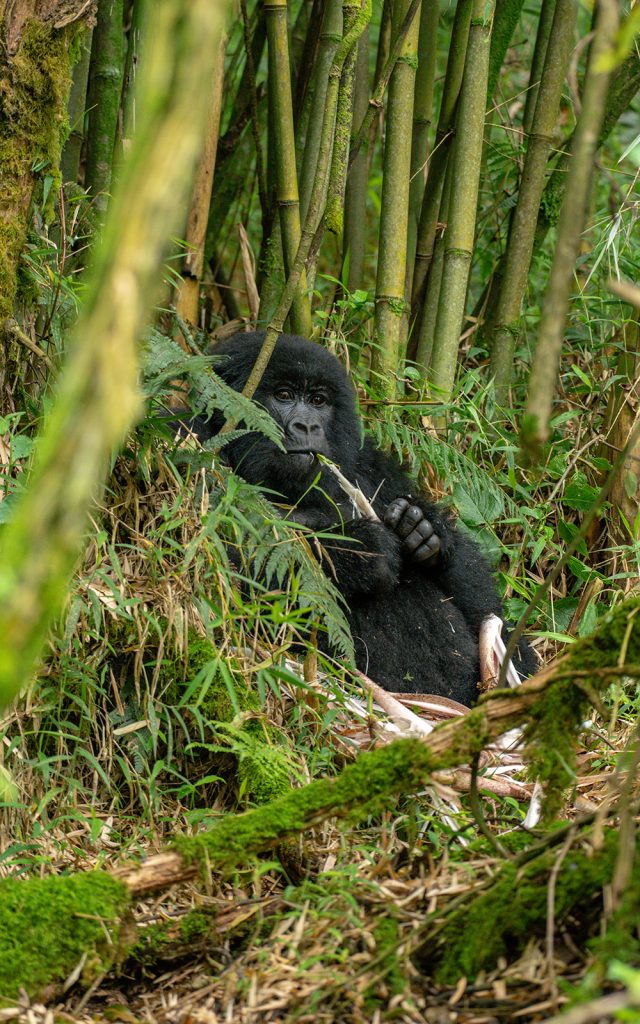
Travel During Shoulder Seasons: Consider booking your gorilla trek in April–May or October–November, which are shoulder seasons. Accommodation is 20–30% cheaper, permits are easier to get, and there are fewer crowds. The main downside is less predictable weather, with more rain and possibly longer treks.
Consider Less-Popular Sectors: Try the Rushaga, Ruhija, or Nkuringo sectors in Bwindi instead of the popular Buhoma area. These sectors have less competition for permits and often cheaper places to stay. They may be harder to reach, but you’ll enjoy a more authentic wilderness experience and possibly better gorilla sightings with fewer tourists around.
Book Through Tour Operators: Booking through a registered tour operator like Territory Explorers can save you money and hassle. They secure your permit, find good accommodation rates, arrange transport, and handle all the details. Packages often cost less than booking everything separately, and you get expert help along the way.
Comparing Uganda to Other Gorilla Trekking Destinations
Here’s how Uganda compares to its neighbors for gorilla trekking:
Country Permit Cost (International) Permit Cost (East African Citizens) Trek Location Habituated Families
Uganda $800 300,000 UGX Bwindi & Mgahinga 20 families
Rwanda $1,500 $500 Volcanoes National Park 12 families
DR Congo $400 $400 Virunga National Park 8 families
Uganda’s $800 represents an optimal balance between accessibility and adequate conservation funding. Rwanda charges $1,500, positioning itself as a luxury destination with excellent infrastructure and shorter travel times from Kigali (2.5 hours vs. Uganda’s 8-10 hours from Kampala). The Democratic Republic of Congo offers the most affordable permits at $400, but security concerns and limited infrastructure make it suitable only for experienced, adventurous travelers.
Why Choose Uganda Despite the Higher Cost Than DRC?
Uganda has many advantages: the largest number of habituated gorillas (almost 500), more gorilla families (20 in total) for better permit availability, better tourism infrastructure than the DRC, strong safety and stability, and the chance to combine gorilla trekking with other activities like chimpanzee trekking, golden monkey visits, and classic safaris.
Uganda’s larger population and higher habituation numbers increase permit availability and reduce booking competition, making Uganda more accessible than Rwanda despite having more remote parks.
Activities to complement gorilla trekking in Uganda: The Complete Uganda Wildlife Experience
Uganda offers much more than gorilla trekking. You can go chimpanzee trekking in Kibale National Park or Budongo Forest, where permits cost $250, and you’ll see lively, vocal primates up close. For a different adventure, try golden monkey trekking in Mgahinga for $100, which is great for fast-paced photography.
Uganda is also one of Africa’s top birding spots, with over 1,000 species. You might spot rare birds among Bwindi’s 348 species or along the Kazinga Channel in Queen Elizabeth National Park. Nature walks in Kibale, Bwindi, and Semuliki let you explore a variety of plants and forest habitats.
Classic safari experiences are available in Queen Elizabeth National Park, famous for its tree-climbing lions, as well as in Murchison Falls, the country’s largest park with big elephant herds, and Kidepo Valley. You can also take boat safaris on the Kazinga Channel or the Nile River to see hippos, crocodiles, and many birds.
If you like hiking, you can take on the tough 6-8 day trek in the Rwenzori Mountains, with Mount Stanley reaching 5,109 meters, or choose easier day hikes up Mount Elgon, Mount Muhavura, or Mount Gahinga.
Throughout your trip, you’ll find plenty of chances for photography, from close-up gorilla portraits with a 70-300mm zoom lens to golden-hour wildlife shots, dramatic waterfalls, and wide landscape views that highlight Uganda’s amazing biodiversity.
Frequently Asked Questions About Uganda Gorilla Trekking Permits
Uganda issues a maximum of 160 gorilla permits daily—152 permits for Bwindi’s 19 habituated families (8 permits × 19 families) plus up to 8 permits for Mgahinga’s Nyakagezi family. However, actual daily issuance varies with ranger availability, family conditions, and seasonal factors. During peak season, this maximum is regularly reached with permits selling out weeks in advance.
Gorilla trekking in Uganda exclusively occurs at two locations: Bwindi Impenetrable National Park in southwestern Uganda (divided into four sectors: Buhoma, Rushaga, Ruhija, and Nkuringo) and Mgahinga Gorilla National Park, also in southwestern Uganda near the Rwanda border. Both parks protect mountain gorillas and offer habituation permit-based trekking experiences. No other Ugandan locations offer gorilla trekking.
Bwindi protects approximately 17 habituated gorilla family groups available for trekking, comprising roughly 459 individual gorillas—nearly half the world’s remaining mountain gorillas. An additional non-habituated gorilla population exists in Bwindi that avoids human contact entirely and maintains genuinely wild behavior. The 17 habituated families range across Bwindi’s four sectors, with specific families assigned to each zone based on their ranging patterns and ranger management strategies.
Absolutely yes. Gorilla trekking in Uganda is one of Earth’s most profound wildlife experiences, genuinely transforming lives on deep emotional and spiritual levels. Most visitors describe gorilla encounters as life-changing moments where direct eye contact with another intelligent primate creates overwhelming feelings of connection and humility.
Beyond the gorillas themselves, the experience encompasses rainforest immersion, ranger expertise, conservation education, and the personal achievement of trekking through challenging terrain. The $800 permit, combined with additional costs, represents extraordinary value for an experience you’ll remember for the rest of your life.
Gorilla trekking duration varies significantly but typically spans 8-10 hours total. The trek itself—actual time spent hiking in the forest—lasts anywhere from 45 minutes to 6+ hours, depending on the gorilla family’s location and movement patterns. Once gorillas are located, you’re permitted exactly one hour of observation time.
Add pre-trek briefing (15 minutes), transportation to/from park headquarters (30-60 minutes each direction), breakfast/lunch breaks, and post-trek administration, and a complete gorilla trekking day totals 8-10 hours. Physically easier treks in Buhoma or Ruhija might finish by early afternoon, while Rushaga or Nkuringo expeditions can extend into mid-afternoon.
Successfully completing a Uganda gorilla trekking adventure requires several steps. First, determine your travel dates and preferred park sector by assessing your fitness level and time availability. Second, contact a registered tour operator like Territory Explorers, who will guide the entire booking process, handle permit acquisition through Uganda Wildlife Authority, arrange accommodation, organize transportation, and coordinate logistics comprehensively.
Third, finalize pre-trip logistics including vaccination records, visa arrangements, travel insurance, and equipment preparation. Fourth, fly to Uganda (typically arriving at Entebbe International Airport), where your tour operator coordinates airport transfers before driving you to your park base (typically 8-10 hours to Bwindi from Kampala). Finally, participate in your gorilla trek, supported by expert guides who handle all wilderness navigation and gorilla safety protocols.
Absolutely not—attempting to see gorillas without a permit is illegal, impossible, and dangerous. All access to Bwindi and Mgahinga for gorilla trekking is strictly controlled through the permit system, with armed rangers accompanying every group and park authorities monitoring all trails. Beyond the legal issues, approaching habituated gorillas without proper protocol would be extremely dangerous for both you and the gorillas. The permit system exists to protect gorillas, ensure sustainable tourism, fund conservation, and maintain safety.
While extremely rare, there are occasional instances where trackers cannot locate a gorilla family due to unusual movements or challenging conditions. In such cases, Uganda Wildlife Authority offers you a free second chance to trek the next day, subject to permit availability, providing an alternative experience rather than a cash refund. However, tour operators can help arrange partial refunds in certain situations. The extensive tracking system—with trackers locating gorillas before tourist groups even depart—means finding the gorillas succeeds in over 99% of treks.
No, gorilla permits are non-transferable and tied to specific passport details, dates, and individuals. You cannot give or sell your permit to someone else if your plans change, and you cannot reschedule to different dates without going through the formal rebooking process (which may result in fees or permit forfeiture depending on timing). This policy prevents permit speculation and ensures everyone follows proper booking channels.
Yes—comprehensive travel insurance covering medical emergencies, evacuation, trip cancellation, and adventure activities is absolutely essential. Gorilla trekking takes place in remote mountain areas where serious medical situations may require expensive evacuation. Trip cancellations forfeit hundreds of dollars in non-refundable permit costs when insurance coverage is not in place. Ensure your policy specifically covers gorilla trekking, as some standard policies exclude primate encounters.
Final Thoughts: Making Your Gorilla Trekking Dream a Reality
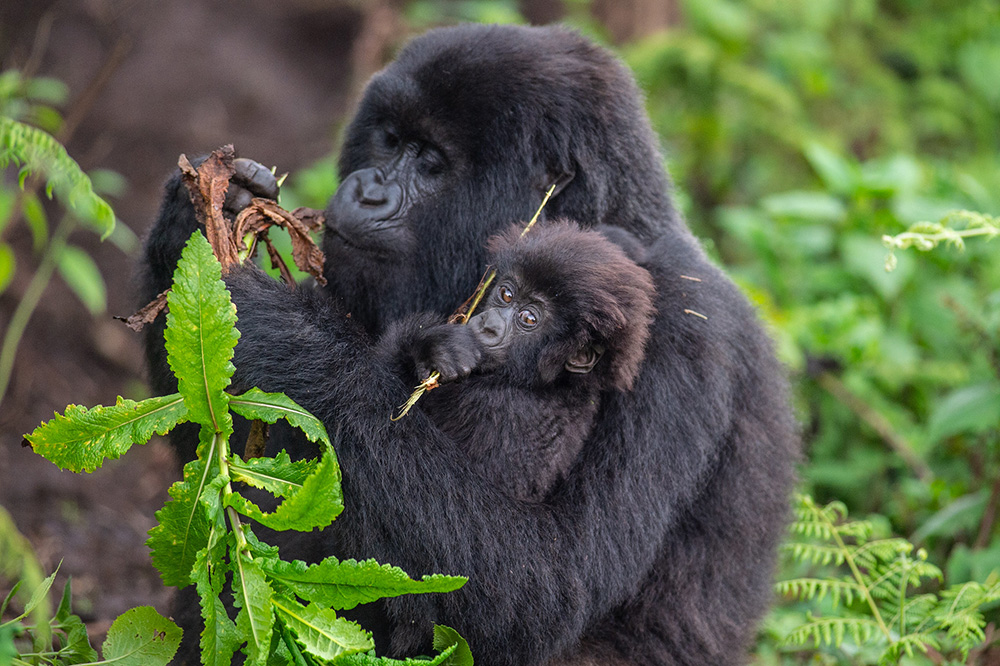
Gorilla trekking in Uganda gives you a rare and unforgettable chance to see wild gorillas up close. The $800 permit, along with accommodation and transport, is a big investment, but the experience is unique and worth it. With some fitness and good planning, most people can enjoy this adventure, which brings exciting wildlife moments, supports conservation, and helps you connect with nature. Spending an hour with gorillas is a memory you will always treasure.
Territory Explorers are registered experts in Uganda wildlife trips and can help make your gorilla trekking adventure happen. We take care of your permits, plan a custom itinerary, book your accommodation and transport, and handle all the paperwork so you can get ready for your trip. Our guides know Bwindi and Mgahinga well, understand gorilla behavior, and are familiar with the trails to make your trek special. Get in touch with Territory Explorers to start planning your gorilla trekking experience.