
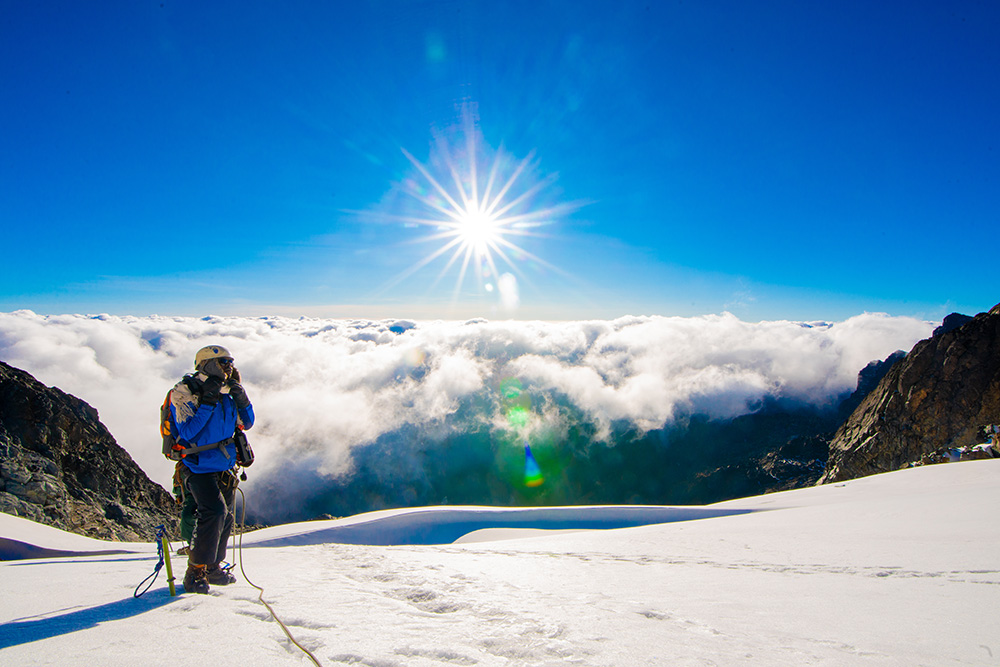
If you’ve ever wanted to know what it’s like to walk among the clouds, the Rwenzori Mountains can give you that experience. Found in western Uganda on the border with the Democratic Republic of Congo, Rwenzori Mountains National Park covers 996 square kilometers of stunning mountain wilderness.
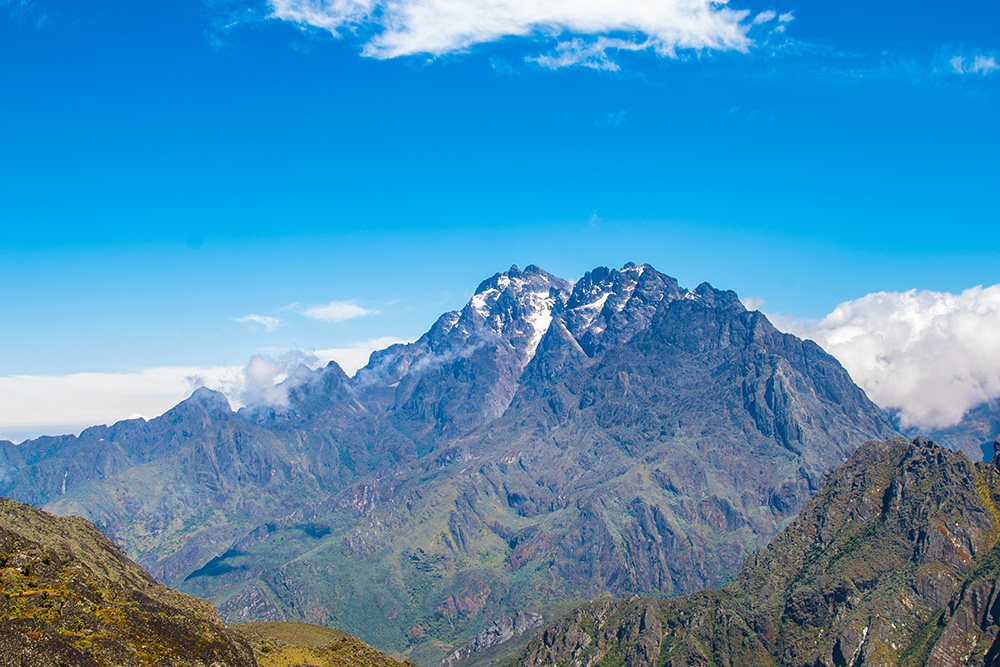
The park was established in 1991 and became a UNESCO World Heritage Site in 1994. For over a century, its dramatic landscapes have attracted explorers, climbers, and nature lovers. The Rwenzori range, also called the “Mountains of the Moon,” rises sharply from the East African Rift Valley to over 5,000 meters.
What’s amazing about these mountains is that they sit just north of the equator but still have glaciers and snow. This rare combination creates a unique ecosystem. The range has six main peaks: Mount Stanley (5,109m), Mount Speke (4,890m), Mount Baker (4,843m), Mount Emin (4,798m), Mount Gessi (4,715m), and Mount Luigi da Savoia (4,627m), each with its own character and climbing challenges.
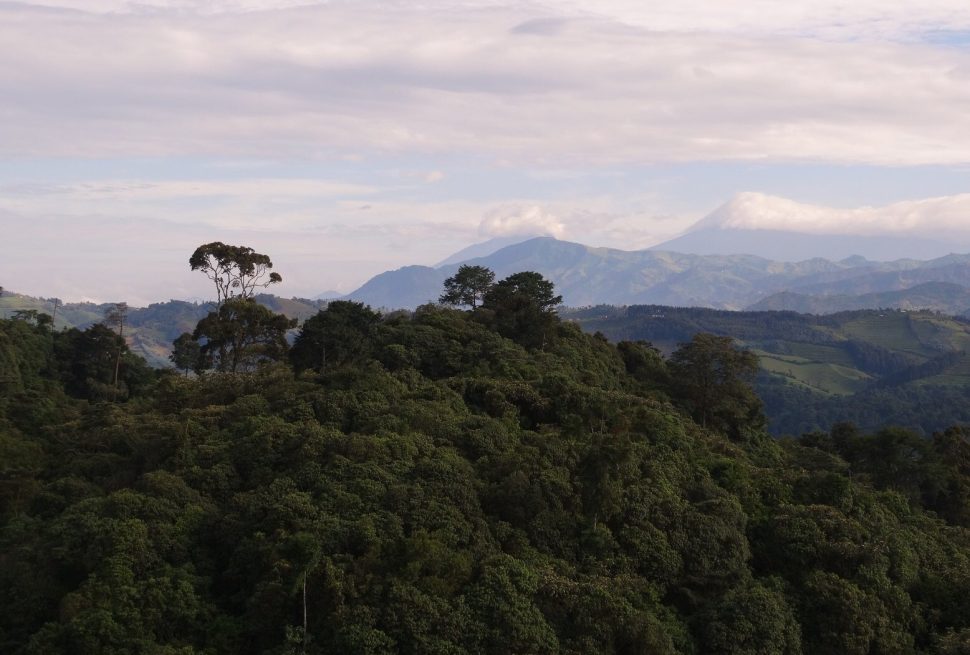
The park’s biodiversity is impressive, changing from tropical rainforest at the base to bamboo forests, heath, and afro-alpine plants near the peaks. This range of habitats supports species found nowhere else, so every part of your journey brings new discoveries.
Key Takeaways
- Location: Rwenzori Mountains National Park sits in western Uganda, right on the border with the Democratic Republic of Congo. Covering 996 square kilometers, this UNESCO World Heritage site is one of Africa’s most biodiverse mountain areas. Its unique spot between Central and East Africa gives visitors amazing chances to see wildlife and enjoy mountain adventures.
- Best Time to Visit: The best time to climb in Rwenzori Mountains National Park is during the dry seasons, from December to February and June to August. These months have the clearest skies and most stable trails, making summit attempts and mountain photography easier. Even so, weather can change quickly, so it’s good to be prepared. The dry season is also the best for spotting wildlife, as animals gather near water sources.
- Unique Features: Rwenzori Mountains National Park is the only place in Uganda where you can see permanent glaciers almost right on the equator. It’s home to Africa’s third-highest peak, Margherita Peak (5,109m) on Mount Stanley. The park protects more than 20 plant species found nowhere else, including giant groundsels and lobelias that make the alpine areas look otherworldly. With 217 bird species, the park is also a great example of how ecosystems change with altitude.
- Duration: A full trek in Rwenzori Mountains National Park usually takes 6-9 days, which gives you time to acclimatize and explore everything from tropical forests to alpine peaks. Shorter trips of 3-4 days are great for seeing the lower areas and local culture without the tough high-altitude climbs. Because the terrain is challenging and the elevation changes a lot, giving yourself enough time is important for safety and enjoyment.
- Top Activities: The main draw in Rwenzori Mountains National Park is mountain climbing, but there’s also excellent bird watching, with 19 bird species found only here. You can join guided nature walks, meet the Bakonzo people, or take botanical tours to see unique high-altitude plants. Other activities include photography trips, visiting natural hot springs, and even joining research projects in this special ecosystem.
Geography and Climate of the Rwenzori Mountains
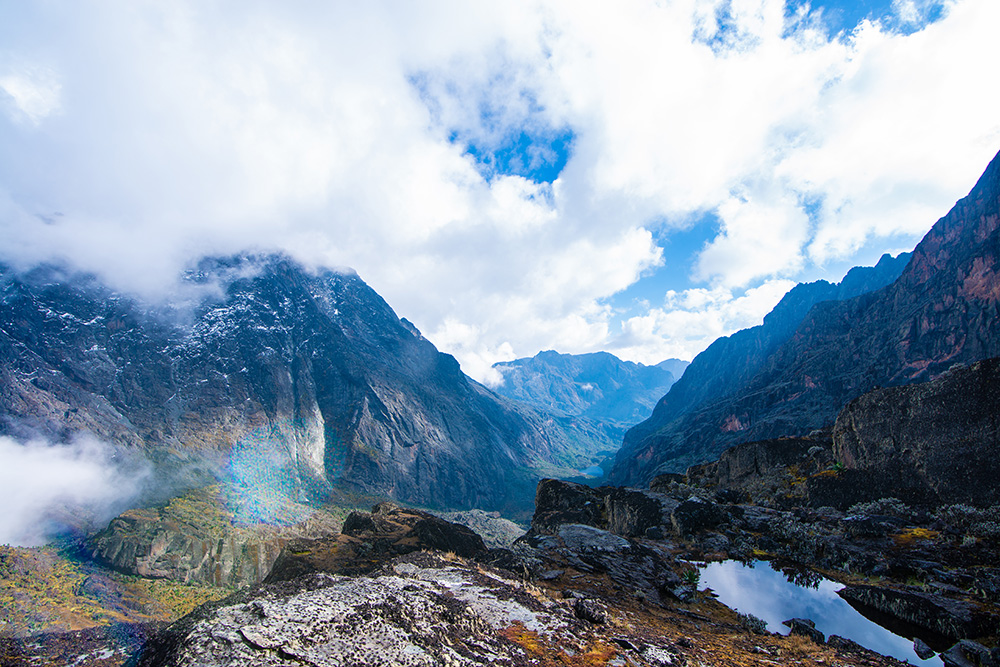
The geography of the Rwenzori Mountains is dramatic and varied. The range stretches about 120 kilometers north to south and 65 kilometers east to west, forming a natural barrier between Uganda and the Democratic Republic of Congo. The mountains are made of ancient rocks like gneiss and schist, which were uplifted millions of years ago during the formation of the East African Rift System.
The Rwenzori’s climate changes a lot with altitude, creating different ecological zones. At the base (1,000-1,500m), it’s tropical, with temperatures around 25-30°C and high humidity all year. As you climb into the montane forest (1,500-2,500m), it gets cooler and wetter, with misty, moss-covered forests that give the mountains a unique atmosphere.
The bamboo zone (2,500-3,000m) has cooler temperatures of 15-20°C, whereas the heath zone (3,000-4,000m) experiences 5-15°C with frequent fog and mist. Above 4,000m in the alpine zone, temperatures can fall below freezing at night. Despite being near the equator, the rare glaciers of Margherita Peak exist under conditions similar to polar regions.
Rainfall occurs mainly during two wet seasons: from March to May and September to November, with April and October usually being the wettest months. In higher elevations, annual rainfall can surpass 2,000mm, leading to the creation of bogs, alpine lakes, and stunning waterfalls that tumble down mountain slopes.
The Legendary History of the Mountains of the Moon
The Rwenzori Mountains have a long and fascinating history, full of exploration, legends, and human stories. The name “Rwenzori” comes from the Bakonzo word “Rwenjura,” which means “rainmaker”—a fitting name for these moisture-rich mountains. The ancient Greek geographer Ptolemy mentioned them in 150 AD as the “Mountains of the Moon,” thinking they were the source of the Nile River. Seeing the misty peaks, it’s easy to understand why people once believed they touched the sky.
The Early Exploration Era saw Henry Morton Stanley become the first European to see the Rwenzori in 1888. However, the local Bakonzo had lived peacefully among these mountains for centuries before any explorers arrived. Stanley’s description of them as “a pale blue cloud of most beautiful appearance” sparked global interest in these mysterious, snow-covered peaks. The major milestone happened in 1906 when the Duke of Abruzzi led the first successful expedition to Margherita Peak, the highest point on Mount Stanley. This expedition established climbing routes that are still in use today.
Colonial Period Challenges: During colonial times, the mountains served as a refuge for local communities resisting outside control, and their remote location offered natural protection. The difficult terrain made it hard to govern, so for many years, only the most determined explorers visited. Even today, visiting the Rwenzori can feel like exploring a place few have seen.
The Modern Conservation Era began with the founding of Rwenzori Mountains National Park in 1991, marking a new chapter in conservation history. UNESCO World Heritage designation was granted in 1994, recognizing the natural and cultural significance of this unique ecosystem. Today, the mountains serve as a successful example of community-centered conservation, where traditional Bakonzo knowledge is combined with modern scientific techniques to protect this priceless wilderness.
Cultural Significance: For the Bakonzo people, the mountains are much more than a tourist spot. They are central to cultural identity, spiritual beliefs, and traditional ways of life that have supported communities for generations. Learning about this connection turns a visit into a meaningful cultural experience.
Biodiversity and Ecosystems: Nature’s Vertical Laboratory
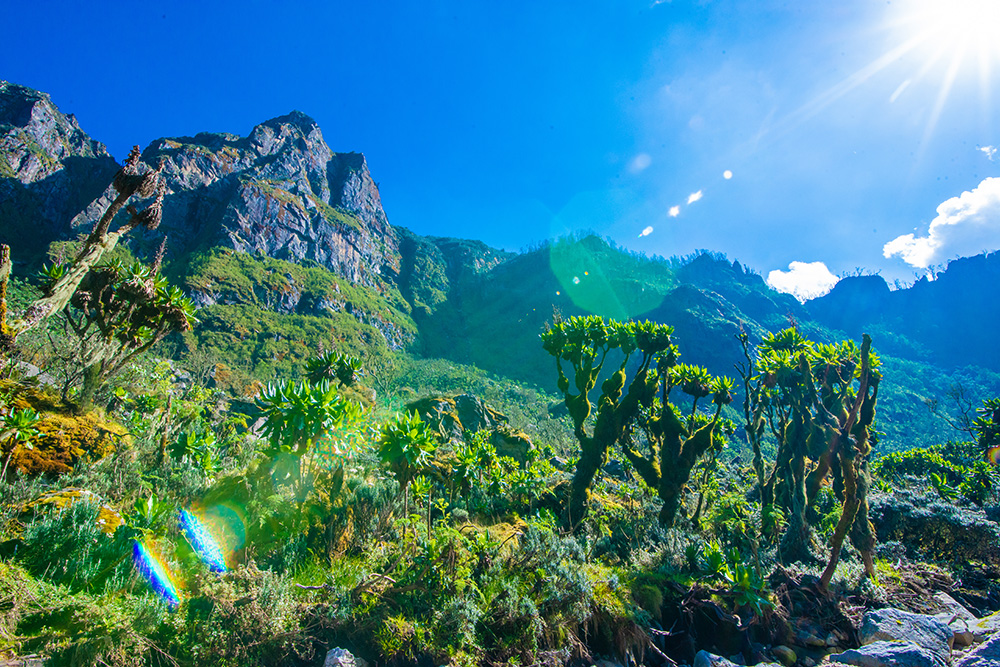
The Rwenzori Mountains are like a natural laboratory, packing many different ecosystems into one mountain range. Because of their location on the equator and big changes in elevation, the park has several unique ecological zones, each with species found nowhere else.
Montane Forest Zone (1,500-2,500m): This lush forest is filled with ancient trees that form a thick canopy, letting only a little sunlight through. Trees like Podocarpus, Prunus africana, and various figs dominate here, and this zone has the most mammals and birds in the park. The forest floor is home to many unique plants, including giant lobelias and groundsels.
Bamboo Zone (2,500-3,000m): The bamboo forests here make for a unique hiking experience, with trails winding through bamboo that can reach 15 meters tall. This area is important for several local species and offers a peaceful, quiet walk as the bamboo moves in the wind.
Heath Zone (3,000-4,000m): In this zone, the landscape changes with giant heathers up to 10 meters tall, tree ferns, and the start of the well-known giant groundsels and lobelias. The mist and unusual plants make this area especially good for photography.
Alpine Zone (4,000m+): In the alpine zone, you’ll find giant lobelias (Lobelia wollastonii) up to 8 meters tall and giant groundsels (Senecio adnivalis), creating a landscape unlike anywhere else. These plants have special adaptations to survive the tough conditions at high altitudes.
The park is home to 217 bird species, 19 mammal species, and many unique plants, insects, and other animals. Each ecological zone offers new things to discover.
Fascinating Facts About the Mountains of the Moon
The Rwenzori Mountains are full of surprises that will change how you see mountains near the equator. For over a century, they’ve been a place of great stories and discoveries. Each visit reveals something new, attracting both researchers and adventurous travelers. Learning these facts adds depth to your mountain experience.
Glacial Mysteries at the Equator: The Rwenzori has Uganda’s only permanent glaciers and some of the last in Africa. They sit within one degree of the equator, which seems odd but is possible because of the high altitude, steady moisture, and special weather. These glaciers are shrinking fast due to climate change, losing over 80% of their ice since the early 1900s, so visiting now may be one of the last chances to see them.
Biodiversity Statistics: The park has some of the highest numbers of unique species in Africa, with over 20 plants found nowhere else. Because the ecosystems are stacked vertically, you can see as much biodiversity in a week of hiking as you would traveling from Africa to Europe. Some plants, like the giant groundsels, live over 100 years and show adaptations that took millions of years to develop.
Geological Wonders: The mountains are made of ancient Precambrian rocks over 2 billion years old, making them some of the oldest in East Africa. The range is still rising, growing about 1mm each year, so the mountains are taller now than when the first European explorers arrived. Their unique rocks give scientists a look into Earth’s early history.
Record-Breaking Statistics: Margherita Peak on Mount Stanley is 5,109m high, making it Africa’s third-highest peak and the tallest outside Ethiopia and Kenya. The range gets some of East Africa’s heaviest rainfall, with over 3,000mm a year in some places. Even though it’s just north of the equator, peak temperatures can drop to -20°C, giving the mountains one of the world’s most extreme temperature ranges.
Historical Discovery Facts: The first photos of the Rwenzori glaciers were taken by the Duke of Abruzzi expedition in 1906, giving researchers a starting point to study climate change. The Bakonzo people have known these mountains for centuries, long before Europeans arrived. They named the peaks and created traditional paths that climbers still use, and their knowledge is key for safety and route planning.
Primates of the Rwenzoris
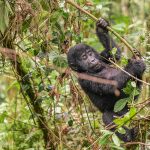
The Rwenzori Mountains may not be famous for primates, but they are home to vervet monkeys, also called savannah monkeys, that have adapted well to the mountain environment. Seeing these clever animals move through the tough terrain gives you a real sense of how adaptable primates can be. They are among the most successful mammals in the Rwenzori’s different habitats.
Rwenzori vervet monkeys behave differently from their lowland relatives because of the tough mountain conditions and cooler weather. You’ll often see groups of 15-25 monkeys in the lower forest areas, where they eat fruits, leaves, flowers, and even bark when food is scarce. Their ability to solve problems in this environment is truly impressive.
Rwenzori vervet monkeys stand out for their strong social cooperation and advanced ways of communicating, which help them move through the complex forest. They are skilled climbers, using the thick canopy to travel between feeding spots and stay safe from predators. Their calls and alarms are more complex than those of plains vervets, fitting the sounds of the dense mountain forest.
As you hike, you might see these monkeys grooming each other more often when it’s cold, which helps them stay close and share warmth. They also move to different elevations depending on food and weather. In many ways, they are natural mountaineers who learned to live in the mountains long before people did.
The Mystical Hot Springs of the Rwenzori
Hidden in the Rwenzori Mountains are natural hot springs that create warm spots in the cool mountain landscape. These springs form when underground water is heated by the earth and rises to the surface, bringing minerals with it. Local communities have valued these springs for generations, and visiting them shows why they are seen as special places.
The easiest hot springs to reach are along the Kilembe trail, where you’ll find warm pools among mossy rocks and large ferns. The water stays between 40-60°C all year, sending up steam into the mountain air. After a long hike, relaxing in these pools is a great way to unwind and recover.
Local Bakonzo communities have historically used these hot springs for healing, trusting that the mineral-rich waters can treat various ailments from arthritis and skin problems. Scientific studies now verify that these waters contain useful minerals like sulfur, magnesium, and calcium, providing scientific support for their traditional medicinal uses passed down over generations.
The springs generate unique microhabitats that support specialized plants and animals adapted to the warm, mineral-rich surroundings. Endemic moss species and small invertebrates flourish near these thermal features, making them valuable sites for studying adaptation in extreme environments. For photographers, the mix of steam, lush tropical vegetation, and striking mountain views produces almost surreal scenes that embody the mystical spirit of the Rwenzori.
Chameleons
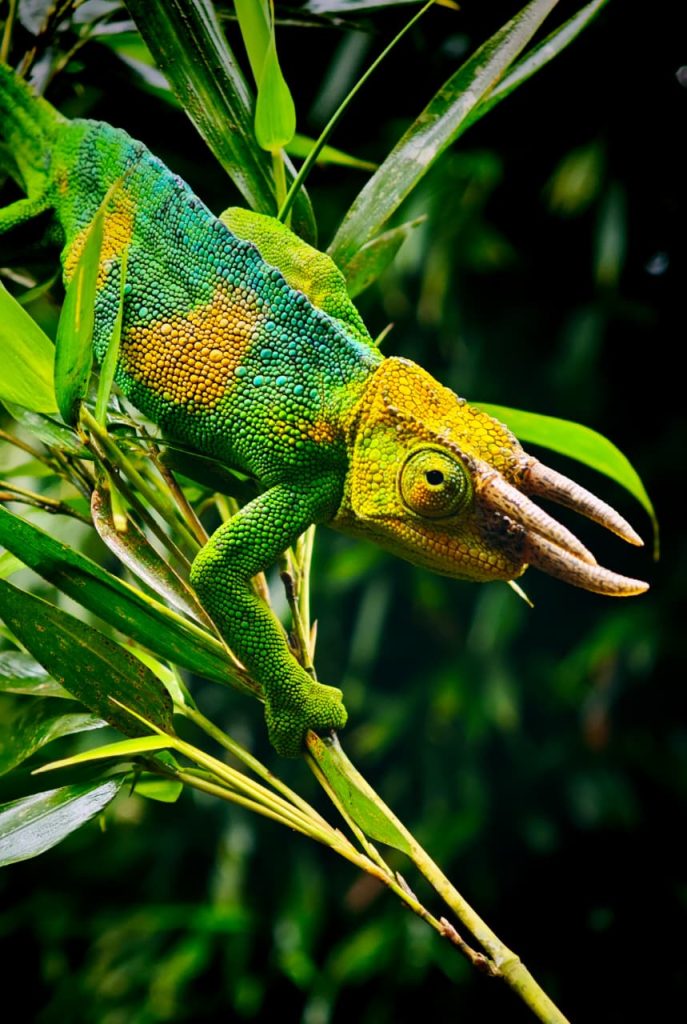
The Rwenzori Mountains are home to some of Africa’s most unique chameleons, including several species found only here. It takes patience to spot these well-camouflaged reptiles, but seeing them is a real highlight. They have evolved over millions of years to fit the special conditions of the Rwenzori.
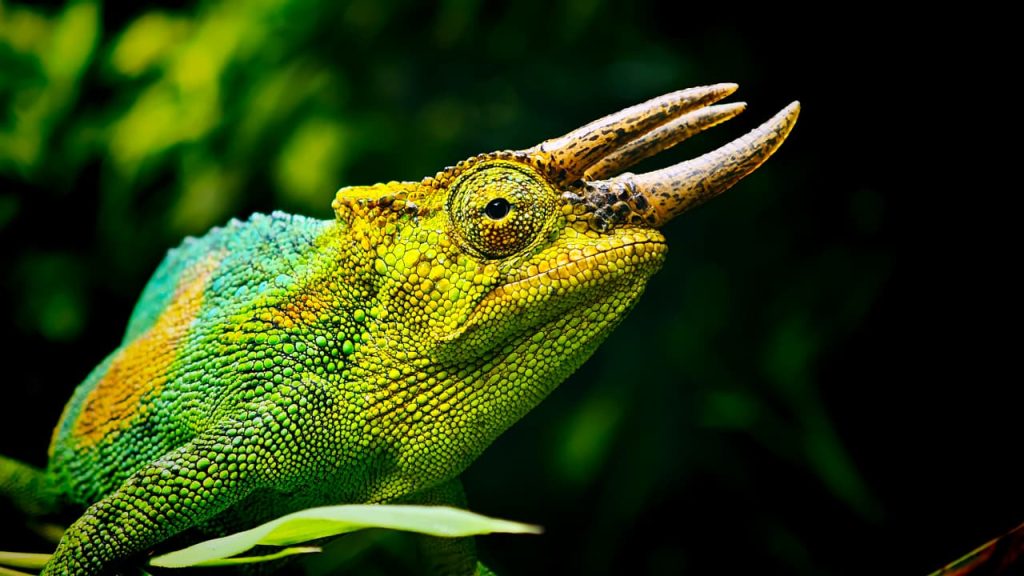
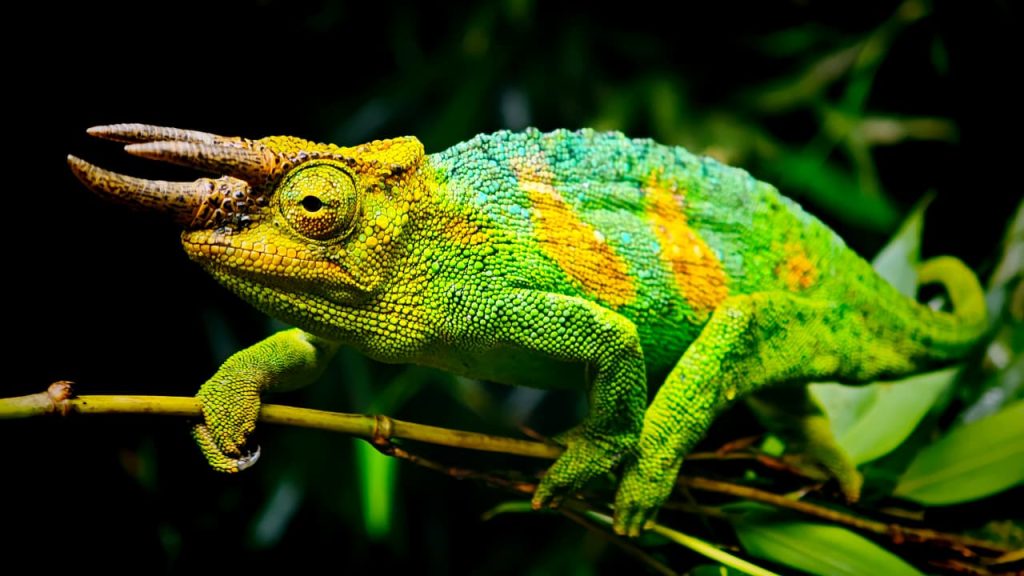
The three-horned chameleon (Trioceros johnstoni), found only in the Albertine Rift, is one of the most striking chameleons in the Rwenzori. Males grow horn-like bumps and show bright colors from green to blue, depending on their mood, temperature, or territory. Seeing one move through the trees is like spotting a creature from another time.
Rwenzori chameleons have special ways to handle the cold that their lowland relatives don’t have. They change color to control their body temperature, turning darker in the morning to soak up heat and lighter when it’s warmer. In cold weather, they move more slowly to save energy but still use their quick tongues to catch food.
In breeding season, chameleons put on impressive displays to mark their territory. Males change colors in striking ways and move slowly on branches to show off. Their unique eyes and ancient look make them great subjects for wildlife photography. In the Rwenzori, seeing these displays is a regular part of the experience.
Bird Watching Paradise: 217 Species in Vertical Ecosystems
Get ready to see birds in a whole new way, because the Rwenzori Mountains are home to 217 bird species living in different layers of the mountain, making it one of Africa’s best places for bird watching. The park’s special location and range of heights support birds from many different regions, including 19 types found only in the Albertine Rift and nowhere else in the world. Even people who aren’t bird experts often become big fans after seeing all the amazing birds in the Rwenzori.
Endemic Specialties: The highlight of Rwenzori birding is the Rwenzori turaco, a striking endemic bird with vivid green and red feathers that appear almost unreal. Seeing one of these incredible birds is like finding a living rainbow in the mountain forests. The attractive francolin, exclusive to the Albertine Rift mountains, offers exciting sightings for those patient enough to listen for its unique calls. The Rwenzori batis, with its distinctive black and white plumage, illustrates successful adaptation to high-altitude forest habitats.
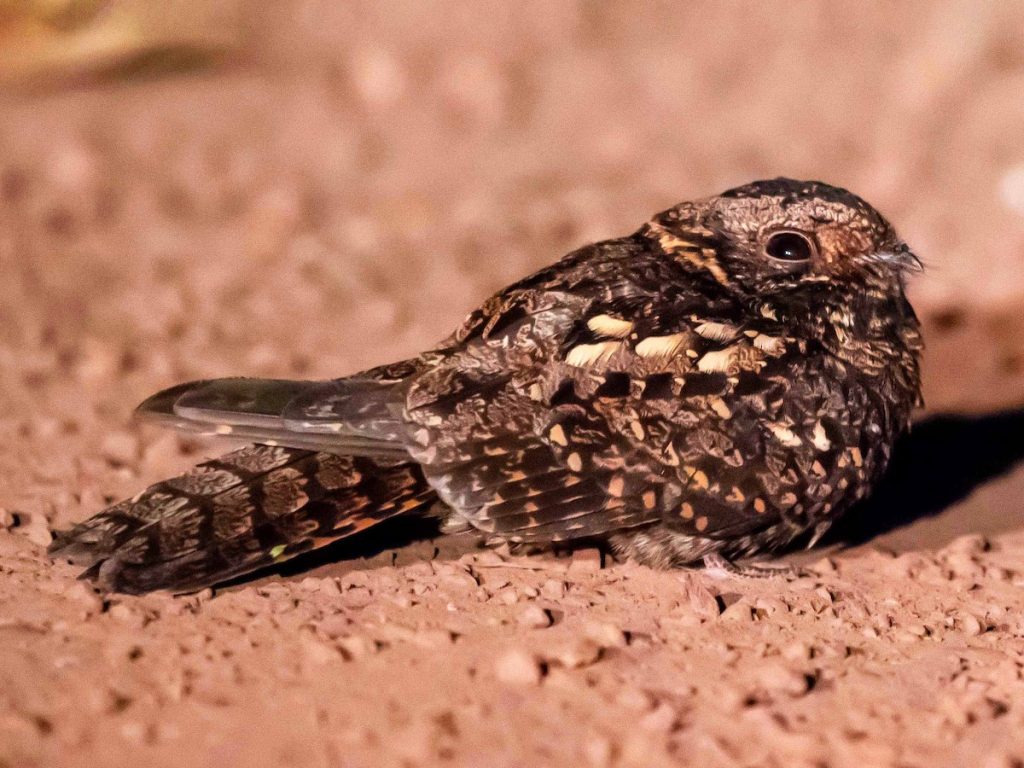
Birds live in different parts of the mountain, with each area home to its own types of birds that are used to the local conditions.
In the mountain forests, you might see the impressive crowned eagle flying high above the trees, while small sunbirds drink from flowers below.
The bamboo areas are filled with the songs of robin-chats, and the heath zone is home to birds that live only at high altitudes, like the malachite sunbird and scarlet-tufted malachite sunbird.
Seasonal Migration Patterns: Birds in the park move up and down the mountain as plants flower and fruit at different times. During some seasons, you can see large groups of species like the yellow-crowned canary and various finches. Visiting during these times can make for especially good birdwatching.
Photography and Observation Tips: Early mornings (6-9 AM) are best for birdwatching, especially in the montane forests where many birds are active. The open areas near Nyabitaba Camp are good for photographing sunbirds and other small birds. The bamboo zones are also great for hearing bird calls at dawn and dusk.
Getting to Rwenzori Mountains National Park
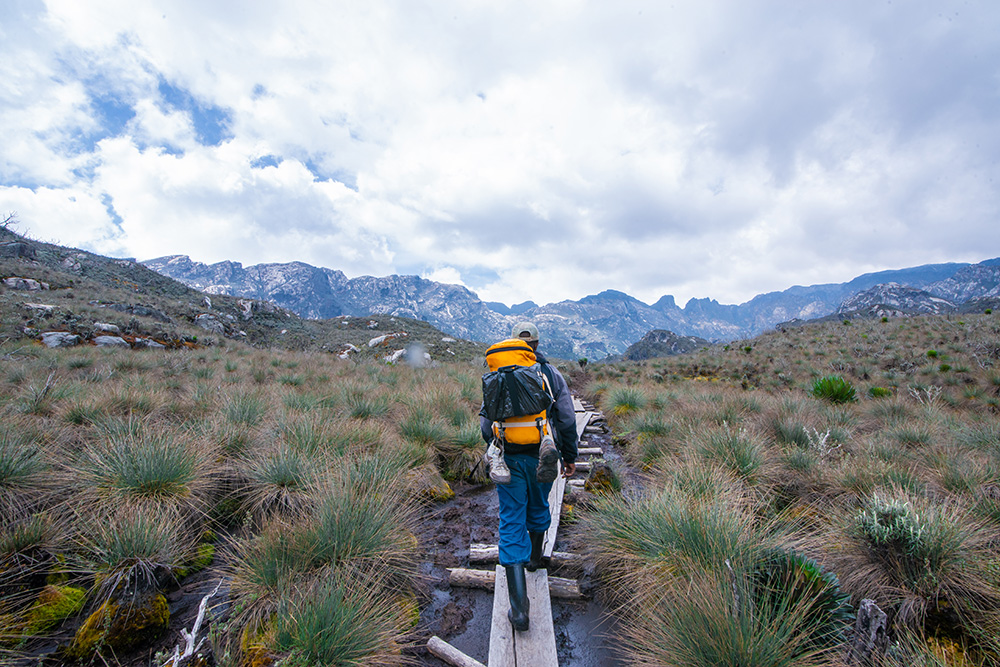
Getting to the Mountains of the Moon is an adventure in itself. The park is in western Uganda, about 350 kilometers from Kampala, and there are several ways to get there depending on your entry point and trekking plans.
Traveling by road from Kampala typically involves a scenic 5-6-hour drive through Fort Portal on mostly well-maintained tarmac roads. Along the way, you’ll see a variety of landscapes, including tea plantations, traditional villages, and the stunning Kibale Forest region, which offer a glimpse into rural Ugandan life and enrich your mountain adventure. Many travelers choose to stop overnight in Fort Portal, which is also a convenient location to buy last-minute gear or supplies.
By Road: Another popular approach is a drive to Kasese town, the gateway to the Kilembe trail. This trip takes approximately 6-7 hours from Kampala and leads to some of the park’s best climbing routes. Kasese also has various accommodation options and hosts several tour operators who focus on Rwenzori expeditions.
By Air: If you want to spend more time in the mountains instead of traveling, you can opt for charter flights from Entebbe International Airport to Kasese airstrip. The flight lasts approximately 1.5 hours, providing stunning aerial views of Uganda’s varied scenery. However, these flights depend on weather conditions and are often much pricier than traveling by road.
Final Approach: No matter which route you take, the last part of the journey to the park gates is on murram roads, which can be difficult during heavy rain. Most tour operators use 4WD vehicles for this section, and the drive passes through Bakonzo villages before you reach the park.
Park Gates and Entry Points: Your Gateway to Adventure
The Rwenzori Mountains have several entry points, each leading to different trekking routes and experiences for all fitness levels and schedules. Picking the right gate can shape your whole adventure, so knowing your options is key to planning a great trip.
Nyakalengija Gate (Central Circuit Trail): This is the most popular entry, about 12 kilometers from Kasese town. It serves as the headquarters for the central circuit trail, the main route with the best chance to reach Margherita Peak. Here you’ll find a visitor center, equipment rentals, guide registration, and basic accommodation. This is your last stop for modern comforts before heading into one of Africa’s toughest wilderness areas.
Kilembe Gate (Kilembe Trail): Near the old Kilembe copper mines, this gate leads to the southern side of the mountains. The Kilembe trail is usually less crowded than the central circuit and offers amazing views from different angles. Photographers especially enjoy this trail for its varied landscapes and unique viewpoints.
Entry Procedures: All visitors need to register at their chosen gate, pay the park entrance fee (currently $35 per day for foreign non-residents), and arrange for required guides and porters. Registration includes a safety briefing, equipment check, and route planning with experienced park staff who know the mountains well.
Services Available: Both main gates rent out equipment like sleeping bags, rain gear, and hiking boots, but it’s best to bring your own gear that fits well. You can also buy basic supplies such as water purification tablets, snacks, and emergency medical items. Still, it’s important to prepare fully before you arrive for your trek.
Best Time to Visit the Rwenzoris
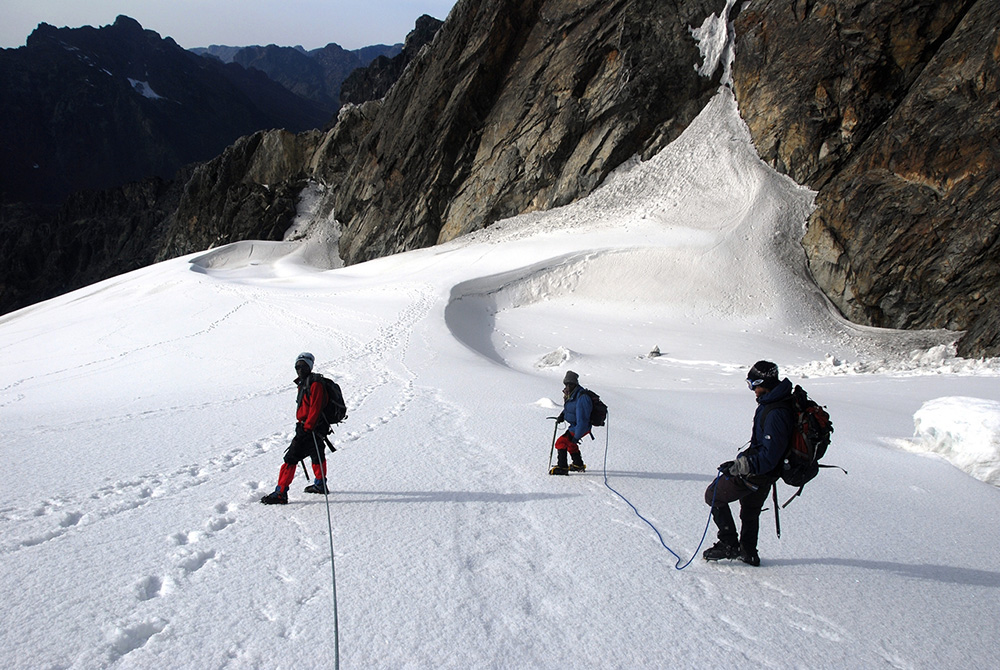
Choosing when to visit the Rwenzori can make your trip either a rewarding challenge or a very tough experience. Even in the best weather, these mountains will push you in unexpected ways. The park’s climate is complex, shaped by elevation, its location near the equator, and local weather patterns.
Dry Seasons (December-February and June-August): These times provide the best conditions for mountain trekking, featuring less rain, clearer skies, and improved visibility of peaks and glaciers. December to February is especially ideal due to stable weather and optimal clear views from high elevations. Nevertheless, afternoon rain showers are still frequent during dry seasons, and weather can change quickly at high altitudes.
Wet Seasons (March-May and September-November): Although more challenging, the wet seasons turn the mountains into a lush, green paradise filled with stunning waterfalls, blooming plants, and dramatic cloud formations. The drawbacks are muddy, slippery trails, lower visibility, and an increased risk of severe weather at higher elevations. Nonetheless, these times also bring fewer visitors and some of the most breathtaking photography possibilities.
Transition Periods: The weeks between wet and dry seasons can offer the best of both worlds, with clearer weather, green landscapes, and flowing streams. These times need flexible planning but can give adventurous travelers great conditions and beautiful scenery.
Altitude Considerations: Weather changes a lot with elevation. What feels comfortable at 2,000 meters can be dangerous at 4,000 meters or higher, no matter the season. Always get ready for extreme weather, since mountain conditions often differ from valley forecasts.
Hiking Routes and Trekking Options
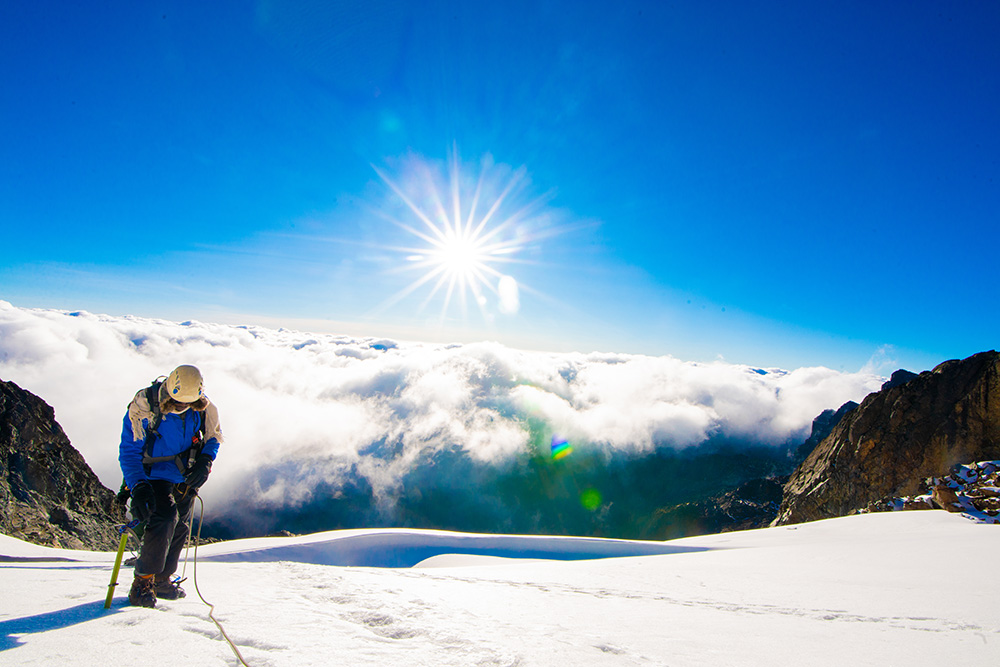
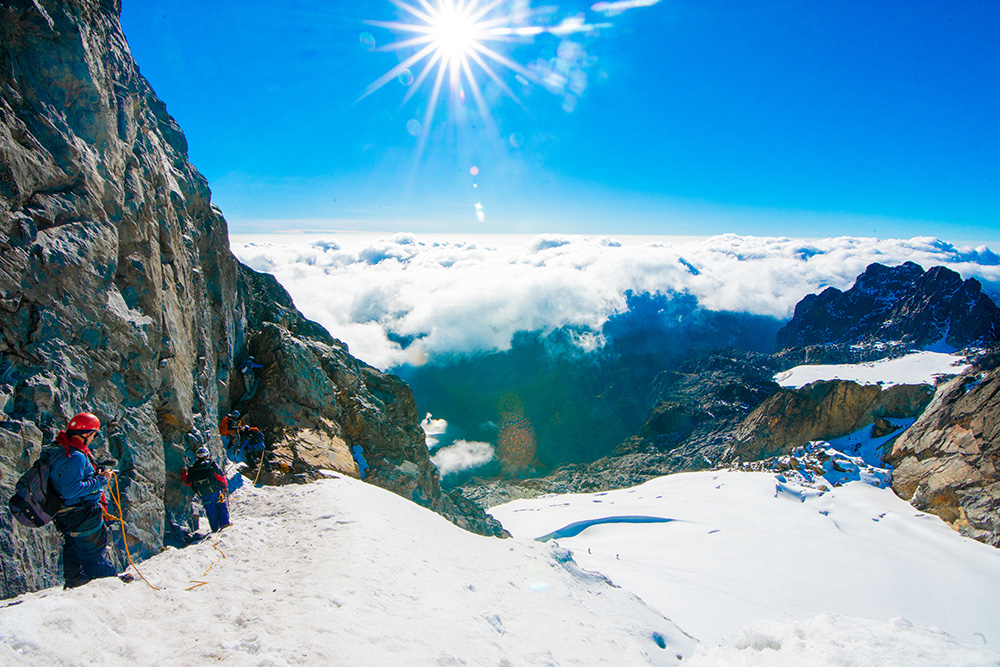
The Rwenzori Mountains have several trekking routes, each with its own challenges, scenery, and experiences for different fitness levels and adventure goals. Picking your route shapes your own adventure. Knowing what each trail offers is key to planning a fun and successful trip.
Central Circuit Trail (7-9 days): This classic Rwenzori route gives you the most complete tour of the mountain’s ecosystems and the best chance to reach Margherita Peak, Africa’s third-highest point. You’ll pass through all ecological zones, see beautiful alpine lakes, and have chances to climb several peaks. Expect 4-8 hours of hiking each day with lots of elevation changes. It’s a tough trek but offers a deep experience of the mountain environment.
Day 1: Hike from Nyakalengija to Nyabitaba Camp (2,650m) for a gentle start through montane forest, where you might spot primates and birds. Day 2: Continue to John Matte Camp (3,380m), tackling more challenging terrain through bamboo forests and heath zones. Days 3-4: Trek from John Matte to Bujuku Camp (3,977m) via Butawu, passing giant groundsels and lobelias with stunning lake views.
Days 5-6: Try for the summit and tackle technical climbing sections if you are aiming for Margherita Peak. Days 7-8: Descend through Elena Camp and return to civilization.
Kilembe Trail (6-8 days): This southern route starts in the old copper mining town of Kilembe and offers new views and often even more impressive scenery. The trail winds through bamboo forests and past alpine lakes, giving access to peaks like Mount Luigi da Savoia and Mount Speke. It’s usually less crowded and is great for photography all along the way.
Short Trekking Options (3-5 days): If you have limited time or want a less demanding adventure, shorter routes are a great way to experience the Rwenzori’s lower elevation ecosystems. These treks usually reach the heath zone at about 3,500m and offer beautiful views, chances to see wildlife, and cultural experiences—without the need for technical climbing.
Technical Climbing Routes: Experienced mountaineers can take on several technical routes in the Rwenzori that require rock and ice climbing skills. These climbs usually take several days, need special equipment and guides, and offer some of the most challenging and rewarding climbs in East Africa.
Other Activities in Rwenzori Mountains Beyond Mountain Climbing
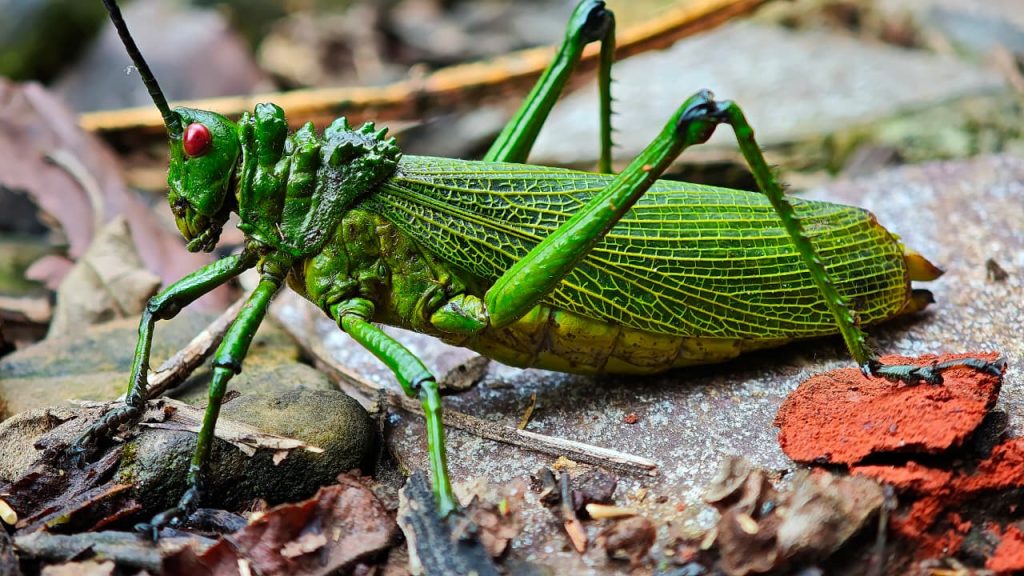
Although most visitors come for mountain climbing, the Rwenzori has many other activities that highlight its unique ecosystem. Some of your best memories may come from moments when you’re not climbing. Exploring all the available activities can make your mountain trip even more rewarding.
Nature Walks and Day Hikes: If you want to see the Rwenzori’s biodiversity without a long trek, guided nature walks are a great choice. These 2-4 hour walks explore the montane forests near the park headquarters and are good for bird watching, spotting primates, and learning about local medicinal plants. The easy terrain means most people can join and still enjoy a real mountain forest experience.
Cultural Encounters with Bakonzo Communities: Visiting Bakonzo villages gives you a glimpse into mountain cultures that have thrived here for centuries. Cultural tours often feature traditional dances, local crafts like basket weaving and blacksmithing, and show how farming is done on the mountain slopes. Many visitors find these experiences just as memorable as climbing. Meeting the people who live in these mountains can be truly special.
Botanical Tours: Guided botanical tours highlight the park’s amazing plant diversity, including rare species and the well-known giant lobelias and groundsels. These tours are especially interesting during flowering seasons, when you can see the unique ways high-altitude plants have adapted. Guides explain how these special plant communities developed in the mountains.
Photography Expeditions: The Rwenzori’s dramatic scenery, unique wildlife, and striking plants make it a paradise for photographers. You can join special photography tours with guides who know the best spots and times for great photos. Early morning and late afternoon light are perfect for capturing both landscapes and wildlife.
Research and Scientific Tourism: The park invites researchers and dedicated nature lovers to study its unique ecosystems. Through citizen science projects, visitors can help with ongoing research and learn more about the conservation challenges and successes in this special place.
Photography Experience: Capturing the Magic of the Mountains of the Moon
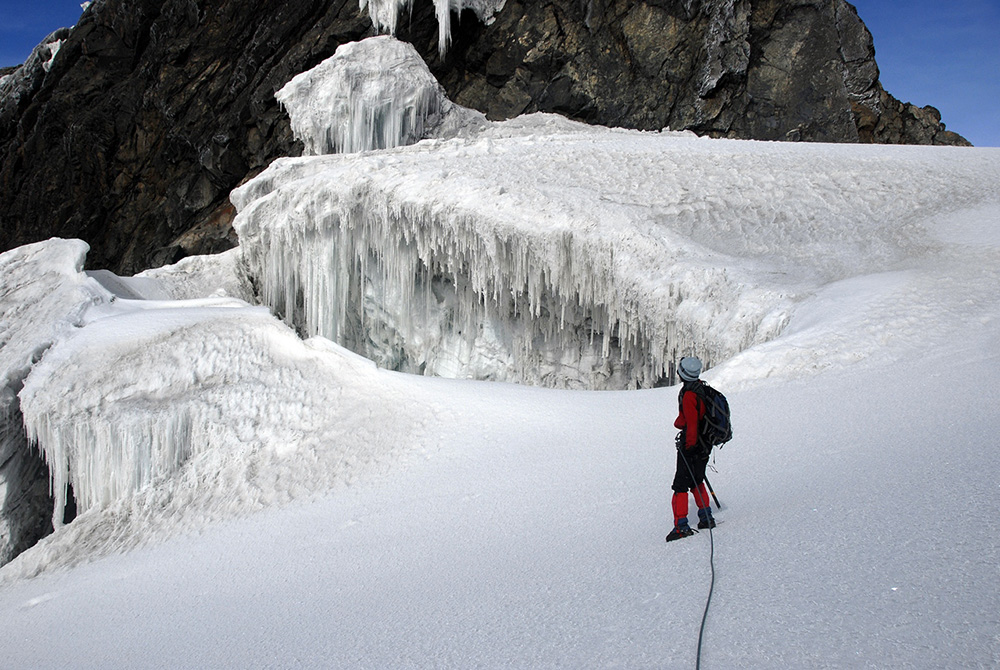
The Rwenzori Mountains offer some of Africa’s most stunning and challenging photography experiences. Each elevation zone brings new lighting, subjects, and technical hurdles that will test your skills and reward you with photos that look almost unreal. Knowing the unique opportunities and challenges in each zone is key to capturing the true magic of these legendary mountains.
Landscape Photography Challenges and Opportunities: Weather in the Rwenzori can shift from thick fog to bright sunlight in minutes, offering both great chances and real challenges for landscape photographers. Success depends on patience and being ready to change your gear quickly. The best light comes at dawn and dusk, when the mountains seem to glow, but getting to good viewpoints often means hiking in the dark with a headlamp.
Ecosystem-Specific Photography: Each ecological zone offers its own photo opportunities and needs different techniques and gear. In the montane forests, sunlight filtering through the mist creates dramatic scenes ideal for wide-angle shots. Bamboo zones have unique patterns and textures, while the heath areas feature giant plants and surreal landscapes perfect for creative photos.
Wildlife and Macro Photography: The park is home to a wide range of wildlife, from chameleons and birds to unusual insects, giving you plenty of chances for macro and wildlife photography. The main challenge is the tricky lighting under the thick forest canopy and frequent mist, which can make focusing tough. Good high ISO performance and solid weather protection for your gear are a must.
Technical Considerations: High humidity, frequent rain, and big temperature swings can be tough on your camera gear. Waterproof covers, anti-fog tools, and backup equipment are essential. Cold weather drains batteries quickly, so managing power is important on longer treks. You’ll find yourself taking extra care of your camera batteries. High altitude can also affect some electronics, especially near the alpine zones.
Alpine and Glacier Photography: If you reach the higher elevations, you can photograph tropical glaciers—something you won’t find anywhere else. The mix of tropical plants and ice makes for unique photos, but shooting at high altitude brings challenges like extreme cold and possible altitude sickness, so you need to be well prepared and experienced.
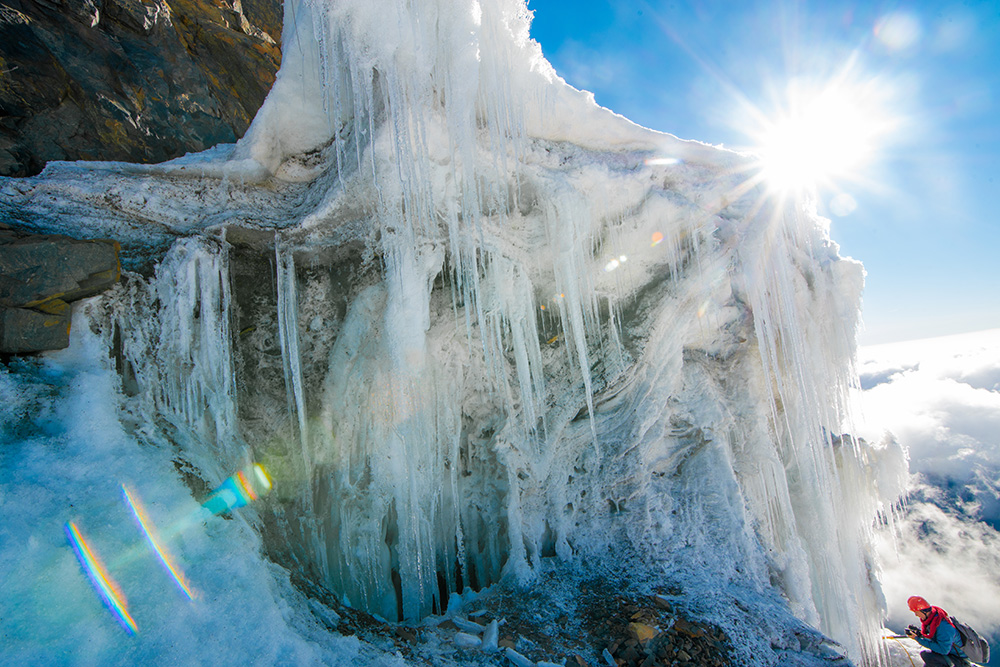
The Mountain’s Technical Challenges: What You Need to Know
Knowing the technical side of climbing in the Rwenzori is important if you want to try for the higher peaks. These mountains mix tropical conditions with high-altitude climbing, which can surprise even experienced climbers. The Rwenzori will test all your skills and probably teach you some new ones. The difficulty changes a lot depending on your route and goals.
Peak Classification and Technical Requirements: Margherita Peak (5,109m), the highest point on Mount Stanley, needs Class 3-4 rock climbing skills and experience with fixed ropes and basic mountaineering. Reaching the summit will push all your skills and teach you more about perseverance. The last part of the climb includes steep rocks, possible ice, and exposed ridges where the weather can shift from warm to freezing in just a few hours. Mount Speke and Mount Baker are a bit less technical but still require similar skills.
Altitude and Acclimatization Challenges: Climbing from 1,500m at the park gates to over 5,000m at the peaks means you have to adjust to the altitude, which can be tough even for experienced climbers. Most people feel some altitude sickness, and the humid, low-oxygen air makes it worse than in drier mountains. You’ll need at least 6-8 days to acclimatize, with slow ascents and rest days—your body will thank you for taking the time to adjust.
Weather and Route Conditions: The mix of being near the equator and at high altitude creates weather you won’t find anywhere else. You might get all four seasons in one day if you’re not ready for the mountain’s changing moods. Temperatures can swing from 25°C in the valleys to -10°C at the peaks, sometimes in a single day. Rain, snow, hail, and strong sun can all happen quickly, making the routes unpredictable and sometimes dangerous. Wet rocks get very slippery, and glacier conditions can change fast with the weather.
Technical Equipment Requirements: To reach the peaks, you’ll need special mountaineering gear like crampons, ice axes, helmets, harnesses, and other climbing equipment. You really do need all this, even though you’re near the equator, because these mountains are unique. You’ll also need great rain protection, warm sleeping gear for cold nights, and backups for important items. Many climbers don’t bring enough gear and end up unprepared for the tough conditions higher up.
Rescue and Emergency Considerations: Because the area is remote and the terrain is tough, rescue operations take a long time and are very difficult. In a real emergency, you and your team may be your own best chance until help arrives. Being able to handle self-rescue is essential, and you should plan for emergencies like bad weather, altitude sickness, or climbing accidents. Communication is limited, so planning for emergencies before your trip is crucial and could save your life.
The Breathtaking Beauty of Rwenzori Landscapes
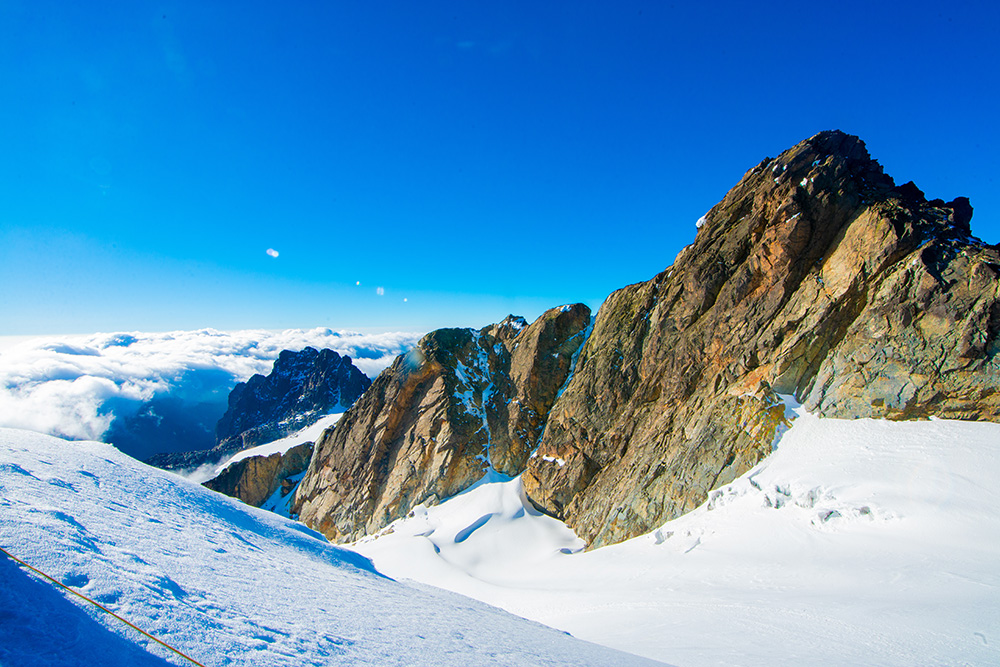
Saying the Rwenzori Mountains are beautiful is an understatement. Seeing them feels like looking at a painting created by someone with endless imagination and skill. Every step brings new views that redefine what mountain beauty means, from moss-covered forest scenes to wide alpine panoramas that seem to go on forever.
Vertical Ecosystem Transitions: Walking from the park gate to the alpine zones takes you through landscapes that would normally take thousands of kilometers to cross. You start in lush tropical forests with tall, mossy trees, then move through bamboo forests that form green tunnels. In the heath zones, giant heathers and towering plants create a landscape that feels almost otherworldly.
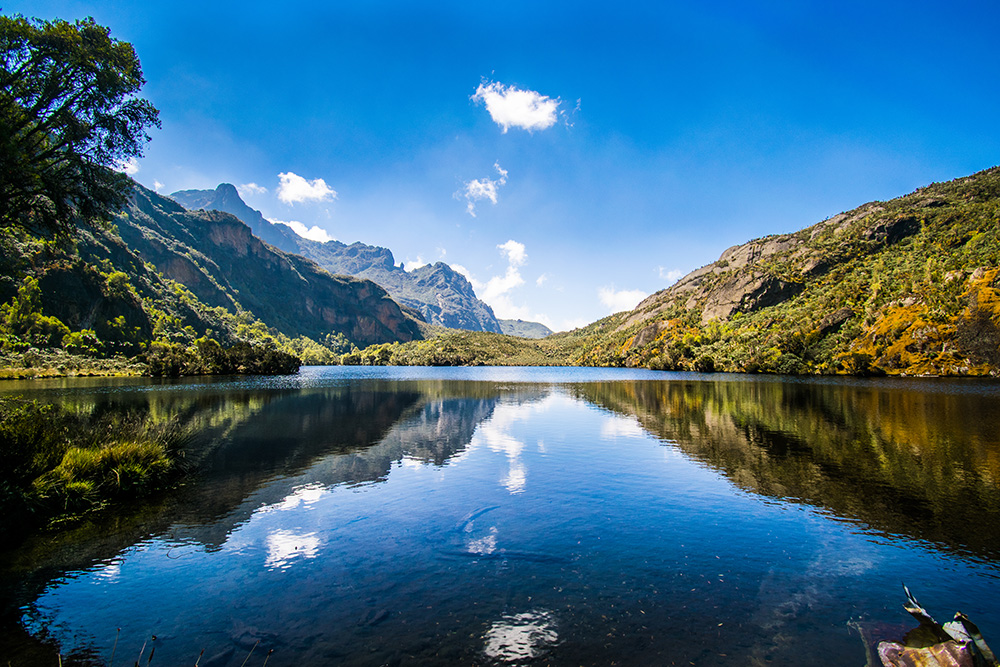
Alpine Lake Systems: The high-altitude lakes in the upper mountains create some of Africa’s most stunning and unusual scenery. Lake Bujuku, almost 4,000m high, sits below tall peaks and reflects the mountains and giant plants in its clear water. These glacial lakes act as natural mirrors, making the views even more impressive. Watching the sunrise by these lakes is a truly special experience.
Waterfall Spectacles: Heavy rainfall and steep slopes create many waterfalls across the mountains. You’ll see everything from small forest streams flowing over mossy rocks to powerful waterfalls dropping hundreds of meters down granite cliffs. Each zone has its own type of waterfall, and the sound of running water is always present, from quiet trickles to loud roars.
Peak Panoramas: At higher elevations, you can see panoramic views that stretch across several countries and different landscapes, showing the diversity of East Africa. On clear days, you can see from the rainforests of Congo to the Ugandan savannah, with Lake Edward and Lake George shining in the distance.
Seasonal Beauty Variations: The look of the mountains changes a lot with the seasons and weather, so every visit is different. In the dry season, you’ll see dramatic rock formations and clear views of the peaks. In the wet season, the mountains turn bright green, with every surface covered in moisture and life.
Where to Stay in Rwenzori Mountains National Park
Places to stay near Rwenzori Mountains National Park range from basic campsites in the heart of nature to luxury lodges that offer comfort while keeping the mountain atmosphere. Choosing the right place can shape your trip, so knowing your options helps you find the best balance of comfort and authenticity.
Budget Accommodation (Under $50 per night)
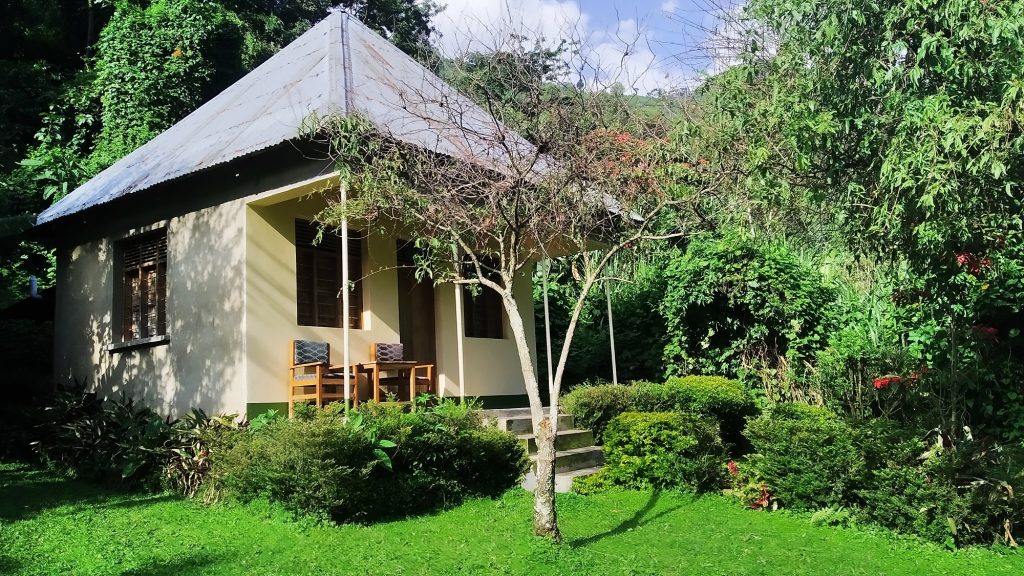
Ruboni Community Camp is a community-run place with simple, clean bandas, shared bathrooms, and communal dining. The real highlight here is the authentic cultural experience. Staying in a traditional Bakonzo community means your money directly helps local families and conservation. The camp is a great starting point for community walks, cultural shows, and craft demonstrations—many guests find these experiences even more memorable than staying in luxury hotels.
UWA Camping Sites have several basic camping areas in and around the park, with pit latrines, water, and fire pits for campers who bring their own gear. These sites let you fully experience the wilderness—fall asleep to forest sounds and wake up to mountain mist. Camps near park headquarters have a few more facilities but still keep the wild, adventurous feel that many travelers want.
Nyakalengija Guesthouse is close to the main park gate and offers simple rooms with shared bathrooms and local food. It’s a no-frills place focused on comfort and practicality, with clean beds and filling meals to get you ready for your hikes. This guesthouse is a good base for day walks and cultural activities, and it’s a great choice for travelers watching their budget.
Mid-Range Accommodation ($50-200 per night)
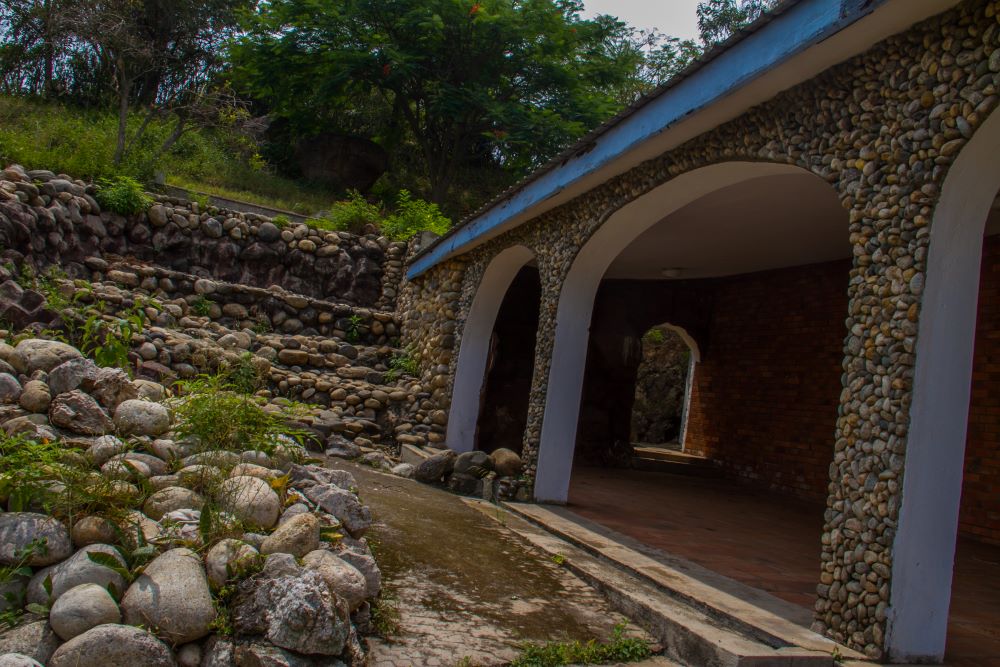
Equator Snow Lodge sits in a spot with amazing mountain views. The lodge has comfortable rooms with private bathrooms, hot water, and a restaurant serving both local and international dishes. It offers a nice mix of comfort and authentic experience, and the staff can help you arrange anything from guided walks to full mountain trips. You’ll feel well taken care of while still staying close to nature.
Rwenzori Mountaineering Services Lodge is made for serious trekkers. It offers comfortable places to stay before and after your trek, with gear storage, equipment rentals, and help with planning. The rooms have mountain views, hot water, and filling meals to keep you energized. The staff are experienced mountain guides who can give you great advice for your trek.
Hotel Margherita is in Kasese town and has comfortable rooms with air conditioning, private bathrooms, and a restaurant. It’s not right next to the park, but it’s a reliable place to stay with city comforts. The hotel is a good base for exploring the mountains and local culture, and it’s handy for getting supplies and services for longer trips.
Luxury Accommodation ($200+ per night)
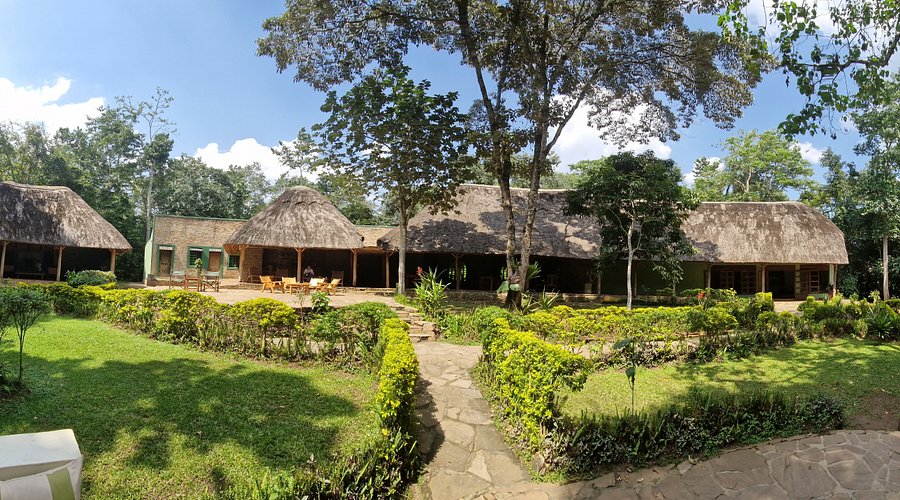
Rwenzori International Hotel is the most comfortable place to stay in the area. It has large rooms with mountain views, top-notch amenities, gourmet food, and helpful concierge services. The hotel can organize luxury mountain trips with expert guides and quality gear, making your adventure both safe and memorable. After a tough day on the mountain, you’ll come back to a relaxing space that helps you recharge for the next day.
Primate Lodge Kibale is a luxury eco-lodge just outside the Rwenzori area in Kibale. It offers special packages for Rwenzori expeditions, blending comfort with real adventure. You’ll get luxury rooms, great food, spa treatments, and expert help planning your trip. Their packages include professional guides, good equipment, and support to keep you safe and make your experience enjoyable.
Mountains of the Moon Hotel is a boutique hotel for travelers who want a luxury mountain experience. It has large suites with great views, fine dining, a spa, and help with planning your mountain trips. The hotel is close to the park gates and offers the comfort you’d expect from a high-end stay. It’s a perfect base for challenging days on the mountain and relaxing evenings.
Planning Your Rwenzori Adventure: Essential Preparation Guide
To have a great Rwenzori trip, focus on the details that can make your adventure smooth instead of difficult. Still, no matter how much you plan, the beauty of these mountains will surprise you. Be ready and stay open to new experiences. Knowing the basics of trip planning will help you get the most out of your time in the mountains.
Most people spend 7-10 days in the Rwenzori to get the full experience, including time to adjust to the altitude, try for a summit, and enjoy cultural activities. This gives you time for weather changes and rest days, which are important at high elevations. If you want a shorter trip, 3-5 days is enough to see the lower areas. Serious climbers aiming for technical peaks should plan for 10-14 days to allow for weather and extra summit tries.
You need to be in good physical condition for the Rwenzoris, as daily hikes can last 6 to 10 hours on tough trails. The steep climbs and tricky sections are much harder than a normal gym workout. Good cardio fitness helps with the altitude, and strong legs and endurance help you handle the steep, muddy paths. Most climbers start training 3-6 months before their trip, focusing on hiking with a loaded backpack, climbing stairs, and building up their cardio.
The Rwenzori’s changing conditions mean you need gear that’s different from what you’d use on other mountains. You’ll pass through rainforests and icy, cold areas, so pack for all kinds of weather. Bring waterproof clothes, a warm sleeping bag for freezing nights, sturdy waterproof boots with good grip, and plenty of layers. If you plan to climb technical routes, you’ll also need crampons, ice axes, helmets, and climbing gear for both rock and ice.
To stay safe, plan for altitude sickness, take malaria medicine for the lower areas, and pack emergency medical supplies. At 4,000 meters, hospitals are far away, so you need to be ready to handle emergencies yourself. Make sure you have travel insurance that covers high-altitude climbing and evacuation—it’s a must for any serious trip here.
You’ll need a Uganda visa, a yellow fever vaccination certificate, and park entrance permits, all arranged before you go. The paperwork can seem like a hassle, but it’s your ticket to an amazing adventure. Most routes require you to book guides and porters in advance, especially during busy times. Knowing the permit rules and booking early helps you avoid problems and keeps you in line with park rules that protect both visitors and the mountains.
Sample Rwenzori Trip
This is our signature Rwenzori Mountains hiking trip, taking you all the way to the highest peak, Mount Magherita. It’s our most popular option, and we think you’ll enjoy it just as much as our other clients have. Take a look and see what you think.
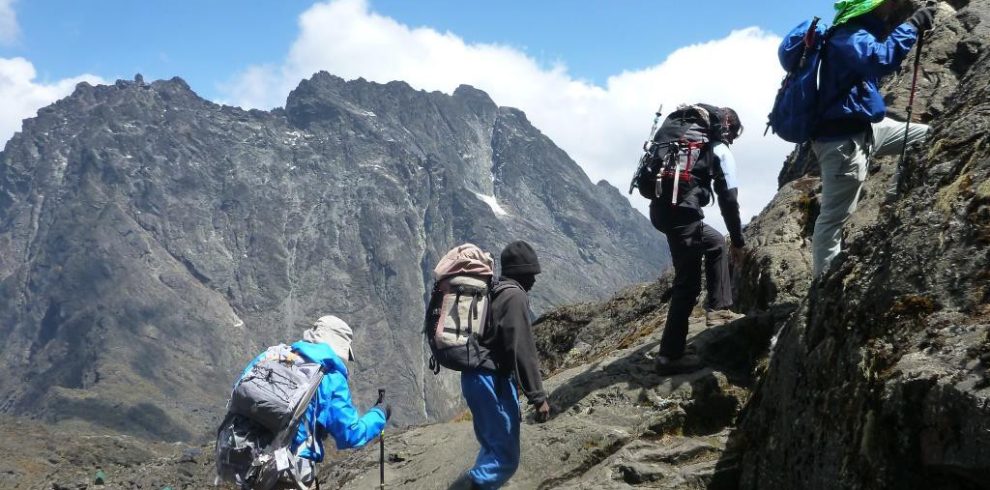
The Rwenzori Mountaineering Adventure takes you on an unforgettable trek through Uganda’s famous “Mountains of the Moon.” The Rwenzori Mountains…
- Jan
- Feb
- Mar
- Apr
- May
- Jun
- Jul
- Aug
- Sep
- Oct
- Nov
- Dec
Cost Breakdown: Budgeting for Your Mountain Adventure
Understanding the full cost of a Rwenzori trip helps you plan your budget and avoid surprises. Still, when you’re on Margherita Peak watching the sunrise, you’ll feel every dollar was worth it. The total cost depends on your choices and can vary a lot, so it’s good to know what to expect.
Park entrance fees are $35 per day for foreign visitors, $25 for foreign residents, and much less for East African citizens. These fees help fund conservation and community projects that keep the park in great shape. Guides cost $25 per day, and porters are $15 per day each. Having experienced porters carry your gear can really make your trip more enjoyable.
Budget camping and simple bandas cost $15-30 per night, mid-range lodges are $50-200, and luxury places can be over $300 per night. Mountain huts on trekking routes are $10-15 per person and offer basic shelter for multi-day trips. Your choice of accommodation will have a big impact on your total cost, but even the budget options give you a real mountain experience.
Good mountain gear can be a big expense, with full equipment packages costing $500-1,500 depending on what you already have. You can rent basic gear at the park gates for a reasonable price, but bringing your own well-fitting gear is best for comfort and safety. If you plan to climb technical peaks, you’ll need extra equipment that can add $200-500 to your costs, but it’s important for your safety.
Traveling from Kampala to the park costs $100-200 by road or $300-500 by charter flight, depending on your group and the service you choose. Local rides between your hotel and the park gates usually cost $20-50 per trip. If you book an organized expedition, expect to pay $200-800 per person per day, depending on what’s included and your group size.
Cultural experiences usually cost $20-50 per group, guided nature walks are $15-25 per person, and special tours like photography or research trips are $50-100 per day. These activities add a lot to your trip by giving you more insight into the culture and the environment.
To save money, join group trips, camp instead of staying in lodges, bring your own gear, and visit during less busy seasons. These choices can lower your costs while still giving you a real mountain experience. Just don’t cut corners on safety gear, guides, or preparation—these are too important to skip.
Frequently Asked Questions
Most people need 6 to 9 days to complete a full trek to the higher peaks, with 7 or 8 days being ideal for most climbers. If you prefer a shorter trip, you can explore the lower elevation areas in 3 to 5 days without climbing technical peaks. How long you spend depends on your fitness, how well you adjust to altitude, the weather, and your goals. Trying to go too quickly can increase your risk of altitude sickness and make the experience less enjoyable.
The Rwenzori Mountains are in western Uganda, right on the border with the Democratic Republic of Congo, about 350 kilometers from Kampala. The range stretches about 120 kilometers from north to south and 65 kilometers from east to west, creating a natural border between the two countries. The closest big towns are Kasese and Fort Portal, which are the main entry points to the park.
“Rwenzori” comes from the Bakonzo word “Rwenjura,” which means “rainmaker.” This name fits well because the mountains often create their own weather and collect a lot of moisture from the air. The ancient Greeks called them the “Mountains of the Moon” because the peaks look mysterious and otherworldly when covered in clouds and mist.
The main indigenous people in the Rwenzori Mountains are the Bakonzo (also spelled Bakonjo), a Bantu-speaking group who have lived in the foothills and valleys for centuries. The Baamba people also live in parts of the northern Rwenzori region. Both groups have learned how to thrive in the tough mountain environment and often work as guides and porters for mountain trips.
Rwenzori is pronounced “roo-wen-ZOR-ee,” with the stress on the third syllable. Saying the name correctly shows respect for local culture and helps you talk more easily with guides and community members.
The Rwenzori Mountains are important for many reasons. They are a UNESCO World Heritage Site that protects rare plants and animals, and they are a key water source for major rivers. The mountains also have some of Africa’s last glaciers and are an example of successful community conservation. They are deeply meaningful to local people and help scientists study how climate change affects high mountain areas in the tropics.
A full mountain expedition usually costs between $800 and $2,500 per person, depending on how long you stay, where you sleep, your group size, and the level of service. Budget trips with camping and basic services start at about $800 to $1,200, while luxury trips with top accommodations and personal service can cost more than $2,500 per person. These prices cover park fees, guides, porters, accommodation, meals, and basic equipment, but do not include international travel or your own gear.
Yes, the Rwenzori Mountains are usually very safe if you take the right precautions and go with experienced guides. The main risks are health problems from altitude, tough weather, and technical climbing on the higher peaks. The park is well protected, and serious crime against tourists is very rare. Still, because the area is remote and the terrain is difficult, you need to prepare well, bring good equipment, and use experienced guides to stay safe.
Conclusion
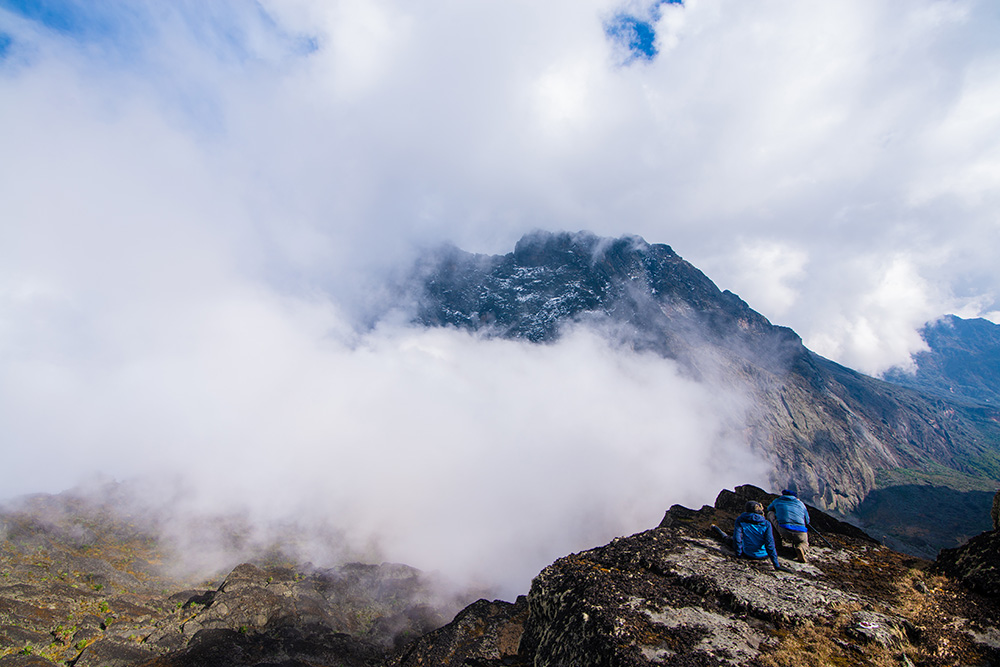
Now that you’ve read this guide, you’re ready to start one of Africa’s greatest adventures. However, nothing matches the experience of seeing the Rwenzori peaks in person.
The Rwenzori Mountains offer much more than a regular climbing trip. They take visitors into landscapes that feel unique and unusual. The mountains have ecosystems that interest scientists and let you meet cultures adapted to tough environments. What makes the Rwenzori special is how it changes visitors, from walking through mossy forests to seeing giant, unusual plants.
The mountains have something for every adventurer, whether you want the excitement of climbing, peaceful forest walks with wildlife, or meeting local mountain communities. The changing scenery gives everyone their own special memories. Still, all visitors share the experience of seeing something truly remarkable.
A trip to the Mountains of the Moon is a life-changing experience that you will always remember. Many visitors find it hard to describe what it’s like to stand among equatorial glaciers, see misty peaks, and feel the peace of untouched wilderness. The Rwenzori Mountains are more than just a place to visit—they offer an experience that can change you, as they have for many explorers before.
If you’ve read this far, it’s a great time to consider visiting Rwenzori Mountains National Park. Contact us at info@territoryexplorers.com to start planning your adventure. We’ll handle everything—paperwork, transportation, accommodation, and connecting you with top guides—so you can focus on enjoying your journey.