
In Africa’s rainforests, gorillas spend most of their day eating slowly and carefully, and they mostly eat plants. However, researchers have discovered that their diet sometimes includes rare and surprising foods. Looking into whether gorillas eat meat shows how adaptable they are and reminds us that nature does not always fit simple categories. To understand this better, we need to move past assumptions and look at what the science says. Let’s dive in.
Key Takeaways
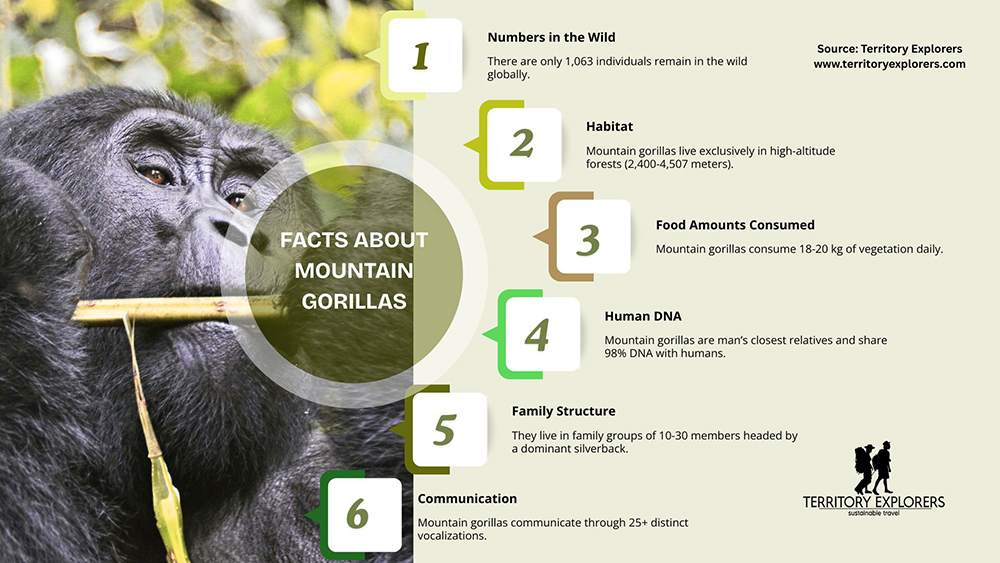
• Gorillas mostly eat plants—over 99% of their diet is plant-based—but they sometimes eat small amounts of meat from insects and invertebrates found on the plants they eat. This challenges the idea that they are strict vegetarians.
• Mountain gorillas and lowland gorillas have different diets. Mountain gorillas mostly eat leaves, stems, and shoots, while lowland gorillas eat more fruit and are seen eating termites and ants more often.
• Gorilla trekking permits cost $800 in Uganda’s Bwindi Impenetrable National Park and $1,500 in Rwanda’s Volcanoes National Park. Only 8 permits are available per gorilla group, so booking early is important, especially during the busy dry seasons from June to September and December to February.
• Studies have found that gorillas eat insects, snails, and sometimes even small animals. These cases are rare and usually happen by accident, not because gorillas are hunting. Eating these foods gives them extra protein and minerals to add to their mostly vegetarian diet.
• Money from gorilla trekking helps protect gorilla habitats and fight poaching. Permit fees raise millions each year to help save the fewer than 1,100 mountain gorillas left in the wild in Uganda, Rwanda, and the Democratic Republic of Congo.
So, Do Gorillas Eat Meat?
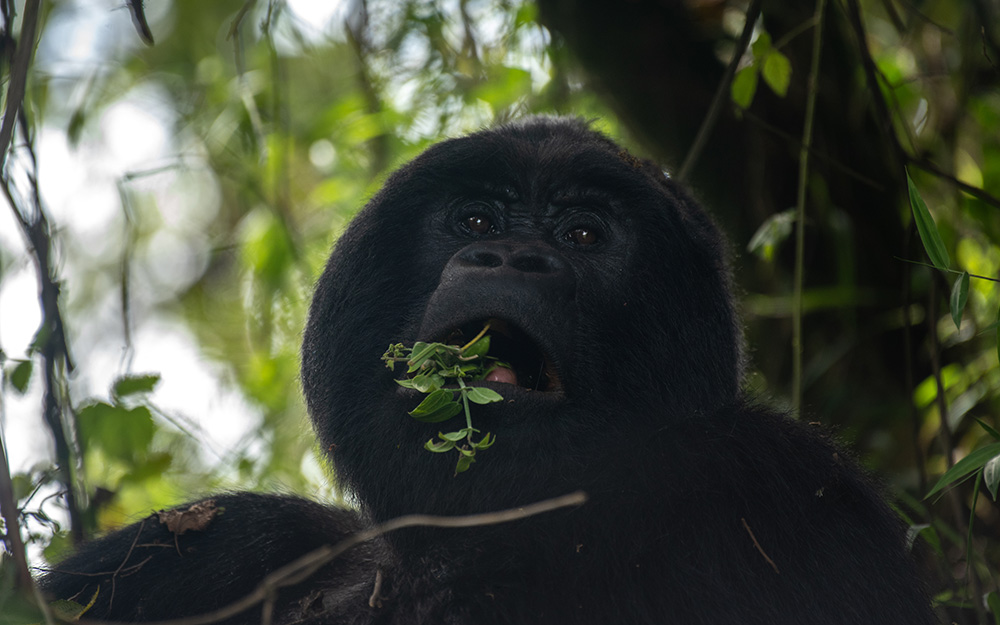
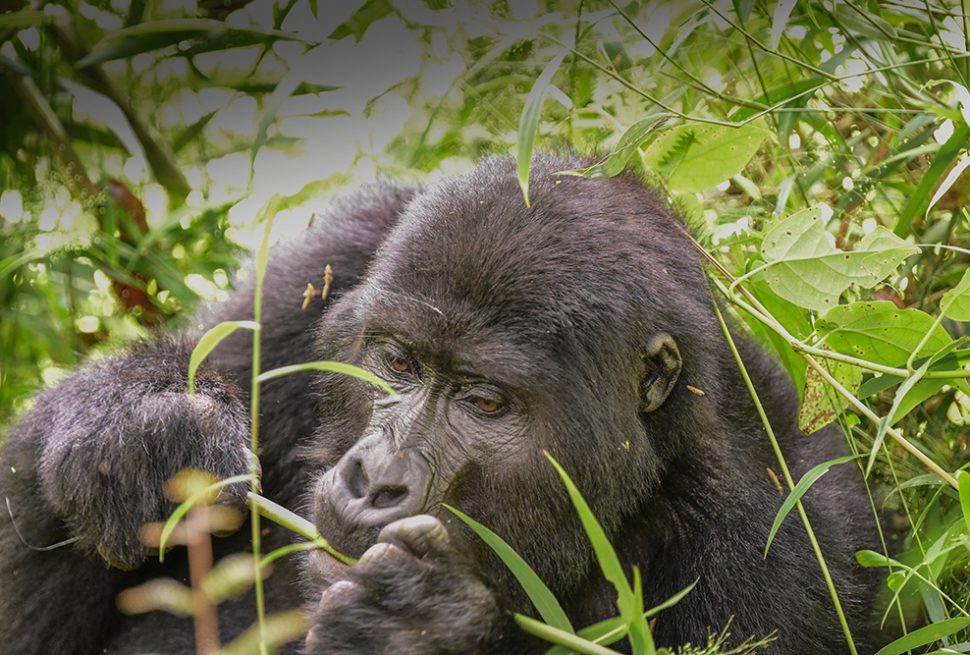
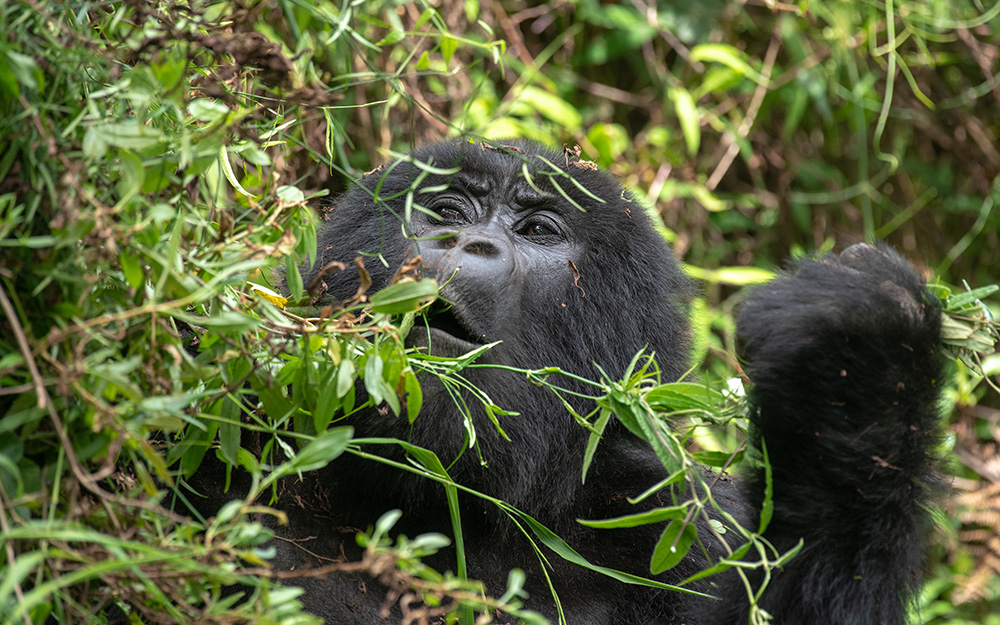
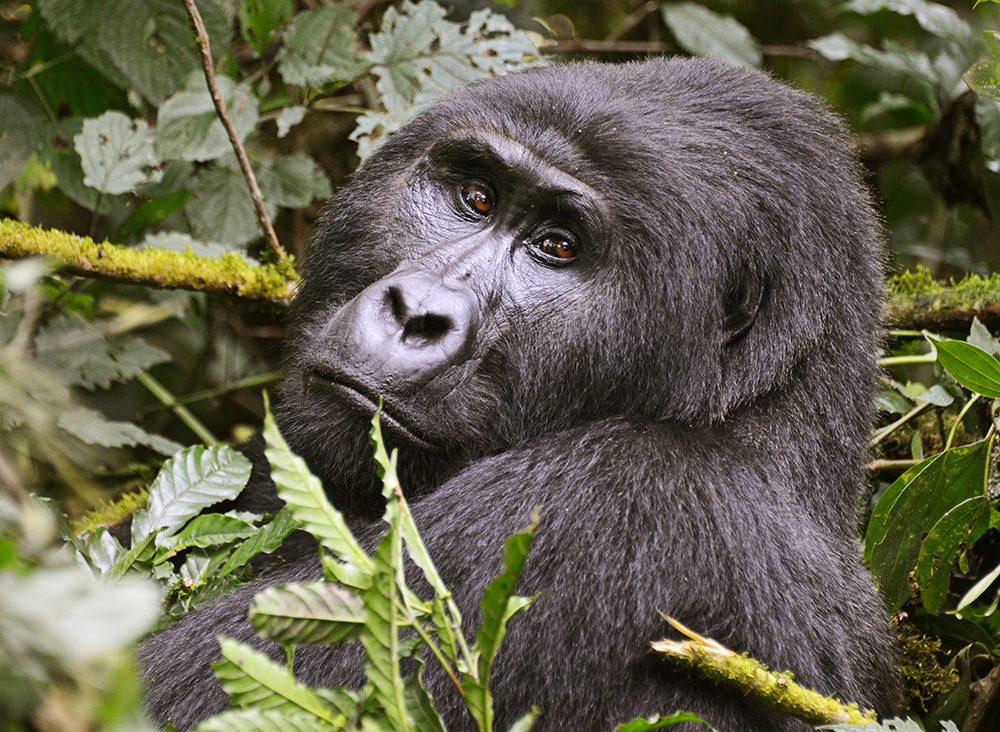
You might be surprised to learn that gorillas do eat meat, but not in the way most people think. They are mainly herbivores, with about 99% of their diet coming from plants. Still, they sometimes get small amounts of animal protein from insects, larvae, termites, ants, and snails that are on the plants they eat.
The belief that gorillas hunt for food is mostly a myth. Unlike chimpanzees, who hunt monkeys and other small animals, gorillas do not chase prey. When they eat meat, it usually happens by accident while eating plants that have insects on them. It’s a bit like finding an extra bit of protein in your salad, but gorillas don’t mind.
Understanding Gorilla Diet Basics
Gorillas eat a lot. An adult male silverback can eat 40 to 60 pounds of plants each day, which is about the same as 200 heads of lettuce. Most of their day is spent eating and resting, with about 30% of their time spent feeding.
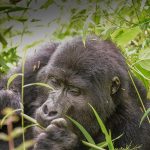
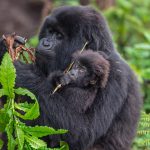
Most of what gorillas eat includes leaves, stems, bamboo shoots, fruits when they can find them, bark, and roots. Mountain gorillas especially like wild celery, thistles, nettles, and bamboo. Lowland gorillas eat more types of fruit. Their digestive system is well adapted to break down tough plant material, with a large colon full of bacteria that help ferment and digest fiber.
Scientific Evidence of Gorillas Eating Meat
Researchers have documented several instances of wild gorillas consuming animal matter. A comprehensive study in the Bwindi Impenetrable Forest found that gorillas regularly eat soil, which contains invertebrates and their larvae. Additionally, scientists have observed western lowland gorillas deliberately consuming termites and ants, sometimes breaking open termite mounds to access the protein-rich insects inside.
The most compelling evidence comes from fecal analysis, which has revealed traces of insect remains, snail shells, and occasionally small vertebrate bones. However, these findings are rare and represent less than 1% of their dietary intake.
One fascinating 2010 observation in Loango National Park, Gabon, documented gorillas eating small mammals, though researchers believe this was an exceptional case rather than normal behavior. The scientific community continues to debate whether such incidents represent opportunistic feeding or aberrant behavior.
Why Gorillas Occasionally Eat Meat
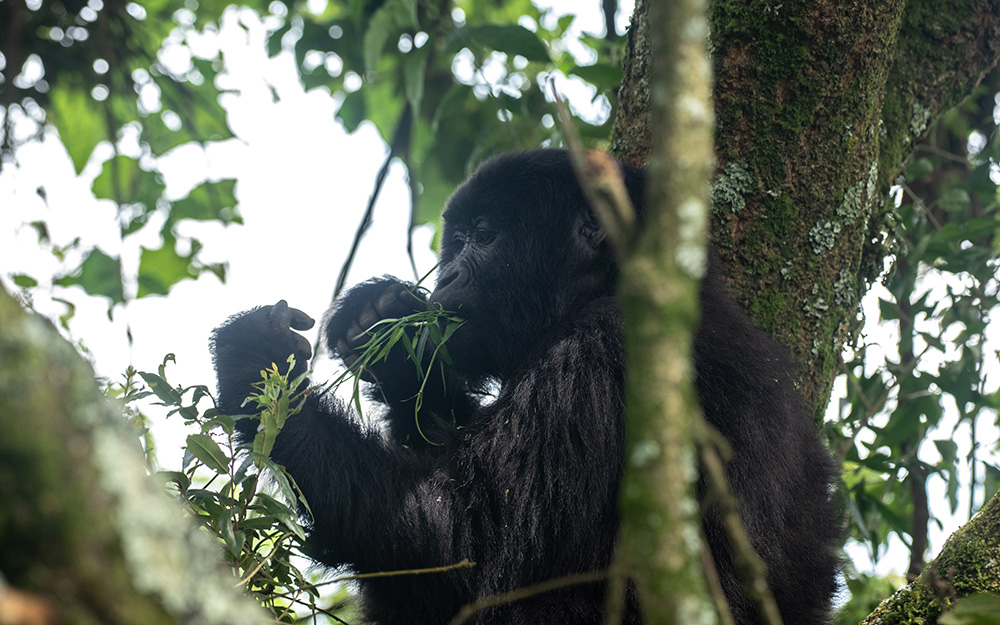
The million-dollar question is: why would a predominantly herbivorous animal consume meat at all? Nutritionists and primatologists suggest several compelling theories. The most widely accepted explanation centers on mineral supplementation—specifically sodium, iron, and vitamin B12, which are scarce in plant-based diets. Insects and soil containing invertebrates provide these essential micronutrients that help maintain optimal health.
Environmental factors also affect what gorillas eat. When their favorite plants are hard to find, they may eat more insects and other protein sources. This shows how flexible their diet can be. Female gorillas who are pregnant or nursing need more nutrients, so they may look for extra protein. In this way, they get important nutrients straight from nature.
Comparing Gorilla Species and Their Diets
Not all gorillas eat the same way, and the differences are fascinating. Mountain gorillas, living at elevations between 8,000 and 13,000 feet, consume mostly herbaceous plants because fruit trees are scarce in their high-altitude habitats. Their diet is about 86% leaves, shoots, and stems, with bamboo shoots being a particular favorite during certain seasons.
Western lowland gorillas have more types of food in their forests. When fruit is available, it can make up to 67% of their diet, so they eat more fruit than mountain gorillas. Eastern lowland gorillas (Grauer’s gorillas) eat about 30% fruit. Cross River gorillas, the rarest kind, eat like western lowland gorillas, but scientists know less about them because they are so rare. These differences in diet also affect how gorillas behave and live together.
Gorillas vs. Other Great Apes
Here’s where things get really interesting. While gorillas stick mainly to plants, chimpanzees are opportunistic omnivores who actively hunt colobus monkeys, bush pigs, and other mammals. Chimps have been observed coordinating group hunts, using tools, and even engaging in what appears to be warfare over territory. This hunting behavior can account for up to 5-7% of their diet, a stark contrast to gorillas.
Orangutans eat mostly fruit, which is about 60% of their diet, along with bark, leaves, insects, and sometimes bird eggs. Bonobos, sometimes called the “hippie apes,” eat like chimpanzees but hunt less often. Gorillas are different from other great apes because they mostly eat plants, even though they could eat meat if they wanted to. They have the ability, but they prefer not to.
Where to See Gorillas in the Wild
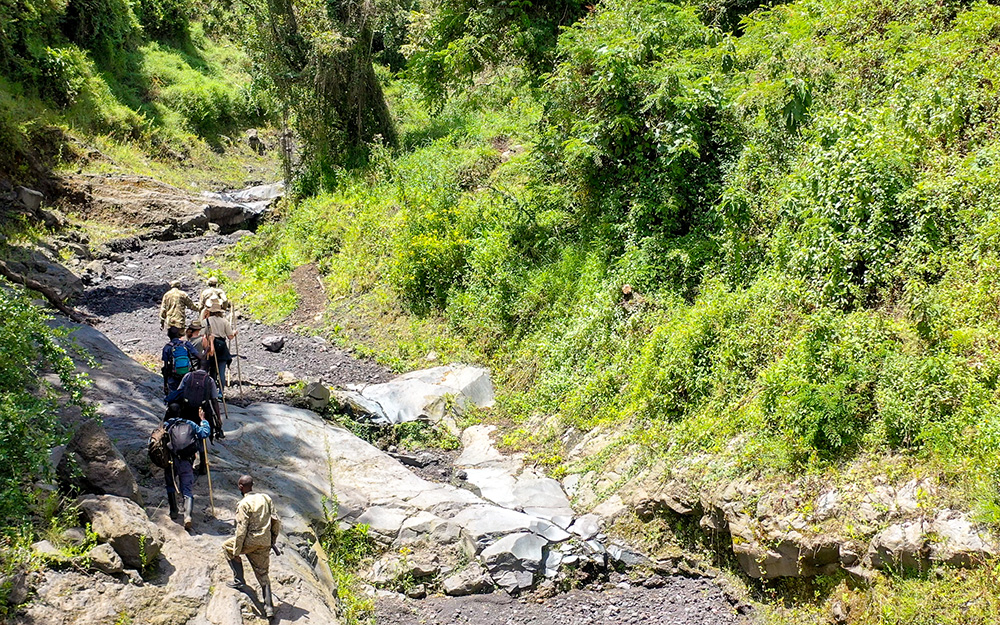
Bwindi Impenetrable National Park, Uganda
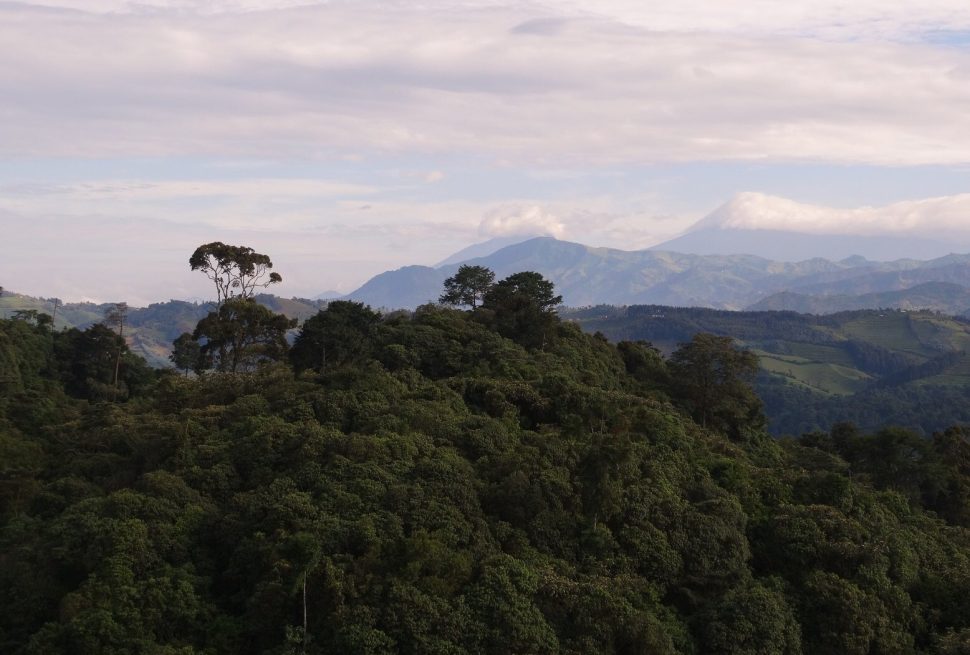
Bwindi is Africa’s gorilla trekking crown jewel, home to roughly half of the world’s remaining mountain gorillas. This UNESCO World Heritage Site spans 128 square miles of misty, mountainous rainforest in southwestern Uganda. The park hosts over 20 habituated gorilla families across four sectors: Buhoma, Ruhija, Rushaga, and Nkuringo.
Permits cost $800 per person and should be booked 3-6 months ahead through the Uganda Wildlife Authority or registered tour operators like Territory Explorers. They take care of the paperwork so you can focus on enjoying your trip. The best time to visit is from June to September and December to February, when the trails are drier and easier to walk. Be ready for steep, muddy paths—this trek is truly challenging.
Mgahinga Gorilla National Park, Uganda
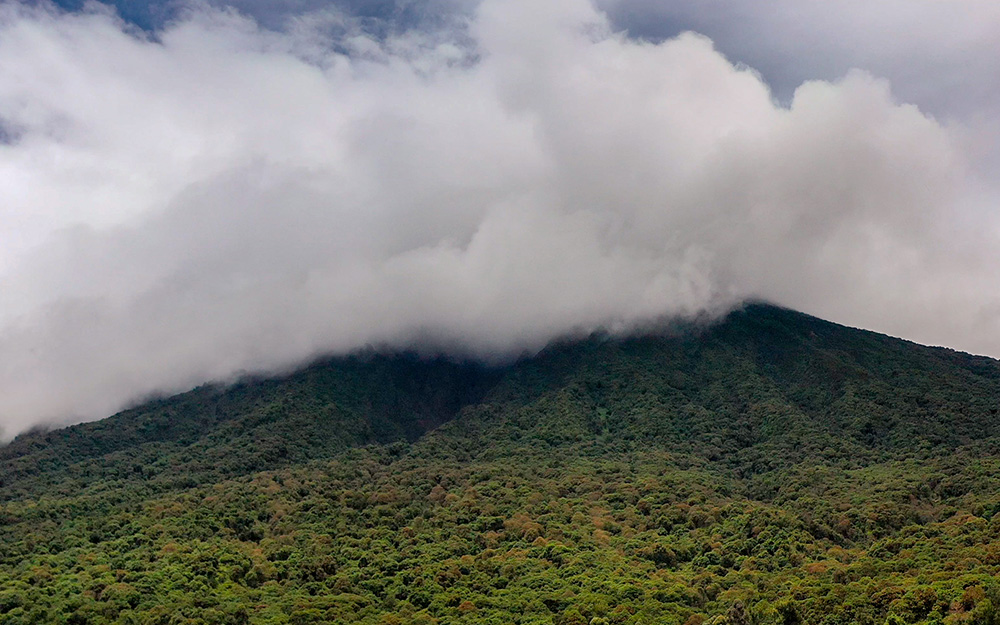
Mgahinga offers a more intimate gorilla trekking experience with fewer crowds. This smallest of Uganda’s national parks sits at the convergence of Uganda, Rwanda, and the Democratic Republic of Congo, covering just 13 square miles. Currently, one habituated gorilla family, the Nyakagezi group, calls Mgahinga home, though they occasionally wander across borders.
Mgahinga may have fewer gorillas, but it offers beautiful volcanic scenery and the chance to see endangered golden monkeys. Permits also cost $800, but only 8 are given out each day, so space is limited. The park’s three extinct volcanoes—Muhabura, Gahinga, and Sabyinyo—make a great setting for your trek. If you want a quieter, less crowded experience, Mgahinga is a good choice.
Volcanoes National Park, Rwanda
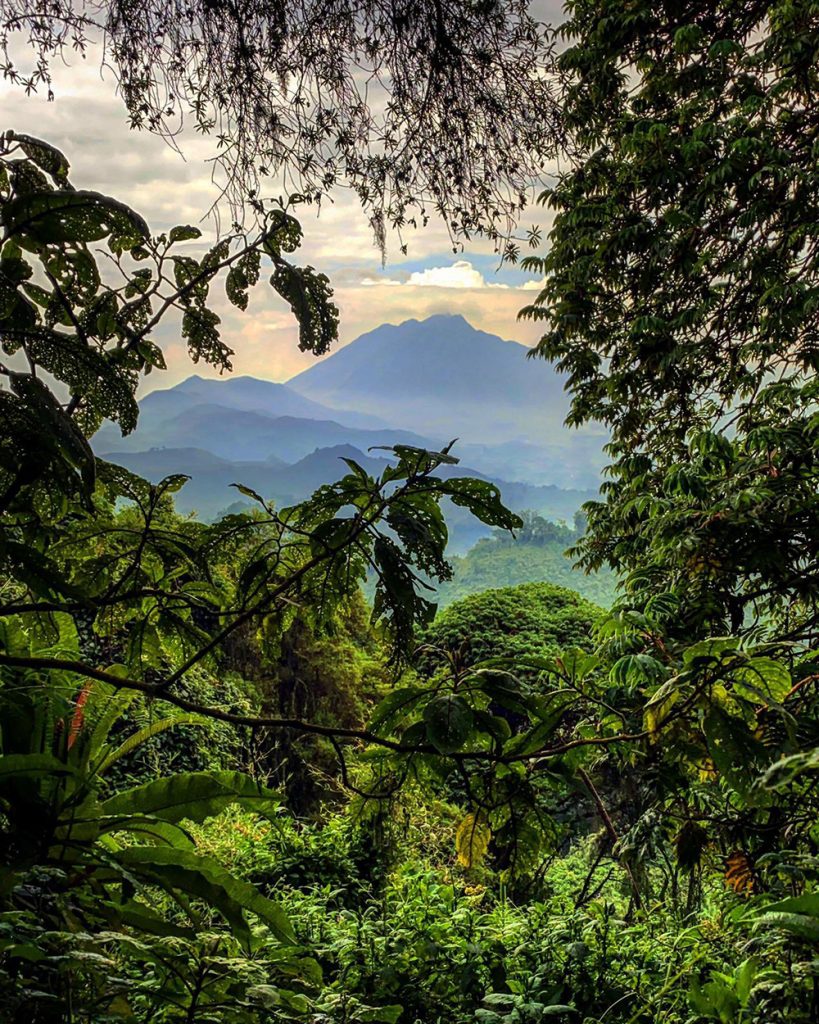
Rwanda’s Volcanoes National Park is where Dian Fossey conducted her groundbreaking gorilla research and where gorilla conservation tourism first took off. The park protects the Rwandan section of the Virunga Mountains and is home to 12 habituated gorilla families. Infrastructure here is more developed than in Uganda, with excellent roads and luxury lodge options nearby.
Permits cost $1,500 per person—pricier than Uganda, but many argue the streamlined experience and shorter drives to trailheads justify the premium. Rwanda has positioned itself as a high-end destination, and that approach has funded remarkable conservation successes. You can visit Dian Fossey’s grave and the Karisoke Research Center, adding historical depth to your trekking experience. The Rwandan government’s commitment to conservation has helped mountain gorilla populations rebound from the brink of extinction.
Virunga National Park, Democratic Republic of Congo
Virunga is Africa’s oldest national park and arguably its most dramatic. This park has endured decades of conflict, yet its rangers remain among the most dedicated conservationists on Earth. Virunga hosts both mountain gorillas in the south and endangered eastern lowland gorillas in the northern sectors, making it unique among gorilla destinations.
Permits cost about $400, making this a more affordable option, and the experience is more adventurous and less commercial. However, security can change, so always check travel advisories before booking. When it is safe, Virunga has a wide variety of wildlife, and you can even climb the active Nyiragongo volcano. Visiting Virunga helps pay rangers and supports community programs in a very challenging area for conservation.
Other Notable Parks
Kahuzi-Biéga National Park in the DRC offers the rare opportunity to trek eastern lowland gorillas (Grauer’s gorillas), the largest gorilla subspecies. These gentle giants are critically endangered, with fewer than 5,000 remaining. The experience differs from mountain gorilla trekking as the terrain is generally less steep, though the gorillas are larger and equally impressive.
Dzanga-Sangha Special Reserve in the Central African Republic and Odzala-Kokoua National Park in the Republic of Congo provide chances to see western lowland gorillas. These programs are smaller-scale and cater to more adventurous travelers willing to venture off the beaten path. Western lowland gorillas are more numerous than their mountain cousins but face severe threats from poaching, habitat loss, and Ebola outbreaks. These destinations offer truly remote wilderness experiences for those seeking something extraordinary.
Best Time to Visit
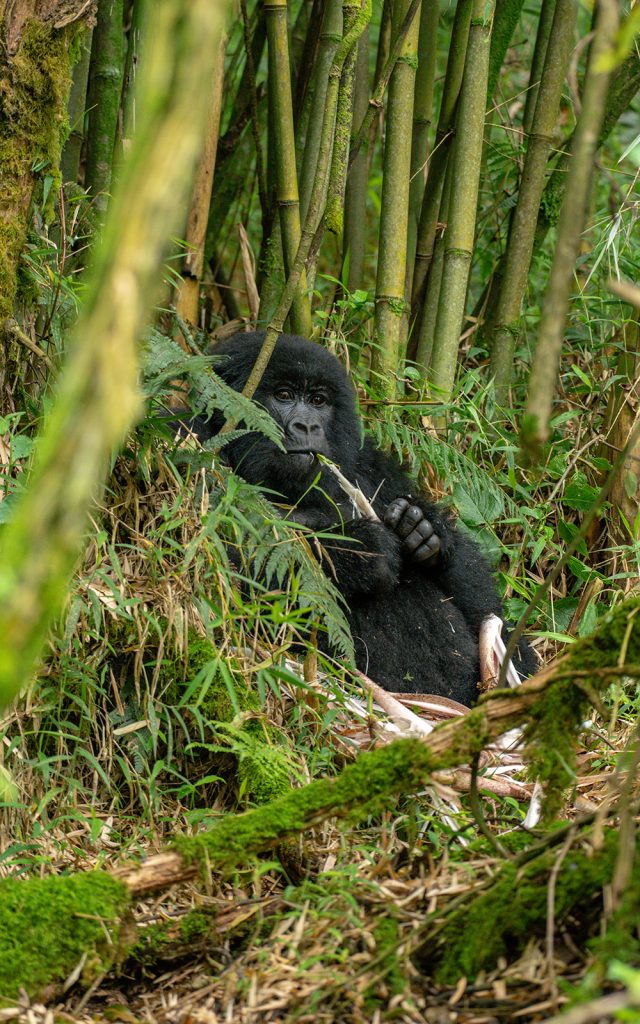
The dry seasons (June-September and December-February) are considered optimal for gorilla trekking. Trails are less muddy and more manageable, though “dry” is relative in rainforests where precipitation can occur year-round. These peak months also mean higher demand for permits and accommodation, so book well in advance.
The wet seasons (March-May and October-November) have both pros and cons. Trails are muddier and more slippery, making trekking harder. But it’s easier to get permits, accommodations may be cheaper, and the forests are greener with fewer tourists. Some travelers like the wet season for the adventure and quiet. Gorillas do not migrate, so you can see them all year, but getting to them may be harder in the wet season.
Ethical Tourism Practices in Gorilla Tourism
Being a responsible gorilla tourist means more than just following the rules during your trek. Choose tour operators who care about sustainability and helping local communities, like Territory Explorers, who give back to the people and keep high ethical standards. Avoid operators who offer cheap, unofficial gorilla visits, as these can harm the gorillas.
Always follow wildlife viewing rules: keep your distance, do not visit if you are sick, and always listen to your guide. Support local people by buying their crafts and staying in locally owned places when you can. Share your experience online in a way that does not encourage risky or rule-breaking behavior.
Leave no trace in the forest by taking all your waste with you and staying on marked trails. Your actions set an example for others and show that tourism and conservation can work together. Gorillas do not choose to be tourist attractions, so we should treat them with respect and care.
Frequently Asked Questions
No, gorillas do not actively hunt other animals for food. Unlike chimpanzees, who coordinate group hunts for monkeys and other mammals, gorillas lack hunting behavior entirely. Any meat consumption is incidental or opportunistic, such as eating insects found on vegetation or consuming invertebrates in soil. There have been extremely rare observations of gorillas eating small vertebrates, but these are anomalies rather than typical behavior and aren’t considered hunting.
Gorillas are classified as herbivores, though technically they’re folivores (leaf-eaters) who occasionally consume small amounts of animal protein. This makes them functionally omnivorous, but with over 99% of their diet being plant-based, “herbivore” remains the most accurate classification. The small amounts of insects, invertebrates, and larvae they consume don’t change their fundamental dietary category, much like occasional insect consumption by deer doesn’t reclassify them as omnivores.
Animal protein comprises less than 1% of a gorilla’s total dietary intake. This primarily comes from insects (termites, ants, and beetle larvae), snails, and other invertebrates, consumed incidentally while eating plants or deliberately sought out for their insect colonies. Some researchers estimate that insects contribute approximately 0.1-3% of dietary intake for western lowland gorillas, while mountain gorillas consume even less due to their high-altitude habitat, which has fewer insects.
Yes, gorillas can digest meat, though their digestive systems are optimized for plant matter. They possess the enzymes needed to break down animal proteins and fats, as do humans and other primates. However, their enlarged colon and specialized gut bacteria are primarily designed to ferment fibrous plant material. A meat-heavy diet would likely cause digestive issues, but the small amounts they naturally consume pose no problems and may provide beneficial nutrients.
Silverback males don’t have fundamentally different diets from other group members, though they consume larger quantities due to their size—up to 60 pounds daily compared to 30-40 pounds for females. Silverbacks often have feeding priority, accessing the best food first, but they eat the same foods as their families. During food scarcity, silverbacks sometimes travel farther to find adequate nutrition, a responsibility of their protective role. Otherwise, dietary differences between silverbacks and other gorillas are minimal.
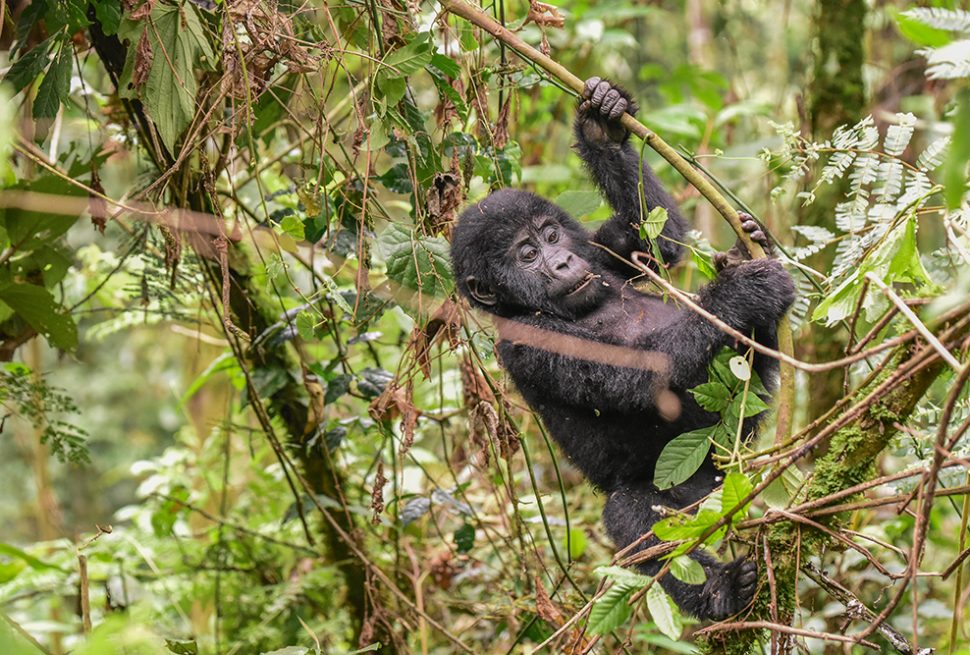
Baby gorillas nurse exclusively for the first few months of life, gradually incorporating solid foods around 3-4 months while continuing to nurse until 3-4 years old. Young gorillas learn what to eat by watching their mothers and other group members, developing dietary preferences through observation and experimentation. They start with softer vegetation, such as young leaves, and gradually build up to more fibrous plant materials as their digestive systems mature and their teeth develop fully.
Final Thoughts
The question “Do gorillas eat meat?” is more complex than it seems. It shows that nature is complicated, and even animals closely related to us do not always fit into simple categories. Gorillas show us that labels like “herbivore” and “carnivore” are not always clear, and most animals change their diets based on what is available and what they need.
Gorillas have survived for thousands of years by being efficient, peaceful, and adaptable—qualities we can learn from. As we deal with environmental challenges, the success of gorilla conservation gives hope that hard work, community support, and responsible tourism can help save species.
Whether you visit them or admire them from a distance, gorillas deserve our respect and protection so that future generations can also see these gentle animals living free in their mountain homes.
If seeing gorillas in their natural habitat is on your bucket list, get in touch with us. We’ll help you plan your trip so you can focus on making the most of your experience.