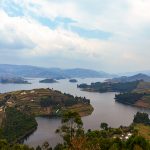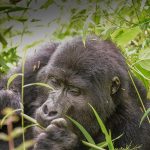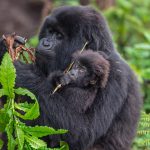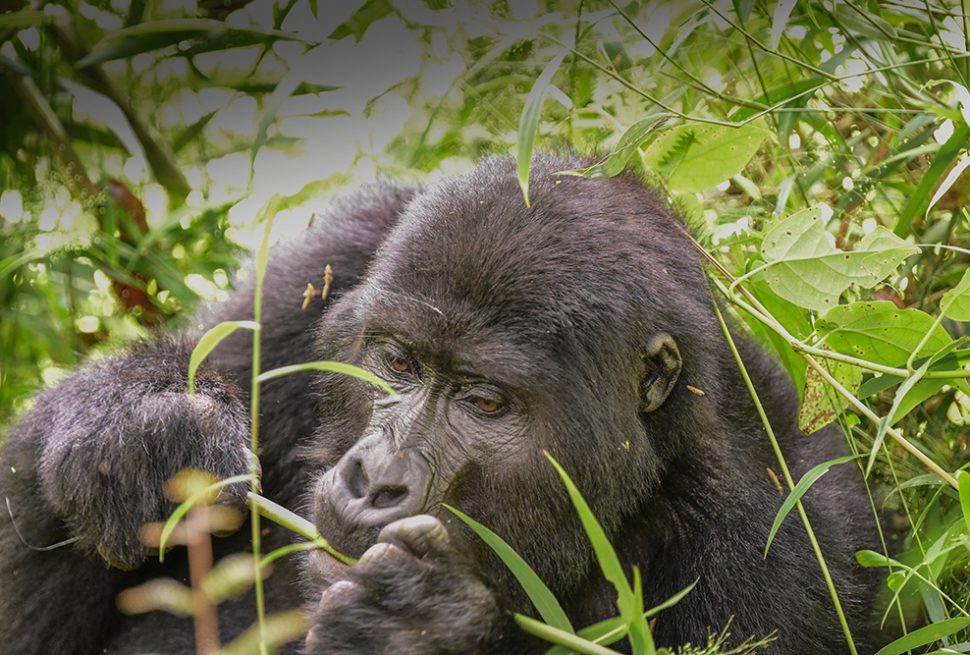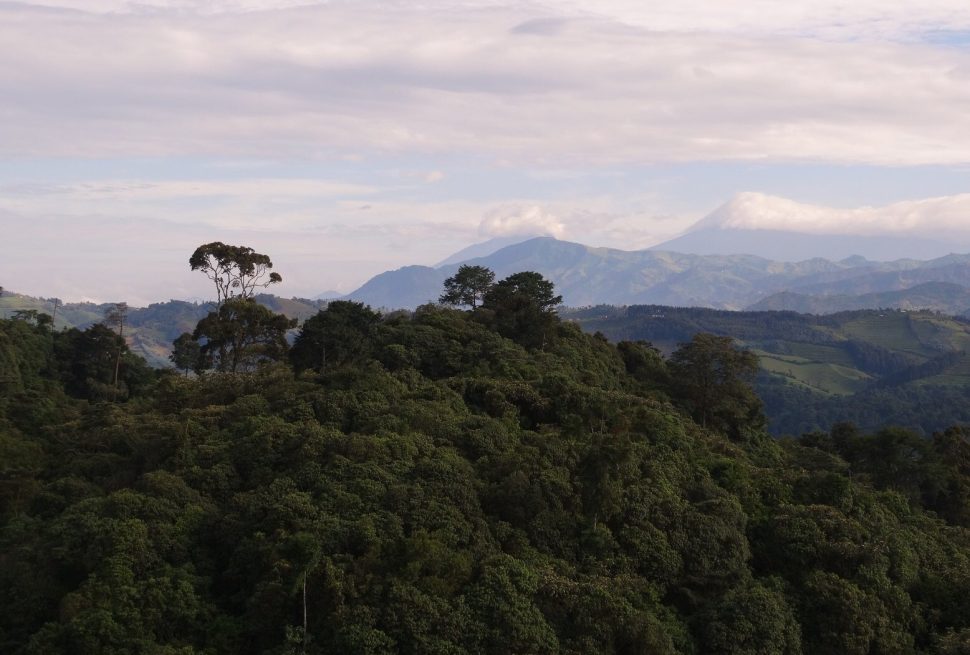

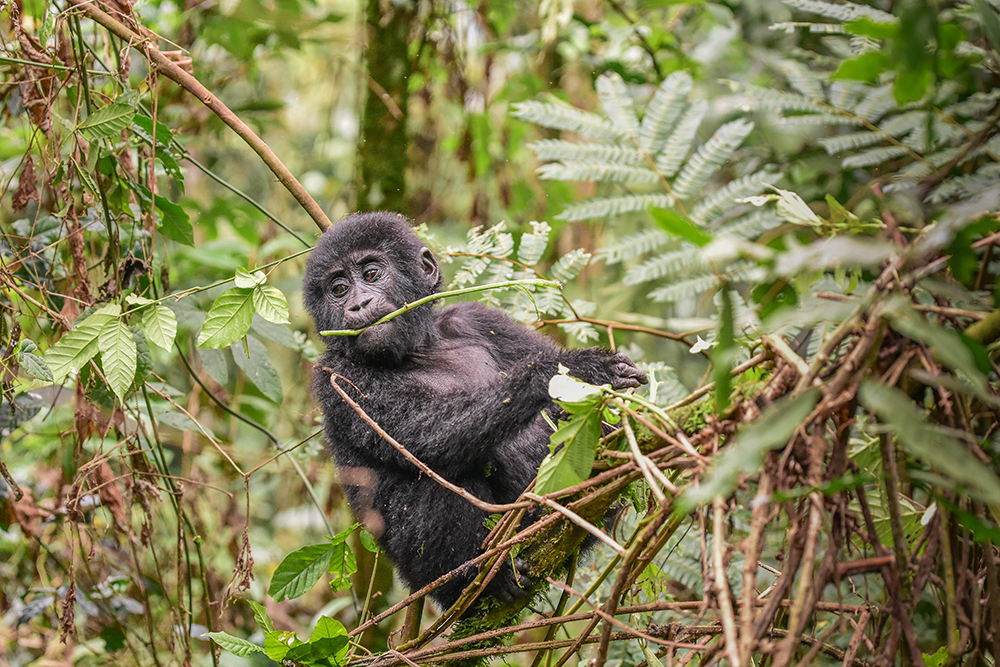
Located in the southern part of Bwindi Impenetrable National Park, Rushaga Gorilla Sector is considered Uganda's top spot for seeing mountain gorillas. Stretching to the Kisoro and Kanungu districts in southwestern Uganda, it gives adventurous travelers a unique chance to see these incredible animals in the wild. The rolling hills offer stunning views over the forest, Lake Mutanda, and the distant Virunga Mountains. Rushaga is not just a place for trekking; it opens the door to one of the world's most memorable wildlife experiences.
Key Takeaways
- Rushaga Gorilla Sector is located in the southern part of Bwindi Impenetrable National Park in southwestern Uganda.
- It has the highest number of habituated gorilla families in Bwindi — 8 families — with 64 daily trekking permits available.
- Rushaga is the only sector offering the exclusive Gorilla Habituation Experience, allowing up to 4 hours with semi-habituated gorilla families.
- Gorilla trekking permits cost $800 USD for foreign non-residents (2025 rates); Habituation Experience permits cost $1,500 USD.
- The best time to visit is during the dry seasons: June–September and December–February.
- Rushaga is just 4–5 hours from Kigali, Rwanda, making it ideal for East Africa multi-destination trips.
- You can fly from Entebbe to Kisoro Airstrip in about 1.5–2 hours with airlines like Aerolink Uganda or Bar Aviation.
- Book permits 3–6 months in advance, especially for peak season travel.
Territory Explorers is a trusted, licensed tour operator that can handle all permit bookings, transport, and accommodation arrangements for your Rushaga gorilla trek.
Why Choose Rushaga for Gorilla Trekking
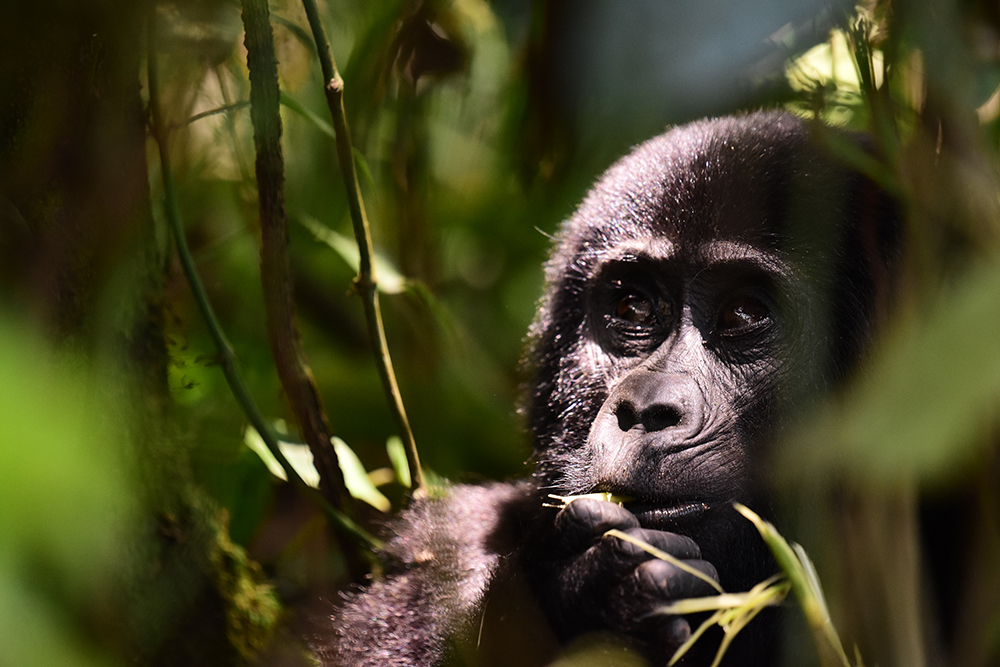
Rushaga Gorilla Sector stands out from other areas of Bwindi, such as Buhoma, Ruhija, and Nkuringo, for several reasons. Most importantly, it has the highest number of habituated mountain gorillas in the park, with eight different families you can visit. Because of this, there are 64 gorilla permits available each day — more than any other sector — so it's easier to book and get a permit, even during busy times.
Rushaga is unique because it offers the exclusive Gorilla Habituation Experience, where you can spend up to four hours with semi-habituated gorilla families along with researchers and trackers. This special experience is only available in Rushaga, making it the best choice for anyone wanting a closer look at these endangered animals. The sector is also close to the Rwanda border, just a 4-5 hour drive from Kigali, which makes it easy for international travelers to include Rushaga in their East African trips.
To make the most of your Rushaga experience, consider booking through Territory Explorers, a reputable licensed tour operator with deep expertise in gorilla trekking itineraries across Bwindi.
Gorilla Families in Rushaga Sector
Rushaga Gorilla Sector is home to eight habituated gorilla families, each with its own traits and personalities. This means every visit offers a different and memorable experience.
Nshongi Gorilla Family
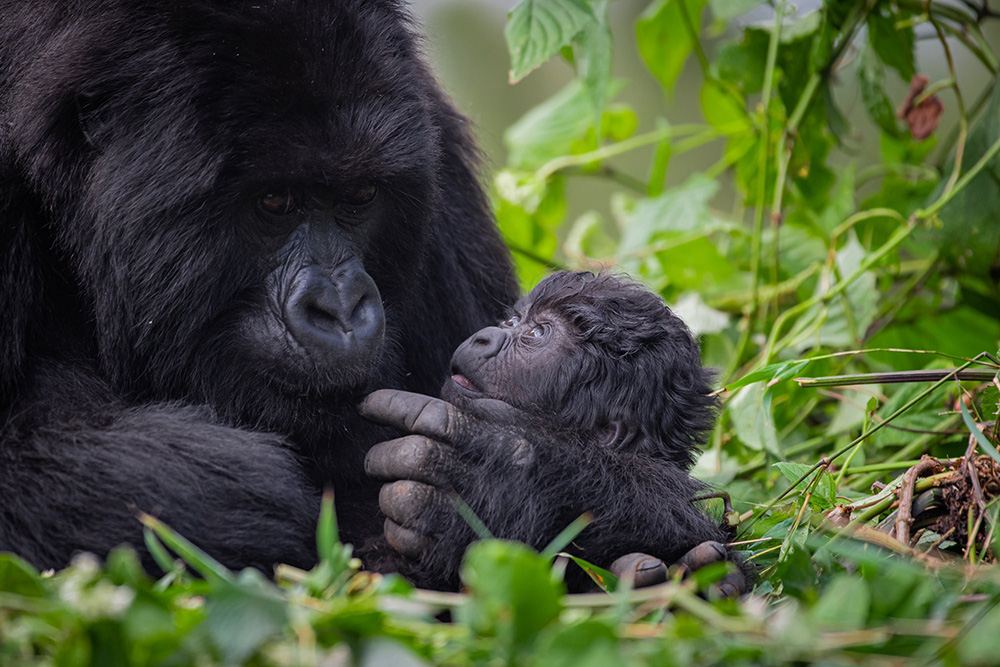
The Nshongi family is important in Rushaga's history as the first group to be habituated for tourism, starting in September 2009. Named after the Nshongi River, which means "honey" in Rukiga, this family was once the largest habituated group in the world with 36 members, including three silverbacks. After some members left in 2010 and 2013, the group now has about 7-10 members. Nshongi is still popular because of its history, easy habituation, and moderate trekking difficulty near the Rushaga trailhead. Visitors can enjoy calm encounters, great photo opportunities, and a look at established gorilla social life.
Mishaya Gorilla Family
The Mishaya family began after silverback Mishaya split from the Nshongi group in July 2010, taking 10 members with him. Mishaya was known for being a strong fighter who often raided other groups for females, but he died unexpectedly in February 2014 at age 28. In 2018, the family came together again under silverback Tinfayo and now has about 9-12 members, including one silverback, one blackback, adult females, juveniles, and infants. Even with their dramatic past, the family is now calm and friendly, giving trekkers a chance to see close social interactions and the group's resilience.
Kahungye Gorilla Family
The Kahungye family, named after Kahungye Hill, started welcoming tourists in October 2011 with 27-29 members. It is known as one of the most lively groups in Bwindi. Although some members left to form the Busingye and Rwigi families, Kahungye now has about 17-25 members, including several silverbacks, making it one of the largest families for trekking. Led by silverback Ruziika, the group is very active and playful, with young gorillas often wrestling and climbing trees.
They are often found near the park boundaries, so treks are usually moderate and offer great chances for exciting encounters and photos.
Busingye Gorilla Family
The Busingye family is named after the Rukiga word for "peace," but is led by one of Rushaga's most assertive silverbacks. The group formed in 2012 when Busingye left the Kahungye family and is known for confronting other silverbacks and taking females from other groups. Today, the family has about 9-10 members and lives deep in the forest, so treks to see them can be tough, often lasting 4-6 hours through thick vegetation and steep slopes.
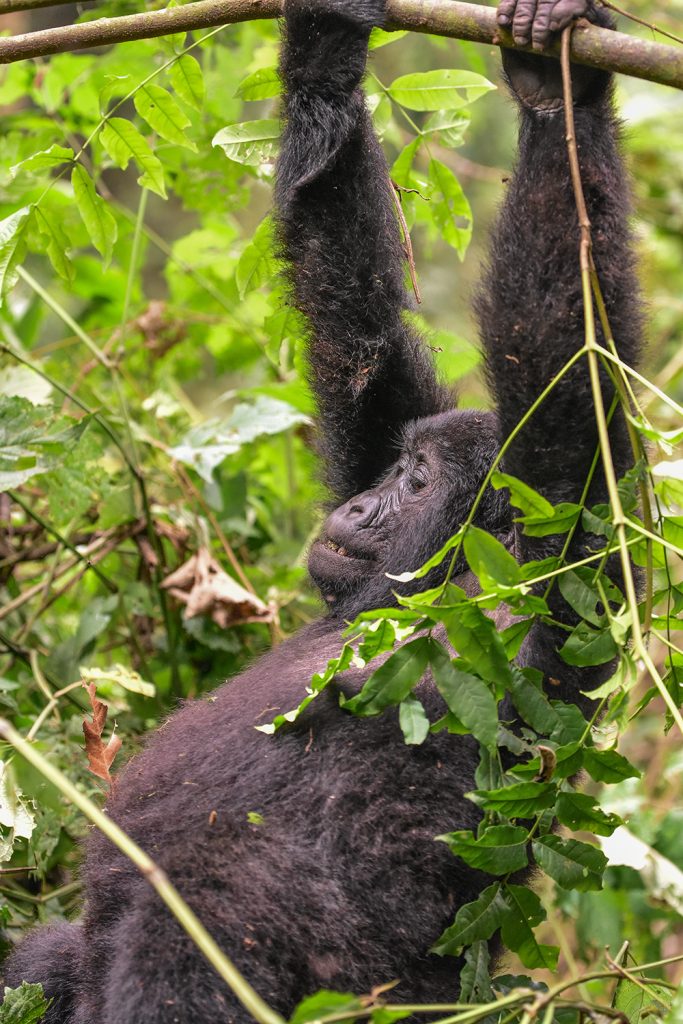
Still, the effort is rewarded with close encounters, beautiful forest views, playful young gorillas, and a true wilderness experience with little human presence.
Bweza Gorilla Family
The Bweza family started when silverback Bweza, also called Katono, left the Nshongi group in 2012-2013 with 6-10 members. Now, the family has about 11-12 members, including 2-3 silverbacks, and is often found foraging near community areas close to the park boundaries.
Because of this, they are usually easier to find, and treks to see them are of moderate difficulty, suitable for most people. The Bweza family is calm and close-knit, giving visitors a chance to see individual personalities and observe maternal care up close.
Mucunguzi Gorilla Family
The Mucunguzi family has a dramatic beginning. Silverback Mucunguzi, whose name means "savior," was forced out of the Bweza family and spent months alone. He later joined the Bikingi family and brought several females with him to start his own group.
Now, the family has about 10-12 members, mostly females, juveniles, and infants, which means it could grow quickly in the future. Trekking to see the Mucunguzi family gives visitors a look at how gorilla families form, how mothers care for their young, and how young gorillas play and interact.
Bikingi Gorilla Family
The Bikingi family has had a complicated history. It was formed in 2012 when members from the Mishaya group joined wild gorillas. In June 2018, the original silverback Bikingi was killed by another wild silverback, who then took over the group and kept the same name. After Mucunguzi took some females from the group, the family became more stable and now has about 12-15 members. Sometimes, Bikingi is chosen for the special Gorilla Habituation Experience, which lets visitors spend four hours with the gorillas instead of just one. Even with their past challenges, the family is now calm, and visitors can watch them forage, groom each other, and see playful young gorillas.
Rwigi Gorilla Family
The Rwigi family is the newest group in Rushaga, open for trekking since April 2019. Silverback Rwigi left the Kahungye family with several adult females, juveniles, and infants to form this group. The name "Rwigi" means "door" in Rukiga. The family has about 10 members and was already used to people from their time in Kahungye. As a young family, Rwigi gives visitors a chance to see how new gorilla groups form and claim territory. Treks to see them are usually moderate in difficulty, and visitors can watch the group's strong bonds, the silverback's protective actions, and playful young gorillas.
Each gorilla family lives in different hills and territories of Rushaga, so the difficulty of your trek depends on where the family is that day and how much they have moved. Some families are close to the trailhead, making for a moderate 1-3 hour trek that most people can handle. Others may require a tougher 4-6 hour hike through steep, muddy, and thick forest. No matter how hard the trek is, you will be rewarded with beautiful forest views, amazing wildlife encounters, and the special experience of spending time with these endangered gorillas.
Sample Trips to Rushaga
These are our most popular packages, chosen by past clients. You can follow their lead and explore just like they did. Take a look to see if any match your travel style. If you want to add anything, we can do that quickly and help you start your adventure.
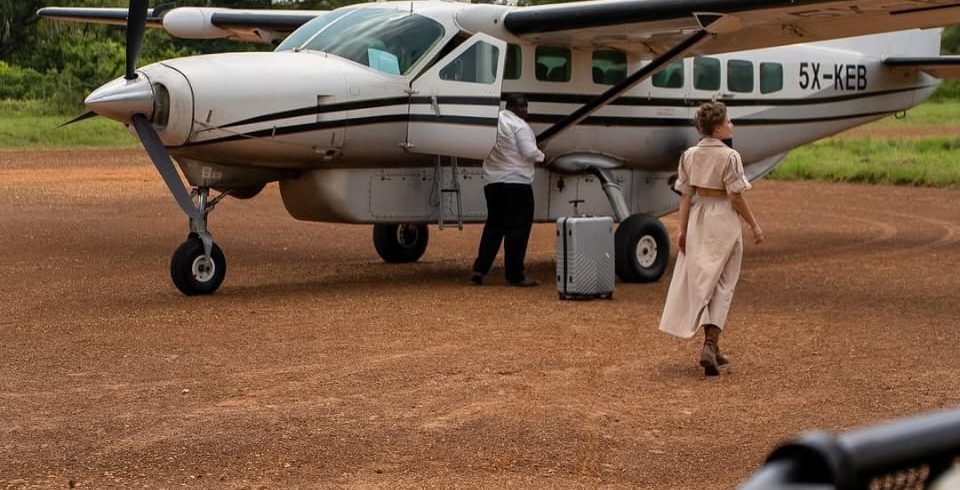
This 4-day fly-in safari is perfect for travelers who want to meet mountain gorillas in Bwindi Impenetrable National Park without...
- Jan
- Feb
- Mar
- Apr
- May
- Jun
- Jul
- Aug
- Sep
- Oct
- Nov
- Dec
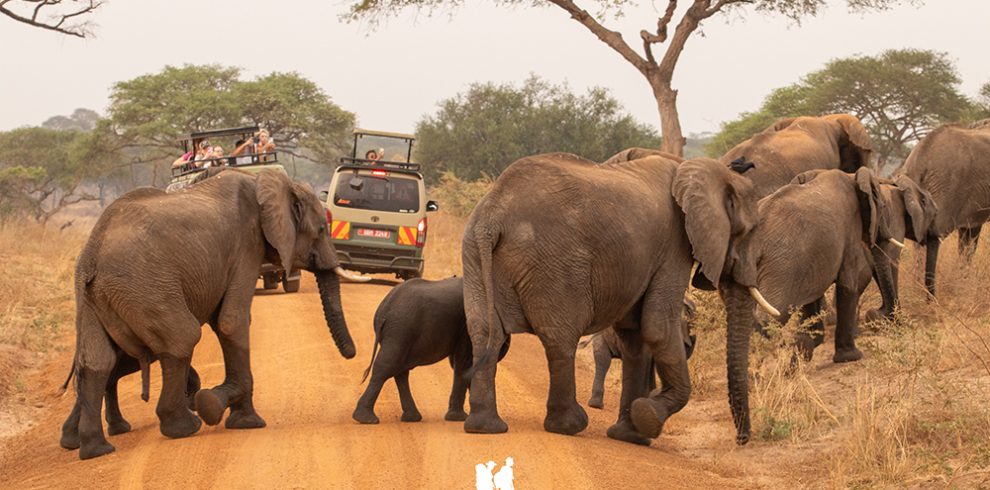
This 14-day safari explores some of Uganda's most stunning landscapes and wildlife spots, blending nature, culture, and adventure. Starting in...
- Jan
- Feb
- Mar
- Apr
- May
- Jun
- Jul
- Aug
- Sep
- Oct
- Nov
- Dec
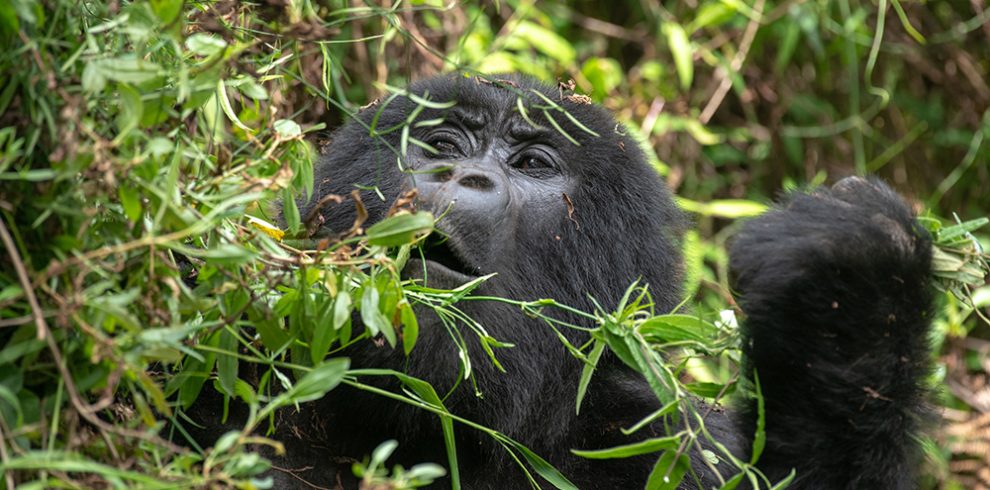
Join us for a 14-day Uganda-Kigali adventure that brings together East Africa’s top wildlife, culture, and exciting activities. You’ll visit...
- Jan
- Feb
- Mar
- Apr
- May
- Jun
- Jul
- Aug
- Sep
- Oct
- Nov
- Dec
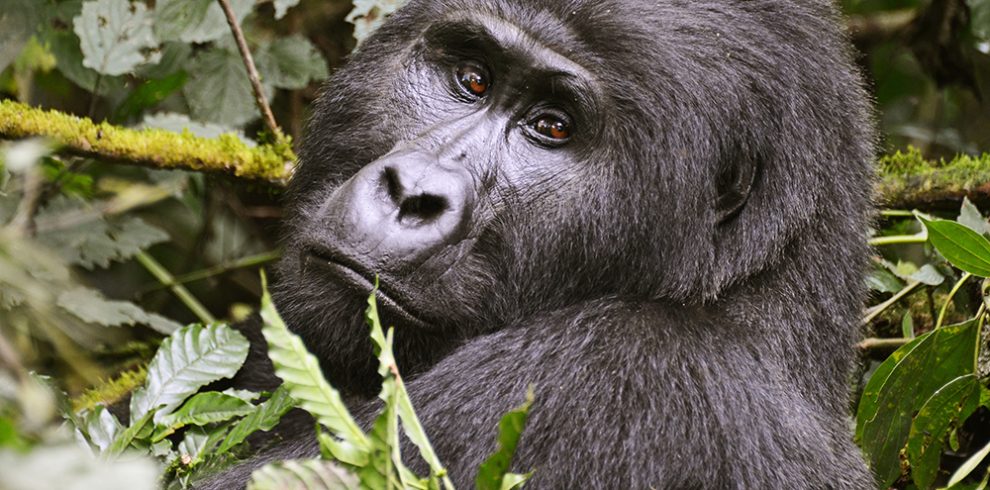
This 4-day Uganda safari starts in Kampala or Entebbe and takes you through the beautiful southwest for a memorable mountain...
- Jan
- Feb
- Mar
- Apr
- May
- Jun
- Jul
- Aug
- Sep
- Oct
- Nov
- Dec
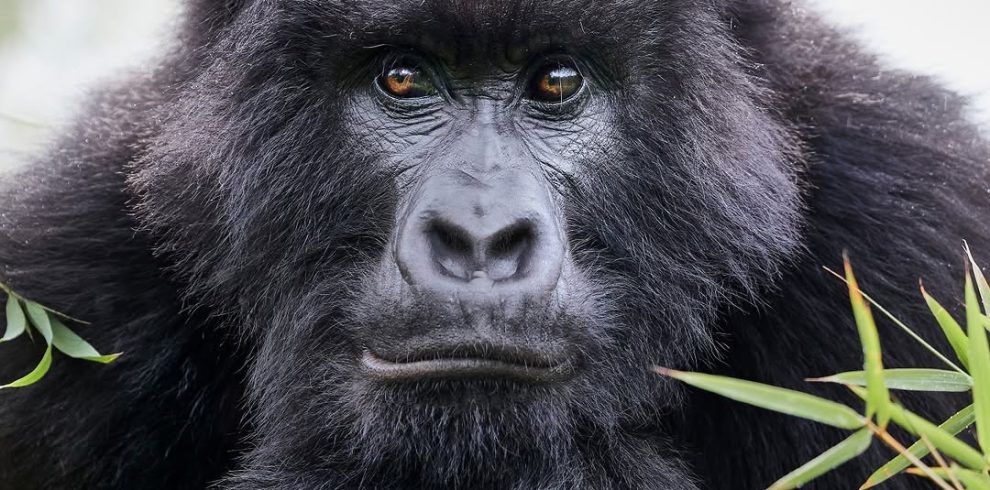
Let's take you on a 3-day gorilla safari in Uganda’s Bwindi Impenetrable Forest, where almost half of the world’s mountain...
- Jan
- Feb
- Mar
- Apr
- May
- Jun
- Jul
- Aug
- Sep
- Oct
- Nov
- Dec
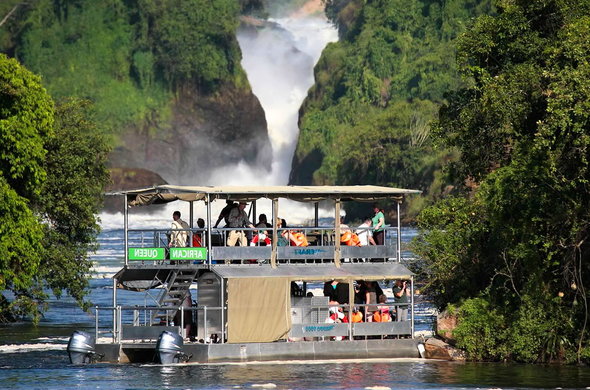
Set out on a 9-day journey across Uganda’s most famous wildlife spots, from the powerful Murchison Falls to the green...
- Jan
- Feb
- Mar
- Apr
- May
- Jun
- Jul
- Aug
- Sep
- Oct
- Nov
- Dec
Getting to Rushaga Sector
Getting to Rushaga Gorilla Sector is an adventure, and there are several ways to get there depending on where you start. If you travel by road from Kampala or Entebbe International Airport, the trip takes about 8-10 hours and goes through Masaka, Mbarara, and Kabale.
The drive is long but offers views of rural Uganda, tea plantations, and the terraced hills of the southwest.
If you are coming from Kigali, Rwanda, the trip to Rushaga is much shorter — just 4-5 hours through the Cyanika border crossing.
This makes Rushaga a great choice for travelers who want to combine gorilla trekking with other activities in Rwanda or save time. The drive from Kigali also gives you beautiful views of the Virunga volcanoes and the green countryside along the border.
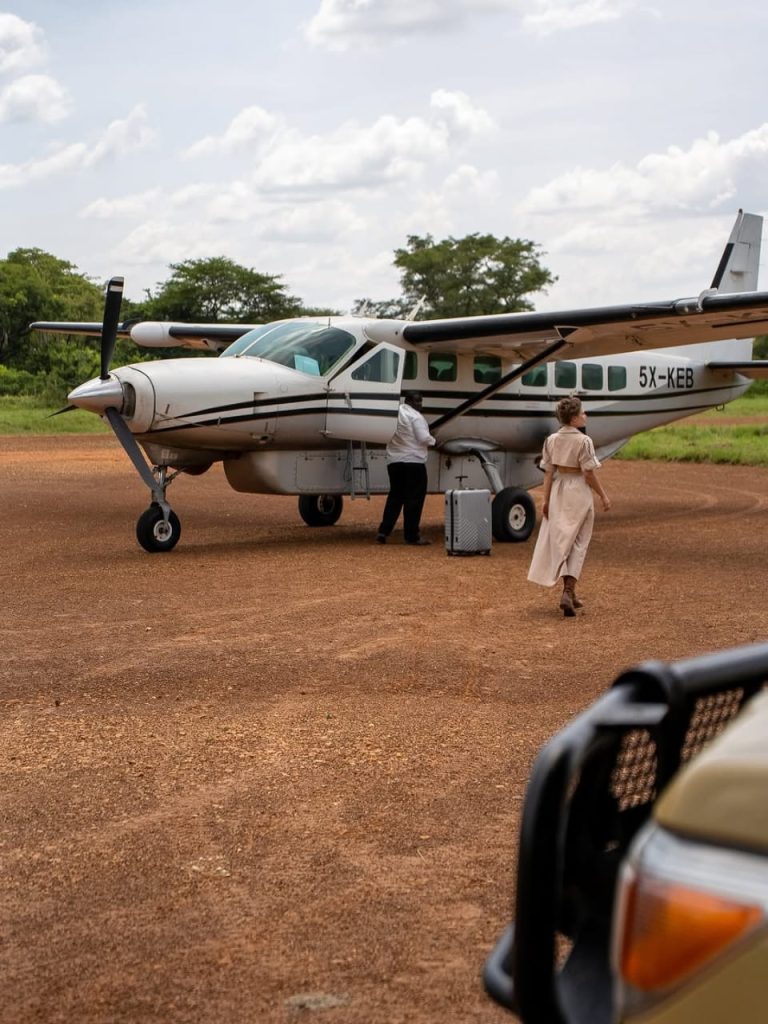
If you want to save time, you can take a domestic flight from Entebbe International Airport or Kajjansi Airfield to Kisoro Airstrip.
The flight takes about 1.5-2 hours, with airlines like Aerolink Uganda and Bar Aviation offering regular and charter flights. From Kisoro Airstrip, it's a scenic one to two-hour drive to Rushaga, so you can relax and enjoy the views before your trek.
Best Time to Visit Rushaga
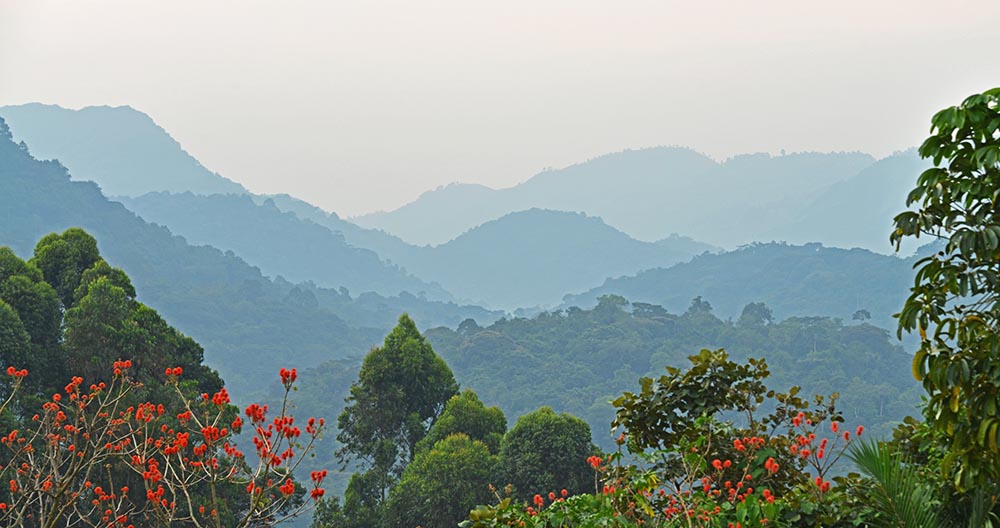
You can go gorilla trekking in Rushaga any time of year, but choosing the right season can make your trip better. The dry seasons, from June to September and December to February, are the best times to visit. During these months, the trails are less muddy, the vegetation is not as thick, and trekking is more comfortable. The weather is also clearer, which is great for taking photos and enjoying the views.
The wet seasons, from March to May and October to November, also have benefits even though it rains more. Permits are usually easier to get, and there are fewer tourists. The forest is very green, waterfalls are at their best, and gorillas are often easier to find because they stay at lower elevations. Accommodation can also be cheaper during these months. Remember, rain is possible at any time in this rainforest, so always be ready for wet weather no matter when you visit.
Gorilla Trekking Permits and Costs
The biggest cost for your Rushaga trip is the gorilla trekking permit, which is required for this special wildlife experience. As of 2025, permits cost $800 USD for foreign non-residents, $700 USD for foreign residents, $500 USD for citizens of other African countries, and 300,000 Ugandan Shillings (about $80 USD) for East African Community citizens. You need to buy your permit in advance, either directly from the Uganda Wildlife Authority (UWA) or through a licensed tour operator who can help with the booking.
If you want to join the special Gorilla Habituation Experience, which lets you spend four hours with semi-habituated gorilla families, the permit costs $1,500 USD for foreign non-residents, $1,000 USD for foreign residents, and 750,000 Ugandan Shillings for East African citizens. Only eight permits are available each day — four for each of the two families — so booking early is very important.
It's best to book your permit 3-6 months ahead of time, especially if you want to visit during the busy dry seasons. Each permit is for a specific date and sector, and includes one hour with the gorillas (or four hours for the habituation experience), park entrance, guides, and trackers. Your fee also helps support gorilla conservation and local communities. Territory Explorers can assist with permit bookings and full package arrangements, ensuring a smooth and well-organized gorilla trekking experience.
What to Expect During Your Trek
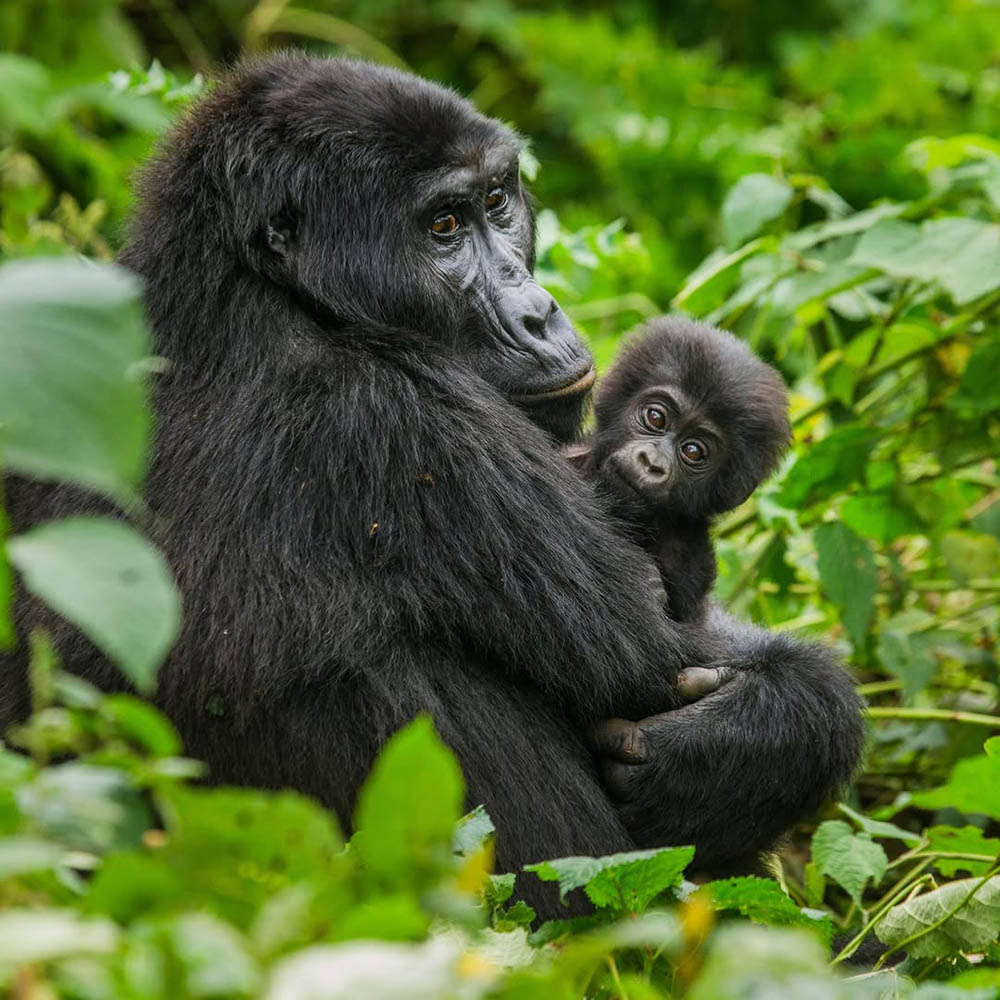
Your gorilla trek starts early at the Rushaga sector headquarters, usually around 7:00 AM. Uganda Wildlife Authority rangers will give you a detailed briefing about the rules, what to expect, and how to act around the gorillas. Trekkers are split into groups of eight for each gorilla family, and each group is led by experienced guides and rangers who keep everyone safe.
The trek can take anywhere from one to eight hours, depending on where your assigned gorilla family is that day. Trackers go out early to find the gorillas and update your guides by radio. The terrain in Rushaga is challenging, with steep hills, thick vegetation, and muddy paths, so you need to be reasonably fit. Guides set a comfortable pace and take regular breaks, and the excitement grows as you get closer to the gorillas.
When you find the gorillas, you will spend one hour watching them from about seven meters away. During this time, you can see silverbacks showing their strength, mothers caring for their babies, young gorillas playing, and the whole family feeding, grooming, and resting. Many visitors say the experience is unforgettable and even life-changing, as you see these close relatives in their natural home.
Accommodation Options in Rushaga
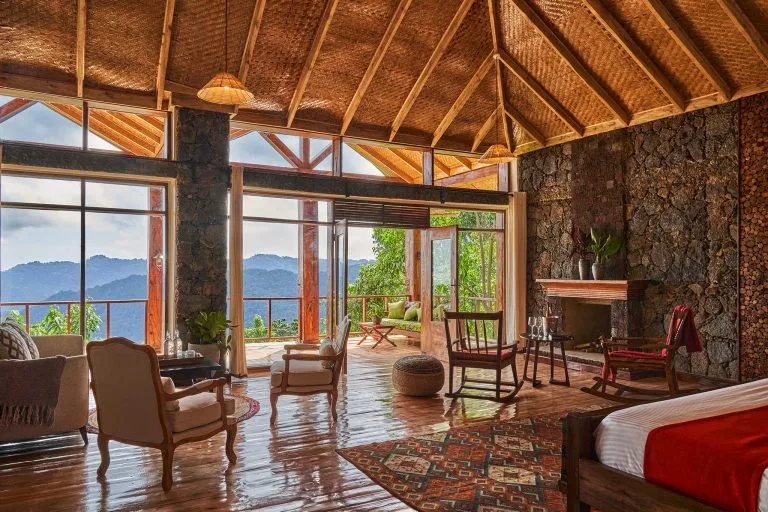
Rushaga has a wide range of places to stay for all budgets and preferences, so you can relax after your trek. If you want luxury, Gorilla Leisure Lodge offers stylish rooms, great service, beautiful forest views, and extras like a spa and gourmet food. Clouds Mountain Gorilla Lodge is another top choice, with cottages that have fireplaces and amazing views over the forest.
For mid-range options, Rushaga Gorilla Lodge is a popular choice just 10-15 minutes from the park headquarters. It has comfortable tents, cottages, and standard rooms with hot water, good food, and a friendly atmosphere. Gorilla Valley Lodge is another good mid-range option, with nice rooms and gardens that look out over the forest valleys.
If you are on a budget, Rushaga Gorilla Camp has basic but clean rooms and a campsite for the lowest prices. Nshongi Gorilla Camp and Rushaga Gorilla Havens Lodge also offer affordable rooms with the essentials. Many places to stay in Rushaga are owned and run by local people, so your visit helps support the community and conservation.
What to Pack for Gorilla Trekking
Getting ready properly can make your trek much more enjoyable. You should wear sturdy, waterproof hiking boots with good ankle support and grip — these are the most important item, as the trails can be steep, slippery, and muddy. Long-sleeved shirts and trousers in neutral colors like khaki, olive green, or brown will protect you from thorns, nettles, and insects, and help you blend into the forest. Don't wear bright colors, camouflage, or animal prints.
A waterproof rain jacket or poncho is a must, since it can rain at any time in the rainforest. Many people also suggest bringing waterproof trousers. Garden gloves are very useful for protecting your hands when you grab plants for support and to avoid scratches. Knee-high socks tucked into your boots help keep insects, especially safari ants, from getting on your legs. Gaiters also help protect against mud, water, and plants.
You should also bring a lightweight, waterproof daypack, insect repellent with DEET, high SPF sunscreen, a wide-brimmed hat, at least two liters of water or a hydration pack, energy snacks, and a good camera with extra batteries and memory cards. Remember to pack a face mask, as you may need to wear one to protect the gorillas. Hiring a porter for $15-20 is a good idea — they can carry your bag, help you on tough parts of the trail, and your payment supports local jobs.
Other Activities in Rushaga Area
Gorilla trekking is the main reason to visit Rushaga, but there are other activities to enjoy as well. The Batwa Cultural Experience lets you learn about the Batwa pygmies, who used to live in Bwindi before it became a park. A Batwa guide will take you through the forest, show you traditional hunting and fire-making, perform dances, and share stories about their connection to the land.
Nature walks in Bwindi let you see much more than just gorillas. Guided walks on trails like Kajembehajambe or Kashasha River Trail take you through thick forest where you might see other primates, such as black and white colobus monkeys, L'Hoest's monkeys, and even chimpanzees. The forest is also home to elephants and buffaloes, but these are rarely seen.
If you enjoy birdwatching, Rushaga is a great place to visit. Bwindi has about 350 bird species, including 14 that are only found in Uganda and 23 that are unique to the Albertine Rift. After your gorilla trek, you can also visit Lake Mutanda or Lake Bunyonyi nearby. Both lakes have beautiful scenery, canoeing, and a relaxing atmosphere. The area is sometimes called the "Switzerland of Africa" because of its green hills and clear waters.
Practical Tips and Rules
To protect both visitors and gorillas, there are strict rules for gorilla trekking. You must be at least 15 years old to join a trek, and this rule is strictly followed to make sure everyone can handle the hike and follow instructions. If you feel sick, even with a cold, you should not trek because gorillas can catch human diseases. The Uganda Wildlife Authority offers a 50% refund if you can't trek due to illness, so it's important to be honest about your health.
When you are with the gorillas, always stay at least seven meters away, even if they come closer to you. Do not touch the gorillas or anything around them, keep your voice down, and avoid looking silverbacks directly in the eyes, as they may see it as a threat. Do not eat, drink, or smoke near the gorillas. Flash photography is not allowed, and your camera should be set to silent mode to avoid disturbing them.
It's a good idea to prepare physically before your trek. You don't have to be an athlete, but being reasonably fit will help you enjoy the experience more. Try some hiking or stair climbing before your trip. During the trek, stay hydrated, always listen to your guide, and consider hiring a porter. Porters are very helpful on tough parts of the trail and your support helps local families.
Frequently Asked Questions (FAQs)
Yes, all gorilla treks in Rushaga are led by professional guides and rangers from the Uganda Wildlife Authority. These local guides join your group at the morning briefing and stay with you throughout the trek. They know a lot about gorilla behavior, the forest, and tracking, thanks to their training. You can also hire local porters at the trailhead for $15-20 to carry your backpack and help on tough parts of the trail. Many tour operators also have their own driver-guides who manage logistics and travel with you to the park.
Many trusted tour operators focus on Rushaga gorilla trekking. Only licensed Ugandan companies can book gorilla permits, so it's important to use a local operator. Territory Explorers is among the top-recommended licensed operators, known for their personalized service, transparent pricing, and years of experience organizing gorilla trekking trips to Rushaga and across Bwindi.
Good agencies are usually based in Kampala or Entebbe and offer packages that cover permits, transport, accommodation, and extra activities. When picking a tour operator, check for proper licenses from the Uganda Tourism Board, positive client reviews, clear pricing, and experience with Bwindi and Rushaga. Most operators offer packages for different budgets, from basic to luxury. It's best to book 3-6 months ahead to get permits for your preferred dates.
Rushaga has great accommodation options for every budget. For a luxury stay, Gorilla Leisure Lodge is known for its stylish design, excellent service, comfortable rooms with forest views, spa, and location near the park entrance. Clouds Mountain Gorilla Lodge is another top choice with amazing views. For mid-range, Rushaga Gorilla Lodge is just 10-15 minutes from the trailhead and offers tents, cottages, standard rooms, and good food.
Gorilla Valley Lodge is also a popular mid-range pick with well-kept facilities. Budget travelers can choose Rushaga Gorilla Camp for basic rooms and camping, or Nshongi Gorilla Camp for affordable stays. Most lodges are community-owned, so your visit helps support local families.
Many licensed tour operators offer full Rushaga gorilla trekking packages. Territory Explorers is a highly recommended option, offering comprehensive packages that include permits, airport transfers, transport to Rushaga, accommodation, and extra activities. Packages range from Midrange 3-day trips starting at about $2,300 - 4,500 per person to luxury 4-5 day safaris costing $5,000 - 7,000 or more per person.
When choosing a company, make sure they are licensed by the Uganda Wildlife Authority and the Uganda Tourism Board. Check their experience with Rushaga, read recent reviews, see what is included in the package, and review their cancellation and refund policies. Many operators also offer packages that combine gorilla trekking with other activities, like safaris in Queen Elizabeth National Park or chimpanzee tracking in Kibale.
From Entebbe International Airport, you can reach Rushaga by road or by air. The road trip takes about 8-10 hours and covers around 530 kilometers. The route goes through Kampala, then Masaka, Mbarara, and Kabale before arriving in Rushaga. Most tour operators use 4x4 vehicles with professional drivers and make rest stops along the way. Although the drive is long, you'll see beautiful views of the Ugandan countryside, including terraced hills and tea plantations.
A faster way is to fly from Entebbe International Airport or Kajjansi Airfield (near Kampala) to Kisoro Airstrip. Airlines like Aerolink Uganda and Bar Aviation offer flights that take about 1.5-2 hours. From Kisoro, it's a 1-2 hour scenic drive to Rushaga. Flying costs more (about $535 roundtrip), but it saves time and energy for your trek. Many tour operators can arrange road or flight transfers, and fly-in options are usually part of mid-range or luxury packages.
You'll need waterproof hiking boots with good ankle support and grip (this is the most important item), a long-sleeved shirt and long trousers in neutral colors like khaki, green, or brown, and a waterproof rain jacket or poncho. Bring garden gloves for grabbing plants, knee-high socks to tuck your trousers into (to protect from safari ants), and gaiters (optional but recommended).
Pack a waterproof daypack, insect repellent with DEET, sunscreen (SPF 30+), a wide-brimmed hat, at least 2 liters of water or a hydration pack, energy snacks, a camera with extra batteries and memory cards, and a face mask. Optional items include trekking poles, sunglasses, waterproof pants, dry bags for electronics, binoculars, and a small first-aid kit. Don't wear bright colors, camouflage, animal prints, dangling jewelry, or perfumes. You can rent some gear (like rain jackets, gaiters, and walking sticks) at lodges, and you can hire a porter for $15-20 to carry your pack.
You can book guided tours to Rushaga through licensed Ugandan tour operators in Kampala, Entebbe, or through international companies that partner with Ugandan operators. These tours usually include everything: gorilla permits, transport by road or air, accommodation (from budget to luxury), meals, professional driver-guides, and extra activities. Most operators offer packages from 3-day express treks to 7-day or longer safaris that also visit places like Queen Elizabeth National Park or Kibale Forest.
To find good operators, check online, read travel forums, and look at review sites. Make sure the operator is licensed by the Uganda Tourism Board. Many have websites where you can see packages, ask for custom trips, and discuss your needs and budget. It's best to book 3-6 months ahead, especially for peak season.
Rushaga Gorilla Sector offers the most permits in Bwindi Impenetrable National Park, with 64 standard gorilla trekking permits available each day (8 for each of the 8 habituated families), plus 8 permits for gorilla habituation with two families. Even with this high number, permits sell out fast, especially in peak seasons from June to September and December to February.
To check and book permits, you can contact the Uganda Wildlife Authority directly or, more easily, use a licensed tour operator who can check dates and handle booking for you. It's best to book 3-6 months ahead for peak season, but you might find last-minute permits in off-peak months (March-May, October-November).
Permits are for a specific date and can't be transferred. If you are flexible with your travel dates or can visit during the shoulder season, you have a better chance of getting permits on short notice. Rushaga's high permit numbers make it a good choice for travelers with less flexible schedules.
Conclusion
Rushaga Gorilla Sector is Africa's top spot for mountain gorilla trekking. It offers eight habituated gorilla families, 64 daily permits, and the unique Gorilla Habituation Experience, giving you more choices than anywhere else in Bwindi Impenetrable National Park. Besides seeing gorillas, you can enjoy beautiful scenery, a variety of birds, and meet the Batwa people. The area is also close to Kigali, making it easy for international travelers to reach.
If you book your permit in advance, pack the right gear, and visit during the best season, you’re set for an amazing adventure. With Territory Explorers as your licensed and experienced tour operator, you can relax while we handle all the details. Just arrive and get ready to witness one of the world’s greatest wildlife experiences.