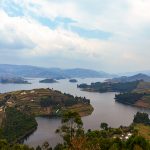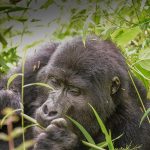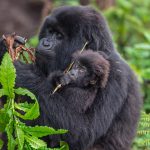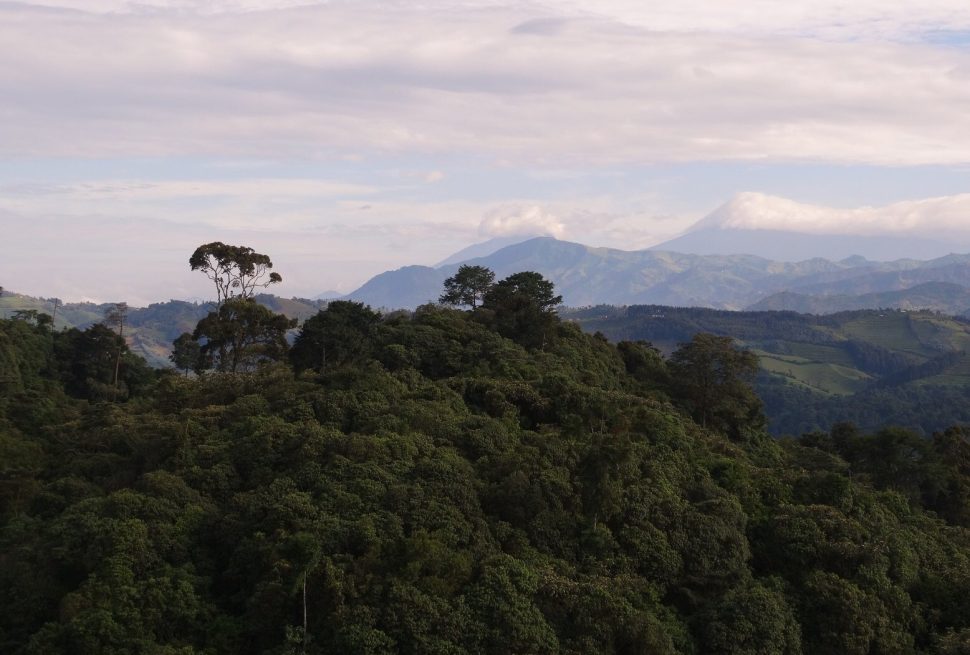

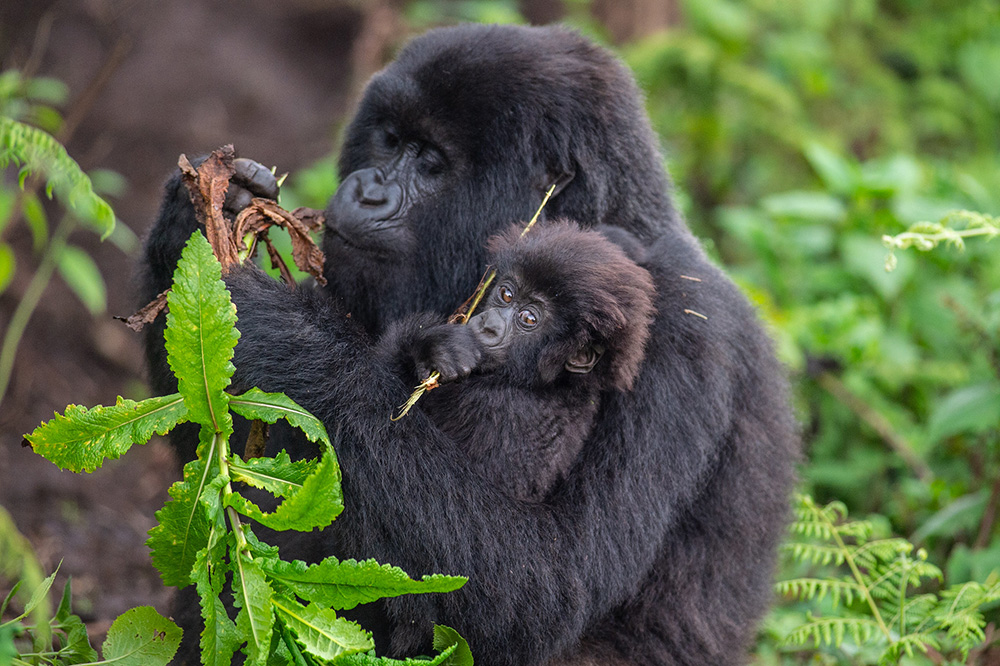
Ruhija Gorilla Sector is Bwindi’s most peaceful trekking area, set in the eastern highlands at around 2,350 meters. Since it opened for gorilla tourism in 2008, Ruhija has provided memorable mountain gorilla encounters and top-notch birdwatching. The cool weather, smaller crowds compared to Buhoma, and scenic ridgeline views make it a favorite for nature lovers, photographers, and anyone seeking a quieter, more reflective gorilla trekking experience in one of Africa’s richest ecosystems.
Key Takeaways
- Ruhija is Bwindi’s highest-altitude trekking sector at 2,350m, offering cooler temperatures, fewer mosquitoes, and stunning highland scenery.
- Four habituated gorilla families — Bitukura, Oruzogo, Kyaguriro A, and Mukiza — provide 32 daily permits, giving you a more intimate experience than busier sectors.
- The trekking terrain is moderately challenging, making it accessible to most reasonably fit travelers, and less steep than Nkuringo.
- Gorilla permits cost $800 USD for foreign non-residents (2025 rates); book 3–6 months in advance through the Uganda Wildlife Authority or a licensed operator.
- Ruhija is also one of Africa’s top birdwatching destinations, with over 350 species including 23 Albertine Rift endemics found nowhere else on Earth.
- Dry seasons (June–August and December–February) offer the best trail conditions; wet seasons bring lower prices and fewer crowds.
- Territory Explorers is a trusted tour operator with years of experience planning unforgettable gorilla trekking adventures in Ruhija and across Uganda.
Why Choose Ruhija for Gorilla Trekking
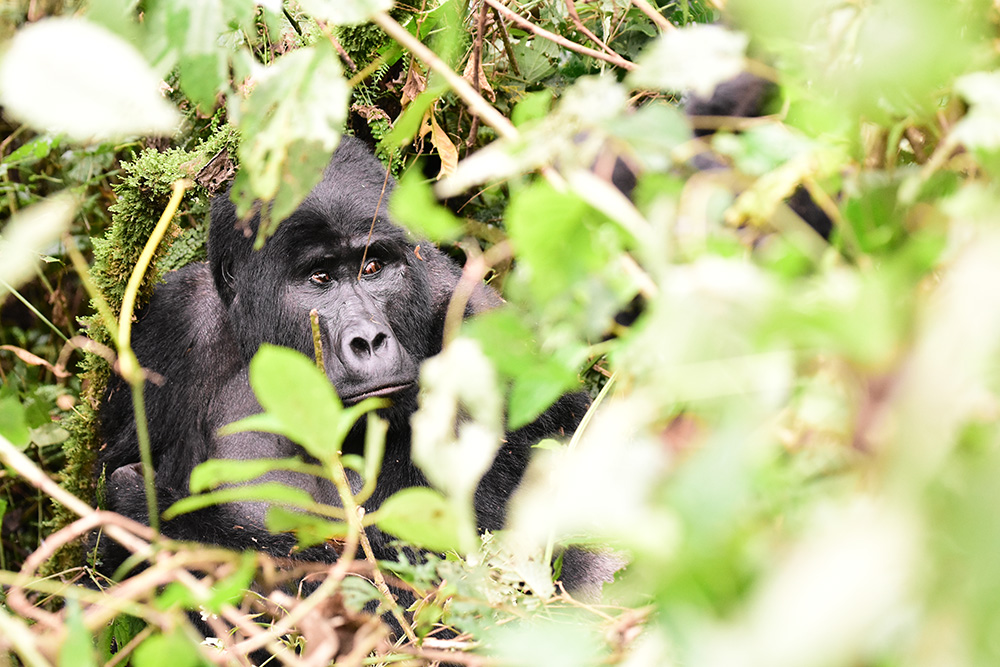
Ruhija stands out for its high altitude, peaceful setting, and rich biodiversity. Four habituated gorilla families offer 32 daily permits, so you can enjoy a more personal experience with fewer tourists than in Buhoma or Rushaga. The high elevation means cooler weather and fewer mosquitoes, making trekking more comfortable. The rolling hills are less steep than Nkuringo, so most people with average fitness can manage the treks.
Ruhija is also special for its birdlife, with 23 Albertine Rift species you won’t find anywhere else. Serious birdwatchers often visit to combine gorilla trekking with spotting rare birds. Its location near Kabale town and Queen Elizabeth National Park makes it easy to plan trips to several destinations. The quiet setting and few tourists let you truly enjoy the wilderness.
Planning your Ruhija adventure is easier when you work with experts. Territory Explorers is a trusted destination management company that handles everything from permits to logistics, ensuring your gorilla trekking experience is seamless and stress-free. Reach them at info@territoryexplorers.com.
Gorilla Families in Ruhija Sector
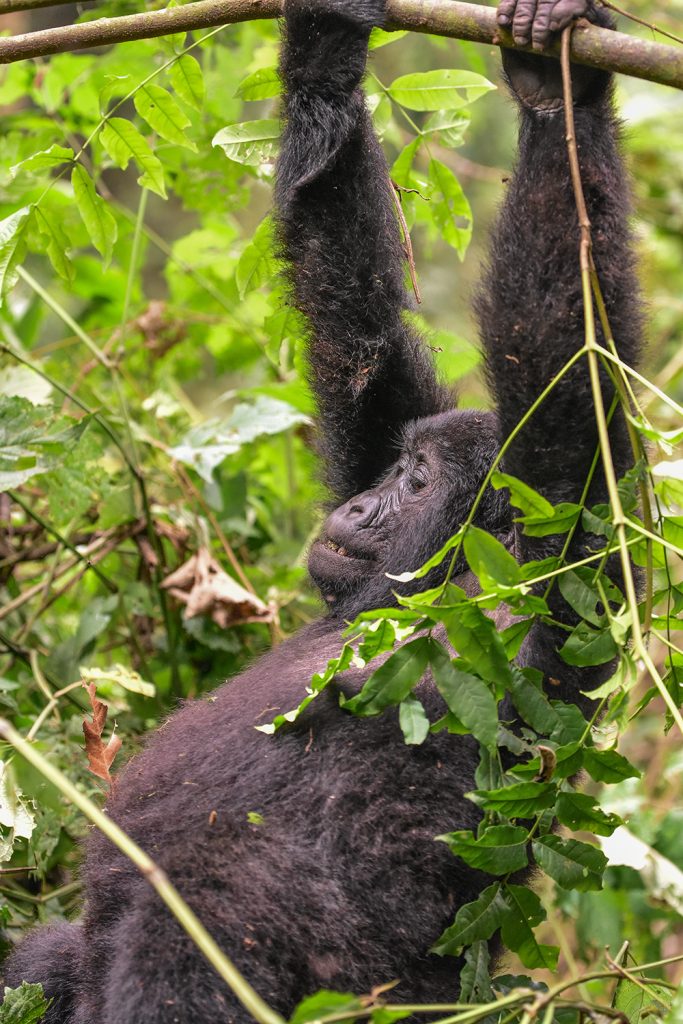
Ruhija sector has four habituated (used to human presence and thus available to visit) gorilla families, each offering unique characteristics.
Bitukura Gorilla Family
Bitukura was habituated in just 15 months, making it Bwindi’s fastest. Discovered in 2007 near the Bitukura River, this family has about 14 members led by silverback Ndahura, who became dominant even though he was the second-youngest of four males.
The group is known for peaceful behavior, playful young gorillas, and a stable social life. Bitukura and the Kyaguriro family sometimes interact. Treks to see them usually take 2–4 hours and offer great chances for photos.
Oruzogo Gorilla Family
Oruzogo, named after a local plant, opened to visitors in 2011 and quickly became Ruhija’s most popular family. Led by silverback Tibirikwata, whose name means “brave one,” the group has 17–19 members and is full of energy. In 2013, female Kankonba gave birth to twins, which is very rare for mountain gorillas. The family is lively, with many playful infants, making visits entertaining and a favorite for photographers. Treks to see them usually last 2–5 hours.
Kyaguriro Gorilla Family
Kyaguriro has an interesting research background. It was habituated in 1999 for scientific studies by the Max Planck Institute for Evolutionary Anthropology. The group was first led by Zeus, then by Rukina, who died after being struck by lightning in 2015. The family later split into Kyaguriro A, led by Rukara and open to tourists with 15 members, and Kyaguriro B (the Mukiza family), which is mainly for research. Kyaguriro A gives visitors a chance to see gorillas that have been part of important scientific work. Their calm nature comes from years of research habituation.
Mukiza Gorilla Family
Mukiza is Ruhija’s newest gorilla family. It formed when silverback Mukiza challenged Rukina’s leadership in the Kyaguriro group and eventually left with some members to start a new family. After Rukina died, Mukiza briefly led Kyaguriro before losing control to a Bitukura silverback, which led to the creation of his own group. The Mukiza family now has 10–12 members and shows the complex social life and power struggles of gorillas. Trekking to see them gives you a look at how new families form and claim territory.
Trekking in Ruhija is moderately difficult. It’s easier than Nkuringo but a bit harder than Buhoma. Finding the gorilla families can take anywhere from 30 minutes to 6 hours.
Getting to Ruhija Sector
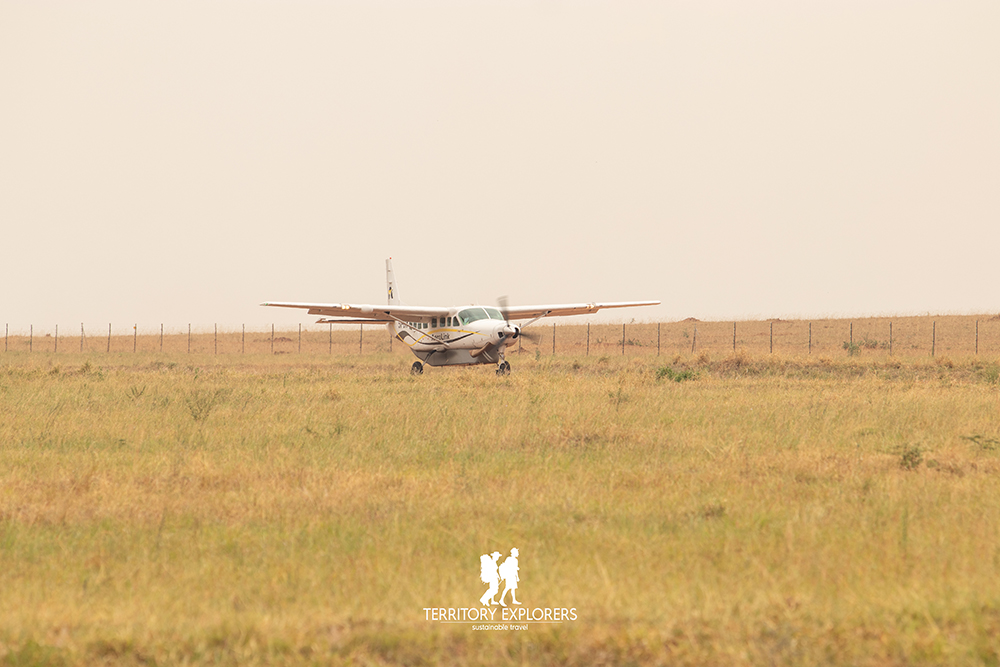
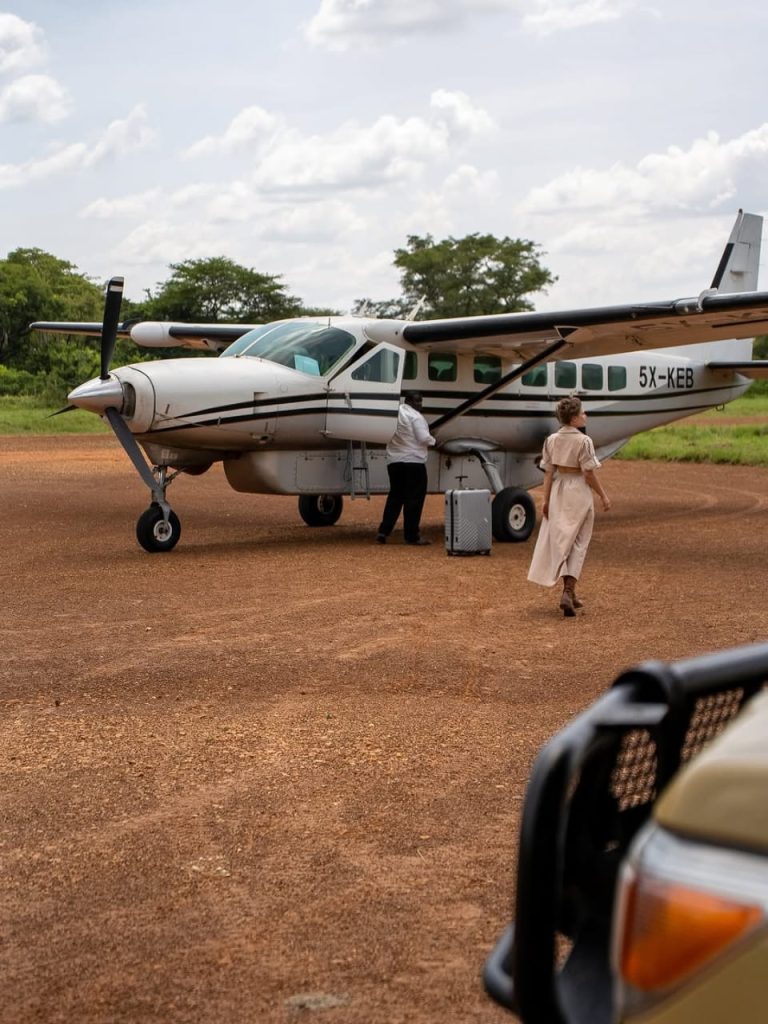
If you’re traveling by road from Kampala or Entebbe, expect an 8–9 hour drive (550km) through the scenic southwestern highlands, passing Masaka, Mbarara, and Kabale. Many visitors stay overnight in Kabale, which is just two hours from Ruhija, to be ready for early briefings. From Kigali, Rwanda, the drive takes about 4–5 hours via the Katuna border. If you’re coming from Queen Elizabeth National Park’s Ishasha sector, it’s a 3–4 hour journey, making it easy to combine with a safari. You can also fly to Kihihi Airstrip with Aerolink or Bar Aviation (1.5–2 hours), then drive two more hours to reach Ruhija.
For hassle-free transfers and itinerary planning, Territory Explorers is a trusted tour operator that can arrange all your transportation and transfers to Ruhija, so you can focus on the adventure ahead.
Sample Trips to Ruhija
Here are some sample itineraries our guests have enjoyed while exploring the Ruhija gorilla sector and other beautiful parts of Uganda. These trips visit some of the country’s most stunning and adventurous places, ensuring you have a memorable safari. Take a look and let us know which one interests you, so we can help you book your trip.
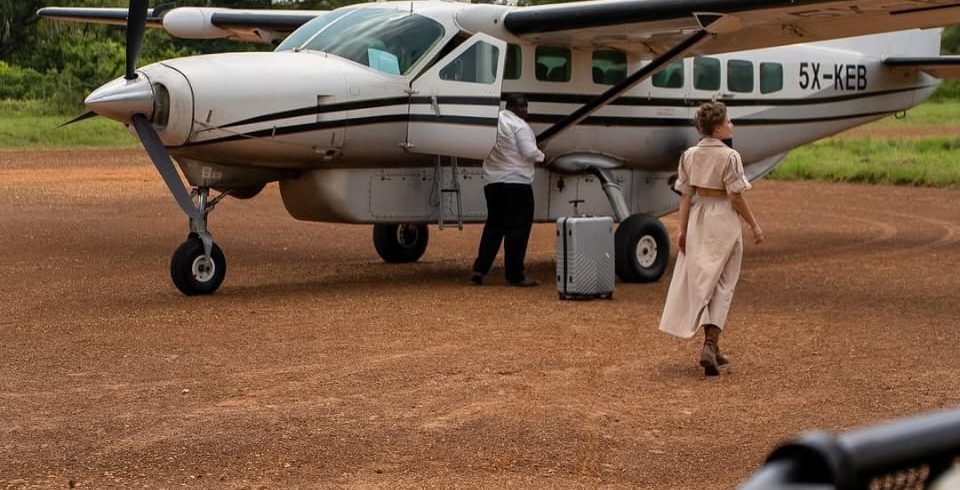
This 4-day fly-in safari is perfect for travelers who want to meet mountain gorillas in Bwindi Impenetrable National Park without...
- Jan
- Feb
- Mar
- Apr
- May
- Jun
- Jul
- Aug
- Sep
- Oct
- Nov
- Dec
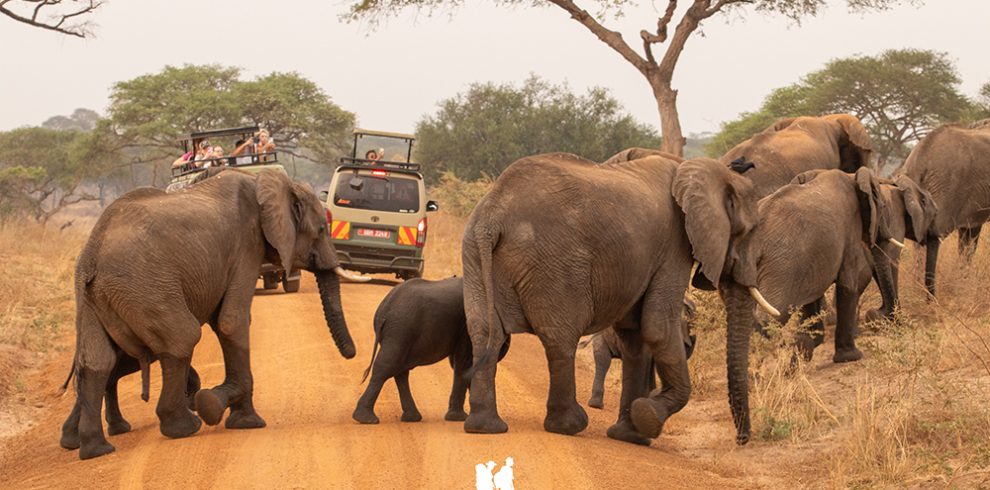
This 14-day safari explores some of Uganda's most stunning landscapes and wildlife spots, blending nature, culture, and adventure. Starting in...
- Jan
- Feb
- Mar
- Apr
- May
- Jun
- Jul
- Aug
- Sep
- Oct
- Nov
- Dec
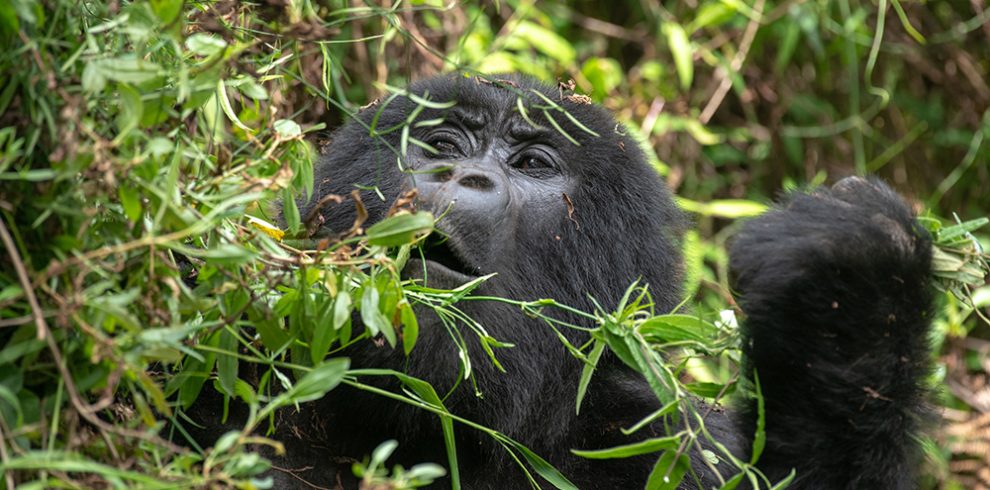
Join us for a 14-day Uganda-Kigali adventure that brings together East Africa’s top wildlife, culture, and exciting activities. You’ll visit...
- Jan
- Feb
- Mar
- Apr
- May
- Jun
- Jul
- Aug
- Sep
- Oct
- Nov
- Dec
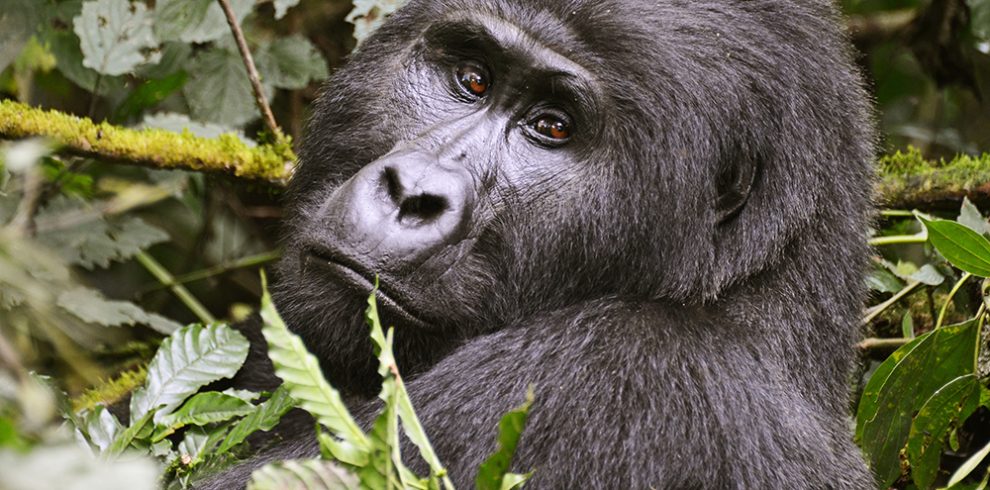
This 4-day Uganda safari starts in Kampala or Entebbe and takes you through the beautiful southwest for a memorable mountain...
- Jan
- Feb
- Mar
- Apr
- May
- Jun
- Jul
- Aug
- Sep
- Oct
- Nov
- Dec
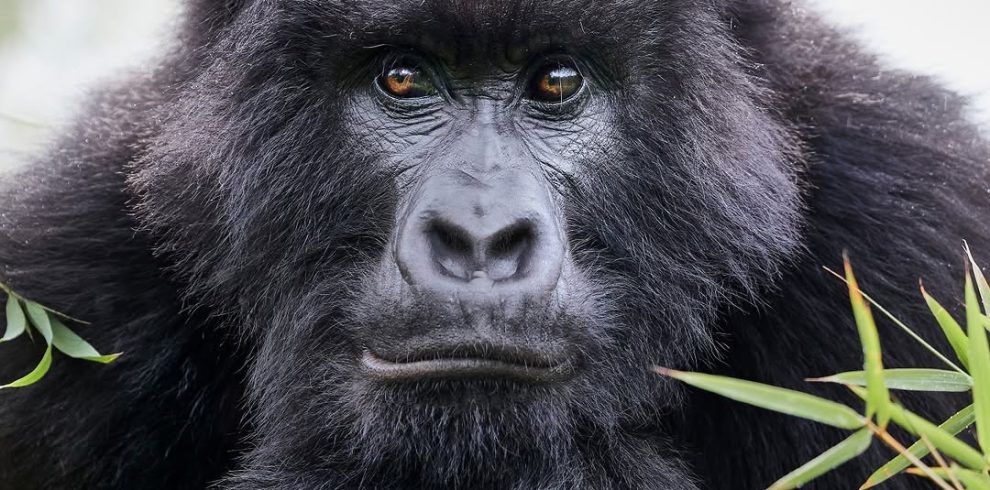
Let's take you on a 3-day gorilla safari in Uganda’s Bwindi Impenetrable Forest, where almost half of the world’s mountain...
- Jan
- Feb
- Mar
- Apr
- May
- Jun
- Jul
- Aug
- Sep
- Oct
- Nov
- Dec
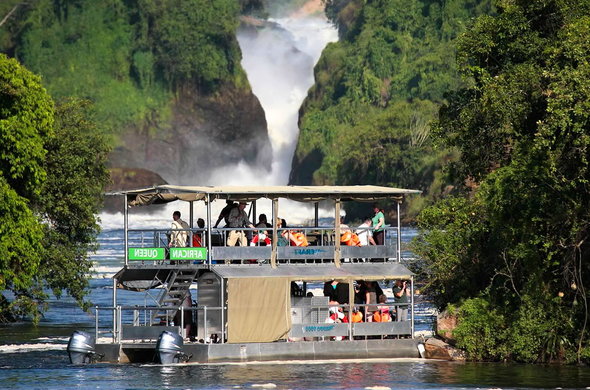
Set out on a 9-day journey across Uganda’s most famous wildlife spots, from the powerful Murchison Falls to the green...
- Jan
- Feb
- Mar
- Apr
- May
- Jun
- Jul
- Aug
- Sep
- Oct
- Nov
- Dec
Best Time to Visit Ruhija
The dry seasons (June–August and December–February) have less mud on the trails and clearer mountain views, making them great for birdwatching, but expect higher prices and more visitors.
During the wet seasons (March–May and October–November), permits are easier to get, rates are lower (with 15–25% discounts), there are fewer crowds, and you can see many migratory birds, though the trails can be slippery.
The shoulder months (May, June, September, and November) offer a good mix of pleasant weather and value. Because Ruhija is at a high altitude, it stays cool all year, so pack warm clothes for the chilly mornings and evenings.
Gorilla Trekking Permits and Costs
As of 2025, Uganda gorilla permits cost $800 USD for non-resident foreigners, $700 USD for resident foreigners, $500 USD for other African citizens, and 300,000 UGX (~$80) for East African Community citizens. Book through the Uganda Wildlife Authority or a licensed tour operator.
Each permit covers one hour with the gorillas, as well as park fees, guides, and rangers. Ruhija offers 32 permits each day (8 per gorilla family), so it’s easier to get a spot here than in Nkuringo, but not as easy as in Rushaga.
For peak seasons, book your permit 3–6 months in advance. The permit fee helps fund gorilla conservation, anti-poaching efforts, and local community projects.
Territory Explorers is a trusted tour operator and licensed permit booking agent. They can secure your gorilla permits and build a complete Uganda itinerary around your travel dates and interests. Contact them at info@territoryexplorers.com.
What to Expect During Your Trek
Ruhija trekking begins at 7:00–7:30 AM at sector headquarters with briefing from UWA rangers. Groups of eight per family are assigned based on fitness levels. Each group has experienced guides and armed rangers.
It’s a good idea to hire a porter for $15–20. They can carry your backpack and help you on muddy parts of the trail, while also supporting the local community. Treks can last anywhere from 30 minutes to 6 hours, depending on where the gorillas are that day. Ruhija’s rolling hills mean you’ll have some moderate climbs, but it’s not as steep as Nkuringo and a bit more hilly than Buhoma. The cool, high-altitude air makes hiking more comfortable.
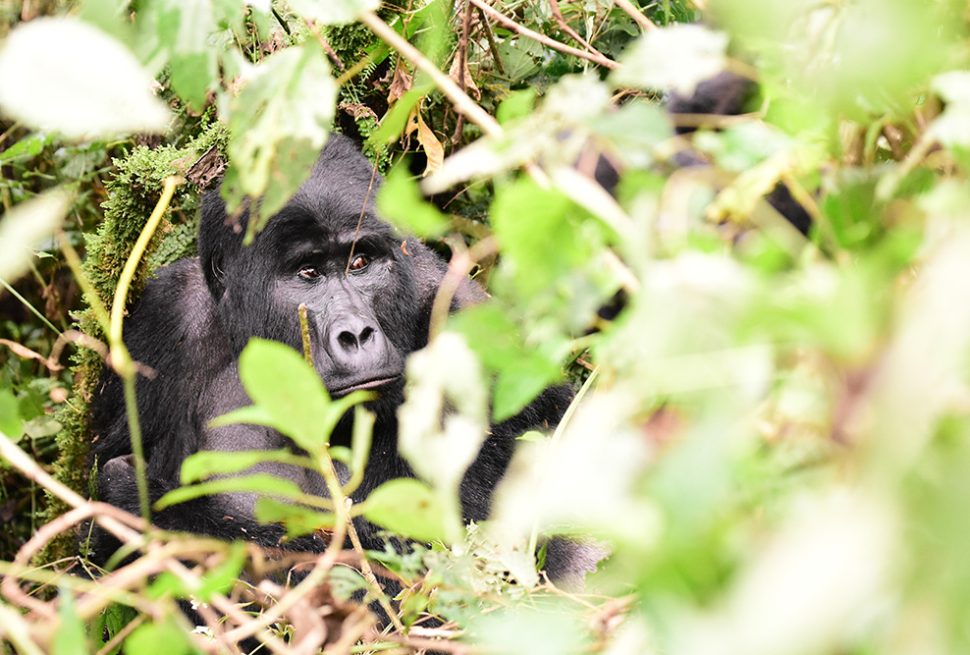
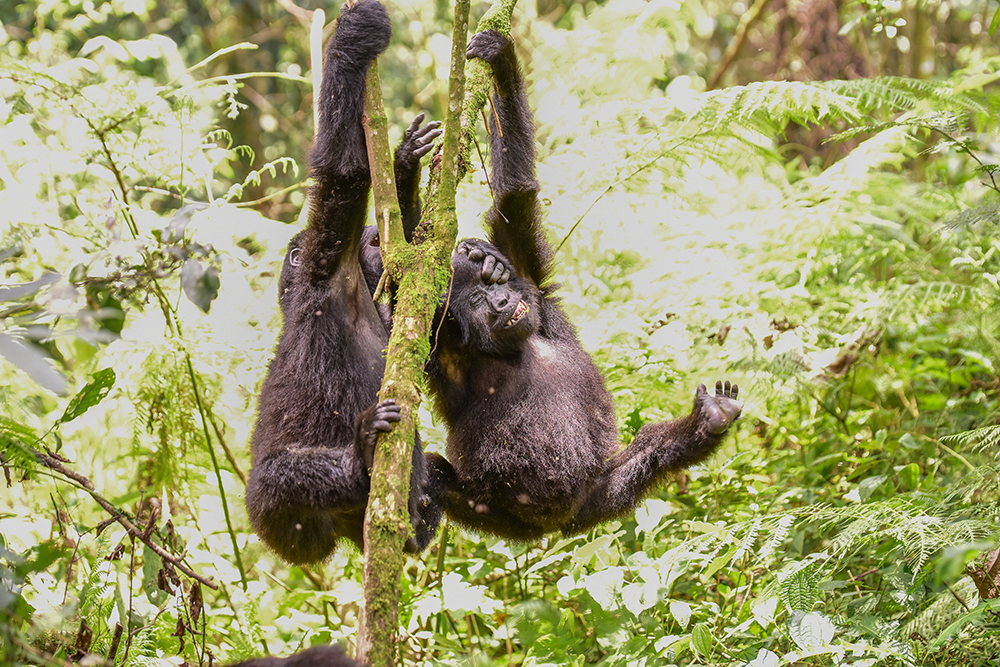
During your trek, guides will point out interesting things about the area’s biodiversity, such as medicinal plants, bird calls, and different primate species. When you find the gorillas, you’ll spend an unforgettable hour watching them from about seven meters away. You might see silverbacks showing their strength, mothers caring for their babies, and young gorillas playing. The gorilla families in Ruhija are used to visitors, so the encounters are usually calm and relaxed.
Accommodation Options in Ruhija
Ruhija has a range of accommodation options for different budgets. For mid-range choices, consider Ruhija Gorilla Safari Lodge, which has comfortable cottages with forest views; Gorilla Mist Camp, known for its good amenities; Trekkers Tavern Cottages, which are cozy and welcoming; or Bakiga Lodge, which offers a cultural experience and supports the local community.
For budget travelers, Ruhija Community Rest Camp is basic but clean and run by the community. Ruhija Gorilla Friends Resort is another affordable option with all the essentials, and there are also camping facilities available. While you won’t find ultra-luxury lodges here, the accommodations are comfortable and offer a genuine connection to the local community. Most places have fireplaces for cold evenings, hot water bottles, and filling meals.
What to Pack for Gorilla Trekking
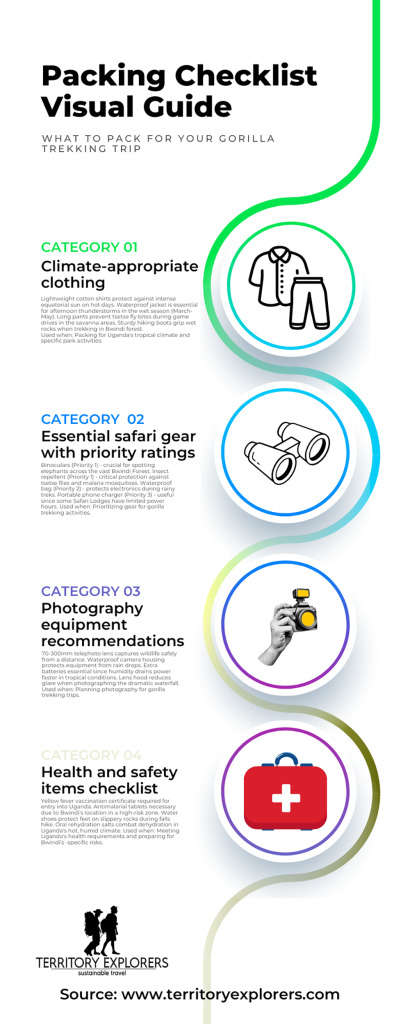
Essentials to pack include waterproof hiking boots with ankle support, a long-sleeved shirt and trousers in neutral colors, a waterproof rain jacket and pants, garden gloves, knee-high socks, gaiters, a waterproof daypack, insect repellent with DEET, sunscreen (SPF 30+), a warm fleece or jacket (since Ruhija is cold at higher altitudes), a hat, 2–3 liters of water, energy snacks, a camera with extra batteries, and a face mask.
It’s important to bring extra warm layers because temperatures can drop a lot. Pack thermal underwear, warm socks, and an insulated jacket. Trekking poles are helpful for the rolling terrain, and binoculars will make birdwatching even better.
Other Activities in Ruhija Area
Birdwatching is one of the highlights in Ruhija. The area is home to over 350 bird species, including 23 that are unique to the Albertine Rift, such as the African green broadbill, Shelley’s crimsonwing, and Grauer’s rush warbler. Early morning guided walks with expert bird guides are highly recommended.
The Batwa Cultural Experience gives you a chance to learn about the indigenous pygmy people, including their traditional hunting methods, knowledge of medicinal plants, and cultural performances.
Nature walks let you discover more than just gorillas, such as other primates, butterflies, and forest plants. Community walks offer a closer look at local life, with visits to schools, artisans, and homes. The Mubwindi Swamp Trail is great for highland scenery and excellent birdwatching.
Practical Tips and Rules
The minimum age for trekking is 15 years and this rule is strictly enforced. Ruhija’s moderate terrain is suitable for most people who are reasonably fit, and having good cardiovascular endurance is more important than strength. If you feel unwell, it’s best not to trek (you’ll get a 50% refund), since human illnesses can be dangerous for gorillas.
When you meet the gorillas, always keep a distance of seven meters, never touch them, speak quietly, and avoid looking a silverback directly in the eyes. Don’t use flash photography and set your camera to silent mode. To prepare physically, practice walking up hills for 45–60 minutes a few times a week.
Make sure to drink plenty of water, listen to your guides, and consider hiring a porter. Because of the cool altitude, you may need more time to get used to the conditions, so don’t rush. Ruhija’s calm setting and moderate trails make it a great place for thoughtful gorilla encounters and outstanding birdwatching.
Frequently Asked Questions (FAQs)
Ruhija is home to four habituated gorilla families: Bitukura, which has 14 members and was habituated in just 15 months; Oruzogo, a lively group with 17 to 19 members, including rare twins; Kyaguriro A, a research family with 15 members; and Mukiza, the newest group with 10 to 12 members. Each family allows eight trekking permits per day, for a total of 32 daily permits. Visitors have a success rate of over 95% in seeing gorillas.
The dry seasons from June to August and December to February have less mud on the trails, clearer views, and great birdwatching, but prices are higher. The wet seasons, from March to May and October to November, offer more available permits, lower prices with discounts of 15 to 25 percent, fewer visitors, and the chance to see migratory birds, though the trails can be slippery. The months of May, June, September, and November offer a good balance between weather and value. Gorillas can be seen all year, with a success rate of over 95 percent.
The trek is moderately challenging. It is less demanding than the steep mountains of Nkuringo, but the terrain is more hilly than Buhoma’s gentle paths. You will walk through rolling hills and dense forest, with some changes in elevation. You should be reasonably fit and able to walk for two to four hours with breaks. At 2,350 meters, the air is cooler and thinner. Porters are available for $15 to $20 to help with backpacks and tough sections. Most people in good health can manage the trek in Ruhija.
The time it takes to find the gorillas can be anywhere from 30 minutes to 6 hours, but most treks last 2 to 4 hours. The Bitukura group is usually found closer, taking about 2 to 3 hours, while Oruzogo and Mukiza may take longer, sometimes 3 to 6 hours. Once you find the gorillas, you will spend one hour watching them. Remember to add about 30 minutes for the briefing and time for the return walk. In total, the whole experience usually takes 4 to 8 hours from when you leave your lodge until you return.
A gorilla trekking permit in Ruhija costs $800 for foreign non-residents, $700 for foreign residents, $500 for African citizens, and UGX 300,000 (about $80) for East African Community citizens, based on 2025 prices. It is best to book your permit three to six months in advance through the Uganda Wildlife Authority or a licensed operator. The permit covers one hour with the gorillas, park entry, guides, and rangers, but does not include accommodation, transport, tips, or other activities.
Pack waterproof hiking boots, a long-sleeved shirt and trousers in neutral colors, a waterproof rain jacket and pants, garden gloves, knee-high socks, gaiters, a daypack, insect repellent, sunscreen, and warm layers like a fleece, jacket, and thermal underwear, since Ruhija is cold at 2,350 meters. Also bring a hat, 2 to 3 liters of water, energy snacks, a camera, and a face mask. Trekking poles, binoculars for birdwatching, and warm socks are also recommended. Avoid wearing bright colors, camouflage, or perfumes.
Birdwatching in Ruhija is excellent, with over 350 species, including 23 Albertine Rift endemics such as the African green broadbill and Shelley’s crimsonwing. You can also enjoy the Batwa Cultural Experience, which features traditional hunting and cultural performances. There are nature walks where you might see other primates, and the Mubwindi Swamp Trail offers beautiful highland scenery. Community walks let you visit local villages and tea plantations. You can also combine your trip with a visit to the Ishasha sector of Queen Elizabeth National Park, which is three to four hours away and known for its tree-climbing lions.
Yes, the minimum age for trekking is 15 years, and this rule is strictly enforced. This helps make sure that all trekkers can follow the rules, handle the physical demands, and stay disciplined. There are no exceptions, no matter your maturity or fitness level. You must bring a valid ID to prove your age, as rangers will check this during the briefing. There is no maximum age limit, and Ruhija’s moderate terrain is often better for older travelers than the steep slopes of Nkuringo.
If you are coming from Kampala or Entebbe, it takes about 8 to 9 hours by road (550 kilometers) via Masaka, Mbarara, and Kabale. Many travelers spend the night in Kabale, which is two hours from Ruhija. From Kigali, the drive is 4 to 5 hours through the Katuna border. From the Ishasha sector of Queen Elizabeth National Park, it takes 3 to 4 hours. You can also fly from Entebbe to Kihihi Airstrip with Aerolink or Bar Aviation, which takes 1.5 to 2 hours, followed by a two-hour drive. Most tour operators can arrange transportation for you.
Conclusion
Ruhija is more than just a place to visit; it’s a glimpse of Africa’s wild beauty as it once was. When you stand in the misty forest, just a few meters from a mountain gorilla, you’ll see why so many travelers call it the most unforgettable wildlife experience of their lives. The mist, the ancient trees, and the sounds of the forest come together in a way that no photo or words can truly capture. Whether it’s your first safari or you’ve traveled for wildlife before, Ruhija will stay with you.
Whether you choose Ruhija or want to explore other sectors of Bwindi, Territory Explorers is here to guide you every step of the way. With years of experience and many satisfied travelers, we handle permits, logistics, accommodation, and planning so you can focus on enjoying your trip. From your first message to your return home, our team makes sure everything goes smoothly. Reach out to Territory Explorers at info@territoryexplorers.com to start planning your gorilla adventure. If you’ve been waiting for the perfect moment, consider this your sign.
“You cannot share your life with a chimpanzee — or a gorilla — and not know that there is a profound continuity between us and the other great apes, those ancient relatives with whom we share so much more than DNA. To look into their eyes is to look into a mirror across time.”