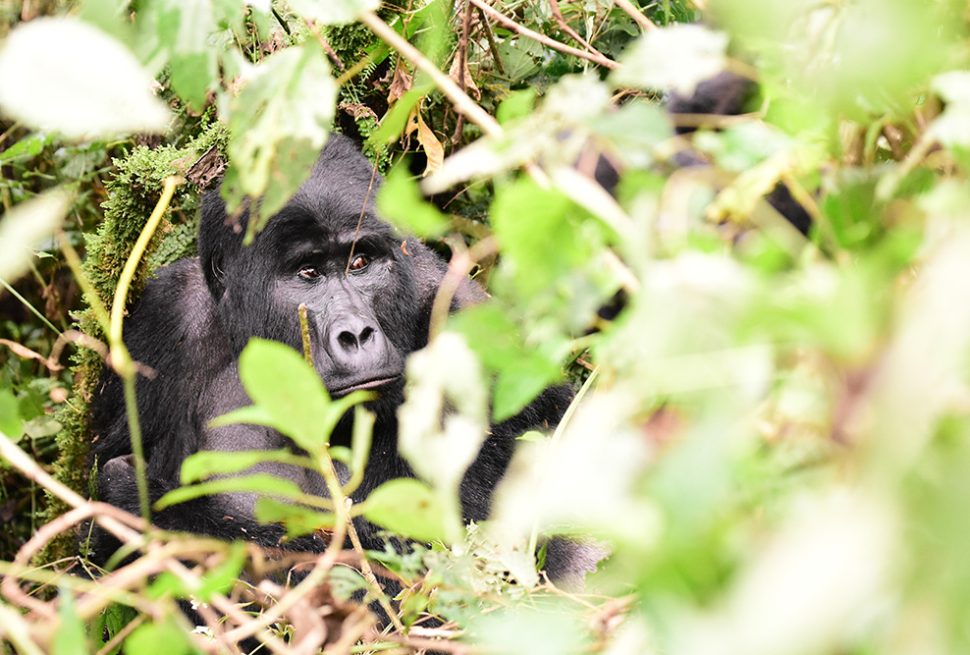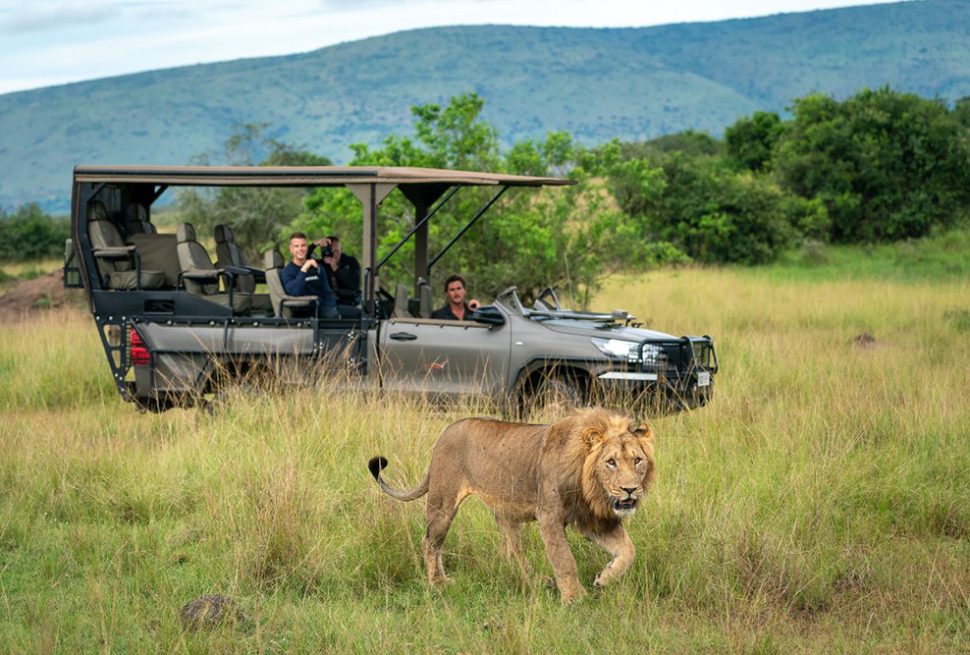

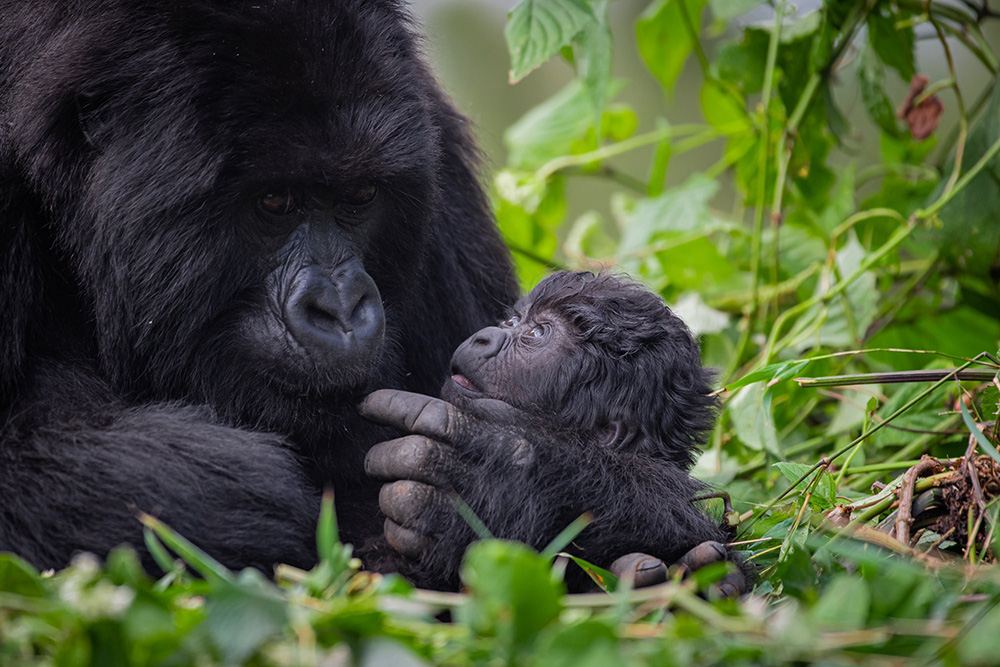
Meeting a mountain gorilla face-to-face in the wild is an unforgettable experience. Every dollar spent and every mile traveled through Rwanda’s misty mountains is worth it. If this adventure is on your bucket list, start by learning about the costs so you can make it happen.
Key Takeaways
• Gorilla trekking permits in Rwanda cost $1,500 per person for foreign non-residents, making them the priciest in East Africa. This higher price supports Rwanda’s focus on luxury tourism and conservation, with permit fees funding gorilla protection and helping local communities near Volcanoes National Park.
• Volcanoes National Park has 12 gorilla families that tourists can visit, with only 96 permits available each day (8 people per group). Permits sell out fast, especially during peak seasons from June to September and from December to February, so it’s best to book several months in advance.
• A 3-day gorilla trekking trip in Rwanda usually costs between $2,500 and $6,000 or more per person, depending on where you stay. Besides the permit, plan for costs like luxury lodges ($300-$1,500 per night), transport from Kigali ($100-$200), porter fees ($15-$20), guide tips ($10-$20), and meals. Most people book through registered tour operators who manage all the details.
• East African citizens and residents can get gorilla trekking permits in Rwanda for $500, showing the country’s support for regional tourism. With three pricing levels—$1,500 for foreign non-residents, $500 for foreign residents, and $500 for East African citizens—locals have better access to this experience.
• To trek with gorillas in Rwanda, you must be at least 15 years old and in good physical shape, since hikes can last 1 to 6 hours over tough, muddy ground. You need to be healthy (no colds or contagious illnesses), bring your passport, follow strict rules (keep 7 meters away, no flash photos, only 1 hour with gorillas), and book your permit 3-6 months in advance.
A Breakdown of Rwanda Gorilla Permit Pricing
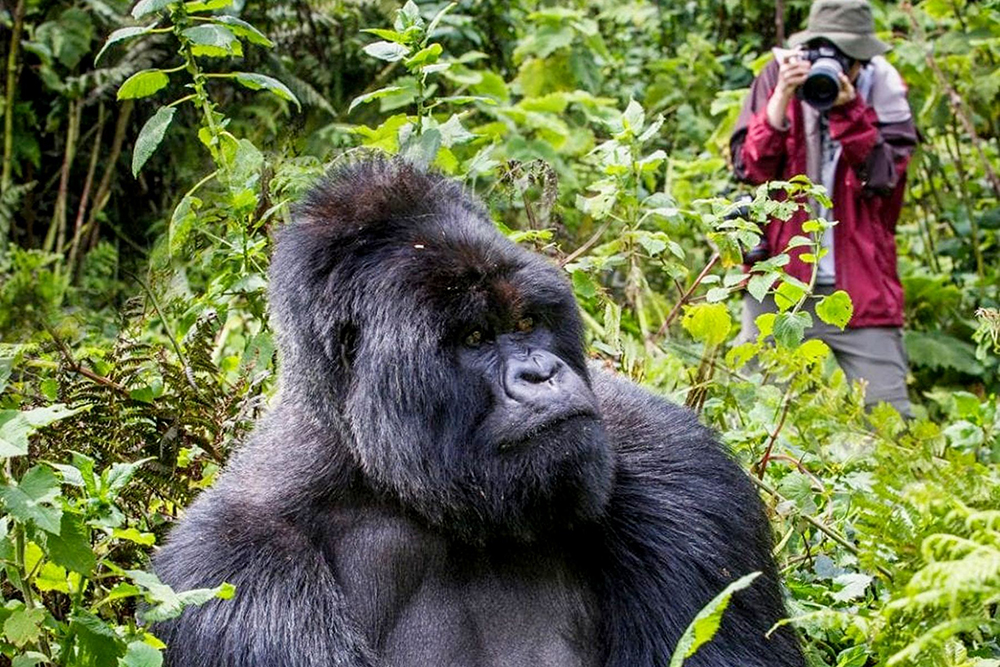
Here’s the main detail: a gorilla trekking permit in Rwanda costs $1,500 per person for foreign non-residents as of 2025. If you live in East Africa or are a foreign resident, your permit is $500. Rwanda has kept these prices since 2017, aiming to be Africa’s top gorilla trekking destination.
Here’s how Rwanda compares to its neighbors:
| Country | Permit Cost (Foreign Non-Residents) | Permit Cost (Foreign Residents) | Trek Location |
| Rwanda | $1,500 | $500 | Volcanoes National Park |
| Uganda | $800 | $700 | Bwindi Impenetrable Forest & Mgahinga |
| DR Congo | $400 | $400 | Virunga National Park |
The price difference may seem high, but there are good reasons for Rwanda’s premium status. Many travelers feel it’s worth every cent.
Understanding Rwanda’s Gorilla Permit Pricing Structure
Current Permit Costs Explained
Rwanda has three permit prices based on your country of origin. If you’re an international tourist visiting from outside East Africa (For foreign non-residents), you’ll pay $1,500 per person. But if you live and work in an East African Community country with a valid residence permit (foreign residents), you’ll only pay $500. East African citizens also receive the lower $500 rate, making gorilla trekking more affordable for people in the region.
This system takes different economic situations into account while making sure gorilla conservation gets enough funding. Your permit is more than just a ticket—it’s an investment in a major conservation success.
What Your Permit Actually Includes
Your $1,500 gorilla trekking permit covers a lot, but not everything. It includes entry to Volcanoes National Park, expert ranger guides who know the gorilla families well, trackers who find the gorillas before you arrive, and the one-hour visit with the gorillas. You’ll also get a certificate to remember your trek.
The permit doesn’t cover transport to and from the park, accommodation, meals, porter services (recommended at $15-$20), tips for guides and trackers, or extra activities. Think of the permit as your ticket to see the gorillas, while the rest of your trip is planned separately.
A Brief History of Permit Pricing
Rwanda’s gorilla permit prices have changed a lot over the years. In the early 2000s, permits were about $250, rising to $750 by 2012. The biggest increase was in 2017, when the Rwanda Development Board set the price at $1,500. This move aimed to make Rwanda a luxury, low-volume tourism spot and boost conservation funding. While some travelers were put off at first, demand has stayed strong, showing that many people are willing to pay more for a special experience with mountain gorillas.
The government has signaled no immediate plans for further increases, though prices are reviewed periodically based on conservation needs and tourism demand.
Where Gorilla Trekking Happens: Volcanoes National Park
Park Overview and Location
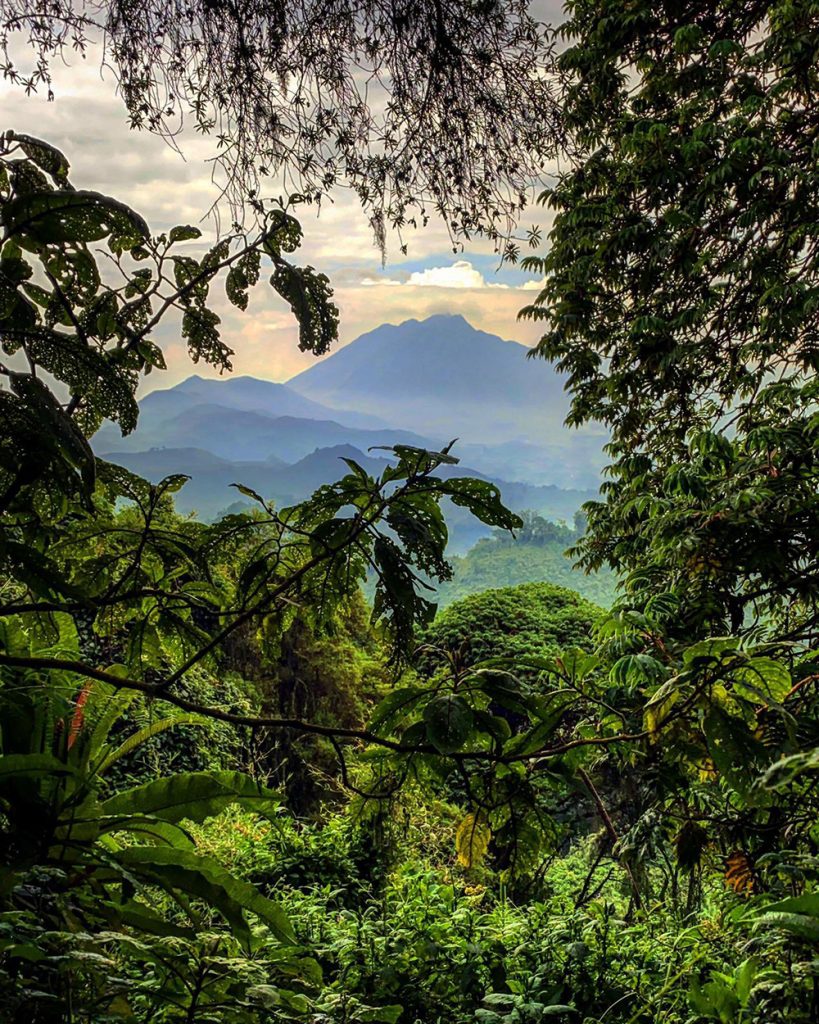
Volcanoes National Park, or Parc National des Volcans, covers 160 square kilometers in northwest Rwanda and is part of the larger Virunga Massif shared with Uganda and the Democratic Republic of Congo. The park is about a 2.5-hour drive from Kigali, Rwanda’s clean and modern capital, and the route passes through the lush hills that make Rwanda famous.
The park is special not just for its gorillas, but for its whole ecosystem. Five of the eight Virunga volcanoes are inside the park: Karisimbi, Bisoke, Muhabura, Gahinga, and Sabyinyo. These volcanoes form a dramatic landscape, with Mount Karisimbi reaching 4,507 meters. Volcánoes National Park’s altitude ranges from 2,400 to 4,507 meters, with habitats from bamboo forests to alpine meadows. The scenery is truly unique.
The park headquarters at Kinigi serves as the launching point for all gorilla treks. Here, you’ll attend your pre-trek briefing at 7:00 AM before being assigned to your gorilla family and setting off into the forest.
Best Time to Visit Volcanoes National Park
Rwanda’s location near the equator means you can trek gorillas year-round, but timing significantly impacts your experience. The dry seasons from June to September and December to February are the peak trekking periods when trails are less muddy, vegetation is slightly less dense, and overall trekking conditions are most favorable. These months see the highest demand, so booking 4-6 months in advance is essential.
During the wet seasons from March to May and October to November, afternoon rains can make trails slippery and tough. However, these months have some benefits: permits are easier to get, the forest is very green, photography can be better, and you may find lower accommodation rates. Fewer visitors also mean a quieter, more personal experience.
Because of the high altitude, temperatures are cool to cold all year. Daytime temperatures are usually between 15 and 20°C (59 and 68°F), and it gets much colder at night. Even in the dry season, you can expect morning mist and some rain. The gorillas are used to these conditions.
How to Book Your Rwanda Gorilla Permit
Booking Timeline: When to Reserve Your Permit
Here’s the reality check many travelers need: gorilla permits in Rwanda sell out months in advance, especially for peak season. If you’re planning a trip for June through September or over the Christmas holidays, you should book at least 6 months ahead—preferably longer for large groups or specific dates. Even during the wetter months, booking 3-4 months in advance is wise.
Demand for permits keeps rising as more people hear about this unique experience. Make sure to book early so you don’t miss out on your preferred dates.
Official Booking Channels
The Rwanda Development Board (RDB) is the only official source for gorilla permits in Rwanda. You can book directly through their office in Kigali or on their website, but most international travelers use registered tour operators who handle the process for you.
Why use a tour operator instead of booking directly?
Several excellent reasons: registered operators have established relationships with RDB and can often check availability faster; they handle the entire payment process and paperwork; they create comprehensive packages including accommodations and transportation; they provide valuable ground support if issues arise; and they offer expert advice on logistics you might not consider.
Territory Explorers, for instance, specializes in designing life-changing gorilla trekking experiences that go far beyond simply securing your permit—they craft entire journeys tailored to your interests and budget.
The Booking Process Step-by-Step
The booking process is more straightforward than you might expect, though attention to detail is crucial. First, decide your preferred travel dates and check availability through RDB or a registered tour operator. Once you’ve confirmed open permits, you’ll need to provide specific information: full names exactly as they appear on passports, passport numbers and expiration dates, nationalities, and age confirmation (minimum 15 years).
Next, you must pay in full to secure your permit. RDB and most tour operators accept bank transfers, credit cards (often with processing fees), and sometimes PayPal or other international payment platforms. After payment processing (which can take 2-5 business days), you’ll receive permit confirmation with your permit number, assigned date, and booking reference.
Keep your confirmation safe, as you’ll need to show it along with your original passport on trek day. The permit is non-transferable and linked to your name and date of issue.
Payment Methods and Confirmation
Payment flexibility has improved over the years, though international bank transfers remain the most common method for direct RDB bookings. Most tour operators offer more flexible payment options, including credit card payments, though be aware of potential processing fees (typically 2-4%). Some operators allow payment plans for bookings made far in advance, though full payment is usually required at least 60-90 days before your trek date.
After your payment is processed, you’ll get official confirmation by email. Print both digital and paper copies. Rwanda has good cell coverage, but it’s smart to have a paper backup in remote areas.
Cancellation and Refund Policies
Rwanda gorilla trekking permits are usually non-refundable. The Rwanda Development Board (RDB) does not give cash refunds for cancellations, though rescheduling to new dates is possible for a fee (usually 20% of the permit price). Limited partial refunds may apply in rare cases like severe illness, provided it’s confirmed by park officials.
If you are sick with a contagious illness on trek day (like a cold or flu), RDB may let you reschedule if you have a doctor’s note, since gorilla health comes first. Make sure you have travel insurance that covers adventure activities and trip cancellations—it’s very important.
Complete Cost Breakdown for Your Rwanda Gorilla Trekking Safari
The Permit: Your Biggest Single Expense
The $1,500 gorilla permit makes up about 40-60% of the total cost for a typical 3-day safari. This fee is unavoidable and is the main part of your trip. But it’s more than just a tourist charge—it’s an investment in conservation that helps protect endangered gorillas and supports local communities.
Total Budget Estimates
Putting it all together, here’s what you should expect to spend for a 3-day gorilla trekking safari in Rwanda:
Budget Traveler ($2,500-$3,500 per person):
• Permit: $1,500
• Budget accommodation:
$150-$300 (2 nights)
• Shared transportation: $80-$120
• Meals: $60-$100
• Porter & tips: $40-$60
• Insurance & miscellaneous: $150-$300
Mid-Range Traveler ($4,000-$5,000 per person):
• Permit: $1,500
• Mid-range lodge: $400-$800 (2 nights)
• Private transportation: $200-$300
• Meals (mostly included): $50-$100
• Porter & tips: $50-$80
• Insurance & miscellaneous: $200-$400
Luxury Traveler ($6,000-$10,000+ per person):
• Permit: $1,500
• Luxury lodge: $1,000-$3,000+ (2 nights)
• Premium private transfers: $300-$500
• Gourmet dining experiences: $200-$400
• Porter, tips & extras: $100-$200
• Insurance & miscellaneous: $300-$500
These estimates assume solo or couple travel; group rates can reduce per-person costs significantly for transportation and accommodations.
Eligibility Requirements and Restrictions
Age Restrictions
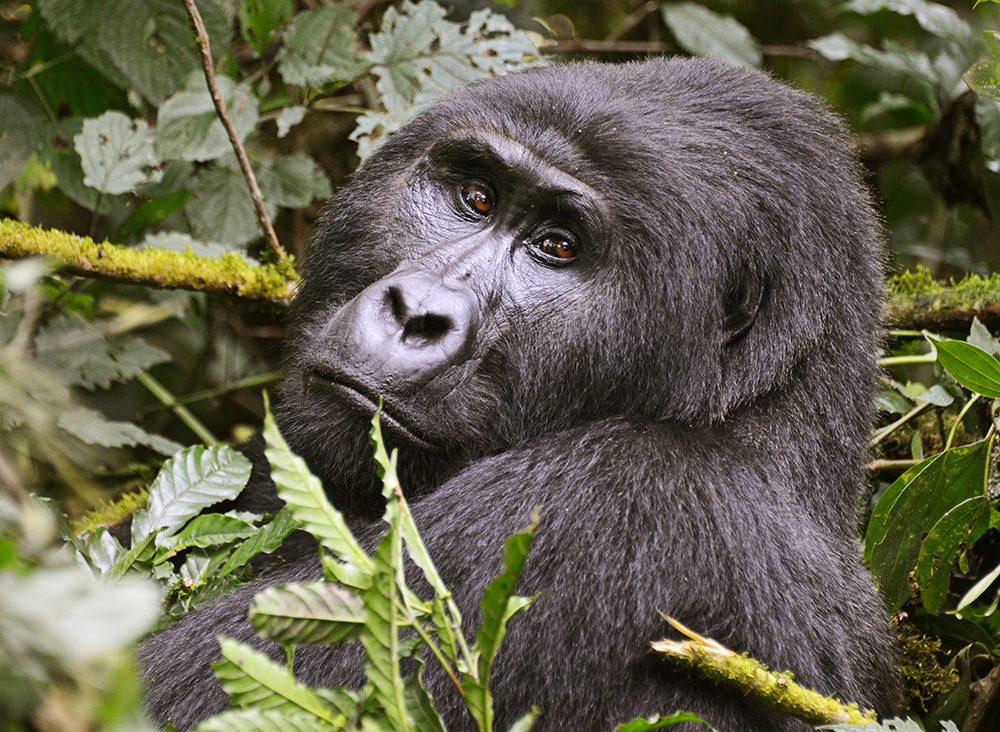
You must be at least 15 years old to go gorilla trekking in Rwanda. This rule is based on health reasons (younger children can pass diseases to gorillas), safety (the trek is challenging), and behavior (younger kids may find it hard to stay patient and quiet).
Park rangers check passports during check-in, so don’t attempt to circumvent this rule. Families with younger children might consider Uganda’s shorter gorilla habituation experience (minimum age 15) or exploring Rwanda’s other attractions while one parent treks.
Health Requirements and Restrictions
Gorillas share about 98% of human DNA, so they are very vulnerable to human diseases—even a simple cold can be deadly for them. Because of this, health rules are strict. You can’t trek if you have any contagious illness, such as a cold, flu, stomach bug, or respiratory infection.
At the morning briefing, you’ll verbally confirm you’re healthy. Rangers take this seriously and can deny access to anyone showing symptoms. If you’re sick on trek day, you may receive a refund or the option to reschedule with a doctor’s note—another reason travel insurance matters.
There are no mandatory vaccinations for gorilla trekking, but Rwanda requires proof of a yellow fever vaccination if arriving from an endemic country. Highly recommended vaccinations include hepatitis A and B, typhoid, tetanus, and routine immunizations. Malaria prophylaxis is also recommended as Volcanoes National Park sits in a malaria zone, though risk is lower at higher altitudes.
Physical Fitness Expectations
You don’t have to be an elite athlete, but you do need to be reasonably fit for gorilla trekking. You should be able to hike for several hours over uneven, steep terrain at a moderate altitude. Expect muddy trails, thick vegetation, altitude effects like breathlessness, and changing weather.
If you have concerns about fitness, be honest during the briefing when rangers assess your capabilities. They’ll assign you to a gorilla family requiring less strenuous trekking. Some families stay relatively close to the trailhead, while others roam deep into the mountains—there are options for various fitness levels.
If you have mobility challenges, contact the park ahead of time to discuss your options. The terrain isn’t fully accessible, but rangers can sometimes arrange sedan chair services where porters carry visitors. This requires extra planning and additional fees.
Required Documentation
On trek day, you must present your original passport (copies not accepted) and your gorilla permit confirmation. These documents are non-negotiable—without them, you won’t be allowed to trek, regardless of having paid. The passport name must match exactly the name on your permit booking information, so double-check spelling when booking.
You’ll also need to sign a form that confirms you understand the risks of gorilla trekking and that you are healthy enough to join. Read it carefully before signing, as these are real risks in a true wilderness setting.
Comparing Rwanda to Other Gorilla Trekking Destinations
Uganda
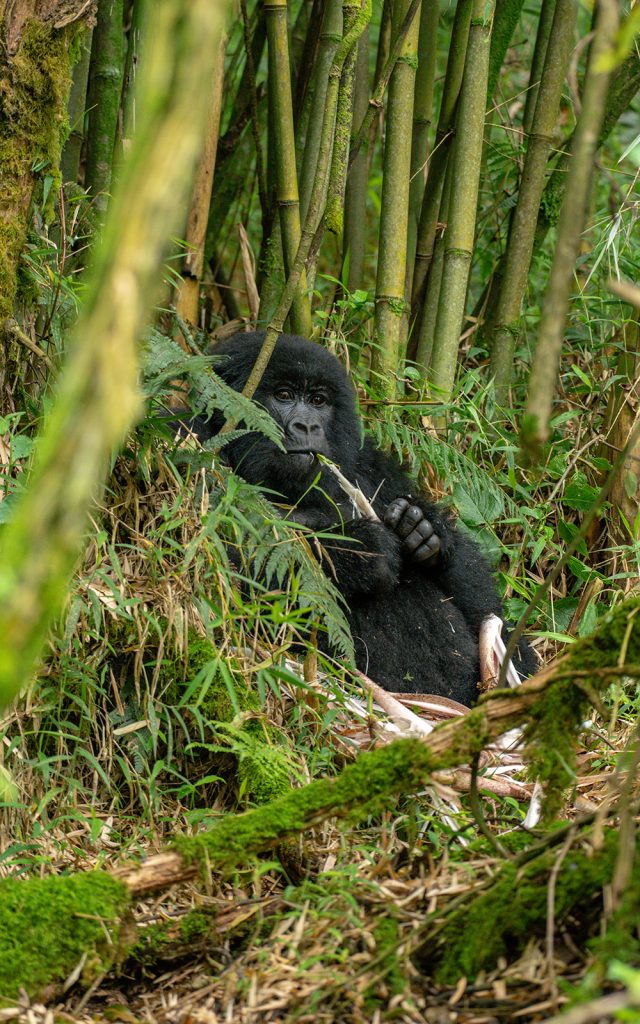
Uganda offers gorilla trekking in two locations: Bwindi Impenetrable National Park (home to roughly half the world’s mountain gorillas) and Mgahinga Gorilla National Park (part of the same Virunga ecosystem as Rwanda). Uganda’s permits cost $800 for foreign non-residents and $700 for foreign residents—significantly cheaper than Rwanda while still supporting conservation.
Bwindi is larger and more biodiverse than Volcanoes National Park, with more gorilla families (over 20 habituated groups), offering greater flexibility for booking. However, the terrain is often more challenging—Bwindi’s name (“impenetrable”) isn’t marketing hyperbole—and treks tend to be longer and more strenuous. The drive from Kampala takes 8-10 hours compared to Rwanda’s 2.5 hours from Kigali, though domestic flights to nearby airstrips reduce travel time.
Many travelers visit both countries, trekking in one and experiencing the other’s attractions. The gorillas themselves are indistinguishable—they’re the same species in the same mountain ecosystem—so choosing between Rwanda and Uganda often comes down to budget, accessibility preferences, and what else you want to see during your trip.
Democratic Republic of Congo
The DRC’s Virunga National Park offers the most affordable gorilla trekking permits at just $400, but budget-conscious travelers should carefully consider the full picture. Virunga lies within the same volcanic range as Rwanda and Uganda, and its gorillas are equally magnificent, but the security situation is volatile and requires careful monitoring. The park periodically closes due to security concerns, and insurance coverage can be problematic.
That said, when conditions are stable, Virunga offers incredible experiences at lower prices with fewer tourists. The park’s conservation staff are remarkably dedicated, operating under challenging circumstances to protect these gorillas. If you’re comfortable with additional uncertainty and adventure, Virunga rewards intrepid travelers with profound encounters.
Why Choose Rwanda Despite the Higher Cost
So why do many travelers choose Rwanda when cheaper options exist? Several compelling reasons: accessibility and convenience (short drive from Kigali, excellent infrastructure), safety and stability (Rwanda is one of Africa’s safest countries with virtually no crime concerns), efficiency (streamlined processes, reliable services, minimal hassle), luxury options (world-class lodges and services exceed what’s available in Uganda or DRC), and the complete package (excellent infrastructure throughout the country makes combining gorilla trekking with other activities seamless).
Rwanda has set itself up as a premium destination where things run smoothly. This is important to consider when you’re spending a lot on a once-in-a-lifetime trip.
Working With Tour Operators: Why Expertise Matters
While independent travelers can theoretically arrange Rwanda gorilla trekking themselves, working with experienced tour operators like Territory Explorers offers substantial advantages that justify their services. Registered operators handle all permit bookings (essential given how quickly they sell out), create comprehensive itineraries that optimize your time, arrange all transportation and accommodation, provide English-speaking driver-guides with extensive knowledge, manage logistics if problems arise, and offer valuable advice based on years of experience.
Territory Explorers creates custom gorilla trekking trips based on your interests, fitness, and budget. They know this could be the adventure of a lifetime, not just another trip. Their expertise covers permit availability, accommodation quality, seasonal factors, and all the details that make a trip special. When you work with Territory Explorers, you focus on the experience and memories, while they take care of the paperwork and logistics. That’s how it should be.
Frequently Asked Questions About Rwanda Gorilla Trekking
Rwanda issues 96 gorilla trekking permits per day across the 12 habituated families in Volcanoes National Park. With a maximum of 8 visitors per gorilla family per day, this limit ensures minimal disturbance to the gorillas while still allowing intimate viewing experiences for visitors.
This daily cap means approximately 35,000 permits are available annually, though actual numbers fluctuate based on gorilla family locations and any temporary closures due to gorilla health concerns or family restructuring. The limited availability explains why booking months in advance is essential, particularly for peak season travel.
All gorilla trekking in Rwanda takes place in Volcanoes National Park (Parc National des Volcans), located in the northwestern corner of the country along the borders with Uganda and the Democratic Republic of Congo. The park headquarters at Kinigi serves as the assembly point for all treks, located approximately 10 kilometers from Musanze town and 2.5 hours by road from Kigali International Airport.
The park’s 160 square kilometers encompass five volcanic mountains—Karisimbi, Bisoke, Muhabura, Gahinga, and Sabyinyo—creating the dramatic highland landscape where mountain gorillas make their home. While gorillas also live in Uganda’s Bwindi Impenetrable Forest and Mgahinga Gorilla National Park, as well as in the DRC’s Virunga National Park, Rwanda’s Volcanoes National Park is the exclusive gorilla trekking destination.
Most visitors say gorilla trekking in Rwanda is well worth the cost and effort. Many call it the best wildlife experience of their lives. The price covers more than just an hour with gorillas—you’re helping conservation, supporting local communities, and making memories that last.
Rwanda’s smooth infrastructure, skilled guides, safety, and overall quality make the higher price worthwhile for those who want a hassle-free trip. If budget is your main concern and you don’t mind more complex travel, Uganda offers similar gorilla experiences at a lower cost. The gorillas are the same species, so the wildlife experience is similar in both countries.
How long gorilla trekking takes in Rwanda depends on where your assigned gorilla family is. It usually takes 1 to 6 hours to find them, with most treks lasting 2-4 hours. Once you reach the gorillas, you get exactly one hour with them before heading back. This rule is strictly followed to protect the gorillas.
The return trip is often quicker since you follow a set path. In total, expect to spend 3 to 8 hours from start to finish. The time depends on which gorilla family you visit, how far they moved, the terrain, weather, and your group’s fitness. Part of the adventure is that you’re tracking wild animals in their natural home, not visiting a zoo.
Planning gorilla trekking in Rwanda involves several sequential steps that are most efficiently handled by registered tour operators specializing in these logistics. First, determine your travel dates, considering both seasonal weather patterns (the dry seasons, June-September and December-February, are peak periods) and booking timelines (reserve permits 4-6 months ahead for popular periods).
Second, secure your gorilla permit through either the Rwanda Development Board directly or, more commonly, through a registered tour operator—this is the critical step that determines whether your trek happens, as permits sell out far in advance.
Third, arrange accommodation near Volcanoes National Park based on your budget and preferences, from budget guesthouses in Musanze to luxury lodges near park headquarters.
Fourth, arrange transportation from Kigali International Airport to your accommodation and from your lodge to the park headquarters on the trek morning.
Fifth, ensure you have appropriate gear, including waterproof hiking boots, a rain jacket, long pants and sleeves, gloves, and suitable camera equipment. Sixth, arrive in Rwanda at least one day before your trek to recover from international travel, adjust to altitude, and ensure you’re healthy for trek day.
This entire process becomes significantly simpler when working with experienced operators like Territory Explorers, who specialize in designing comprehensive gorilla trekking experiences. They handle permit procurement, accommodation bookings, transportation logistics, and countless details that distinguish smooth trips from complicated ones.
When you contact Territory Explorers to arrange your Rwanda gorilla safari, they manage all the paperwork and coordination while you focus on preparing for the experience itself and getting the absolute most from your journey.
Their expertise ensures nothing is overlooked, permits are secured for your preferred dates, accommodations match your expectations and budget, and you have support throughout your trip if any issues arise—exactly the peace of mind you want when investing in a once-in-a-lifetime adventure.
Absolutely not—attempting to see gorillas without a permit is illegal, impossible, and dangerous. All access to Volcanoes National Park for gorilla trekking is strictly controlled through the permit system, with armed rangers accompanying every group and park authorities monitoring all trails.
Beyond the legal issues, approaching habituated gorillas without proper protocol and guidance would be extremely dangerous both for you (these are powerful wild animals) and for the gorillas (human diseases pose serious threats). The permit system exists to protect gorillas, ensure sustainable tourism, fund conservation, and maintain safety—there are no shortcuts or workarounds, nor should there be.
While extremely rare, there are occasional instances where trackers cannot locate a gorilla family due to unusual movements or challenging conditions. In such cases, Rwanda Development Board typically offers the opportunity to trek again the following day at no additional cost, or provides a partial refund if rescheduling isn’t possible.
The extensive tracking system—with trackers locating gorillas before tourist groups even depart—means finding the gorillas succeeds in well over 95% of treks, so this scenario is highly unlikely but worth understanding nonetheless.
No, gorilla permits are non-transferable and tied to specific passport details, dates, and individuals. You cannot give or sell your permit to someone else if your plans change, and you cannot reschedule to different dates without going through the formal rebooking process (which may result in fees or permit forfeiture depending on timing). This policy prevents permit speculation and ensures everyone follows proper booking channels.
Gorilla trekking happens in all weather. Rain, mist, and clouds are normal in this mountain rainforest, and gorillas are active no matter the weather. Rangers only cancel treks if conditions are unsafe, like during severe storms or lightning. That’s why waterproof gear is a must, and sometimes rainy weather makes the forest even more beautiful, even if it’s less comfortable.
Children under 15 years old are not permitted to trek gorillas in Rwanda due to health concerns (gorillas’ vulnerability to childhood diseases), safety considerations (trek difficulty and unpredictability), and behavioral expectations (maintaining quiet and following strict protocols). The age limit is strictly enforced with passport verification, so families with younger children need alternative plans—perhaps one parent treks while the other explores child-friendly activities, or consider returning for gorilla trekking once children reach the minimum age.
You must keep at least 7 meters (about 23 feet) away from gorillas at all times. However, gorillas sometimes come closer out of curiosity or as they move through their area. If a gorilla approaches you, calmly step back to keep your distance. Never touch a gorilla, even if it comes close. Rangers help your group follow the distance rule and make sure everyone gets a good view, even if the gorillas move closer.
Officially, visitors must maintain a minimum distance of 7 meters (approximately 23 feet) from gorillas at all times. However, gorillas don’t understand or follow human rules—they frequently approach closer than 7 meters out of curiosity or simply because they’re moving through their territory.
When gorillas approach you, your responsibility is to calmly back away, maintaining distance as much as possible, though sometimes they move close enough to touch (resist that temptation—never touch a gorilla). Rangers position your group to respect the distance rule while ensuring everyone gets excellent views, and they manage situations when gorillas decide to approach more closely.
Gorilla trekking is remarkably safe despite involving wild animals in remote mountain terrain. Mountain gorillas are generally peaceful and habituated to human presence; attacks are virtually unheard of, and experienced rangers expertly read gorilla behavior to ensure encounters remain safe.
The greater risks involve hiking hazards—slippery trails, steep terrain, altitude effects, and general physical demands—rather than gorilla behavior itself. Thousands of tourists successfully complete gorilla treks annually without incident, though like any wilderness activity, some inherent risk exists. Proper preparation, fitness awareness, following ranger instructions, and travel insurance coverage address these manageable risks appropriately.
If you begin trekking but cannot continue due to exhaustion, illness, or injury, rangers can arrange for porters to carry you back to the trailhead using a stretcher or a sedan chair (additional fees apply, typically $200-$400, depending on the distance). If you realize during the morning briefing that the trek may exceed your capabilities, speak with rangers immediately—they can sometimes reassign you to a gorilla family requiring less strenuous hiking, though this isn’t guaranteed depending on the day’s assignments. This is another reason why a realistic fitness assessment matters before booking.
Yes, you need comprehensive travel insurance that covers medical emergencies, evacuation, trip cancellation, and adventure activities. Gorilla trekking takes place in remote mountains, and serious medical issues may need costly helicopter evacuation to Kigali.
If you cancel your trip, you could lose thousands in non-refundable permit fees without insurance. Make sure your policy covers gorilla trekking, as some plans exclude primate encounters or limit adventure coverage. This insurance is essential for protecting your investment and safety.
Final Thoughts: Making Your Gorilla Trekking Dream a Reality
Mountain gorilla trekking in Rwanda is more than just tourism. It’s a way to support conservation, connect with our closest animal relatives, and experience inspiring landscapes. The $1,500 permit and overall trip cost are significant, but this is truly one of the world’s most amazing wildlife experiences—well worth the investment.
Don’t let the planning process overwhelm you. If you book early, work with experienced operators like Territory Explorers, get physically ready, and pack the right gear, you’ll set yourself up for a great trip. Trek day itself, with all its challenges and surprises, will be an adventure you’ll remember for years, and your hour with the gorillas will be unforgettable.
Start planning your trip now. Contact Territory Explorers to plan your personalized safari. As registered experts in Rwanda wildlife trips, they handle everything, from getting your gorilla permit to building a full itinerary that makes the most of your time. Focus on enjoying the experience and making memories while Territory Explorers handles the details. Your journey to see the mountain gorillas begins with a simple conversation—reach out today and take the first step toward an unforgettable adventure.