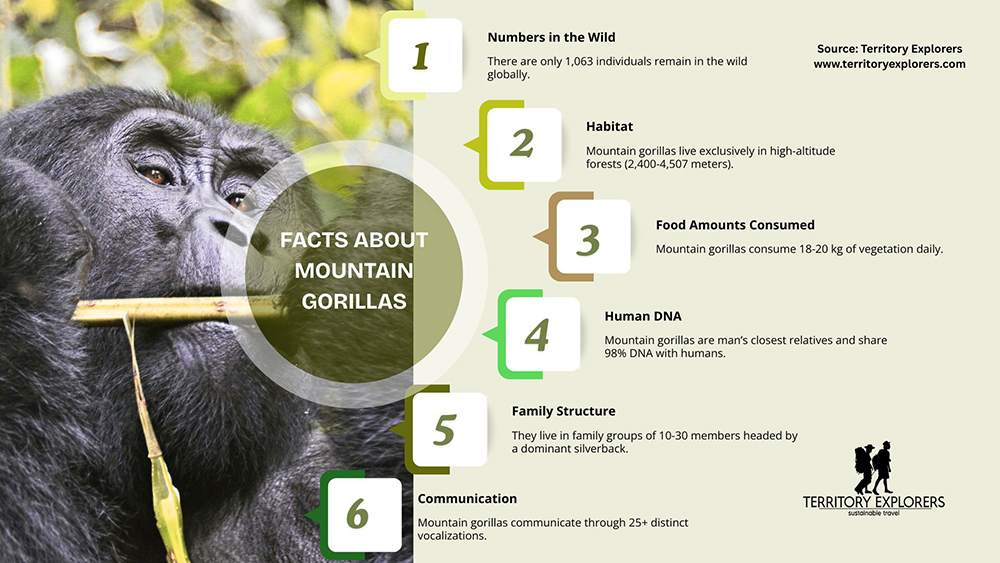

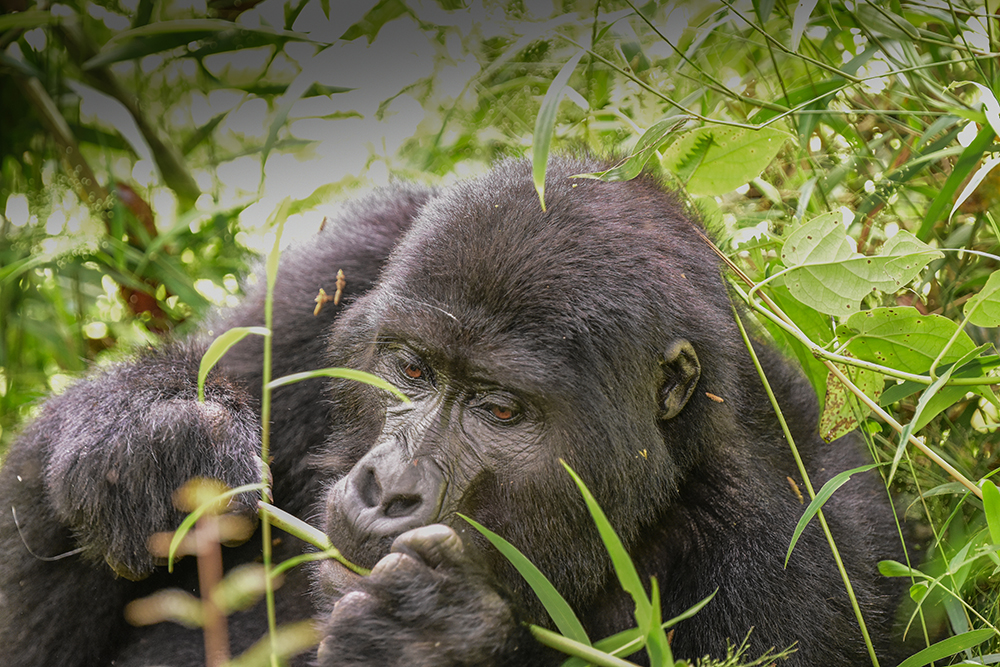
Nkuringo Gorilla Sector is Bwindi's most challenging trekking spot, sitting at 2,161 meters on the park's southern edge. Named for the rolling hills where the first gorilla family was found, Nkuringo gives adventurous travelers tough but very rewarding experiences. Its steep slopes, amazing Virunga volcano views, and close gorilla encounters draw experienced hikers and photographers looking for a true wilderness adventure.
Key Takeaways
- Nkuringo is the most challenging gorilla trekking sector in Bwindi. Found in the park’s southern highlands at around 2,161 meters, it features steep slopes, striking mountain views, and a trek that is both challenging and rewarding.
- Nkuringo gives visitors a more private trekking experience. Only four gorilla families live here, and just 32 permits are available each day. This means fewer people and a quieter, more personal meeting with the gorillas compared to busier sectors like Buhoma or Rushaga.
- Nkuringo is ideal for travelers who are adventurous and in good shape. The treks often mean going down into valleys and then climbing back up, with hikes lasting anywhere from 1 to 7 hours depending on where the gorillas are.
- Four different gorilla families live in Nkuringo: Nkuringo, Christmas, Bushaho, and Posho. Each family gives visitors a unique tracking experience and a chance to see different gorilla behaviors and group life.
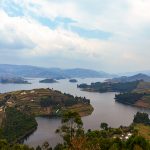
- Nkuringo has some of the best views in Bwindi. Trekkers can see the wide rainforest canopy, the Kashasha River Valley, and even the far-off Virunga volcanoes.
- Access is convenient from both Uganda and Rwanda. The drive from Kampala takes about 9 to 10 hours, but from Kigali, it’s only about 2 to 3 hours through the Cyanika border.
- A gorilla trekking permit costs $800 for foreign visitors. It’s best to book your permit 3 to 6 months ahead, especially during the busy dry season when demand is highest.
- Proper preparation is essential for a successful trek. Bring sturdy hiking boots, trekking poles, and warm clothes for chilly mornings. Hiring a porter can also make the tough hike safer and more comfortable.
- There’s more to do in Nkuringo than just gorilla trekking. You can join the Batwa Cultural Experience, hike the beautiful Nkuringo–Buhoma trail, visit Lake Mutanda, and spot unique birds found only in the Albertine Rift.
- The real reward is a rare and unforgettable wildlife encounter. Spending an hour with mountain gorillas in Nkuringo’s remote forests is one of Africa’s most powerful and memorable experiences.
Why Choose Nkuringo for Gorilla Trekking
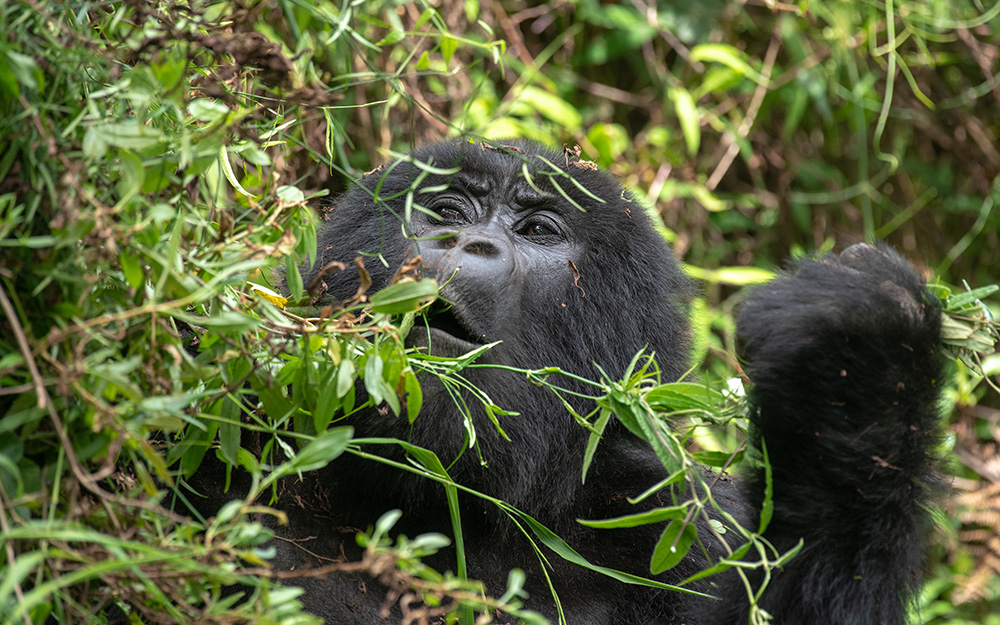
Nkuringo stands out for its dramatic mountains and sense of exclusivity. Four habituated gorilla families mean only 32 daily permits are available, fewer than Buhoma or Rushaga, so treks feel more private and uncrowded. The high altitude brings cooler weather, no mosquitoes, and beautiful views of the rainforest, Kashasha River Valley, and Virunga volcanoes. The steep terrain requires good fitness but rewards you with some of Bwindi's best photo opportunities.
Some families stay near the park edge and may even visit local communities. Because it is remote, there are fewer tourists and more peaceful treks. Nkuringo is also easy to reach from Rwanda, just 2-3 hours from Kigali through the Cyanika border.
Gorilla Families in Nkuringo Sector
Nkuringo has four habituated (accustomed to human presence and therefore ready to visit) gorilla families, and each one offers a unique trekking experience.
Nkuringo Gorilla Family
Nkuringo is the sector's first habituated group, opened in April 2004 after eight years of preparation. The family is led by silverback Rwamutwe, with Tabu as his second-in-command, and has about 13 members: 2 silverbacks, 2 blackbacks, 5 adult females, 1 sub-adult, and 2 infants. This group is the only one in Bwindi to have had twins, born to the female Kwitonda. They often stay near the park boundary in Kashasha Valley, making them easy to reach and great for photography thanks to their calm behavior.
Christmas Gorilla Family
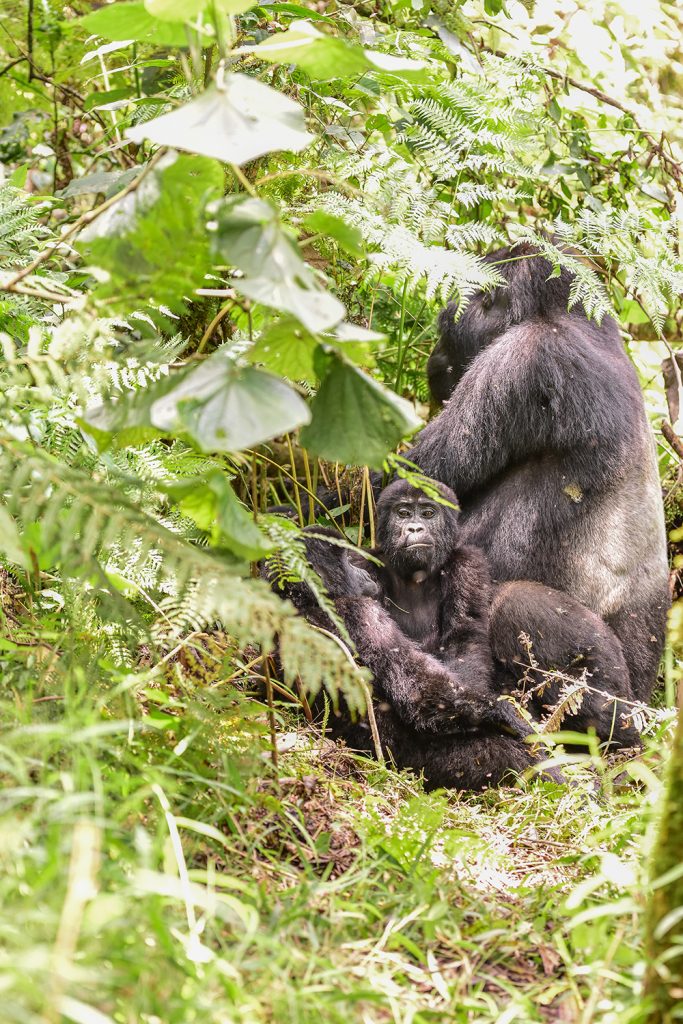
The Christmas family got its name because the main silverback was born on Christmas Day. Led by silverback Mwirima, which means "hill," this close family of 8-10 members is known for strong social ties. Their small size makes for personal encounters where you can notice each gorilla's personality.
Playful young gorillas make visits lively, while the silverback often shows off his strength. The Christmas family lives at mid-altitude, so treks to see them usually take 2-4 hours and can be moderately challenging.
Bushaho Gorilla Family
The Bushaho family was formed when some members left Nkuringo to start their own group. Led by silverback Bahati, whose name means "luck," this family has 9-11 members. They often move between sectors and sometimes cross into Rushaga, so trackers need to be flexible.
Seeing Bushaho gives you a chance to watch interesting social behavior, including how mothers care for their young. Because they move around a lot, tracking them can be an adventure with different levels of difficulty.
Posho Gorilla Family
Posho is Nkuringo's newest gorilla family and was recently habituated. They are still figuring out their identity and where they like to go, so visits are especially lively as you watch them get used to people. Trekking to see Posho gives you a rare look at how a new gorilla group forms and adapts, something you don't often see with older families.
Trekking in Nkuringo is usually harder than in other sectors. If the gorilla families are near the park edge, you might hike downhill for 1-2 hours. If they are deep in the forest, expect a tough 4-6 hour hike.
Getting to Nkuringo Sector
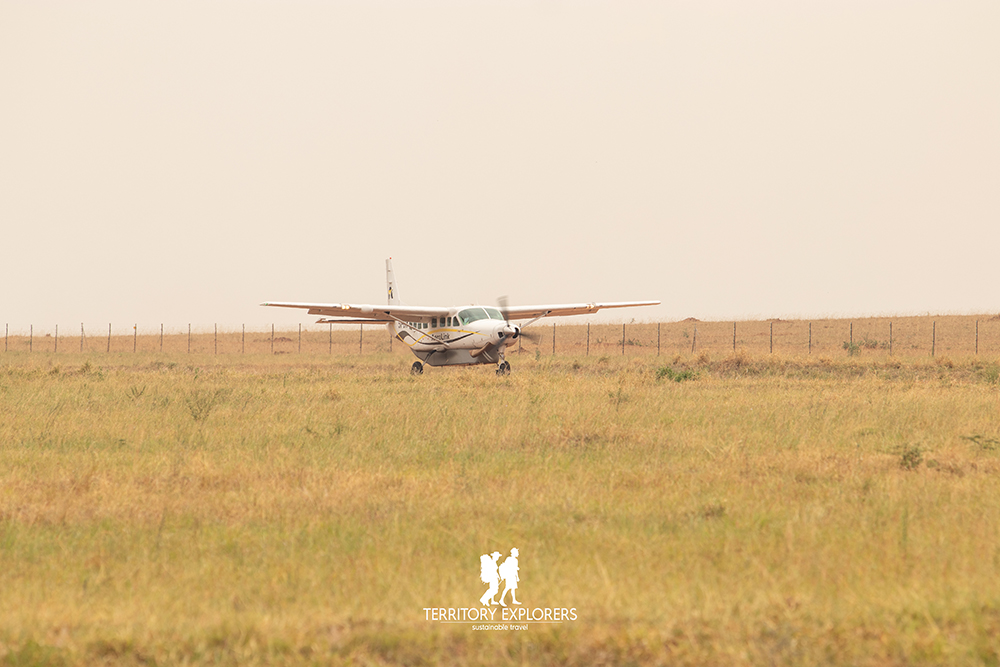
If you drive from Kampala or Entebbe, the trip takes 9-10 hours (560 km) through the scenic southwestern highlands, with good places to stop overnight in Mbarara or at Lake Bunyonyi. From Kigali, Rwanda, it's just 2-3 hours via the Cyanika border, making it easy to combine with Rwandan sights. You can also fly to Kisoro Airstrip in 1.5-2 hours with Aerolink Uganda or Bar Aviation, then drive for about 2 more hours through the mountains.
Best Time to Visit Nkuringo
The dry seasons (June-August and December-February) have less mud and clearer mountain views, but there are more visitors and higher prices. The wet seasons (March-May and October-November) mean cheaper permits (15-30% off), fewer people, and better availability, but the trails can be slippery. Gorillas often stay lower down during the rains, so hikes may be shorter. The shoulder months (May, June, September, November) offer a good mix of weather and value. Be sure to pack warm clothes, as mornings are cold at high altitude.
Gorilla Trekking Permits and Costs
As of 2026, Uganda gorilla permits cost $800 for foreign non-residents, $700 for foreign residents, $500 for other African citizens, and 300,000 UGX (about $80) for East African Community citizens. You can book through the Uganda Wildlife Authority or licensed tour operators.
Each permit lets you spend one hour with the gorillas and covers park fees, guides, and rangers. Nkuringo has 32 permits each day, so it's easier to get one than in smaller sectors, but they still sell out fast in busy seasons. Book your permit 3-6 months in advance. Your payment helps support gorilla conservation, anti-poaching work, and local communities.
What to Expect During Your Trek
Trekking in Nkuringo starts at 7:00-7:30 AM at the visitor center, where UWA rangers give a briefing. Groups of eight are formed for each gorilla family, and your fitness level is considered when assigning groups. It's important to be honest about your abilities, as all treks here are tough. Each group is led by guides and armed rangers.
Hiring porters ($15-20) is very helpful in Nkuringo because the steep terrain can be tough. Many people hire two porters—one to carry a backpack and another to help with the hike. Treks can last from 1 to 7 hours. Often, you hike downhill to reach the gorillas, which means a tiring uphill climb on the way back. Trackers use radios to keep you updated. Even though it's hard, the views of misty valleys, volcanoes, and terraced hills make the trek unforgettable.
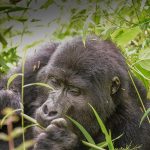
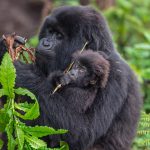
When you reach the gorillas, you get to spend one special hour watching them from seven meters away. Nkuringo's gorilla families are calm and easy to photograph, making for a truly memorable experience.
 "Truly a life-changing experience"
"Trekking to spend an hour observing a gorilla family was truly a life-changing experience. Their calm presence and the quiet intelligence in their eyes leave an imprint on your heart. This hour felt like time stood still — pure magic."
— James R., Solo Adventure Traveller from Australia 🇦🇺
Accommodation Options in Nkuringo
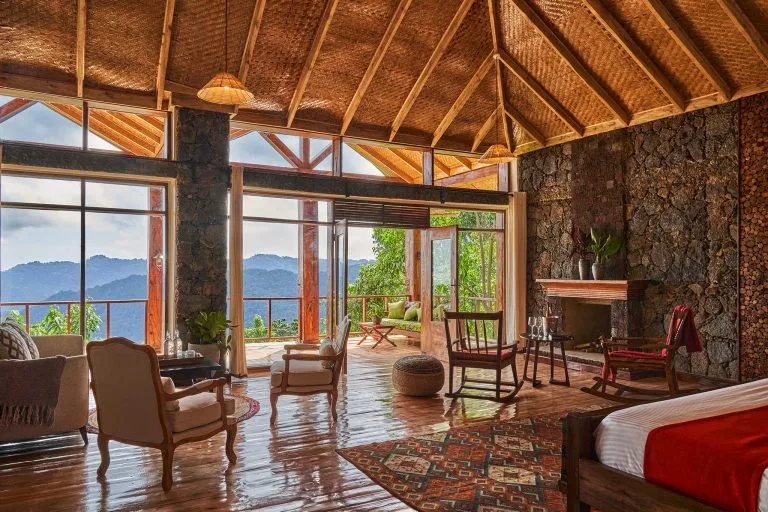
Luxury options include Clouds Mountain Gorilla Lodge, which offers top-tier comfort, Virunga views, and elegant cottages with five-star service. Nkuringo Bwindi Gorilla Lodge is a nine-time World Travel Award winner, just 300 meters from the visitor center, with garden cottages and luxury forest suites with butler service. Lake Mutanda Resort sits by the lake and has beautiful views.
Mid-range: Nkuringo Gorilla Camp (comfortable bandas, forest views, walking distance to trailhead), Gorilla Heights Lodge (well-appointed rooms, terraced gardens, panoramic vistas). Budget: Bwindi Backpackers Lodge (affordable rooms and dormitories) and community guesthouses offering basic but clean accommodation.
What to Pack for Gorilla Trekking
Essentials: Waterproof hiking boots with good ankle support (very important for steep trails), a long-sleeved shirt and long pants in neutral colors, a waterproof rain jacket and pants, garden gloves, knee-high socks, gaiters, a waterproof daypack, DEET insect repellent, SPF 30+ sunscreen, a warm fleece or jacket (it gets cold at high altitude), a hat, at least 3 liters of water, energy snacks, a camera with extra batteries, and a face mask.
For Nkuringo, it's also a good idea to bring trekking poles for the steep slopes, energy bars, glucose tablets, blister treatment, and knee supports. The altitude and tough terrain make this sector much harder than others.
Other Activities in Nkuringo Area
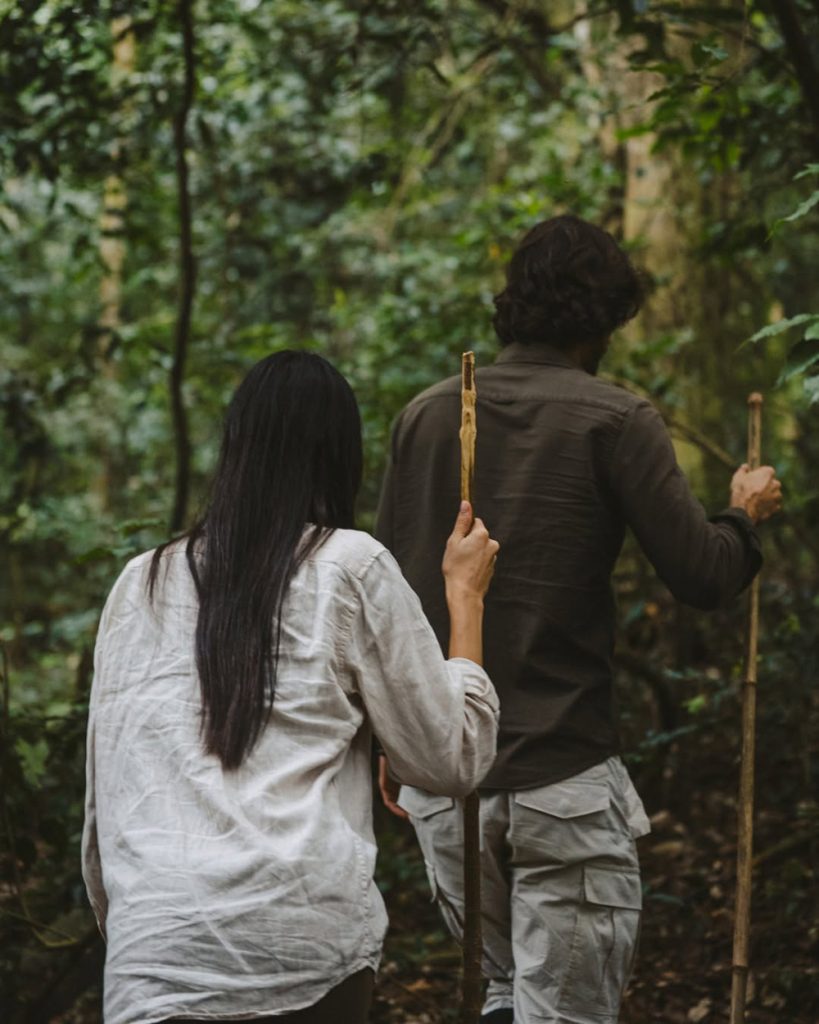
The Batwa Cultural Experience lets you learn about the local pygmy people, including their traditional hunting, use of medicinal plants, fire-making, and cultural performances. The Nkuringo to Buhoma Trail is a beautiful 4-5 hour hike through Bwindi that links the two sectors.
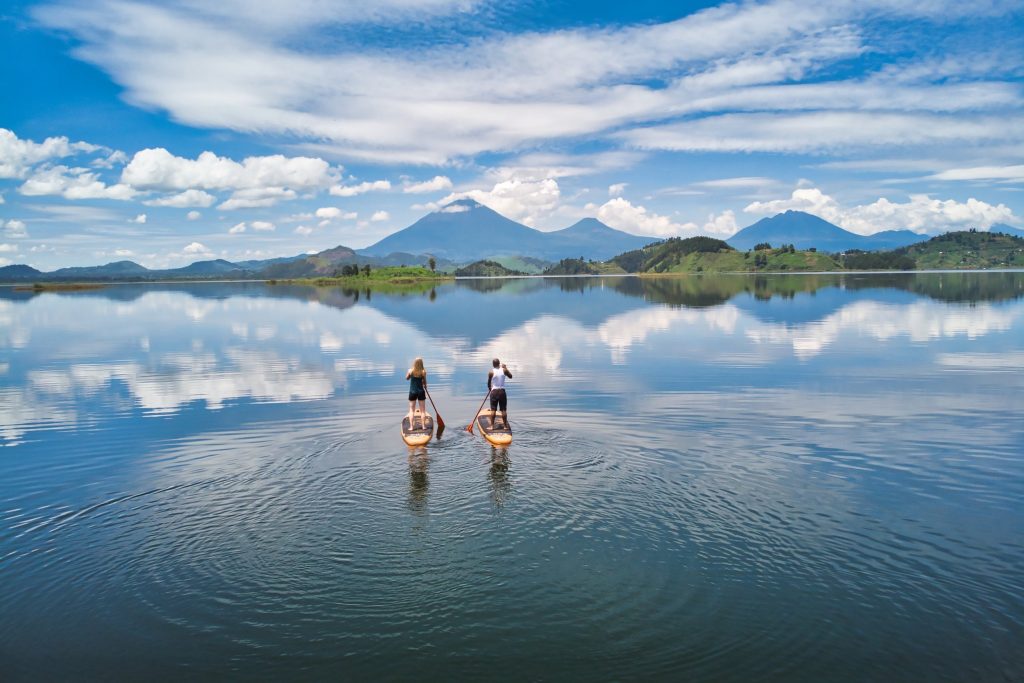
Lake Mutanda has amazing views of volcanoes, plus canoeing, birdwatching, and places to relax. Community walks let you meet local schoolchildren and artisans. Birdwatchers can spot over 350 species, including 23 that are unique to the Albertine Rift.
Practical Tips and Rules
The minimum age for trekking is 15 years and this rule is strictly followed. Nkuringo requires a higher level of fitness, so be honest about whether you can handle steep descents and tough climbs. If you feel sick, do not trek—there is a 50% refund, and it's important because human illnesses can harm gorillas.
When you meet the gorillas, always stay seven meters away, never touch them, keep your voice down, and avoid looking the silverback in the eye. Don't use flash for photos and set your camera to silent mode. It's important to prepare physically—practice hiking up and down steep hills for at least an hour several times a week before your trek. Good heart and leg strength are very important.
Drink plenty of water, listen to your guides, and consider hiring porters (many people hire two). Use trekking poles to help with balance. Go at your own pace—moving slowly and steadily helps prevent injuries. The trek is tough, but seeing gorillas in these beautiful mountains is an experience you'll never forget.
Sample Gorilla Trekking Trips to Nkuringo
Follow in the footsteps of our past travelers with these sample trips to Nkuringo. Each trip includes extra experiences across Uganda to make your journey complete. Browse the options to find what fits your style, and our experts can help you customize it.
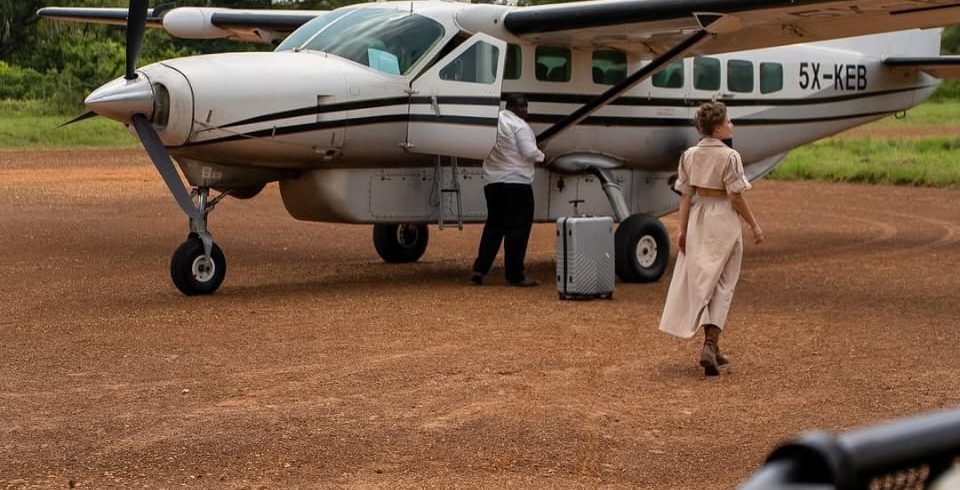
This 4-day fly-in safari is perfect for travelers who want to meet mountain gorillas in Bwindi Impenetrable National Park without...
- Jan
- Feb
- Mar
- Apr
- May
- Jun
- Jul
- Aug
- Sep
- Oct
- Nov
- Dec
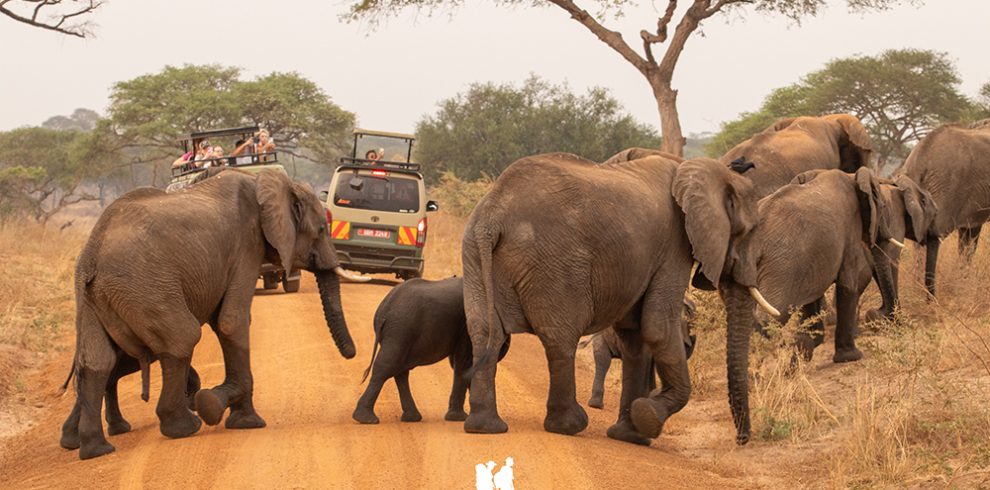
This 14-day safari explores some of Uganda's most stunning landscapes and wildlife spots, blending nature, culture, and adventure. Starting in...
- Jan
- Feb
- Mar
- Apr
- May
- Jun
- Jul
- Aug
- Sep
- Oct
- Nov
- Dec
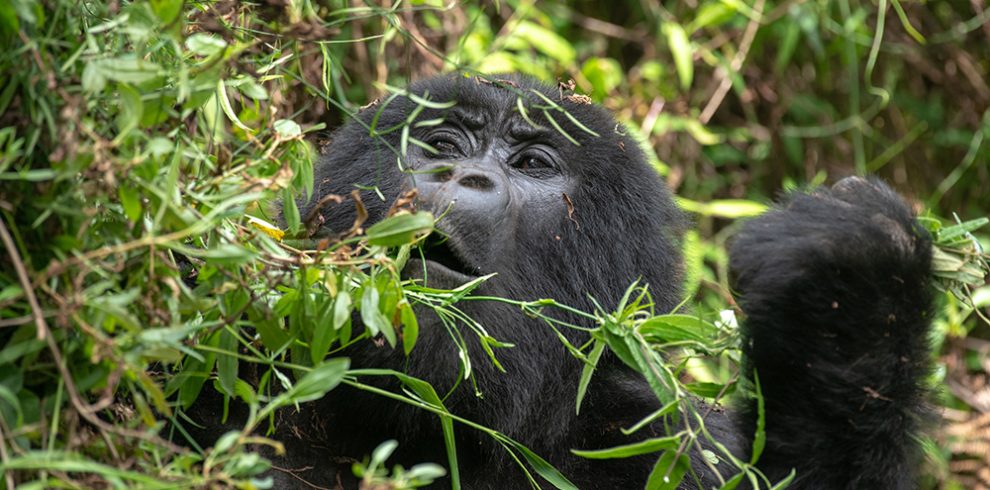
Join us for a 14-day Uganda-Kigali adventure that brings together East Africa’s top wildlife, culture, and exciting activities. You’ll visit...
- Jan
- Feb
- Mar
- Apr
- May
- Jun
- Jul
- Aug
- Sep
- Oct
- Nov
- Dec
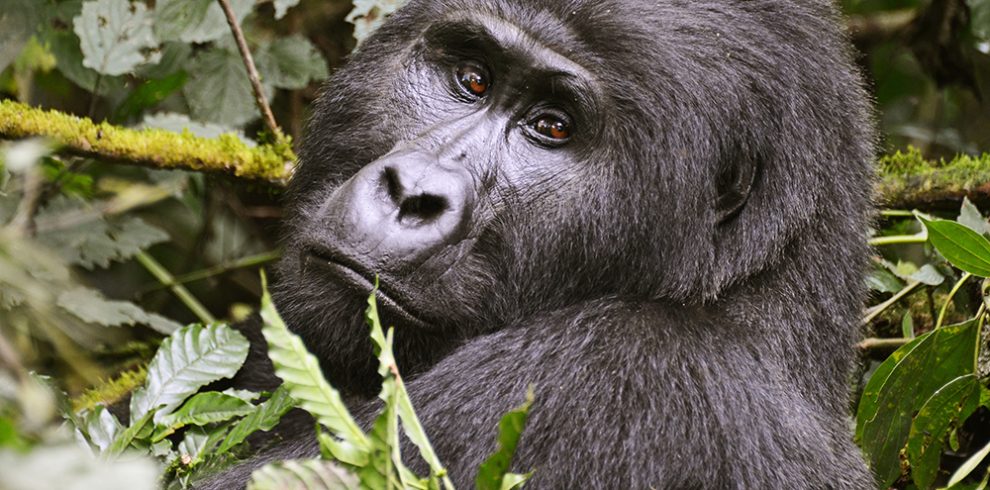
This 4-day Uganda safari starts in Kampala or Entebbe and takes you through the beautiful southwest for a memorable mountain...
- Jan
- Feb
- Mar
- Apr
- May
- Jun
- Jul
- Aug
- Sep
- Oct
- Nov
- Dec
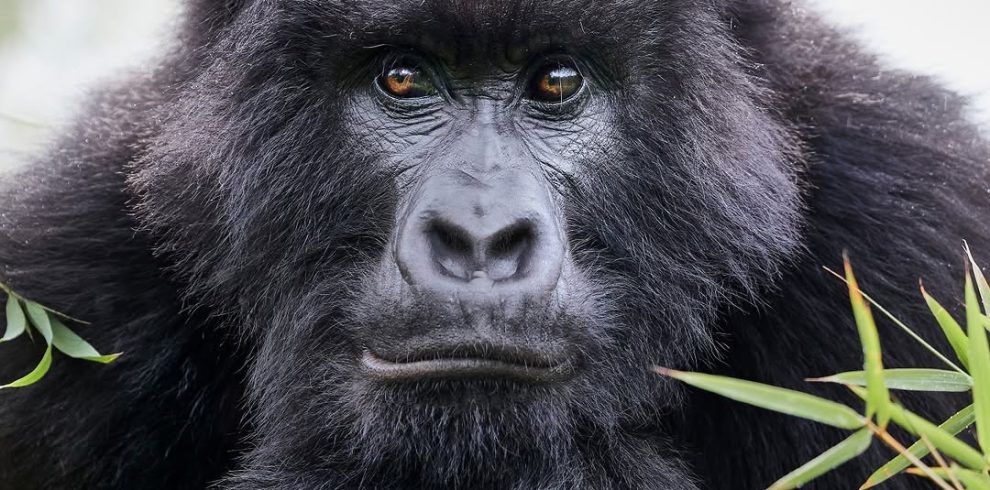
Let's take you on a 3-day gorilla safari in Uganda’s Bwindi Impenetrable Forest, where almost half of the world’s mountain...
- Jan
- Feb
- Mar
- Apr
- May
- Jun
- Jul
- Aug
- Sep
- Oct
- Nov
- Dec
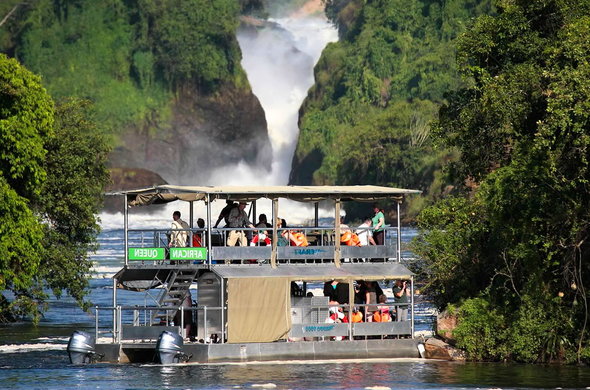
Set out on a 9-day journey across Uganda’s most famous wildlife spots, from the powerful Murchison Falls to the green...
- Jan
- Feb
- Mar
- Apr
- May
- Jun
- Jul
- Aug
- Sep
- Oct
- Nov
- Dec
Frequently Asked Questions (FAQs)
The Ellen DeGeneres Campus of the Dian Fossey Gorilla Fund is in Musanze, Rwanda, next to Volcanoes National Park near Kinigi village. It is not in Uganda's Nkuringo sector. This $15 million, 12-acre center opened in 2022 and continues Dian Fossey's legacy with modern exhibits, research facilities, a gift shop, and the Gorilla Café. The campus is open daily from 9am to 5pm, and a $20 donation is suggested. It is about 2.5 hours from Kigali. Many visitors combine a stop here with gorilla trekking in Rwanda's Volcanoes National Park or Uganda's Bwindi area.
Rushaga sector has the most gorillas, with eight habituated families and 64 daily permits. Buhoma comes next with seven families and 56 permits. Nkuringo and Ruhija each have four families and 32 permits. All sectors offer great viewing, with success rates over 95%.
Each gorilla family is led by a dominant silverback, an adult male over 12 years old with a silver-gray patch of hair on his back. The silverback decides where the group feeds, sleeps, and travels. He protects the group, settles disputes, and fathers most of the young. In Nkuringo, the Nkuringo family is led by Rwamutwe with Tabu as his deputy, the Christmas family by Mwirima, and the Bushaho family by Bahati. If the dominant silverback dies, another strong male takes over.
Buhoma is best for first-time visitors who want easy access, plenty of accommodation, and shorter treks. Rushaga has the most permits available each day and is the only place with the 4-hour Gorilla Habituation Experience. Nkuringo is ideal for fit, adventurous travelers who want mountain views, fewer people, and tougher hikes. Ruhija is good for those who want fewer crowds and great birdwatching. Pick a sector based on your fitness, interests, and how easy you want your trek to be.
Uganda and Rwanda are both very safe for gorilla trekking and have strong safety records. Rwanda is known for its good roads and efficient tourism services, making it slightly safer overall. Uganda is also very safe, especially in gorilla trekking areas where security is a top priority.
Armed rangers go with every trek, and both countries have many years of safe tourism. More than 95% of treks happen without any problems except for minor hiking injuries. The Democratic Republic of Congo also offers trekking, but there are more security concerns there.
The best time for gorilla trekking in Uganda is during the dry seasons, from June to August and December to February, when trails are less muddy. January and February are especially good. The dry season is very helpful in Nkuringo because of the steep terrain. The shoulder months—May, June, September, and November—offer good value, with decent weather, more available permits, lower prices, and fewer people. Gorillas can be seen all year, with success rates over 95%.
Bwindi in Uganda has four sectors: Buhoma (7 families, 56 permits, easiest to reach), Ruhija (4 families, 32 permits, high altitude, great for birdwatching), Rushaga (8 families, 64 permits, offers the Habituation Experience), and Nkuringo (4 families, 32 permits, most challenging terrain and great views). Mgahinga in Uganda has one sector with one family. Rwanda's Volcanoes National Park has one sector with 12 families.
A standard 1-hour gorilla trek in Uganda costs $800 per person for foreign visitors (2025 prices). The 4-hour Gorilla Habituation Experience, only in Rushaga, is $1,500. In Rwanda, a gorilla permit also costs $1,500. These prices do not include accommodation, which ranges from $50 to over $1000 per night, or transportation, which can cost $100 to $600.
A full 3-day Uganda package usually costs $1,300 to $2,500 for budget options and $3,000 to $5,000 or more for luxury. Remember to budget extra for tips: $10-20 for guides and $15-20 for porters.
Conclusion
If you've always wanted to go gorilla trekking, now is a great time to do it. Whether you want the challenge and rewards of Nkuringo in Bwindi or are looking at another sector in Uganda, this experience will give you memories that last a lifetime. Territory Explorers has years of experience and has helped many travelers enjoy their adventures—we'd love to help you too. Contact us at info@territoryexplorers.com, and we'll help you plan every part of your trip. Book now and make your dream a reality.