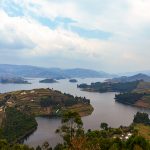

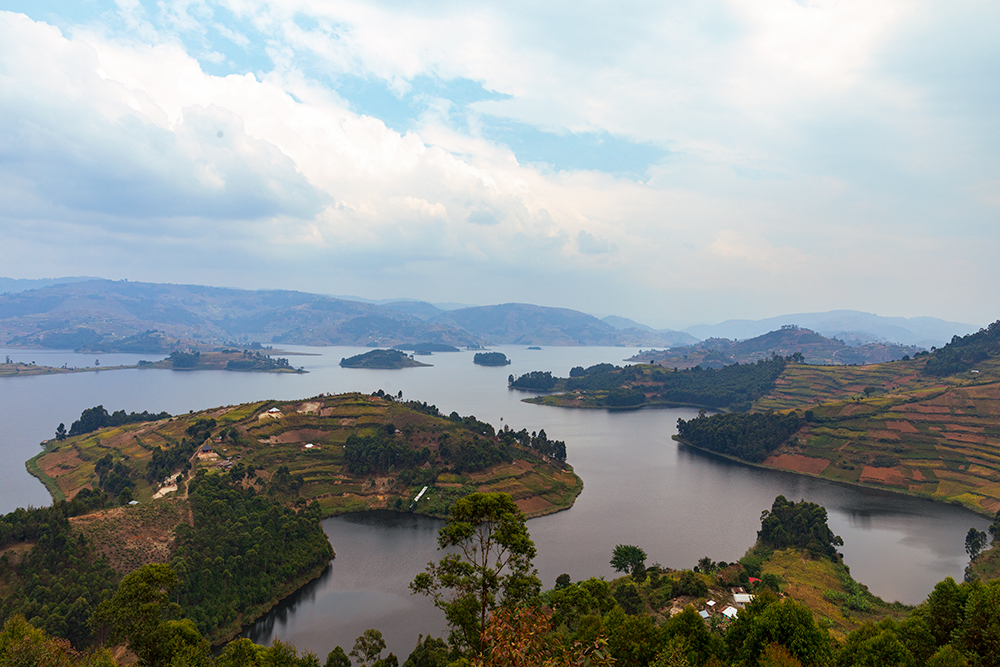
Lake Bunyonyi, nestled in the misty highlands of southwestern Uganda, is one of Africa’s most beautiful destinations. Known as the ‘Switzerland of Africa,’ this crater lake sits 1,962 metres above sea level, surrounded by terraced hills, green forests, and the welcoming Bakiga people. With 29 islands dotting its calm waters, Lake Bunyonyi is a rare place where natural beauty, rich culture, and peaceful quiet come together. Whether you’re an experienced traveler or visiting Uganda for the first time, Lake Bunyonyi is sure to impress.
Key Takeaways
Lake Bunyonyi sits 1,962 metres above sea level in southwestern Uganda. It stretches 25 km long, has 29 islands, and is known as one of Uganda’s deepest lakes.
The lake is about 420 km from Kampala, which is a 7 to 8-hour drive southwest on the Kampala-Kabale Highway. Travelers coming from Kigali, Rwanda can get there in just 3 hours, so it’s easy to add to a gorilla trekking trip. Taking a domestic flight to Kabale or Kisoro can save time, and from Kabale town, the lake is only a 20 to 30-minute drive away.
June to August and December to February are the best months for road travel, canoeing, and outdoor activities. In October and November, misty mornings create great conditions for photography. From March to May, the long rainy season brings fewer visitors but muddier roads. The lake is beautiful all year, and the high altitude keeps temperatures comfortable.
You can try dugout canoeing, kayaking, swimming in bilharzia-free waters, birdwatching with over 200 species, island-hopping, hiking, mountain biking, sunset cruises, zip lining, and cultural visits to Bakiga and Batwa communities. Whether you want adventure or a peaceful retreat, Lake Bunyonyi has something for everyone.
Akampene, also known as Punishment Island, tells a serious part of Bakiga history. On Kyahugye Wildlife Island, you can walk among zebras, impalas, and monkeys. Bwama Island keeps the memory of a 1920s leprosy mission alive, while Bucuranuka is rich in local legend. These islands are the cultural and scenic heart of the lake and are best explored over several days by canoe or guided boat.
You’ll find a range of places to stay, from budget camps like Bushara Island to mid-range eco-resorts such as Lake Bunyonyi Rock Resort, and luxury options like Birdnest at Lake Bunyonyi and Arcadia Cottages. Staying on an island gives you a real off-grid experience. It’s best to book ahead during the busy gorilla trekking seasons from June to August and December to February.
Evenings can be cool at this height, so bring a light jacket any time of year. The lake is safe for swimming and does not have bilharzia. Most places prefer Ugandan shillings for payment. US citizens and many other nationalities can get the East African Tourist Visa online for USD 100, which covers Uganda, Kenya, and Rwanda in one application. Mobile data coverage around the lake is usually reliable.
Geography & History
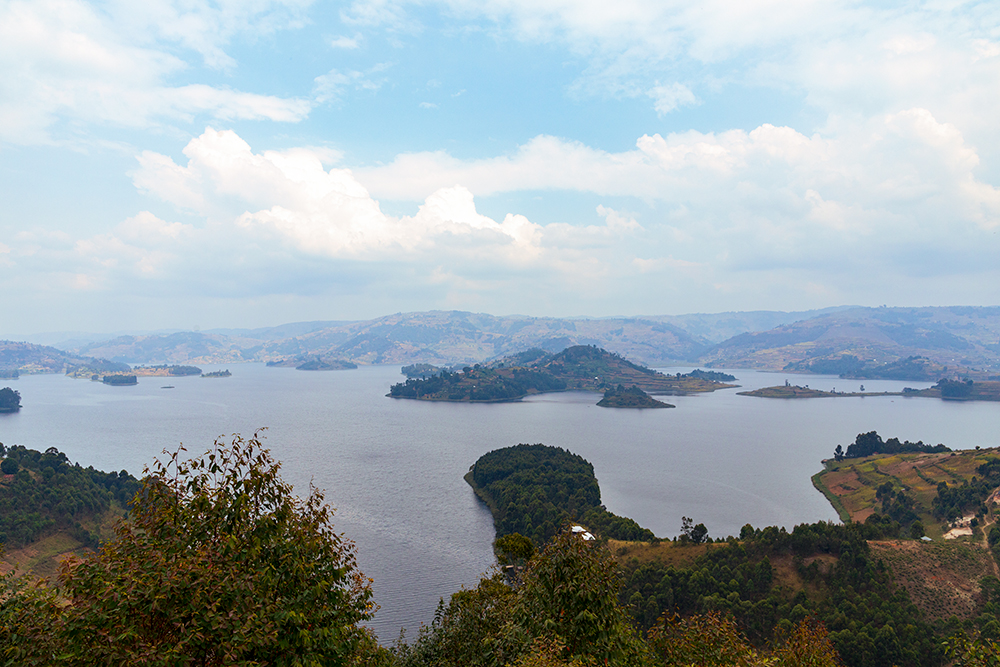
Lake Bunyonyi formed about 18,000 years ago when lava from the Virunga Volcanoes blocked the Ndego River valley, creating the lake. The name ‘Bunyonyi’ means ‘place of many little birds’ in Rukiga, which fits since over 200 bird species live here. The lake is about 25 kilometres long, 7 kilometres wide, and is measured at 40 to 44 metres deep, though local stories claim it could be as deep as 900 metres.
It is considered one of Uganda’s and Africa’s deepest lakes. Each of the 29 islands has its own story, with Punishment Island being the most famous for its sad history of abandoned unmarried pregnant girls. Lake Bunyonyi was even featured on Uganda’s 5,000 shilling note from 2004 to 2009, showing its importance to the country.
Getting There
Lake Bunyonyi sits close to Kabale in the Kigezi sub-region, about 420 kilometers from Kampala. If you drive from Kampala, expect a 7 to 8-hour trip on the Kampala-Kabale Highway. From Entebbe International Airport, you can drive or catch a domestic flight to Kisoro or Kabale, then continue by road. Travelers from Kigali, Rwanda, can reach the lake in just three hours, making it a popular stop after gorilla trekking in the Virunga region.
From Kabale town, boda bodas (motorcycle taxis) and special hire vehicles can get you to the lakeside in less than 30 minutes.
Best Time to Visit
You can visit Lake Bunyonyi any time of year, but the best months are during Uganda’s dry seasons: December to February and June to August. During these times, roads are easier to travel, canoeing is at its best, and the scenery is especially vibrant. October and November bring short rains, creating misty mornings and dramatic skies—perfect for photography. From March to May, longer rains can make roads muddy, but the lake stays beautiful and there are fewer visitors, which is great if you want a quieter trip.
Activities & Things To Do
Lake Bunyonyi is one of Uganda’s best places for activities, with something for everyone, whether you love adventure or prefer quiet relaxation. Here’s a closer look at the main things you can do on and around the lake.
Dugout Canoeing
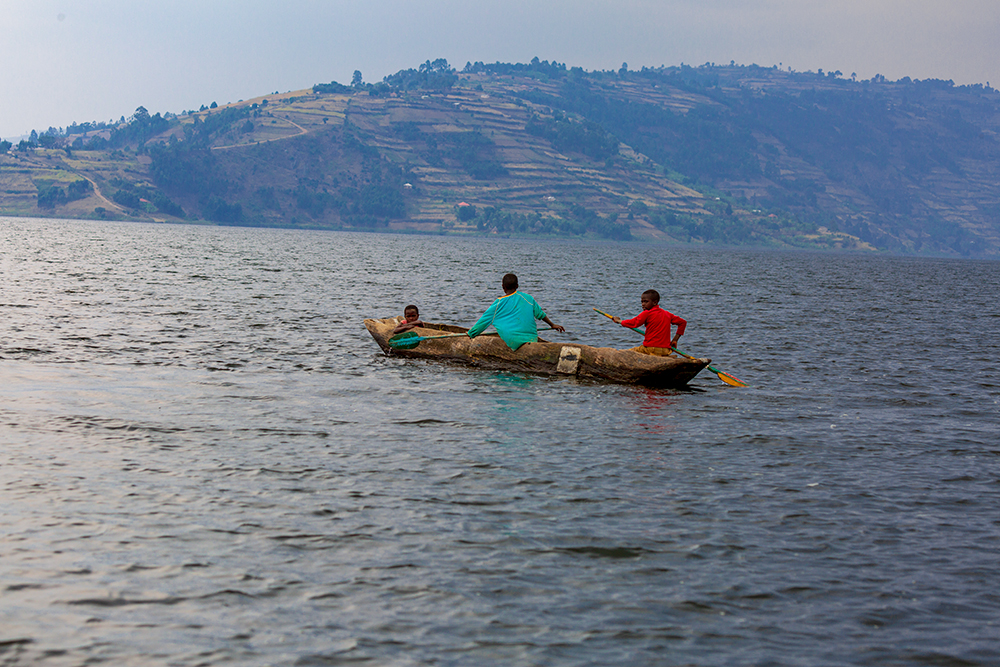
Dugout canoeing is the most popular activity at Lake Bunyonyi. These wooden canoes, made from hollowed tree trunks, have been used for centuries and are still part of daily life here. You can hire a canoe with a local guide or try paddling yourself, gliding quietly across the water as the morning mist rises. There are half-day, full-day, and overnight canoe trips, with options to camp or stay on an island.
Canoeing at night is especially memorable, with the sounds of crickets, frogs, and birds, and stars reflecting on the water. It’s also the most eco-friendly way to travel between islands.
Kayaking and Stand-Up Paddleboarding
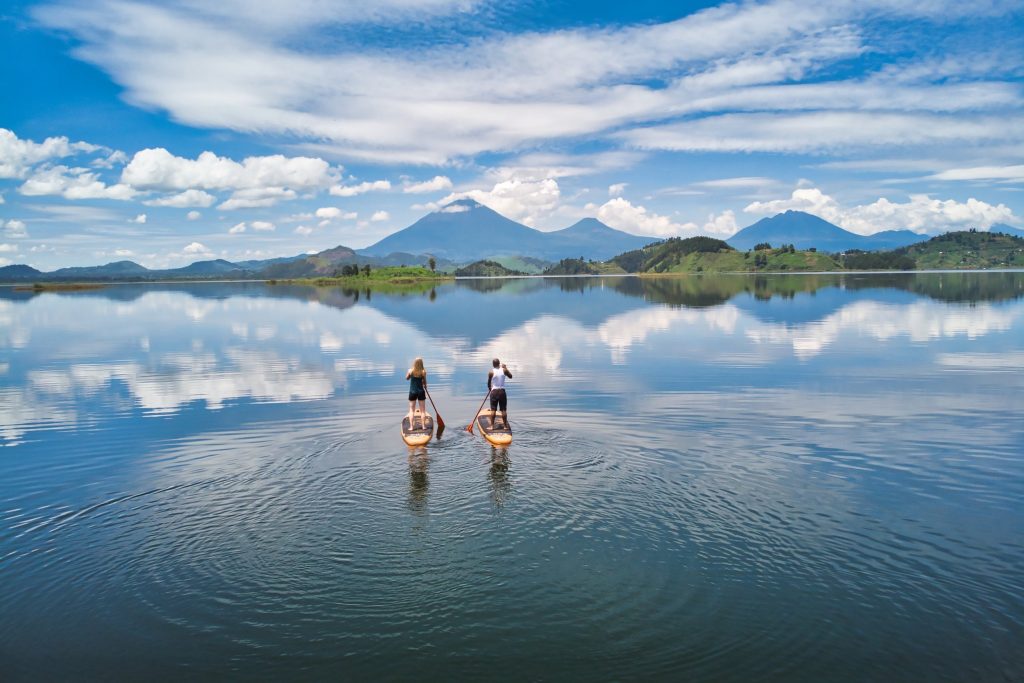
If you want a more active experience on the water, most lakeside lodges offer modern kayaks and stand-up paddleboards. Kayaking lets you visit more islands at your own pace, which is great for birdwatching, sunrise trips, and taking photos. Stand-up paddleboarding is a bit more challenging but gives you a peaceful way to enjoy the reflections of the Kigezi hills.
Both activities are best in the early morning when the lake is calm. You can also book guided kayaking tours with Territory Explorers, which include expert commentary on the birds and island history.
Swimming
Lake Bunyonyi is one of the few lakes in Uganda and East Africa that is completely safe for swimming. There are no bilharzia parasites or crocodiles, so it’s a rare and refreshing place to swim. Most lodges have docks and swimming areas where you can jump into the cool, clear water. Because the lake is almost 2,000 metres above sea level, the water stays cool all year, which feels great after a hike or a day of exploring. If you’re an experienced swimmer, you can go farther from shore, but it’s best to swim with a buddy and have a canoe nearby for safety.
Birdwatching
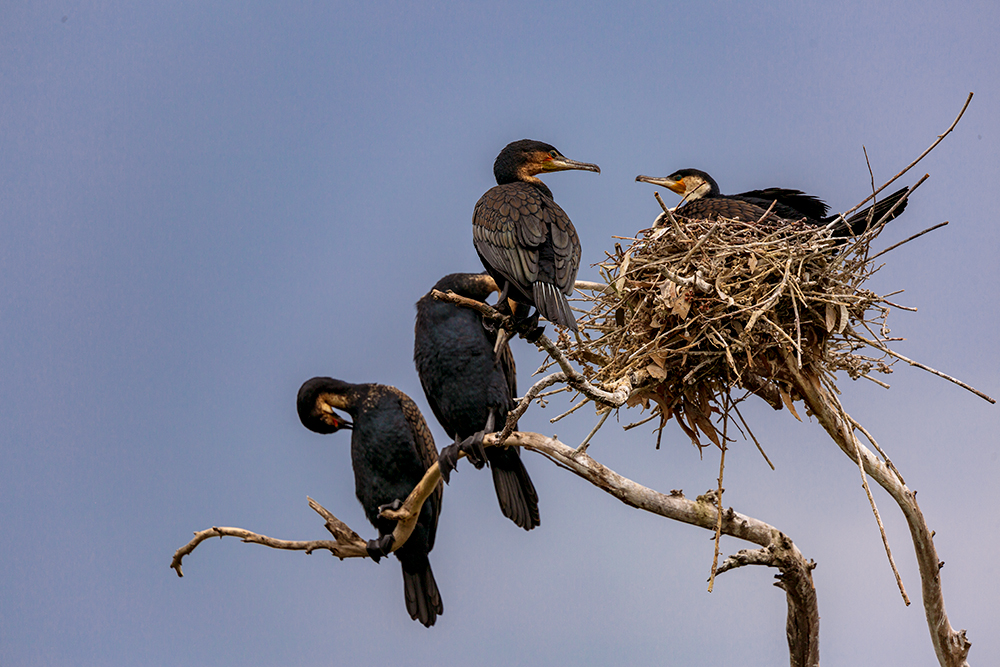
The name ‘Bunyonyi’ means ‘place of little birds,’ and the lake truly lives up to it. More than 200 bird species have been seen here, including local birds and European migrants that visit in winter. The lake and its islands are important breeding areas for water birds, and Nyombi Swamp, just a short boat ride away, is one of the best birdwatching spots in southwestern Uganda.
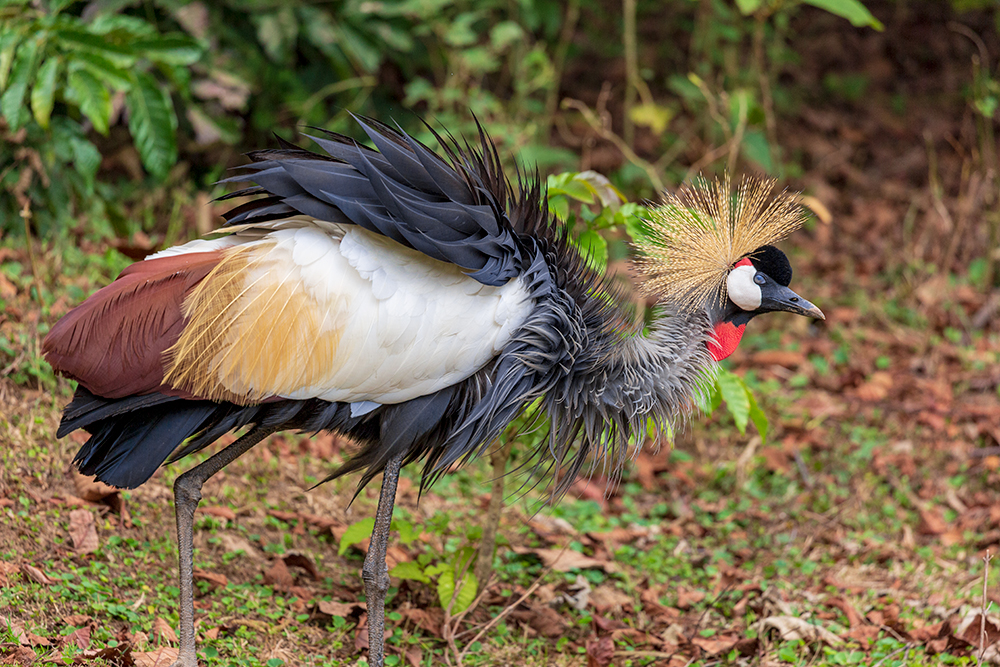
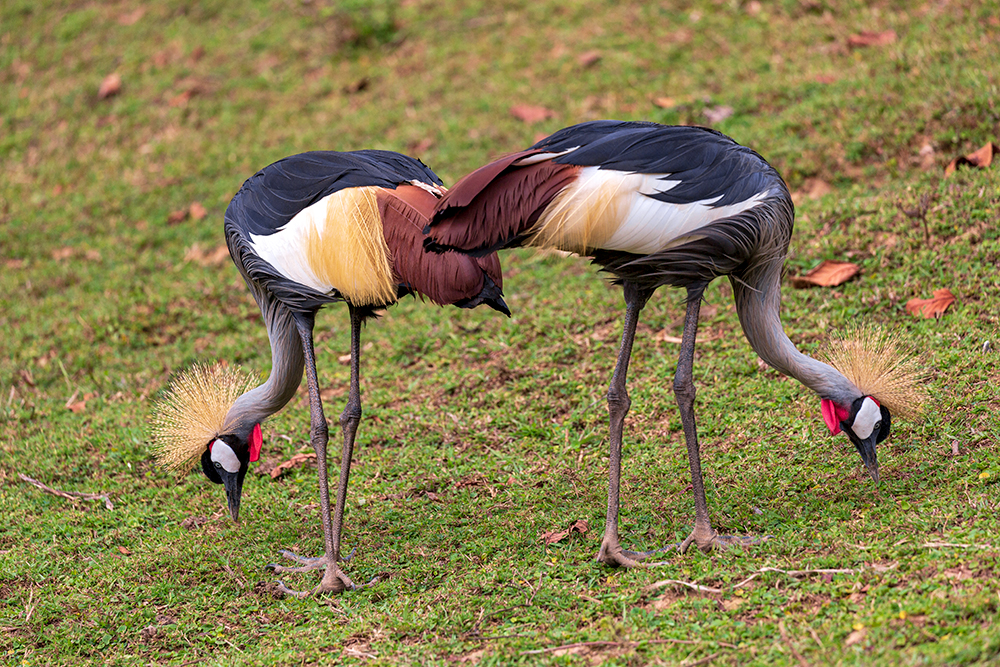
Birds you might see include the grey crowned crane (Uganda’s national bird), African fish eagle, malachite kingfisher, African harrier hawk, white-tailed blue monarch, red-chested sunbird, several types of heron and egret, weaverbirds, slender-billed baglafetch, and the rare shoebill. Having a birding guide and binoculars will make your experience even better.
Boat Cruises and Sunset Cruises
Motorised boat cruises are a comfortable way to see the lake, especially if you want to visit several islands in one day or reach the far corners of the lake. Sunset cruises are especially popular. As the sun sets behind the Virunga mountains, the sky turns amber and the lake glows with gold and pink reflections. Many lodges offer sunset cruises with drinks and snacks served on the water.
Hiking and Nature Walks
The terraced hills around Lake Bunyonyi are great for hiking. Trails pass through small villages, eucalyptus forests, and open hillsides with wide views of the lake and islands. The highest peaks reach 2,478 metres, and on clear days you can see Mount Muhabura and the Virunga volcanoes. Local guides usually lead the walks and share information about the plants, people, and geography. You can also take nature walks on the islands to explore their unique plants, birds, and communities.
Mountain Biking
Mountain biking is an exciting way to see Lake Bunyonyi’s beautiful scenery. The high altitude keeps the weather cool, even when you’re working hard. Trails go through villages, forests, and scenic viewpoints, giving you new views of the lake at every turn. You can rent bikes and join guided tours of different difficulty levels through some lodges or with Territory Explorers. Both half-day and full-day rides are available, and longer trips usually have a support vehicle.
Cultural Community Visits
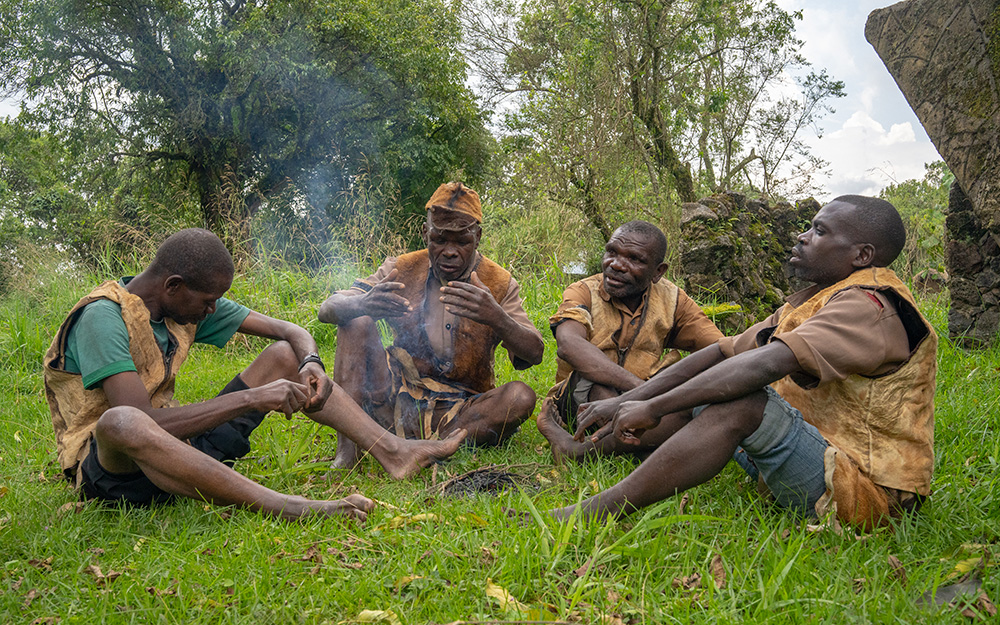
The communities around Lake Bunyonyi offer some of Uganda’s most genuine cultural experiences. Guided visits to Bakiga homes show you traditional farming, local instrument making, and the importance of the terraced hills. Batwa community programs let you learn about one of Uganda’s oldest indigenous groups and their deep connection to the Kigezi forests.
You can watch traditional dance and music, learn to cook local dishes, visit the Bakiga Cultural Museum, see blacksmiths at work, or even stay with a local family. You can also visit school projects on the islands. These programs are set up so that local communities benefit directly from your visit.
Foodie and Fishing Experiences
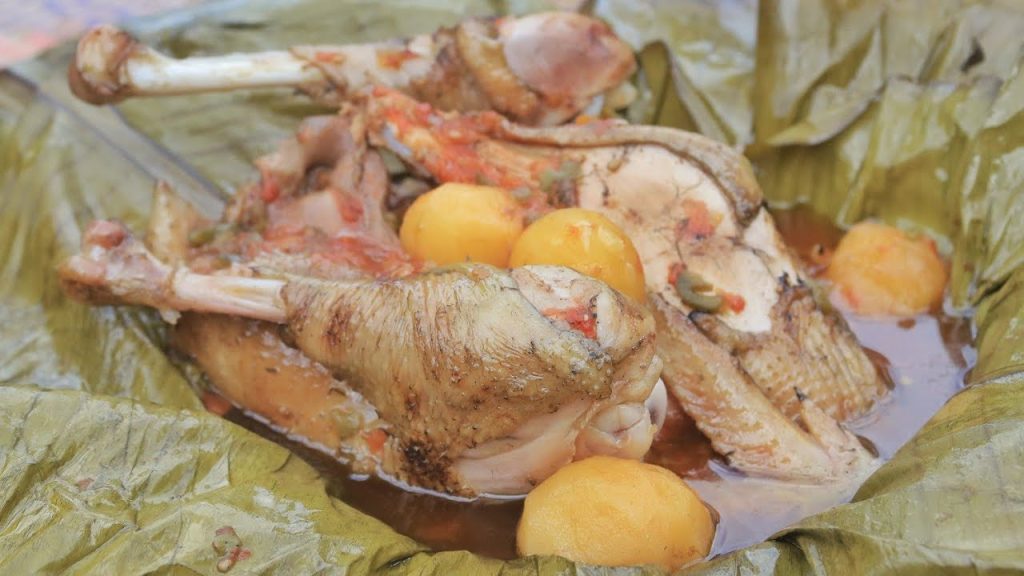
Lake Bunyonyi is known for its tasty food, especially dishes made with fresh fish from the lake. Crayfish is the most popular local specialty and is served in many ways, from pan-fried to added to pizza and pasta at lodges. You can also join local fishermen in the morning to learn traditional fishing methods. Eating a fresh meal of tilapia, crayfish, or mudfish by the lake is one of the most memorable dining experiences in Uganda.
Island Picnics and Relaxation
Sometimes the best thing to do at Lake Bunyonyi is to relax and enjoy the peace. Many lodges and island operators can set up private island picnics, where you’re taken by boat to a quiet spot with a packed meal and a blanket. The cool air, gentle sounds of the lake, birdsong, and beautiful views make this a truly relaxing experience, especially after gorilla trekking or long drives.
Zip Lining
If you’re seeking a dash of adrenaline, some places around the lake now offer zip lining. It’s a fun way to see the water and hills from above and is especially popular with younger travelers and families who want a mix of adventure and relaxation.
Nature Photography
Lake Bunyonyi is a great place for photography all year round. In the early morning, mist covers the water as fishermen paddle their canoes, making for beautiful photos. The terraced hills change from green to gold with the seasons, and the islands reflect on the calm lake, creating stunning landscape shots. Birdwatchers should bring binoculars and a camera with a zoom lens—the area is home to the grey crowned crane, African fish eagle, malachite kingfisher, and over 200 other bird species.
Sample Trips
You can book any of the trips below to visit Lake Bunyonyi. Our travelers have picked these as their favorites, and each one includes extra experiences to make your journey unforgettable. Talk to a Territory Explorers expert if you need help booking or want to customize your trip.
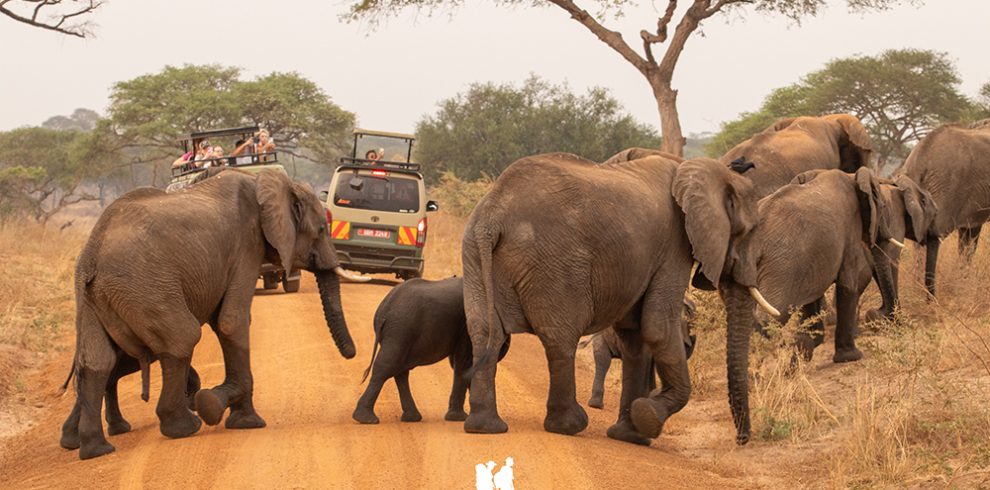
This 14-day safari explores some of Uganda's most stunning landscapes and wildlife spots, blending nature, culture, and adventure. Starting in…
- Jan
- Feb
- Mar
- Apr
- May
- Jun
- Jul
- Aug
- Sep
- Oct
- Nov
- Dec
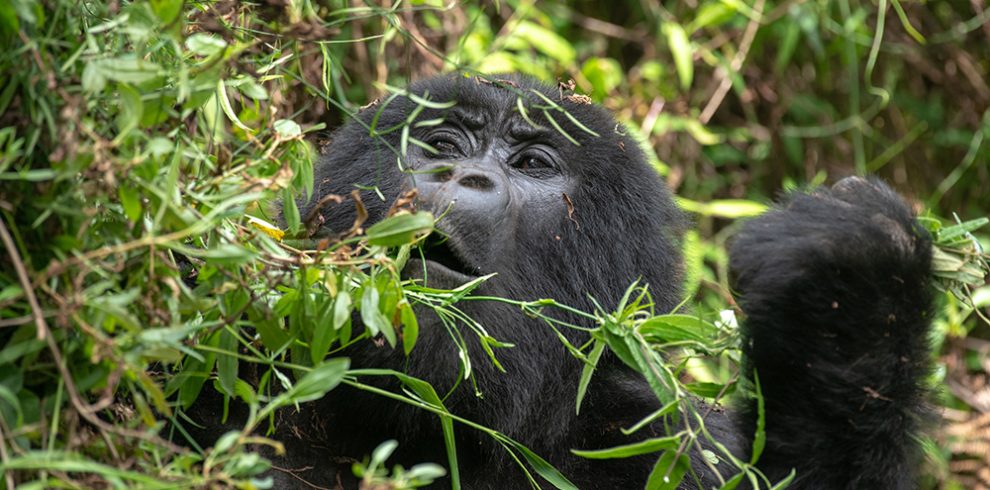
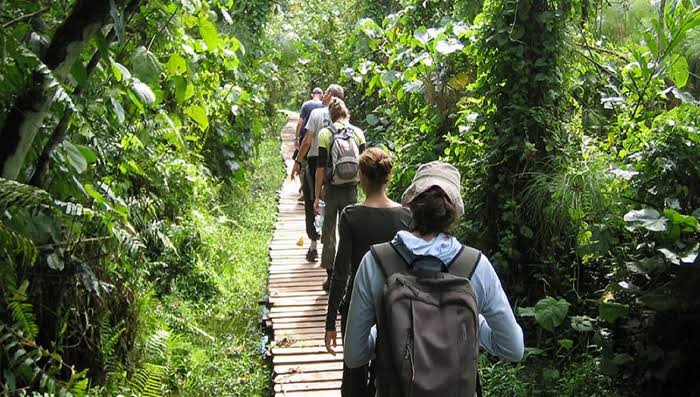
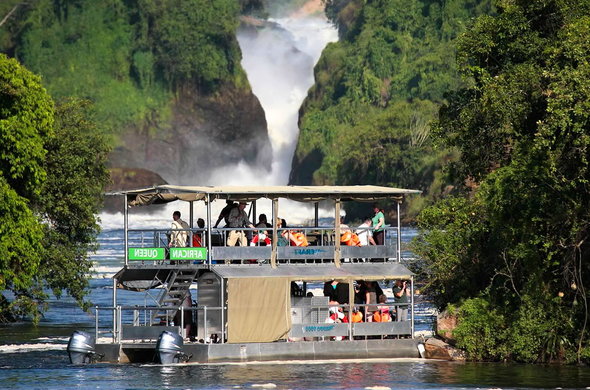
Set out on a 9-day journey across Uganda’s most famous wildlife spots, from the powerful Murchison Falls to the green…
- Jan
- Feb
- Mar
- Apr
- May
- Jun
- Jul
- Aug
- Sep
- Oct
- Nov
- Dec
The Islands of Lake Bunyonyi
Most of Lake Bunyonyi’s 29 islands are found in the central part of the lake, and each one is different in size, character, and history. Some islands have communities, others are wildlife sanctuaries or have historic ruins, and some are just peaceful spots with forest and birds. Every island has its own story, making the lake a place full of discoveries. Here are the most notable islands;
Akampene Island — Punishment Island
Akampene, also called Punishment Island, is the most historically important and emotional of the lake’s islands. This small, flat island was once used for a sad Bakiga tradition that lasted into the early 1900s. Young women who became pregnant before marriage were seen as bringing shame to their families, who would lose the bride price if their daughter was not considered pure.
As punishment and as a warning, these women were taken by canoe and left on the island with no food or water. Some drowned trying to swim back, while others died from exposure. The only men who would rescue them were those too poor to pay a bride price, since taking a girl from the island required no cattle. This practice ended as Christianity and colonial rule changed local customs.
Today, Akampene is a place for quiet reflection and learning. Visiting with a knowledgeable guide from Territory Explorers turns it from a simple sightseeing stop into a meaningful discussion about gender, culture, and the strength of women in the Kigezi region.
Bwama Island
Bwama Island has a history that is both sad and hopeful. In 1921, English missionary Dr. Leonard Sharp chose the then-empty island as the site for a leprosy treatment center. By 1931, the island had a full colony with patient housing, a church, and medical facilities. At its busiest, over 1,000 people with leprosy lived here, finding community instead of isolation.
Dr. Sharp lived on nearby Njuyeera Island, now called Sharp’s Island. Today, Bwama has a primary school and a small community. Visiting the island offers a glimpse of its colonial history, missionary work, and the strong spirit of its people.
Njuyeera Island — Sharp’s Island
Njuyeera Island, also known as Sharp’s Island after the missionary who lived there, is next to Bwama and combines history with natural beauty. The island got its name because Dr. Leonard Sharp’s white cottage looked like his family’s home in England. Today, Sharp’s Island has one of the lake’s most unique lodges, popular with travelers who want to stay right on the water. The island has great lake views, easy access to Bwama when water levels are low, and a peaceful, quiet feel far from modern life.
Kyahugye Island — Wildlife Island
Kyahugye Island is one of Lake Bunyonyi’s most unique attractions. It covers about 74 acres and is the only island where you can see land animals in a safe, predator-free setting. The island is home to zebras, impalas, waterbucks, Uganda kobs, and two types of monkeys, that is, vervet and De Brazza’s monkey. Guided walking safaris let you get close to the animals while enjoying lake views all around.
The island is also great for birdwatching, with grey crowned cranes often seen in the shallows. On clear days, you can see Mount Muhabura from the island’s high point. Kyahugye is the most popular island for a half-day visit and is easy to reach by boat or canoe.
Bushara Island
Bushara Island is a favorite for campers, backpackers, and nature lovers, and it gets great reviews from visitors. The island was once cleared for farming, but later reforested with eucalyptus trees, turning it into a green retreat. Today, Bushara offers simple but scenic bandas and campsites among the trees, with the sounds of water and birds all around. It’s a top spot for birdwatching, and the rare shoebill has been seen nearby. Bushara is perfect for those who want an off-grid experience but still enjoy basic comforts.
Bucuranuka Island — Upside Down Island
Bucuranuka, or the Upside Down Island, is one of the lake’s most interesting islands because of its legend. The story goes that men on the island were brewing Obushera, a traditional sorghum beer, when an old woman asked for a drink. They refused, and after she was helped to the mainland, she cursed the island, causing it to flip over and kill everyone left behind.
The island is now small and oddly shaped, which locals say matches the story. Visiting Bucuranuka is a great way to hear this legend from a local guide and learn how stories and the landscape are connected at Lake Bunyonyi.
Habuharo, Kagamba, and the Smaller Islands
Besides the well-known islands, Lake Bunyonyi has many smaller islands like Habuharo and Kagamba that offer quieter, more personal experiences. Many of these islands have small farming communities where Bakiga families still farm and fish using traditional ways. Visiting by canoe, sharing tea with a local family, and watching daily life is one of the most genuine and relaxed experiences at the lake. You can arrange island-hopping trips with Territory Explorers, and local guides will share the history and culture at each stop.
Where to Stay
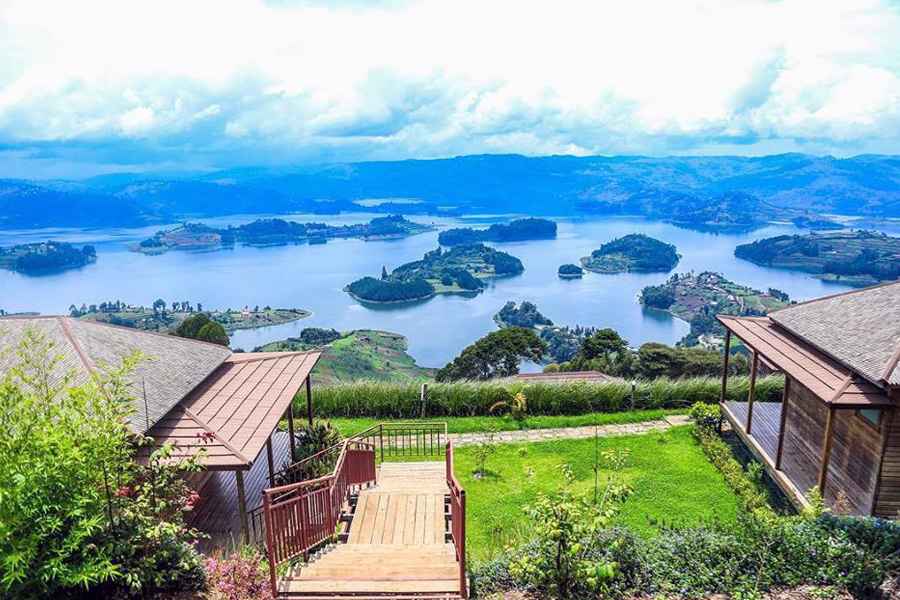
Lake Bunyonyi has accommodation for every traveler, whether you’re a backpacker, camper, honeymooner, or looking for a luxury safari stay. For those on a budget, Bunyonyi Overland Resort offers affordable tents and cottages right by the lake. Bushara Island Camp is a favorite with backpackers and can be reached by canoe. Byoona Amagara on Itambira Island is a community-owned eco-retreat, with all proceeds supporting local projects.
If you prefer mid-range options, consider Lake Bunyonyi Rock Resort, a family-run eco-resort with 22 rooms and five hillside bungalows. Bunyonyi Safaris Resort in Kagalama village has cottages, suites, and sport-fishing. Lake Bunyonyi Eco Resort on Kyahugye Island lets you stay among zebra and impala in geodome tents, treetop nests, or lake view cottages.
If you want a luxury stay, three top properties stand out. Birdnest at Lake Bunyonyi Resort is the lake’s most well-known upscale lodge, with an infinity pool, free canoe hire, a Grande Executive suite, and private cottages only accessible by water. Arcadia Cottages sits on a 14-acre hilltop with 25 self-contained cottages, great views of all 29 islands and the Virunga volcanoes, a 25-seat motor boat, and quad bikes for exploring the hills.
Paradise Eco-Hub Resort on Itambira Island offers an off-grid island experience, unique King’s Nest Cave rooms, deluxe geodomes, full-board meals, and private sunbathing terraces. This is a great choice for honeymooners and couples. It’s best to book ahead for any accommodation, especially during the busy gorilla trekking seasons from June to August and December to February. Territory Explorers can help you find the best place for your needs and budget.
Culture & Local Life
Most people living around Lake Bunyonyi are Bakiga, known for their hard work and the terraced hillsides they’ve farmed for generations. The Batwa, one of Uganda’s oldest indigenous groups, also have strong ties to the area. Community tourism programs let you learn about their forest traditions, medicine, and music. Visiting a market in Kabale, sharing a meal with a local family, or joining a traditional dance are all ways to make your trip even more special.
Food & Dining
Eating at Lake Bunyonyi is a simple and satisfying experience. Most lodges serve fresh, local food like matoke (steamed plantain), posho (maize porridge), roasted sweet potatoes, beans, and tilapia from the lake. Some lodges also offer international dishes. For a real taste of local life, ask your host to arrange a traditional meal with a local family. Don’t miss the fresh passion fruit juice and locally grown coffee.
Nearby Attractions
Lake Bunyonyi is in a great spot for exploring southwestern Uganda. Bwindi Impenetrable National Park, famous for gorilla trekking, is only about two hours away. Mgahinga Gorilla National Park and golden monkey trekking are also nearby. You can easily visit Kisoro town, the Virunga volcanoes, or cross into Rwanda to see Kigali or Volcanoes National Park. Many travelers add Lake Bunyonyi to their gorilla trekking trips for a complete experience.
Practical Travel Tips
Here are some tips to make your visit easier. Lake Bunyonyi is at a high altitude, so evenings can be cool—bring a light jacket, even in the dry season. It’s a good idea to take malaria medicine and use insect repellent at dusk. The lake is safe for swimming and free of bilharzia. Ugandan shillings are best for payments, and while some lodges take cards, it’s smart to carry cash for small purchases.
Mobile data works fairly well around the lake. You can get a Ugandan visa on arrival or use the East African Tourist Visa, which also covers Kenya and Rwanda.
Conclusion
Lake Bunyonyi is more than just a place to visit—it’s an experience you’ll remember long after you leave. From quiet canoe rides in the morning to relaxing by the fire in the evening, everything here encourages you to slow down and enjoy the moment. If you want to plan your trip, Territory Explorers is a trusted tour operator for Lake Bunyonyi and southwestern Uganda. They offer local expertise, well-designed trips, and a real focus on responsible tourism. Contact Us to start planning your unforgettable adventure.
Frequently Asked Questions
Yes, Lake Bunyonyi is one of the safest lakes in Uganda for swimming. Unlike many other East African lakes, it does not have bilharzia (schistosomiasis) or crocodiles, so it is a great place for a refreshing swim. Most lodges encourage swimming, and the calm, clear water makes it especially enjoyable. Still, you should follow normal water safety rules and swim in designated areas.
Lake Bunyonyi is known for its stunning scenery, which is often compared to the Swiss Alps. It has 29 historic islands, including the well-known Punishment Island, and is one of the deepest lakes in Uganda. The lake is also free of bilharzia, home to over 200 bird species, and surrounded by terraced hillsides farmed by the Bakiga people. Many travelers visit as a relaxing stop before or after gorilla trekking.
No, Lake Bunyonyi is not the deepest lake in the world. That title goes to Lake Baikal in Russia, which is 1,642 metres deep. Most scientific sources say Lake Bunyonyi is about 40 metres deep, but local stories claim it could be as deep as 900 metres. If that were true, it would be the second deepest lake in Africa. Either way, its dramatic landscape and depth, given its size, make it an exceptional place.
Definitely. Lake Bunyonyi is often listed as one of Uganda’s best travel spots, and for good reason. Its beautiful scenery, rich culture, safe swimming, great birdwatching, island trips, and peaceful atmosphere make the journey worthwhile. Whether you stay for a couple of days or a week, the lake helps you slow down and relax. If you are also visiting Bwindi for gorilla trekking, Lake Bunyonyi adds something special to your trip.
The usual way to get from Entebbe to Lake Bunyonyi is by road through Kampala and then southwest on the Kampala-Kabale Highway to Kabale town. This drive takes about 8 to 9 hours. If you want to save time, you can take a domestic flight from Entebbe to Kisoro or Kabale airstrips, which is much faster. From Kabale, the lake is just a 20 to 30-minute drive away. Territory Explorers can help arrange road transfers or flights to make your trip as smooth as possible.
Territory Explorers is a top choice for tours to Lake Bunyonyi and southwestern Uganda. They have local knowledge, flexible trip planning, and a good reputation for responsible tourism. Whether you want just a Lake Bunyonyi getaway, a trip that includes gorilla trekking, or a full Uganda safari, Territory Explorers can create a trip that fits your interests and budget.
A three-day trip to Lake Bunyonyi can be very rewarding. On the first day, you can settle in, go for a sunset canoe ride, and have dinner by the lake. The second day is perfect for a full day of island-hopping to places like Punishment Island, Bwama, Sharp’s Island, and Kyahugye Wildlife Sanctuary. On the third day, start early with birdwatching, hike the hills for great views, and visit a Bakiga or Batwa community before you leave. Territory Explorers can adjust this plan to match your interests and pace.
US citizens need a visa to visit Uganda. The easiest option is the East African Tourist Visa, which you can get online through the Uganda e-visa portal. This visa lets you visit Uganda, Kenya, and Rwanda with one application and costs USD 100. You can also get a single-entry Uganda visa for USD 50. Visas are available online before your trip or on arrival at Entebbe International Airport, but it is best to apply online to avoid delays. Your passport should be valid for at least six months after your planned travel dates.
Lake Bunyonyi offers many well-reviewed places to stay for all budgets. Popular choices include Bunyonyi Overland Resort, which has a beautiful location and lots of activities; Arcadia Cottages, known for being eco-friendly and having great hilltop views; and Birdnest at Bunyonyi, which features elegant cottages with lake views. On the islands, Bushara Island Camp and Itambira Island Camp are praised for their natural settings and friendly service. Territory Explorers can help you choose the best place for your needs and budget.
Lake Bunyonyi has plenty of options for budget and mid-range travelers. Places like Bunyonyi Eco Resort, Gorilla Heights Lodge, and several guesthouses in Kabale town offer comfortable stays at good prices. Many of these can be booked online through sites like Booking.com or directly on the lodge websites. For the best deals and advice, Territory Explorers can help you find affordable places that still offer a great experience and location.
Yes, you can book guided kayaking tours on Lake Bunyonyi through most lakeside lodges or with Territory Explorers. These tours usually visit nearby islands, pass fishing villages, and explore scenic coves. Local guides share information about the lake’s history, wildlife, and communities. Both half-day and full-day trips are available, and all equipment is provided. It is a good idea to book ahead during busy seasons.
You can arrange cultural experiences near Lake Bunyonyi, such as visiting Bakiga homes, Batwa community programs, traditional dance shows, and craft workshops, through Territory Explorers. They work closely with local partners to make sure visits are authentic and respectful. Many lakeside lodges can also help you meet nearby communities. Booking in advance with a trusted operator like Territory Explorers helps ensure your visit supports local people and gives you a more meaningful experience.