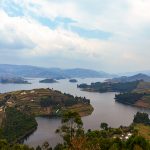

It’s amazing that a place just 33 square kilometers in size can hold three volcanoes, two primate species, and a rich human history. Set in the Virunga Mountains of southwestern Uganda, Mgahinga Gorilla National Park is a great example of conservation and cultural preservation.
Although it is Uganda’s smallest national park at 33.7 square kilometers, Mgahinga is rich in wildlife and culture. Its name, “Gahinga,” means “piles of volcanic stones” in the local language, which describes the landscape visitors will see.
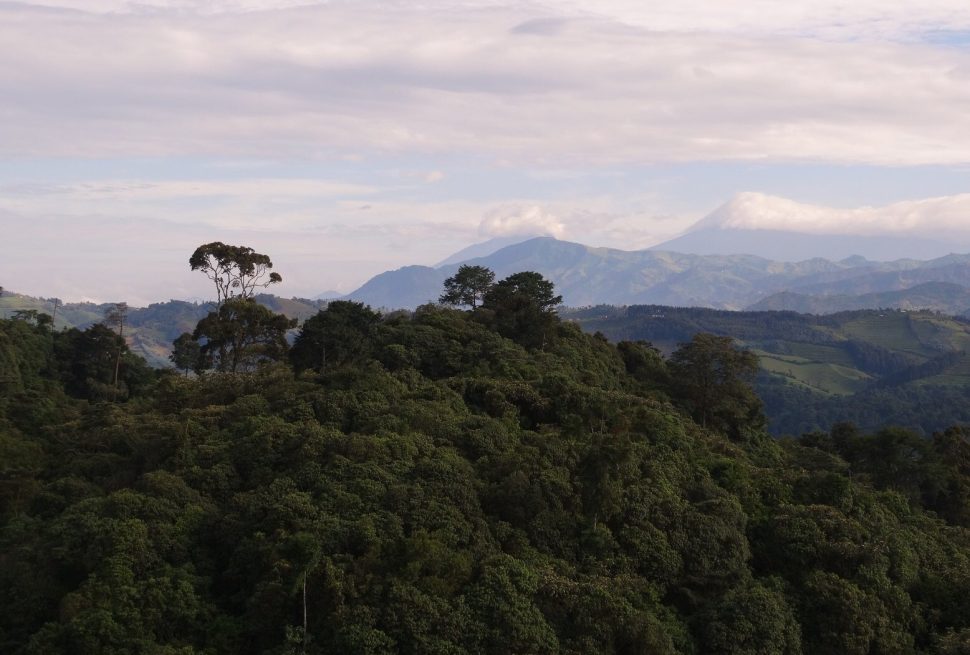
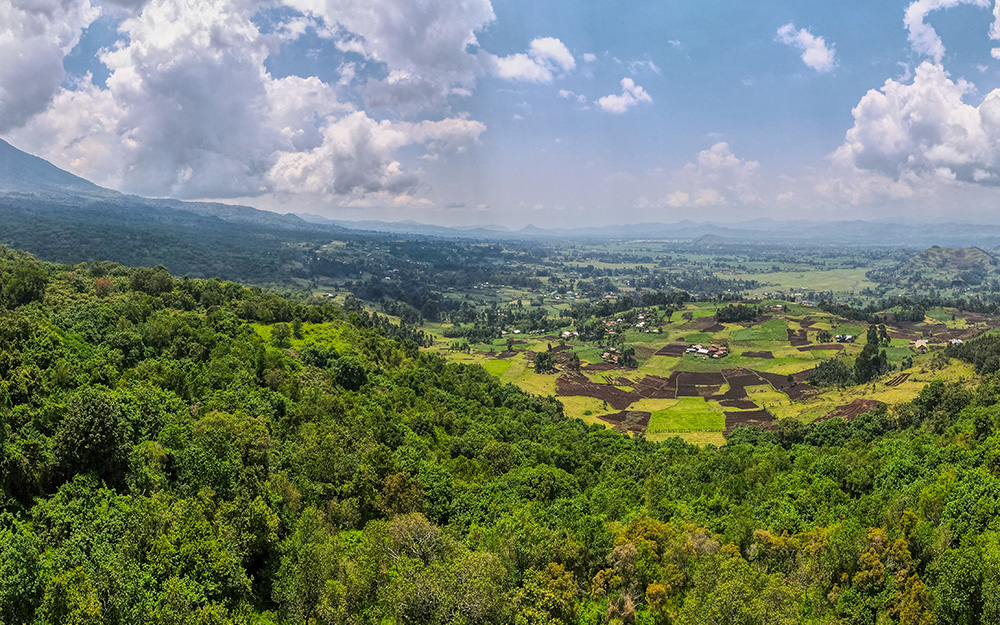
This special park is part of the Virunga ecosystem, one of Africa’s most biodiverse areas. It includes three extinct volcanoes: Mount Muhabura (4,127m), Mount Gahinga (3,474m), and Mount Sabyinyo (3,634m), which create a striking landscape. As part of the larger Virunga Conservation Area shared with Rwanda and the Democratic Republic of Congo, Mgahinga helps protect endangered mountain gorillas and golden monkeys.
Key Takeaways
- Mgahinga National Park is Uganda’s smallest national park, covering only 33.7 square kilometers in the Virunga Mountains. It sits right where Uganda, Rwanda, and the Democratic Republic of Congo meet.
- Visitors to Mgahinga National Park can explore three extinct volcanoes and a variety of ecosystems, all within a small area.
- Mgahinga National Park is the only place in Uganda where you can track both golden monkeys and mountain gorillas. The park is home to one habituated gorilla family and two golden monkey groups living in untouched bamboo forests. It offers close-up wildlife experiences without the crowds of bigger parks.
- The park is also home to the Batwa people, giving visitors a chance to learn from former forest dwellers. Mgahinga is known for its conservation success, with mountain gorilla numbers rising over time. The park blends wildlife protection with community development through sustainable tourism.
Location and How to Get There
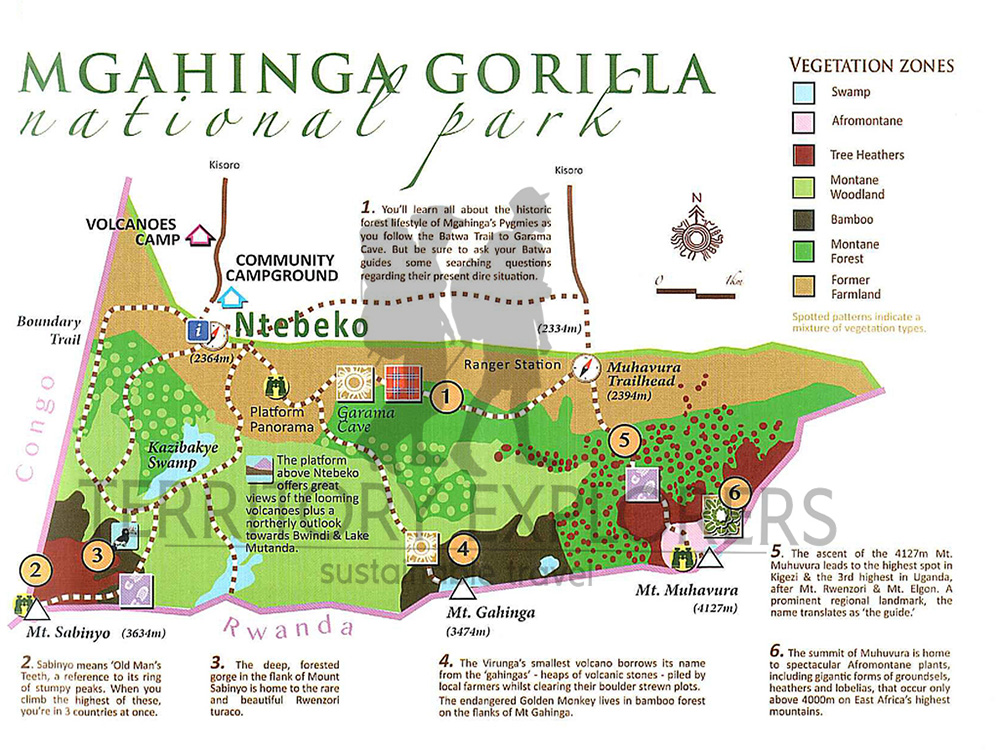
Reaching Mgahinga Gorilla National Park takes some patience, but it’s worth it. The park is in Kisoro District, about 15 kilometers from Kisoro town and roughly 510 kilometers from Kampala, Uganda’s capital.
By road from Kampala, the usual route goes through Masaka, Mbarara, and Kabale, and takes about 8 to 10 hours depending on traffic and stops. The last part from Kabale to Kisoro has beautiful views of terraced hills and volcanoes. Many travelers choose to spend a night in Kabale or Kisoro to break up the trip.
Alternatively, you can take a shorter route through the Katuna Border between Uganda and Rwanda. From Kigali, the journey is about 193 kilometers and takes around 4 and a half hours. This route uses the Kabale–Katuna–Kigali Road for the cross-border section and the Kabale–Kisoro road in Uganda.
By air, you can book a charter flight to Kisoro Airstrip, which takes about 1.5 hours. Many tour operators offer fly-in packages that include transfers to the park headquarters at Ntebeko.
Because the park sits where three countries meet, it’s easy to reach from Rwanda’s Volcanoes National Park (about 2 hours away). This location also allows for cross-border gorilla tracking, which many adventurous travelers enjoy.
Wildlife and What to See
Mountain Gorillas
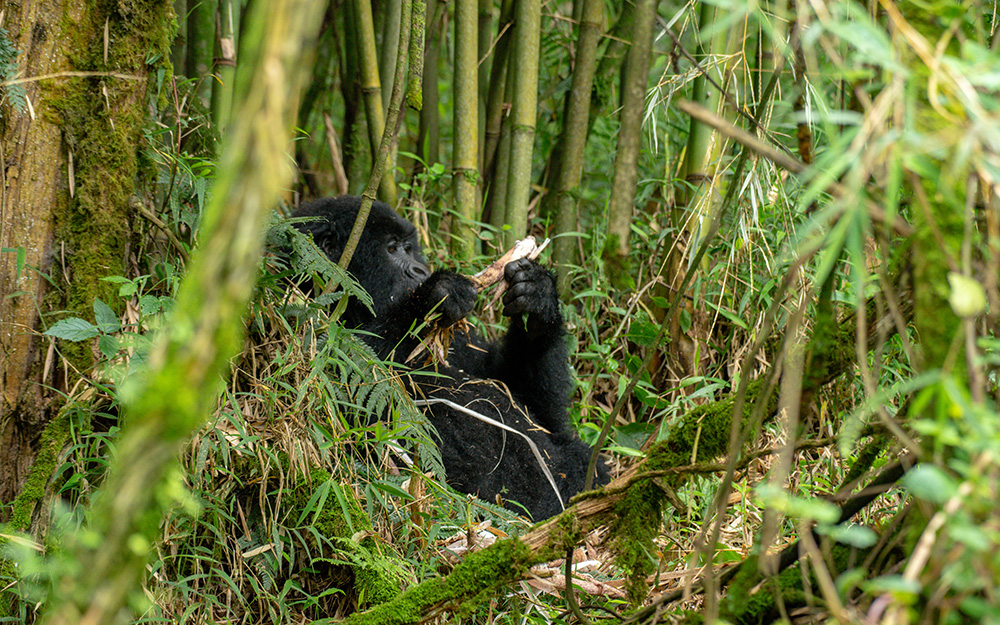
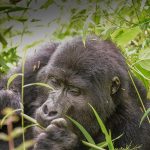
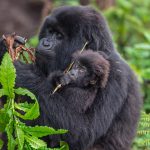
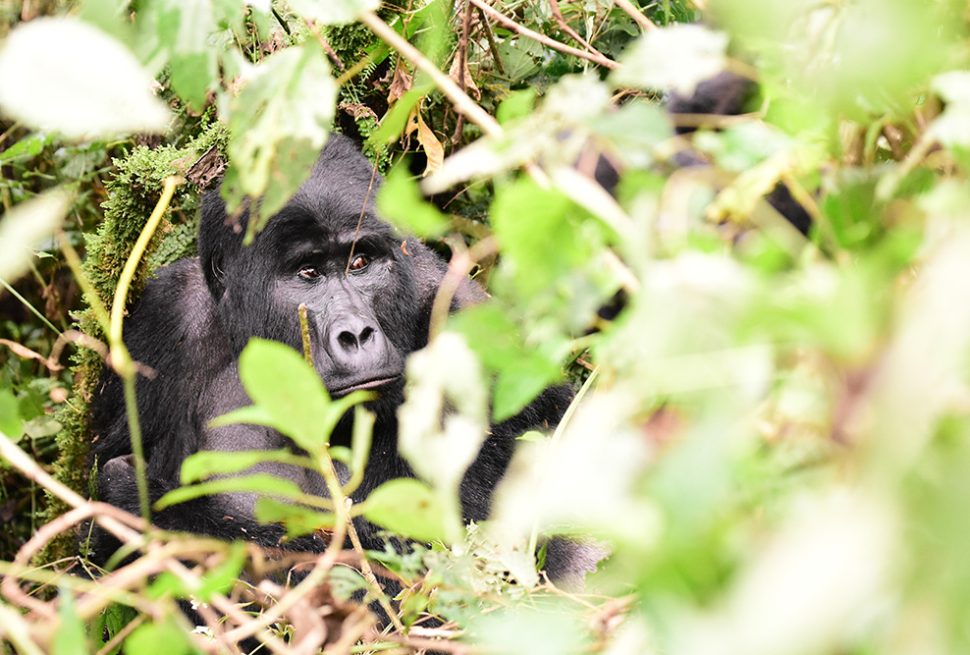
Imagine looking into the eyes of a creature that shares 98% of your DNA. It’s an unforgettable experience. The park is home to the Nyakagezi gorilla family, a habituated group that gives visitors a rare chance to meet our closest living relatives—an encounter many say they’ll never forget. These impressive animals, weighing up to 200 kilograms, move freely across the borders, and sometimes trackers must work with teams in Rwanda when the family crosses into new territory.
Seeing a silverback gorilla in the wild is a powerful experience that can change how you think about wildlife conservation. The Nyakagezi group usually has 8 to 10 members, including young gorillas whose playful behavior is sure to make you smile. Mountain gorillas share 98% of their DNA with humans, and watching their social interactions shows how much we have in common.
The gorillas in Mgahinga are known for being calm, thanks to years of careful habituation to people. This process takes two to three years and helps make encounters safe and less stressful for both gorillas and visitors. Still, your first meeting with a silverback is likely to be an emotional moment.
Golden Monkeys
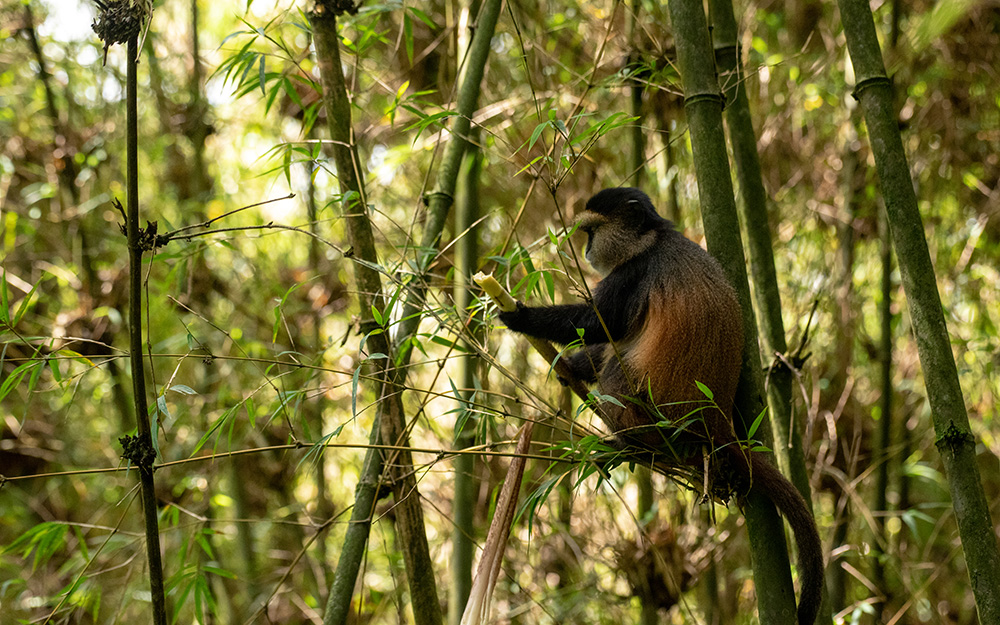
While gorillas are the main draw, golden monkeys are a hidden gem in the park. Mgahinga is unique among Uganda’s parks because it is the only place where you can find golden monkeys (Cercopithecus mitis kandti). These striking primates, with their golden-orange fur and expressive faces, live in the bamboo forests on the volcanic slopes and offer a different but equally rewarding tracking experience.
Tracking golden monkeys is usually more lively and energetic than gorilla encounters. These agile monkeys leap through the bamboo canopy with impressive acrobatics. The park has two habituated golden monkey groups, with about 80 to 100 individuals in total. Unlike gorillas, golden monkeys are more comfortable around people and often keep going about their daily routines—feeding, grooming, and socializing—even when visitors are nearby.
The best time to track golden monkeys is early in the morning when they are most active. The experience usually lasts one to four hours, depending on where the monkeys are and how they behave. They mainly eat bamboo shoots, leaves, and seasonal fruits, so they prefer the bamboo forest. Tracking them can feel like following a lively circus through the trees.
The Batwa People: Guardians of the Forest
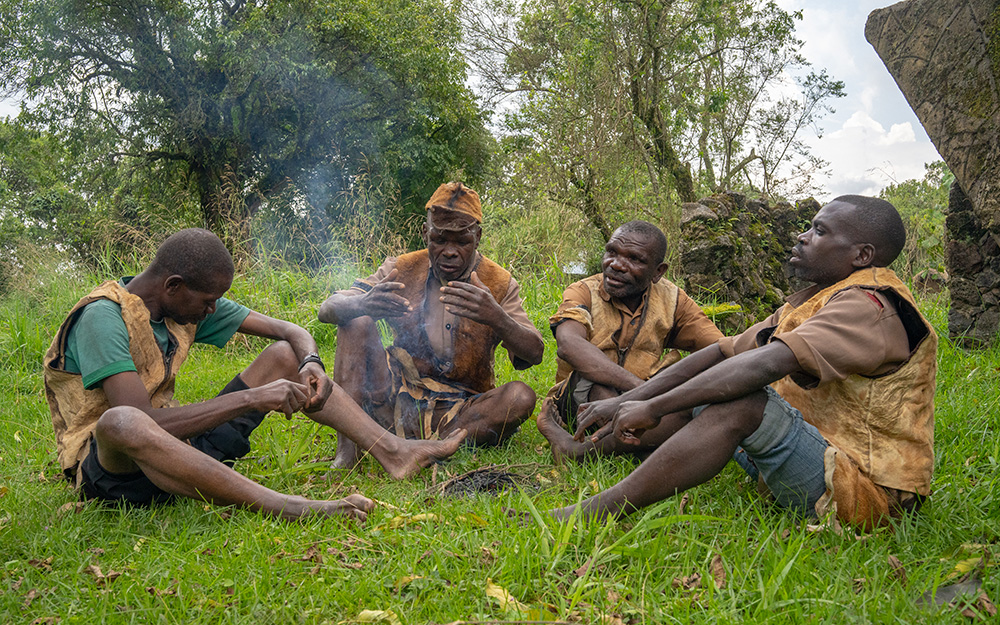
Meeting people who once lived in the forest, sleeping on the ground and under the trees, is a powerful experience. For more than 500 years, the Batwa people lived in the Mgahinga forests as hunter-gatherers, closely connected to their environment. Called the “Keepers of the Forest,” the Batwa knew every plant, animal, and trail in what is now the national park. Their knowledge and traditions have been passed down through generations.
When the park was founded in 1991 for conservation, the Batwa were moved from their ancestral forest, creating both challenges and opportunities for this indigenous community. Today, the Batwa Cultural Trail provides visitors a unique chance to learn about their traditional life while supporting local development efforts. During these cultural experiences, Batwa guides showcase ancient hunting methods, traditional fire-making, medicinal plant use, and honey collection techniques that have supported their ancestors for generations.
The cultural experience features traditional dances, storytelling, and craft demonstrations that show how the Batwa lived in harmony with the forest. These encounters are especially touching because the Batwa still feel a strong bond with the forest, even after being moved away. Visiting the sacred Garama Cave, once home to a Batwa king, adds a special atmosphere, and the sound of traditional Batwa songs in the cave is truly unforgettable.
Best Time to Visit Mgahinga National Park
The great thing about Mgahinga is that there’s no bad time to visit—each season offers its own special experiences. The park is beautiful all year, but different times of year have their own advantages. There are two dry seasons and two wet seasons, and each one changes the landscape and wildlife in unique ways.
Dry Seasons (June to September and December to February): These months are ideal for gorilla and golden monkey tracking because trails are drier and easier to access. The clear skies also enhance opportunities for volcano hikes and photography, with crisp mountain air making photos look spectacular. However, these periods are peak season, so it’s crucial to book permits well in advance.
Wet Seasons (March to May and October to November): Rain can make trekking harder, but it also fills the forest with lush plants and active animals. These months are great for bird watching as migratory birds arrive, and the misty volcanoes create a magical setting for dramatic photos. You might get muddy, but accommodation is often cheaper, making this a good time for travelers on a budget who don’t mind a little dirt.
The park’s high altitude (2,227m to 4,127m) means temperatures can be cool even during the day, with mornings and evenings being particularly chilly regardless of the season.
Top Activities and Experiences
Gorilla Trekking
During every gorilla trek, there’s a moment when you realize you’re about to meet some of the world’s rarest animals in their natural home. Gorilla trekking in Mgahinga is more personal than in bigger parks, with smaller groups and often shorter walks because of the park’s size. The trek starts with a briefing at Ntebeko Visitor Center, where rangers explain gorilla behavior, safety, and conservation. Still, nothing can truly prepare you for your first eye contact with a silverback.
Gorilla trek durations range from 30 minutes to 6 hours, depending on the Nyakagezi family’s location and weather. After locating the family, visitors have a special hour to observe and photograph the gorillas, maintaining a respectful distance of 7 meters. Limited to 8 visitors daily, this experience minimizes disturbance and offers an exclusive, potentially life-changing encounter.
Golden Monkey Tracking
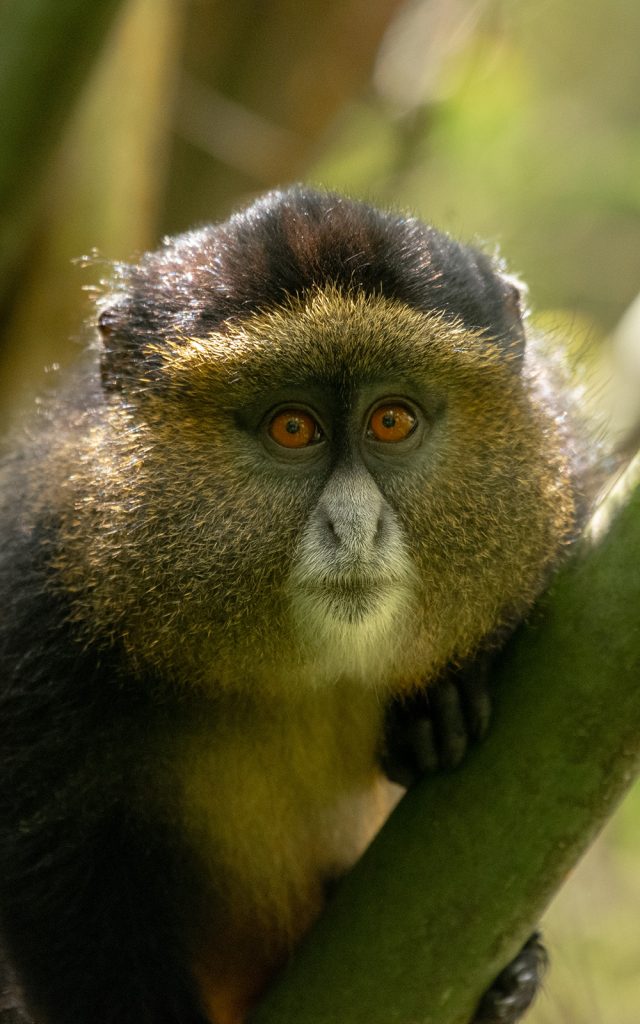
If you like wildlife and a bit of exercise, golden monkey tracking is a great choice. This activity is more energetic, as the playful monkeys are always moving through the bamboo forests. The trek usually starts early in the morning and lasts one to four hours, with the monkeys’ lively antics keeping you entertained as they swing overhead.
Unlike gorillas, golden monkeys tend to be more unpredictable in their movements, often leading trackers on lively chases through the thick bamboo forest. The experience involves learning about bamboo ecology and the complex relationship between golden monkeys and their habitat, knowledge that adds depth to what could otherwise be a simple wildlife viewing experience.
Volcano Hiking: Conquering the Virunga Peaks
If you think the best views come after a good hike, Mgahinga’s three volcanoes are ready to challenge you. The park has three volcano hikes, each with its own level of difficulty and unique rewards for those who want to climb East Africa’s peaks.
Mount Muhabura (4,127m): This is the tallest and most challenging hike, taking 8-10 hours round trip through a variety of lush vegetation zones—from montane forests to dazzling alpine meadows. Reaching the summit gives hikers breathtaking panoramic views of the Virunga chain, and on clear days, you might even catch a glimpse of the Rwenzori Mountains. Such a spectacular sight truly makes every challenging step so worthwhile.
Mount Gahinga (3,474m): This is a more gentle 6-hour hike that offers a wonderful visit to a stunning crater lake at the top. Along the way, there’s a great chance to see golden monkeys amid the bamboo-covered slopes. The trail meanders through the park’s rich variety of vegetation, providing plant enthusiasts with an inspiring natural classroom filled with unique endemic plants and colorful flowers.
Mount Sabyinyo(3,634m): Known as the “Old Man’s Teeth” for its jagged summit, this hike offers the unique experience of standing in three countries at once – Uganda, Rwanda, and the DRC. The 8-hour trek includes some technical sections that require basic rock-climbing skills, but the bragging rights of standing in three countries at once are unmatched.
Bird Watching
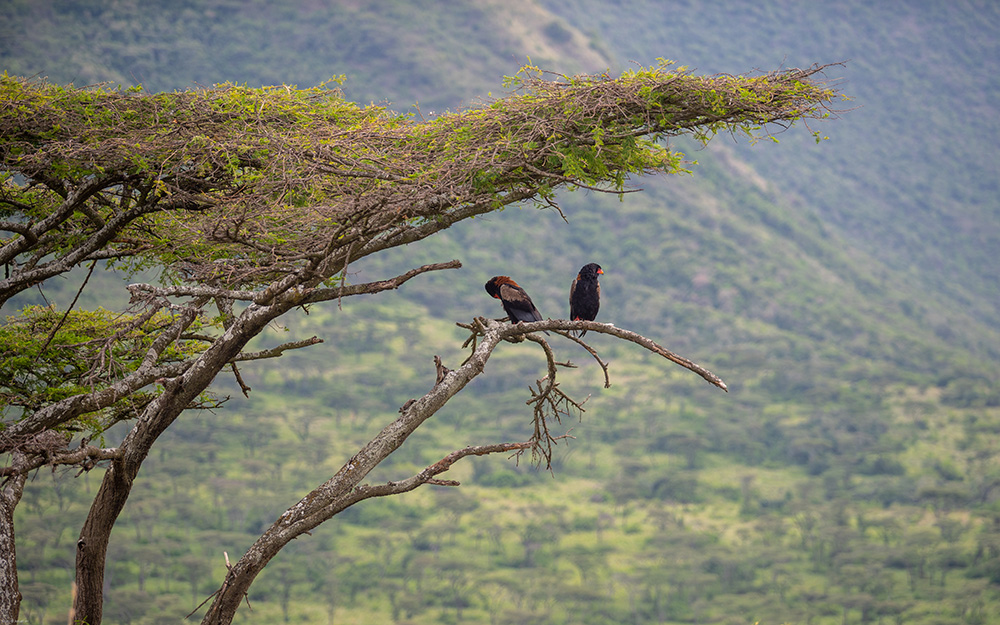
There’s something deeply satisfying about spotting a rare bird species while standing on the slopes of an extinct volcano. With over 180 recorded bird species, Mgahinga offers exceptional birding opportunities in a small area, making the activity relatively easy. The park’s varied altitudes and habitats – from montane forest to alpine meadows – support an impressive array of both endemic and migratory species.
You can spot birds like the Rwenzori turaco, crowned hornbill, black kite, crowned crane, and several sunbird species with feathers that shine in the mountain light. Birdwatchers especially enjoy the wet season, when migratory birds join the locals and fill the park with their calls, adding a natural soundtrack to your hikes.
Nature Walks and Forest Exploration
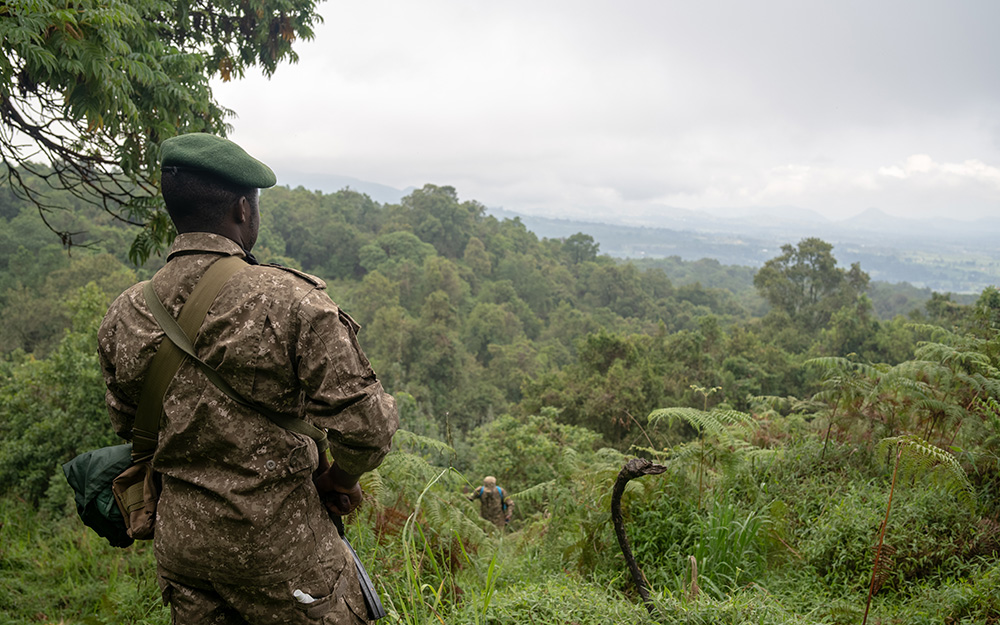
Walking quietly through the ancient forests can be a memorable experience. There are several shorter trails for visitors who want a gentler walk instead of gorilla tracking or climbing volcanoes. The Border Trail, for example, is a pleasant 2-3 hour walk along the park boundary where you might see antelopes, forest birds, and primates. It’s a great way to enjoy the forest without taking on tough hikes.
The Sabinyo Gorge Trail takes you through old volcanic landscapes, with caves and striking rock formations that show the history of the Virunga Mountains. Along the way, you can spot colorful butterflies, unusual plants, and the many small creatures that help support the larger animals in the forest.
Photography Experience in Mgahinga
Photographers often hope for the perfect moment when light, subject, and timing come together, and Mgahinga offers many chances for this if you are patient. Taking photos here is both rewarding and challenging, no matter your skill level. The park’s varied scenery, from misty bamboo forests to tall volcanic peaks, gives you a wide range of beautiful subjects to capture.
Primate Photography: Gorilla photography requires specific techniques and equipment, with telephoto lenses (70-200mm) being ideal for maintaining respectful distances while capturing intimate behavioral shots. The forest’s low light conditions make fast lenses and image stabilization essential, while the gorillas’ dark fur against green foliage creates exposure challenges that even experienced photographers find tricky. Golden monkey photography presents different challenges, as these active primates move quickly through dappled light, requiring faster shutter speeds and continuous autofocus.
Landscape Photography: The volcanic scenery is especially beautiful at sunrise and sunset, and Mount Muhabura looks stunning when morning mist covers its slopes. Because the park is at a high altitude, the weather can change quickly, making the skies look different from one moment to the next. Make sure to protect your camera from sudden rain.
Cultural Photography: When photographing Batwa cultural experiences, always ask for permission and be respectful. Photos of traditional dances, cave ceremonies, and craft demonstrations can capture the richness of this ancient culture. In Garama Cave, the mix of firelight and shadows creates unique photo opportunities for those ready to handle low-light conditions.
Accommodation Options
Luxury Accommodations
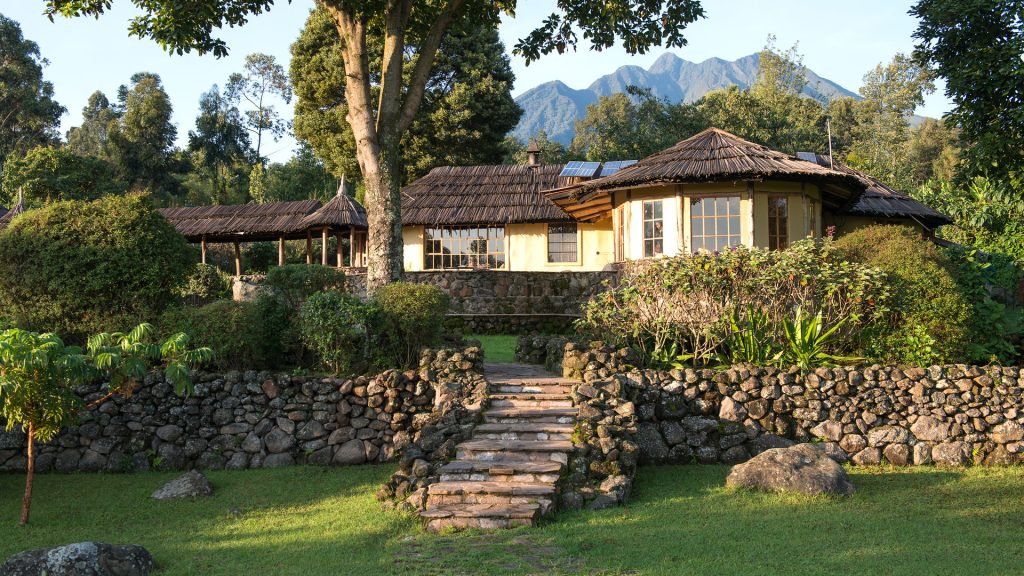
Mount Gahinga Lodge: This eco-lodge combines comfort and sustainability, with stone cottages that have fireplaces, private bathrooms, and beautiful volcano views. The lodge supports the local community and conservation efforts, and its restaurant uses local ingredients to prepare high-quality meals. Amenities include 24-hour electricity, hot water, Wi-Fi in shared areas, spa services, and guided nature walks.
Chameleon Hill Lodge: Set on a hill with views of the Virunga Mountains, this boutique lodge offers large suites with private terraces and personalized service. The infinity pool appears to blend into the mountain horizon, making swimming here feel like floating among the clouds. The lodge also has luxury tents, a restaurant, bar, spa treatments, and cultural entertainment.
Volcanoes Mount Gahinga Lodge: This lodge has luxury bandas made from local volcanic stone, combining modern comforts with traditional African design. After a day of mountain activities, you can relax with spa services or enjoy stories around the evening campfire. Amenities include en-suite bathrooms, king-size beds, private decks, a fine dining restaurant, and concierge services.
Mid-Range Accommodations
Amajambere Iwacu Community Camp: This camp is owned by the community and provides comfortable accommodation while supporting local people through jobs and tourism income. Guests stay in clean cottages with private bathrooms and mountain views, and can enjoy cultural entertainment for a real local experience. Amenities include private bathrooms, hot water, a restaurant with local and international food, and organized cultural activities.
Mucha Hotel Kisoro: This hotel in Kisoro town offers modern amenities, reliable hot water, and Wi-Fi for guests who need to stay connected. The restaurant serves both international and local dishes, and the location makes it easy to reach the park or town for shopping and services. Features include en-suite rooms, a restaurant, bar, conference facilities, and parking.
Kisoro Tourist Hotel: This mid-range hotel has clean rooms with en-suite bathrooms and a central location, making it easy to leave early for the park. The garden setting is peaceful, and the restaurant serves filling meals for your mountain trips. Amenities include hot water, a restaurant, a bar, a garden, and tour arrangement services.
Budget-Friendly Options
Mgahinga Community Campground: Close to the park entrance, this simple but clean campground offers camping sites and basic bandas at low prices. It’s ideal for backpackers and budget travelers who prefer adventure over luxury. The shared facilities are well-kept, and staying here supports community conservation. Amenities include shared bathrooms, a communal kitchen, camping sites, simple bandas, and community-guided activities.
Mutanda Eco Community Centre: Near Lake Mutanda, this center offers dormitory beds and camping at budget prices, while helping local community projects. The lake views are beautiful, and you can join canoe trips and cultural activities that make your stay special, even without luxury. Amenities include dormitory beds, camping sites, shared facilities, lake access, and organized activities.
Virunga Campsite and Backpackers: This simple accommodation offers clean, basic rooms and camping with shared bathrooms and a communal kitchen. While it isn’t fancy, it’s affordable and a great place to meet other travelers and share stories around the campfire. Features include shared rooms, camping sites, a communal kitchen, shared bathrooms, and social areas.
Everything You Need to Know About Gorilla Trekking
Permits and Booking
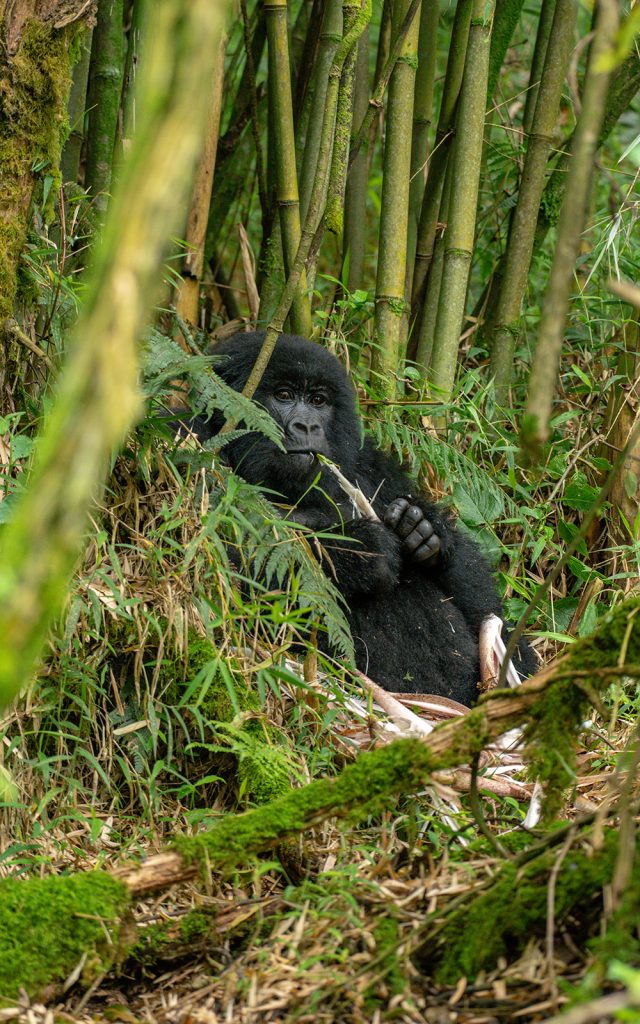
You need to book months ahead to spend an hour with some of the world’s most endangered animals. Gorilla trekking permits in Uganda cost $700 for non-resident foreigners, $600 for resident foreigners, and UGX 250,000 for East African citizens. Because only a few permits are available each day, it’s important to book 3-6 months in advance, especially during busy seasons. You can book through the Uganda Wildlife Authority or authorized tour operators who can help with the process.
The permit covers park entry, a ranger guide, and one hour with the gorillas, but you’ll need to pay separately for transport, accommodation, and porters. Many visitors don’t know that permit fees help fund gorilla conservation and community projects, so your trek directly supports wildlife protection.
What to Expect During the Trek
Gorilla trekking starts early, with a 7:30 AM briefing at Ntebeko Visitor Center. Rangers explain gorilla behavior, safety rules, and conservation efforts, then assign visitors to groups based on fitness and preferences. The trek itself can be a short 30-minute walk or a tough 6-hour hike through steep, muddy ground, depending on where the gorillas are and the weather.
When the gorillas are found, visitors have one hour to watch and photograph them, keeping a 7-meter distance for safety. You’ll see gorillas feeding, playing, and grooming, often acting naturally even with people nearby. These moments are often unforgettable.
Physical Requirements and Preparation
Gorilla trekking can be tough, even for fit travelers, but the experience is worth the effort. There’s no official fitness test, but the trek can be physically demanding, with hikes through thick forest, steep slopes, and mud at altitudes up to 3,000 meters. Doing regular exercise and hiking before your trip will help you enjoy the trek and avoid altitude-related problems.
The park offers walking sticks, and you can hire a porter for $15 to help carry your day pack. This service is helpful for visitors and also supports local jobs. Hiring a porter can make your trek much easier and more enjoyable.
Practical Information and Planning Tips
Entry Fees and Regulations
Knowing the fee structure is important because your payments help support vital conservation work. Park entry fees are included with gorilla trekking permits, but if you do other activities, you’ll pay extra: $40 for foreign non-residents, $30 for foreign residents, and UGX 20,000 for East African citizens per day. Golden monkey tracking permits cost $100 for foreign non-residents and are a great extra activity for primate lovers.
Volcano hiking permits cost $75 per mountain, while nature walks range from $15 to $ 30 depending on the trail duration and difficulty. These fees directly support park operations, ranger salaries, and community development projects, ensuring that tourism benefits both conservation and local communities.
What to Pack and Wear
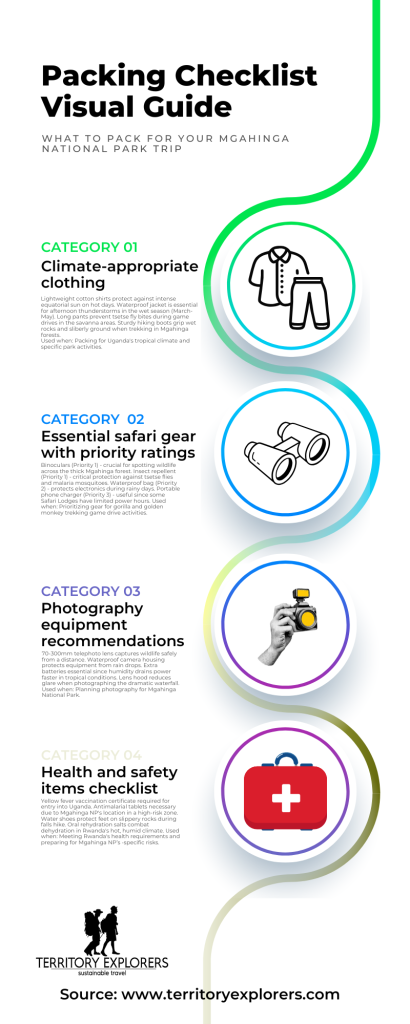
Packing the right gear for mountain conditions is key to having a good experience in Mgahinga. The park’s weather and terrain can be tough, so prepare well. Bring waterproof hiking boots, long pants, long-sleeved shirts, a rain jacket, hat, gloves, and gaiters to protect against nettles and mud. And don’t forget your sense of adventure.
For photography, bring extra batteries (since cold weather drains them fast), lens cleaning cloths, and waterproof covers for your camera and electronics. You’ll also need a small daypack, water bottles, snacks, and insect repellent. Hand sanitizer and wet wipes are useful after muddy hikes.
Health Considerations
The park’s high altitude can affect visitors, especially those coming from sea level. Symptoms like headaches, nausea, and tiredness usually go away after a day or two as you adjust. Visitors should be in good health, as gorilla trekking isn’t recommended for pregnant women, children under 15, or people with respiratory conditions that could pose a risk to the gorillas.
Recommended vaccinations are yellow fever (required), hepatitis A and B, typhoid, and meningitis. Even though the high altitude lowers malaria risk, taking anti-malarial medicine is still a good idea. Travel insurance that covers medical evacuation is important, since the park is remote and major hospitals are several hours away. Being prepared is essential for safe adventure travel.
Conservation Efforts and Park Management
Mgahinga is one of Africa’s top conservation success stories. The mountain gorilla population has grown from near extinction to over 1,000 individuals in the wider Virunga ecosystem. The park works with Rwanda’s Volcanoes National Park and DRC’s Virunga National Park, showing that international cooperation can lead to strong wildlife protection.
Tourism revenue funds conservation work, ranger salaries, and anti-poaching efforts. Community programs help local people benefit from wildlife protection. The park employs over 100 local guides, porters, and staff, making conservation more valuable than using forest resources. Other parks around the world look to this model for inspiration.
Research programs track gorilla health, behavior, and population changes, while veterinary efforts have rescued many individual gorillas from snares and illnesses. The park’s achievement in habituating gorilla groups for tourism, without disrupting their natural behaviors, illustrates the careful balance achievable between conservation and sustainable tourism.
Cultural Experiences and Local Communities
Some of the best travel experiences come from connecting with local communities. Besides the Batwa cultural trail, Mgahinga offers community-based tourism that supports local development and gives visitors a real look at local life. Village walks let you see traditional farming, local markets, and daily life in rural Uganda, helping you connect with people beyond the usual tourist activities.
Community craft centers display traditional Batwa and local crafts, such as handwoven baskets, wooden carvings, and jewelry made from local materials. These make great souvenirs and support local families. Travelers can also visit schools to meet local children and learn about education in rural Uganda, which can be a memorable part of the trip.
The park’s community conservation programs include beekeeping, tree nurseries, and farming projects that give people new ways to earn a living and help the environment. Visitors can join tree planting or see gardens that show sustainable farming methods for the mountains, directly supporting conservation.
Nearby Attractions and Extended Itineraries
Traveling to southwestern Uganda gives you access to many great experiences that make the trip from Kampala worthwhile. Mgahinga is a good base for exploring the area’s attractions and planning longer trips. Lake Bunyonyi, about two hours away, is a relaxing spot with 29 islands, great birdwatching, and cultural activities—an ideal place to rest after mountain adventures.
Bwindi Impenetrable National Park, which has almost half of the world’s mountain gorillas, is 2-3 hours from Mgahinga. You can trek gorillas in both parks during one trip for a complete primate experience. The drive between the parks passes through terraced hills and villages, offering a glimpse of rural Ugandan life.
You can also visit Rwanda’s Volcanoes National Park for more gorilla or golden monkey trekking, and the nearby twin lakes of Burera and Ruhondo are great for photography. Many travelers combine Mgahinga with Kenya’s Maasai Mara or Tanzania’s Serengeti for a full East African safari, seeing everything from mountain primates to savanna wildlife.
Safety Guidelines and Gorilla Viewing Etiquette
Strict safety protocols are important when visiting gorillas to protect both people and animals. Safety in Mgahinga also covers mountain safety, being ready for changing weather, and health precautions. Gorilla-viewing rules include maintaining a 7-meter distance, avoiding direct eye contact with silverbacks, and always following ranger instructions. These rules help keep both visitors and gorillas safe, since gorillas can catch human diseases and may act unpredictably.
For mountain safety, bring the right equipment, stay with your guides, and remember that weather can change quickly at high altitudes. The park has emergency communication systems, but you should tell your guides about any health issues before starting activities. This helps prevent problems in remote areas.
Photography rules do not allow flash (since it can stress gorillas), require you to keep a respectful distance, and limit the number of photos to avoid disturbing the animals. The one-hour time limit with gorillas is strictly enforced to reduce human impact, so visitors should balance taking photos with enjoying the experience.
Frequently Asked Questions
Mgahinga National Park is renowned for being the only place in Uganda where visitors can track both mountain gorillas and golden monkeys, making it unique among East African national parks. The park is also famous for its three volcanic peaks, rich Batwa cultural heritage, and its role as part of the transboundary Virunga ecosystem shared with Rwanda and the Democratic Republic of Congo.
Mgahinga Gorilla National Park is located in Uganda, specifically in the southwestern region along the borders with Rwanda and the Democratic Republic of Congo. The park is situated in Kisoro District and forms part of the larger Virunga Conservation Area.
Yes, gorilla trekking in Uganda is considered safe when following proper protocols and guidelines. The Uganda Wildlife Authority maintains strict safety standards, provides experienced ranger guides, and has well-established emergency procedures. However, like any wildlife activity, there are inherent risks that are minimized through proper preparation, following guide instructions, and maintaining respectful distances from wildlife.
Visitors wear masks during gorilla trekking to prevent transmission of human diseases to gorillas, as these primates share 98% of their DNA with humans and are highly susceptible to human illnesses. Respiratory infections that are minor for humans can be fatal to gorillas, making masks a crucial conservation tool rather than just a safety measure for visitors.
Both Uganda and Rwanda offer excellent gorilla trekking experiences with different advantages. Uganda generally offers more affordable permits ($700 vs $1,500 in Rwanda), longer time with gorillas (1 hour vs 1 hour), and a more rugged, adventurous experience. Rwanda provides easier accessibility, shorter treks, and more luxurious accommodation options. The choice often depends on budget, time constraints, and personal preferences for adventure level.
Gorilla trekking is widely considered a once-in-a-lifetime experience that justifies its cost through the unique opportunity to observe endangered mountain gorillas in their natural habitat. Beyond the incredible wildlife encounter, permit fees directly support conservation efforts, community development, and gorilla protection programs, making the experience an investment in wildlife preservation and local communities.
Uganda has two parks famous for mountain gorillas: Bwindi Impenetrable National Park, which hosts about half of the world’s mountain gorilla population across four sectors, and Mgahinga Gorilla National Park, which offers a more intimate experience with one habituated gorilla family in a stunning volcanic setting.
Mountain gorilla trekking permits in Uganda cost $700 for foreign non-residents, $600 for foreign residents, and UGX 250,000 for East African citizens. Additional costs include accommodation ($50-500+ per night), transportation, meals, park entry fees for other activities, and optional services like porters ($15) and walking sticks.
The best months for gorilla trekking in Uganda are during the dry seasons: June to September and December to February. These periods offer less muddy trails, clearer weather for photography, and easier hiking conditions. However, gorilla trekking is possible year-round, and the wet seasons (March-May and October-November) offer advantages like fewer crowds, lower accommodation rates, and lush forest scenery.
The best places to see mountain gorillas are in the Virunga Mountains ecosystem, including Uganda’s Bwindi Impenetrable National Park and Mgahinga Gorilla National Park, Rwanda’s Volcanoes National Park, and the Democratic Republic of Congo’s Virunga National Park. Uganda offers the most gorilla families and affordable permits, Rwanda provides easier access and luxury options, while each destination offers unique advantages for this extraordinary wildlife experience.
Conclusion
Get in touch to discover the magic of Mgahinga Gorilla National Park, where ancient forests, amazing primates, and rich culture come together to make one of Africa’s top wildlife destinations. Whether you’re tracking gorillas in the bamboo or standing on a volcanic peak with views of three countries, Mgahinga promises adventures that will change how you see conservation and give you memories you’ll never forget.