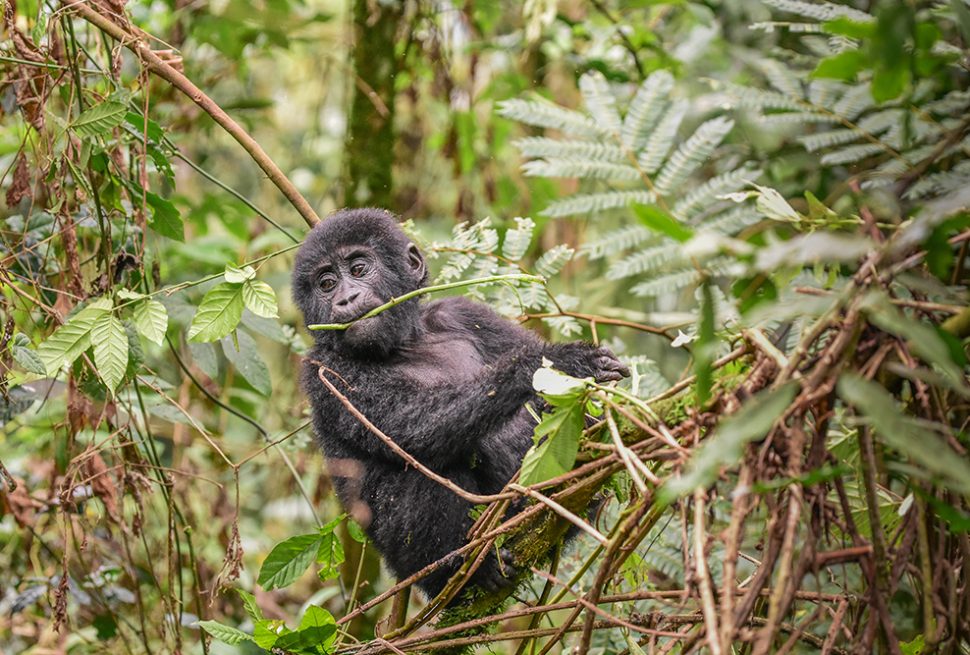

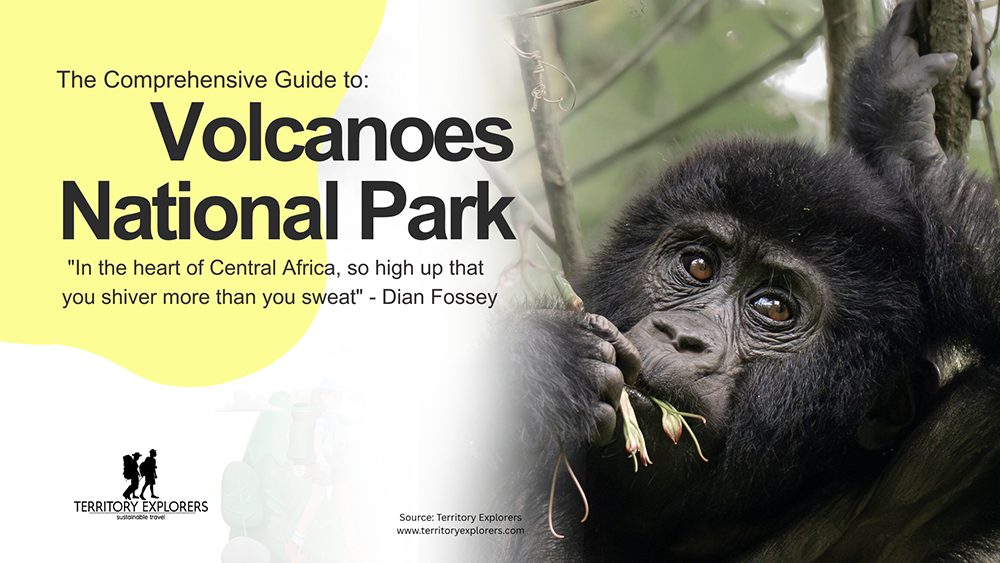
Watching mountain gorillas in the wild is such an unforgettable experience. This is what visitors can expect at Rwanda’s Volcanoes National Park, which is home to the endangered mountain gorilla. With its volcanic peaks and misty landscape, the park stands out for its efforts in gorilla conservation and is considered one of Africa’s greatest wildlife success stories.
Dian Fossey, a pioneering primatologist, played a key role in bringing attention to the park and its mountain gorillas. Today, Rwanda has turned her vision into reality by protecting the gorillas and promoting sustainable tourism. As a result, mountain gorilla numbers have grown. For travelers who want a real African adventure that helps conservation, gorilla trekking in Rwanda is a meaningful experience. Now, let’s look at the details.
Key Takeaways
- Volcanoes National Park in Rwanda, established in 1925, is Africa’s oldest national park. Covering 160 square kilometers, it features dramatic volcanic landscapes shaped by five impressive peaks. The park is home to about 400 mountain gorillas in 12 habituated families, as well as golden monkeys and more than 200 bird species, ranging from bamboo forests to alpine meadows.
- Volcanoes National Park is the top place in the world to see mountain gorillas. Permits cost $1,500 and help fund conservation, anti-poaching, and community projects. The best time to visit is during the dry seasons, from June to September and December to February, when viewing conditions are ideal.
- You can easily visit Volcanoes National Park by booking with registered tour operators like Territory Explorers. They handle permits and logistics and help you connect with the local Banyarwanda people. There are many places to stay, from luxury eco-lodges to budget guesthouses, and you can enjoy activities like volcano hikes, golden monkey treks, and cultural village tours.
Understanding Volcanoes National Park
Established in 1925 as Africa’s first national park, Volcanoes National Park represents a conservation success story that continues to inspire wildlife protection efforts worldwide. The park’s 160 square kilometers encompass a dramatic volcanic landscape dominated by five majestic peaks. Karisimbi stands tallest at 4,507m, followed by Muhabura at 4,127m, Bisoke at 3,711m, Gahinga at 3,474m, and Sabyinyo at 3,645m.
Each volcano contributes to the park’s unique character. They create diverse micro-habitats that support an extraordinary range of flora and fauna. The park’s elevation ranges from 2,400 to 4,507 meters above sea level. This creates distinct vegetation zones from bamboo forests at lower elevations to alpine meadows near the peaks.
This vertical diversity supports over 200 bird species. Twenty-nine are endemic to the Albertine Rift, making it a paradise for birdwatchers beyond its primate attractions. The cool, misty climate creates perfect conditions for the lush montane forest ecosystem. Temperatures range from 10-15°C, though it can feel much colder at higher elevations during early morning treks.
What makes Volcanoes National Park truly special is its role in the remarkable recovery of mountain gorilla populations. Numbers have increased from fewer than 250 individuals in the 1980s to over 1,000 today across the greater Virunga ecosystem. The park currently hosts 12 habituated gorilla families available for tourism. Each has a distinct personality and territories within the forest.
This conservation success shows that well-managed ecotourism can fund wildlife protection and give visitors meaningful experiences. Knowing your visit helps support one of conservation’s biggest achievements can be a source of real pride.
Rwanda Gorilla Trekking Overview
The magic of Rwanda’s gorilla trekking lies within the misty slopes of Volcanoes National Park. Here, approximately one-third of the world’s remaining mountain gorillas call home. This 160-square-kilometer protected area harbors around 400 mountain gorillas. They’re part of the larger Virunga ecosystem shared with Uganda and the Democratic Republic of Congo.
The park’s unique volcanic terrain, with five dramatic peaks, provides the perfect habitat for these gentle giants. Trekking difficulty varies dramatically depending on your assigned gorilla family. Some families require gentle 30-minute walks through bamboo forests. Others demand challenging 6-hour hikes through dense forest and steep terrain.
The unpredictability is part of what makes each encounter special. You might have a simple walk or a challenging mountain trek. Elevations range from 2,400 to 4,507 meters, so be ready for changing weather and tough terrain. Groups are limited to eight visitors per gorilla family to minimize disturbance.
The success rate for finding gorillas during treks is an impressive 98%. This is thanks to dedicated trackers who monitor the families daily. Each habituated group has its own distinct personality and dynamics. From playful juveniles tumbling through the undergrowth to protective silverbacks keeping watch over their families, every encounter offers something unique. Even veteran guides say no two gorilla visits are ever the same.
Understanding Mountain Gorillas
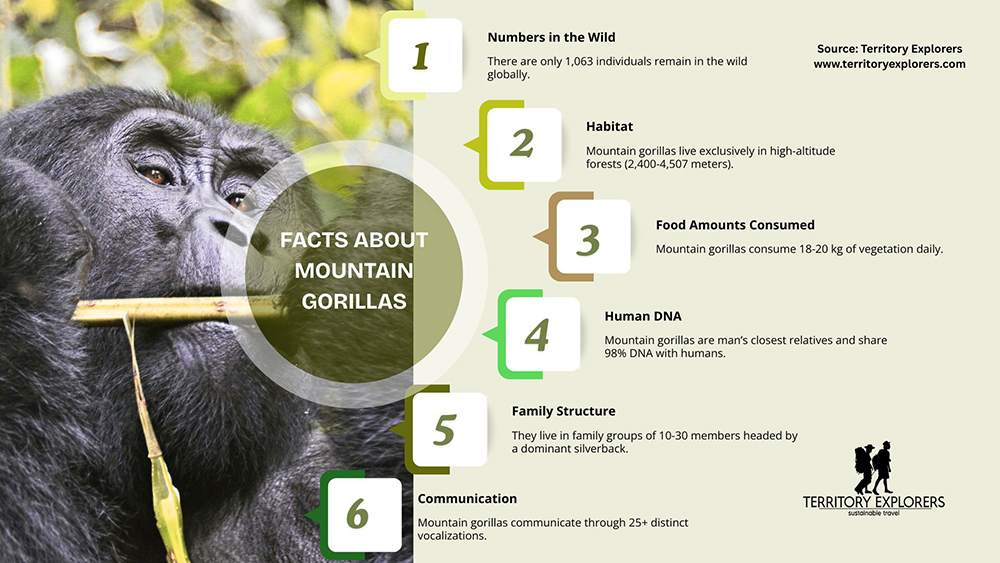
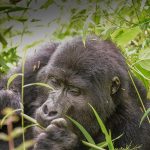
Mountain gorillas are among our closest genetic relatives. They share approximately 98% of their DNA with humans. This genetic similarity becomes strikingly apparent when you observe their expressive eyes and human-like gestures. These magnificent primates are significantly larger than their lowland cousins.
Adult males, known as silverbacks, weigh between 135 and 220 kilograms. They can stand up to 1.8 meters tall when upright. Their thick, dark fur provides essential insulation against the cool, humid conditions of their high-altitude forest home. The silverback’s distinctive silver-gray hair develops around age 15. It serves as a visual symbol of his maturity and authority within the group.
What sets mountain gorillas apart is their complex social structure. A dominant silverback leads each family group and makes all critical decisions. These family units typically consist of 10-30 individuals. The group includes multiple females, their offspring, and occasionally subordinate males.
Mountain gorillas spend their days foraging for more than 100 types of plants. Adults eat up to 18 kilograms of vegetation each day. Despite their large size, they are gentle vegetarians. They are also very intelligent, using tools and solving complex problems.
Their communication system includes over 25 distinct vocalizations. These range from soft grunts of contentment to powerful chest-beating displays that can be heard over a kilometer away. Perhaps most remarkably, mountain gorillas exhibit profound emotional depth. They grieve their dead, show affection through grooming, and display genuine curiosity about human visitors.
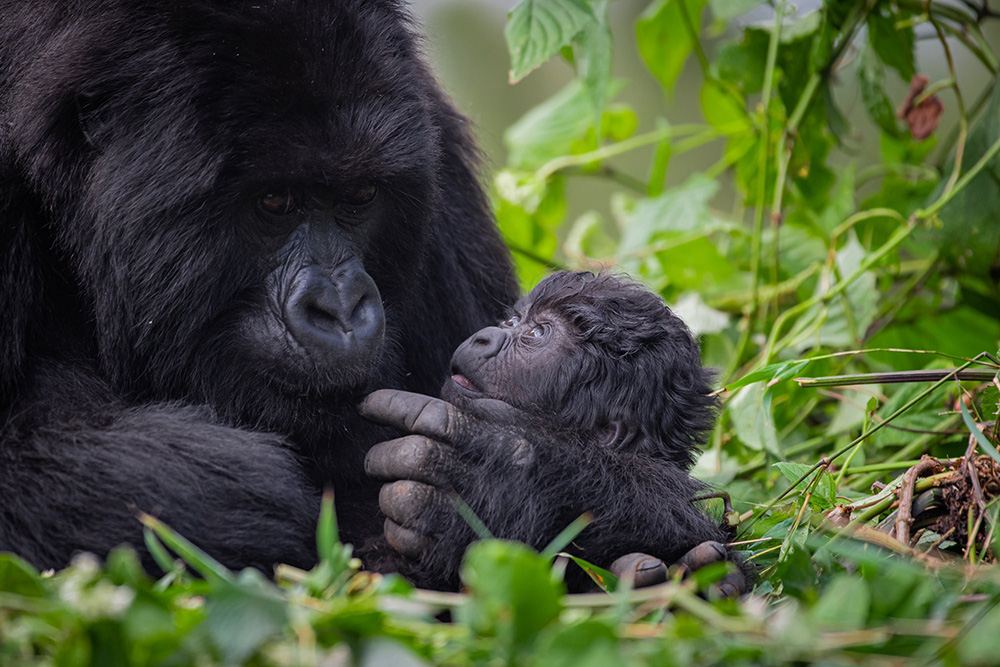
Their lifespan in the wild typically ranges from 40 to 50 years. During this time, they form lasting family bonds and pass down learned behaviors through generations. Watching a silverback gently play with his offspring will melt even the most cynical heart.
Other Primates of Volcanoes National Park
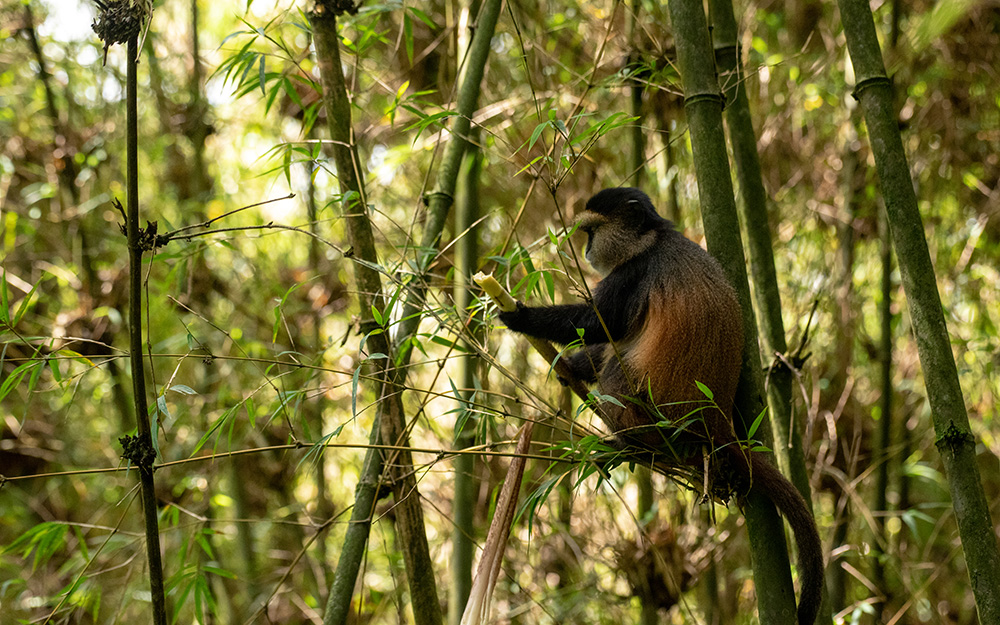
While mountain gorillas rightfully claim the spotlight, Volcanoes National Park hosts other charismatic primate species that deserve equal admiration. The endangered golden monkey steals hearts with their acrobatic performances. These striking primates sport vibrant golden-orange coats that contrast beautifully against black limbs and faces.
Golden monkeys inhabit bamboo forests at elevations between 2,500 and 4,000 meters. Watching a troop leap through the canopy is like witnessing nature’s own circus performance. Their incredible agility allows them to leap distances of up to 10 meters between trees. They move with a grace that seems to defy gravity.
Golden monkeys live in larger social groups than mountain gorillas. Troops often number 80-100 individuals led by a dominant male. Their diet consists primarily of bamboo shoots, leaves, and fruits. They’ve been observed eating insects and bird eggs when available. What makes them particularly fascinating to observe is their incredible agility.
The park also hosts several other primate species. Blue monkeys inhabit forest canopies. Vervet monkeys prefer more open areas. Olive baboons are occasionally seen near park boundaries. You might catch glimpses of these species during nature walks or while tracking the main attractions. Each has adapted uniquely to the park’s diverse habitats.
Conservation for golden monkeys is just as important as for mountain gorillas. Habituation programs let visitors see these primates up close. Their playful and acrobatic behavior offers a lively contrast to the quieter experience of gorilla trekking. Watching golden monkeys is truly entertaining and often brings a smile to visitors’ faces.
The Banyarwanda People: Guardians of Ancient Traditions
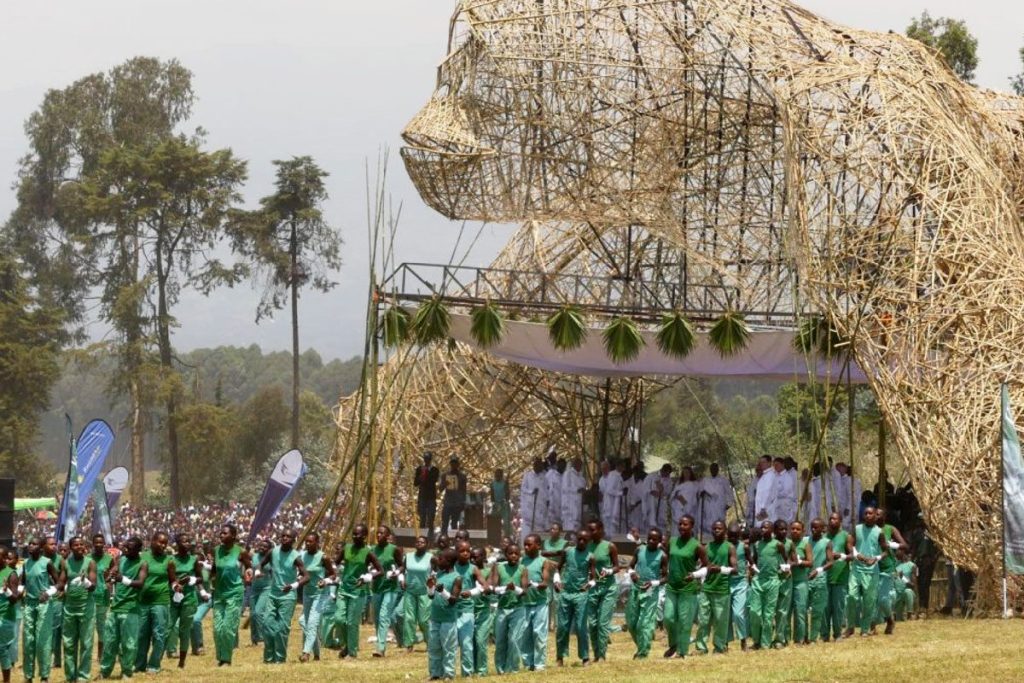
The story of Volcanoes National Park cannot be told without honoring the Banyarwanda people. Their ancestral connection to this volcanic landscape spans centuries. These indigenous communities have lived in harmony with mountain gorillas long before conservation became a global priority. They developed traditional practices and beliefs that inherently protected the forest ecosystem.
Their deep spiritual connection to the mountains runs through their very being. They consider these peaks sacred dwelling places of ancestors. This spiritual relationship inadvertently served as one of the earliest forms of wildlife conservation. Traditional Banyarwanda culture revolves around three main ethnic groups. The Hutu, Tutsi, and Twa historically coexisted through complementary lifestyles of farming, cattle herding, and forest dwelling.
The Twa people maintained an especially intimate relationship with the forest. They served as skilled trackers and honey gatherers. Their knowledge of gorilla behavior proved invaluable to early researchers like Dian Fossey. Their traditional stories and folklore often feature mountain gorillas as wise, powerful beings deserving of respect and protection.
What’s truly remarkable is how Banyarwanda culture has adapted to embrace conservation tourism while maintaining core traditions. Many former poachers have transformed into some of the park’s most dedicated guides and trackers. Their intimate knowledge of the forest proves invaluable for gorilla protection. The traditional practice of community decision-making, known as “ubushingantahe,” has been instrumental in building consensus around conservation initiatives. It’s a beautiful example of how traditional wisdom can guide modern conservation efforts.
Banyarwanda Cultural Practices and Community Integration
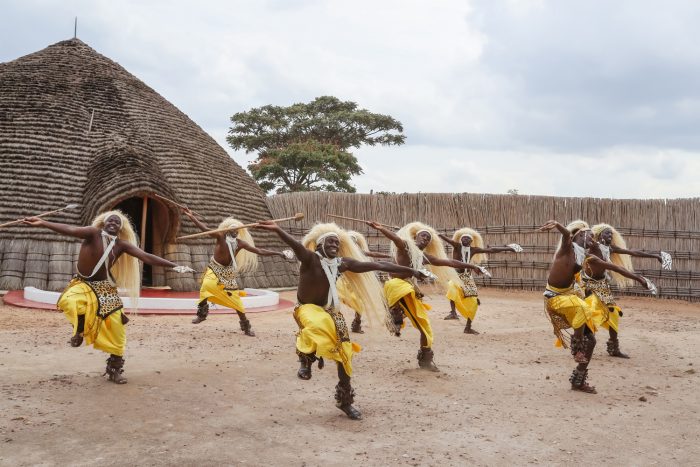
Today’s visitors have the privilege of witnessing how Banyarwanda communities have seamlessly integrated conservation into their cultural fabric.
This creates a model for community-based tourism worldwide. The traditional Rwandan greeting “Muraho” reflects the culture’s emphasis on community welfare and social harmony. These values now extend to gorilla protection.
Cultural performances featuring the famous Intore dancers provide visitors with authentic insights into Rwanda’s artistic heritage. These performers wear distinctive tall hairstyles and perform energetic movements that tell the story of Rwanda’s past. The Banyarwanda people’s agricultural practices have evolved to support conservation goals. Many communities participate in reforestation programs and sustainable farming initiatives around the park boundaries.
Their traditional craft-making skills have found new economic opportunities through tourism. Local artisans create beautiful baskets, pottery, and woodcarvings. Visitors can purchase these directly from communities. You’ll find that engaging with local communities adds profound depth to your gorilla trekking experience. It transforms simple wildlife viewing into a meaningful cultural exchange.
Modern Banyarwanda society has embraced education and conservation awareness. Many young people become certified guides, porters, and conservationists. The monthly community meetings, called “Umuganda,” demonstrate the society’s commitment to collective problem-solving. These gatherings have become platforms for discussing conservation challenges and successes.
Blending traditional governance with modern conservation shows how local wisdom can support sustainable tourism. Visitors are often impressed by the warm welcome from local communities and their willingness to share their heritage.
Planning Your Gorilla Trek: Permits and Booking
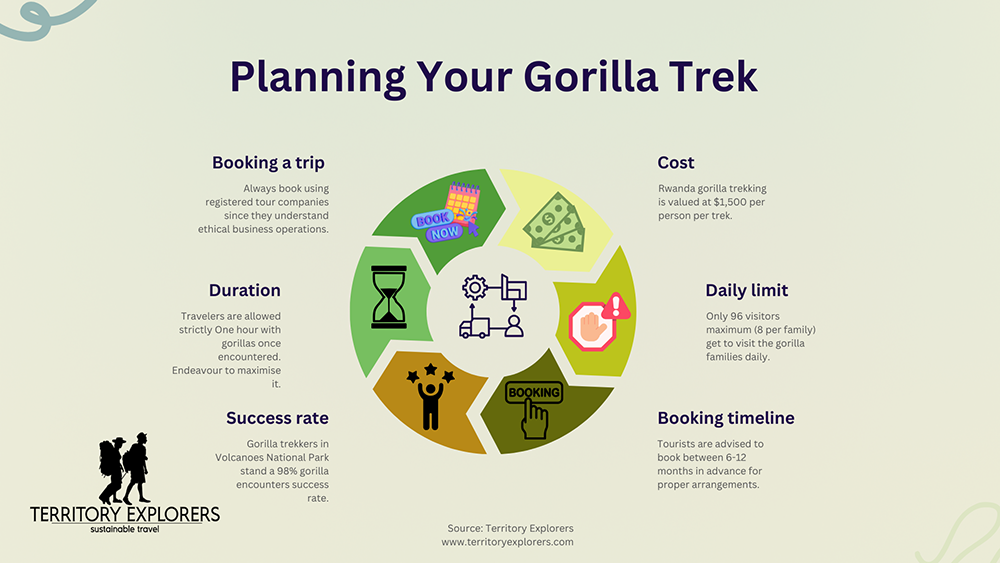
Essential Permit Information
- Cost: $1,500 per person per trek
- Daily limit: 96 visitors maximum (8 per family)
- Booking timeline: 6-12 months in advance
- Success rate: 98% gorilla encounters
- Duration: One hour with gorillas
Getting your gorilla trekking permit is the most important part of planning your trip to Rwanda. The $1,500 per person fee is well worth it. Permits are issued by the Rwanda Development Board and limited to 96 visitors per day, so booking early is essential, especially in peak seasons.
The high permit cost directly funds conservation efforts, anti-poaching operations, and community development programs. This means your visit contributes meaningfully to gorilla protection. Booking should ideally be done 6-12 months in advance. This is particularly important if you’re planning to visit during the popular dry seasons.
However, experienced tour operators like Territory Explorers can often secure permits even with shorter notice. They have established relationships with local authorities and a deep understanding of the booking system. Working with registered tour operators eliminates the stress of paperwork. It ensures all logistics are professionally handled while you focus on preparing for this once-in-a-lifetime experience.
The permit includes the one-hour encounter with gorillas, park entry fees, and the services of experienced guides and trackers. Additional costs to consider include porter services at $20 per day. We highly recommend this for carrying your gear and supporting local employment. Optional activities, such as golden monkey trekking or cultural village visits, cost extra.
Many visitors feel that the included services make this exclusive wildlife experience a good value. Permits are non-refundable, but there is some flexibility to reschedule if you are ill or if there is extreme weather.
When to Go: Timing Your Visit for the Best Experience
The magic of gorilla trekking in Rwanda unfolds year-round, but choosing the right time can significantly enhance your experience. The dry seasons from June to September and December to February offer the most favorable weather. Less rainfall makes forest paths easier to navigate. Gorilla families are potentially easier to locate during these periods.
During dry seasons, you’ll encounter clearer skies, better photography conditions, and more comfortable hiking weather. However, you’ll also share the experience with more fellow travelers. The wet seasons from March to May and October to November offer unique advantages that many seasoned travelers prefer.
Fewer crowds mean more intimate experiences. You’ll find lower accommodation rates and often more available permits. The lush, green landscape during the rainy season creates dramatically beautiful scenery. Many photographers argue that the moody, misty conditions produce more atmospheric images.
However, be prepared for muddy trails, potential weather-related delays, and the need for proper rain gear. Temperature remains relatively consistent throughout the year. It ranges from 10-15°C in the mountains, though it can drop significantly at higher elevations, especially during early morning treks.
The key is understanding that mountain weather can change rapidly. You might start your trek in sunshine and encounter mist, rain, or even hail within hours. Regardless of season, the mountain gorillas remain active and equally fascinating to observe. They adapt their daily routines to weather conditions just as human families might adjust activities on rainy days.
For photographers, the soft, diffused light during cloudy or misty conditions often produces more flattering portraits than harsh direct sunlight. Many visitors are surprised to discover that some of their most memorable moments occur during atmospheric weather conditions that initially seemed disappointing.
The Gorilla Trekking Experience: What to Expect
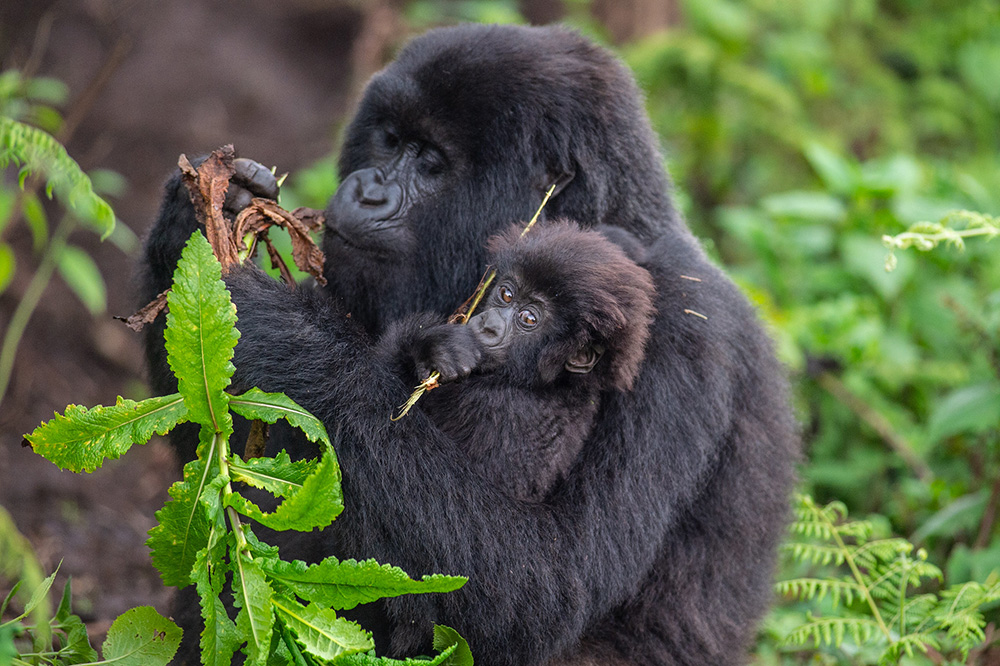
Your gorilla trekking adventure begins before dawn at the park headquarters in Kinigi. The anticipation in the air is almost tangible as fellow adventurers gather for what many describe as the wildlife encounter of a lifetime. The mandatory briefing session covers essential safety protocols, gorilla behavior guidelines, and what to expect during your trek.
Visitors are divided into groups of eight and assigned to specific gorilla families. Assignments are based on fitness levels, preferences, and permit availability. The trek itself can range from a gentle 30-minute walk to a challenging 6-hour journey. You’ll navigate through dense forest, steep terrain, and sometimes muddy conditions.
Experienced trackers have been monitoring the gorilla families since dawn. They communicate via radio with your guides to provide real-time location updates. The moment you hear your guide whisper, “they’re close,” your heart rate inevitably accelerates. You know you’re minutes away from one of nature’s most incredible encounters.
When you finally encounter your assigned gorilla family, the experience often exceeds even the highest expectations. There’s something profoundly moving about sitting quietly while juvenile gorillas play nearby. Massive silverbacks regard you with curious, intelligent eyes. The allocated one hour with the gorillas passes surprisingly quickly, but every moment is precious.
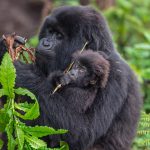
You’ll watch mothers tenderly care for their infants. You’ll observe the complex social interactions within the family group. Photography is permitted without flash, allowing you to capture memories of this extraordinary experience. The return journey often feels easier despite tired legs. Adrenaline from the encounter and satisfaction from this achievement carry you back to the trailhead.
Many visitors say the experience leaves a lasting emotional impact. Some become strong supporters of gorilla conservation after their visit. Looking into a gorilla’s eyes often changes how people feel about wildlife.
Volcanoes National Park Gorilla Families
Each of the 12 habituated gorilla families in Volcanoes National Park has its own distinct personality, territory, and fascinating dynamics. Every trekking experience becomes unique because of these differences. The Susa family, one of the largest and most famous groups, was originally studied by Dian Fossey. They now number around 28 members led by the impressive silverback Kurira.
This family is known for their playful juveniles and the presence of twins, Byishimo and Impano. They make particularly entertaining subjects to observe, though they often inhabit higher-altitude areas that require more challenging treks. The Sabyinyo family, named after one of the volcanic peaks, offers encounters with the charismatic silverback Guhonda. He’s one of the largest gorillas in the park at over 220 kilograms.
You’ll be amazed by his gentle demeanor despite his imposing size. He often allows visitors to observe from closer distances than other silverbacks. The Amahoro family lives up to their name, which means “peace” in Kinyarwanda. They’re known for their calm, relaxed demeanor, making them ideal for first-time trekkers or those seeking a more contemplative experience.
For those seeking adventure, the Hirwa family, meaning “lucky one,” often requires longer treks but rewards visitors with incredible mountain views and dynamic group interactions. The Umubano family has a fascinating backstory. Charles, a silverback from the original Amahoro group, broke away to establish his own family. This demonstrates the complex social dynamics of gorilla society.
Each family’s territory and daily movements are influenced by food availability, weather conditions, and social dynamics. This means every encounter offers something different, even for repeat visitors. The guides’ intimate knowledge of each family’s habits, preferences, and individual personalities enhances the experience immeasurably. They often share stories and insights that transform your encounter from simple observation into a meaningful connection with these remarkable creatures.
Other Activities Done in Volcanoes National Park
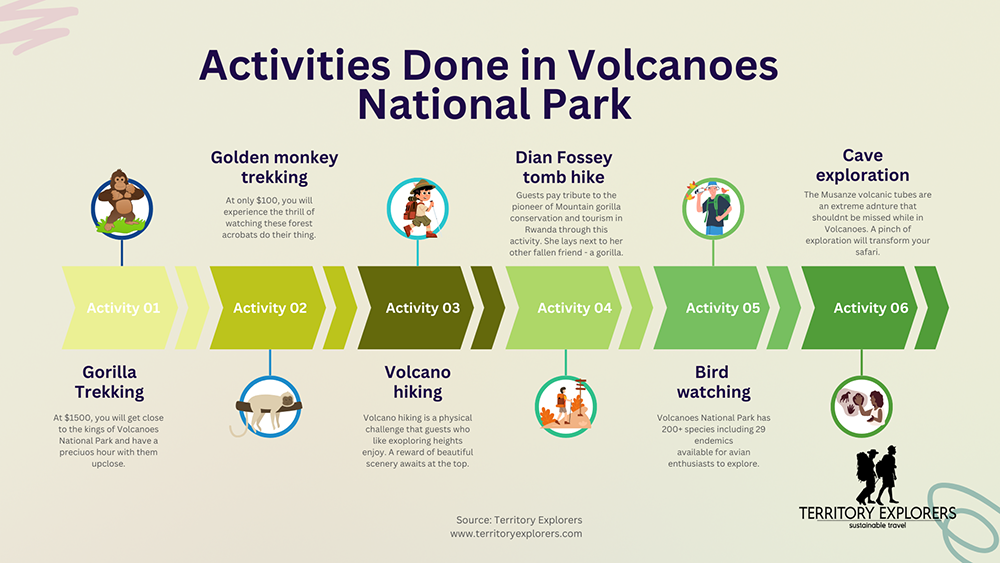
Top Activities to Enhance Your Visit:
- Golden monkey trekking: $100 per person
- Volcano hiking: Full-day mountain adventures.
- Dian Fossey tomb hike: 4-6 hours historical trek
- Bird watching: 200+ species, including 29 endemics
- Cave exploration: Musanze volcanic tubes
While gorilla trekking rightfully claims top billing, Volcanoes National Park offers numerous other activities that transform single-purpose visits into comprehensive Rwanda adventures.
Golden monkey trekking
Golden monkey trekking provides an equally thrilling primate encounter with these endangered, acrobatic creatures. Their playful antics and stunning golden coats create memorable wildlife experiences.
The trek through bamboo forests offers terrain and vegetation different from those of gorilla trekking. The monkeys’ incredible agility and social interactions provide fascinating behavioral observations that complement your gorilla encounter.
Bird watching
Bird watching in the park rewards enthusiasts with over 200 species. This includes 29 Albertine Rift endemics, such as the Rwenzori turaco, handsome francolin, and strange weaver.
Early morning birding walks reveal the incredible diversity of this mountain ecosystem. You’ll spot colorful sunbirds feeding on flowering plants and impressive raptors soaring above the volcanic peaks. Even non-birders are often captivated by the park’s avian diversity. The spectacular displays and calls provide a constant soundtrack to your forest adventures.
The Dian Fossey tomb hike
The Dian Fossey tomb hike offers both physical challenge and historical significance. It takes visitors to Karisoke Research Center, where the famous primatologist lived and worked for nearly two decades. This emotionally moving experience includes visits to her grave and the cemetery where several of her beloved gorillas are buried. It provides profound insights into the dedication required for gorilla conservation.
The hike itself is quite challenging, typically taking 4-6 hours round-trip. However, the forest scenery and historical significance make it worthwhile for those interested in conservation history.
Volcano hiking
Volcano hiking presents serious mountaineering challenges for experienced hikers. Mount Bisoke is the most popular option, featuring a crater lake at its summit. These full-day adventures require excellent fitness levels but reward hikers with spectacular views across the Virunga range and into neighboring Uganda and Congo.
Nature Walks and Cave Explorations
The park’s network of nature trails offers experiences ranging from gentle strolls to challenging mountain adventures. Each reveals different aspects of this remarkable ecosystem that many visitors miss when focusing solely on gorilla trekking. The Musanze Caves exploration takes you through fascinating volcanic tubes formed by ancient lava flows. These provide unique geological insights and traditionally served as shelter for local kings and their armies.
These guided cave tours combine natural history with cultural significance. The caves played important roles in local folklore and historical events. Forest edge walks offer excellent opportunities to spot smaller wildlife, medicinal plants, and birds that prefer forest margins over dense interior areas. These gentler activities are perfect for rest days between more strenuous treks.
They’re also ideal for visitors with limited mobility who still want to experience the park’s natural beauty. The knowledgeable guides share fascinating information about plant uses, ecosystem interactions, and conservation challenges. This provides valuable context for understanding the broader environment that supports mountain gorillas.
Community walks to nearby villages offer authentic cultural experiences. Visitors can observe traditional farming methods, participate in local crafts, and interact directly with Banyarwanda families. These walks often include visits to local schools, markets, and community projects. They provide insights into how conservation tourism benefits local communities.
Many visitors describe these cultural interactions as among their most meaningful travel experiences. They create personal connections that transform understanding of Rwanda and its people.
Accommodation Options
Luxury Lodges
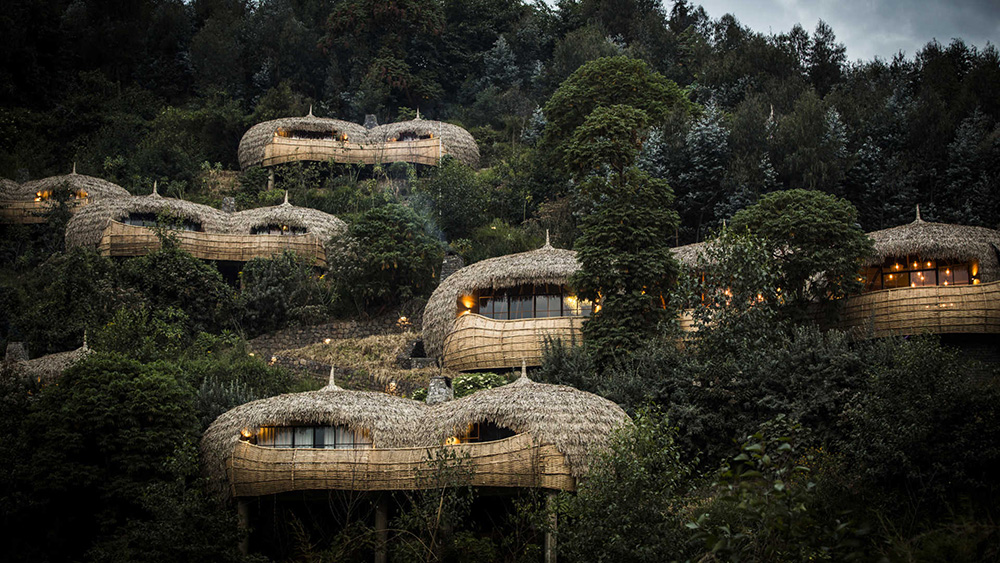
For travelers seeking the ultimate in comfort and elegance, Rwanda’s luxury gorilla trekking lodges provide world-class accommodations. These properties rival the finest safari lodges anywhere in Africa.
Bisate Lodge perches on the rim of an ancient volcanic amphitheater. It offers six forest villas designed to blend seamlessly with the natural environment while providing contemporary luxury amenities.
Each villa features private terraces, fireplaces, and butler service. The lodge’s commitment to sustainability and conservation is evident in every detail. From reforestation programs to locally-sourced cuisine, your stay becomes as meaningful as it is comfortable. Singita Kwitonda Lodge represents the pinnacle of luxury gorilla trekking accommodation. It features eight suites and two villas that seem to emerge organically from the volcanic landscape.
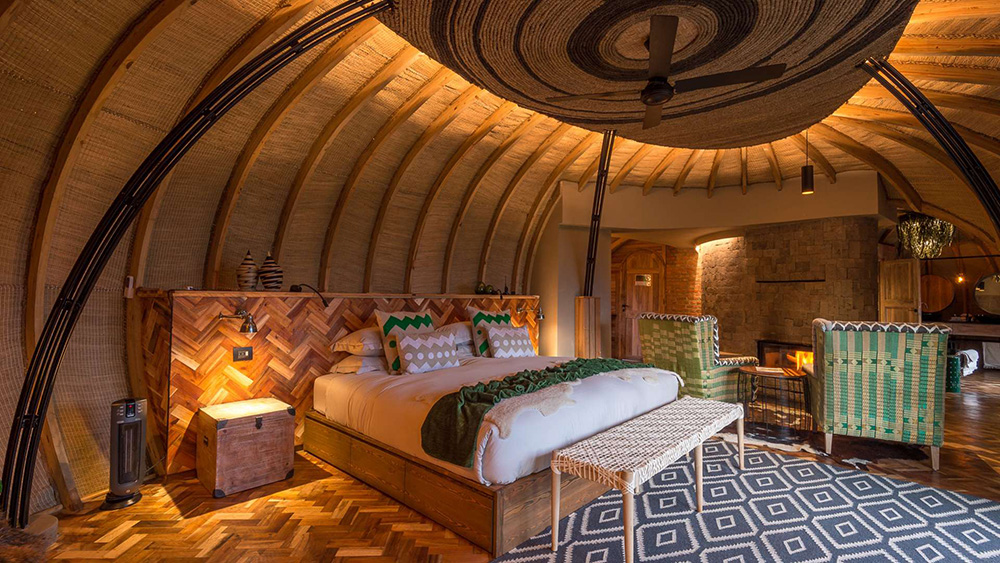
Every aspect of this property reflects meticulous attention to detail. Handcrafted furnishings by local artisans complement floor-to-ceiling windows that frame spectacular mountain views. The lodge’s spa services, world-class cuisine, and personalized service create an atmosphere where you can truly relax. You’ll have time to reflect on your gorilla encounters in absolute comfort.
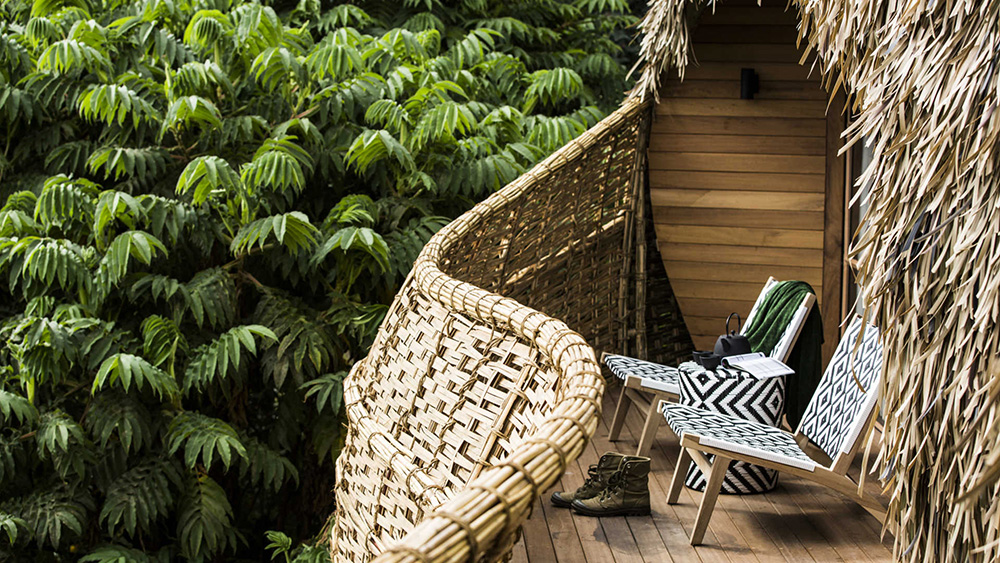
Sabyinyo Silverback Lodge offers an intimate luxury experience with just eight spacious cottages. Each features stone fireplaces, private terraces, and views across the Virunga volcanoes. What sets this lodge apart is its strong community connection. It’s owned by the local community and staffed by residents from nearby villages. This ensures your luxury experience directly benefits local people.
The lodge’s cozy atmosphere, excellent cuisine, and knowledgeable staff create the perfect environment for sharing stories. You’ll find yourself swapping gorilla trekking adventures with fellow guests over evening cocktails by the fireplace. These properties prove that responsible luxury travel can create unforgettable experiences while supporting conservation and local communities.
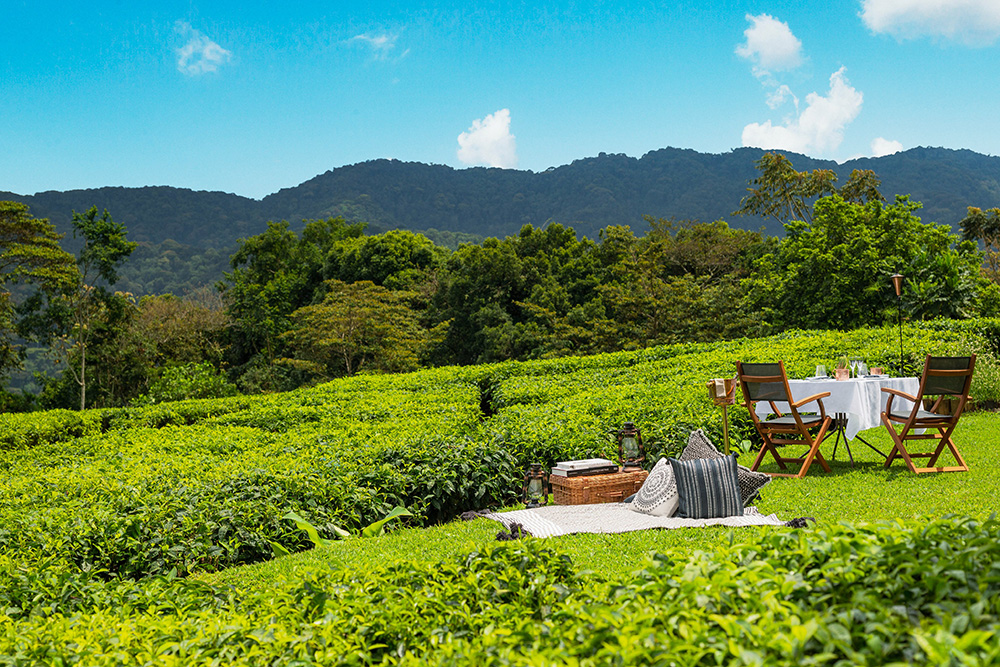
Mid-Range Comfort
Mid-range accommodations around Volcanoes National Park strike an excellent balance between comfort and value. They’re perfect for travelers who want quality amenities without the premium luxury price tag.
Mountain Gorilla View Lodge offers comfortable rooms with stunning views of the volcanoes. The welcoming atmosphere places you just minutes from park headquarters.
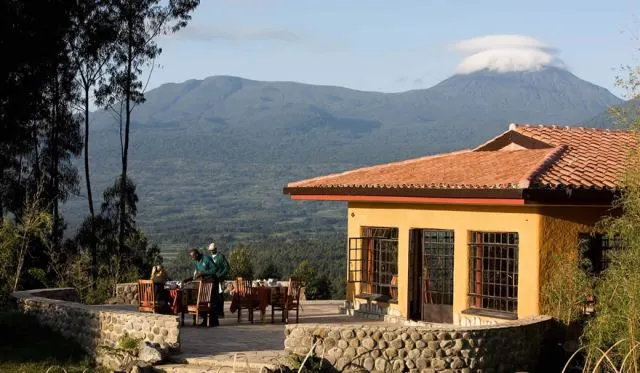
The lodge’s restaurant serves delicious local and international cuisine. Evening entertainment often includes traditional Rwandan dance performances that provide cultural insights to complement your wildlife experiences.
Da Vinci Gorilla Lodge provides modern accommodations with excellent facilities. These include a spa, fitness center, and multiple dining options, all set within beautifully landscaped gardens.
The rooms are spacious and well-appointed with contemporary amenities, private balconies, and thoughtful touches. These ensure comfortable stays after long days of trekking. What many guests particularly appreciate is the lodge’s helpfulness in organizing additional activities. Their knowledgeable staff can provide valuable insights about local attractions and gorilla trekking tips.
Virunga Lodge Rwanda offers a unique mid-range eco-friendly option. The lodge emphasizes sustainability without compromising comfort. It features 10 canvas-and-stone bandas with private bathrooms, comfortable furnishings, and terraces overlooking the valley.
Their commitment to environmental responsibility and community engagement aligns perfectly with the conservation-focused nature of gorilla trekking. Their guided nature walks and cultural activities provide additional value for guests seeking comprehensive Rwanda experiences. You’ll appreciate the authentic atmosphere that makes you feel connected to the landscape and local communities.
Budget-Friendly Stays
Budget-conscious travelers will find several excellent options that provide comfortable accommodations without breaking the bank. This proves that unforgettable gorilla trekking experiences don’t require luxury price tags. Kinigi Guesthouse offers clean, simple rooms with basic amenities just minutes from Volcanoes National Park headquarters. The location makes it incredibly convenient for early morning trek departures.
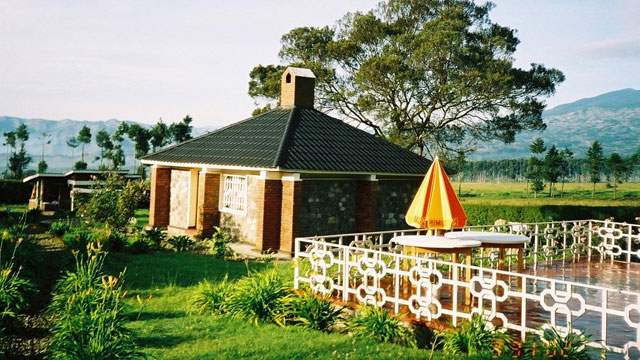
The guesthouse’s local atmosphere, friendly staff, and hearty breakfast options provide authentic Rwandan hospitality. Many guests find this more memorable than expensive resort experiences.
Gorilla Solution Lodge caters specifically to budget travelers with dormitory-style accommodations and private rooms. All feature essential amenities like hot showers, comfortable beds, and secure storage for your gear.
The lodge’s community atmosphere encourages interaction with fellow gorilla trekkers from around the world. This often leads to lasting friendships and shared adventures. Their on-site restaurant serves affordable, nutritious meals that fuel your trekking adventures. The staff’s local knowledge helps budget travelers make the most of their Rwanda experience without unnecessary expenses.
Muhabura Hotel offers budget accommodation with surprising levels of comfort. It features clean rooms with private bathrooms, hot water, and basic furnishings, ensuring restful nights after challenging treks. Located in nearby Musanze town, the hotel offers easy access to local markets, restaurants, and cultural attractions.
This allows budget travelers to experience authentic Rwandan life beyond the national park. The hotel’s restaurant serves traditional Rwandan dishes at very reasonable prices. Their tour desk can help arrange budget-friendly activities and transportation to complement your gorilla trekking adventure. The key to successful budget travel here is embracing the local experience – you’ll often find it more rewarding than luxury alternatives.
Unique Features: Volcanic Landscapes and Calderas
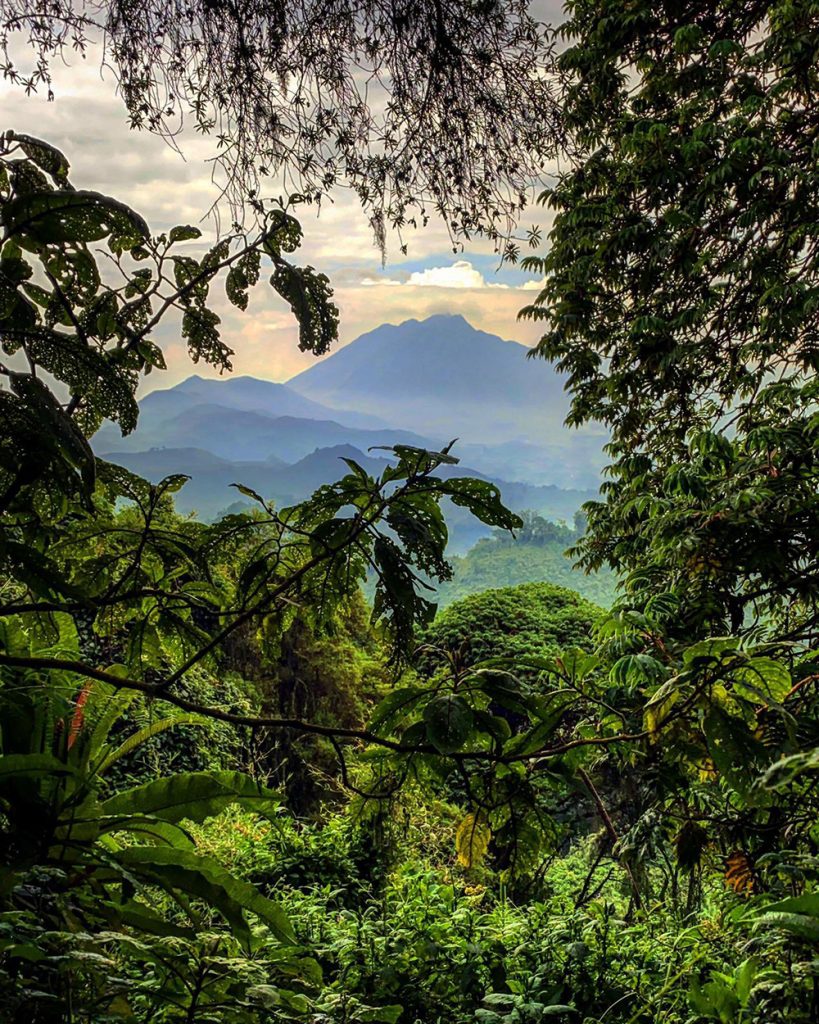
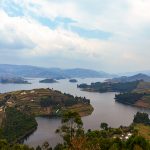
Volcanoes National Park is home to some of Africa’s most stunning scenery, thanks to its dramatic volcanic landscape. The park has five volcanic peaks, each offering unique geological features and ecosystems that captivate scientists and visitors alike.
One of the park’s real showstoppers is Mount Bisoke’s crater lake. Over thousands of years, rainwater slowly filled the volcano’s crater, creating this beautiful alpine lake, cradled by steep crater walls. It’s absolutely pristine and honestly one of those sights that sticks with you.
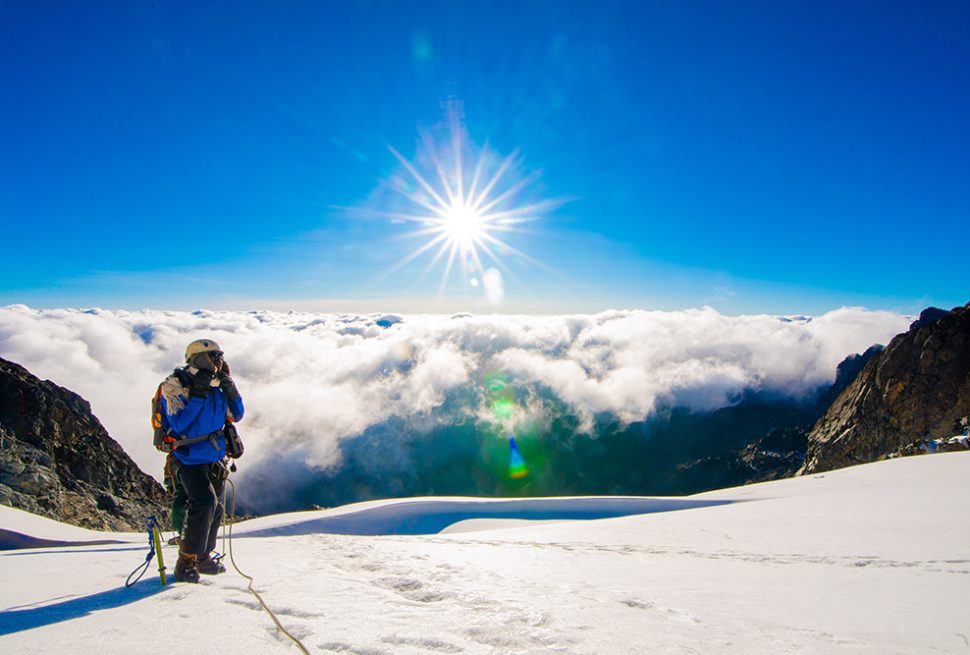
The challenging hike to reach this natural wonder rewards visitors with otherworldly scenery. It feels more like visiting another planet than exploring an African forest. Karisimbi, the highest peak at 4,507 meters, presents serious mountaineering challenges but offers the ultimate panoramic views. You can see across Rwanda, Uganda, and the Democratic Republic of Congo from its summit.
The mountain’s name means “white shell” in Kinyarwanda. This refers to the frequent hail and occasional snow that caps its summit, creating surprisingly alpine conditions in equatorial Africa. What makes these volcanic landscapes particularly special is how they’ve created diverse microclimates and habitats within relatively small areas. They support everything from tropical montane forests to alpine meadows.
The ancient volcanic activity has also created unique geological formations throughout the park. These include lava tubes, volcanic caves, and dramatic cliff faces that provide nesting sites for various bird species. These geological features tell the story of millions of years of volcanic activity. This activity not only shaped the physical landscape but also created the specific conditions necessary for the evolution and survival of mountain gorillas.
The mineral-rich volcanic soils support incredibly diverse plant communities. These form the foundation of the complex ecosystem supporting gorillas and hundreds of other species. Visitors often express amazement at how the volcanic landscape creates such diverse experiences within a single park. You can have misty forest encounters with gorillas in the morning and challenging alpine climbs with spectacular views across three countries in the afternoon.
Photography Experience
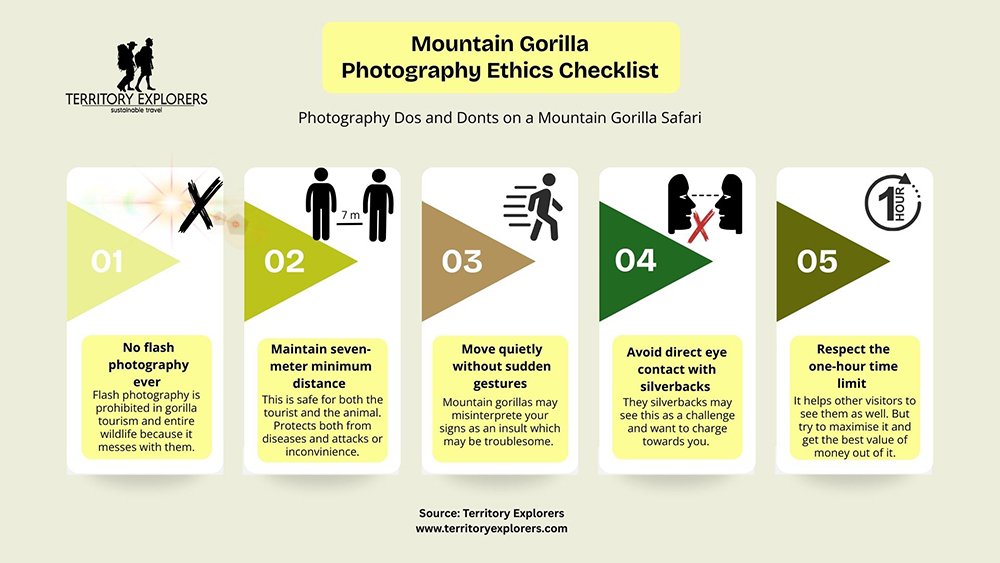
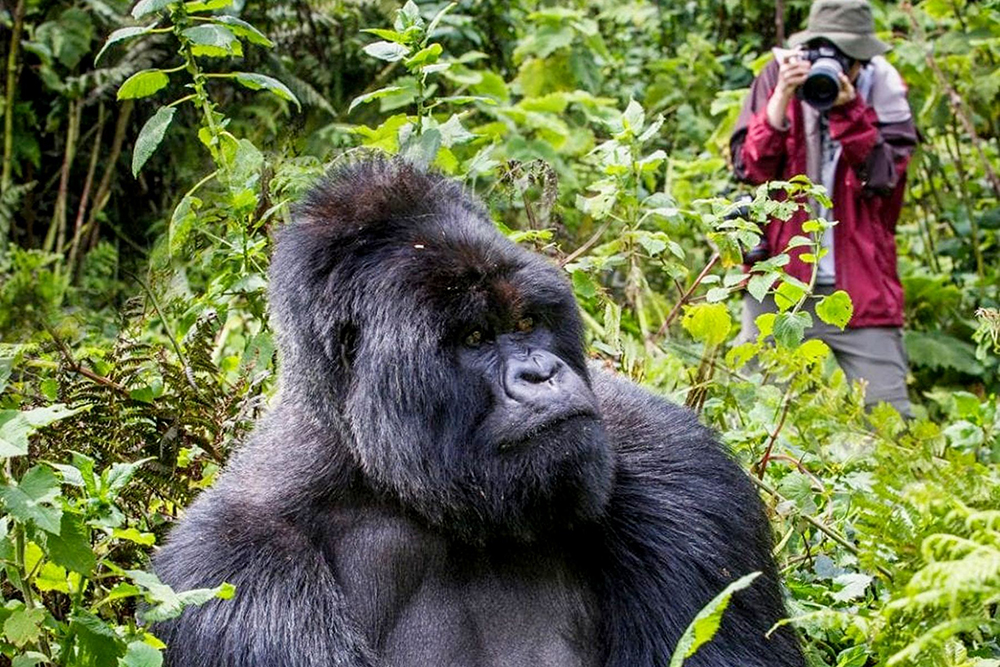
Photographing mountain gorillas presents unique challenges and incredible rewards. Success requires preparation, patience, and respect for these magnificent creatures and their forest home. The dense canopy filters sunlight into constantly changing patterns of light and shadow. High humidity often fogs camera lenses, making technical skills as important as artistic vision.
Professional photographers recommend bringing weather protection for equipment, extra batteries, and fast lenses. Cold conditions drain batteries quickly, while fast lenses perform well in low-light forest conditions where flash photography is strictly prohibited. The emotional intensity of gorilla encounters can make it challenging to focus on technical photography details. The key is finding a balance between experiencing the moment and capturing memories to share later.
Many visitors discover that their most treasured photographs aren’t necessarily the technically perfect shots. Instead, they value images that capture the personality and emotion of individual gorillas. A curious juvenile reaching toward the camera, a protective mother cradling her infant, or a massive silverback displaying calm confidence. These moments require patience and readiness, as gorilla behavior is unpredictable and the best photographic opportunities often happen spontaneously.
Forest photography also provides incredible opportunities beyond gorilla portraits. You can capture macro shots of unique plants and insects or landscape images showcasing the dramatic volcanic terrain. The misty, atmospheric conditions that sometimes disappoint visitors actually create some of the most evocative and memorable photographs. Fog adds mystery and depth to forest scenes.
Many photographers find that the difficult lighting in the forest encourages creativity and leads to more artistic photos than they might get in easier conditions. Post-processing is important for gorilla photography, as adjusting shadows, highlights, and color balance helps capture the true experience and the personality of the gorillas. Even imperfect photos often become treasured memories because of the special moments they represent.
Getting There: Transportation to Volcanoes National Park
Reaching Volcanoes National Park requires a scenic 2-3 hour journey from Kigali International Airport. You’ll travel through Rwanda’s picturesque countryside, showcasing why this nation is known as “the land of a thousand hills.” The well-maintained roads wind through terraced hillsides, traditional villages, and increasingly dramatic mountain scenery as you approach the park.
Most visitors are struck by Rwanda’s cleanliness, organization, and the friendliness of the people encountered along the route. This provides excellent first impressions of this remarkable country. Private vehicle transfers offer the most comfortable and flexible option. They allow stops for photographs, visits to local markets, or visits to cultural sites along the route.
Shared shuttle services provide more economical transportation while still ensuring reliable, comfortable transfers. You’ll travel with fellow adventurers who share your excitement about the upcoming gorilla encounter. Many tour operators include transportation as part of comprehensive gorilla trekking packages. This eliminates logistics concerns and ensures seamless coordination between accommodation, activities, and transfers.
The journey itself becomes part of the adventure as you transition from Kigali’s urban environment through rural farming communities. You’ll reach the dramatic volcanic landscape surrounding the park. Agricultural terraces covering steep hillsides create stunning scenery. Frequent glimpses of traditional Rwandan life provide cultural context for your wildlife adventure.
Most drivers are knowledgeable about local history and culture. They often share stories and insights that enhance your understanding of Rwanda beyond its famous mountain gorillas. Flight connections to Kigali are excellent from major international hubs. RwandAir and other carriers provide convenient access from Europe, the Middle East, and other African destinations. This makes Rwanda surprisingly accessible for such a specialized wildlife experience.
Costs and Budgeting
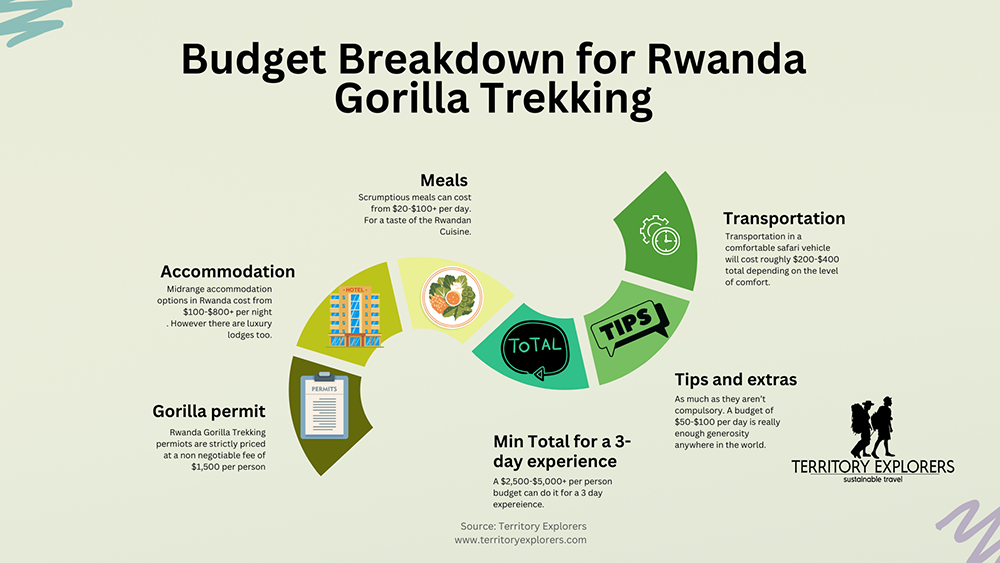
Budget Breakdown for Gorilla Trekking:
- Gorilla permit: $1,500 per person
- Accommodation: $100-$5000+ per night
- Meals: $20-$100+ per day
- Transportation: $200-$400 total
- Tips and extras: $50-$100 per day
- Total 3-day experience: $2,500-$25,000+ per person
Gorilla trekking in Rwanda represents a significant financial investment. Understanding the cost breakdown helps visitors appreciate the value and plan accordingly for this once-in-a-lifetime experience. The $1,500 gorilla permit is often the largest single expense. However, this fee directly funds conservation efforts, anti-poaching operations, community development programs, and extensive infrastructure required to protect mountain gorillas and their habitat.
When you consider that this permit cost supports one of the world’s most successful conservation programs, most visitors feel the expense is entirely justified. It provides income for hundreds of local families. Additional costs typically include accommodation ranging from budget guesthouses to ultra-luxury lodges, meals, transportation, guide tips, porter fees, and optional activities.
A realistic budget for a 3-day gorilla trekking experience ranges from $ 2,500 to $25,000+ per person. This depends on accommodation choices, preferences, and additional activities. Money-saving strategies include visiting during shoulder seasons when accommodation rates are lower. You can choose mid-range or budget lodging, share transportation costs, and book through reputable local operators, who can often secure better rates than international tour companies.
However, it’s important not to compromise on essential elements such as reputable guides, proper gear, and travel insurance. These investments ensure both safety and optimal experiences. Most visitors consider gorilla trekking among their most meaningful travel investments. The life-changing nature of the experience and its contribution to conservation make the cost feel worthwhile long after returning home.
Porter services cost $20 per day and come highly recommended. They help carry your gear while supporting local employment. Optional activities, such as golden monkey trekking, cost $100, while cultural visits range from $50 to $100. Remember, every dollar spent here directly supports conservation efforts and local communities.
Rules and Conservation Ethics: Responsible Tourism
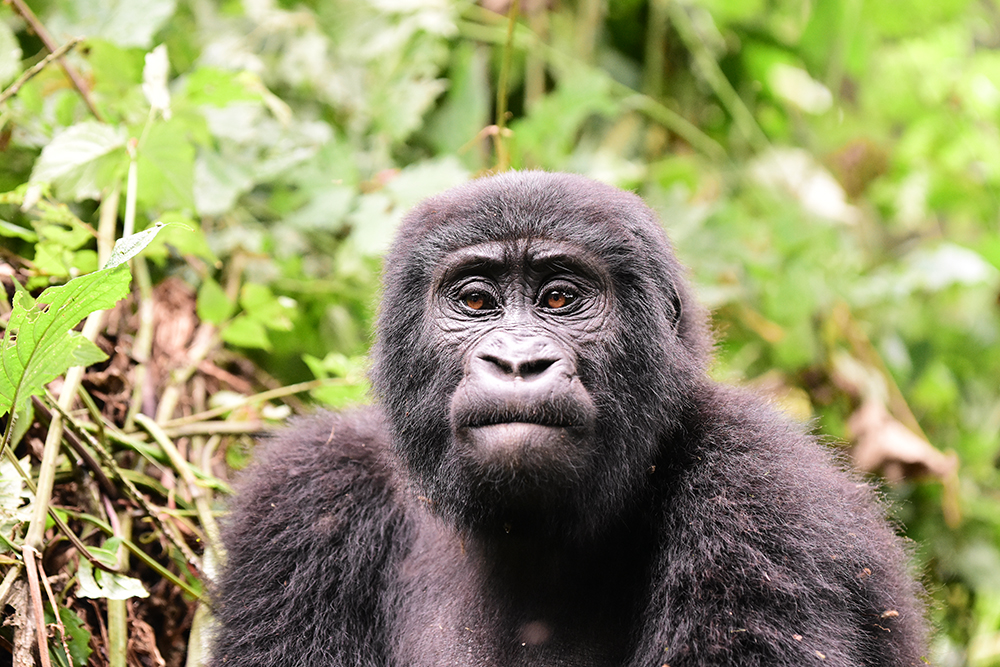
Gorilla trekking operates under strict guidelines designed to protect both visitors and these critically endangered primates. Rules that might seem restrictive are absolutely essential for conservation success.
The minimum viewing distance of 7 meters protects gorillas from human diseases while ensuring visitor safety. However, gorillas sometimes approach closer on their own initiative. In such cases, visitors must slowly move away to maintain an appropriate distance.
This rule becomes challenging when curious juveniles approach, but it’s crucial for protecting gorillas’ long-term health and natural behavior patterns.
Group sizes are limited to 8 visitors per gorilla family per day. This ensures minimal stress on the animals while providing intimate viewing experiences impossible with larger groups.
The one-hour time limit per gorilla family allows multiple groups to visit while minimizing human disturbance. Though this hour often passes surprisingly quickly when you’re captivated by gorilla behavior and interactions.
Flash photography is strictly prohibited as it can startle gorillas and potentially damage their eyesight. This requires photographers to master available light techniques and high ISO settings.
Health protocols require visitors to maintain distance when coughing or sneezing, wear masks if they feel unwell, and sanitize their hands before entering the gorilla habitat. Anyone showing signs of illness may be denied participation, with no refunds provided. This policy protects gorillas from potentially fatal human diseases.
These rules reflect the vulnerability of mountain gorillas to human pathogens and the critical importance of taking every precaution to protect these endangered animals. The success of these conservation measures is evident in steadily increasing gorilla populations.
This demonstrates how well-managed ecotourism can fund and support wildlife protection while providing sustainable income for local communities. Following these guidelines isn’t just about rules – it’s about ensuring future generations can experience these incredible encounters.
Health and Safety: Preparing for Your Adventure
Mountain gorilla trekking presents unique health and safety considerations that require careful preparation. Proper planning ensures safe, comfortable experiences in this challenging environment. The high altitude can cause symptoms such as headaches, nausea, and fatigue, particularly for visitors arriving directly from sea-level locations.
Spending at least one night in Kigali helps acclimatization. Staying hydrated, avoiding alcohol, and recognizing the symptoms of altitude sickness help ensure safer mountain experiences. Physical fitness requirements vary depending on the gorilla family you’re assigned to. However, all visitors should prepare for potentially strenuous hiking on steep, muddy trails through dense forest.
Regular cardiovascular exercise, hiking practice with proper boots, and strengthening leg muscles significantly improve trekking enjoyment and success. The unpredictable nature of gorilla movements means treks can range from easy walks to challenging 8-hour jungle expeditions. Physical preparation is essential for handling whatever conditions you encounter.
Medical considerations include ensuring routine vaccinations are up to date and taking malaria prophylaxis. Though malaria risk is low at high altitudes, it’s better to be safe. Carry a comprehensive first-aid kit, including altitude sickness medication, anti-diarrheal drugs, and pain relievers. Travel insurance covering medical evacuation is essential. Serious injuries in remote forest locations may require helicopter evacuation to proper medical facilities.
Most visitors experience no serious health issues, but the remote nature of gorilla trekking makes preparation crucial. Safety protocols include following the guide instructions at all times, staying with your group, and avoiding sudden movements that might startle gorillas or other wildlife. The forest environment presents natural hazards such as uneven terrain, slippery conditions, stinging nettles, and occasional encounters with other wildlife.
Experienced guides are trained to handle these risks and keep visitors safe during the trek. You can rely on their expertise, as they know the forests well and are focused on your safety.
What to Pack: Essential Gear for Success
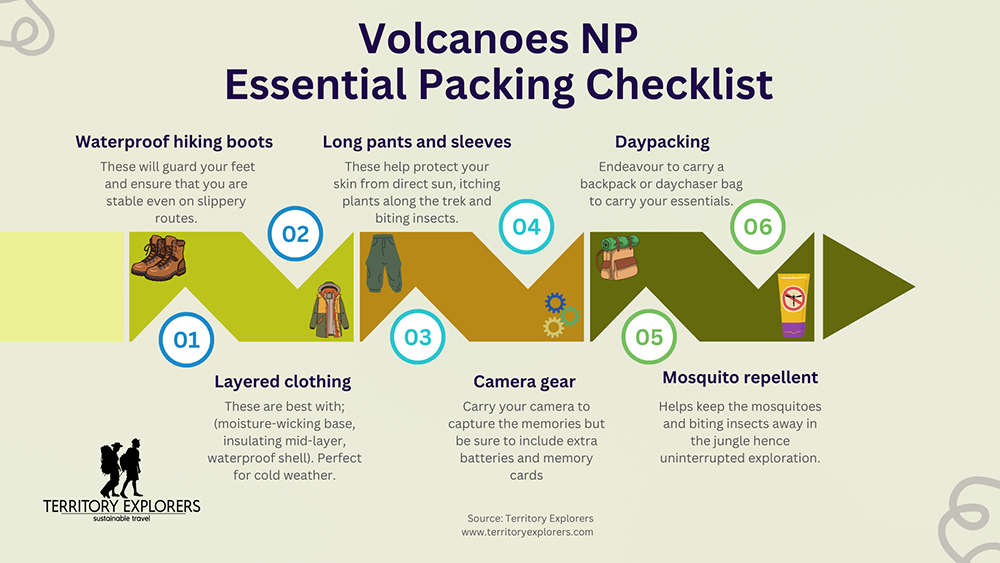
Essential Packing Checklist:
- Waterproof hiking boots with ankle support
- Layered clothing (moisture-wicking base, insulating mid-layer, waterproof shell)
- Long pants and sleeves for protection from nettles
- Camera gear with extra batteries and memory cards
- Daypack for carrying essentials during treks
Packing appropriately for gorilla trekking can make the difference between an uncomfortable ordeal and the adventure of a lifetime. The right gear ensures comfort, safety, and photographic success in challenging mountain conditions. Sturdy, waterproof hiking boots with good ankle support top the essential gear list.
The forest terrain is often muddy, steep, and uneven, making proper footwear absolutely critical for safe trekking. Many visitors underestimate how challenging the terrain can be. They regret bringing inadequate footwear that leaves them struggling on muddy slopes. Layered clothing works best in the mountains’ unpredictable weather.
Start with moisture-wicking base layers, add insulating mid-layers, and finish with waterproof outer shells that can be adjusted as conditions change throughout the day. Long pants and long-sleeved shirts protect against stinging nettles, thorns, and insects. Earth-toned colors help you blend into the forest environment and avoid startling wildlife.
Waterproof gaiters prevent mud and debris from entering your boots. Quality rain gear is essential year-round, as mountain weather can change rapidly. Photography equipment requires special consideration. Weather protection is as important as technical capabilities in the humid forest environment.
Fast lenses perform best in low forest light, while extra batteries and memory cards ensure you don’t miss crucial moments due to equipment failure. A good camera strap and weatherproof bag protect expensive equipment during challenging hikes. Lens cleaning supplies help maintain image quality in humid conditions.
Be sure to bring important accessories such as a comfortable daypack, reusable water bottles, high-energy snacks, insect repellent, sunscreen, and personal medications in waterproof containers. Packing well will help you stay comfortable and prepared during your time in the forest.
Cultural Considerations: Respecting Local Customs
Understanding and respecting Rwandan cultural norms enhances your gorilla trekking experience while demonstrating appreciation for the communities that make conservation possible. Rwandan society values politeness, respect for elders, and community harmony. These values extend to interactions with visitors and create welcoming environments for international travelers.
Learning basic Kinyarwanda greetings like “Muraho” (hello) and “Murakoze” (thank you) shows respect for local culture. It invariably brings smiles and positive responses from the Rwandans you encounter. Dress codes in Rwanda tend to be conservative, particularly in rural areas surrounding Volcanoes National Park. Modest clothing choices are appropriate both for cultural respect and practical trekking needs.
Avoiding revealing clothing, excessive displays of wealth, and inappropriate behavior demonstrates cultural sensitivity. It helps visitors blend respectfully into local communities. Many visitors are surprised by Rwanda’s emphasis on cleanliness and organization. This is reflected in monthly community cleaning days and well-maintained public spaces that contribute to the country’s reputation as one of Africa’s cleanest nations.
Tipping practices in Rwanda follow standard international guidelines. $10-20 per day is appropriate for gorilla trekking guides, and $20 per day for porters whose services significantly enhance the trekking experience. These tips represent meaningful income for local families. They directly reward the people whose expertise and hard work make your gorilla encounters possible.
Photography etiquette requires asking permission before photographing local people. Respect requests to avoid certain areas or activities, and be sensitive to cultural and religious considerations. The integration of traditional Rwandan values with modern conservation goals creates unique opportunities for meaningful cultural exchange.
This deepens your understanding of wildlife protection and local communities. By showing real interest in local customs, you may have opportunities for cultural experiences that many tourists miss.
Comparison with Other Destinations: Why Choose Rwanda
Rwanda stands out among gorilla trekking destinations for its superior infrastructure, shorter travel times, and higher success rates. Many visitors prefer it despite the higher permit costs. Compared to Uganda’s Bwindi Impenetrable Forest, Rwanda’s Volcanoes National Park offers more predictable weather patterns, better road access, and shorter maximum trekking distances.
Uganda provides more gorilla families and lower permit costs at $800 versus $1,500. The trade-off often comes down to convenience and comfort versus budget considerations. Many visitors feel Rwanda’s premium experience justifies the additional expense. The Democratic Republic of Congo offers the most affordable gorilla permits at $400 in Virunga National Park.
However, security concerns, challenging logistics, and infrastructure limitations make it suitable primarily for experienced adventure travelers comfortable with higher risk levels. Rwanda’s political stability, excellent roads, reliable services, and world-class accommodations create stress-free experiences. This allows visitors to focus entirely on wildlife encounters rather than logistical challenges.
What sets Rwanda apart is its holistic approach to conservation tourism. It seamlessly integrates gorilla protection with community development, cultural preservation, and sustainable economic growth. The country’s remarkable post-genocide recovery and transformation into a model African nation adds meaningful context to conservation success stories.
The efficiency and professionalism of tourism services consistently exceed visitor expectations. Many travelers describe Rwanda as exceeding their expectations in every aspect. From the warmth of local people to the quality of infrastructure and services. The compact nature of Rwanda’s gorilla habitat also means higher encounter success rates and often shorter trekking distances.
This makes Rwanda especially attractive for visitors with limited time or mobility. Choosing Rwanda for your gorilla trekking adventure is a reliable and rewarding option.
Frequently Asked Questions
Visiting Volcanoes National Park requires gorilla trekking permits and coordinated logistics, best handled through registered tour operators like Territory Explorers. They manage all paperwork, accommodation bookings, and transportation while you focus on experiencing this incredible adventure. If you’re planning gorilla trekking, contacting experienced operators eliminates stress and ensures professional handling of every detail from permits to cultural activities.
Volcanoes National Park spans 160 square kilometers of volcanic mountain terrain. It’s relatively compact but incredibly diverse, with five volcanic peaks creating varied habitats from bamboo forests to alpine meadows. This manageable size actually works to visitors’ advantage, as gorilla families are typically located within reasonable trekking distances. Some may still require challenging 6-8 hour hikes, depending on their daily movements and territory preferences.
Volcanoes National Park is Rwanda’s premier wildlife destination and Africa’s first national park, established in 1925. It protects approximately one-third of the world’s remaining mountain gorillas, as well as golden monkeys and over 200 bird species. The park’s five volcanic peaks create dramatic landscapes that served as the research base for Dian Fossey’s pioneering gorilla studies.
The park headquarters in Kinigi opens at 7:00 AM for gorilla trekking briefings. Visitors must arrive by 7:30 AM for mandatory safety and behavioral briefings before departing for treks. Early morning starts are essential because gorilla families are most active in cooler morning hours, and the timing allows full days for potentially long treks while ensuring adequate daylight for safe forest navigation.
Beyond the famous gorilla trekking, visitors can enjoy golden monkey tracking, birdwatching, volcano hiking, visits to the Dian Fossey tomb, nature walks, cultural village tours, and cave exploration. These diverse activities allow multi-day stays that fully explore the park’s natural and cultural heritage, with rest days between challenging gorilla treks.
Volcanoes National Park was established in 1925 as Africa’s first national park, originally created to protect mountain gorillas from hunting and habitat destruction. This early conservation initiative laid the groundwork for modern gorilla protection programs and demonstrated the potential for sustainable wildlife tourism long before ecotourism became a recognized conservation strategy globally.
The best times to visit are during the dry seasons from June to September and from December to February, when weather conditions are most favorable for trekking and wildlife viewing. However, shoulder seasons offer fewer crowds, lower accommodation rates, and equally rewarding gorilla encounters. Many experienced travelers prefer the atmospheric conditions and intimate experiences available during quieter periods.
Accommodation options range from ultra-luxury lodges like Singita Kwitonda and Bisate Lodge to mid-range properties like Mountain Gorilla View Lodge and budget-friendly guesthouses near park headquarters. The key is choosing accommodation that aligns with your comfort preferences and budget while ensuring convenient access to early-morning trek departures.
Volcanoes National Park offers the world’s most accessible and well-managed mountain gorilla encounters. It combines conservation success, cultural authenticity, excellent infrastructure, and diverse activities in one compact destination. The park’s role in gorilla conservation history, connection to Dian Fossey’s research, and integration with local communities create meaningful experiences that extend far beyond simple wildlife viewing.
Absolutely – Volcanoes National Park provides one of the world’s most profound wildlife experiences. Encounters with critically endangered mountain gorillas create lasting memories and often inspire lifelong commitment to conservation. The combination of exceptional wildlife viewing, dramatic volcanic landscapes, rich cultural experiences, and direct contribution to conservation success makes it worth every penny of the investment for most visitors.
A minimum of 2-3 days is required for gorilla trekking and additional activities. However, 4-5 days provides optimal time for multiple treks, golden monkey tracking, cultural activities, and proper rest between adventures. Many visitors wish they had allocated more time for this remarkable destination. The diverse activities and profound impact of gorilla encounters often inspire a desire to extend stays and explore further.
Yes, Volcanoes National Park hosts approximately 400 mountain gorillas in 12 habituated families available for tourism. This represents about one-third of the world’s total mountain gorilla population. These families have been carefully habituated to human presence over many years, allowing intimate encounters while maintaining natural behaviors, with a 98% success rate for locating gorilla families during treks.
Conclusion
Volcanoes National Park proves that conservation actually works when done right. Since 1925, this beautiful place has grown from Africa’s first national park into a sanctuary that now protects a number of mountain gorillas across its volcanic landscape. You’ll find these incredible creatures alongside golden monkeys and hundreds of bird species, all thriving in ecosystems shaped by five towering volcanic peaks.
What makes this place special isn’t just the wildlife – it’s how the local Banyarwanda people have become true partners in conservation. They work as your guides, share their knowledge as trackers, and welcome you into their communities. When you visit, your money doesn’t just disappear into some distant organization. It directly supports the families who’ve made gorilla protection their mission, and the results speak for themselves: gorilla numbers keep growing.
Visiting here can change your perspective on wildlife. Watching animals in their natural habitat is a special experience. Many people leave Rwanda feeling they have contributed to a larger conservation effort, showing that working with local communities can help protect endangered species.
If you are ready to explore, working with experienced operators like Territory Explorers ensures professional handling of all logistics. You can focus on preparing for and savoring every moment of your encounter with Rwanda’s mountain gorillas. This experience will undoubtedly rank among the most meaningful and memorable of your lifetime. The question isn’t whether you should go – it’s how soon you make it happen.